Shape tomorrow’s infrastructure with TechSpan.
Discover TechSpan precast arches, a durable and cost-effective solution designed for long-term performance.
What is TechSpan?
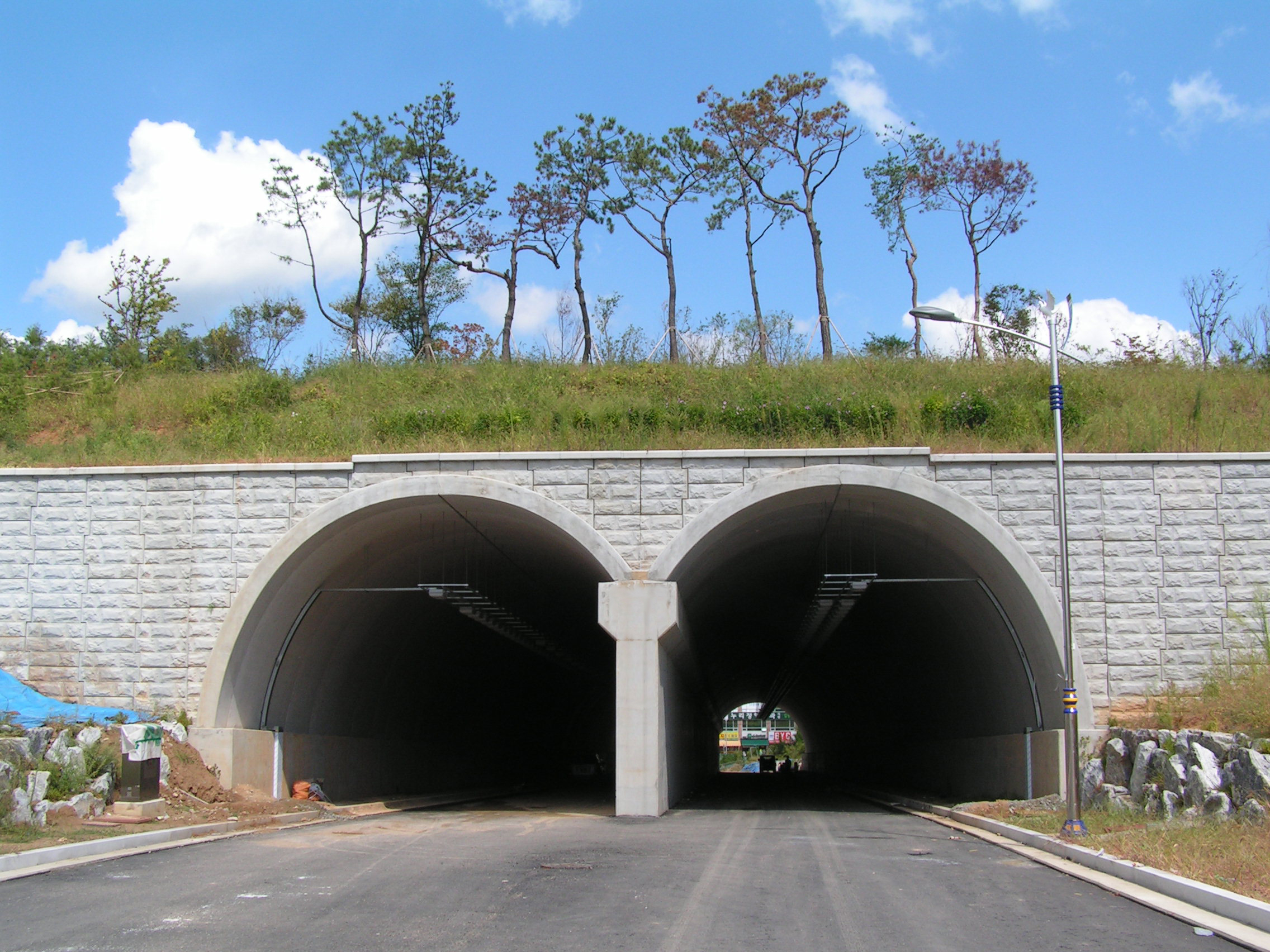
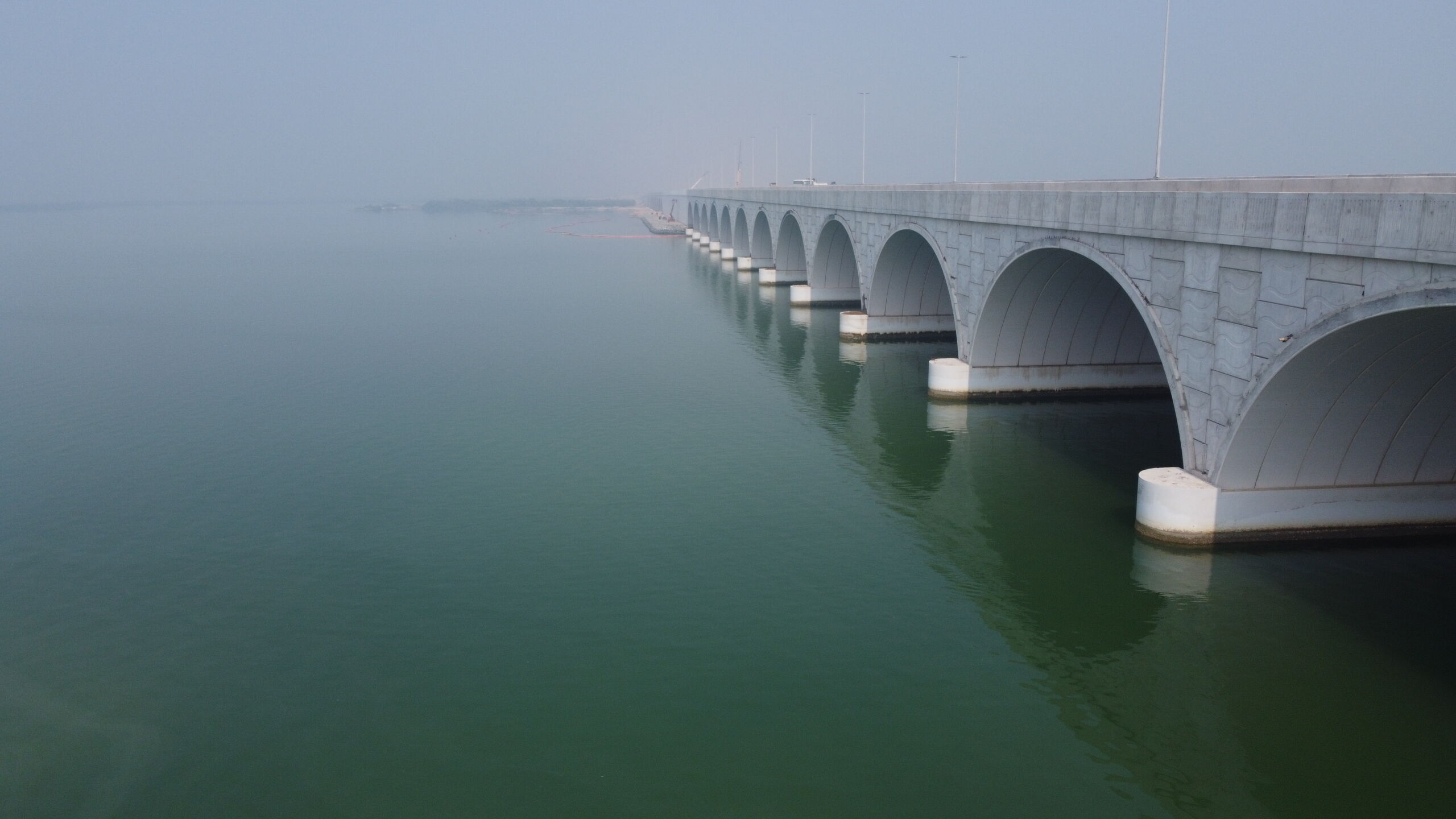
TechSpan precast arches are engineered concrete structures designed to create durable crossings for linear transport infrastructure and waterways.
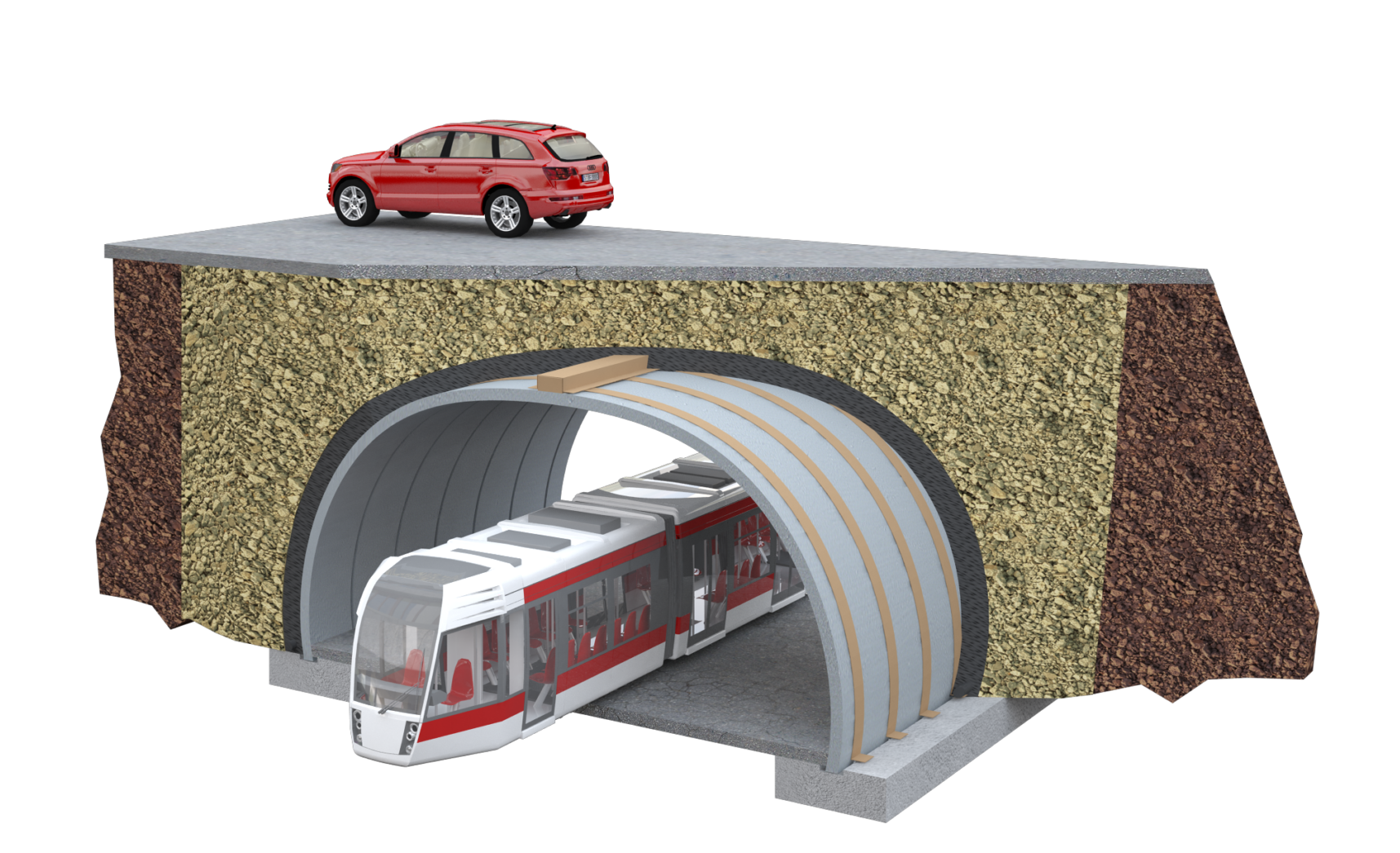
Used worldwide, these arches provide a fast, modular solution for underpasses, overpasses, cut and cover tunnels, culverts, wildlife crossings, and more, delivering robust load-bearing capacity, long-term resilience, and seamless integration into both urban and natural environments.
How TechSpan works
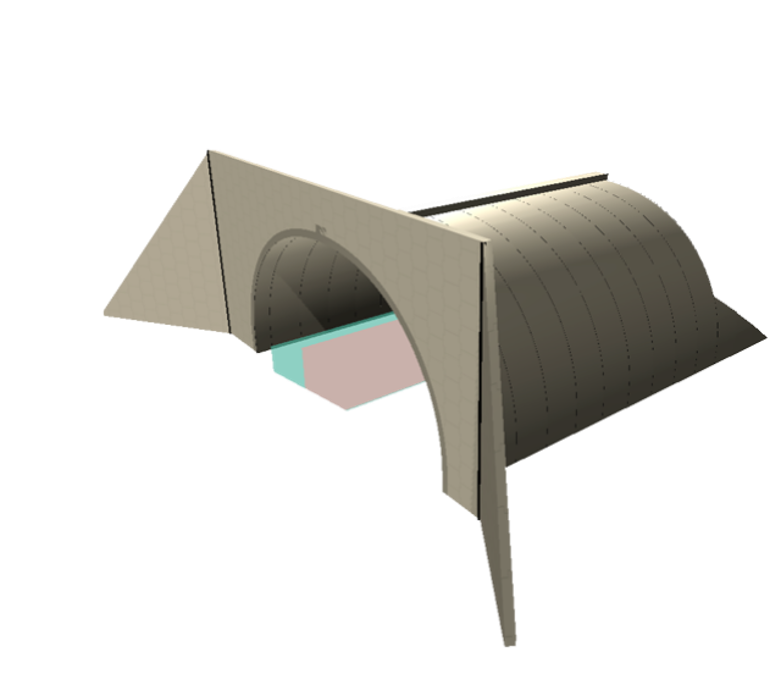
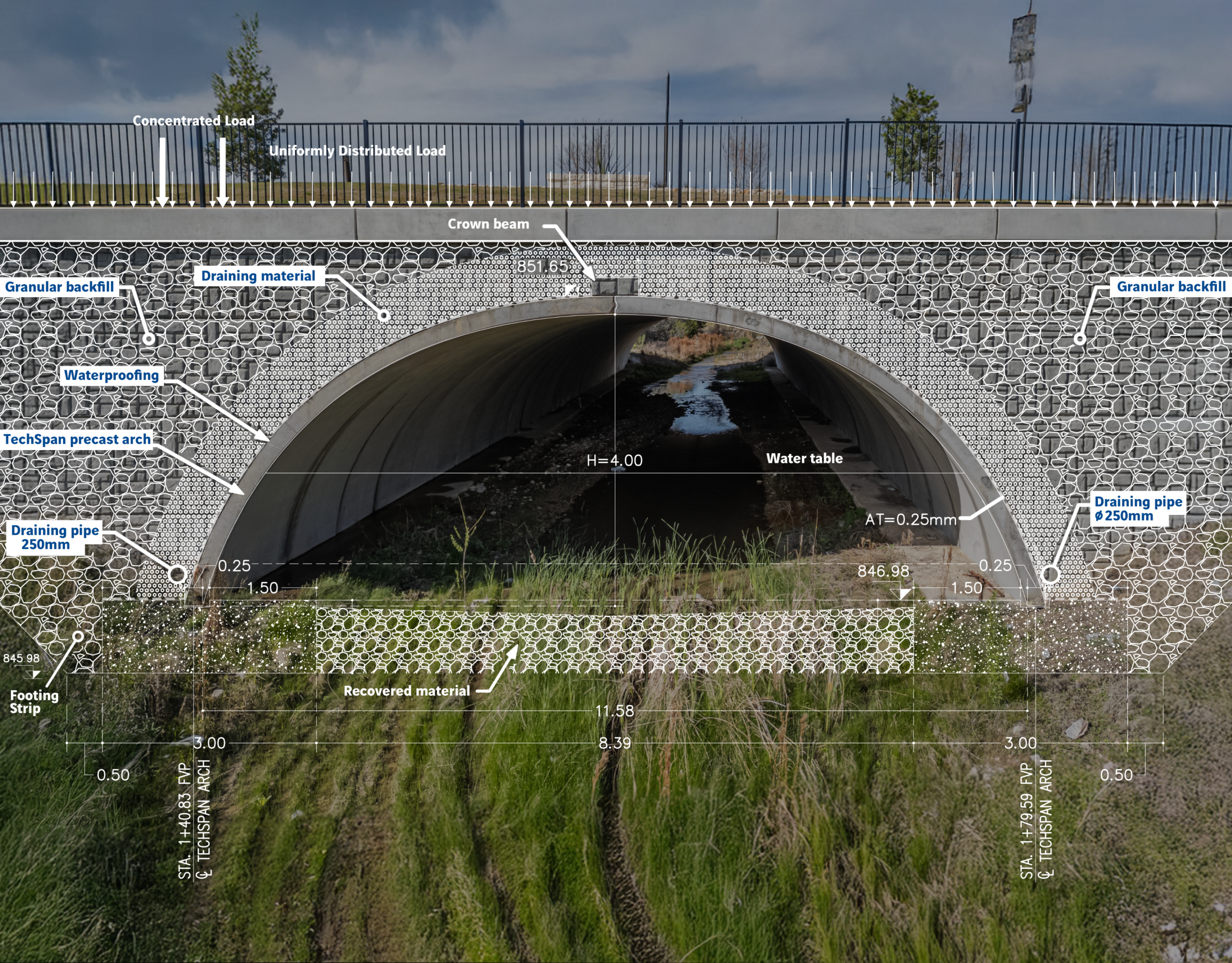
TechSpan is a three-hinged precast concrete arch solution, typically consisting of half-arch units meeting at the crown, supported by precast or cast-in-place footings sized for site-specific conditions. The installation is fast and predictable, requiring only a narrow footprint and minimal equipment.
TechSpan’s benefits
Wide range of geometries:
spanscan vary from 6 to over 22 meters with heights from 30% to 70% of the span.
Patented funicular curve:
minimizes tensile forces therefore creating an axially compressed structure for unmatched durability and cost savings.
Soil-structure interaction:
the backfill and arch work together, optimizing load transfer and resilience, even under heavy, dynamic, or seismic loads.
Modular precast structure:
accelerates installation, reduces site disruption, and supports complex geometries.
100+ year design life:
engineered for the most demanding infrastructure environments.
FEM design
for optimal shape and safety.
Precast units
simplify shipping, delivery, and installation.
Self-supporting arches
minimize bracing and heavy equipment needs.
Multiple applications
TechSpan arches are trusted worldwide for:
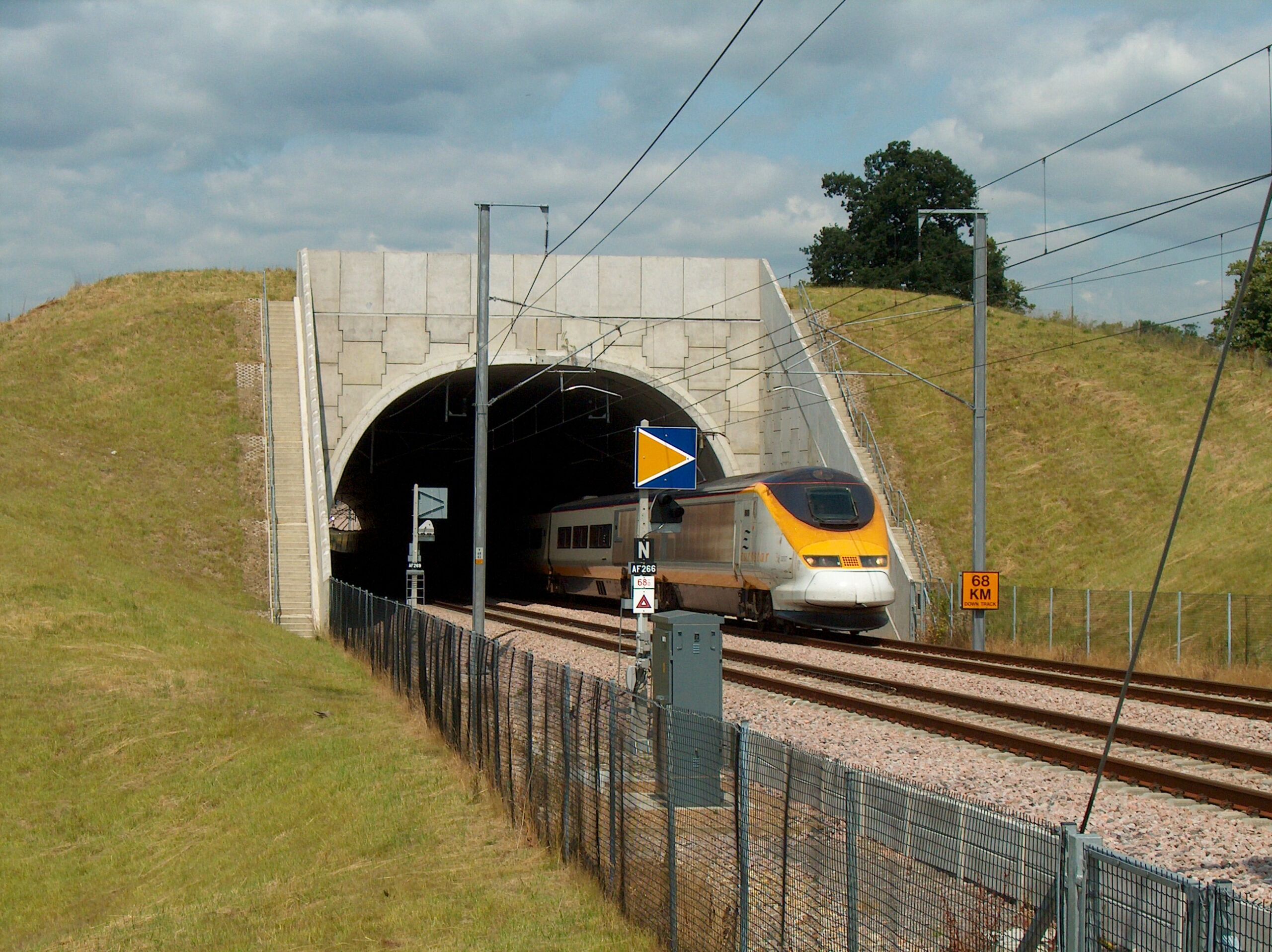
- Roadway and railway underpasses and overpasses,
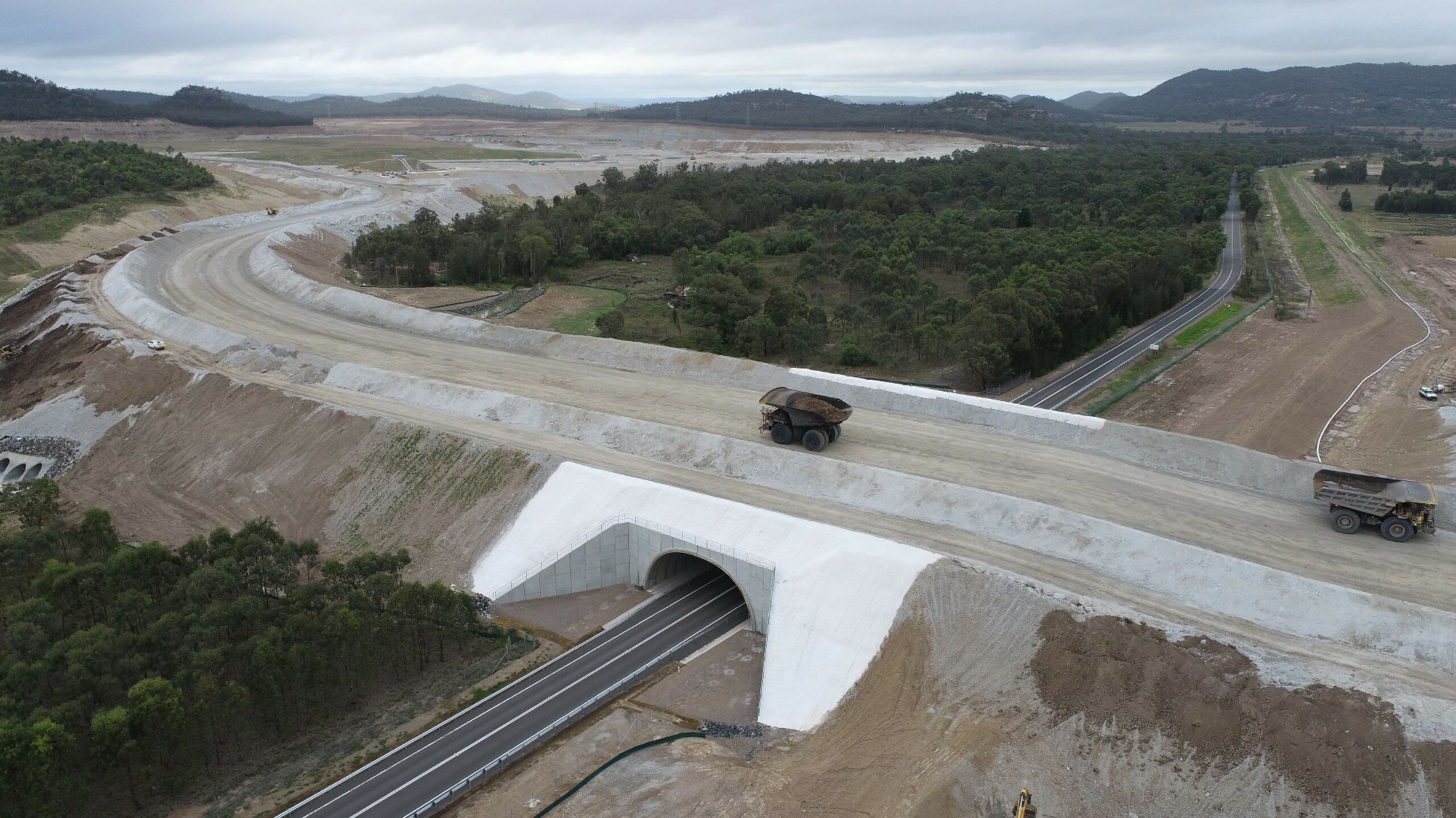
- Mining tunnels and reclaim conveyor galleries,
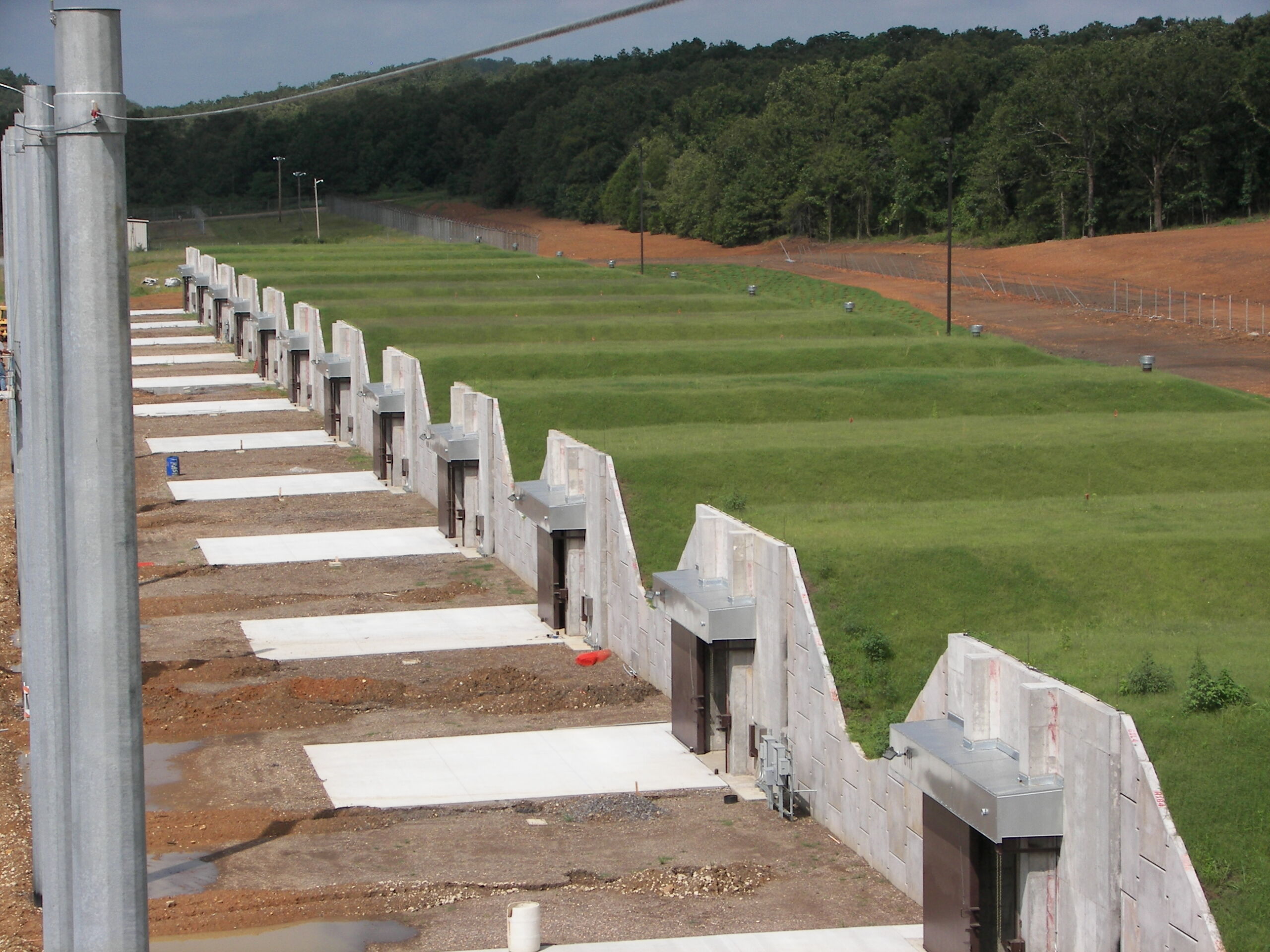
- Explosives and munitions storage (military and industrial),
- Commercial and pedestrian overfilled passages,
- Rockfall protection sheds and galleries,
- Wildlife crossings and ecological corridors,
- Above-ground earth shelters and culverts,
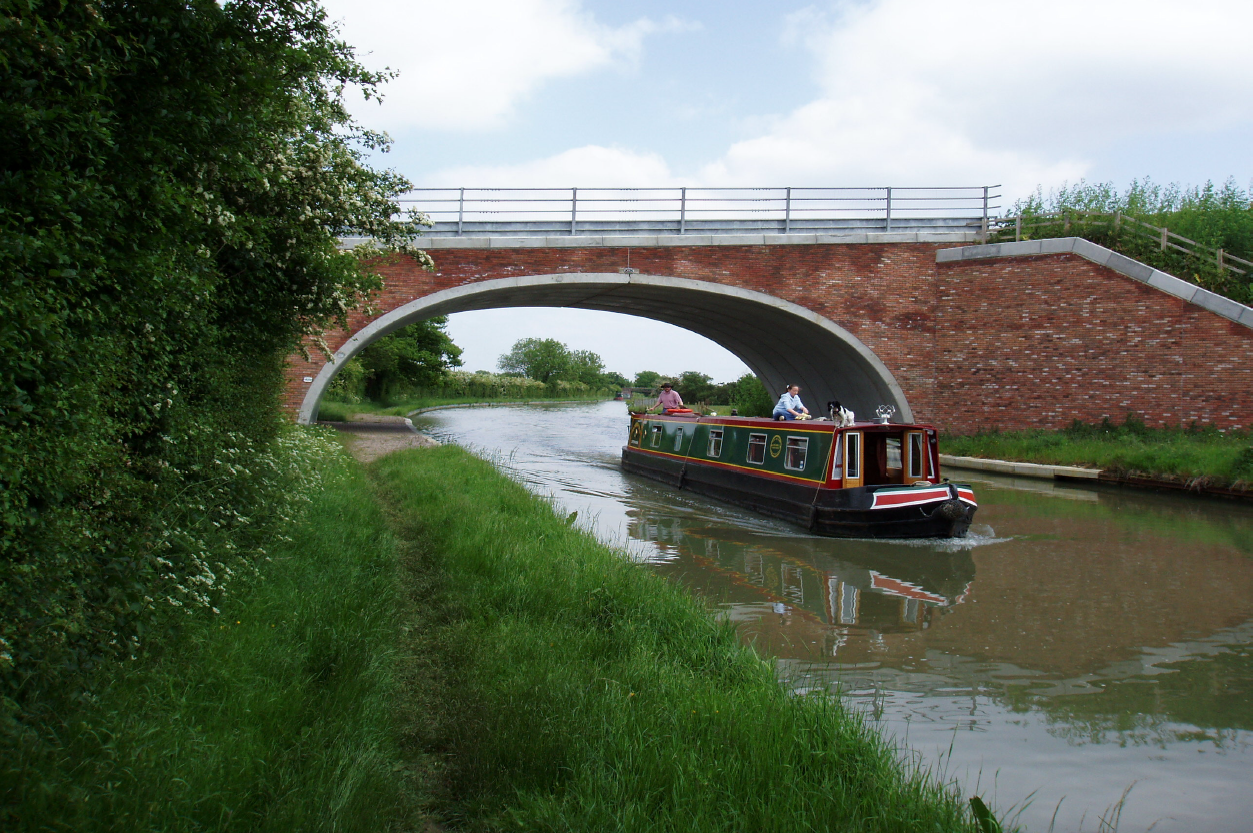
- Water management structures.