Supporting every stage of waste handling, containment and storage
Waste management facilities bring together material handling, processing, containment and environmental protection within the same site. Geoquest provides solutions for the infrastructure required to receive, transfer, process and store waste while managing the ground, water and operational conditions surrounding these activities.
Infrastructure following the waste stream
Waste moves through several stages before reaching its final destination. Materials may be delivered to transfer stations, sorted for recovery or recycling, transported through processing facilities and ultimately directed to storage, treatment or disposal areas.
Each stage creates different infrastructure requirements. Heavy vehicles need reliable access and unloading areas, transfer operations require elevated platforms, processing facilities may incorporate conveyors and buried passages, and disposal areas must control liquids and gases throughout their operation.
Landfills and containment areas introduce longer-term considerations, particularly drainage, seepage management, erosion and the stability of the earthworks surrounding stored materials.
From receiving waste to final containment
Geoquest solutions can support the progression of materials through a waste management facility, combining structures for handling and movement with reinforcement, containment and drainage solutions.
- Receiving and transferring materials
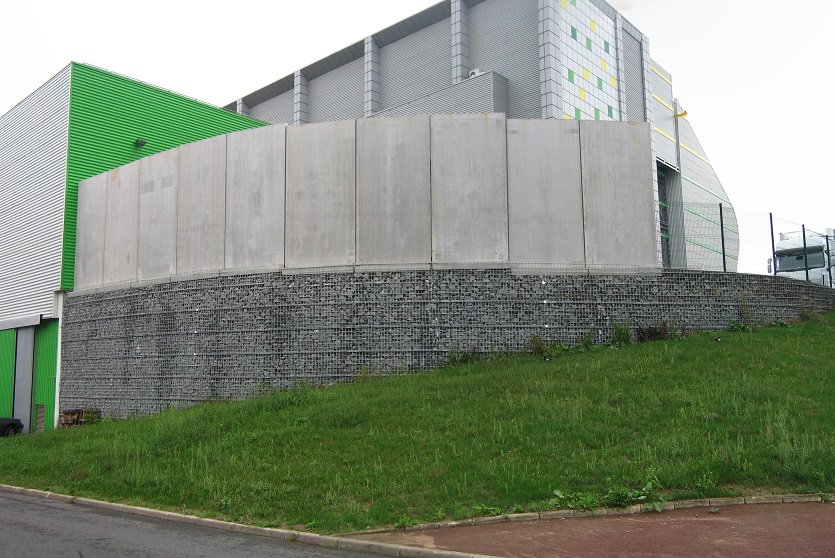
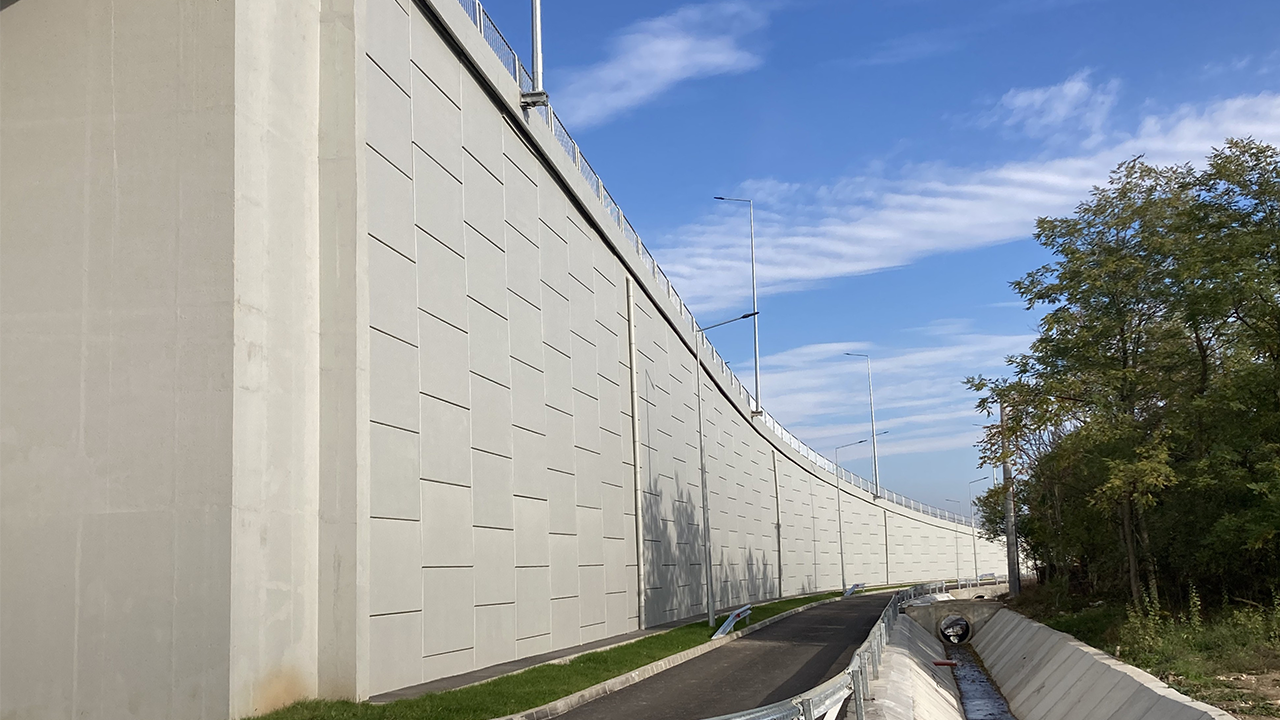
Waste transfer stations often use elevated platforms to allow vehicles to discharge materials into collection or processing areas below. Reinforced Earth walls and abutments can form load-bearing dump stations and transfer platforms adapted to heavy vehicle movements and operational layouts.
- Moving materials through processing areas
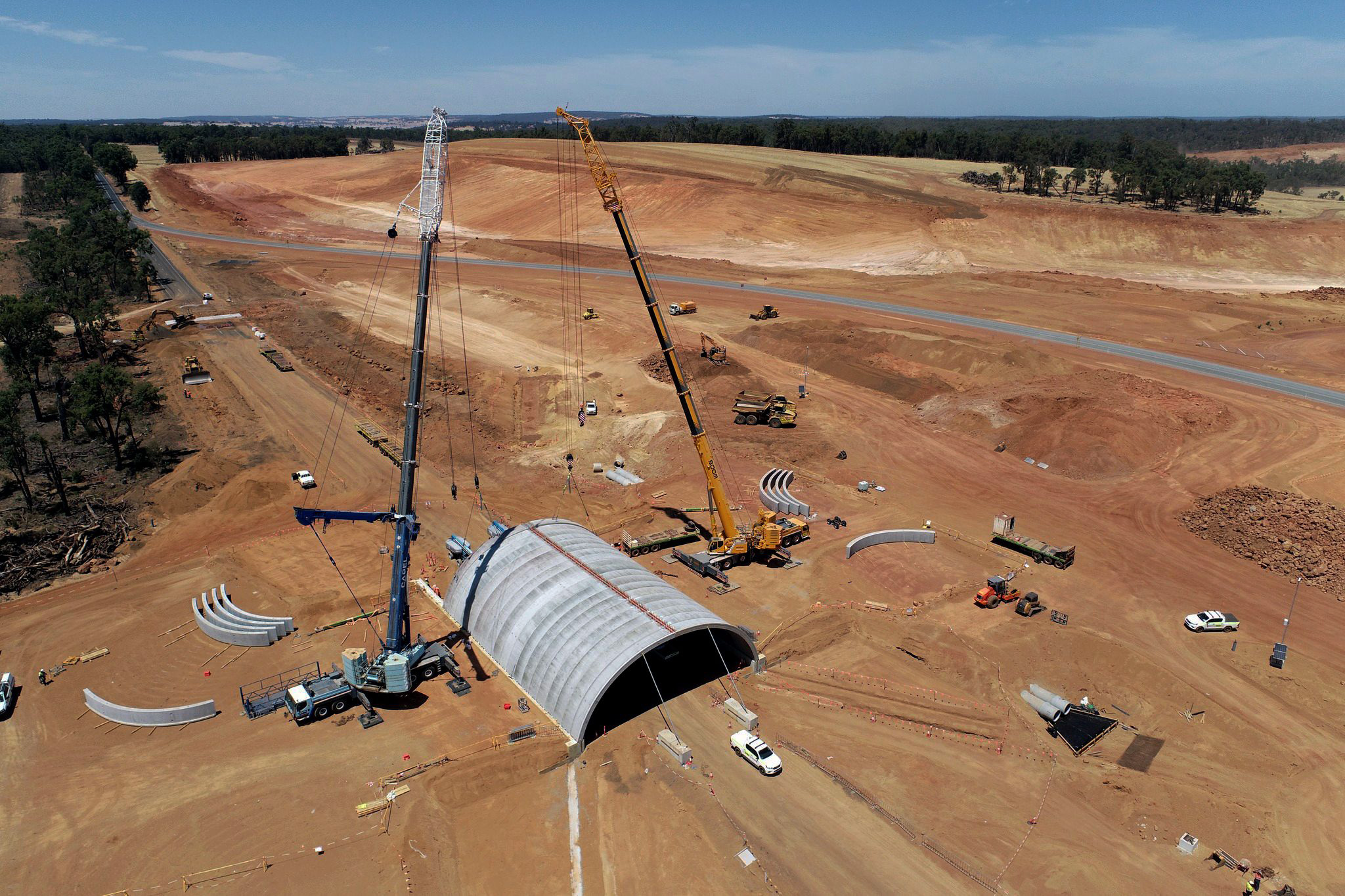
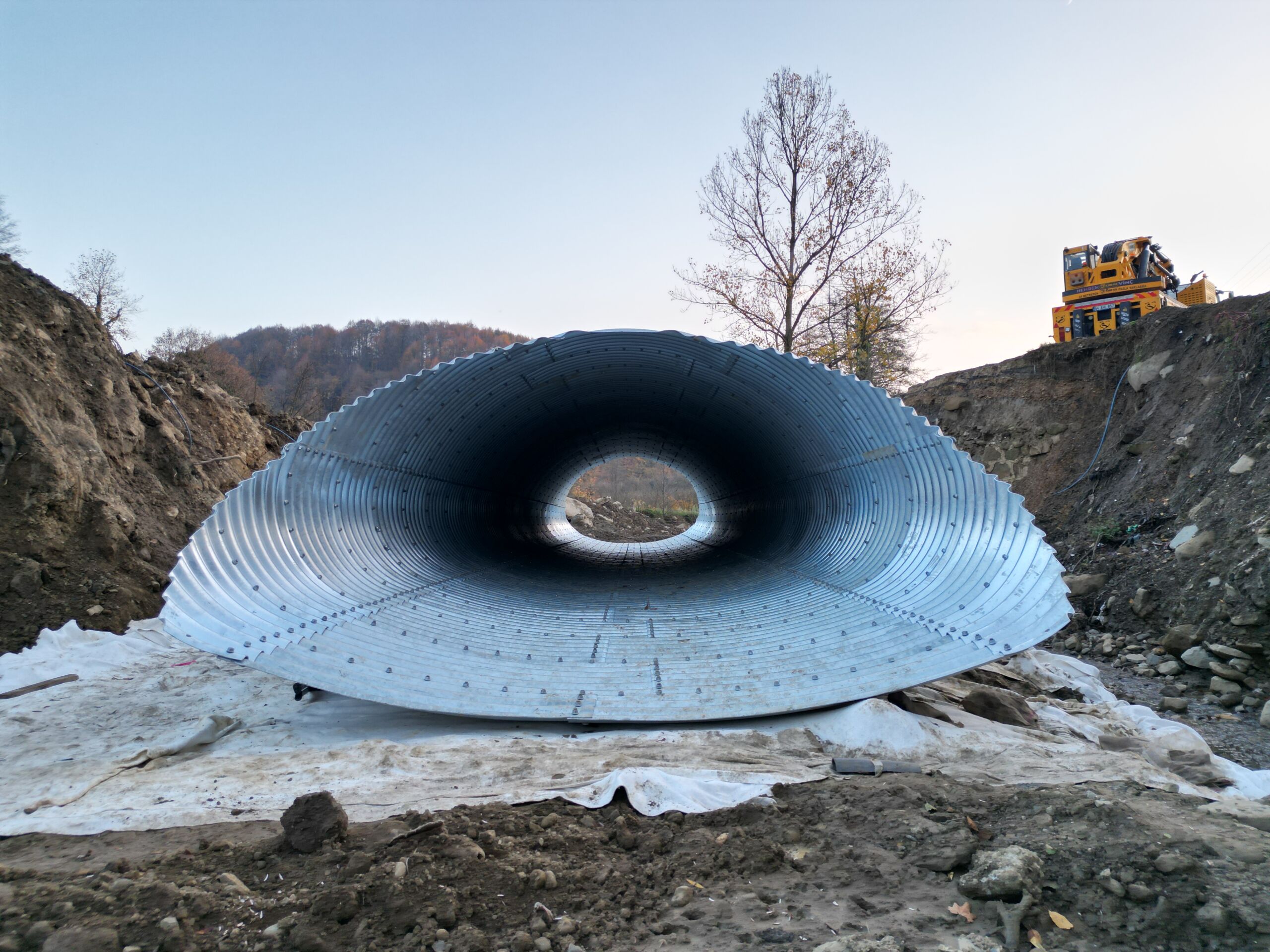
Recycling and recovery operations may require conveyors or other routes to move materials between handling and processing areas. Precast arches and boxes can provide reclaim tunnels and buried passages beneath waste stockpiles, operational platforms or circulation areas.
- Building and reinforcing disposal areas
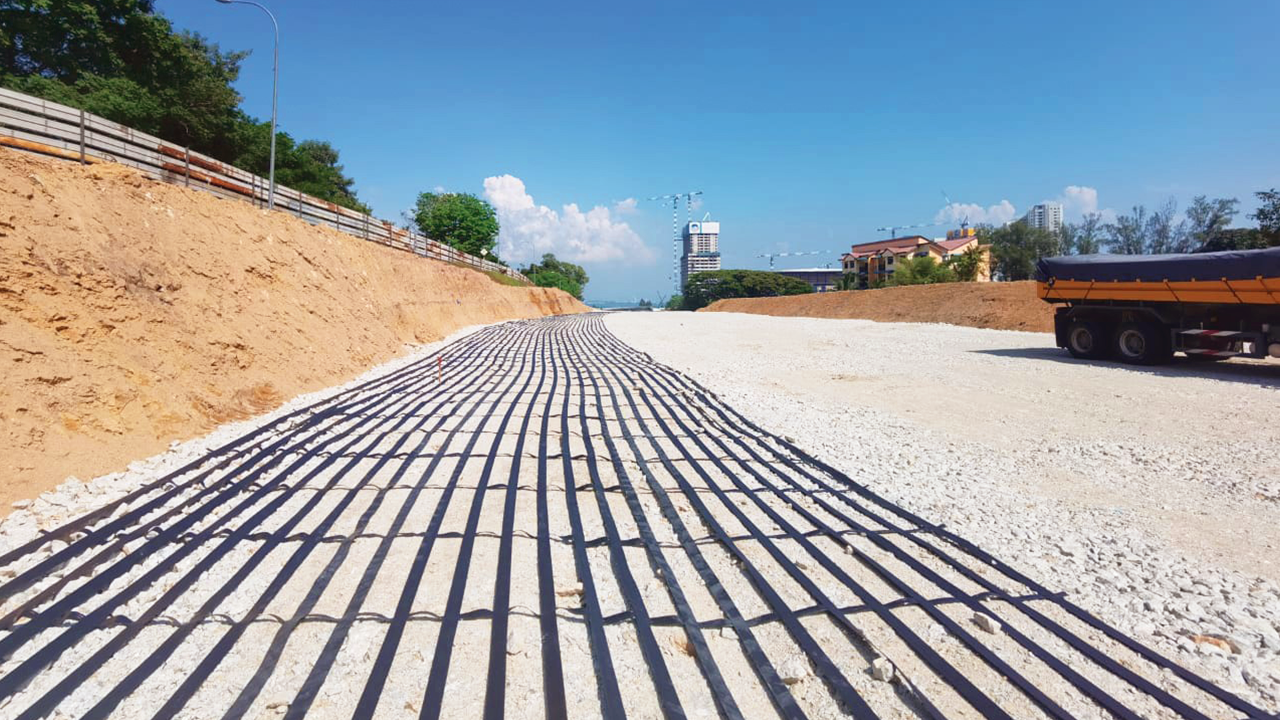
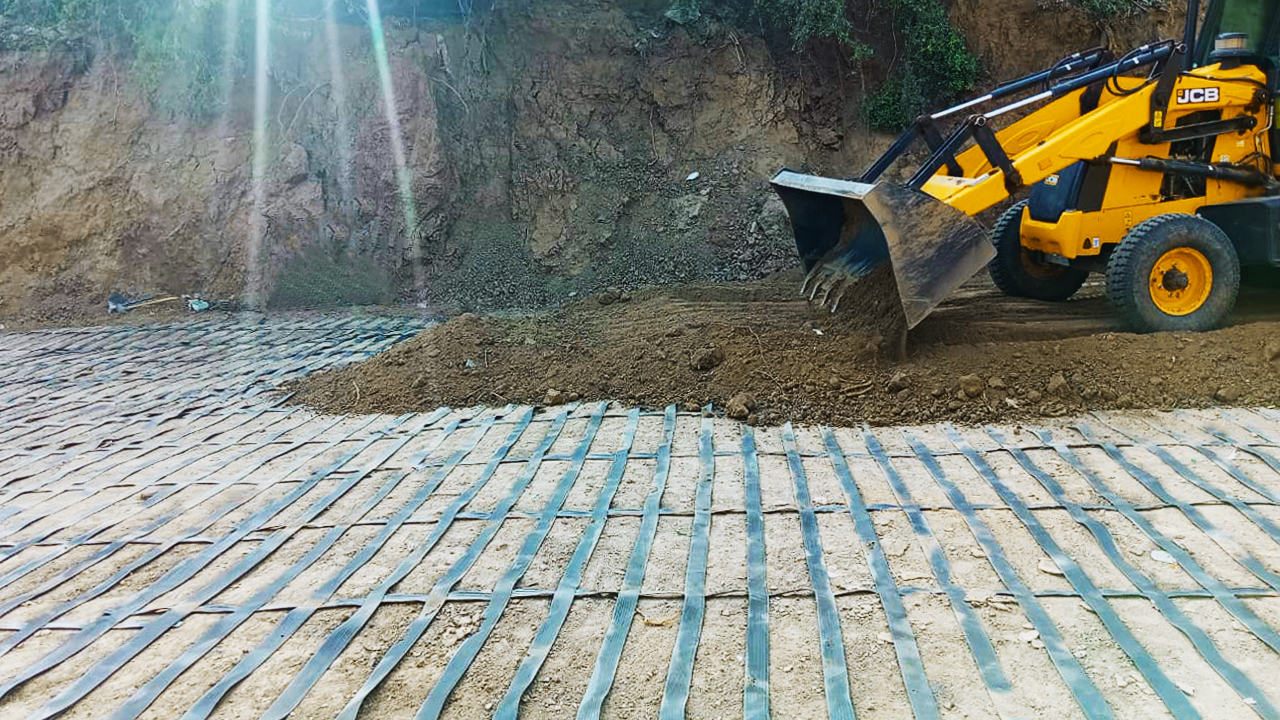
Landfills, pits and other disposal facilities rely extensively on engineered earthworks. Reinforced Earth walls and abutments, Reinforced Earth slopes and geosynthetic reinforcement solutions can contribute to forming stable containment areas and managing the geometry of waste storage facilities.
- Controlling liquids and drainage
Leachate, surface water and other liquids must be managed throughout the operation of waste facilities. Geoquest geosynthetic drainage solutions can collect and direct flows within landfill earthworks, containment areas and associated drainage layers.
- Protecting and closing completed areas
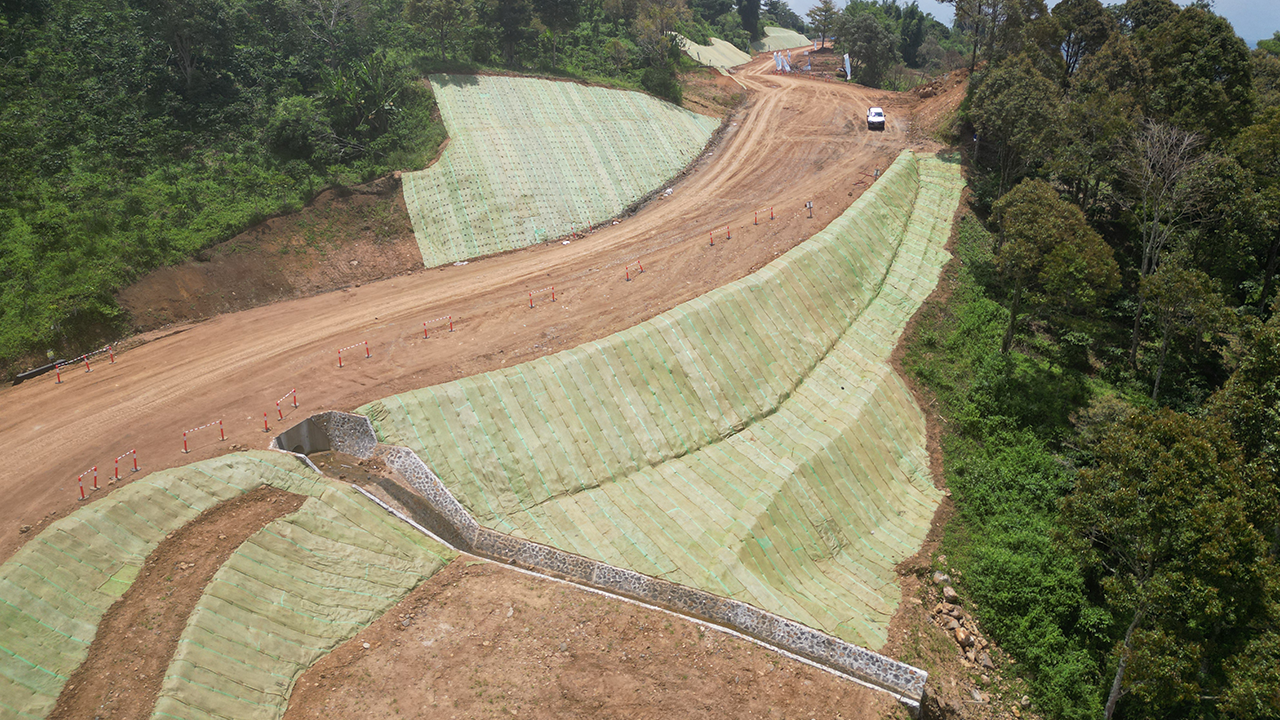
As disposal areas reach capacity, closure and capping measures become an integral part of their long-term management. Geosynthetic environmental protection and drainage solutions can contribute to erosion control, drainage and the protection of completed landfill surfaces.
Applications across waste management facilities
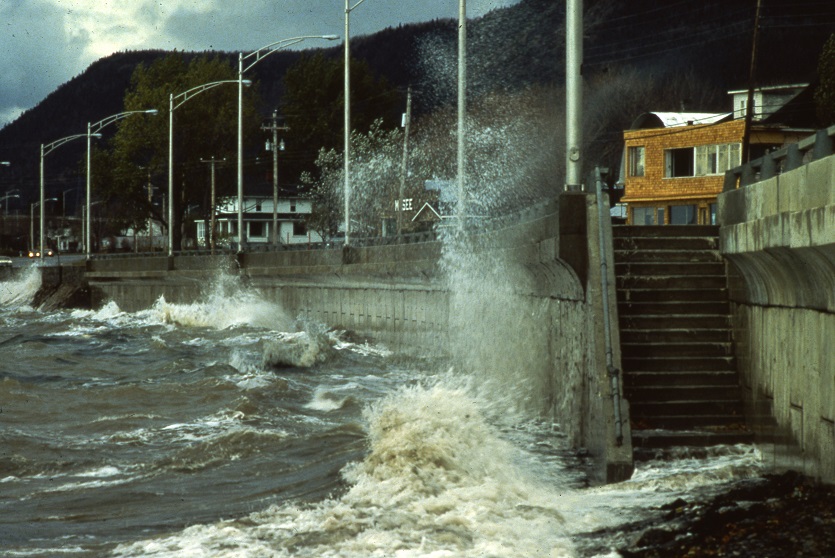
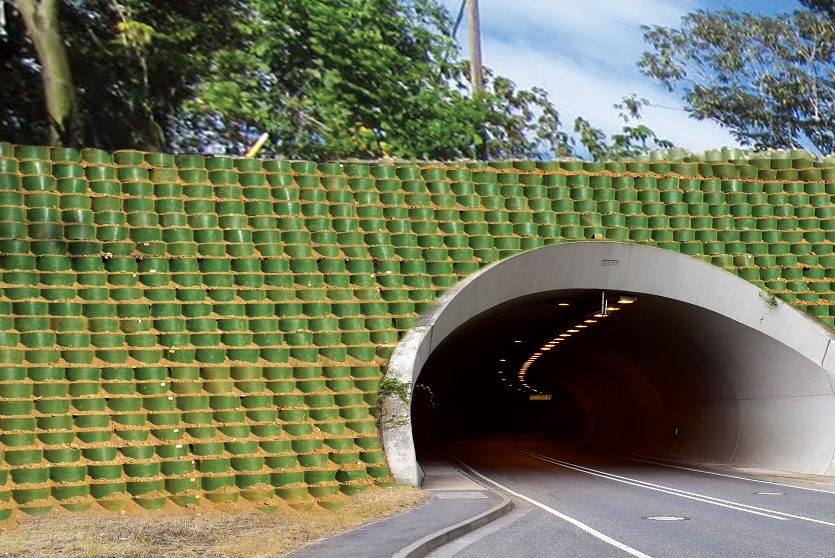

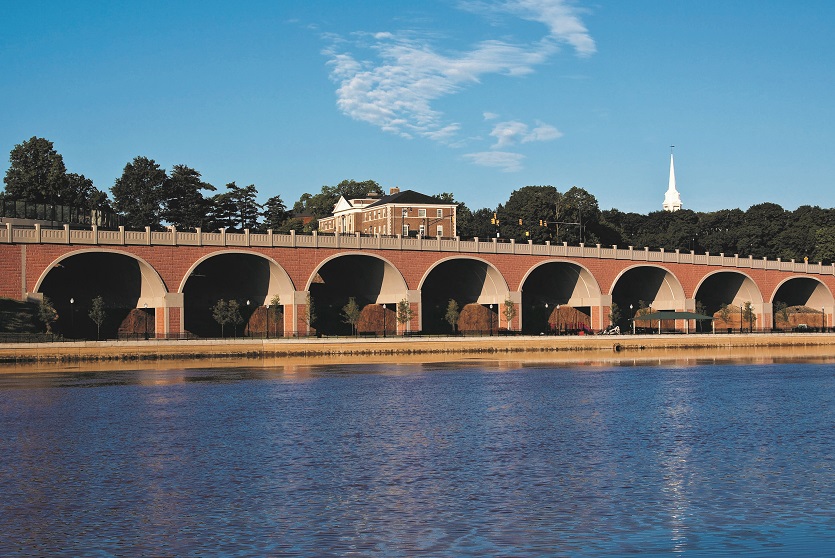
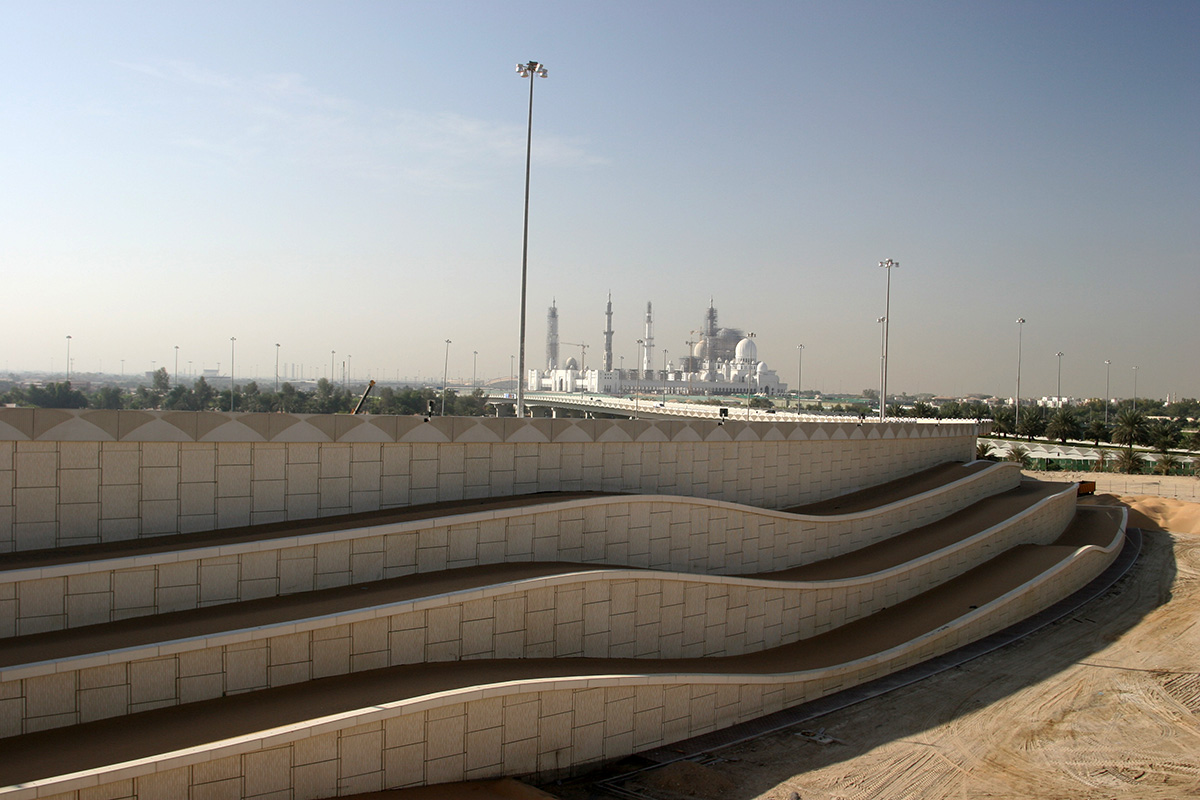
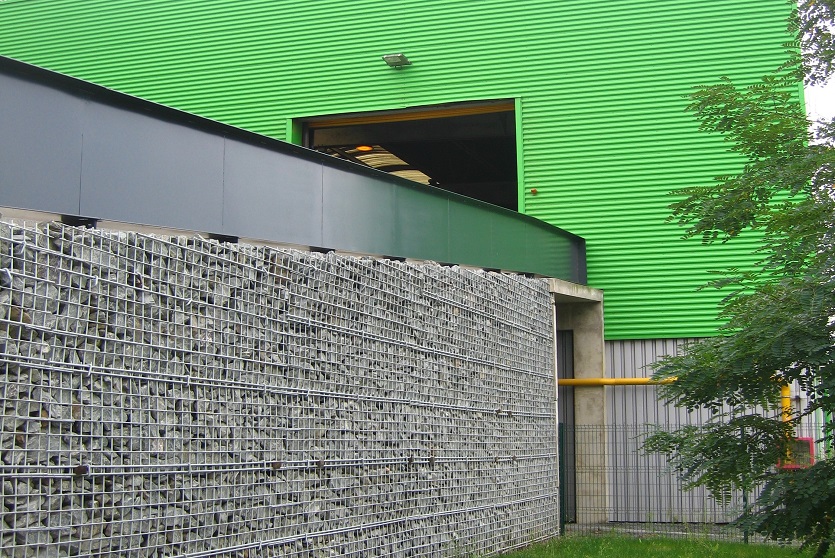
Infrastructure throughout the life of a waste facility
Waste infrastructure evolves as materials progress from reception and processing to containment and final storage. Transfer structures and access areas support daily operations, while landfill earthworks, drainage and capping measures remain part of the facility over much longer periods.
Geoquest solutions address these different stages through retaining structures, buried structures, ground reinforcement, drainage and environmental protection.
Combining these approaches allows waste management infrastructure to respond both to immediate operational requirements and to the longer-term behaviour of containment and disposal areas.