Steel and geosynthetic soil reinforcements engineered for Reinforced Earth structures
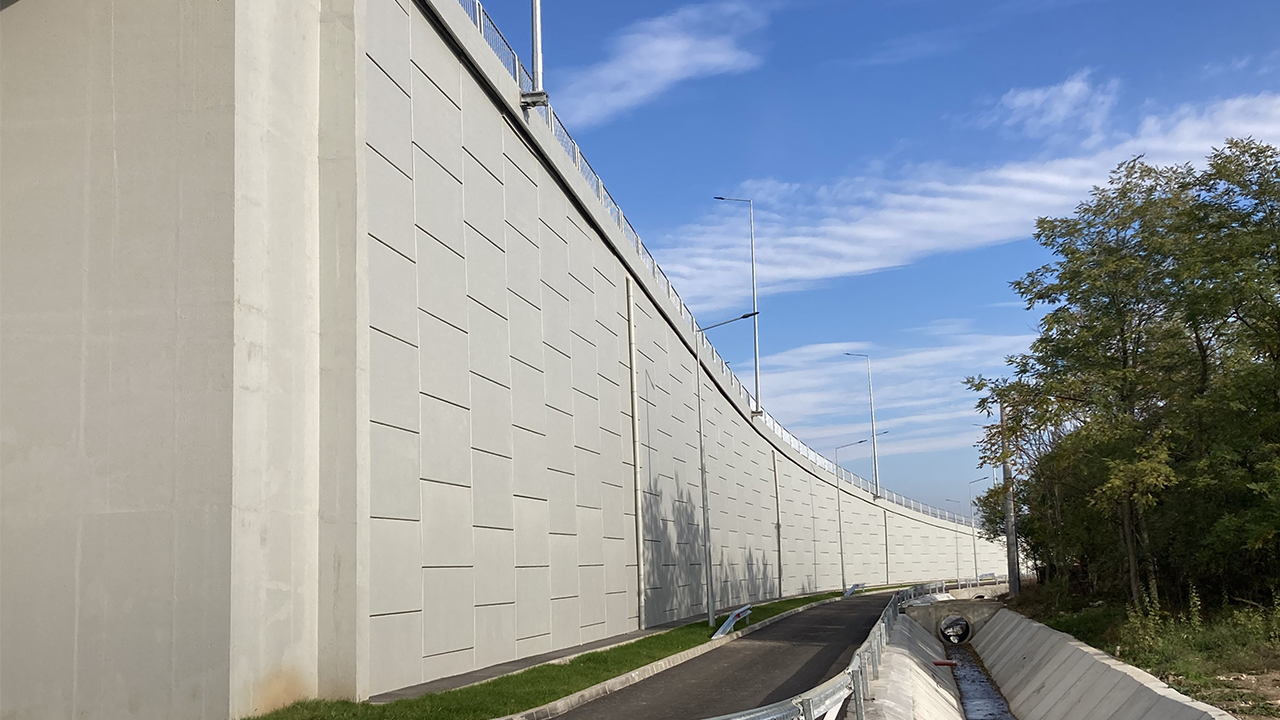
Soil reinforcements bring together the reinforcement options available for Reinforced Earth structures. From high-adherence steel strips and welded wire bar mats to PET and PVA geosynthetic strips and geogrids, each option combines a specific material and shape with its own tensile, interaction and durability characteristics.
Each soil reinforcement is chosen for the structure, its backfill and the intended service conditions. The right choice balances tensile capacity, durability, ease of handling and compatibility with the selected facing.
Why choose the right soil reinforcement?
- Match tensile capacity to the loads on the structure
- Adapt to the chemical properties of the available backfill
- Meet permanent or temporary design life requirements
- Optimize material quantities and installation efficiency
Selecting soil reinforcements for every backfill and service condition
The soil reinforcements inside a Reinforced Earth structure must work with the backfill used on site and resist its environment for the full life of the structure.
Projects may use granular backfill or more chemically demanding materials. They may carry heavy static or dynamic loads, or need a short service life for temporary works. Some include obstructions or complex shapes within the reinforced volume.
The soil reinforcement must therefore meet the mechanical requirements, suit the backfill chemistry, fit the construction method and last for the expected service life.
Designed to match soil reinforcement performance with project conditions
Soil reinforcements carry the tensile forces that develop inside the compacted backfill. Their interaction with the surrounding soil determines how the structure behaves under load.
Geoquest offers steel and geosynthetic soil reinforcements in several shapes, grades and protection levels. The right option depends on the loads, backfill properties, pH and chemical exposure, required service life and construction conditions.
Because the choice is made for each project, every structure uses the soil reinforcement best suited to its actual soil, loads and environment, without oversizing.
Explore Reinforced Earth soil reinforcement options
Geoquest provides steel and geosynthetic soil reinforcements for Reinforced Earth structures. Each option has specific tensile, interaction and durability characteristics suited to different backfills and project environments.
High-adherence steel strips
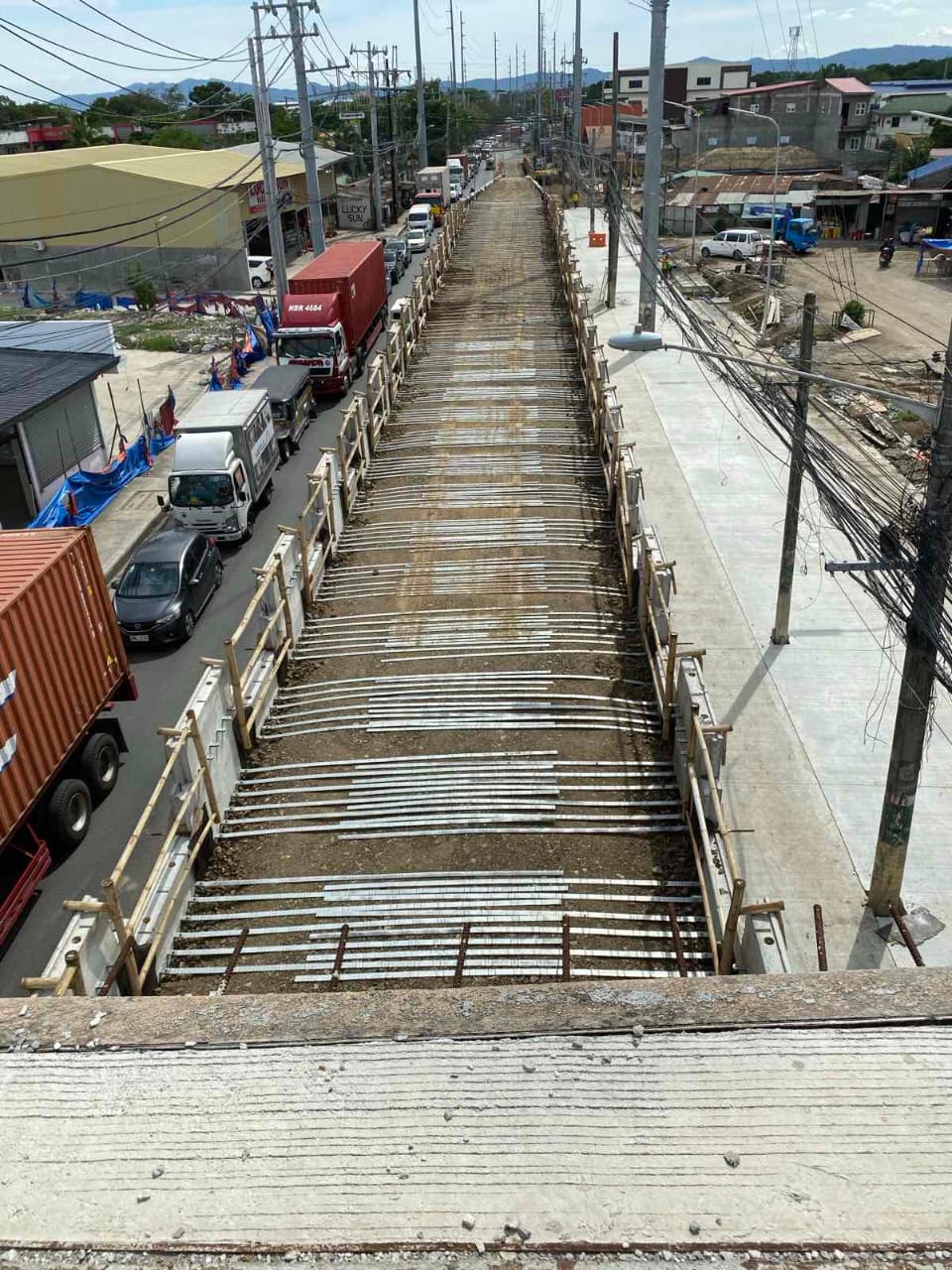
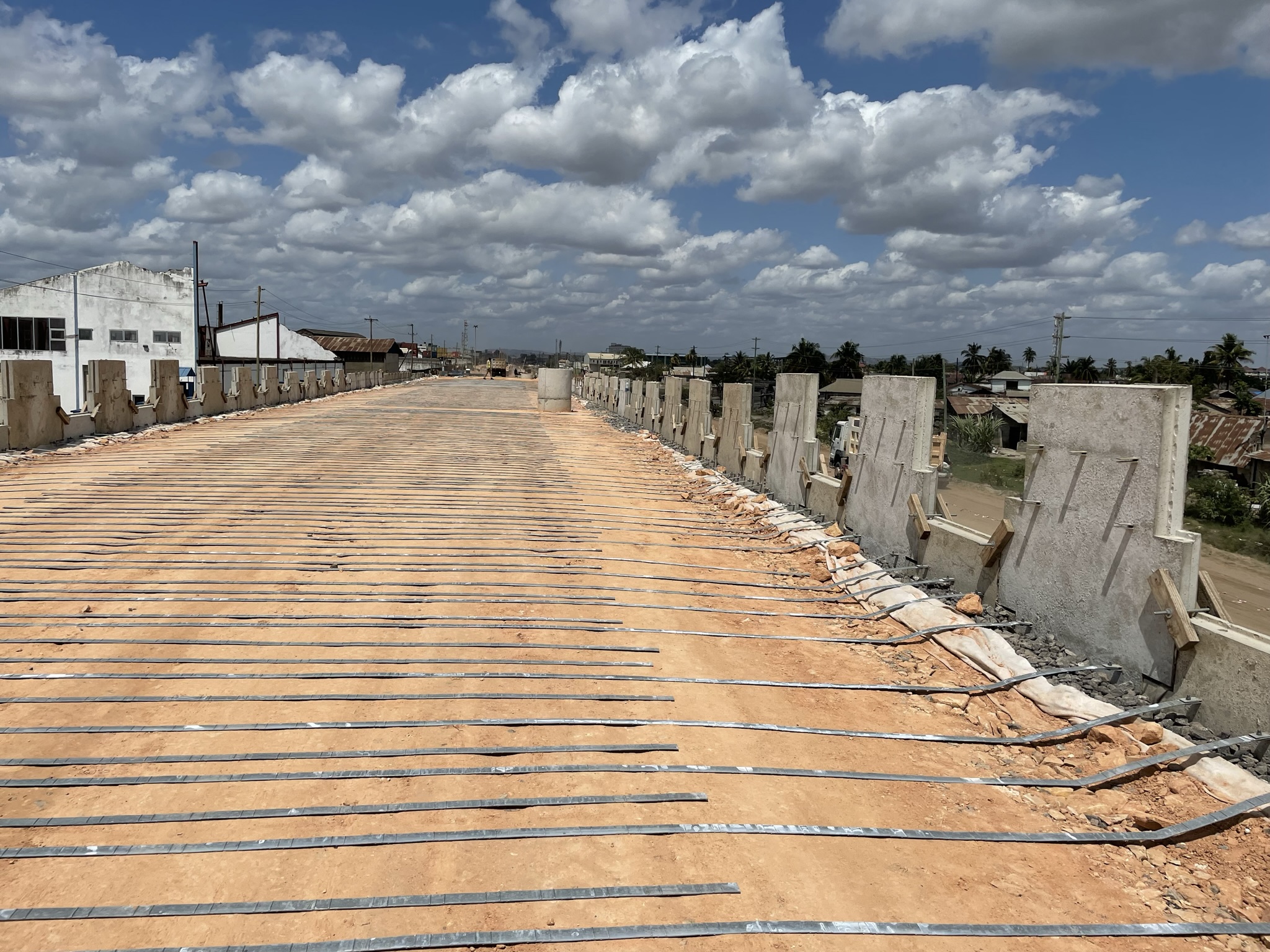
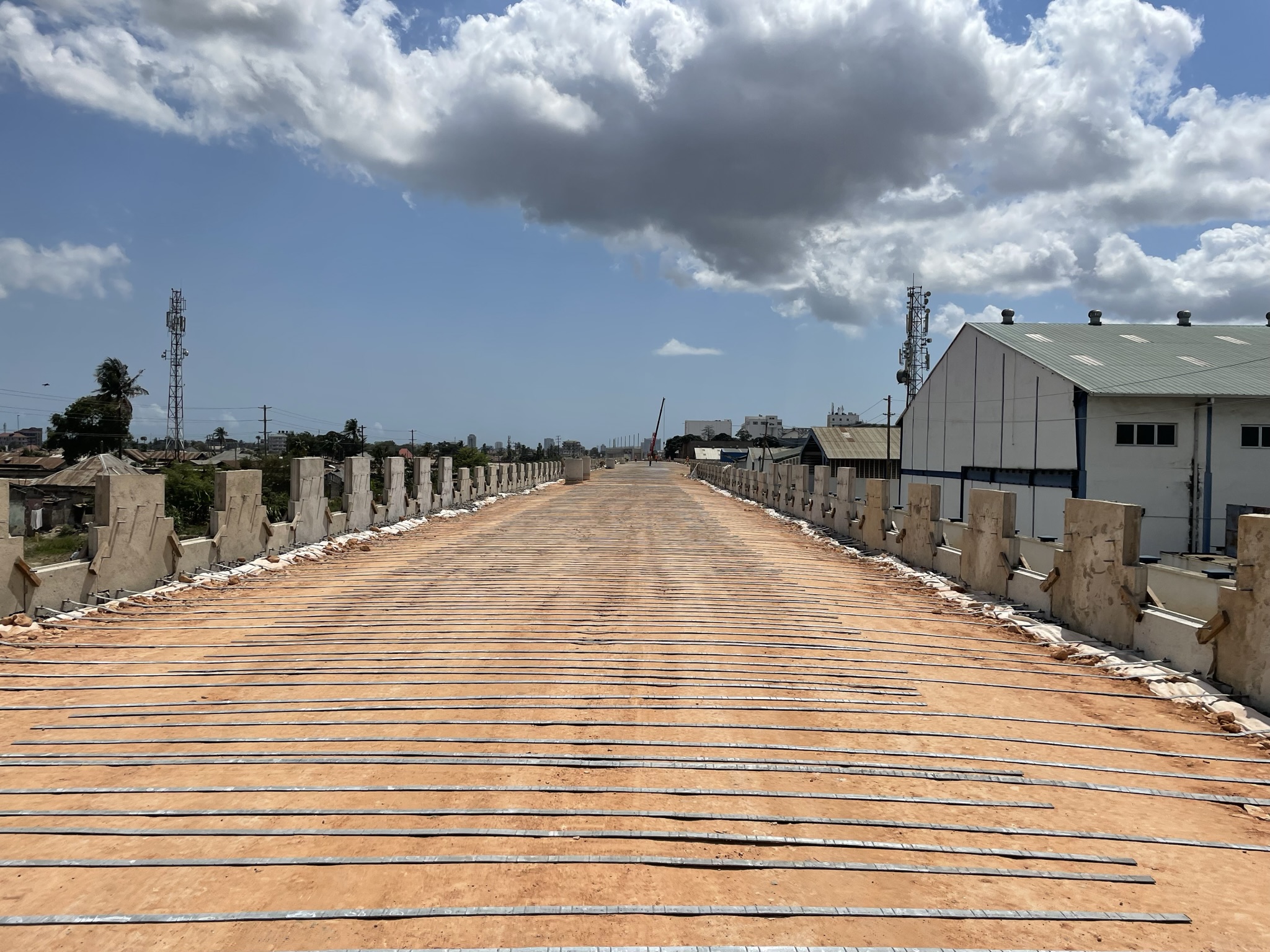
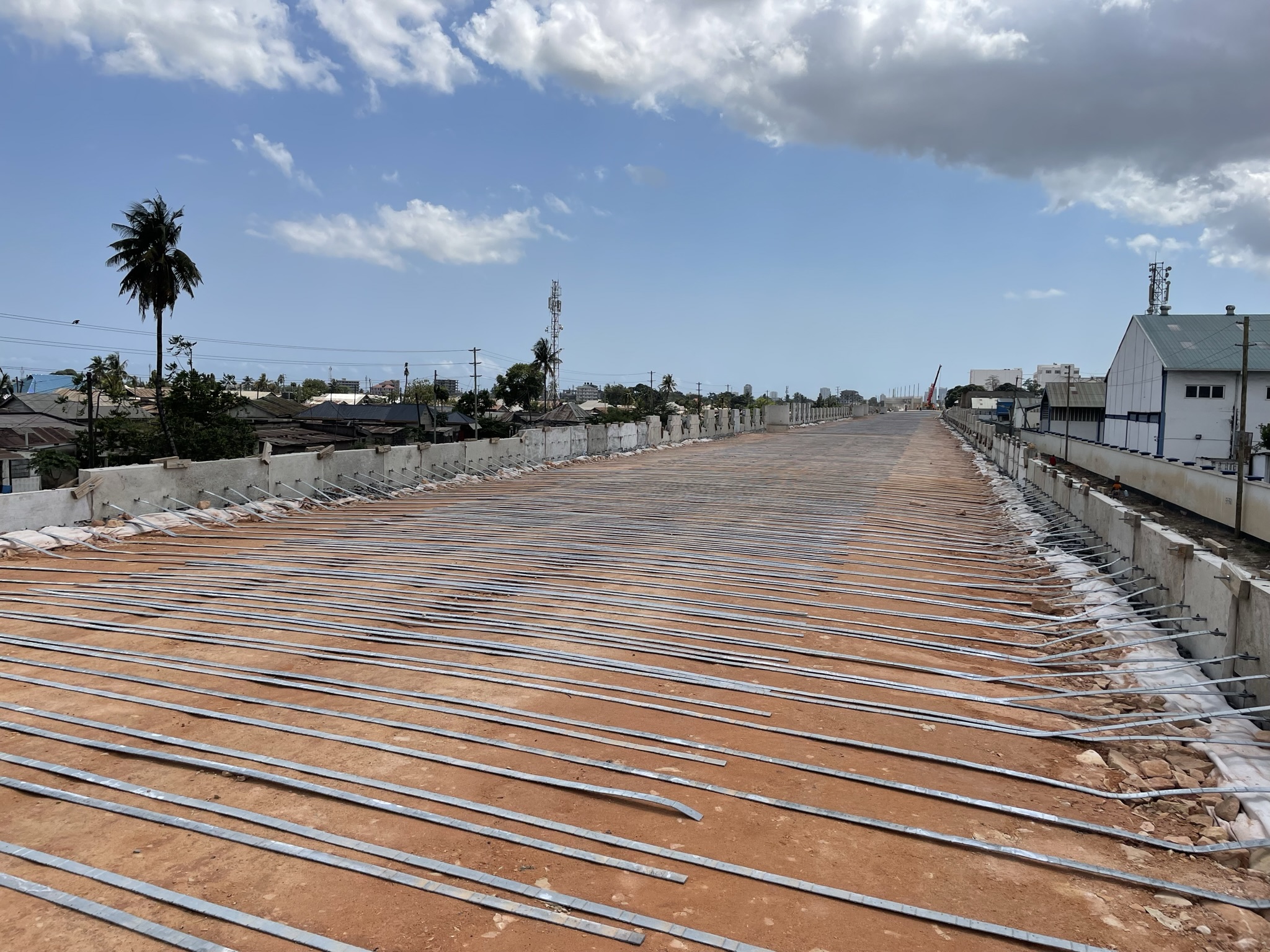
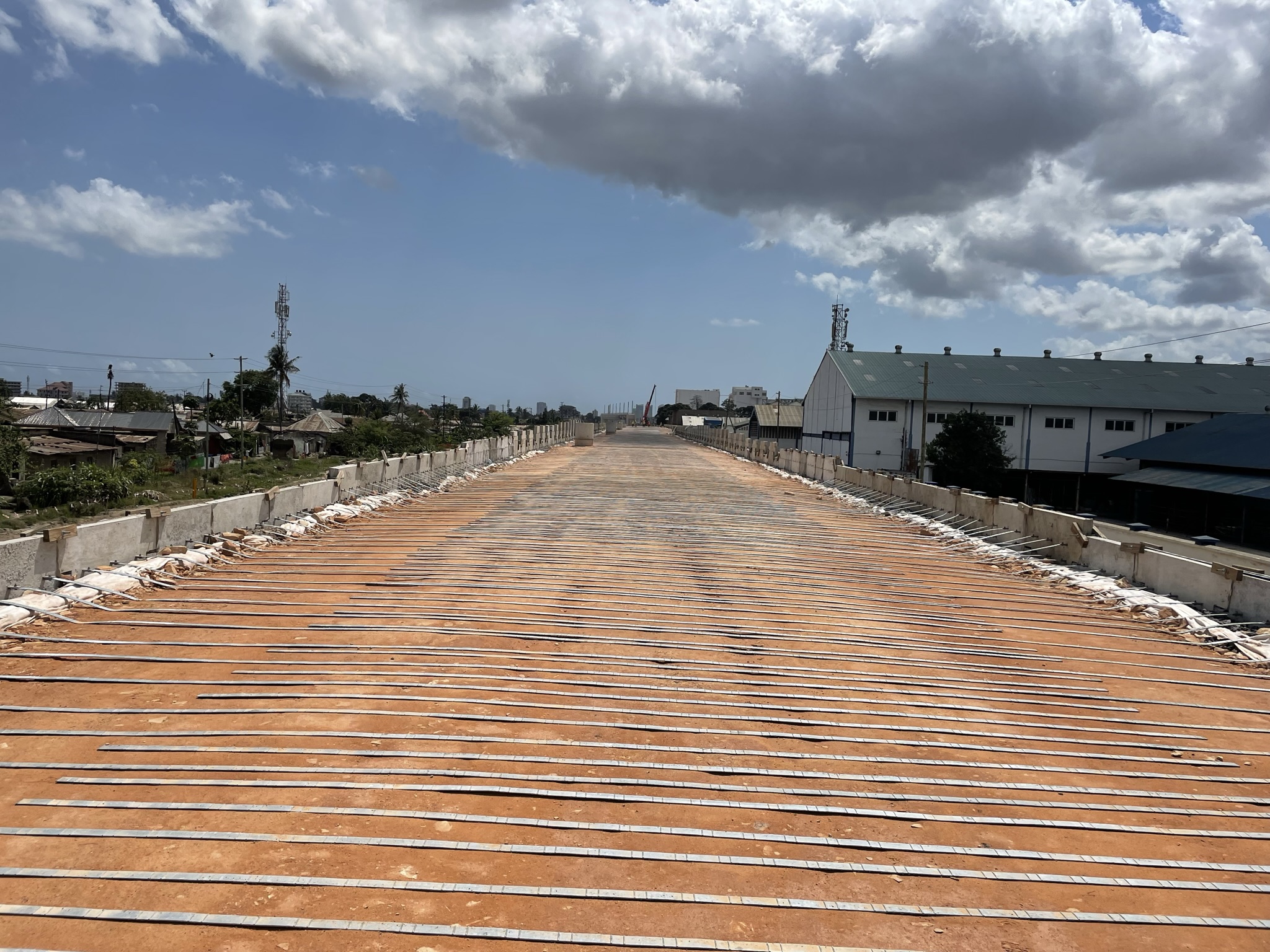
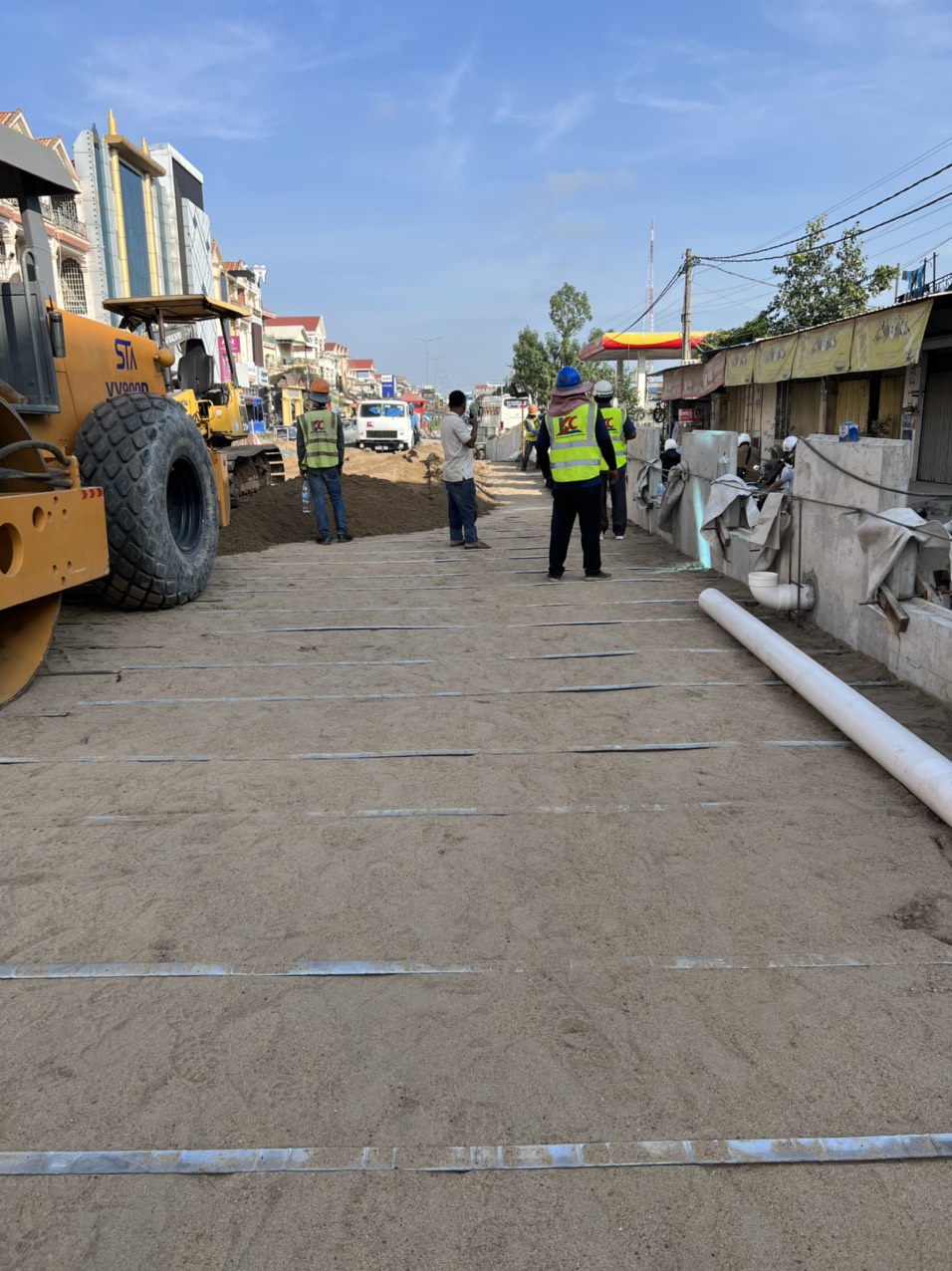
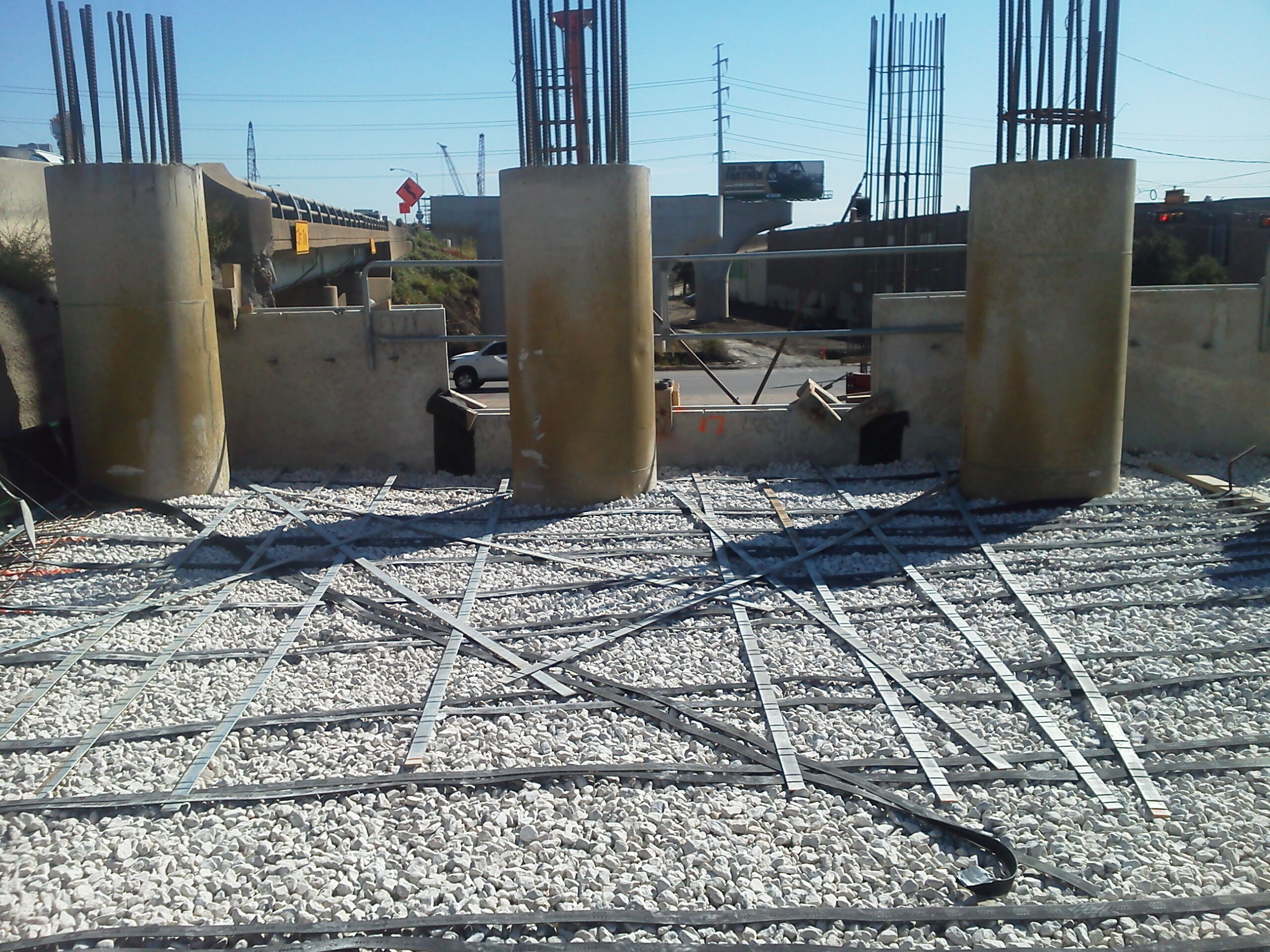
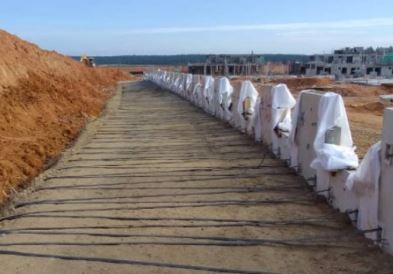
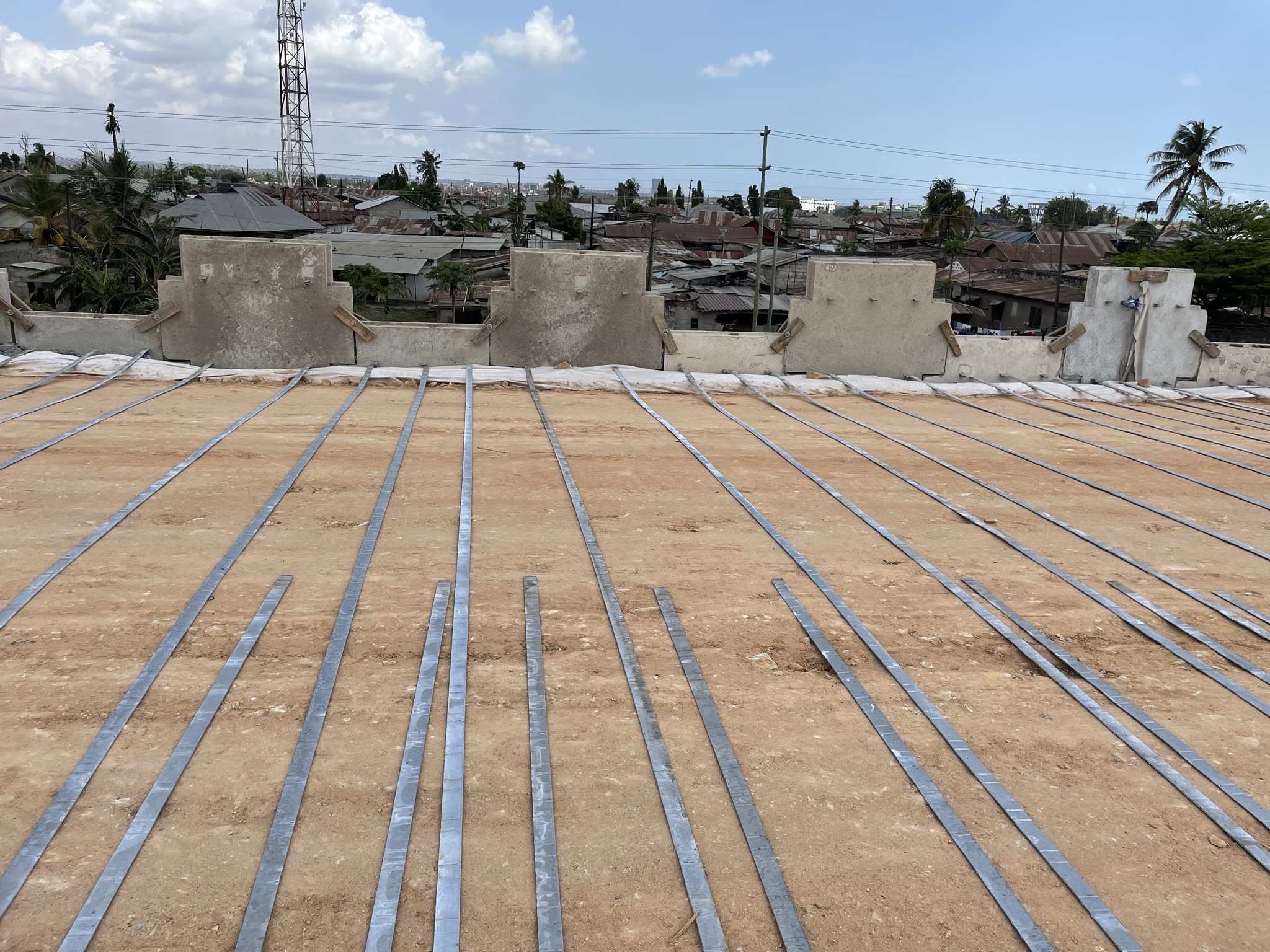
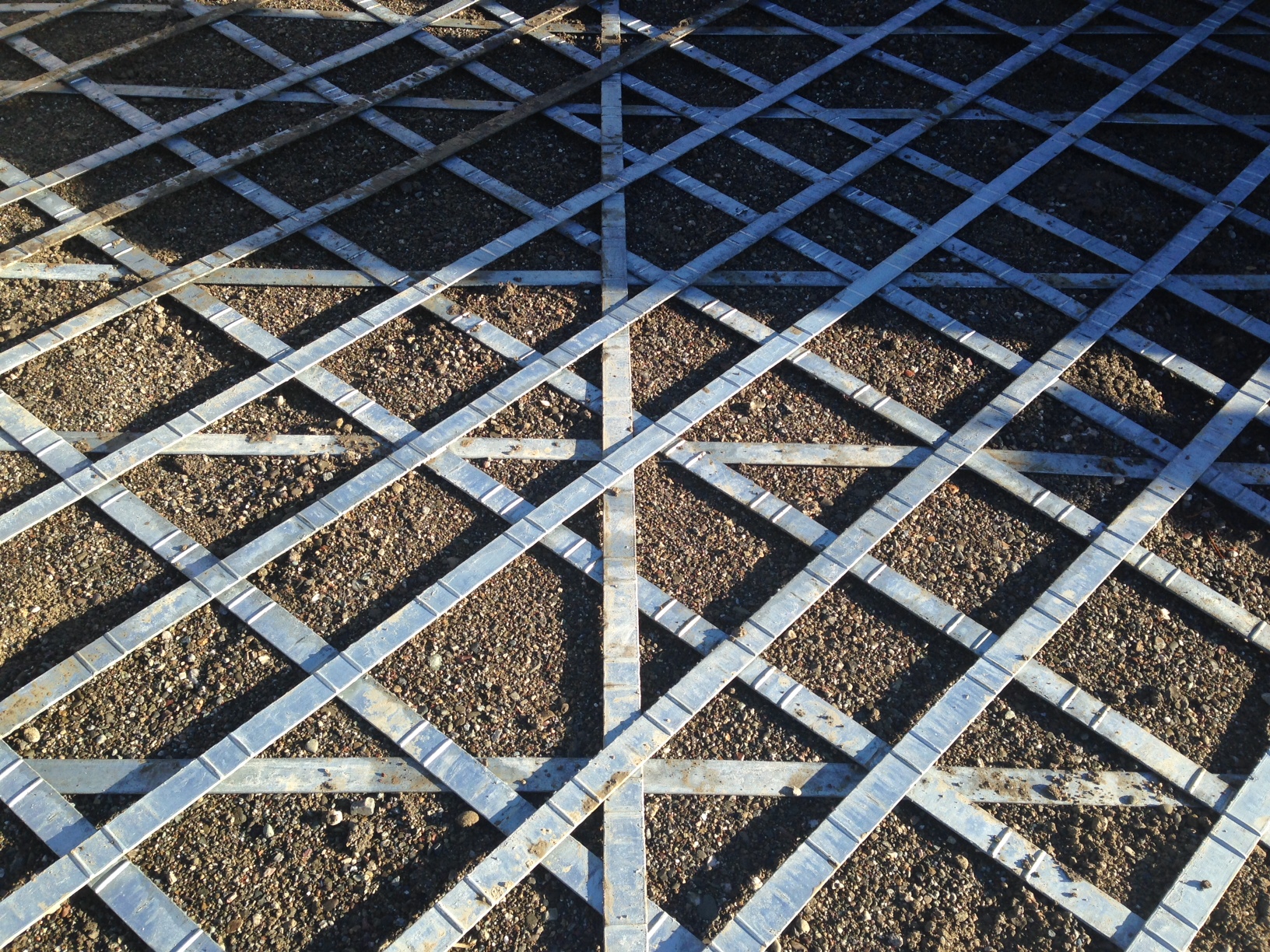
High-adherence steel strips have ribs that improve their bond with the compacted backfill. These non-extensible soil reinforcements provide high tensile capacity for heavily loaded structures. They are also flexible enough to be skewed or deflected around obstructions within the reinforced volume. For long-term durability, the strips can be galvanized. Black steel can be used for temporary structures.
Welded wire bar mats
Welded wire bar mats combine longitudinal and transverse bars to increase pullout resistance. They work best for low-height structures, lightweight backfills and other situations where tension is low but extra pullout capacity is needed.
GeoStrap PET strips
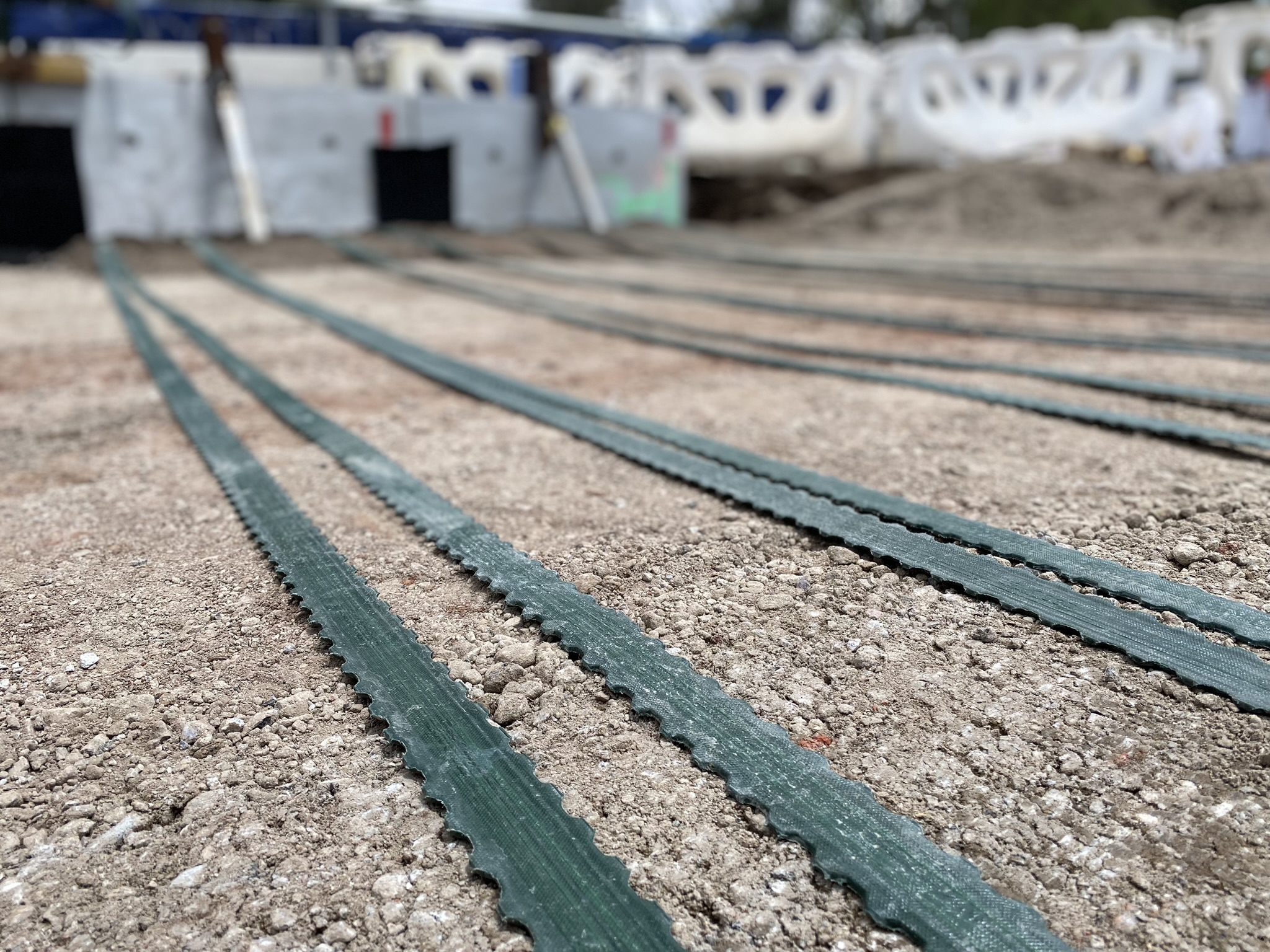
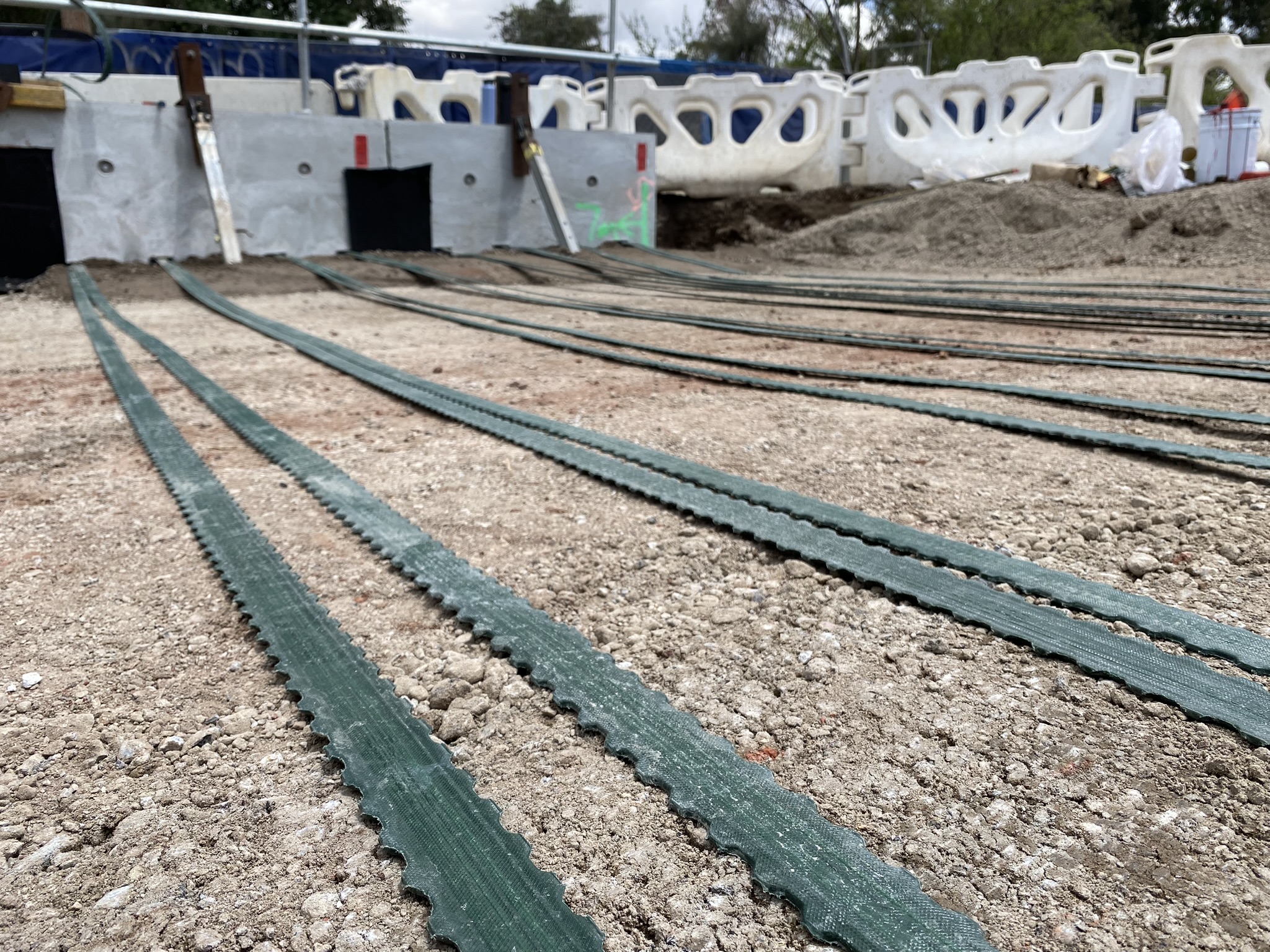
GeoStrap soil reinforcements are coated polyester (PET) strips. They are suited to Reinforced Earth structures built with backfills that call for a polymer reinforcement, particularly in low-pH conditions. They are available with or without high-adherence edges to suit the required soil interaction.
EcoStrap PVA strips
EcoStrap soil reinforcements are coated polyvinyl alcohol (PVA) strips developed for high-pH backfills and chemically demanding environments. Like GeoStrap, they are available with or without high-adherence edges.
Geogrids
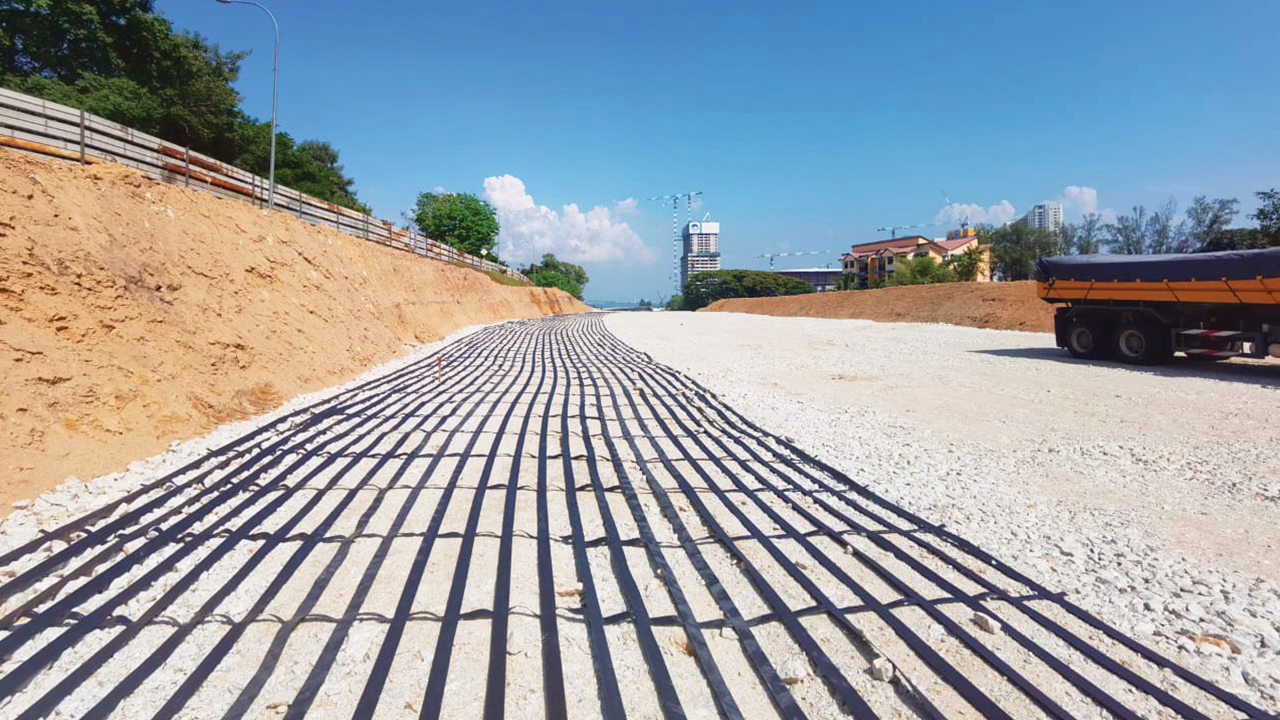
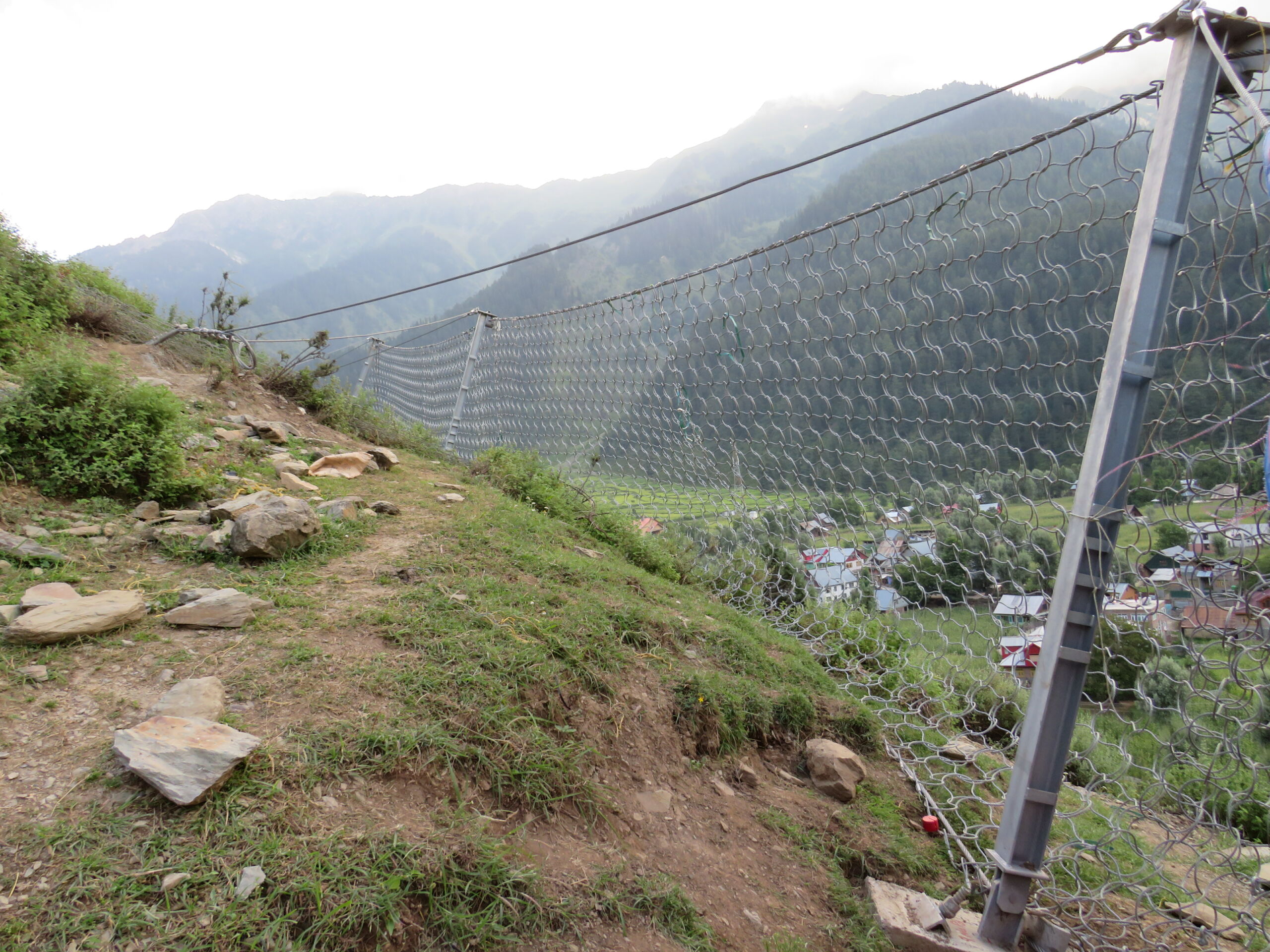
Geogrids provide planar tensile reinforcement across the compacted fill. They are particularly suited to reinforced slopes and wrap-around configurations, and can be combined with several facing options.
How to select the right soil reinforcement
The choice of soil reinforcement depends on structural demand, backfill properties, chemical environment, required service life and construction conditions.
- Structural demand
Tensile capacity and layout are set according to structure height, applied loads and any dynamic or seismic loading.
- Backfill properties
Gradation, friction and how the soil interacts with the reinforcement determine the type, shape and length chosen.
- Chemical environment
The pH and any aggressive compounds, such as chlorides or sulphates, guide the choice between steel, PET and PVA.
- Service life
Galvanization, polymer type and grade are selected either for permanent structures designed for 75 to 100 years or more, or for temporary works.
- Grade optimization
Geosynthetic strips come in intermediate grades. Their strength ranges from 25 to 100 kN, so capacity can closely match the calculated demand.
- Site constraints
Obstructions, skewed layouts, limited access and staged construction can all affect which soil reinforcement is most suitable.
Explore Reinforced Earth soil reinforcement details