Protecting infrastructure exposed to natural hazards
Infrastructure exposed to unstable slopes, falling rocks, landslides, debris flows and erosion requires protection adapted to site conditions, hazard intensity and operational priorities.
Combining geotechnical expertise with active and passive protection approaches, Geoquest delivers geohazard solutions designed to reduce exposure, control ground instability and protect people, infrastructure and surrounding areas across transportation, mining, hydraulic and urban environments.
Reducing exposure to rockfall, slope instability and erosion
Project owners, engineers and contractors must protect infrastructure against hazards that can be difficult to predict, costly to manage and potentially disruptive to surrounding communities and operations.
Mountainous terrain, cut slopes, weathered rock masses and erosion-prone areas can generate hazards whose frequency and intensity evolve over time. Limited site access, changing ground conditions and the need to maintain operations can also make assessment, construction and maintenance particularly challenging. Common project challenges:
- Unstable rock and soil slopes
- Falling rocks and high-energy impacts
- Landslides and shallow ground failures
- Debris flows and erosion
- Variable geological conditions
- Difficult or restricted site access
- Exposure of people and infrastructure
- Operational continuity requirements
- Evolving environmental conditions
- Long-term inspection and maintenance needs
Protecting infrastructure at every stage of the hazard pathway
Effective geohazard mitigation begins with understanding the hazard, its potential trajectory and the infrastructure or areas exposed to its consequences. Geological conditions, slope geometry, expected impact energy, environmental exposure and operational requirements must be considered together to define an appropriate protection strategy.
Depending on the project, mitigation may involve stabilizing unstable ground at the source, controlling surface movement or intercepting falling material before it reaches the exposed area. Active and passive approaches can be used independently or combined to address different hazard mechanisms and levels of risk.
This adaptable approach makes it possible to respond to site-specific conditions without applying a single standard treatment. Protection measures can be designed according to the nature of the instability, available space, construction access, anticipated loads and long-term performance requirements. Geoquest’s current portfolio covers active and passive protection for rockfall, slope instability, debris flow and erosion-related risks.
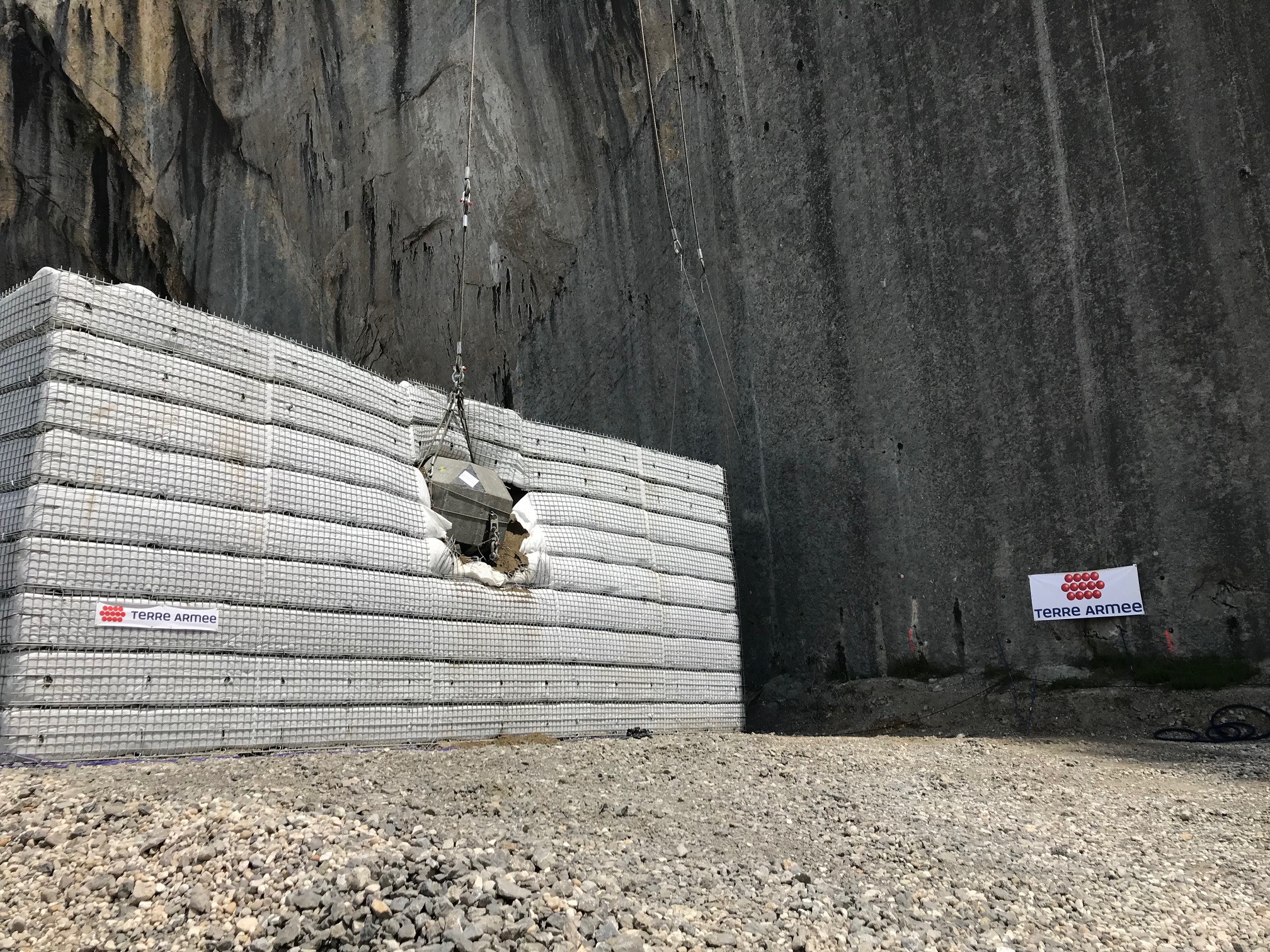
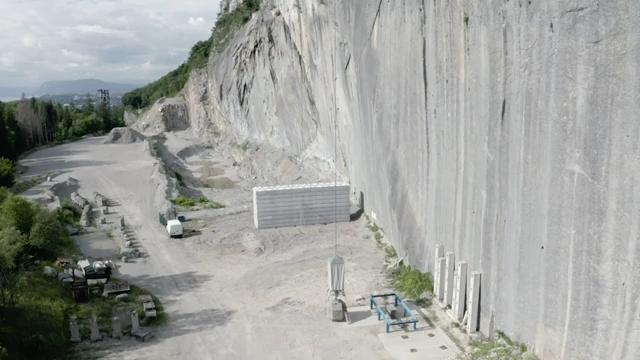
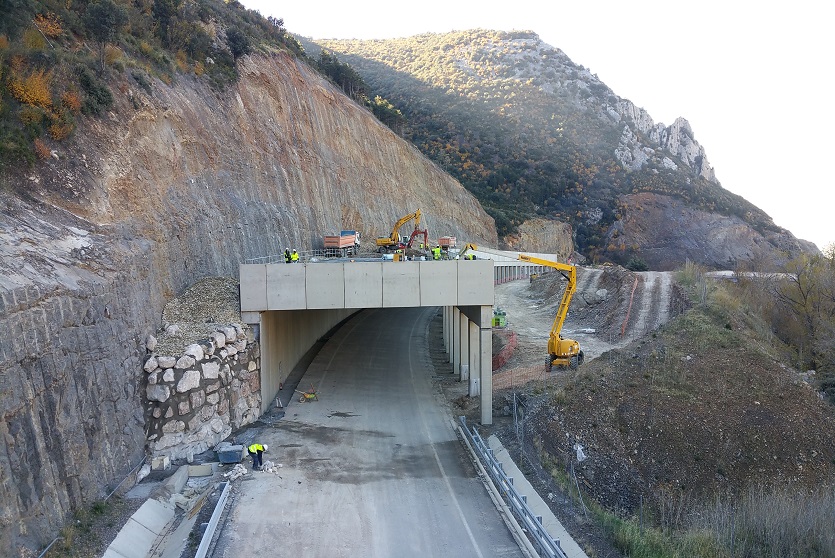
Three complementary actions support effective risk mitigation:
- Understand the hazard
Site conditions, hazard mechanisms, potential trajectories and exposed assets are evaluated to define the required level of protection.
- Secure unstable ground
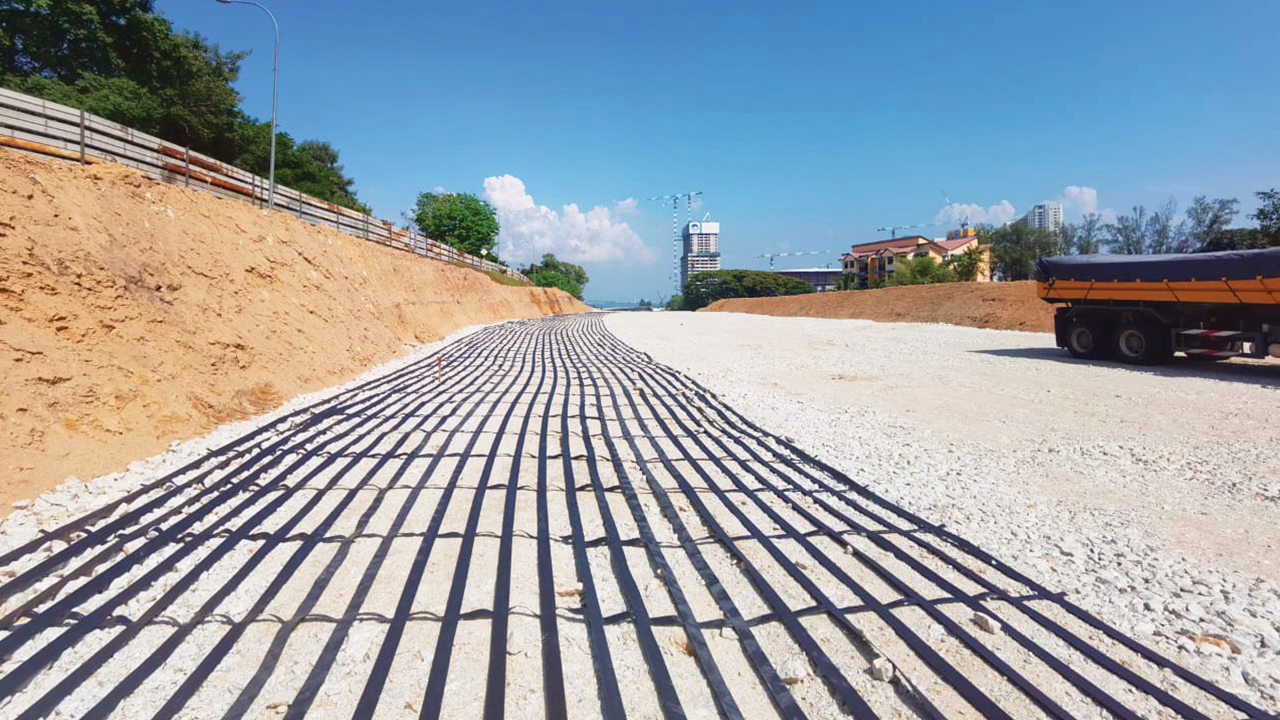
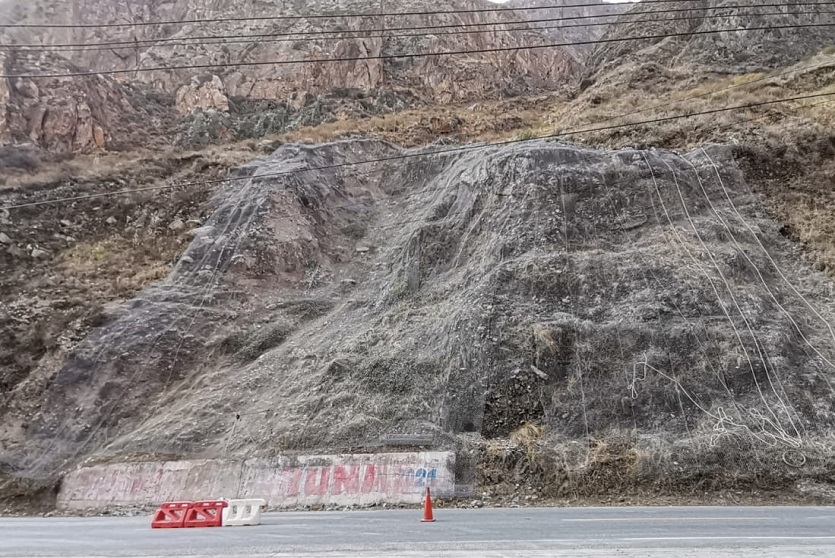
Unstable ground can be reinforced or contained close to the source to limit movement and reduce the probability of failure.
- Protect exposed infrastructure
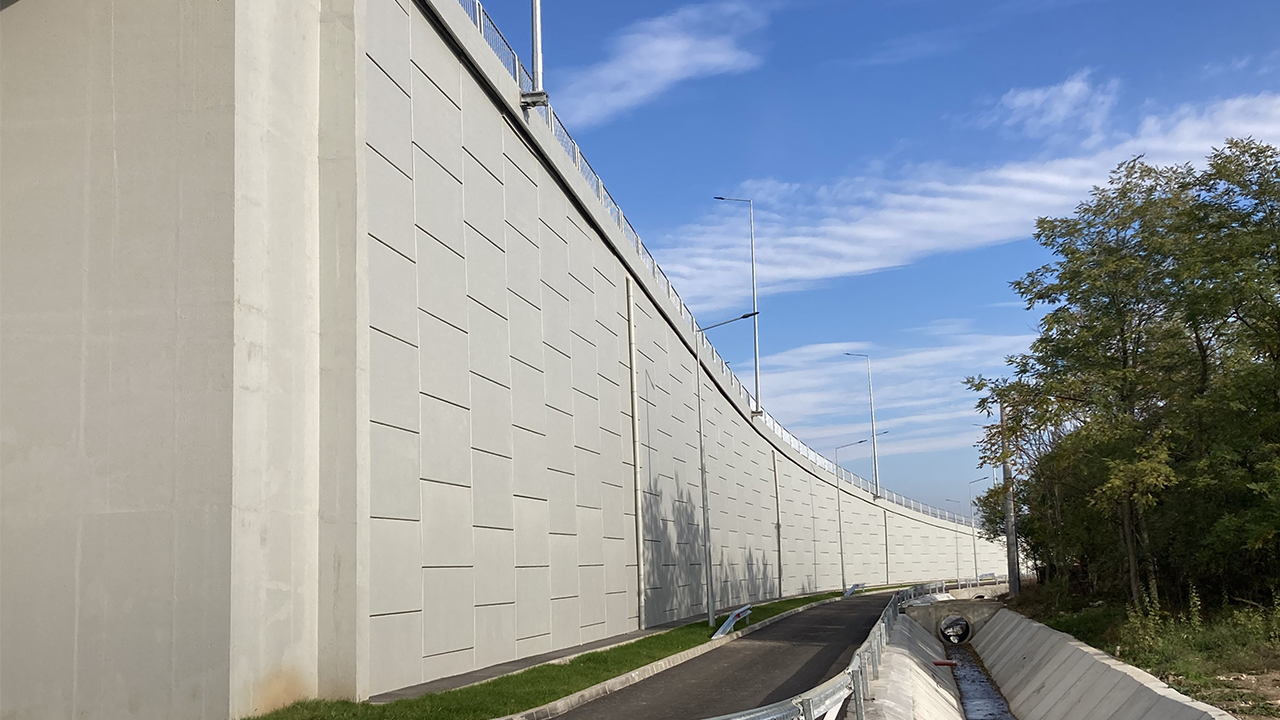
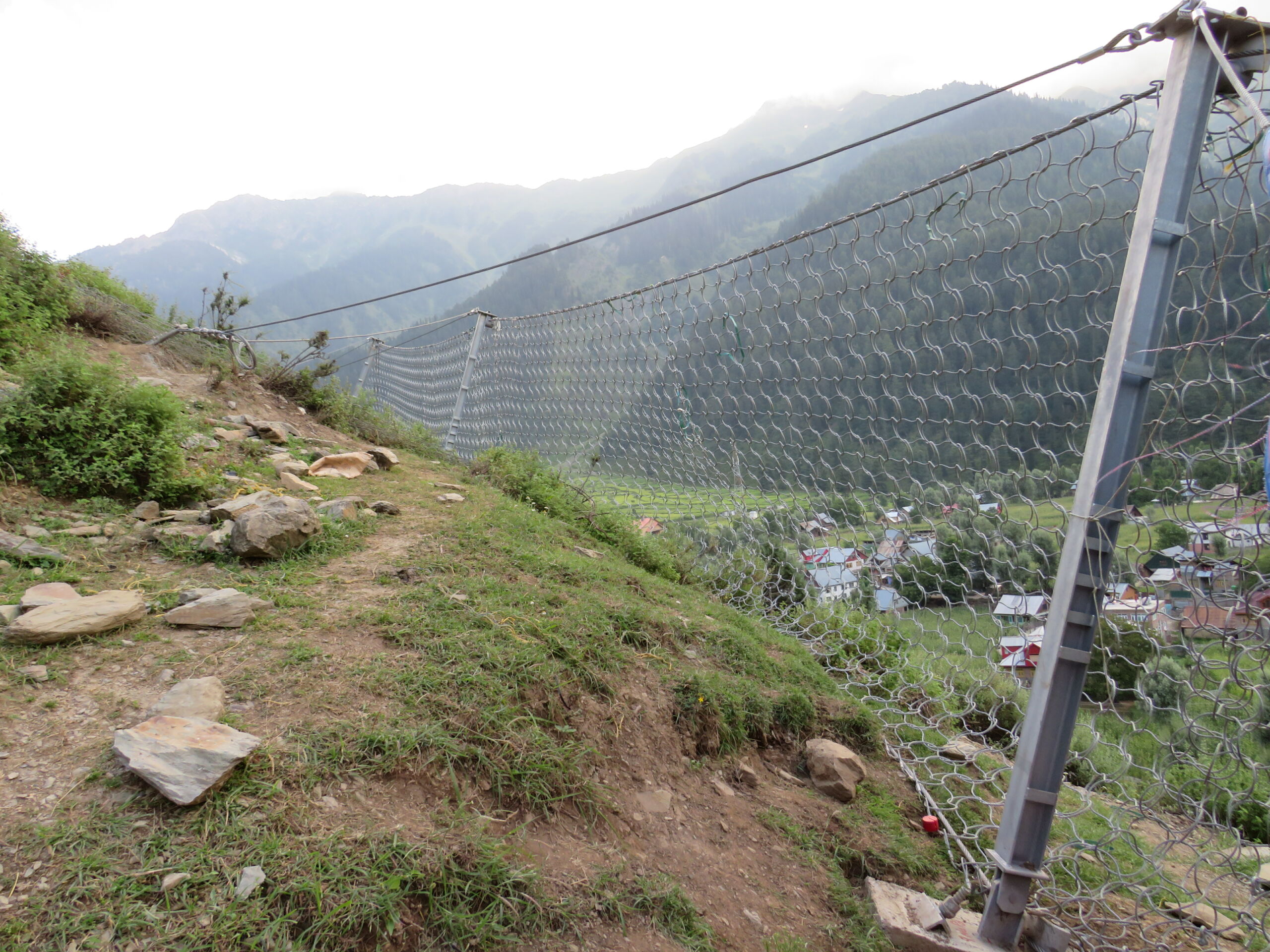
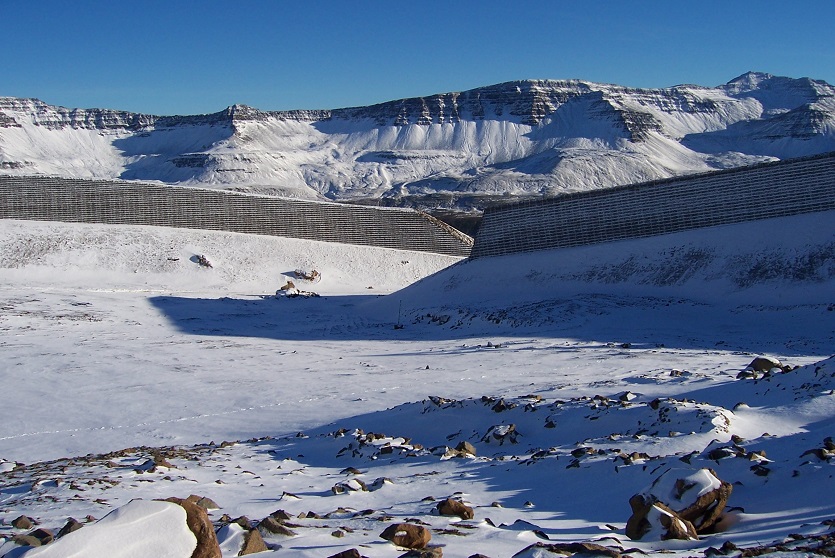
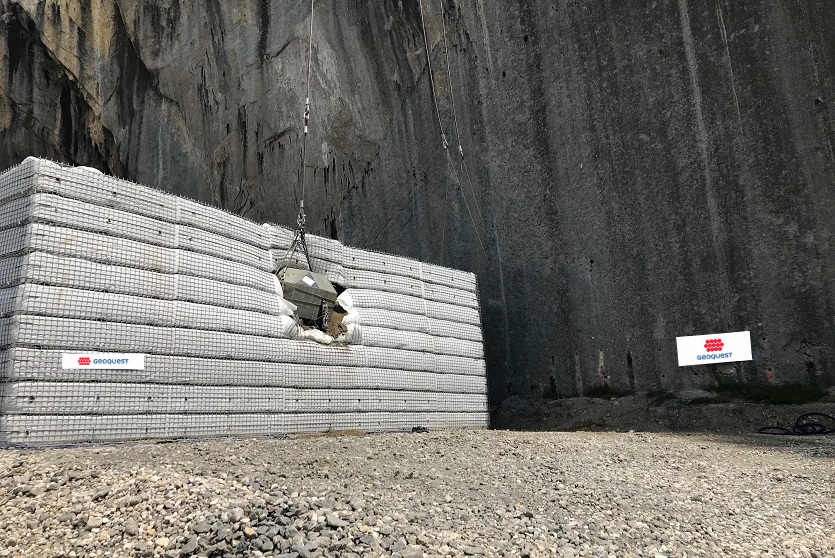
Flexible barriers, nets and reinforced protective structures can capture, deflect or contain falling material before it reaches people, infrastructure or operational areas.
Why choose geohazard solutions?
Reducing the likelihood of slope instability and ground failure.
- Improved slope stability
- Control of loose rock and unstable material
- Mitigation of shallow ground failures
- Adaptation to variable geological conditions
- Protection tailored to site-specific hazards
Stopping hazardous material before it reaches exposed infrastructure.
- High-energy impact resistance
- Controlled interception of falling material
- Protection against rockfall and debris flow
- Reduced exposure of critical assets
- Adaptation to available catchment areas
Adapting protection solutions to complex terrain and site constraints.
- Installation on steep or irregular slopes
- Reduced construction footprint
- Adaptability to complex geometries
- Efficient use of site resources
- Integration with existing infrastructure
Supporting long-term safety and operational continuity.
- Improved safety for people and operations
- Reduced infrastructure vulnerability
- Lower risk of unplanned disruption
- Long-term protective performance
- Reduced inspection and maintenance requirements
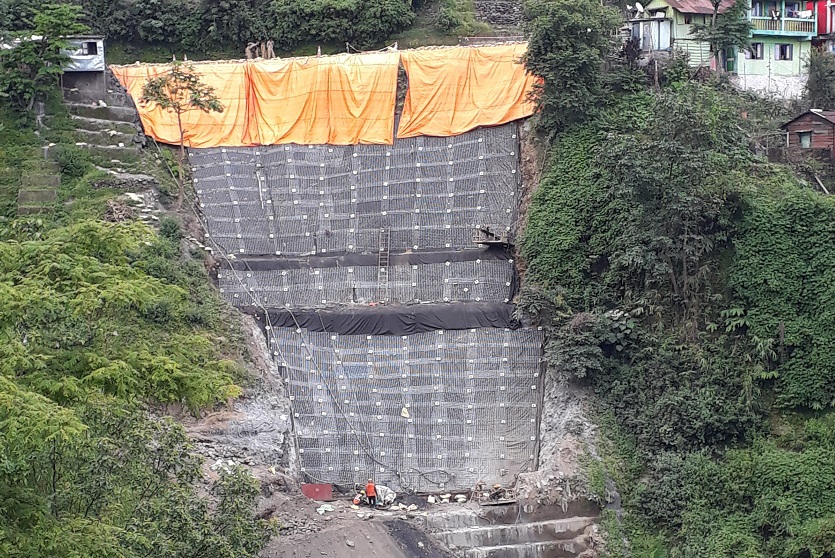
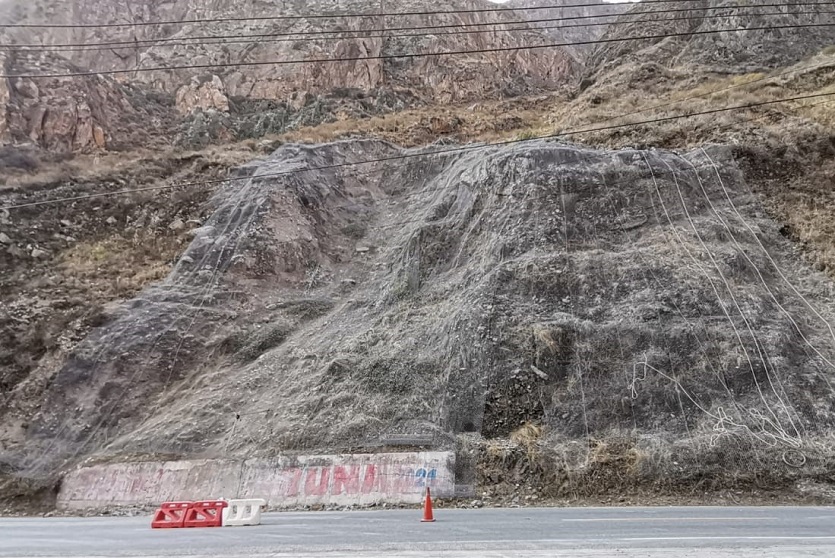
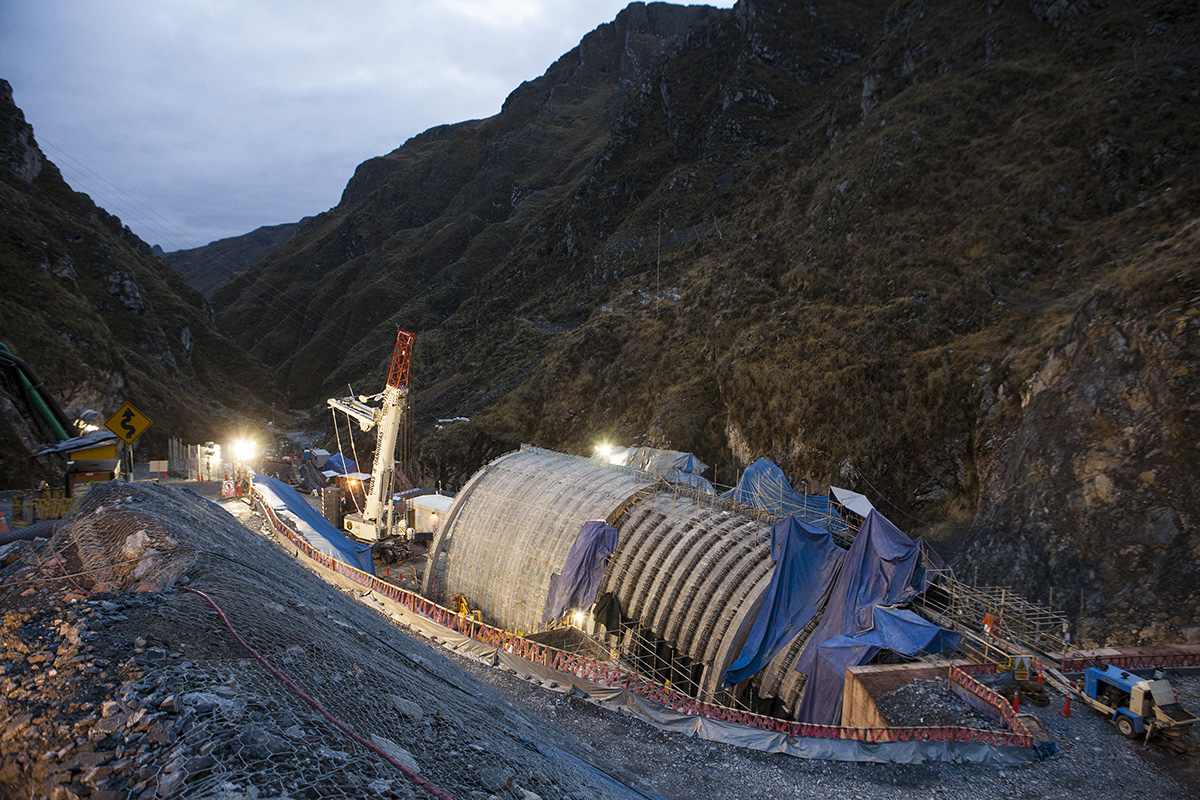
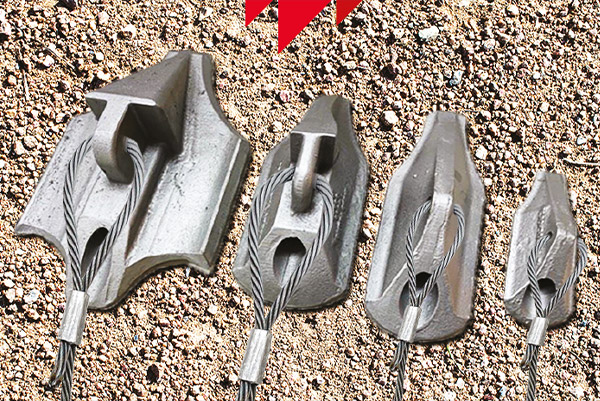
Our geohazards solutions:
Why choose Geoquest?
Geohazard protection is never a one-size-fits-all approach. Every site presents unique geological conditions, risk mechanisms and operational constraints that must be carefully evaluated before selecting the appropriate mitigation strategy.
Geoquest combines geotechnical expertise, hazard assessment capabilities and proven protection solutions to help clients secure infrastructure in challenging geotechnical environments around the world.
Applications
- Transportation infrastructure
- Roads, highways, railways, metros and airports
- Hydraulic infrastructure
- Rivers and waterways, coastal and ports and harbors
- Resources and industry
- Mining, oil and gas and energy.
- Urban Development
- Commercial and logistics, functional facilities, housing and residential and sports and leisure