Infrastructure conceived for protection, resilience and demanding operational environments
Military facilities require infrastructure capable of combining operational functionality with enhanced levels of protection. Geoquest provides solutions for protective structures, storage facilities, transport infrastructure and earthworks serving permanent or temporary military installations.

Protection as a fundamental design requirement
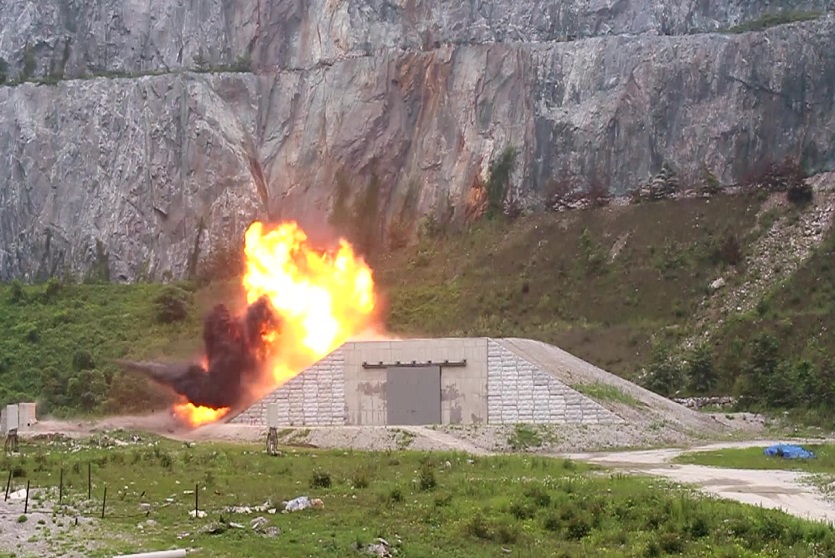
Military infrastructure can be subjected to conditions rarely encountered in conventional developments. Explosions, projectile impacts, thermal effects and other extreme actions can directly influence the design of structures used to protect personnel, equipment, ammunition and critical facilities.
At the same time, military sites retain many of the infrastructure requirements of other large developments. Roads, bridges, storage areas, platforms and changes in elevation need to be incorporated into facilities that may be located in remote or highly constrained environments.
The challenge is therefore to reconcile protection requirements with the practical needs of construction, access and operation.
Shaping infrastructure around protection
Geoquest solutions can fulfil both structural and protective functions within military facilities, from creating blast-resistant earth structures to supporting storage, access and transportation requirements.
- Containing blast effects
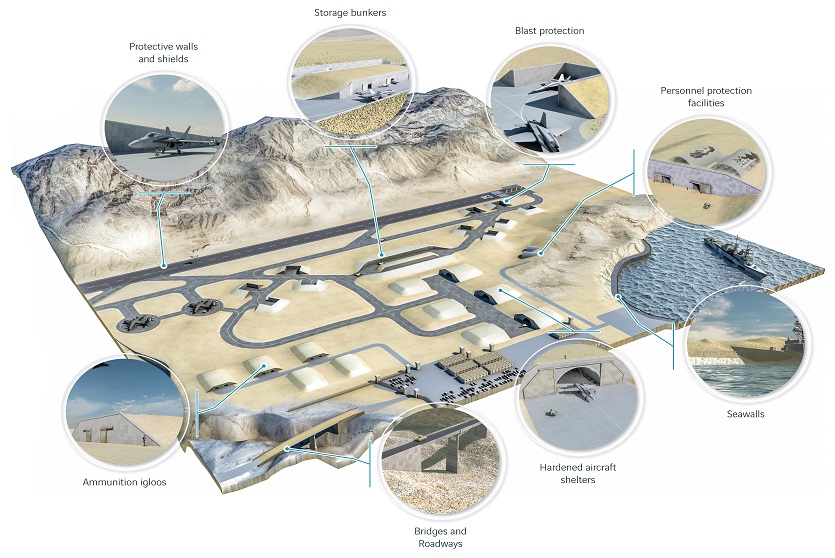
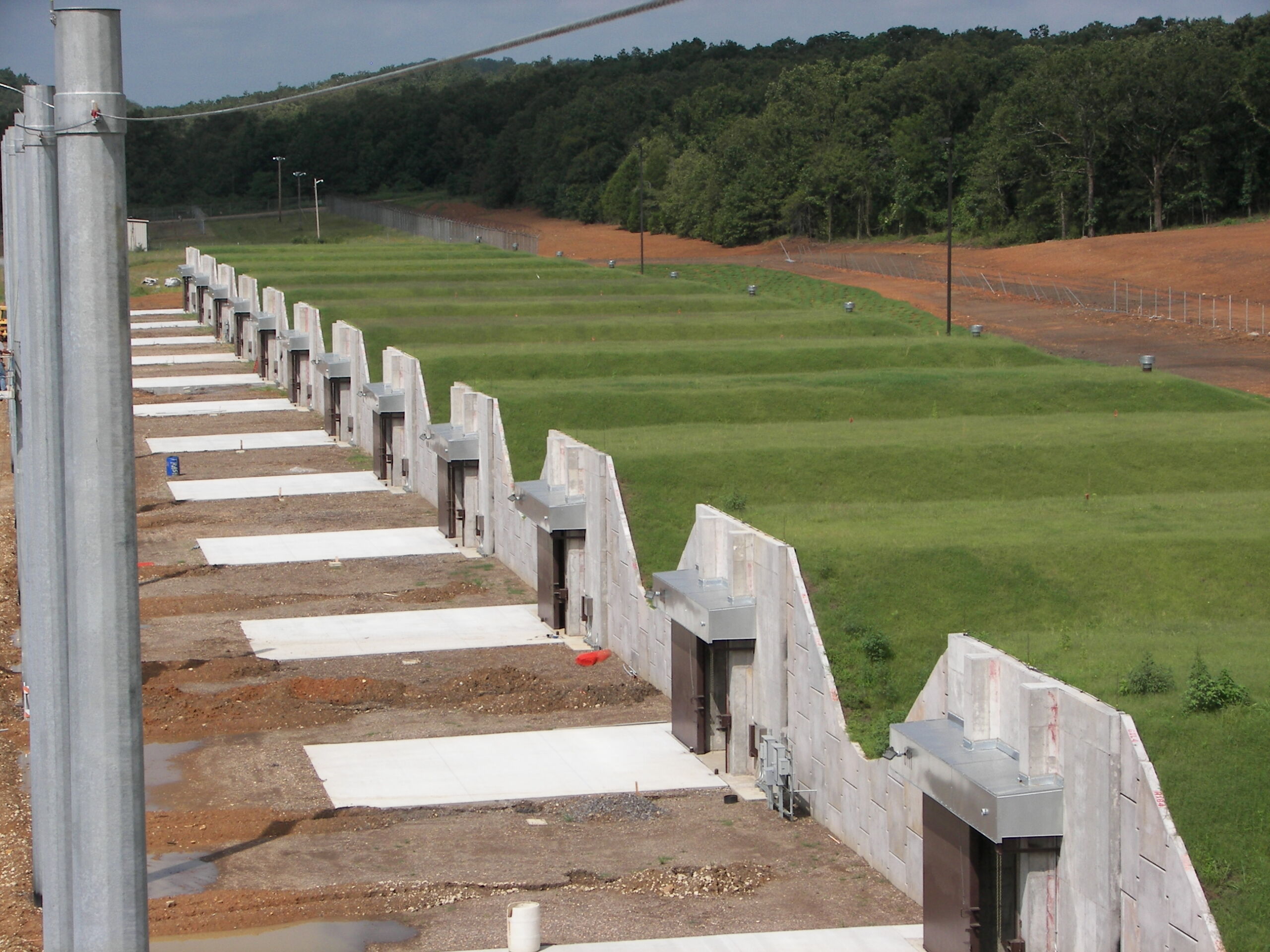
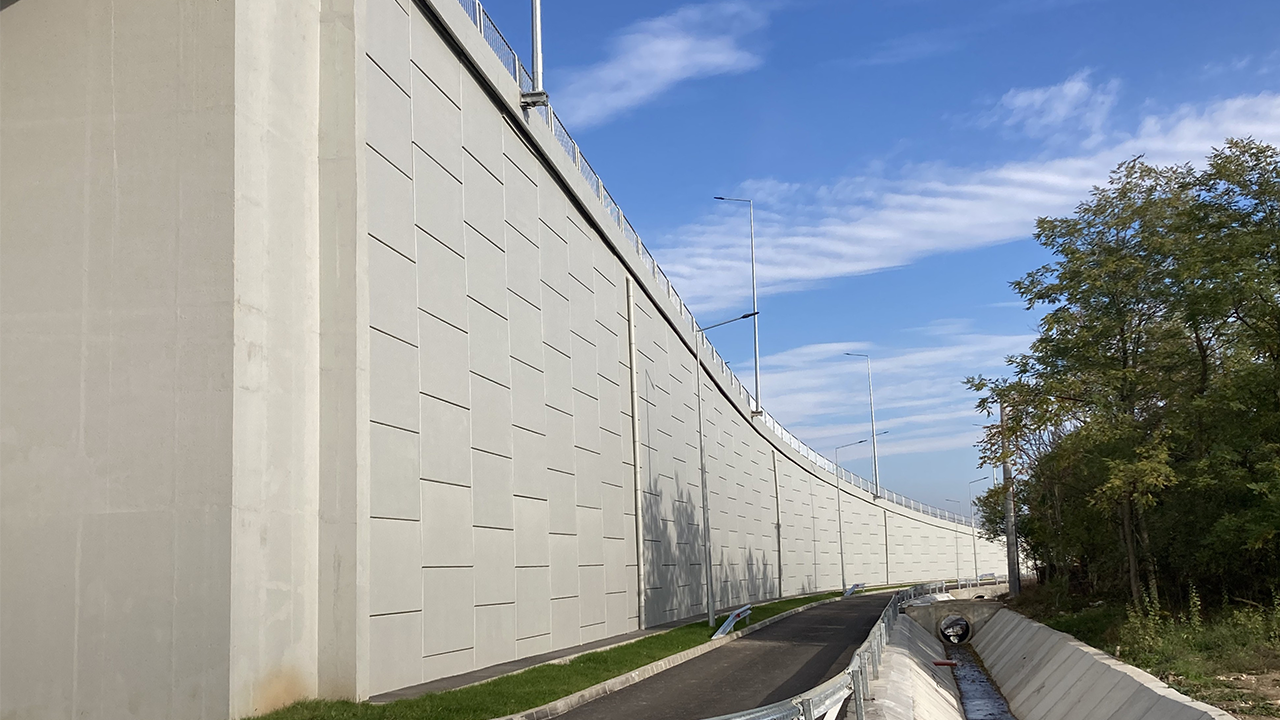
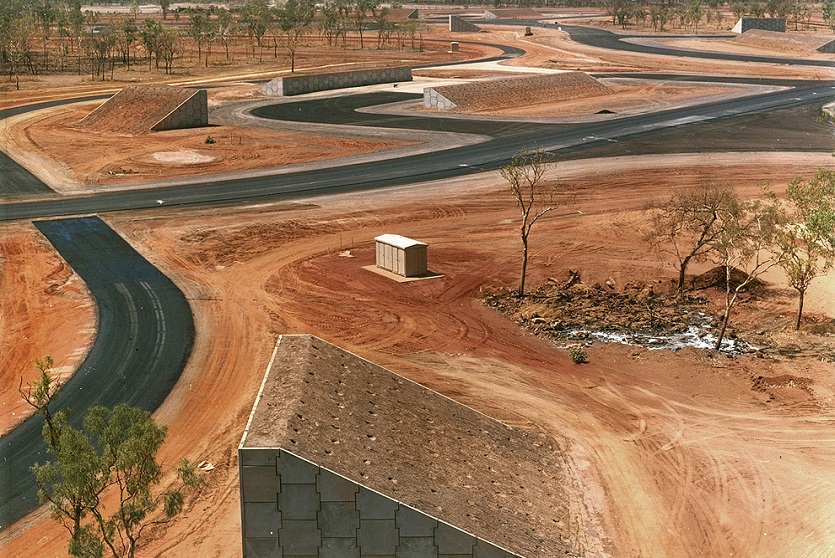
Protective earth structures can be used to separate sensitive areas and limit the propagation of blast effects. Reinforced Earth walls and abutments can form vertical protective barriers and bunds capable of absorbing substantial energy through the behaviour of the reinforced soil mass.
- Protecting ammunition and sensitive materials
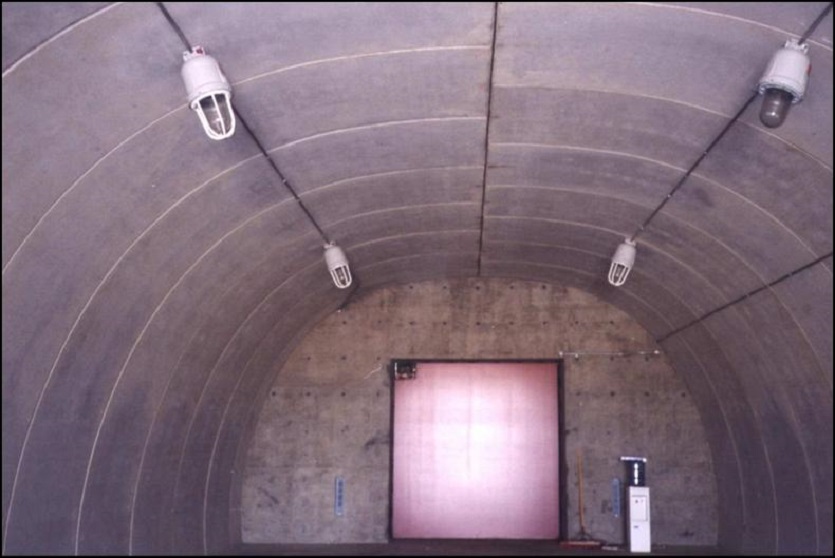
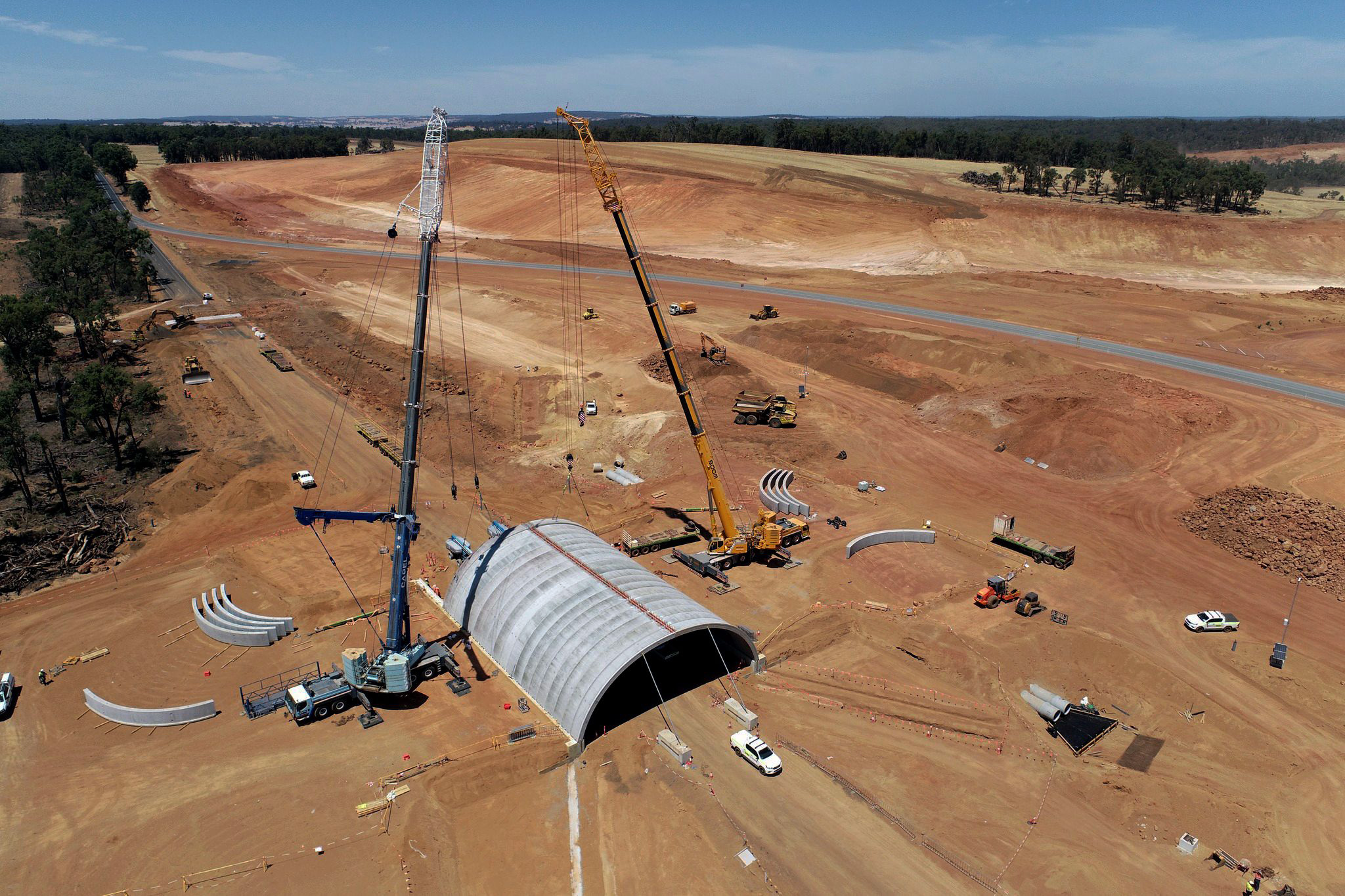
Ammunition magazines and storage facilities require physical separation and protection from external or internal events. Reinforced Earth walls and abutments can create protective earthworks around storage areas, while TechSpan arches can provide buried configurations for protected storage facilities.
- Shielding personnel and critical infrastructure
Facilities used for personnel protection, equipment or sensitive operations may require structures able to provide physical separation from hazardous areas. Reinforced earth configurations and buried structures offer different ways of incorporating protective mass and shielding into the layout of the facility.
- Establishing access and operational routes
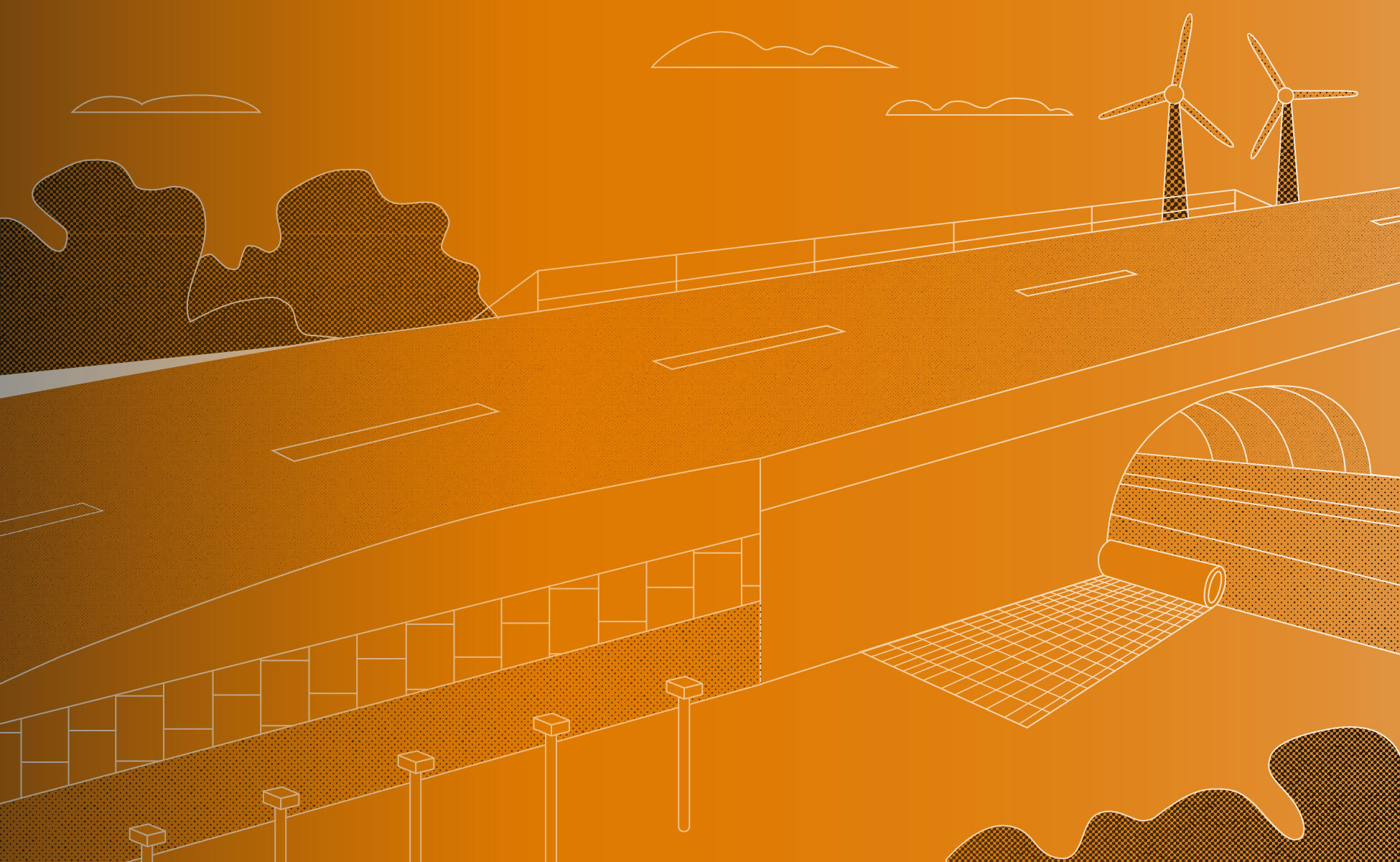
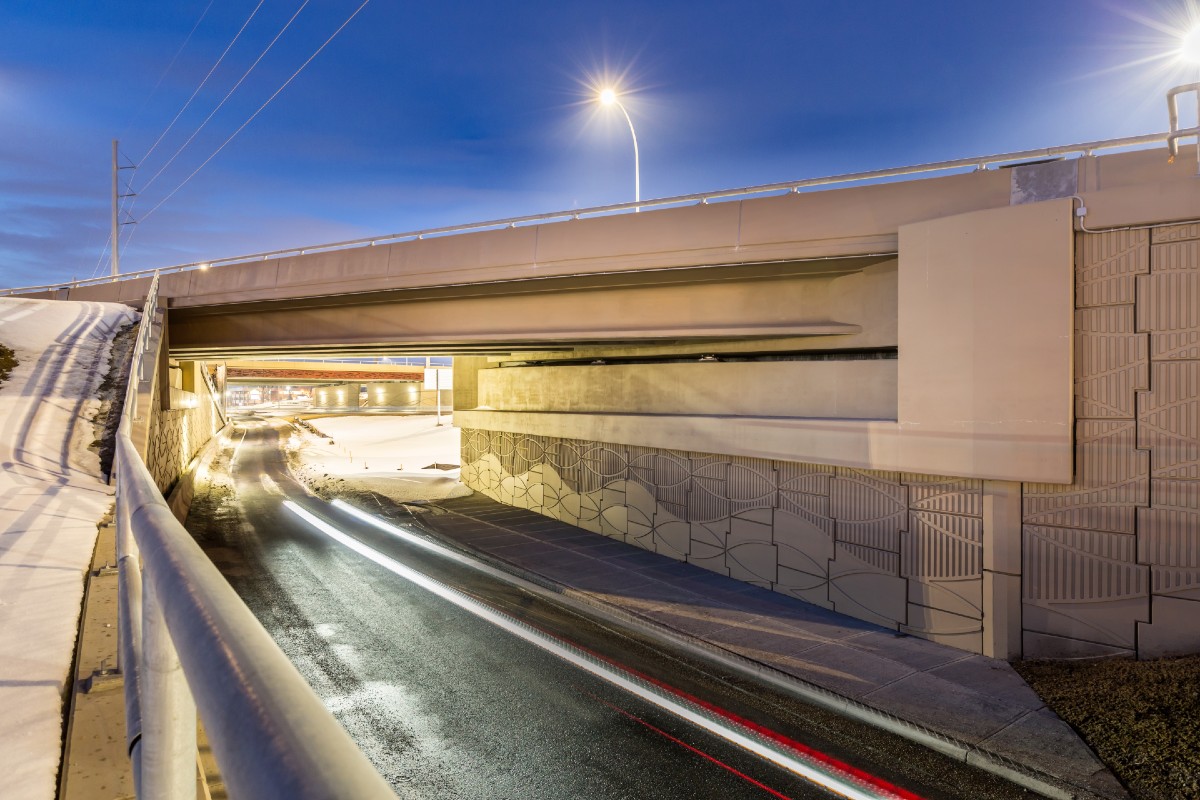
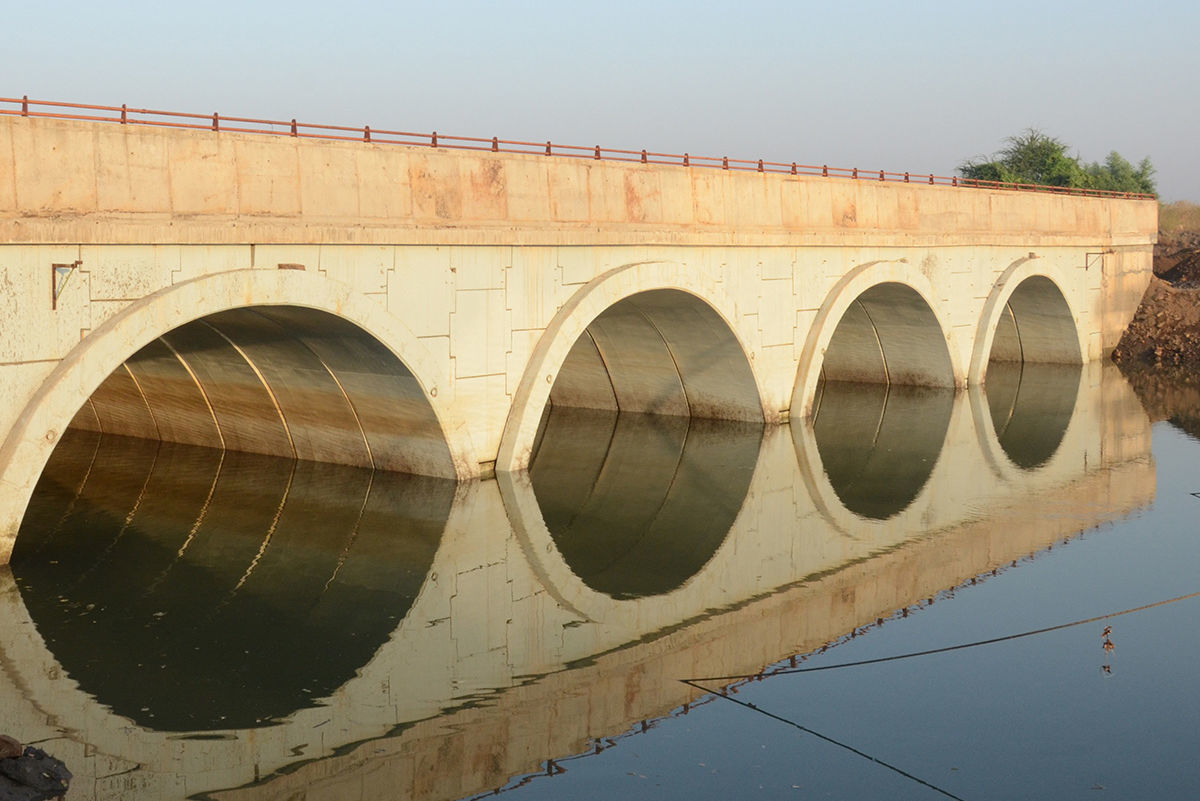
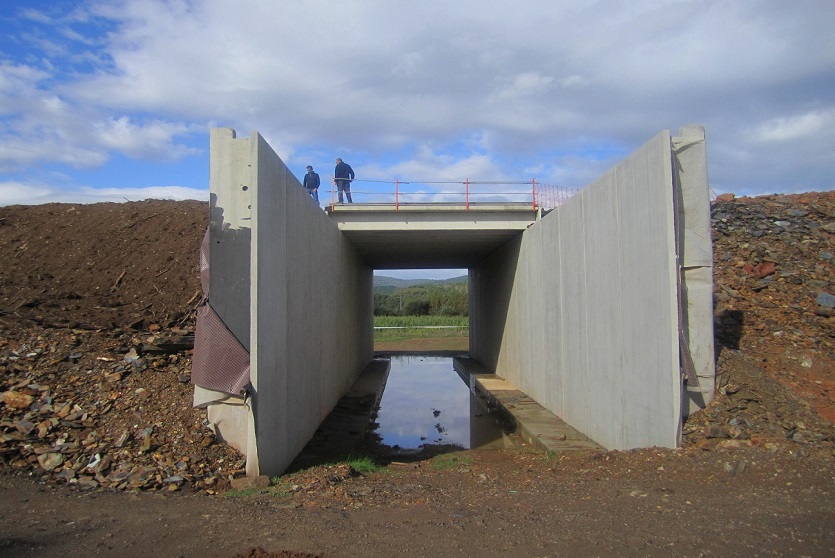
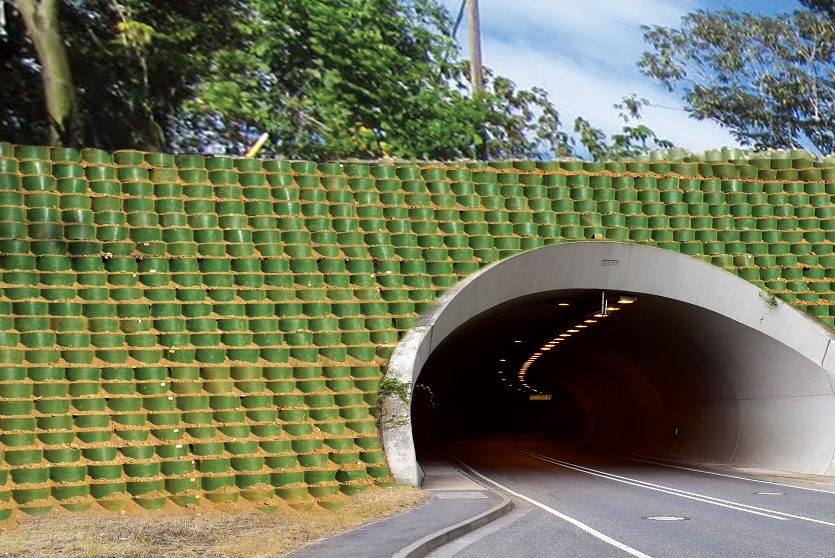
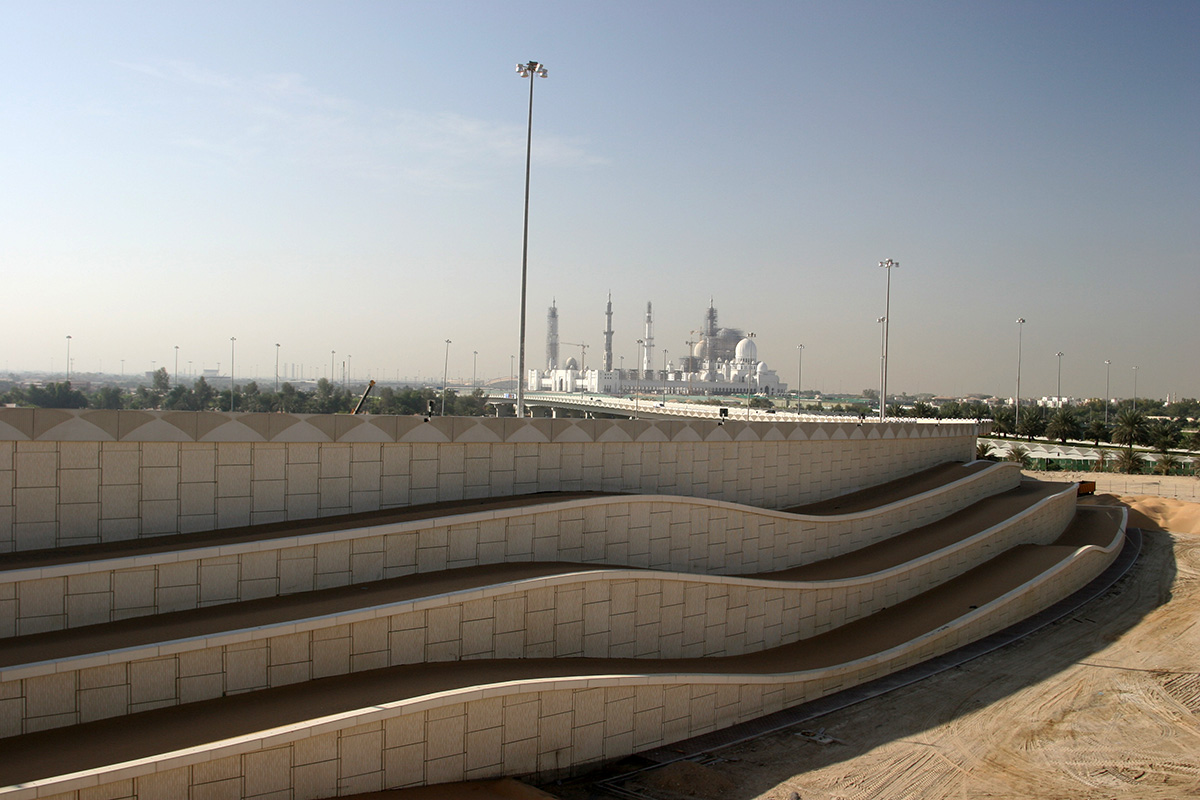
Military installations require reliable roads, crossings and internal circulation for personnel and equipment. Reinforced Earth structures and Precast arches and boxes can support grade changes, bridges, buried passages and other infrastructure required across the site.
- Building in remote locations
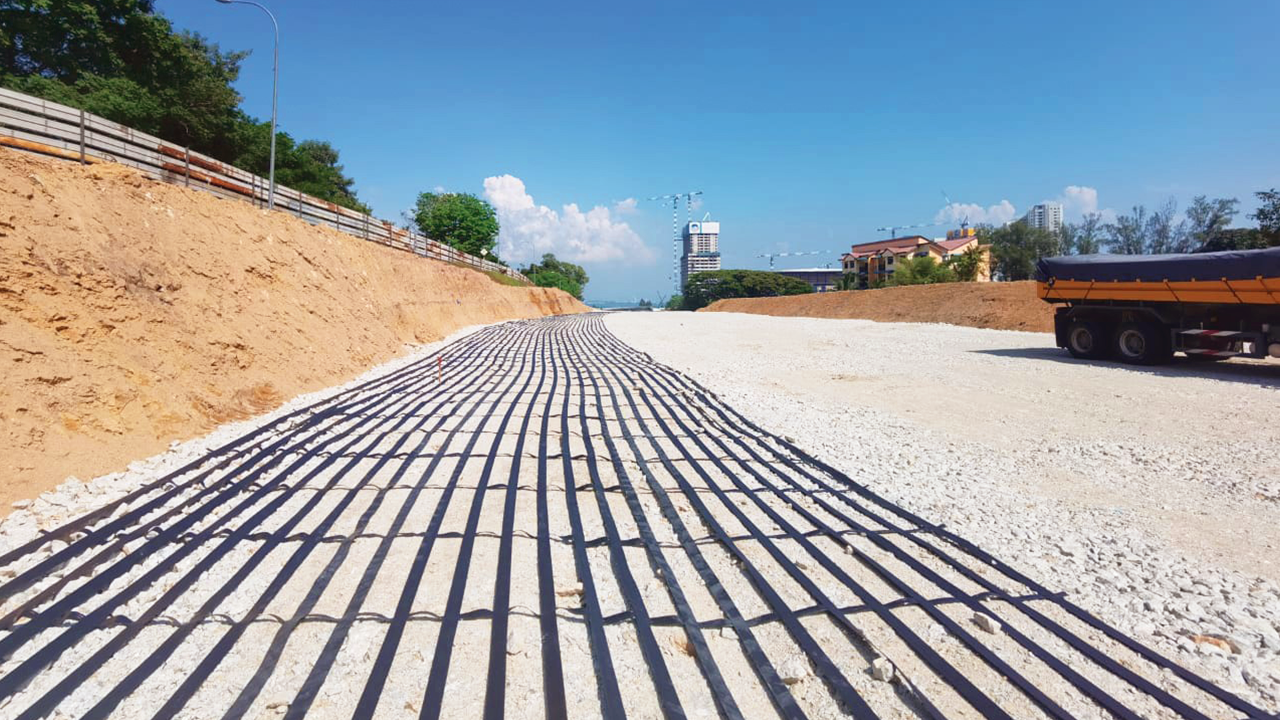
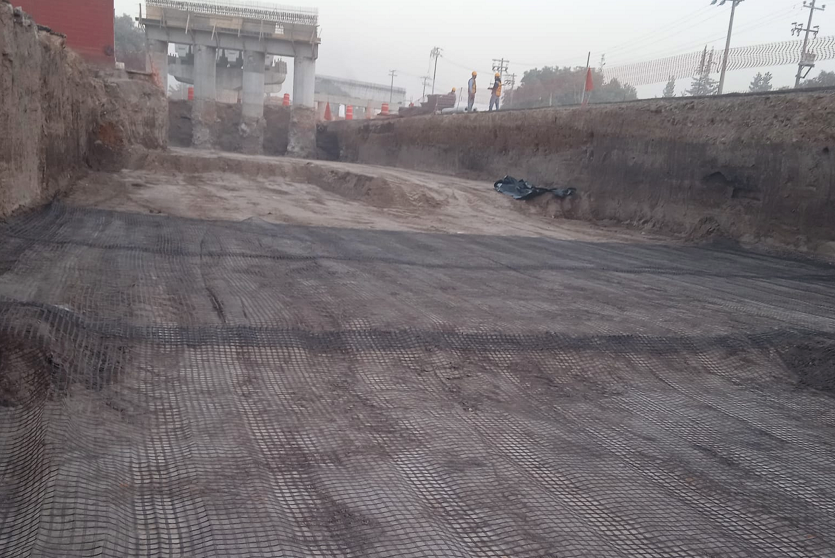
Some military infrastructure must be constructed where equipment, workforce or construction resources are limited. Modular Reinforced Earth solutions can provide adaptable configurations for permanent or temporary works while allowing designs to respond to locally available materials and site conditions.
Applications for military infrastructure

Performance supported by testing and engineering
Protective infrastructure requires confidence in how structures will respond under exceptional loading. Geoquest’s experience with reinforced soil structures for military applications includes full-scale testing and the analysis of structures exposed to actual events.
The capacity of Reinforced Earth structures to tolerate deformation and absorb energy makes them particularly relevant where blast pressures or projectile impact need to be considered as part of the infrastructure design.
Combined with buried structures and other complementary solutions, this provides different approaches for creating military facilities where protection, access and operational requirements must coexist.