Infrastructure, communities and industrial sites are exposed to forces that can cause serious damage in a few seconds or slowly over many years. Floods, storms, avalanches, falling rocks and unstable slopes come from nature. Leaks, explosions, pollution and noise come from human activity.
Protect structures shield people, infrastructure and the environment from these risks. They reduce how often damage occurs, limit its consequences when it does, and help networks and sites keep running in conditions that are becoming more demanding.
Why protection must be planned, not improvised
- Rare but severe events
Protection is designed for events that may not happen for years, yet must work fully the day they do.
- Rising exposure
Climate change, urban growth and larger industrial operations increase what is at risk.
- Lives and continuity at stake
A failure can endanger people, cut off networks or stop production for long periods.
- Long-term reliability
Protective structures must remain effective for decades, often with little maintenance.

Reducing the impact of hazards on people and infrastructure
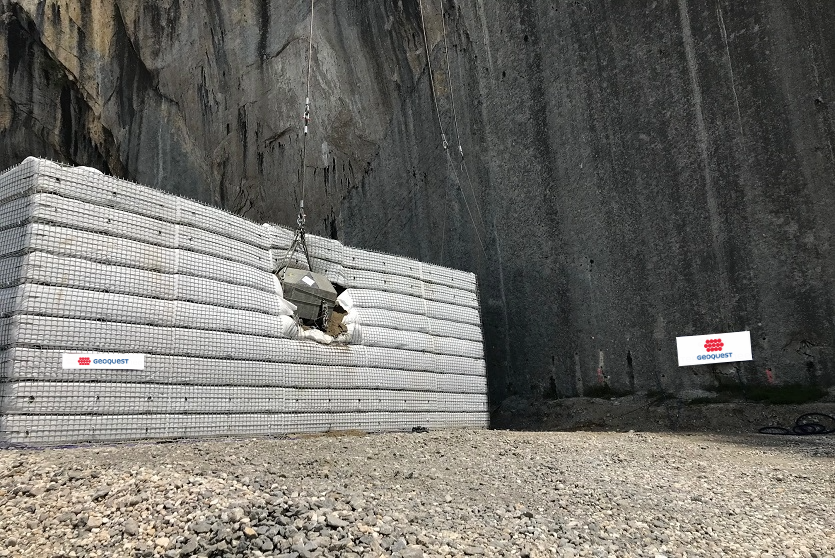
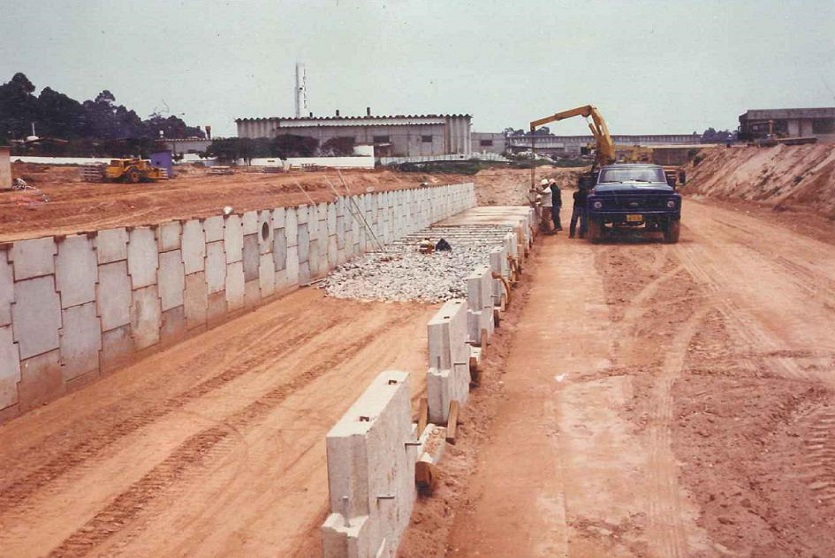
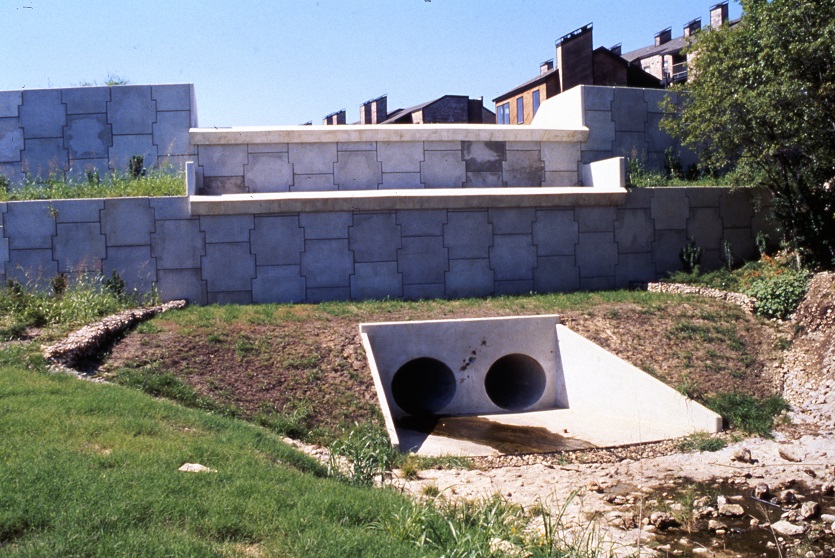
A protective structure stands between a hazard and what must be kept safe. Depending on the risk, it can hold back water, snow, rock or soil, absorb the energy of an impact or a blast, confine stored material, or screen nearby areas from noise and pollution.
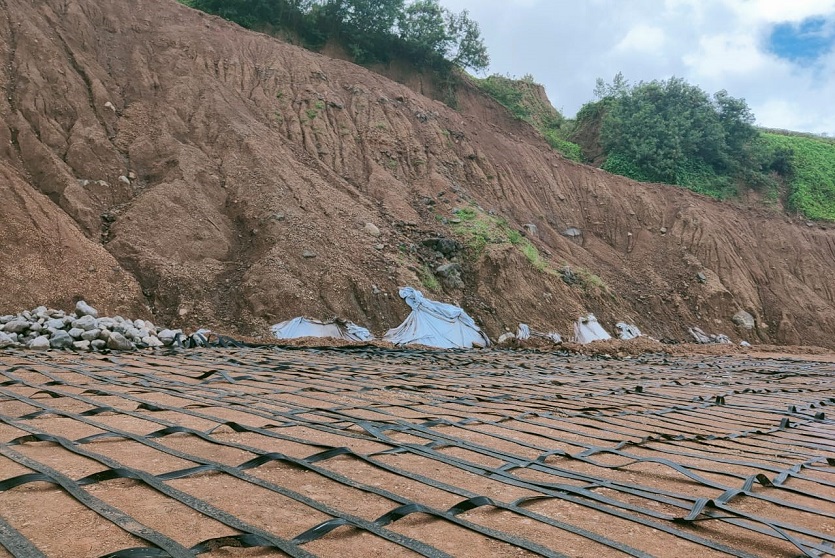
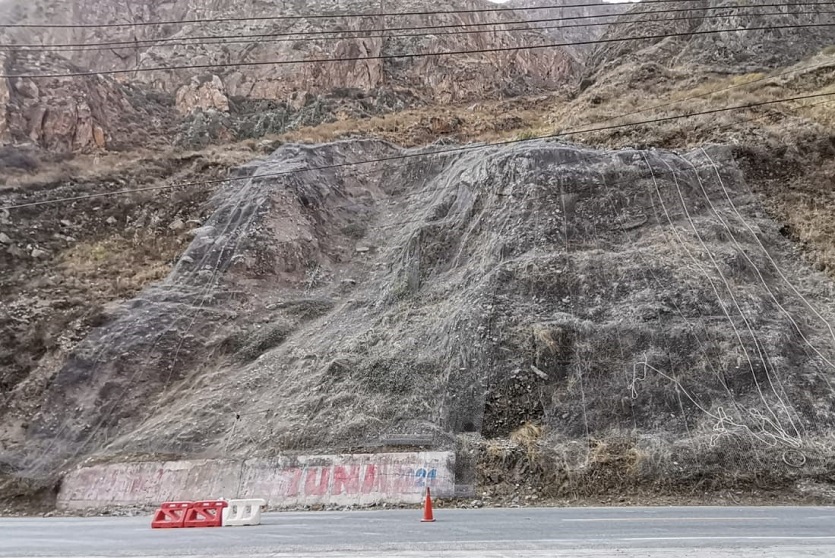
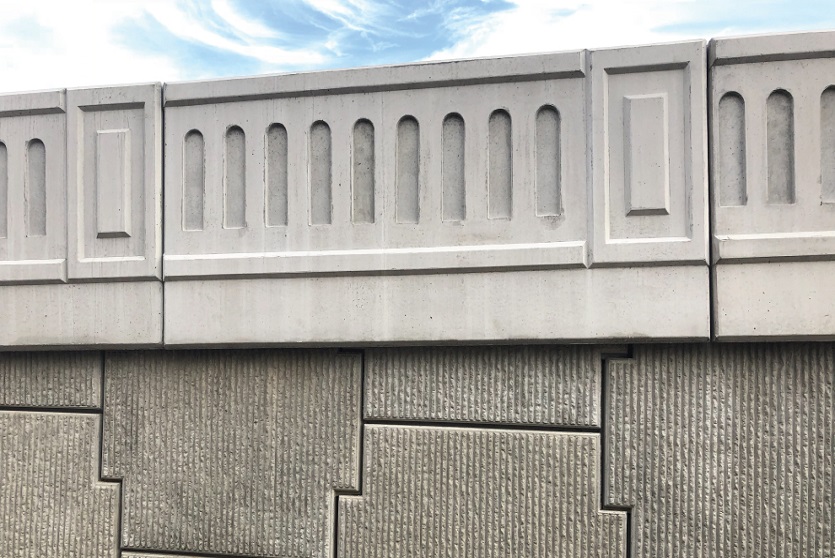
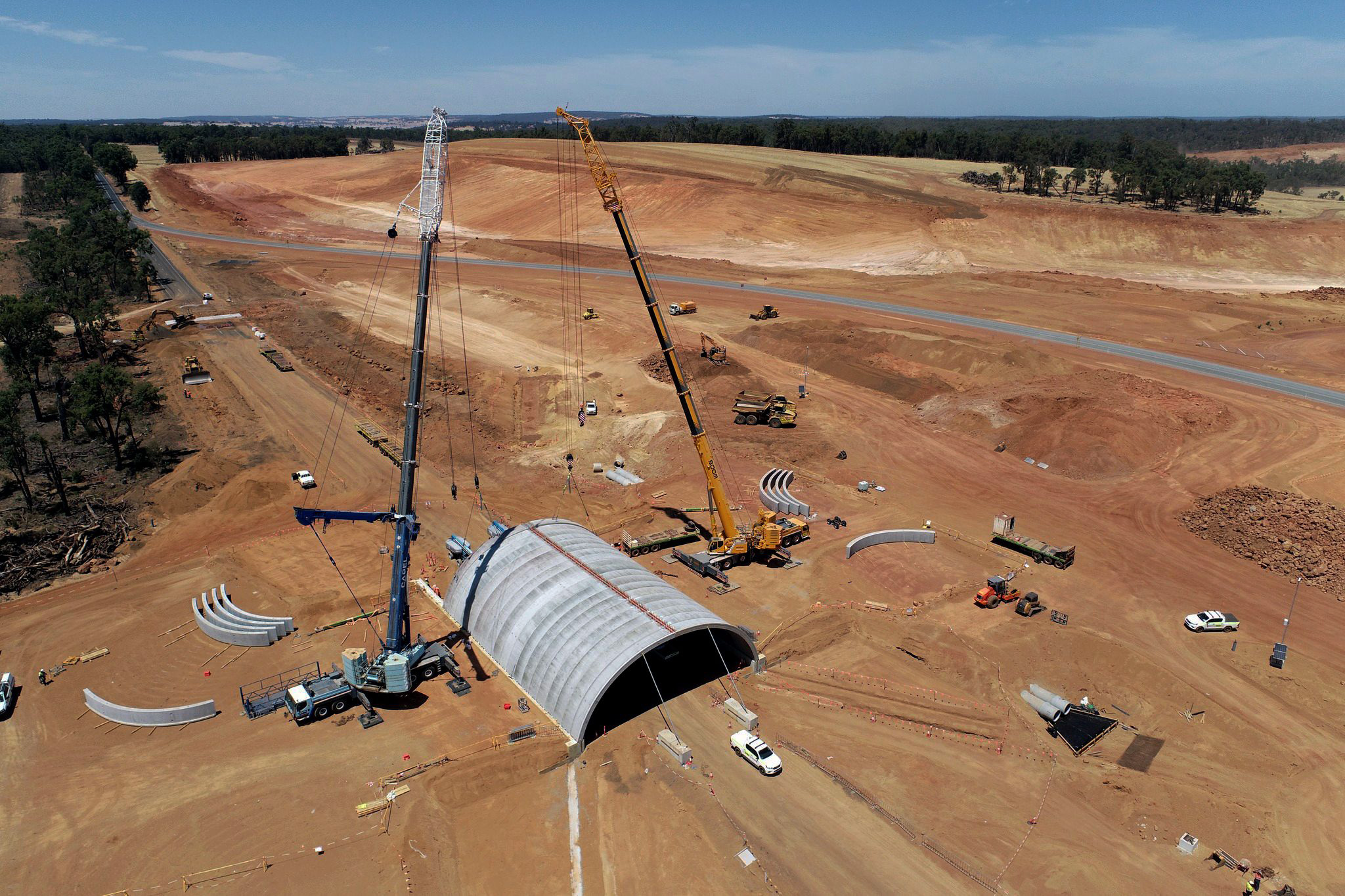
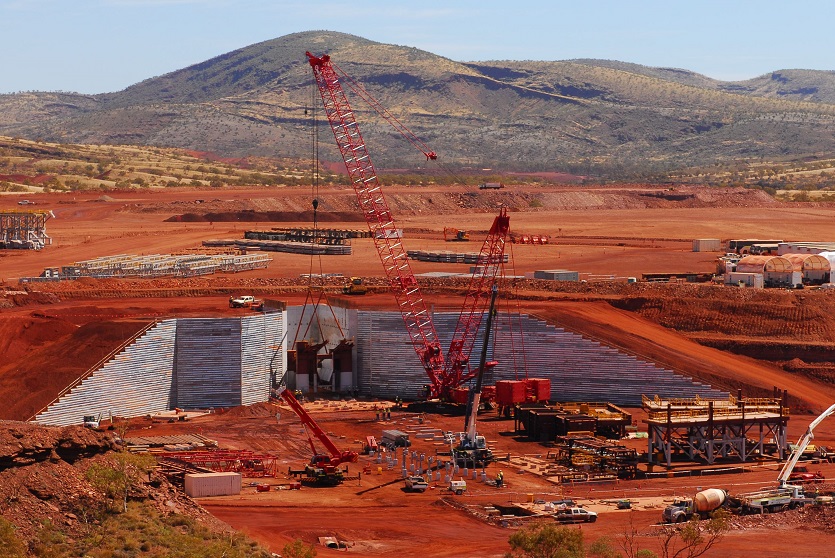
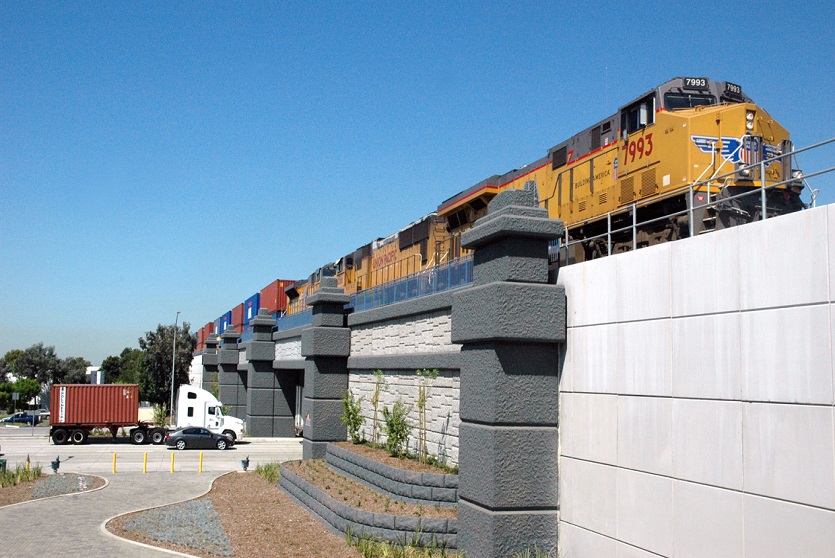
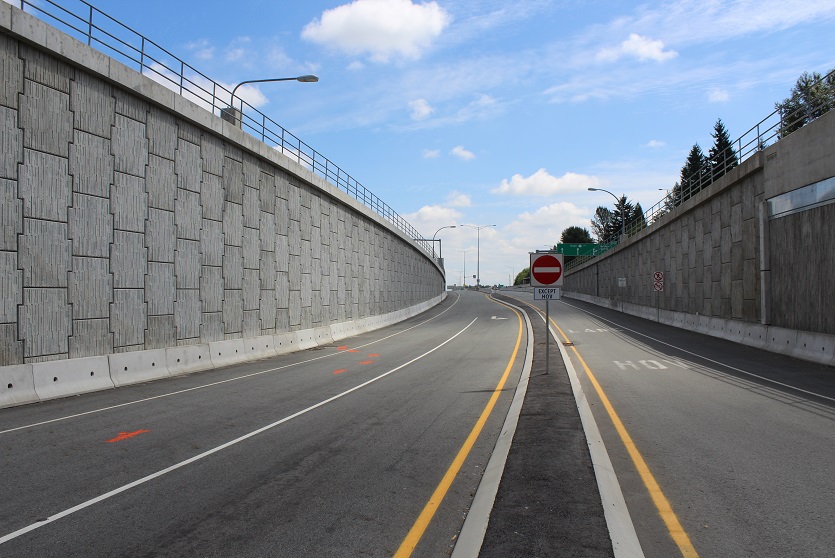
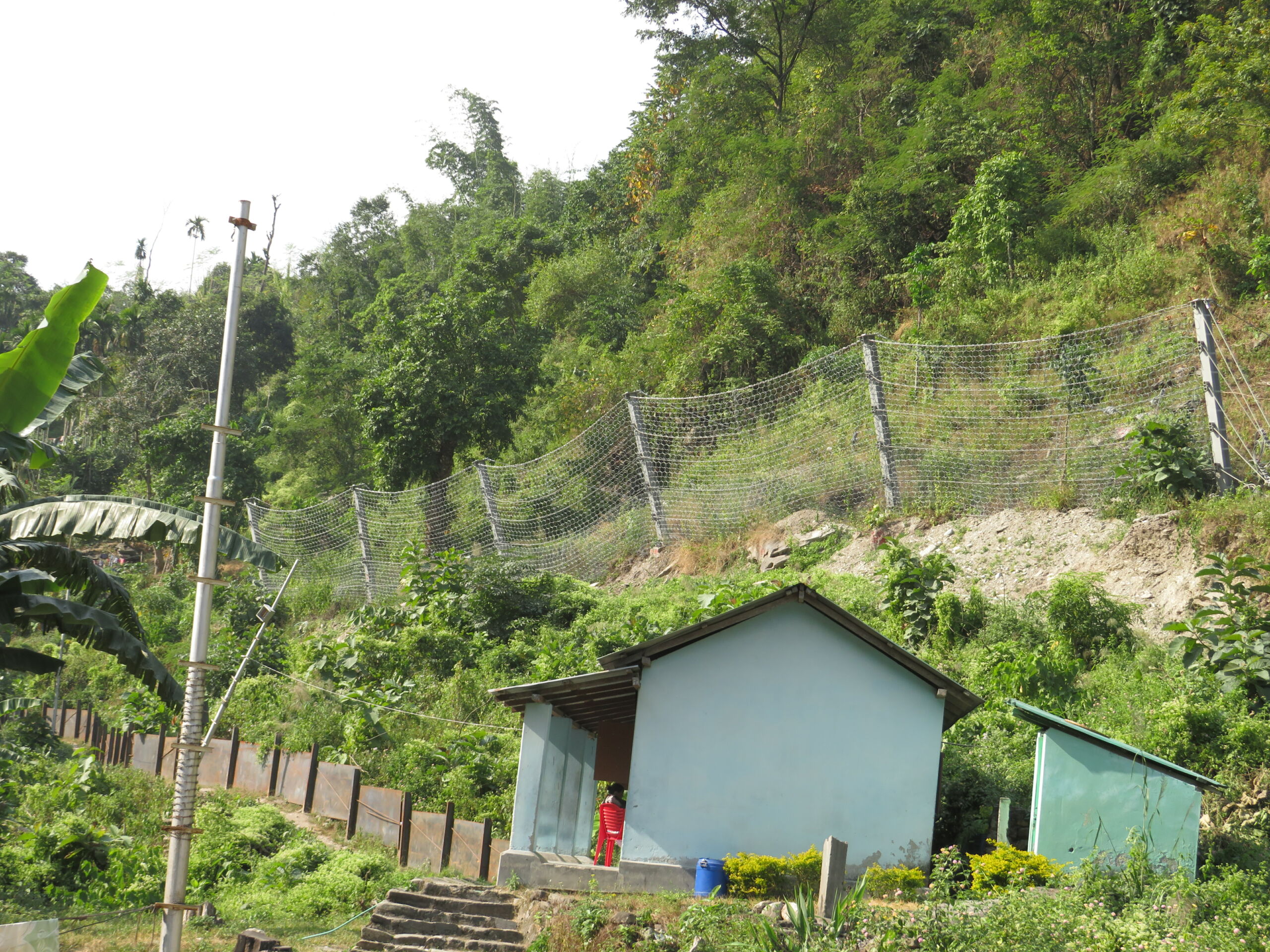
Reinforced backfill is especially suited to this role. Reinforced Earth walls and abutments and Reinforced Earth slopes combine mass with the ability to deform without collapsing, which makes them effective against impacts, explosions and water pressure. Precast arches such as TechSpan cover exposed roads and railways, while flexible structures such as Nets and Barriers, concrete mattresses and geosynthetics deal with surface instability, scour and containment.
Protect structures are used in mountain areas, along rivers and coasts, on transport corridors, and on energy, mining, industrial, waste and military sites.
Protection against natural and industrial risks
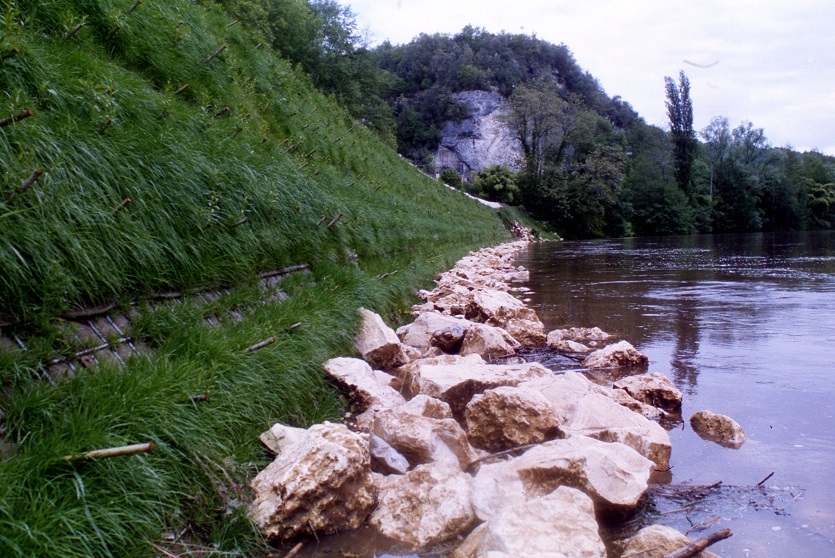
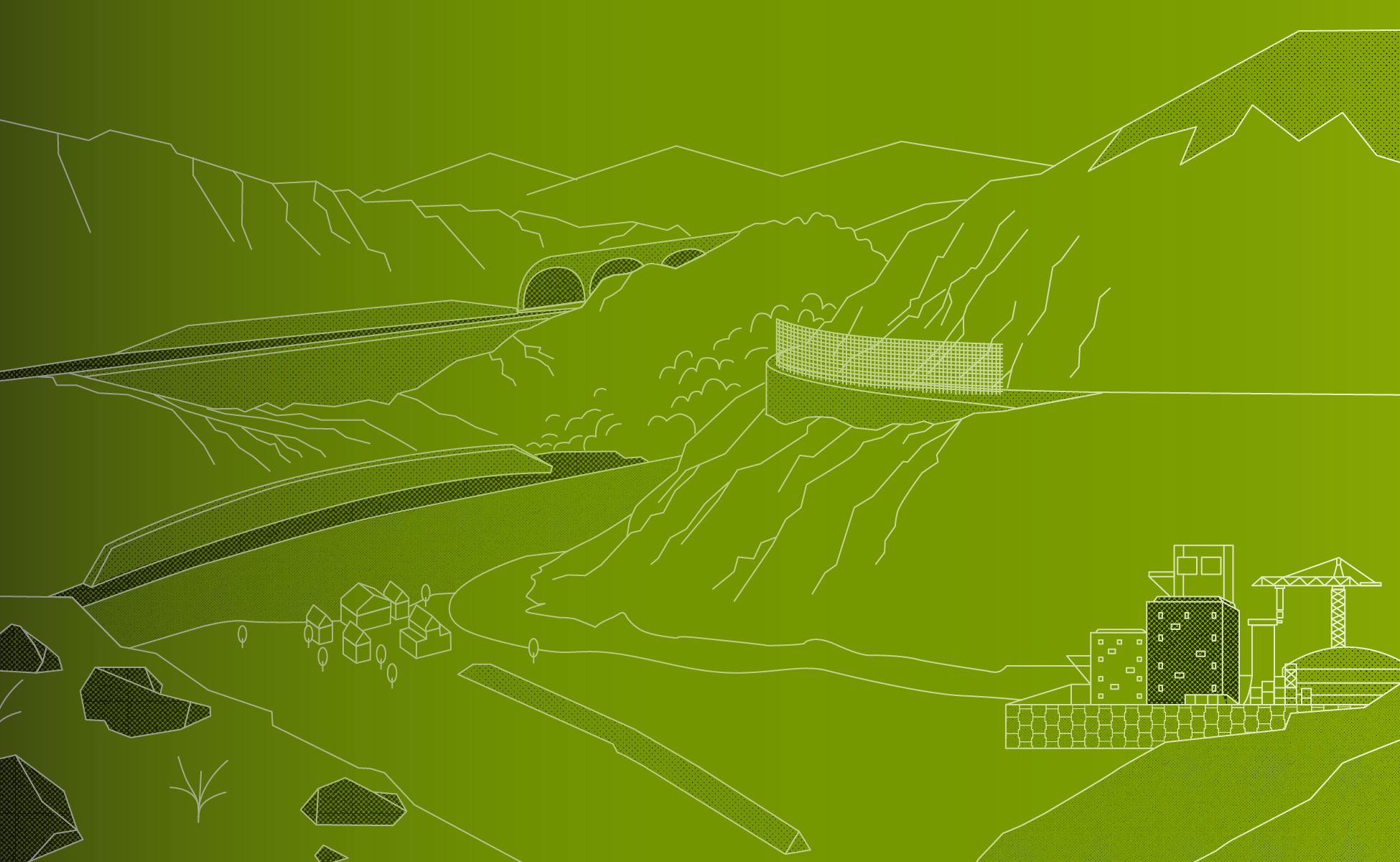
Water, snow, rock and unstable ground threaten roads, railways, towns and industrial sites. Natural risks protection reduces this exposure on slopes, riverbanks, coasts and in mountain valleys.
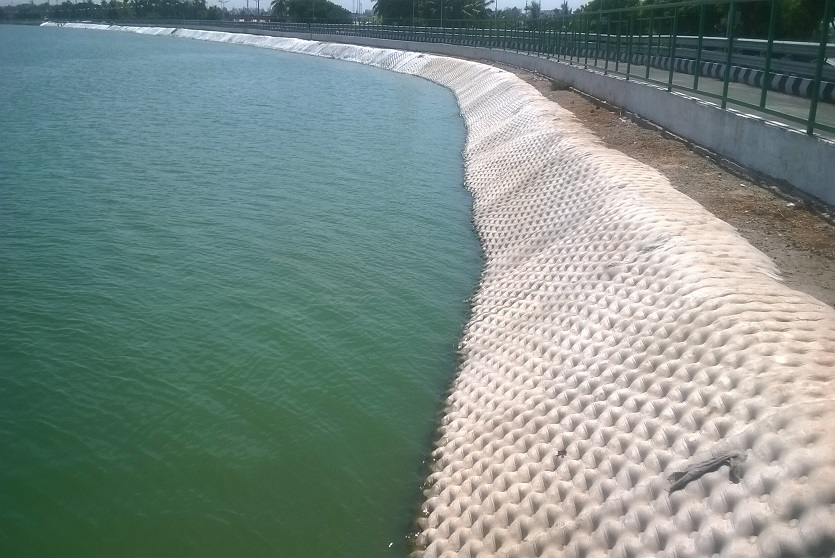
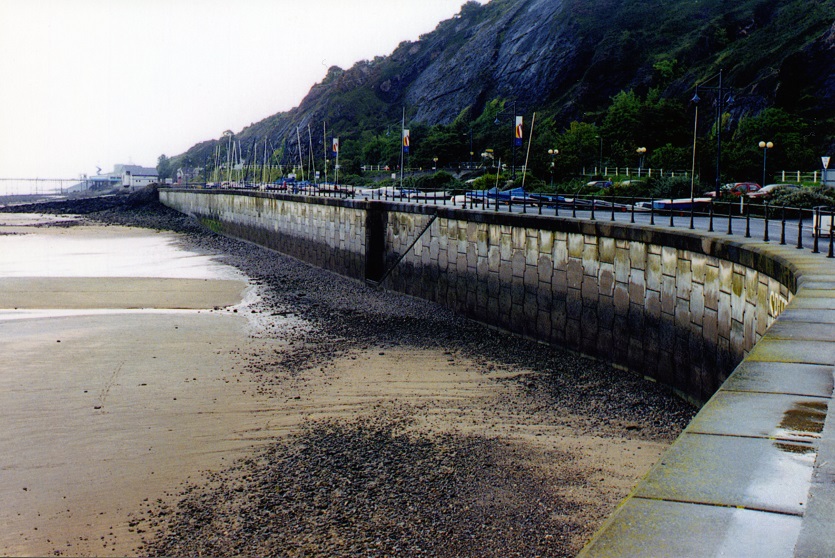
This family covers erosion protection, coastal protection and restoration, hydraulic and flood protection, avalanche protection, debris flow and rockfall protection, and slope stabilization.
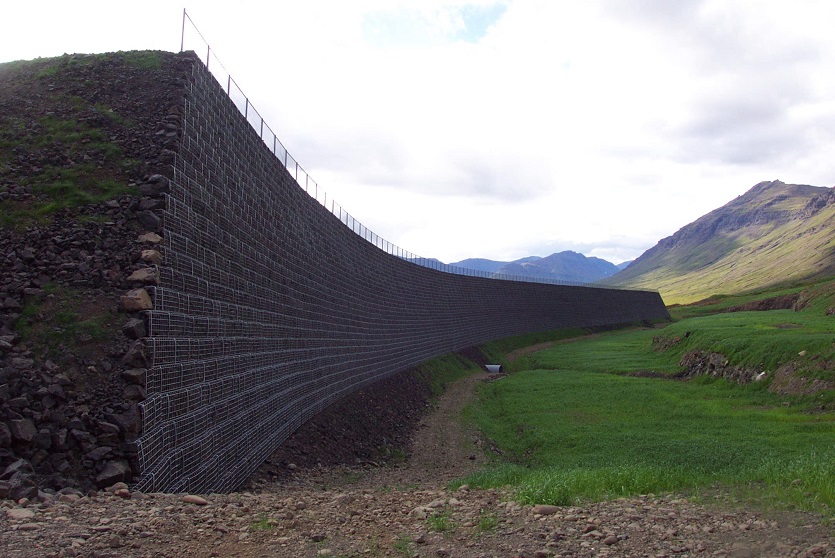
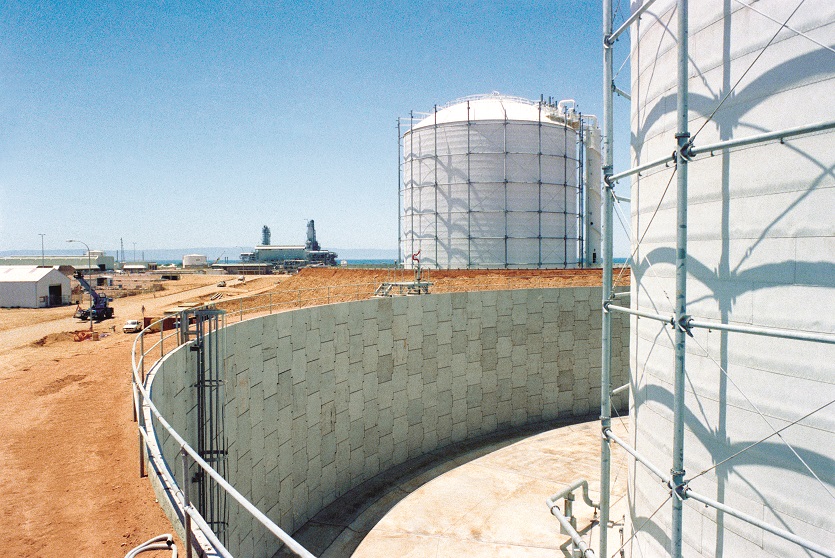
Industrial, energy and mining activities create risks that must stay within the site boundary. Industrial risks protection keeps people, neighbours and the environment safe from accidents, pollution and nuisance.
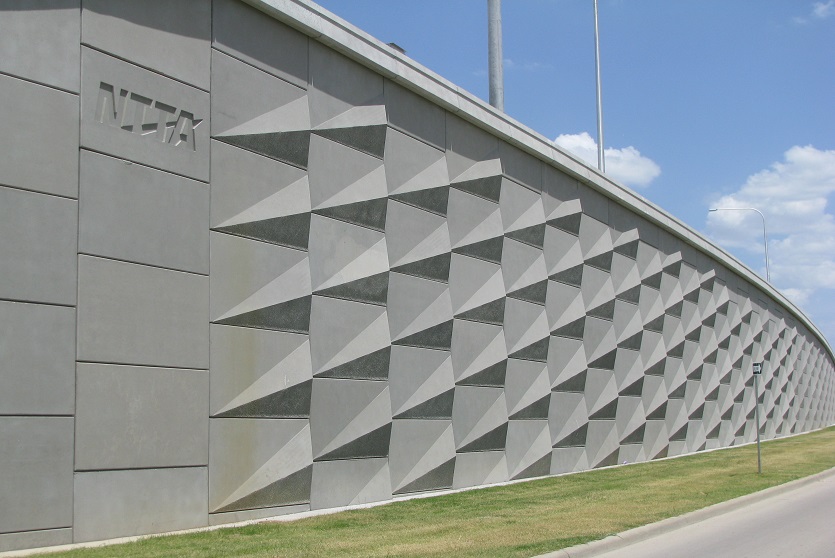
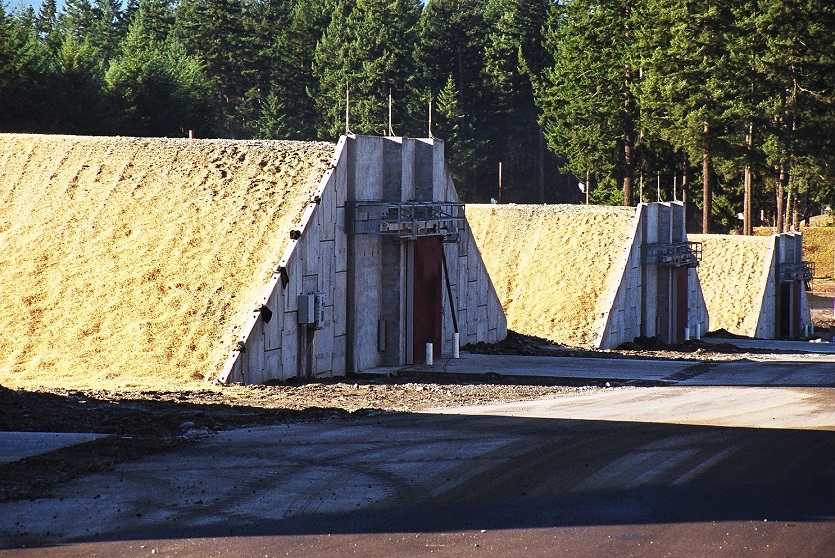
This family covers pipe protection, waste storage, noise mitigation, blast protection and spill containment.
Defining what to protect and from what
- Origin of the risk: A natural hazard comes from the site and its environment. An industrial risk comes from the activity itself.
- What is exposed: People, networks, buildings, soil and water, or the activity itself, each require a different level of protection.
- Acceptable consequences: The design level depends on what can be tolerated, a short closure, minor damage, or no impact at all.
- Reduce or protect: Some risks can be reduced where they originate. Others can only be managed by shielding what lies in their path.
- Several risks at once: A single site may face both natural and industrial risks, which can be addressed with complementary structures.
- Regulations and approvals: Authorities and industry standards often define minimum performance and design scenarios.