Protecting coastlines where land, water and climate continuously reshape the environment
Coastal areas are dynamic environments where waves, currents, tides and extreme events constantly interact with shorelines. Geoquest provides solutions to protect vulnerable areas, control erosion and support the development and restoration of coastal infrastructure.
Responding to constantly changing shorelines
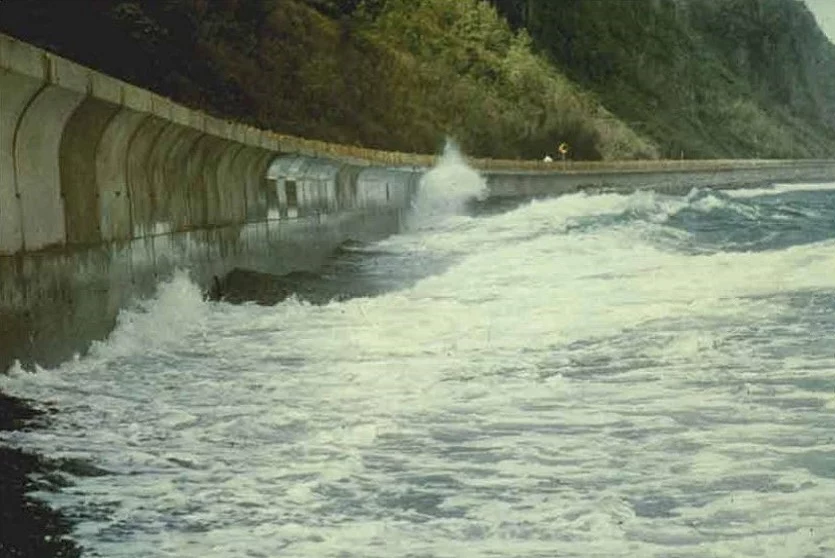
Coastal erosion can progressively modify beaches, slopes and shorelines, putting infrastructure and developed areas at risk. The movement of water and sediment is continuous, but storms, high tides and exceptional hydraulic events can significantly accelerate these changes.
Any intervention must therefore consider not only the immediate protection requirement, but also the way water, soil and protective structures will interact over time.
Marine exposure creates additional demands on materials and structural configurations. Solutions must accommodate hydraulic forces, scour, drainage and changing water levels while remaining suited to the local coastal environment.
Working with the forces shaping the coast
Coastal protection can involve interventions both above and below the waterline, with the approach determined by shoreline conditions, hydraulic exposure and the area to be protected.
- Controlling shoreline erosion
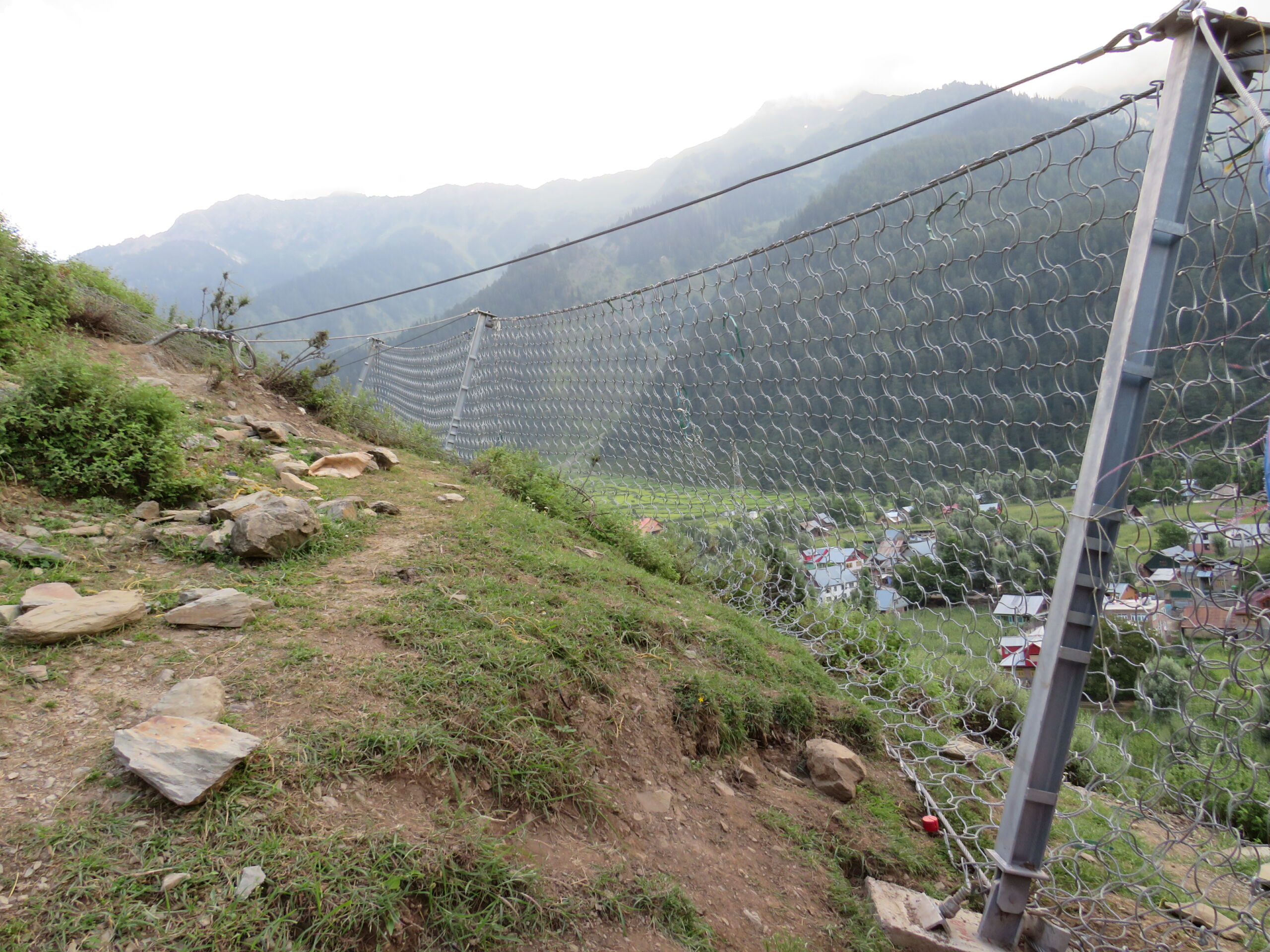
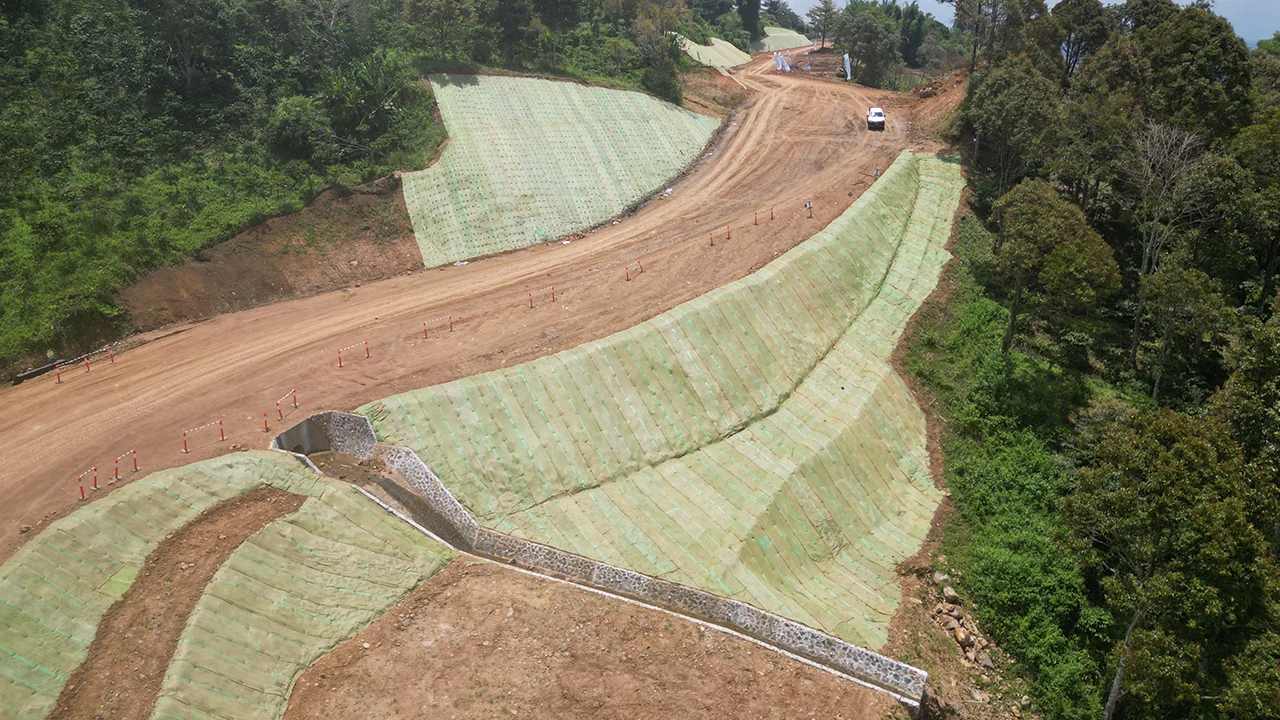
Wave action and currents can progressively remove material from beaches, embankments and coastal slopes. Geosynthetic erosion-control solutions can protect vulnerable surfaces like FFCM, limit material loss and reinforce areas exposed to repeated hydraulic action.
- Defending exposed coastal areas
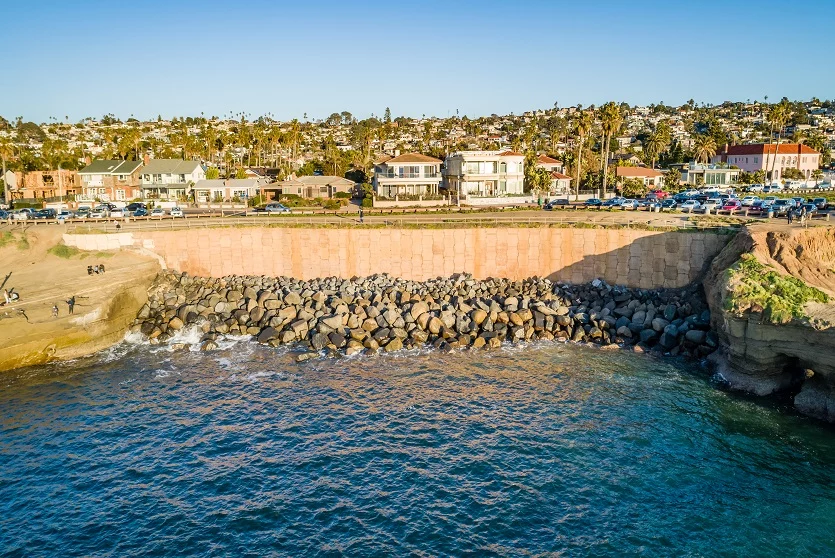
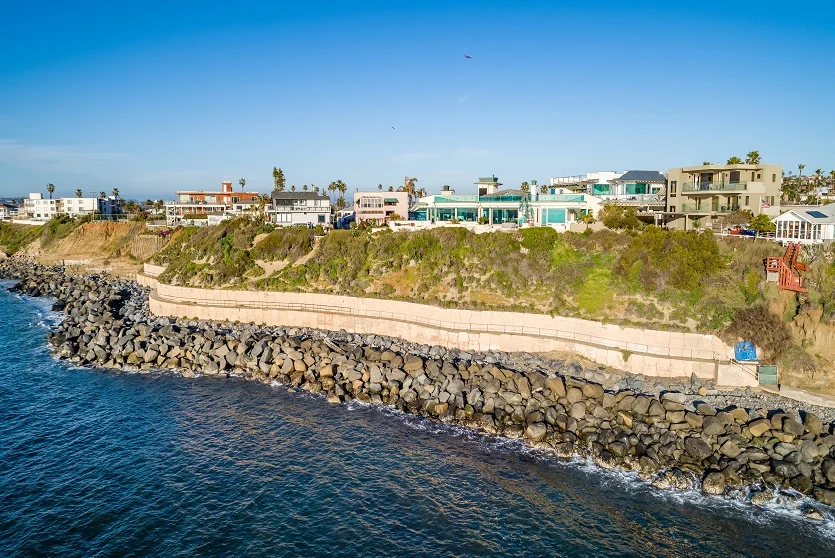
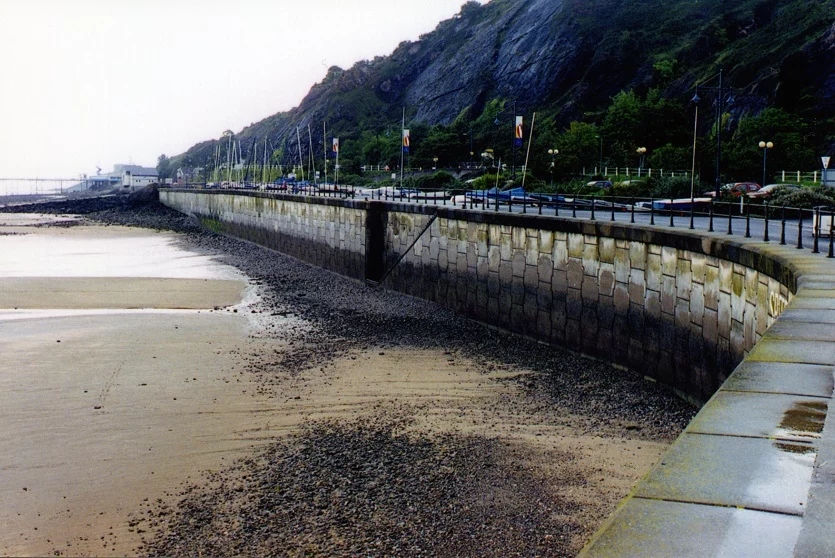
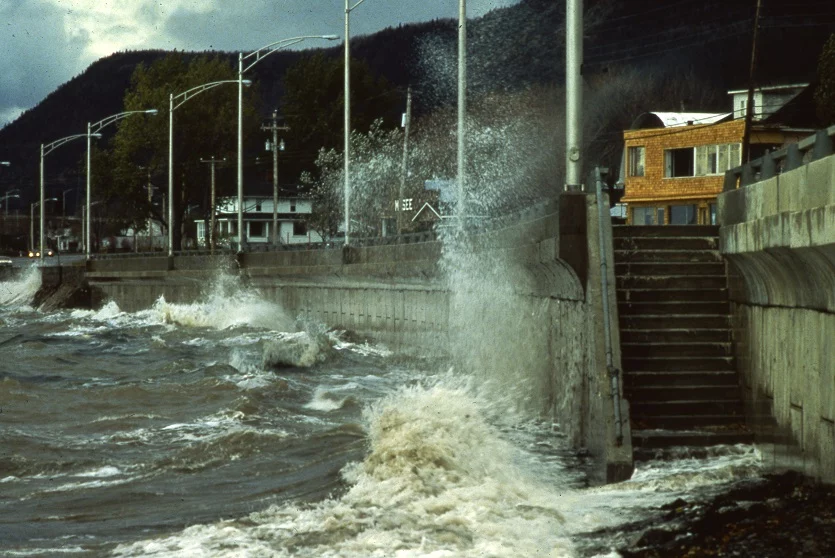
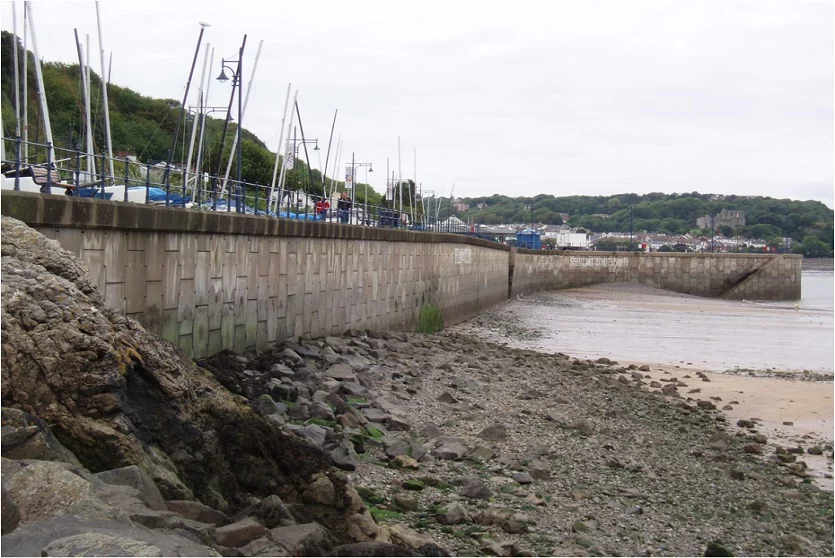
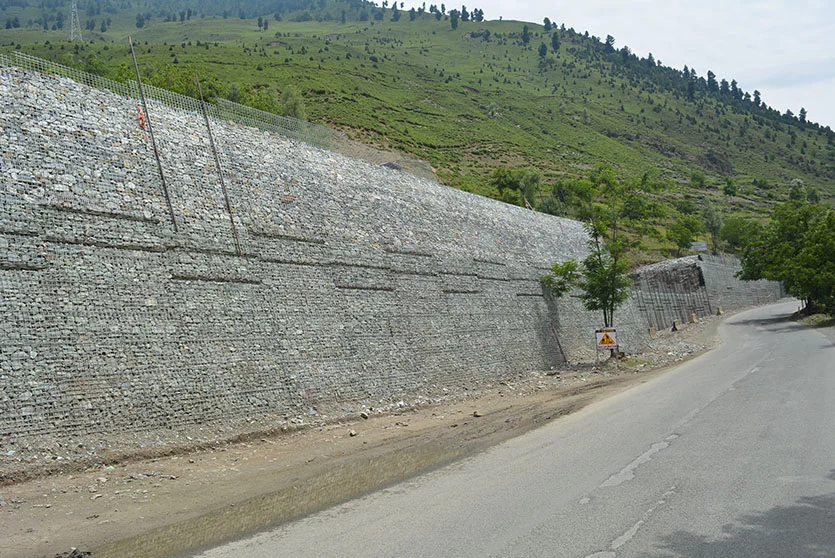
Coastlines subjected to waves, storm surges or extreme water levels may require protective structures capable of absorbing or redirecting hydraulic forces. Geoquest solutions can be incorporated into seawalls, coastal defenses and other protective works adapted to local exposure conditions.
- Stabilizing the transition between land and water
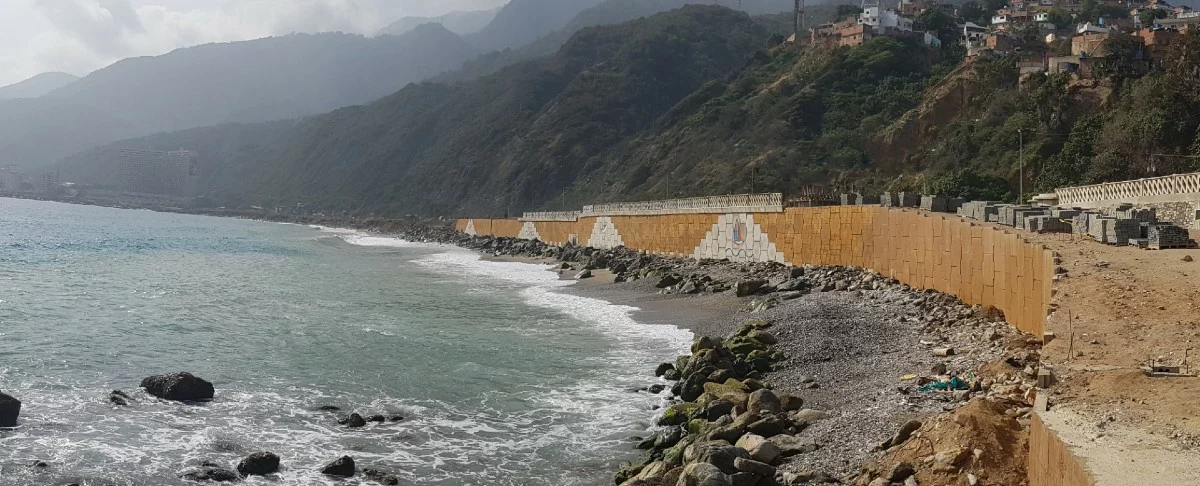
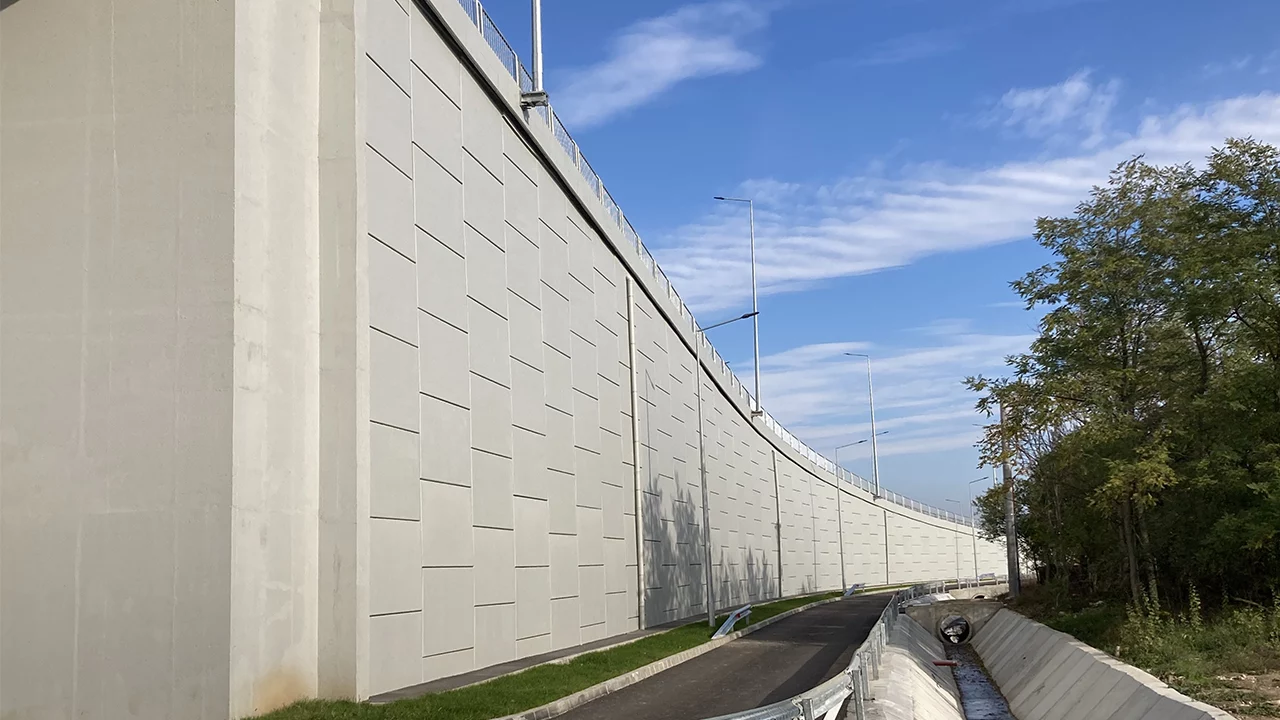
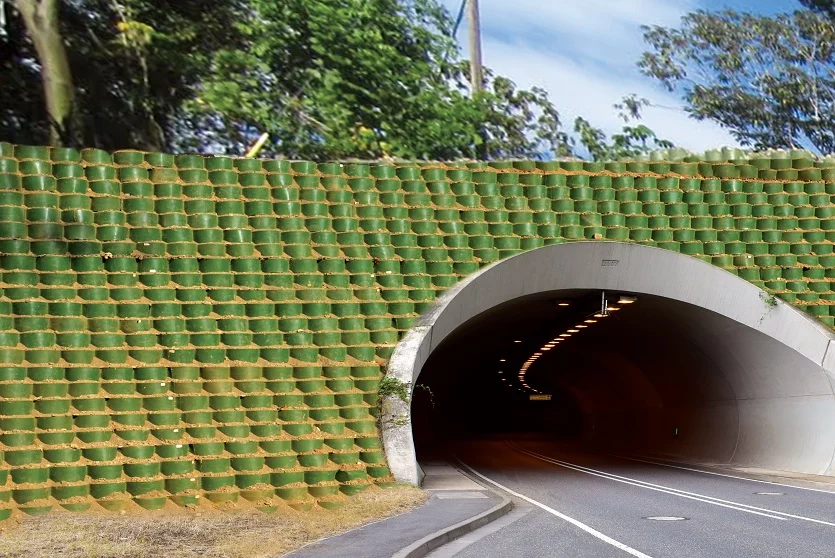
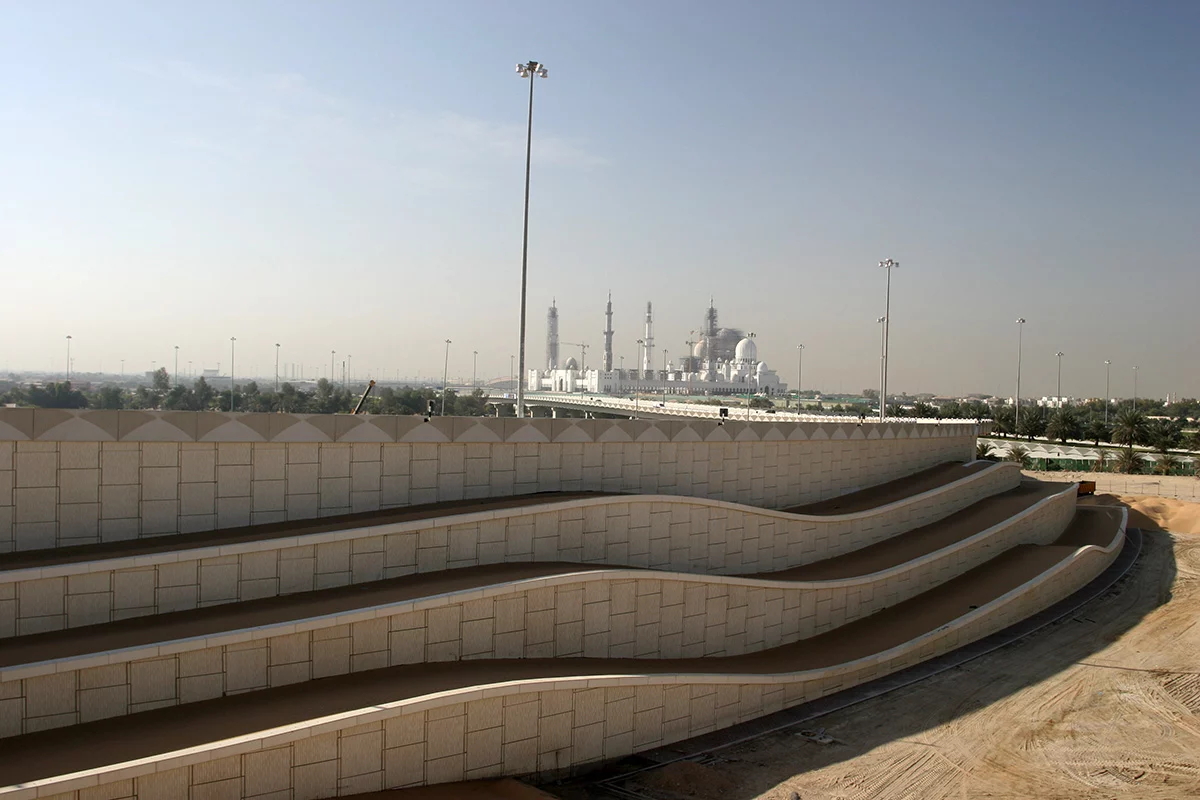
Changes in water level, wave run-up and recurring saturation can place particular demands on structures located directly along the shoreline. Reinforced Earth walls and abutments can provide retained configurations suited to coastal works where earth retention, drainage and hydraulic exposure need to be considered together.
- Reinforcing coastal ground
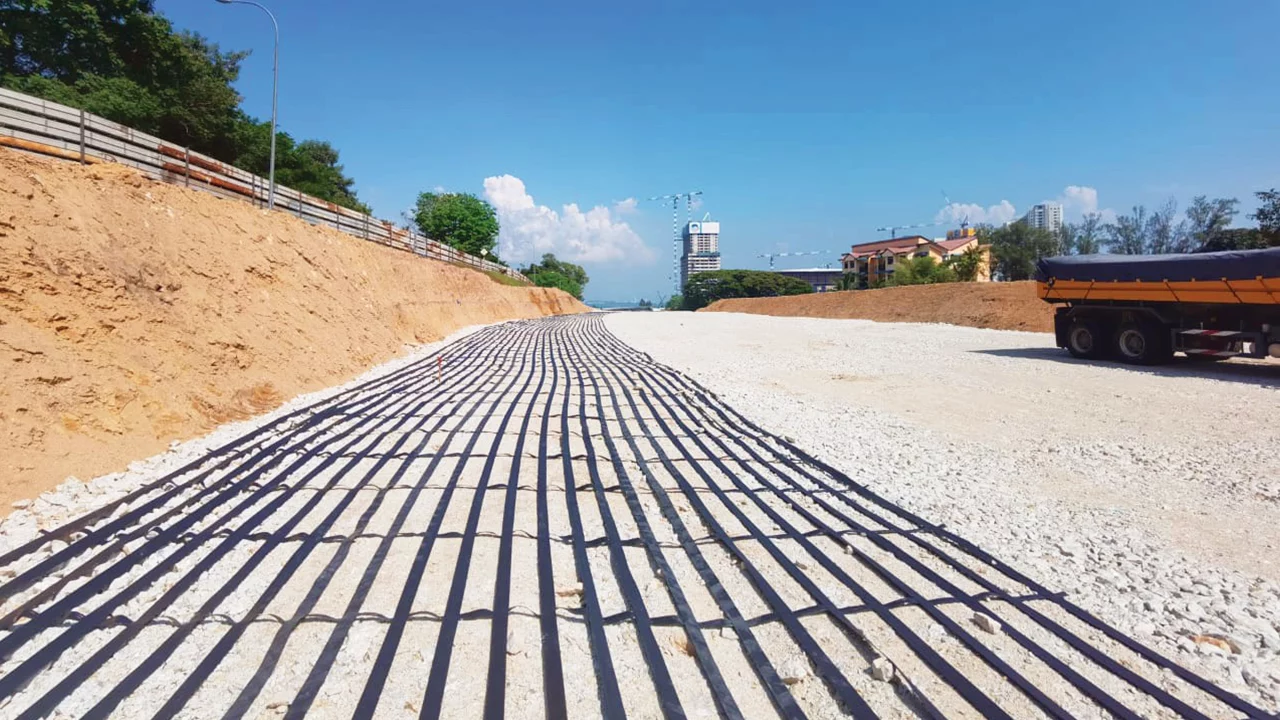
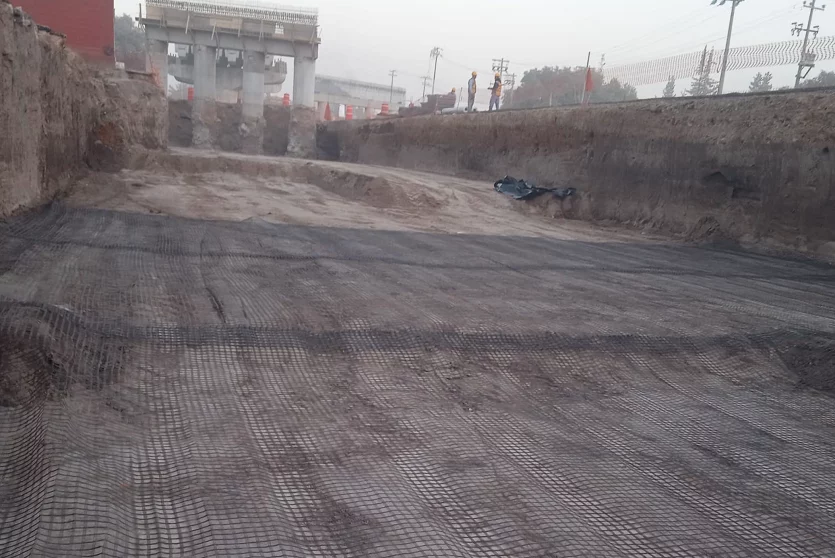
Weak soils and erosion-sensitive ground can affect the stability of coastal developments and protective earthworks. Geosynthetic reinforcement solutions can improve soil performance and contribute to stable foundations or reinforced earthworks in areas influenced by water.
- Supporting shoreline restoration
Coastal projects increasingly combine protection with the restoration or management of shorelines. Geosynthetic solutions can contribute to the formation, reinforcement and protection of coastal features while limiting reliance on conventional heavy construction approaches.
Applications for changing coastal environments
Protection adapted to a moving boundary
Unlike fixed inland environments, coastlines evolve continuously. Effective coastal works must respond to the interaction between water movement, sediment, ground conditions and the infrastructure or land requiring protection.
Geoquest solutions provide different ways to reinforce soil, control erosion and create protective structures according to the intensity and nature of coastal exposure.
This adaptability allows interventions to respond to local shoreline conditions, from erosion-prone areas requiring reinforcement to exposed coastal zones facing waves, changing water levels and extreme events.