Managing the interaction between flowing water and essential infrastructure
Rivers and waterways form dynamic corridors where changing water levels, currents and sediment movement continuously influence banks, earthworks and surrounding infrastructure. Geoquest provides solutions for retaining, reinforcing and protecting these environments while supporting the infrastructure built along and across them.


Infrastructure shaped by moving water
Structures along rivers and waterways must perform under conditions that can change significantly over short periods. Normal flows can give way to strong currents and floods, while rapidly changing water levels can modify hydraulic pressures within adjacent earthworks.
Waterborne debris adds another source of impact during extreme events, while persistent flow can gradually erode banks, channels and the ground surrounding structures. Bridge approaches and other infrastructure located close to the water may also be exposed to scour.
These conditions require solutions that account for the behaviour of both soil and water, including drainage, erosion and the consequences of changing hydraulic conditions.
Along the banks and across the flow
Geoquest solutions can address different parts of river and waterway infrastructure, from retaining and reinforcing banks to protecting areas exposed to erosion and creating structures that interact directly with the watercourse.
- Retaining ground beside waterways
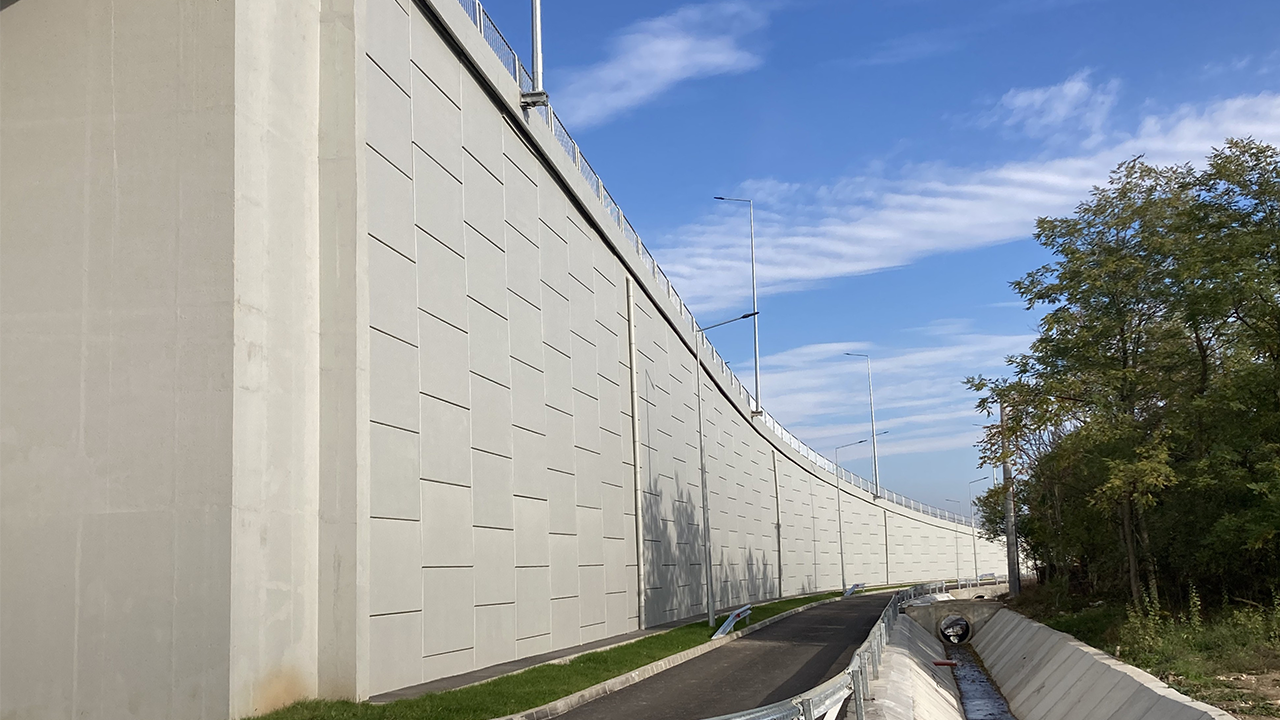
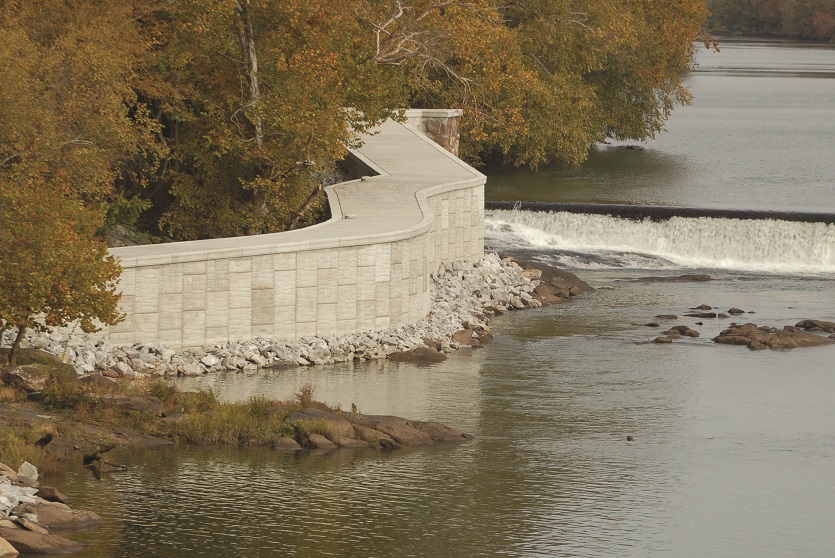
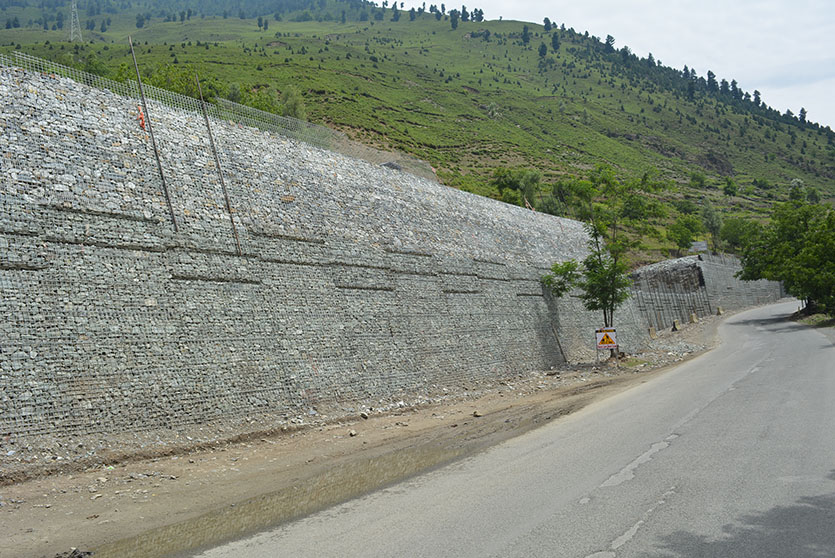
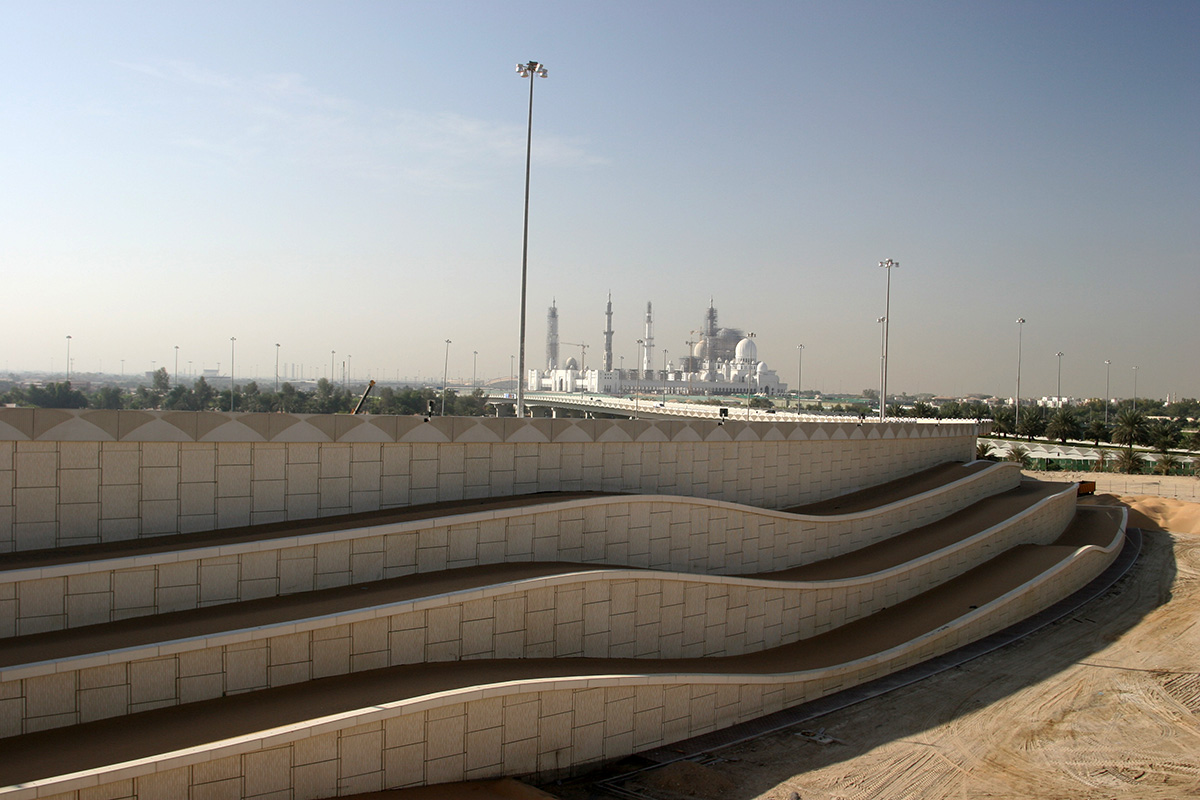
Riverbanks, channels and other waterside infrastructure can require earth-retaining structures where space is limited or significant changes in elevation must be accommodated. Reinforced Earth walls and abutments provide configurations that can combine earth retention with drainage requirements in fresh, brackish or saline environments.
- Reinforcing vulnerable banks and earthworks
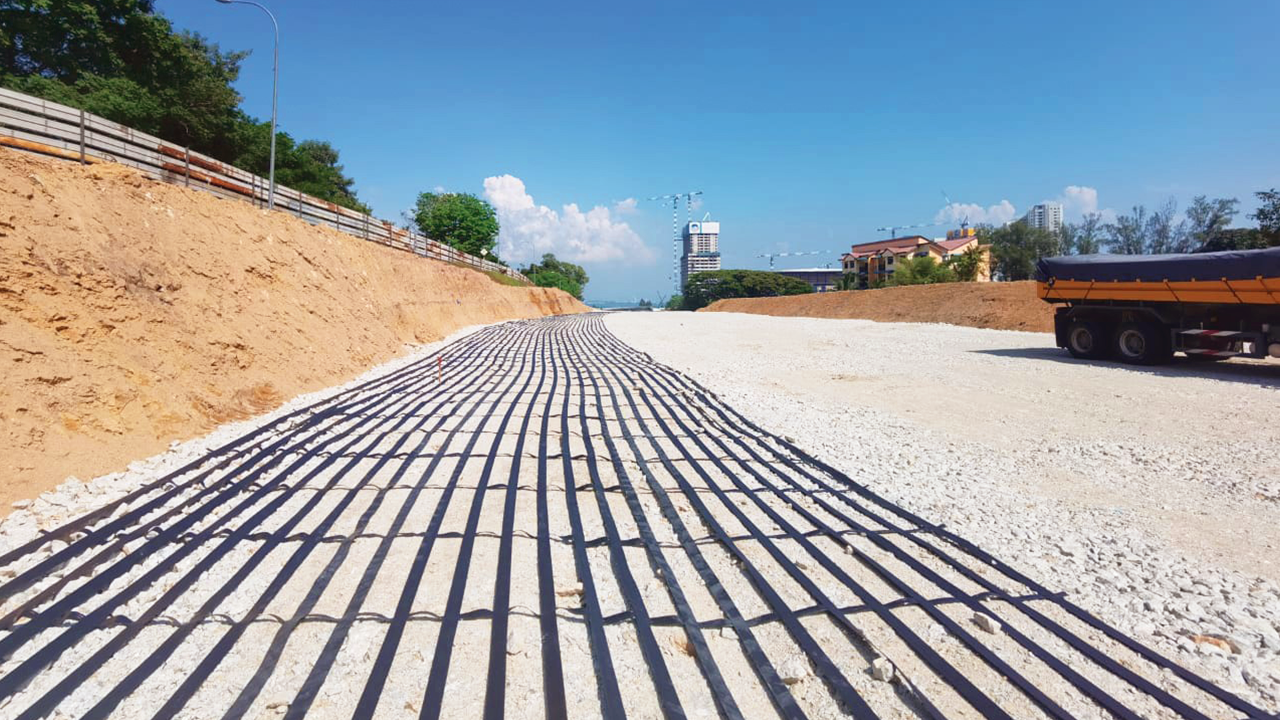
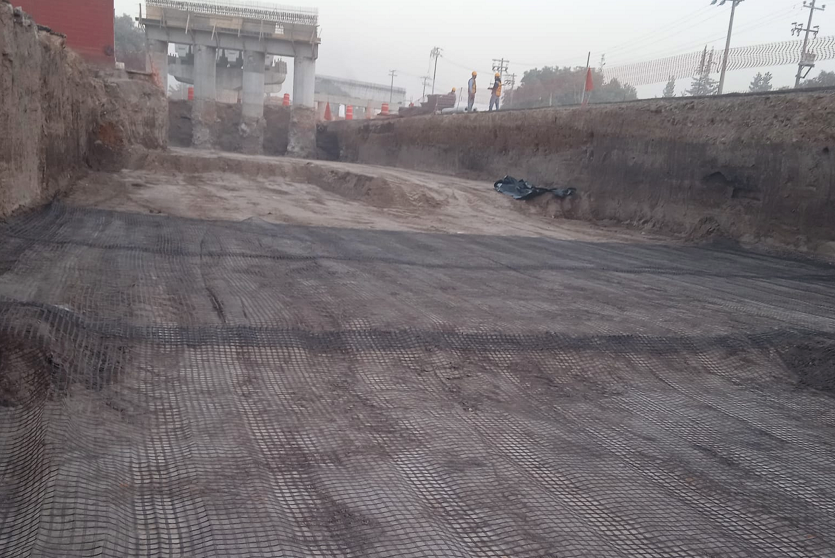
Soft or erosion-sensitive soils can affect the stability of embankments and developed areas bordering waterways. Geosynthetic reinforcement solutions can improve soil performance and contribute to the stabilization of earthworks subjected to varying hydraulic conditions.
- Limiting erosion and scour
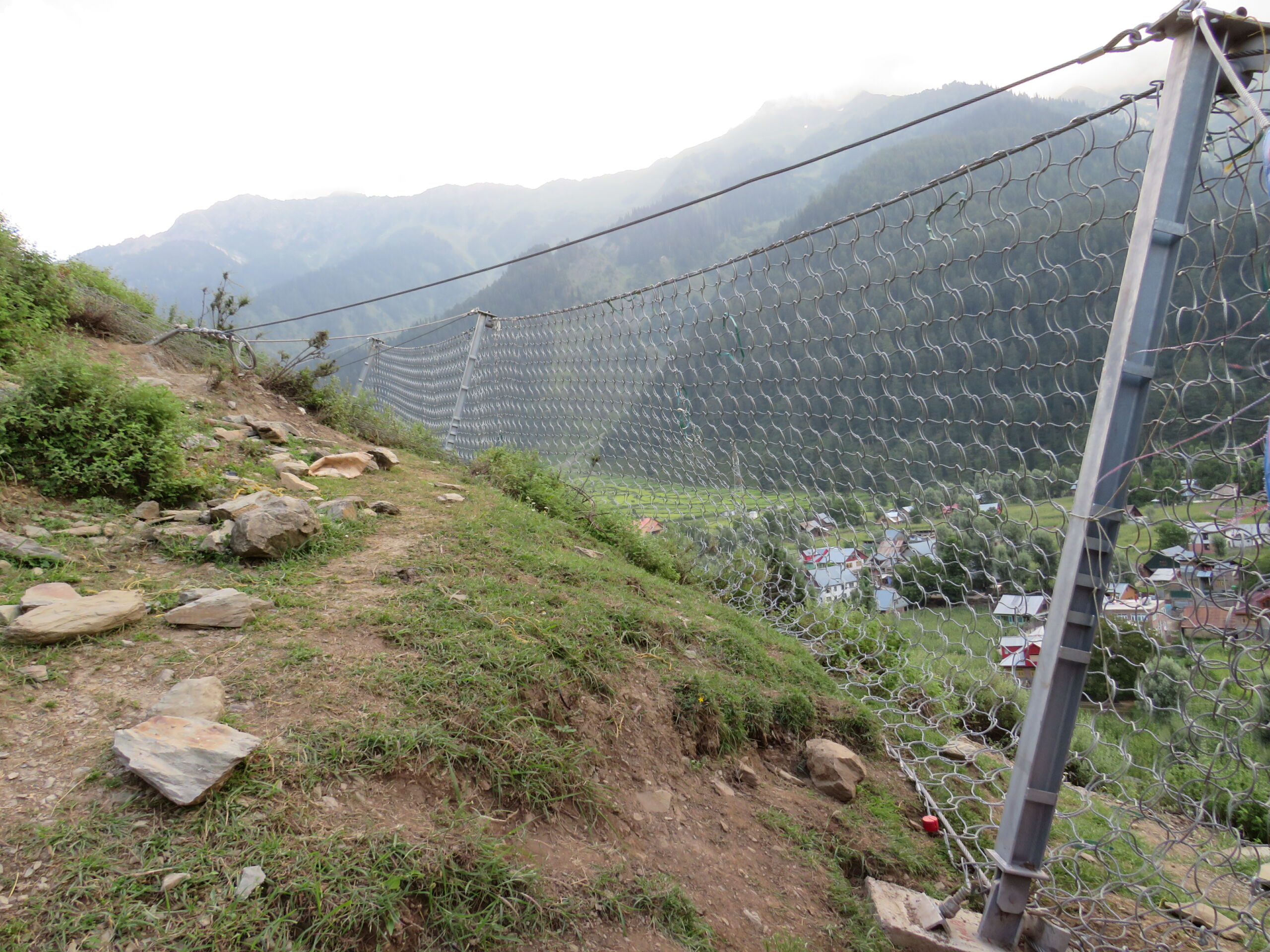
Flowing water can remove soil from banks, channel beds and areas surrounding infrastructure. Geosynthetic erosion-control solutions can provide protection where currents, turbulence or flood conditions create a risk of progressive material loss.
- Accommodating changing water levels
Floods and rapid variations in water level can subject retaining structures and adjacent ground to changing hydraulic pressures. Reinforced Earth walls and abutments can be designed with appropriate drainage and reinforcement configurations to respond to these conditions.
- Protecting flood-exposed areas
River corridors can experience periods of high flow capable of extending well beyond the normal watercourse. Geoquest solutions for hydraulic and erosion protection like FFCM can contribute to the reinforcement of vulnerable banks and earthworks where flood events threaten surrounding infrastructure.
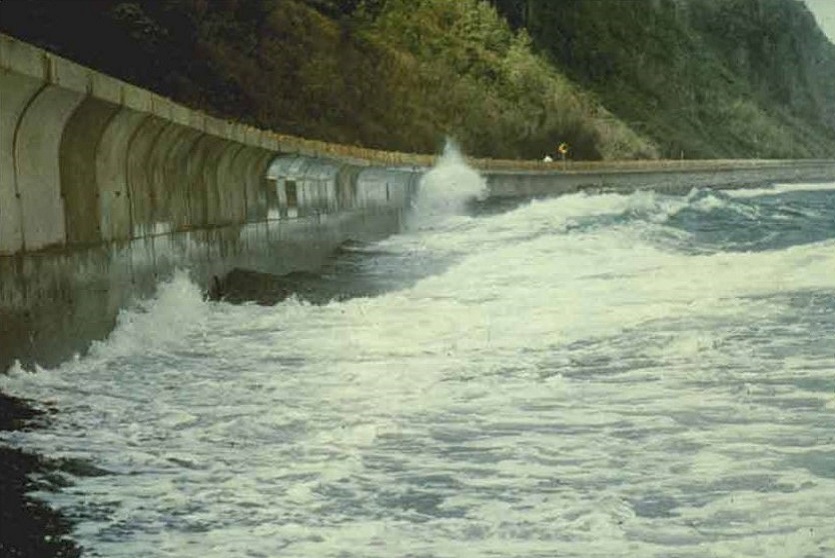
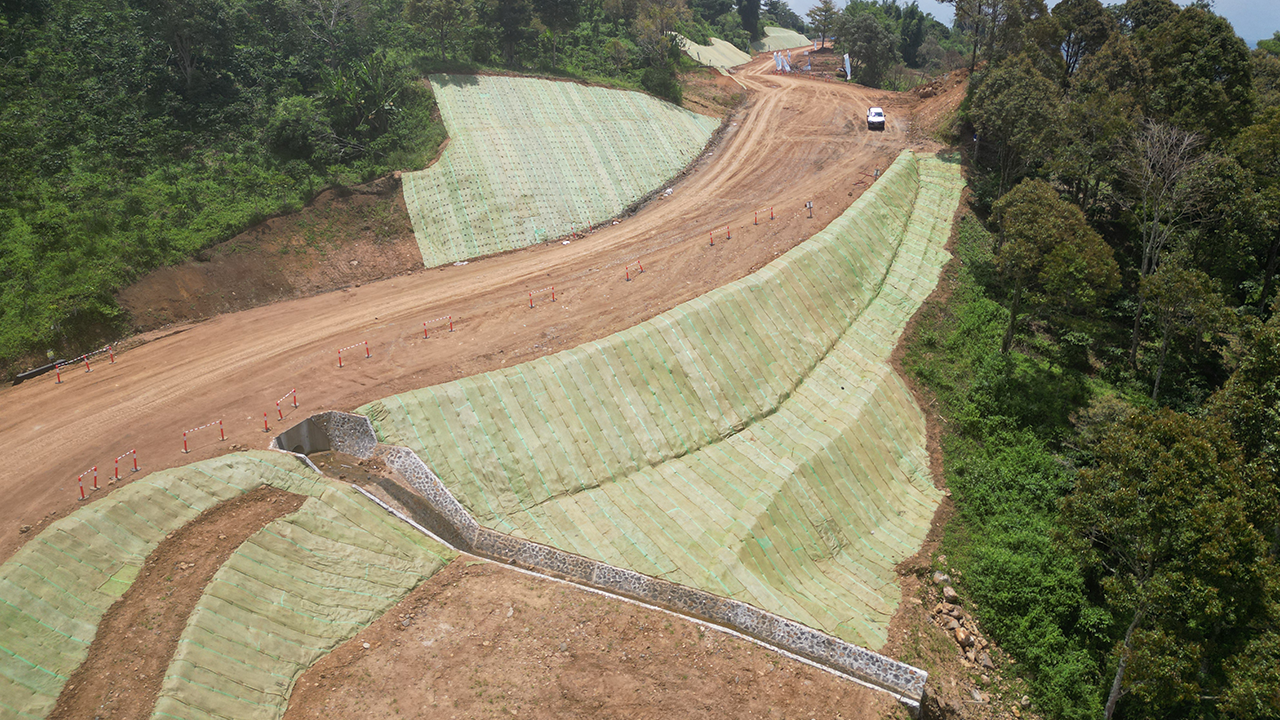
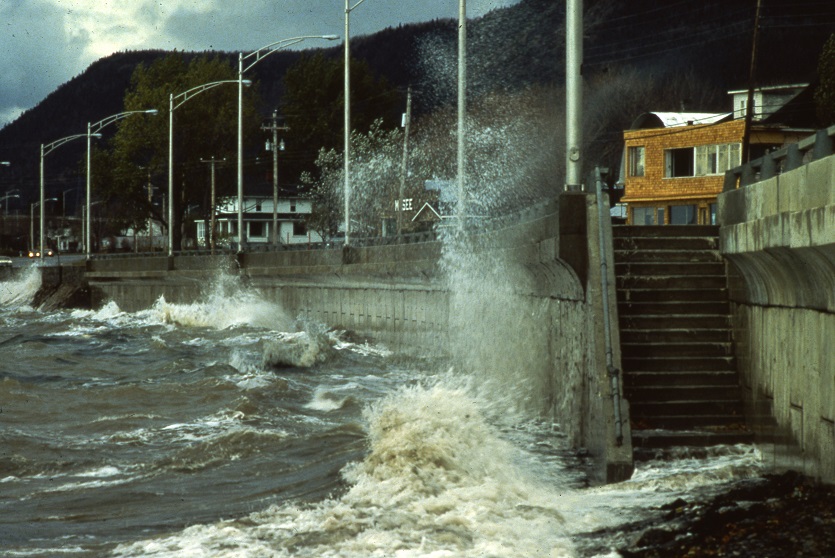
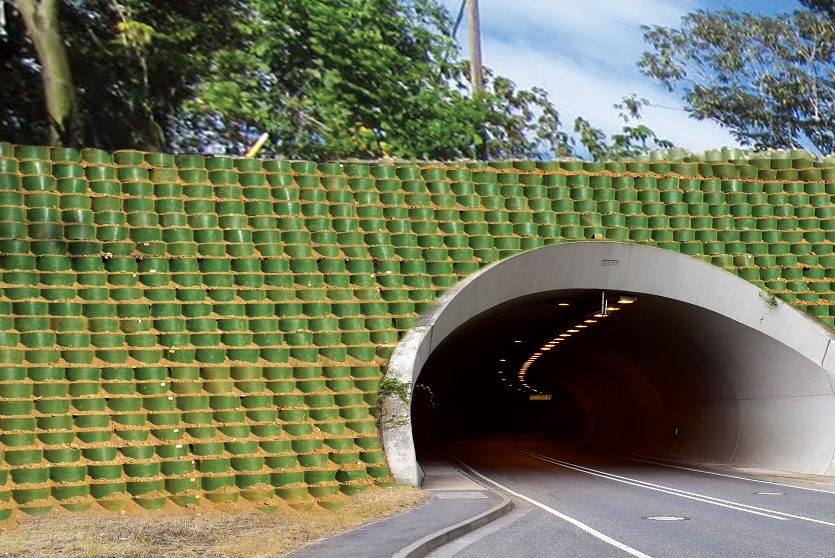
Applications across rivers and waterways
Resilience through changing flow conditions
River infrastructure must remain effective across a broad range of hydraulic conditions rather than respond to a single water level or flow rate. Seasonal variations, floods, currents and erosion continually modify the forces acting on banks and adjacent structures.
Geoquest combines earth-retaining, geosynthetic reinforcement and erosion-control solutions to respond to these changing interactions between soil and water.
From developed riverbanks and channels to infrastructure exposed to floods and scour, these complementary approaches help adapt structures and earthworks to the specific hydraulic conditions of each waterway.