Creating the foundations and structures that power energy facilities
Energy facilities depend on reliable civil infrastructure to support production equipment, connect operational areas and accommodate future development. Geoquest provides solutions for the earthworks and structures required across new energy projects as well as the extension and modernization of existing sites.


Adapting infrastructure to evolving energy facilities
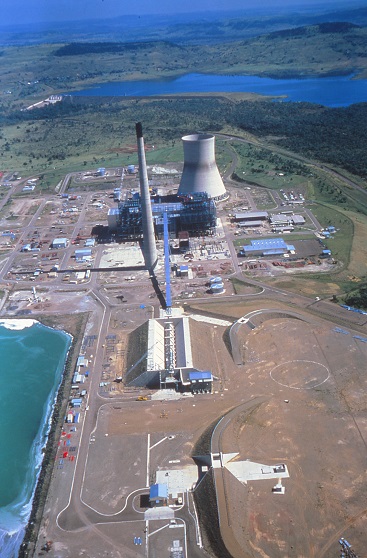
Energy projects can vary considerably in scale and configuration, but they share a need for dependable supporting infrastructure. Production areas may require large platforms, significant changes in elevation, heavy-duty access and structures capable of carrying substantial equipment loads.
Existing facilities bring another dimension. Modernization or capacity increases can require new infrastructure to be inserted within an established site, where available space and existing structures influence the design.
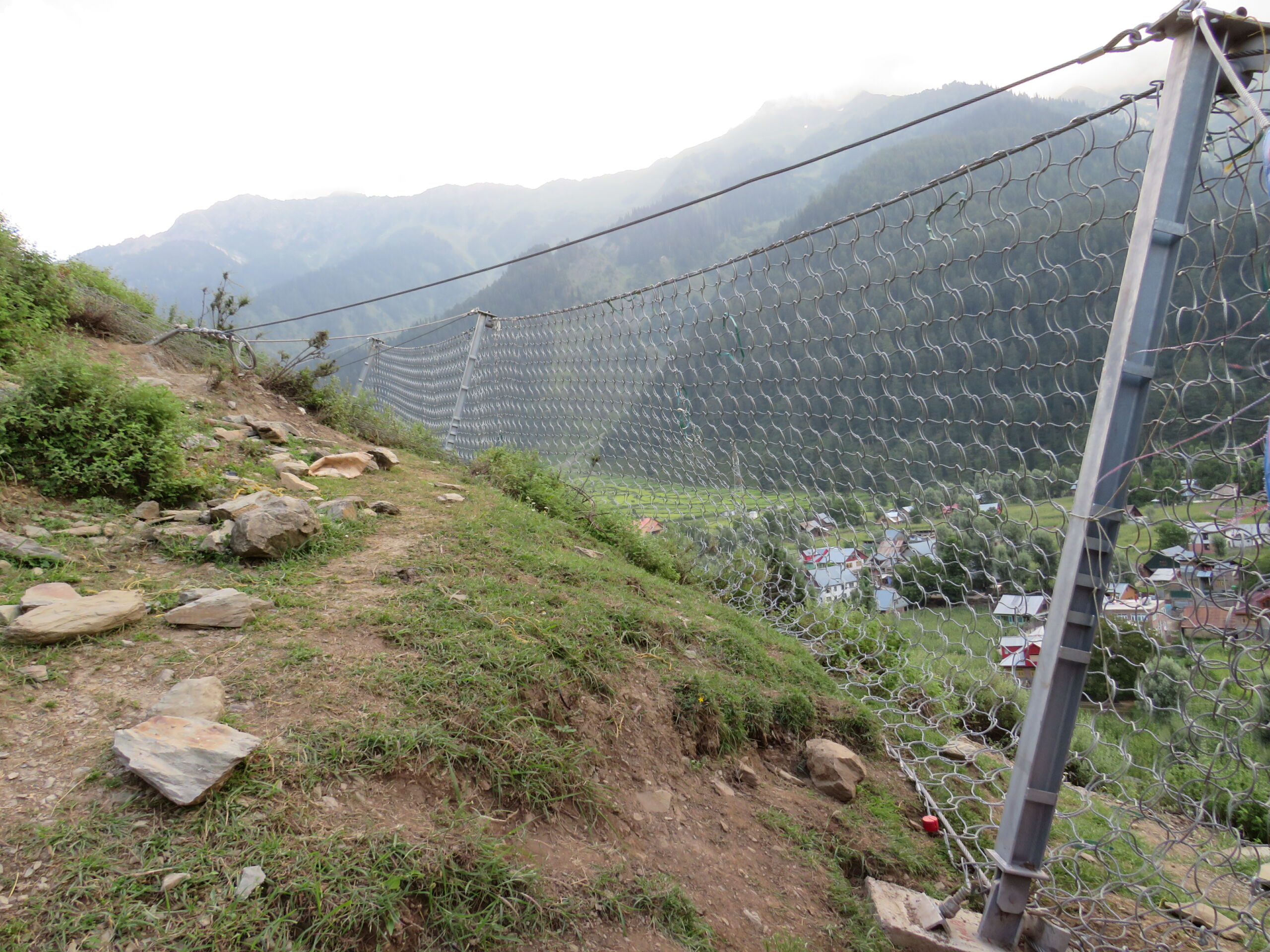
The supporting earthworks must also account for local ground conditions and the different functions distributed across the facility, from production and access to storage.
Building the framework for energy production
Geoquest solutions can contribute to the civil infrastructure surrounding energy production, providing different approaches for ground preparation, structural support, circulation and storage areas.
- Preparing sites for new development
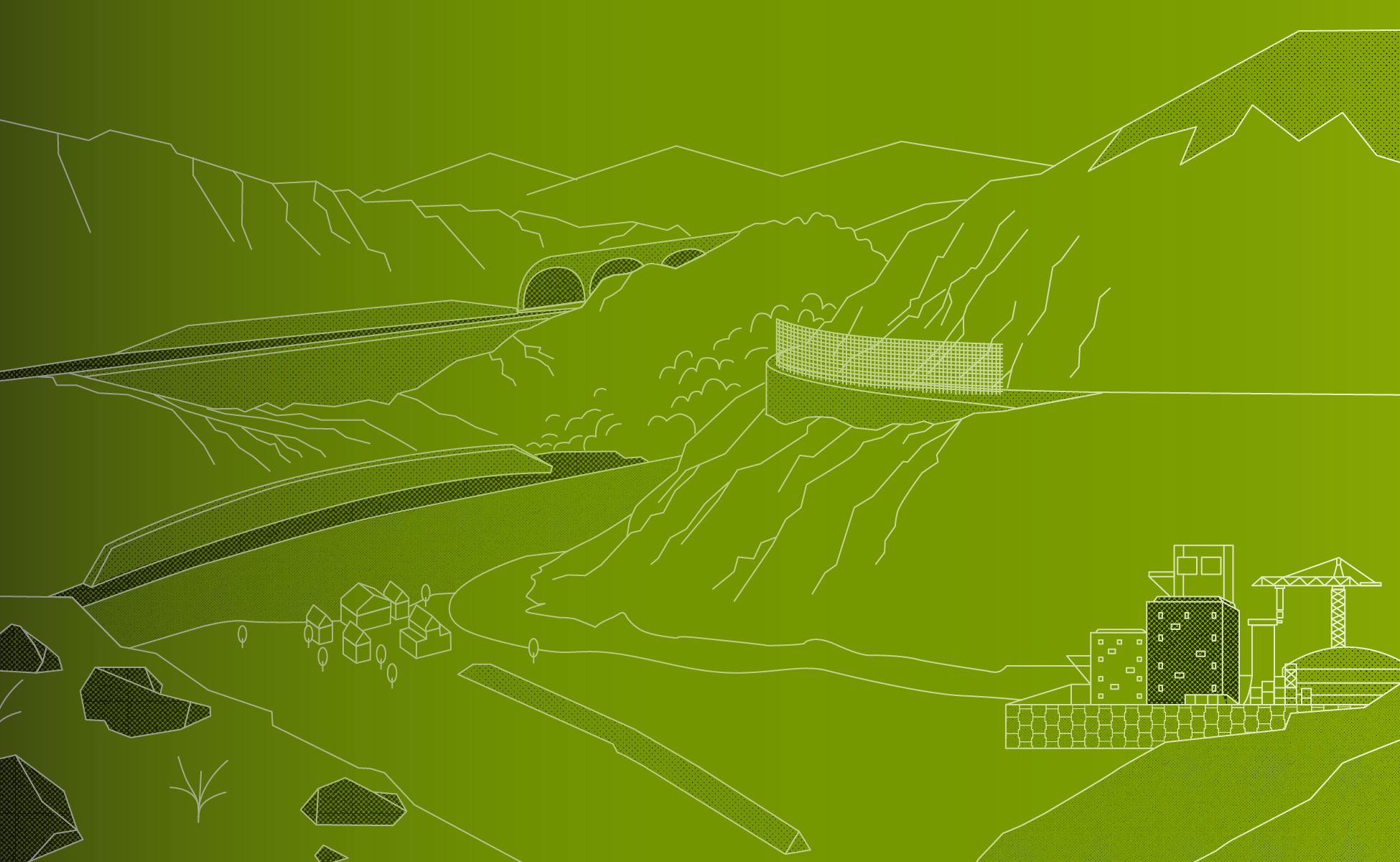
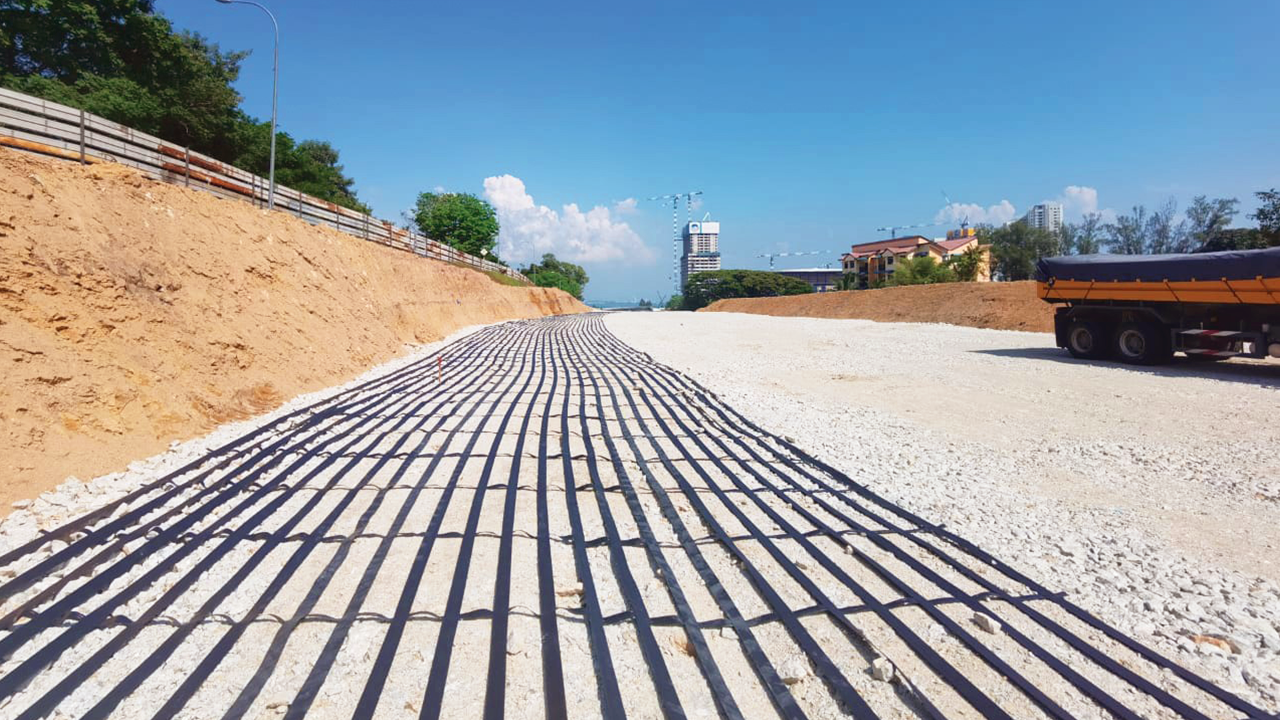
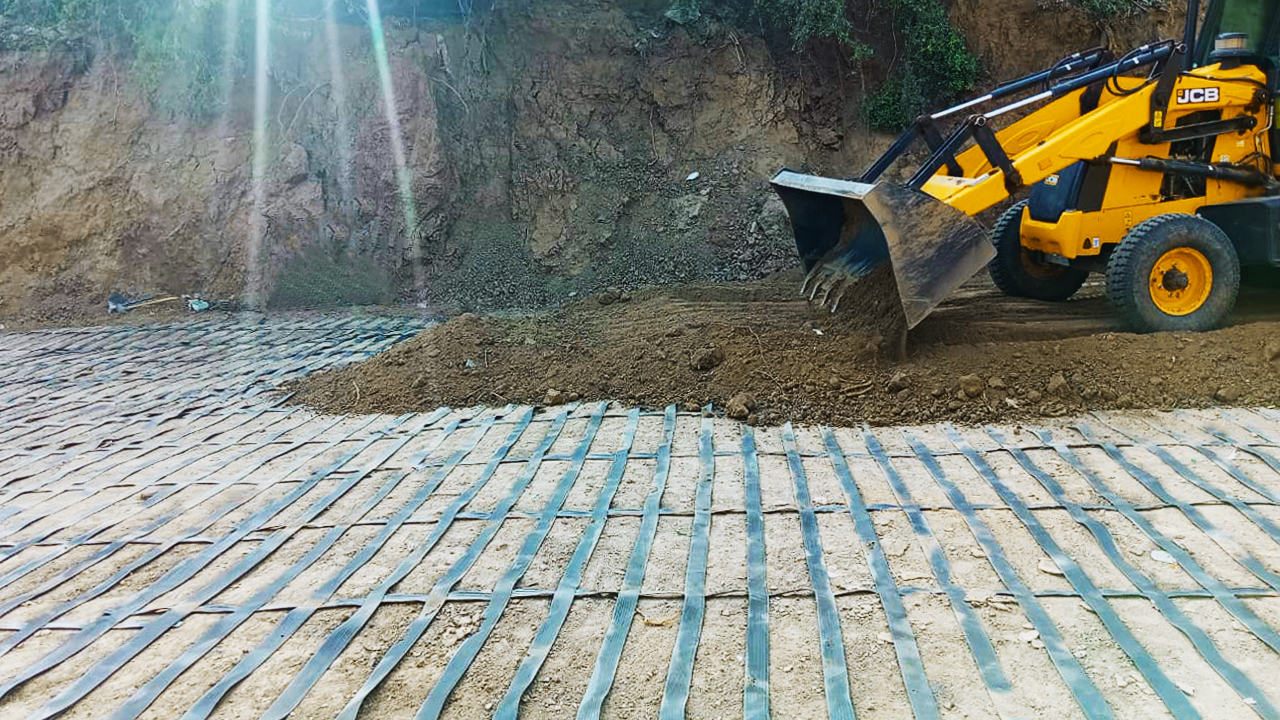
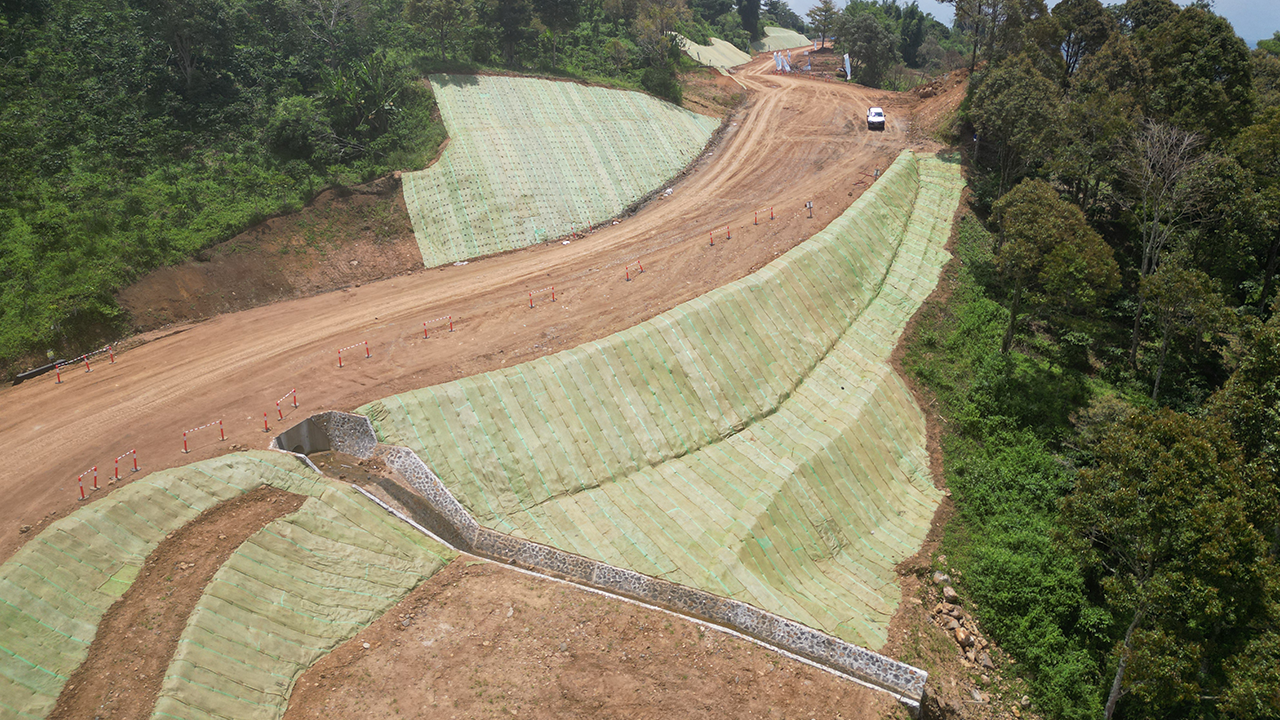
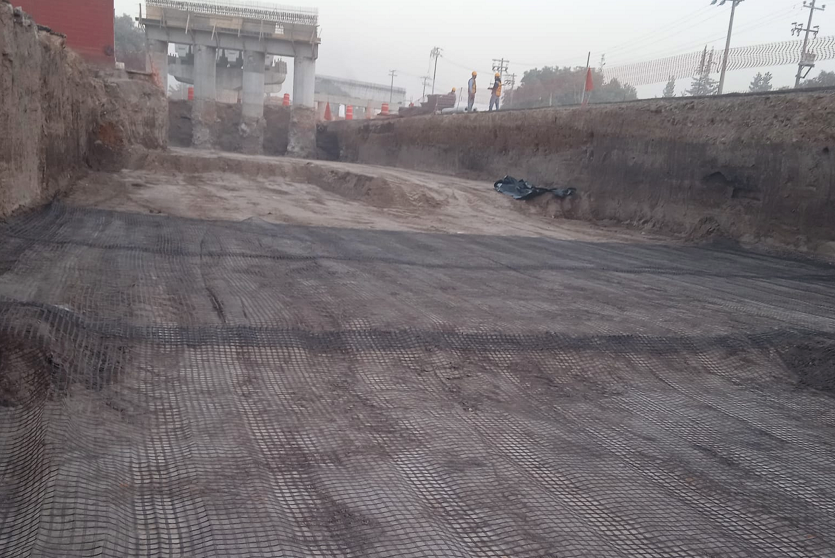
Before production infrastructure can be installed, the ground may require reinforcement to create reliable working areas and foundations. Geosynthetic reinforcement solutions can improve weak ground, distribute loads and support platforms and earthworks across new development areas.
- Accommodating major equipment and operational loads
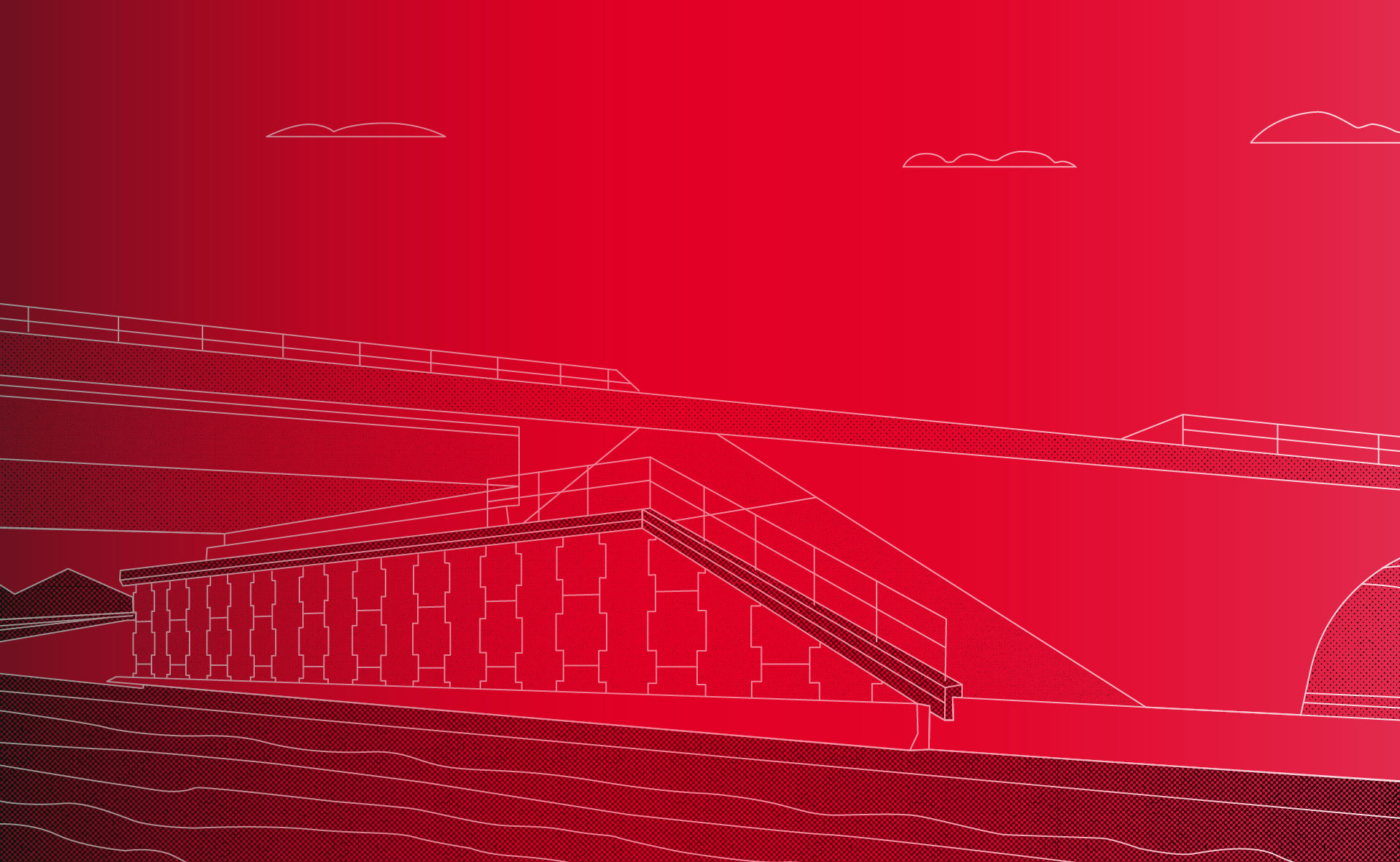
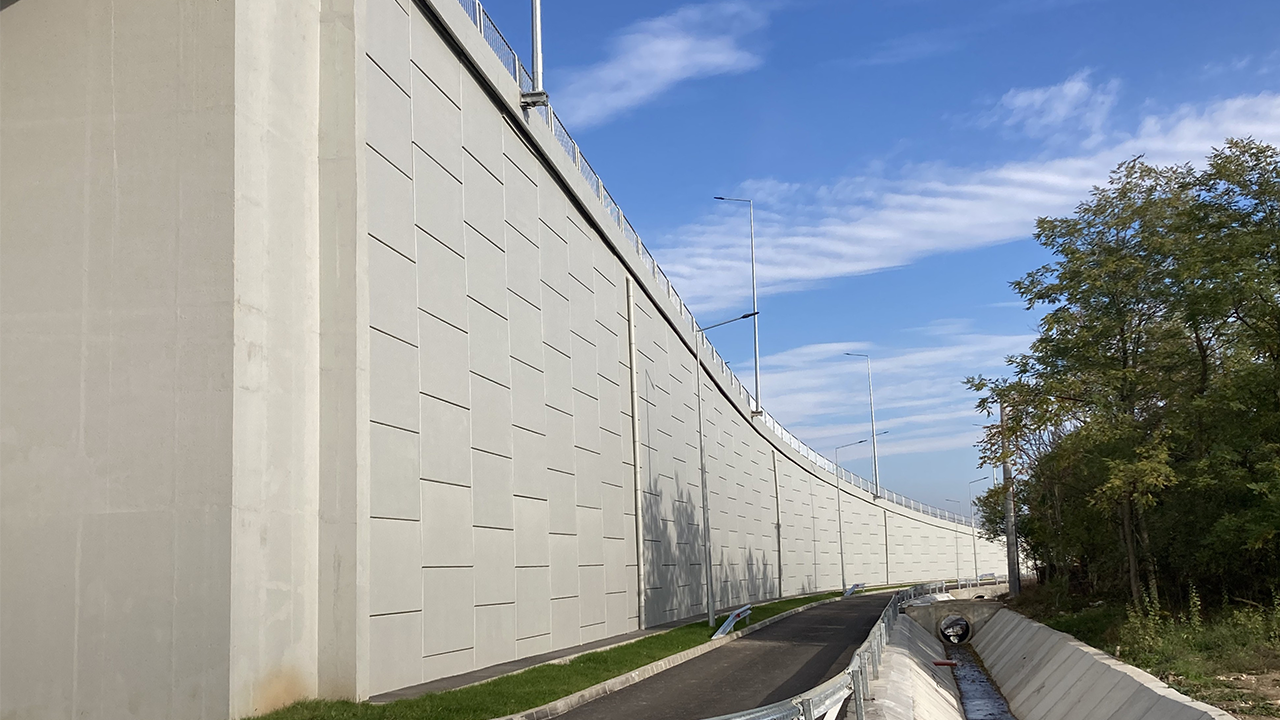
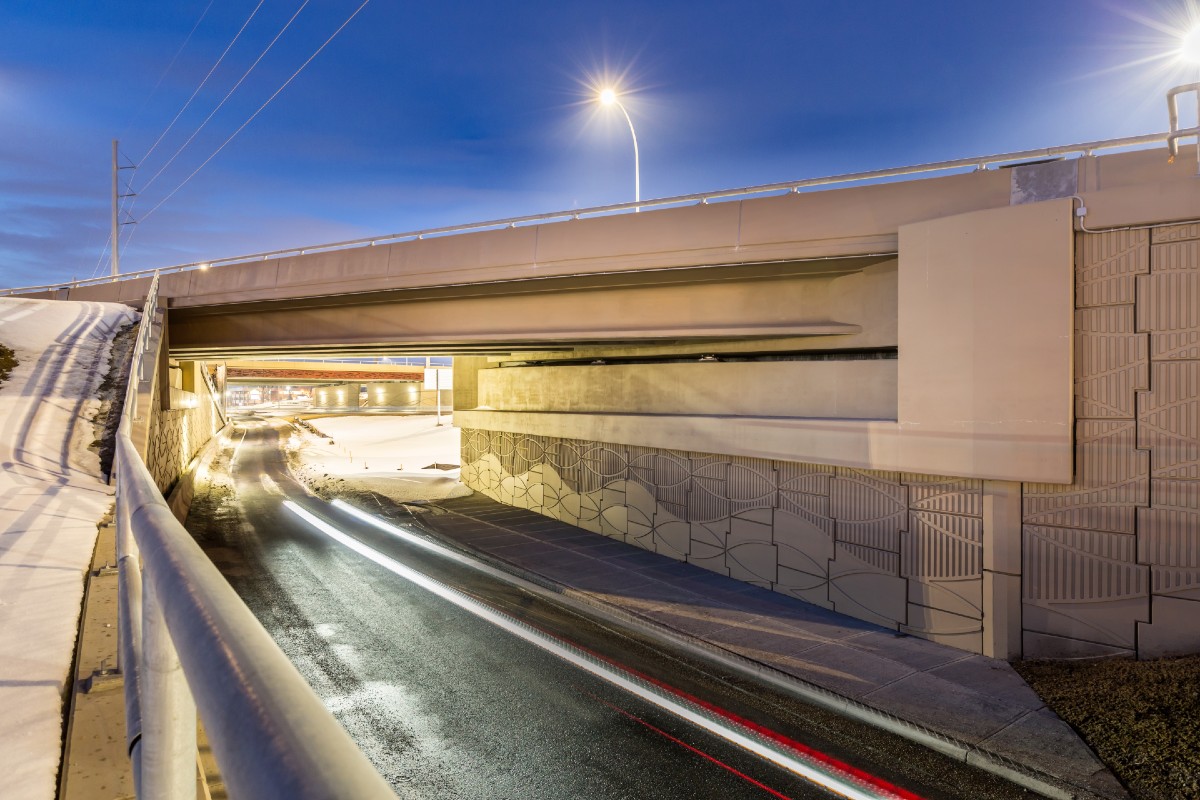
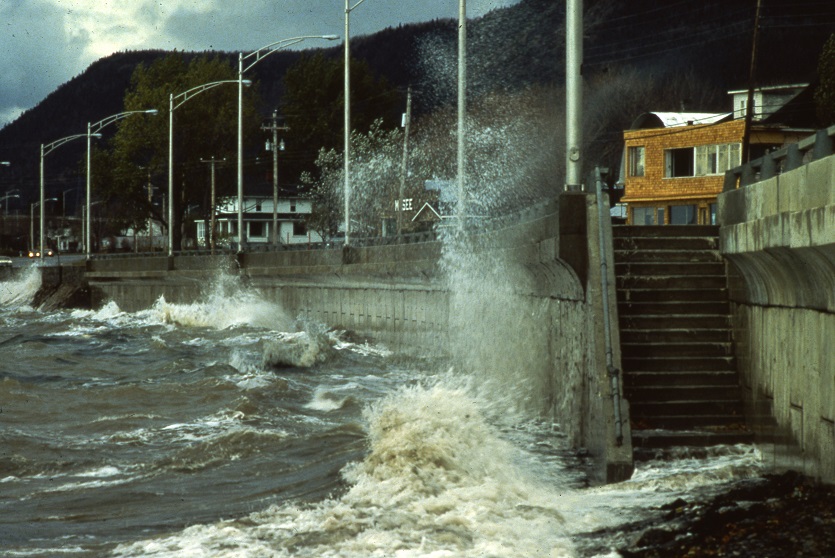
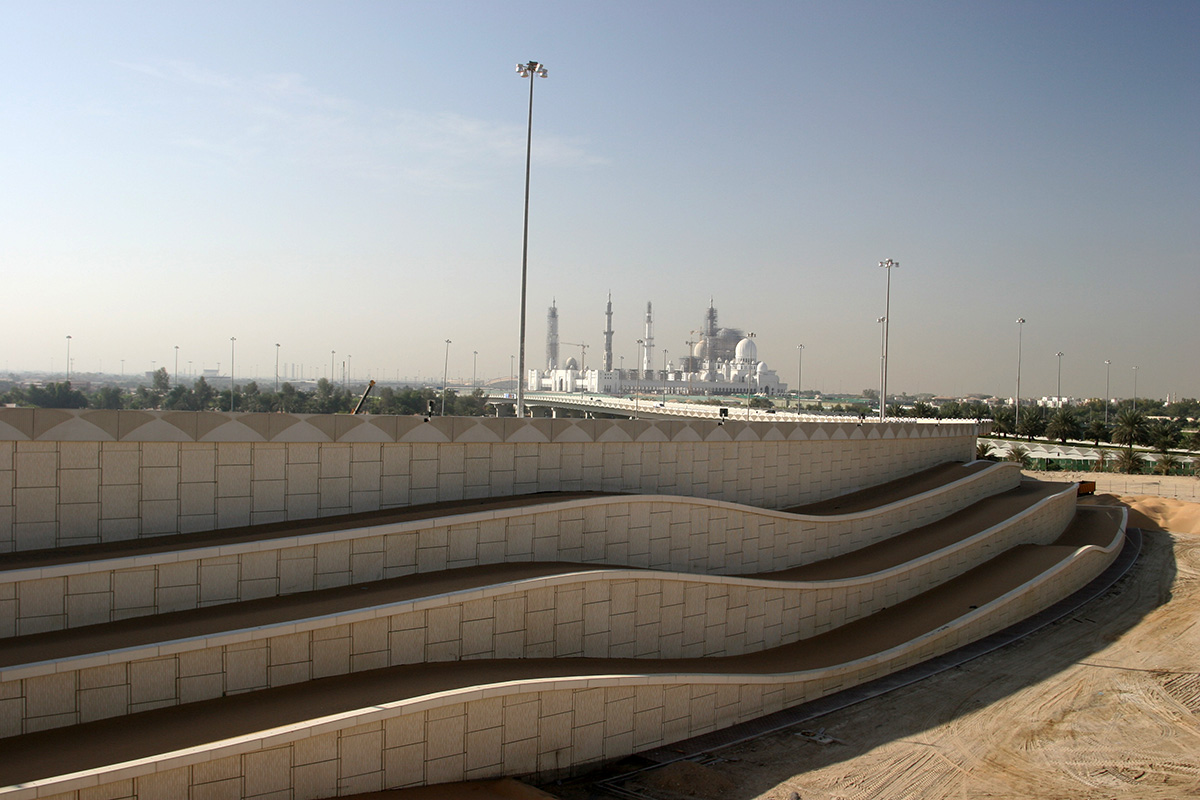
Production facilities can include heavy machinery, processing areas, transfer points and equipment platforms that impose substantial loads on surrounding infrastructure. Reinforced Earth walls and abutments provide load-carrying retained structures that can be adapted to the geometry and operational requirements of these areas.
- Connecting different parts of the facility
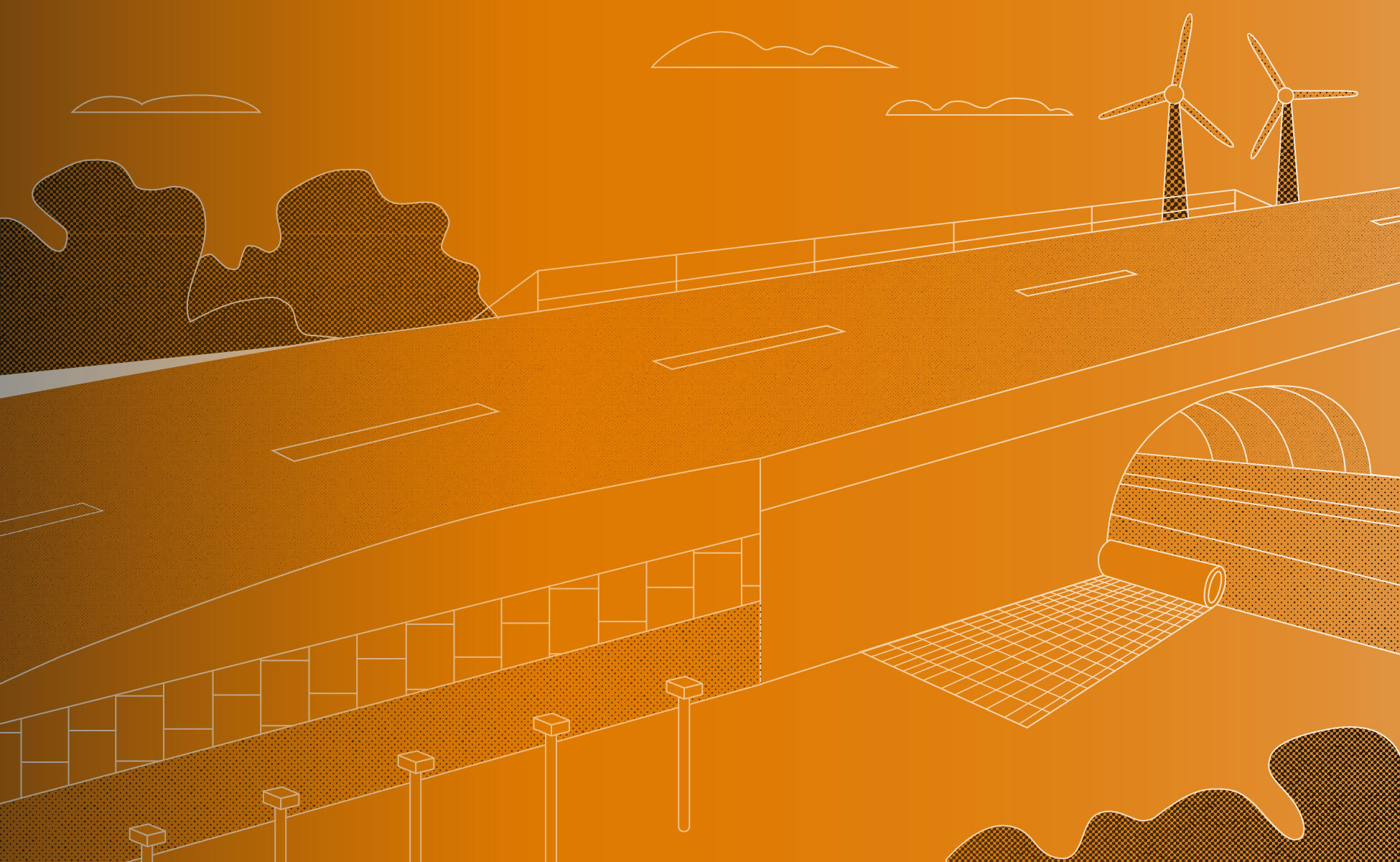
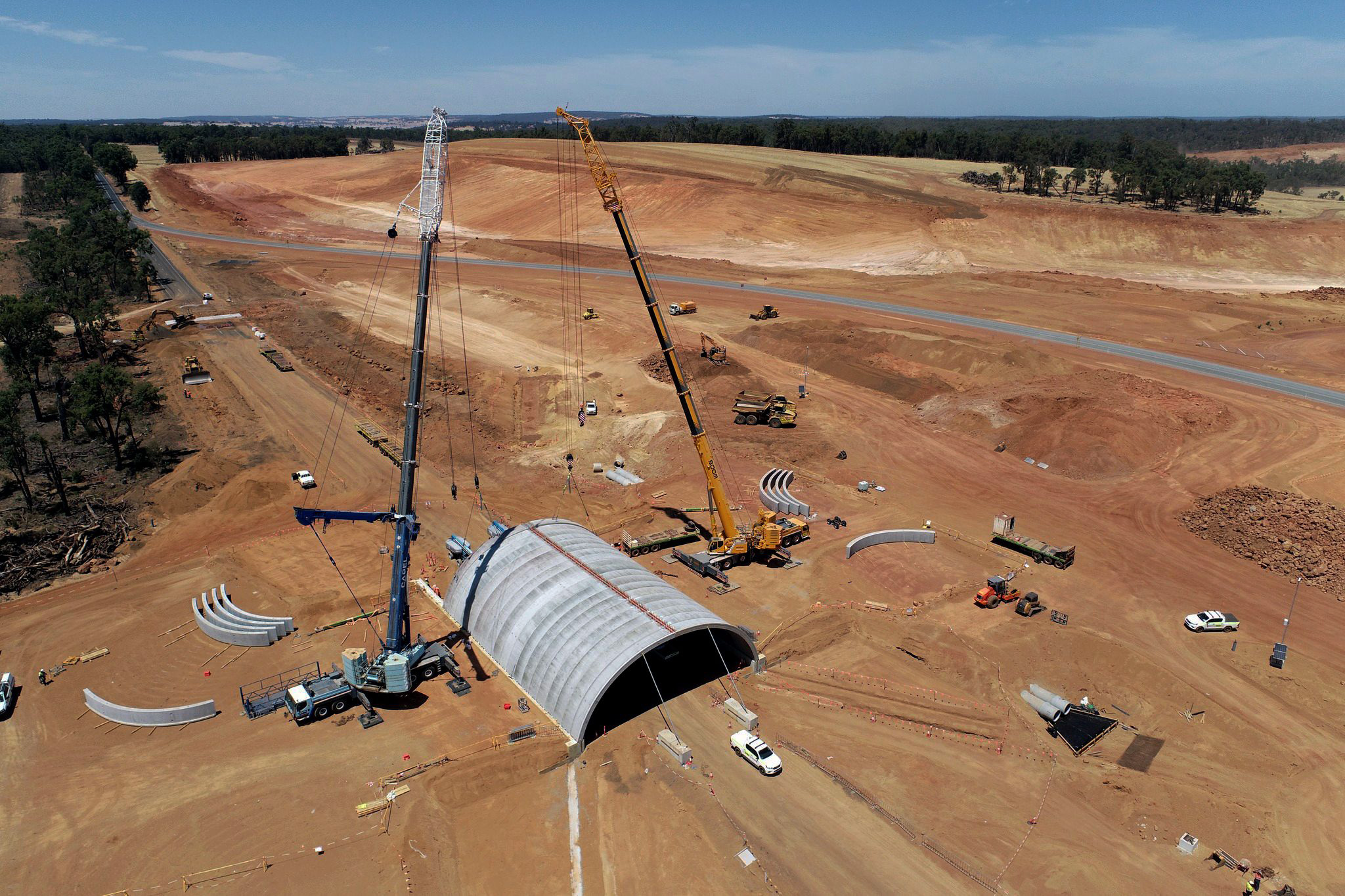
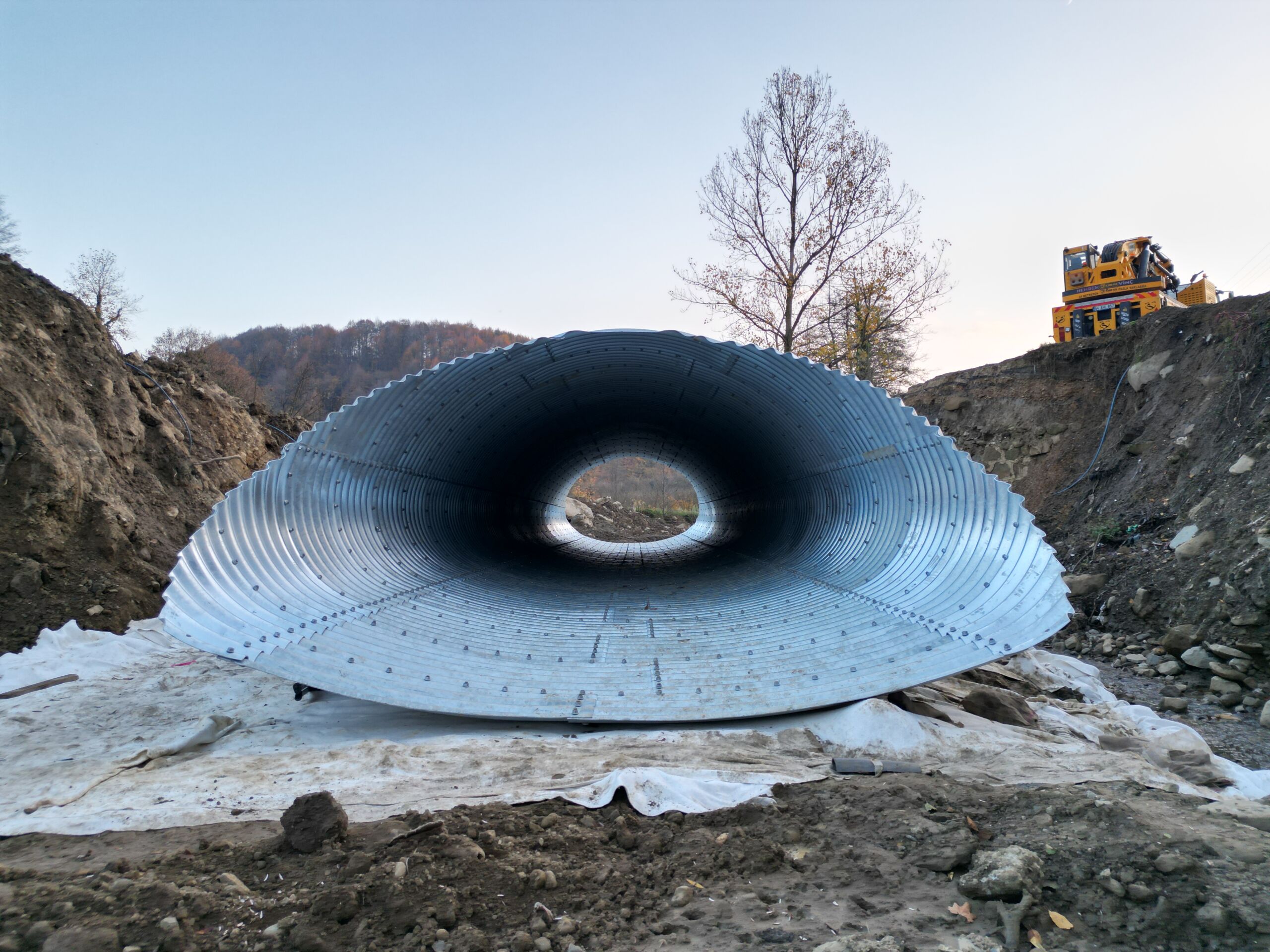
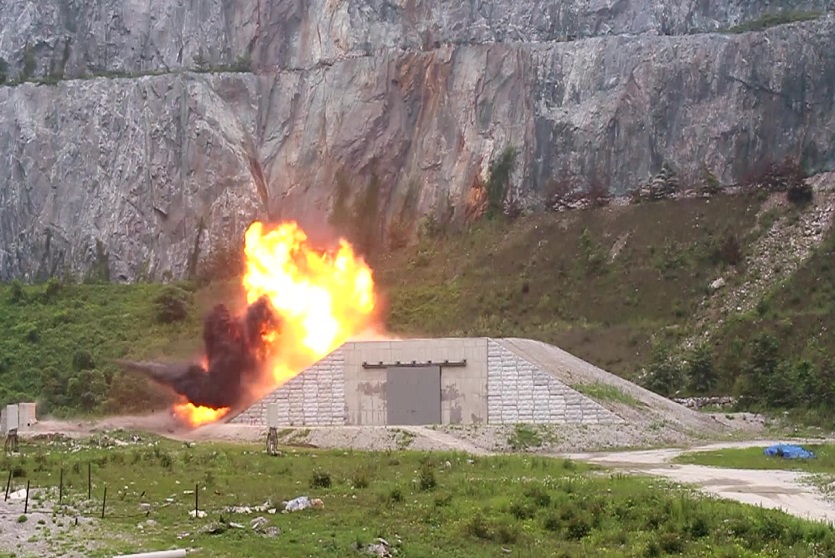
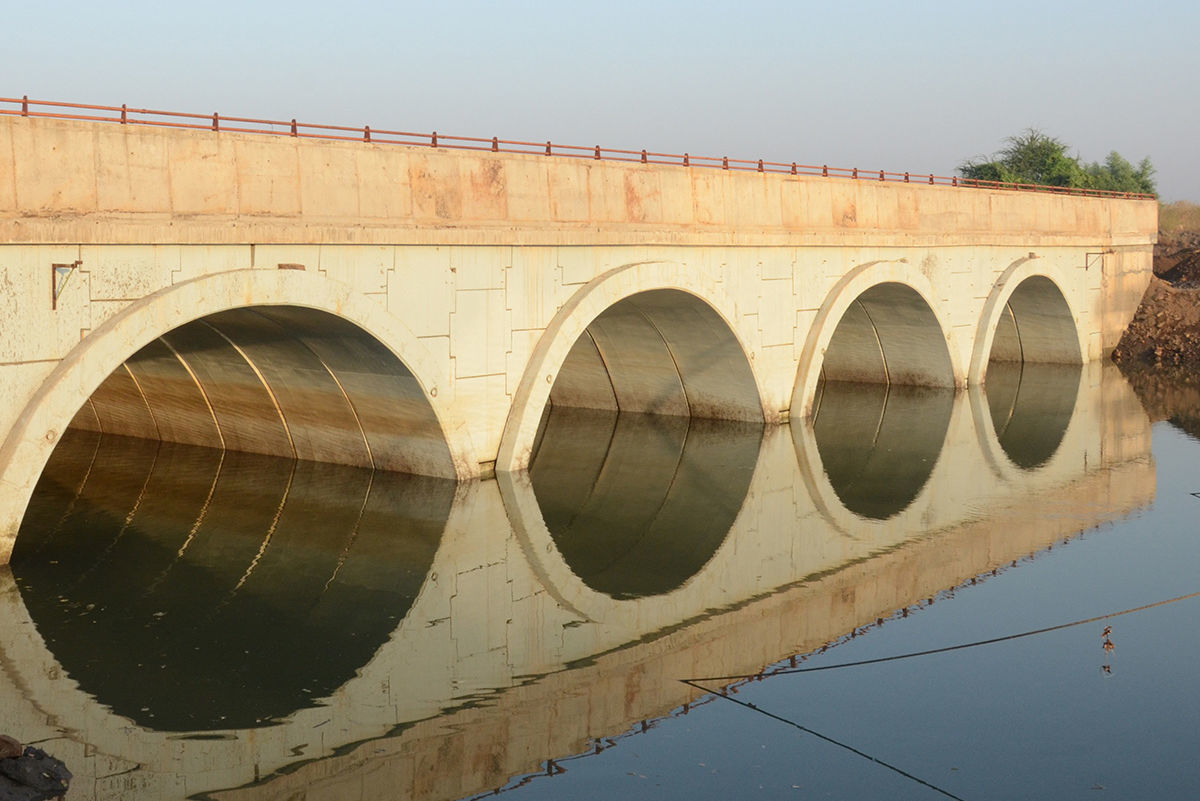
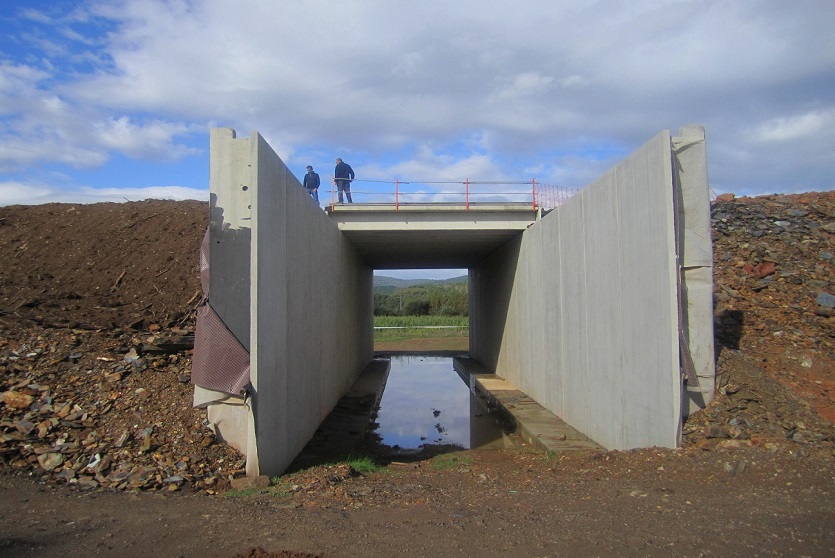
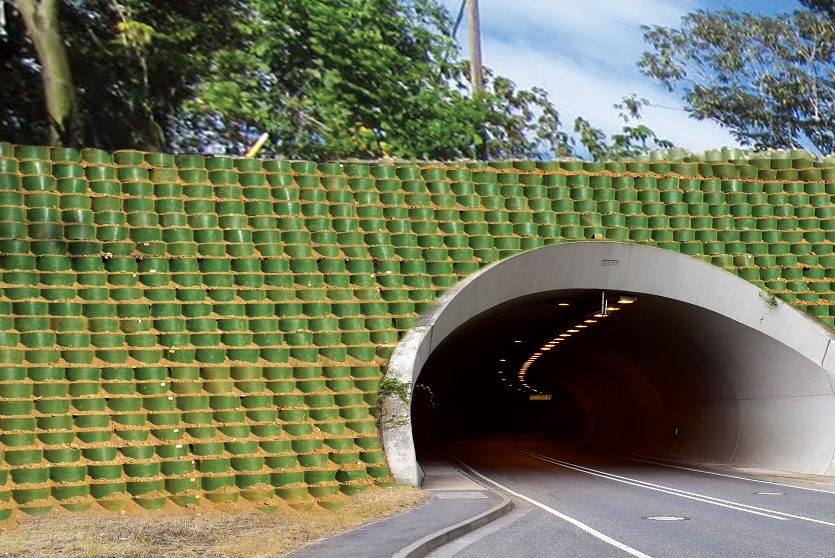
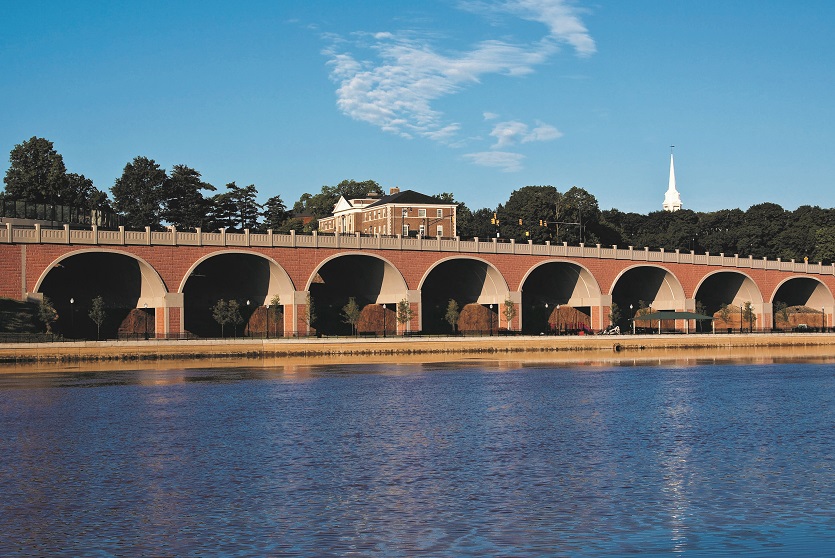
Energy sites require roads, ramps, bridges and underground passages to connect production, storage and service areas. Precast arches and boxes can create buried transport, utility or escape structures integrated beneath site earthworks.
- Making existing sites ready for the next phase
Brownfield projects frequently involve extensions, new structures or revised site layouts alongside existing facilities. Reinforced Earth walls and abutments can create additional levels or retained areas, while geosynthetic reinforcement solutions can support modifications to existing earthworks and access infrastructure.
- Managing storage and by-products
Energy production can require dedicated areas for bulk materials, liquids or process by-products. Reinforced earth structures and geosynthetic drainage and environmental protection solutions can contribute to the formation and management of storage areas, basins and associated earthworks.
Applications supporting energy infrastructure
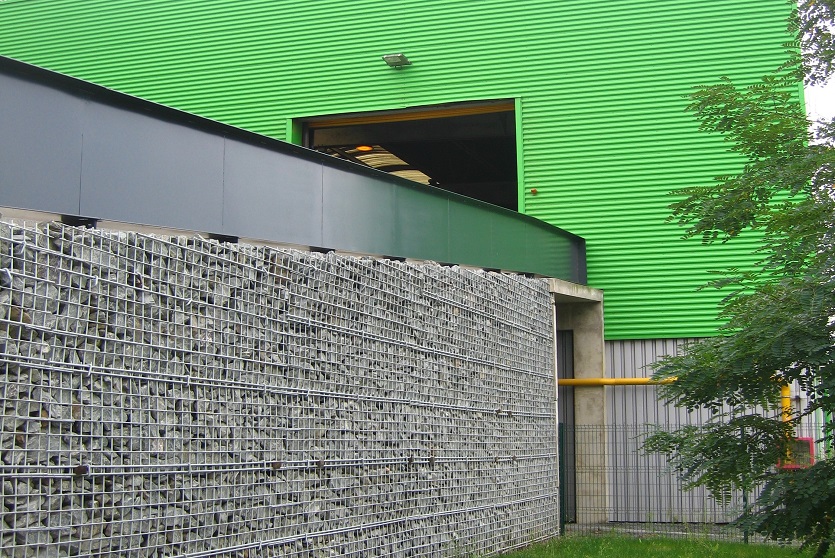
Infrastructure ready for change
Energy facilities evolve as production methods, capacity requirements and operational layouts change. The civil infrastructure supporting them must therefore accommodate both the immediate project requirements and the physical constraints created by future modifications.
Geoquest combines retaining structures, ground reinforcement and buried solutions that can be applied across greenfield development as well as extensions and modifications to established sites.
This versatility helps create infrastructure capable of supporting heavy operational requirements while giving project teams different options to integrate roads, platforms, crossings, storage areas and production facilities within the available site.