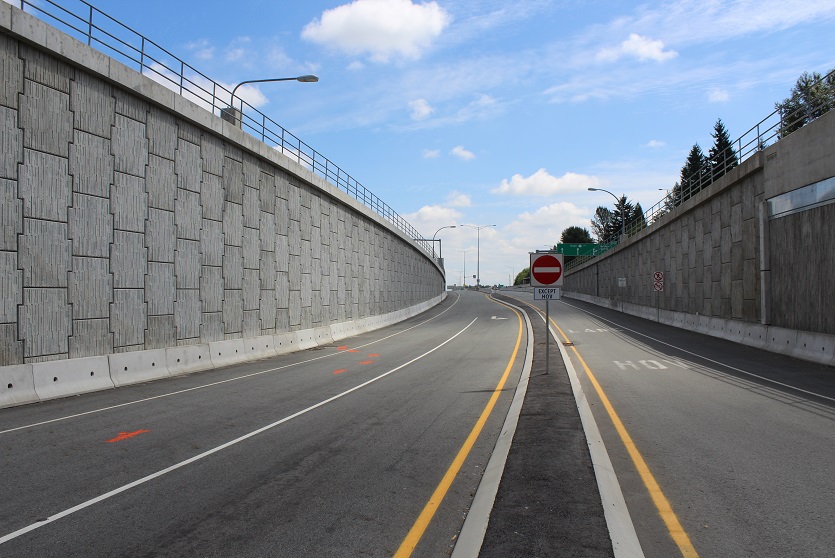
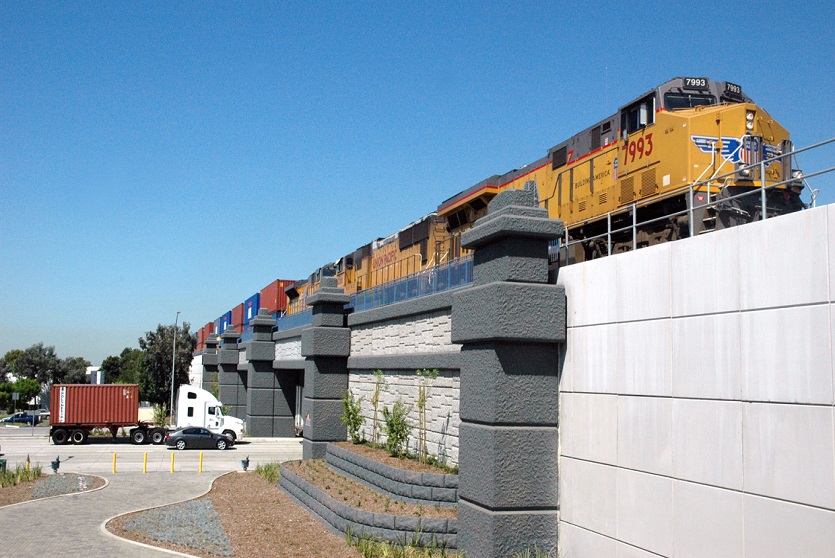
Many crossings do not go over an obstacle, but under it. Roads, railways, watercourses, conveyors and networks often have to pass beneath an embankment or another route. Underpasses and tunnels create these openings below ground level, so the infrastructure above can stay continuous.
Underpasses and tunnels keep both levels in service: the route above stays continuous, while the passage below carries traffic, water or networks. They are a frequent feature of transport corridors, urban developments and industrial sites, from small drainage openings to multi-span crossings.
Common constraints of crossings below ground level
- Loads from above
The structure supports the fill and the traffic passing over it, sometimes under high cover or heavy surcharges.
- Shell and fill working as one
The opening only performs as intended if the material around it is properly selected and placed in layers.
- Clearance below
The opening must suit what passes through it: vehicles, trains, pedestrians, water or equipment.
- Construction around live networks
Works are often carried out next to traffic, in watercourses or on operating sites.
- Ground conditions
Foundation soils and settlement affect both the shell and the embankment it sits in.
- Integration into the embankment
The crossing must connect to the approach slopes without creating weak points at its ends.
How buried crossings work beneath embankments
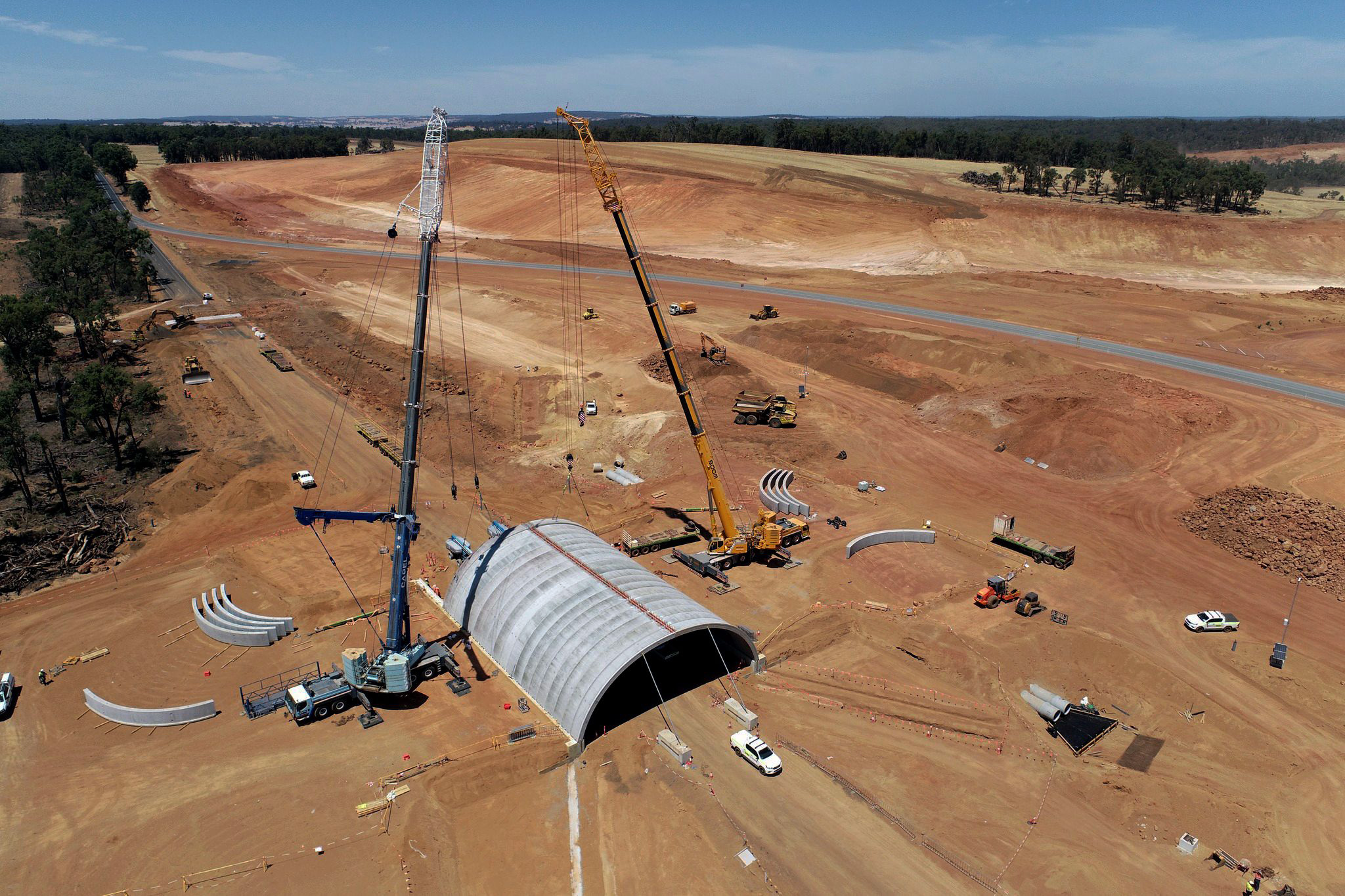
An underpass or tunnel is formed by placing a structural shell on its foundations, then placing compacted fill around and over it. The cover spreads the loads coming from above, and the fill on each side holds the shell in shape. The result is an opening below ground level within a continuous embankment.
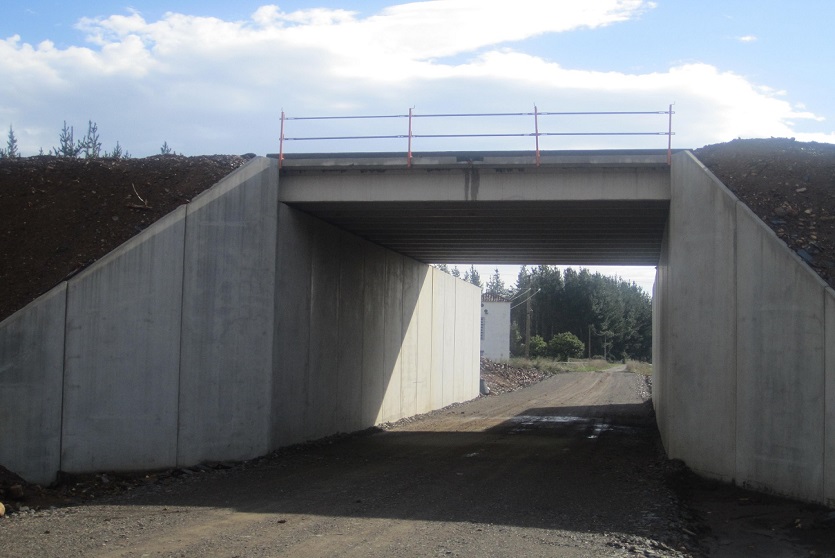
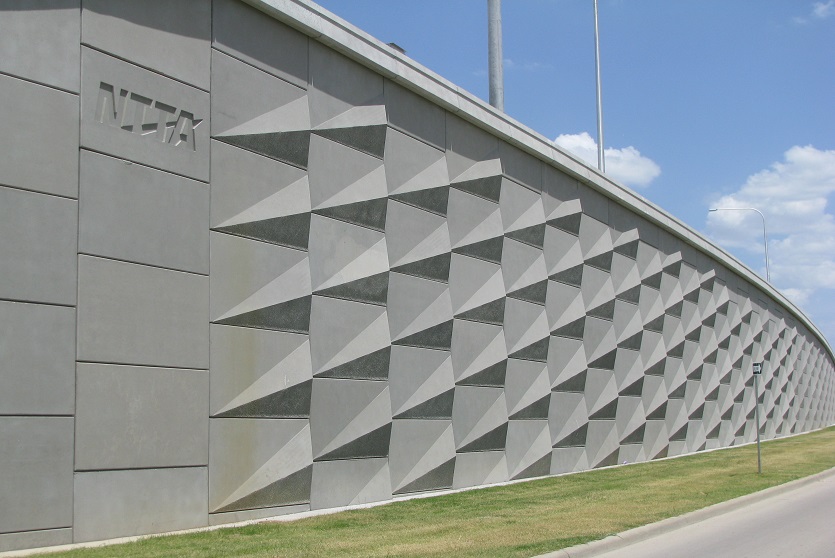
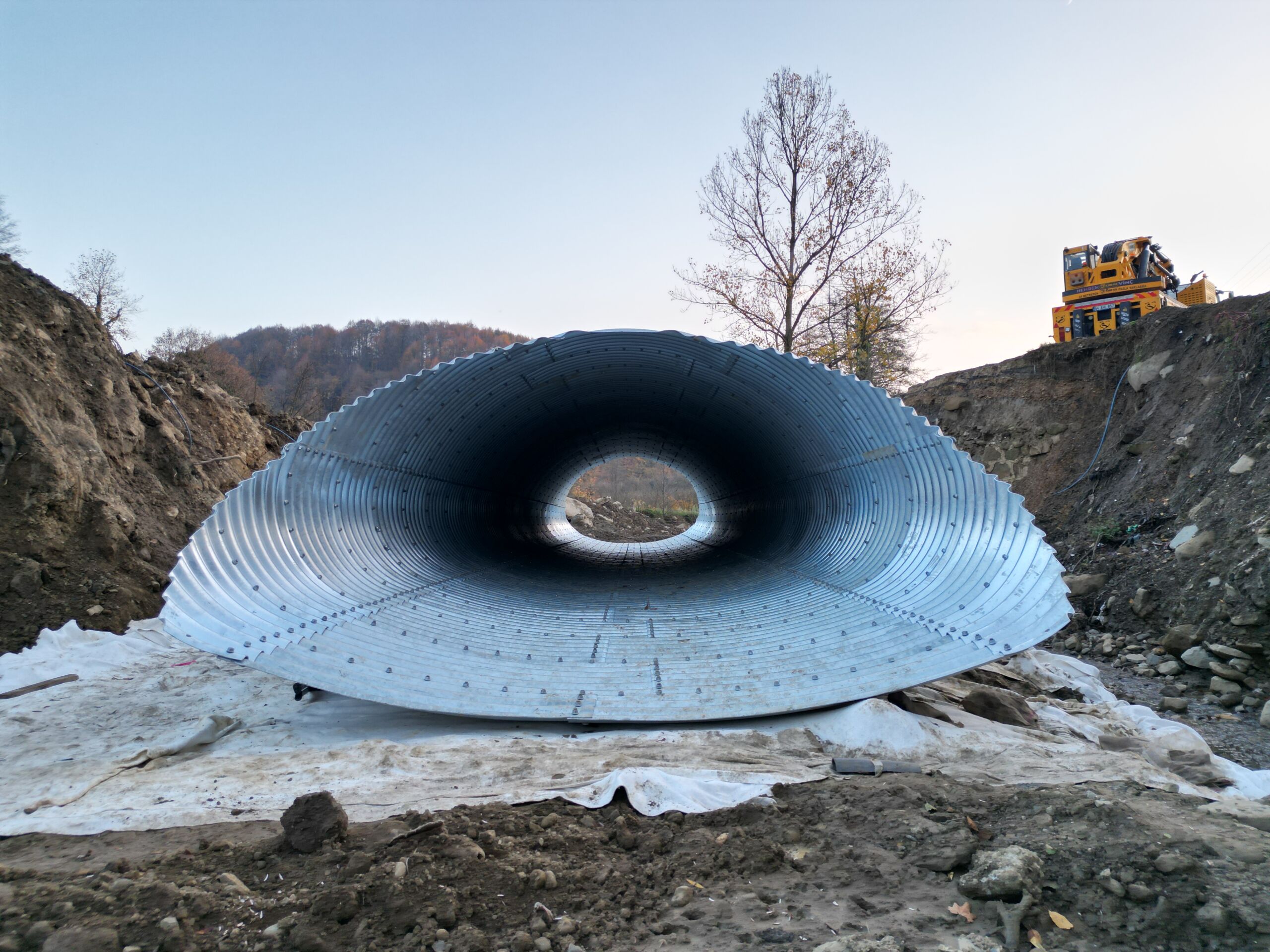
Three families of structure are used for these openings: precast concrete arches such as TechSpan, precast concrete boxes such as TechBox, and corrugated steel structures such as GeoCor. At each end, headwalls and wing walls retain the approach slopes, frequently in Reinforced Earth walls and abutments. The choice between them depends above all on what the crossing carries.
Depending on what passes through the opening, these crossings fall into three main applications: tunnels, culverts and buried bridges.
Underpass and tunnel applications
Cut-and-cover passages for roads, railways, conveyors, utilities and emergency galleries. They are built beneath fills, stockpiles or existing infrastructure, in urban areas and on industrial and mining sites.
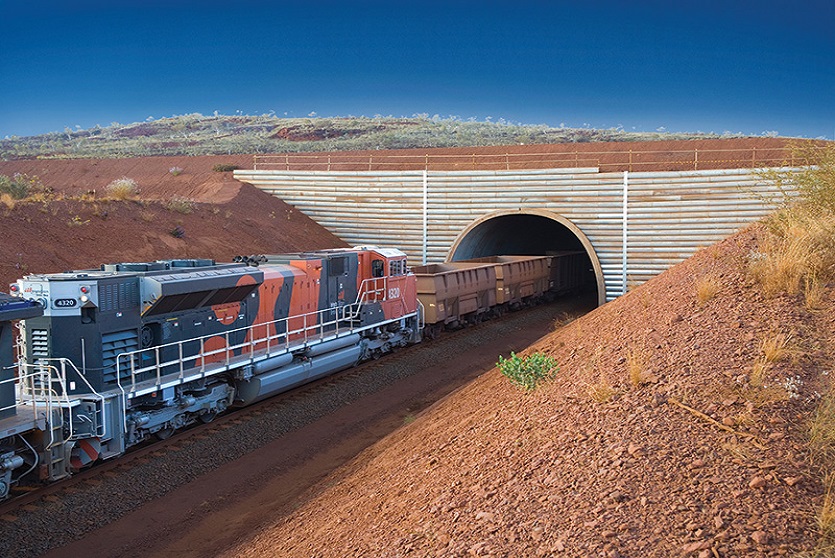
Buried structures that carry streams, ditches and drainage water beneath roads, railways and embankments. They are designed for flood flows, scour and environmental continuity.

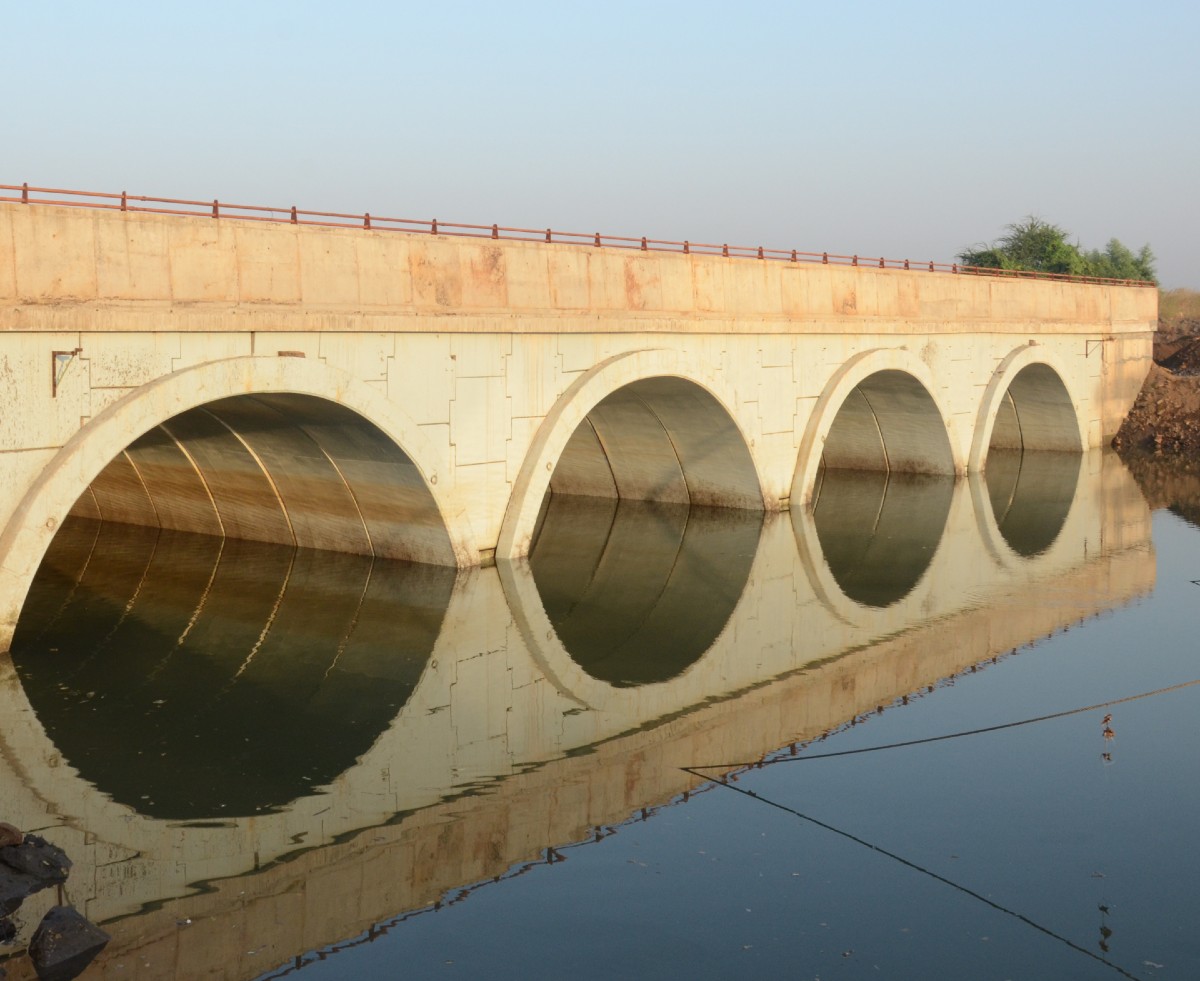
Earth-covered arches and boxes that replace conventional bridge decks for road, rail and pedestrian crossings, from single spans to multi-span earthen viaducts.
What drives bridge abutment design
- What passes through? Traffic, people, water, conveyors or networks: the answer decides whether the project is a tunnel, a culvert or a buried bridge.
- What passes over? A road, railway, runway, stockpile or simple fill, and the loads it brings.
- How deep does the crossing sit? The height of fill between the opening and the surface.
- How large must the opening be? The width and height needed by what passes below.
- What can the ground carry? Foundation capacity and expected settlement.
- How can the site be reached and worked? Access, transport limits, and traffic or water to keep flowing during the works.
- How long must it last, and in what environment? Design life and exposure conditions.