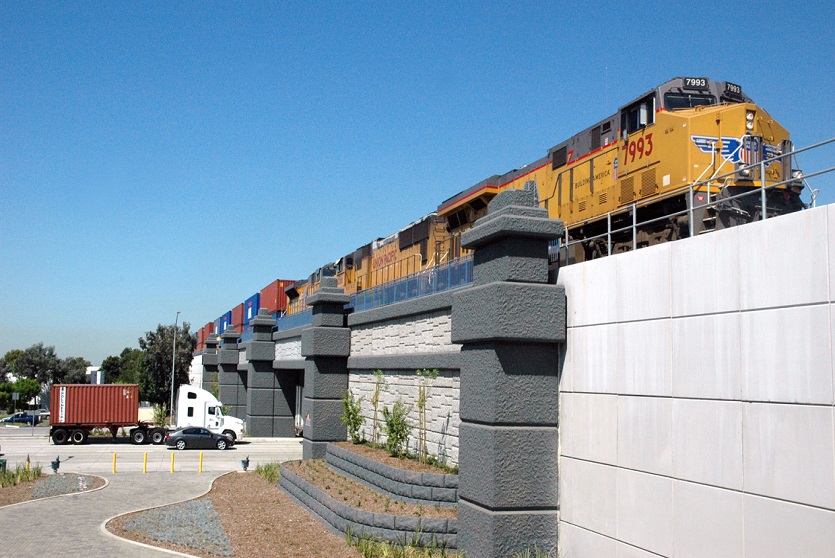
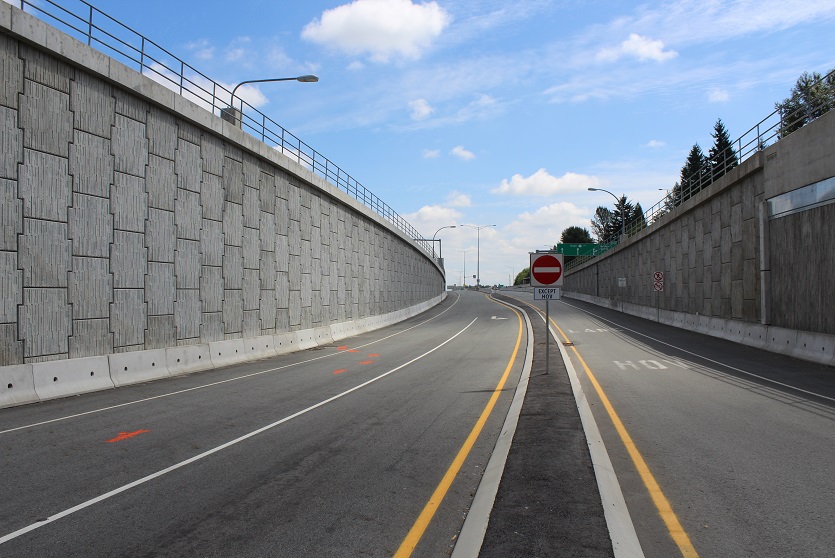
Wherever a road, railway or embankment crosses a stream, a ditch or a natural drainage path, water must be able to pass beneath it. Culverts provide this passage. They keep water flowing under the infrastructure while carrying the weight of the fill and the traffic above.
A well-designed culvert protects the embankment from flooding and scour, keeps the watercourse running and lasts as long as the road or railway it serves. Culverts are among the most common structures on transport and industrial projects, and among the most exposed: they have to withstand both water and loads for decades.
Demands placed on a culvert crossing
- Flood flows
The opening must carry peak discharges without water overtopping or damaging the embankment.
- Scour and erosion
High flow velocities at the inlet and outlet can undermine the foundations and the toe of the fill.
- Loads from fill and traffic
The structure must support the cover above it and the road, rail or heavy industrial traffic.
- Construction in or near water
Works are often carried out in active watercourses, with limited time windows and diversion of the flow.
- Durability in wet conditions
Permanent contact with water, sediment and sometimes aggressive chemistry tests the structure’s materials.
- Environmental requirements
Many sites require the watercourse to remain continuous for fish and aquatic life.

Carrying water safely beneath roads and railways
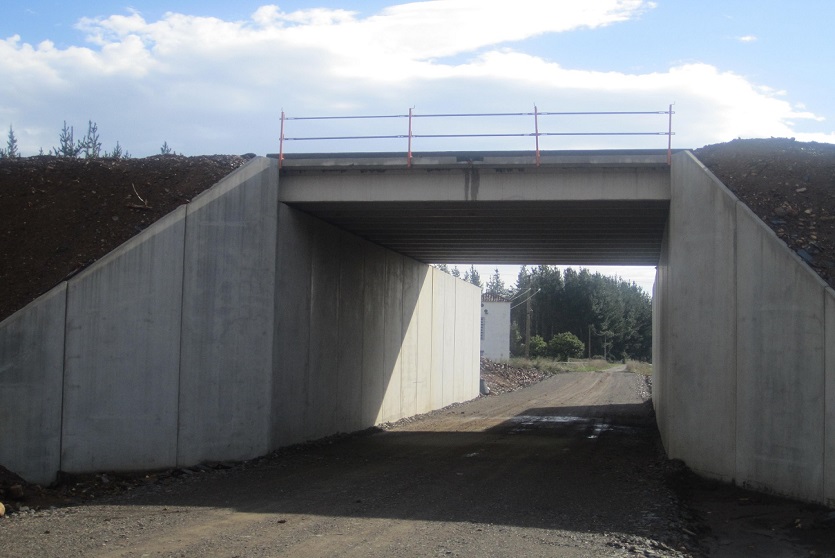
A culvert is a buried structure placed through an embankment along the line of a watercourse or drainage path. The water flows through the opening, while the structure and the surrounding compacted backfill work together to carry the loads above. At each end, headwalls and wing walls retain the embankment slopes and guide the flow into and out of the culvert.
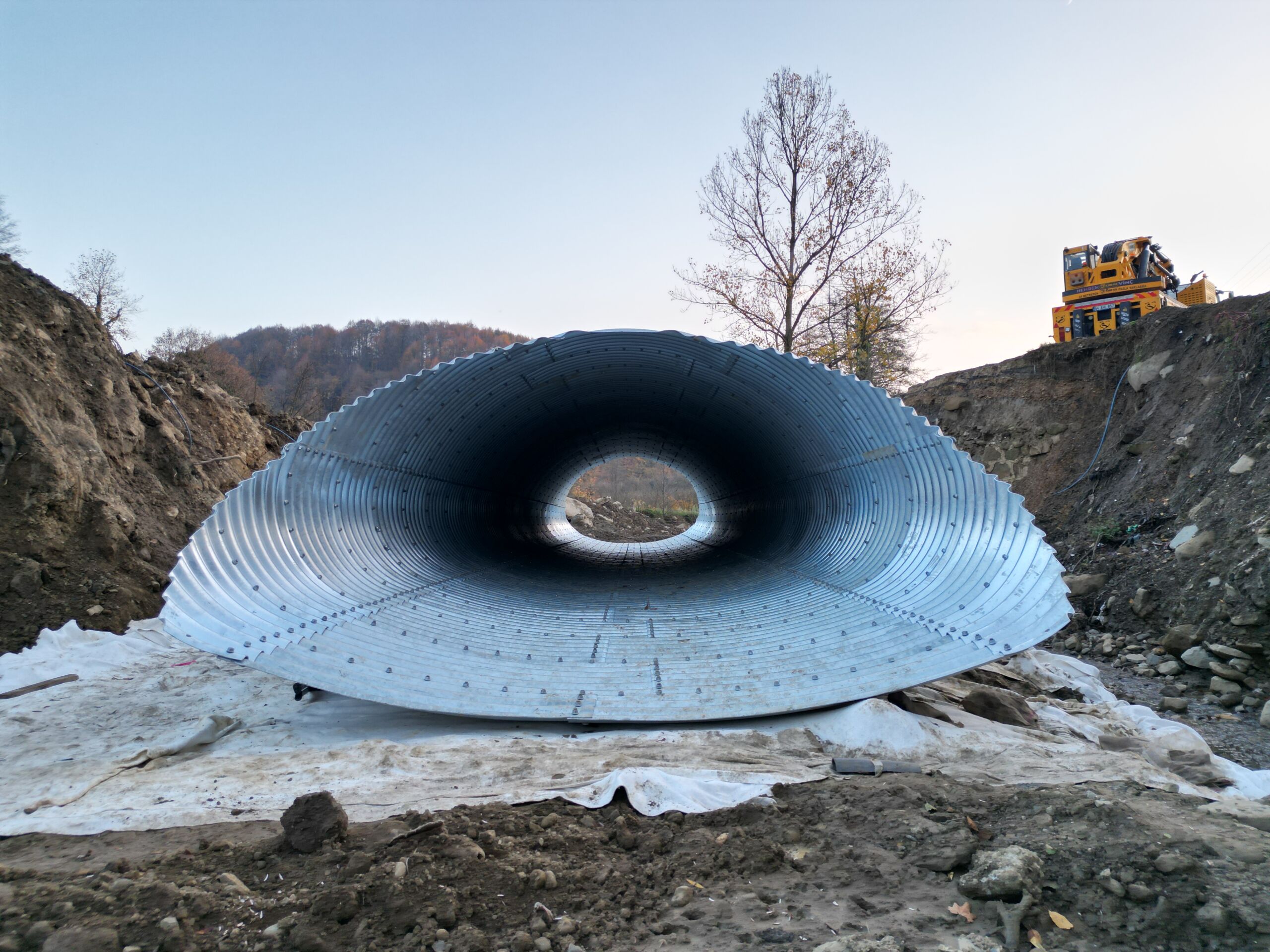
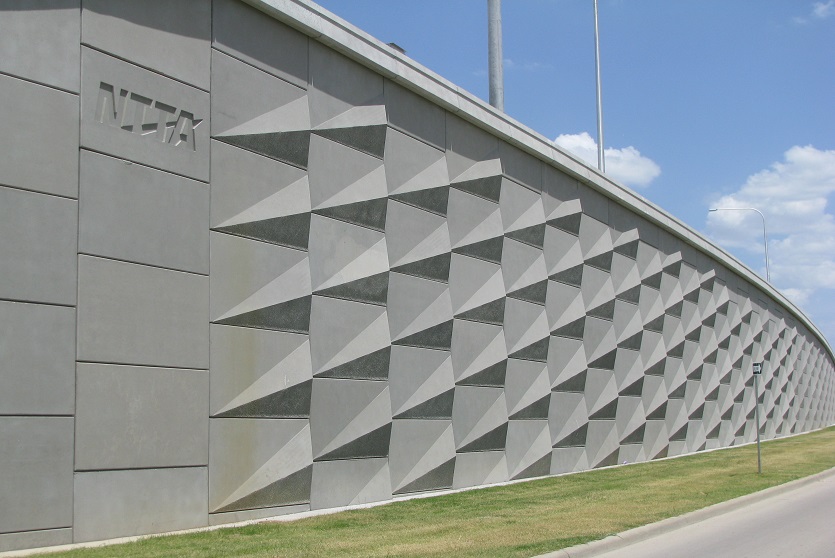
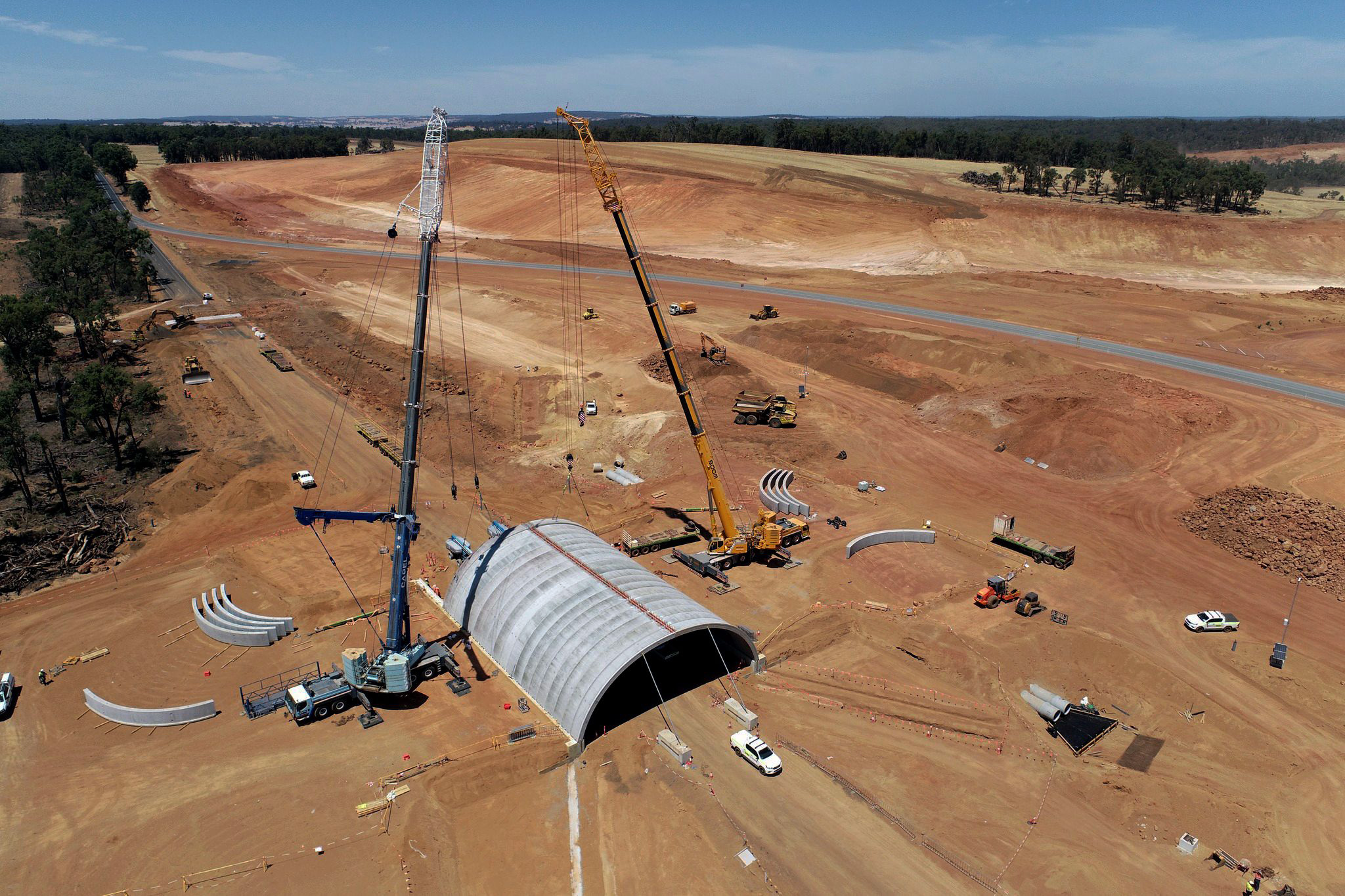
The shape and material depend on the flow, the cover and the site. Precast box units such as TechBox suit low cover and wide, flat openings, and can be placed side by side to form multi-cell culverts for large discharges. Precast arches such as TechSpan keep a natural streambed and suit higher fills. Corrugated steel structures such as GeoCor are lightweight and quick to install, which is an advantage on remote sites or where transport is difficult. Headwalls and wing walls are often built with Reinforced Earth walls and abutments. Inlet and outlet areas can be protected against scour with Fabric Formed Concrete Mattresses.
Culverts are used on road and railway embankments, mine haul roads, industrial sites, flood relief works and drainage networks, for both new crossings and the replacement of aging structures.
Culvert shapes and layouts
- Box culverts
Rectangular openings with a flat roof and base, suited to low cover, wide flows and multi-cell arrangements.
- Arch culverts
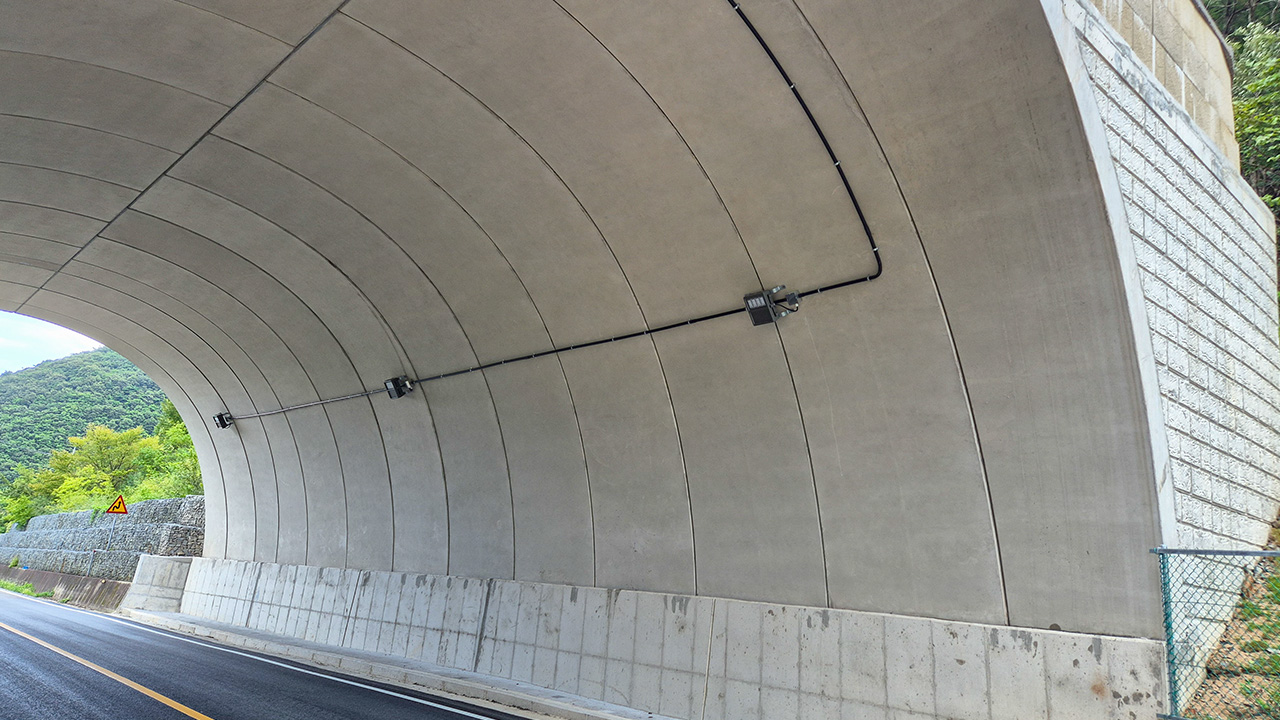
Open-bottom or closed arches that preserve a natural streambed and perform well under high fills.
- Corrugated steel culverts
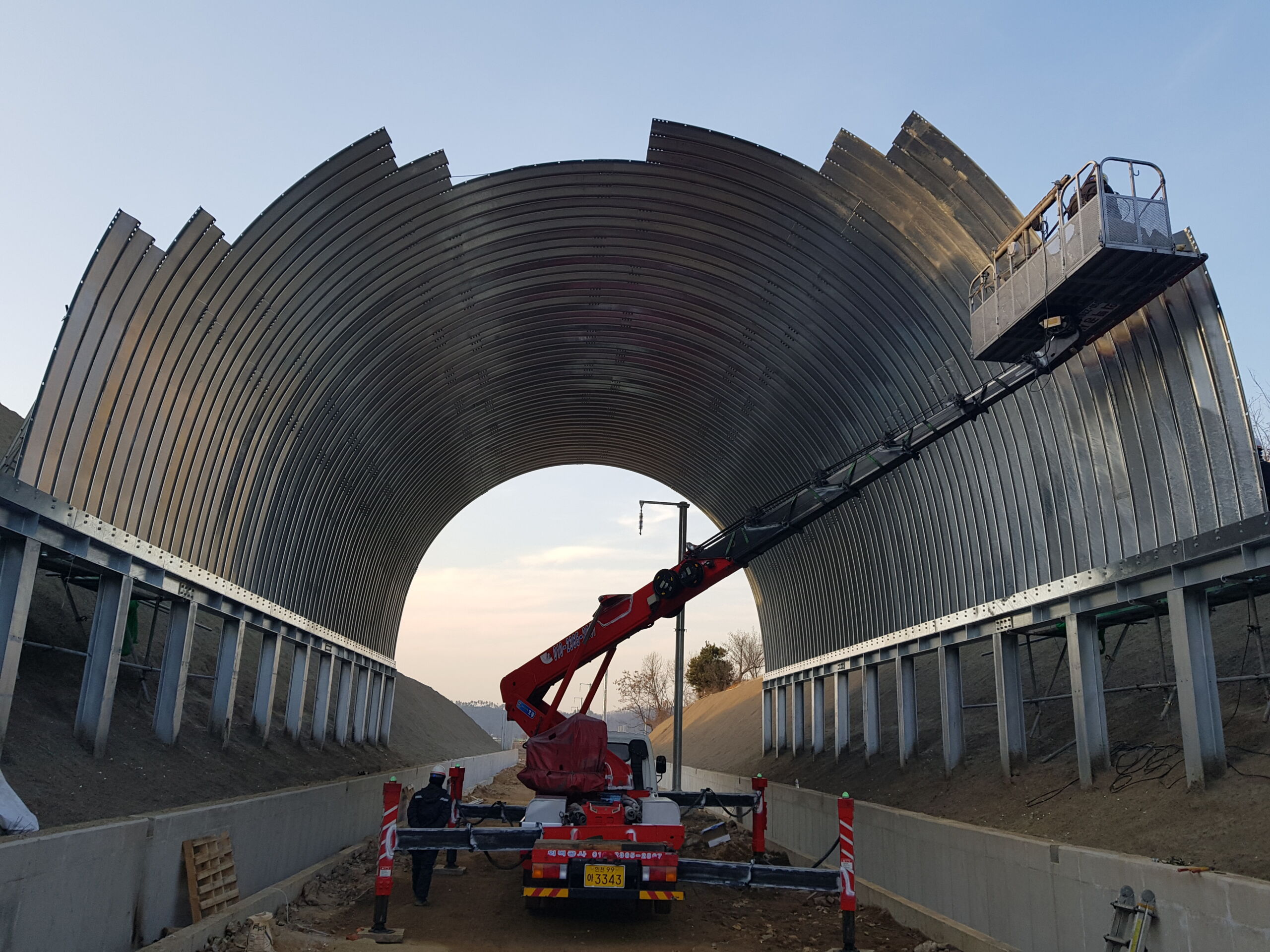
Round, pipe-arch or arch shapes in corrugated steel, light and quick to assemble on site.
- Multi-cell culverts
Several openings placed side by side to carry large flood discharges without raising the embankment.
Hydraulic and structural criteria for culvert design
- Design flow and flood return period: Peak discharge and allowable water level upstream set the size and number of openings.
- Opening shape: Available headroom under the road or railway guides the choice between box, arch and circular shapes.
- Cover height and traffic loads: Depth of fill and road, rail or heavy industrial loads define the structural demand.
- Foundation and bed conditions: Soil bearing capacity, settlement and the need to keep a natural bed influence the base design.
- Scour protection: Flow velocity at the inlet and outlet determines the need for aprons, cut-off walls or revetments.
- Environmental continuity: Fish passage, sediment transport and natural bed requirements may dictate an open-bottom or oversized structure.
- Construction in water: Flow diversion, seasonal windows and installation speed affect the choice of structure.
- Durability: Water chemistry, abrasion from sediment and the required service life set material and protection requirements.