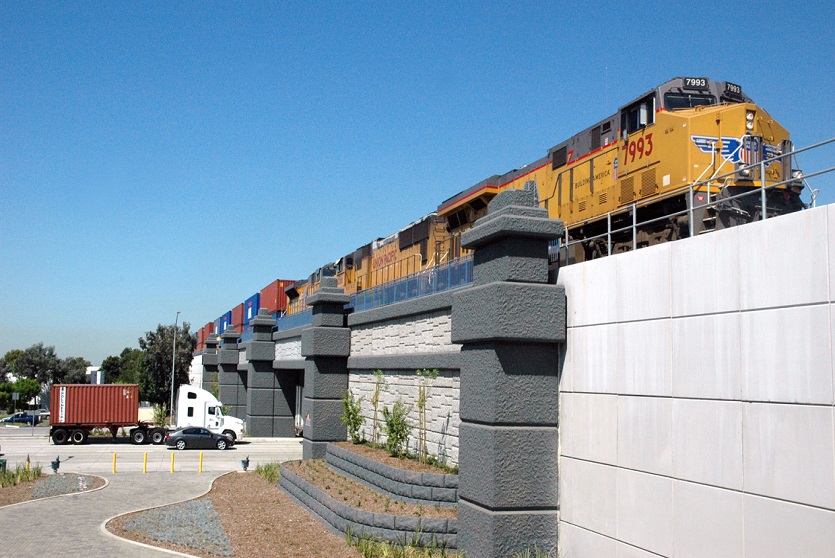
Roads and railways divide natural areas into isolated pieces. Animals trying to move between them face traffic, fences and embankments, which leads to collisions, loss of genetic exchange and declining populations. Wildlife crossings restore these links by giving fauna a safe, dedicated route over or under the infrastructure.
Authorities increasingly require these crossings as part of new transport projects and network upgrades. Well designed, they reduce collisions, protect biodiversity and make drivers and train passengers safer, while the road or railway keeps operating normally.
Barriers that infrastructure creates for wildlife
- Habitat fragmentation
Linear infrastructure splits territories, feeding areas and migration routes.
- Animal-vehicle collisions
Large and small animals crossing at grade put both wildlife and road or rail users at risk.
- Species acceptance
A crossing only works if animals are willing to use it, which depends on width, light, noise and vegetation.
- Heavy soil and planting loads
Vegetated crossings carry deep soil, trees, rocks and logs, which add significant weight.
- Building over live traffic
Crossings are often installed above or beside roads and railways that must stay open.
- Landscape continuity
Each end of the crossing must merge into the surrounding terrain without steep or artificial edges.
Reconnecting habitats across roads and railways
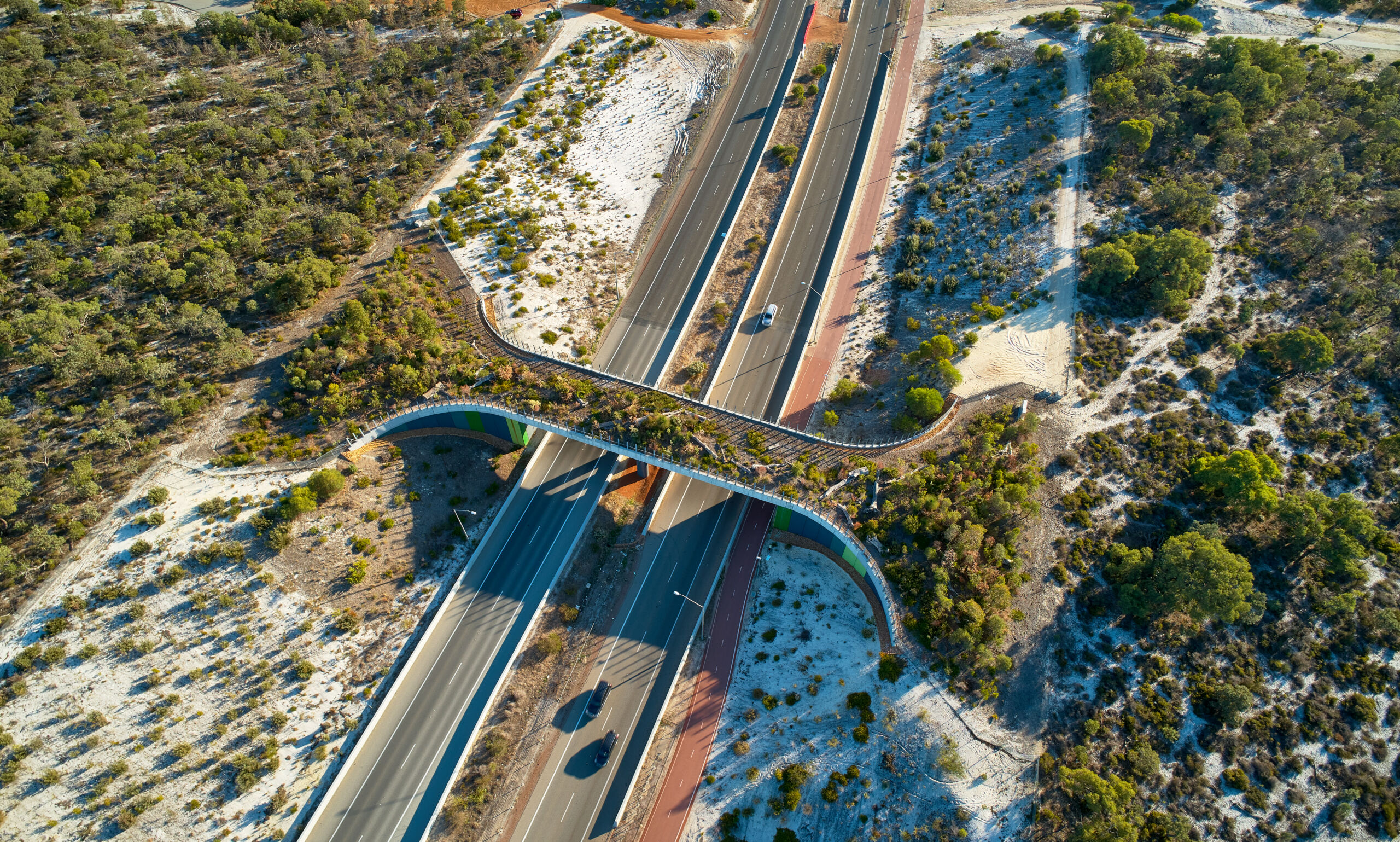
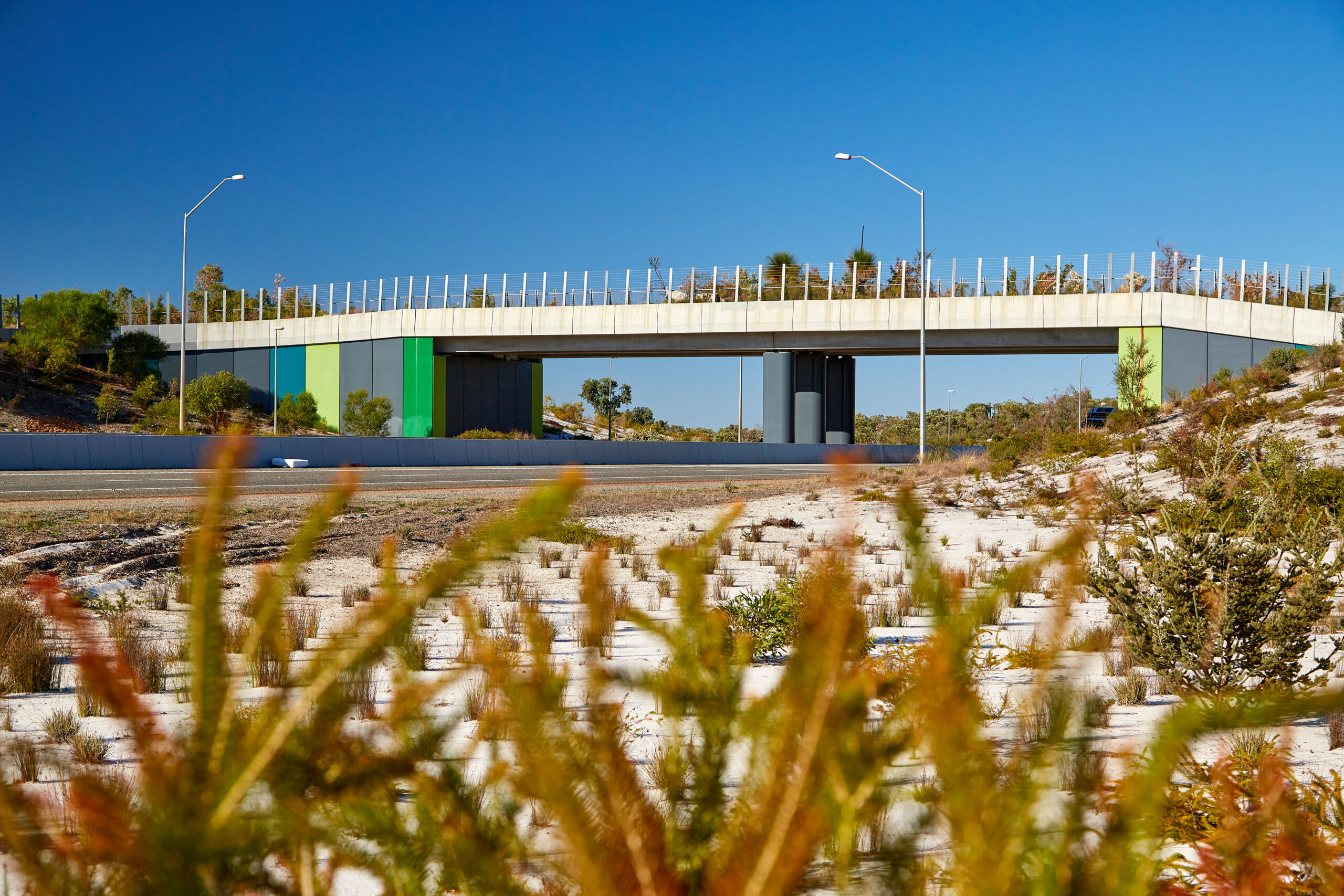
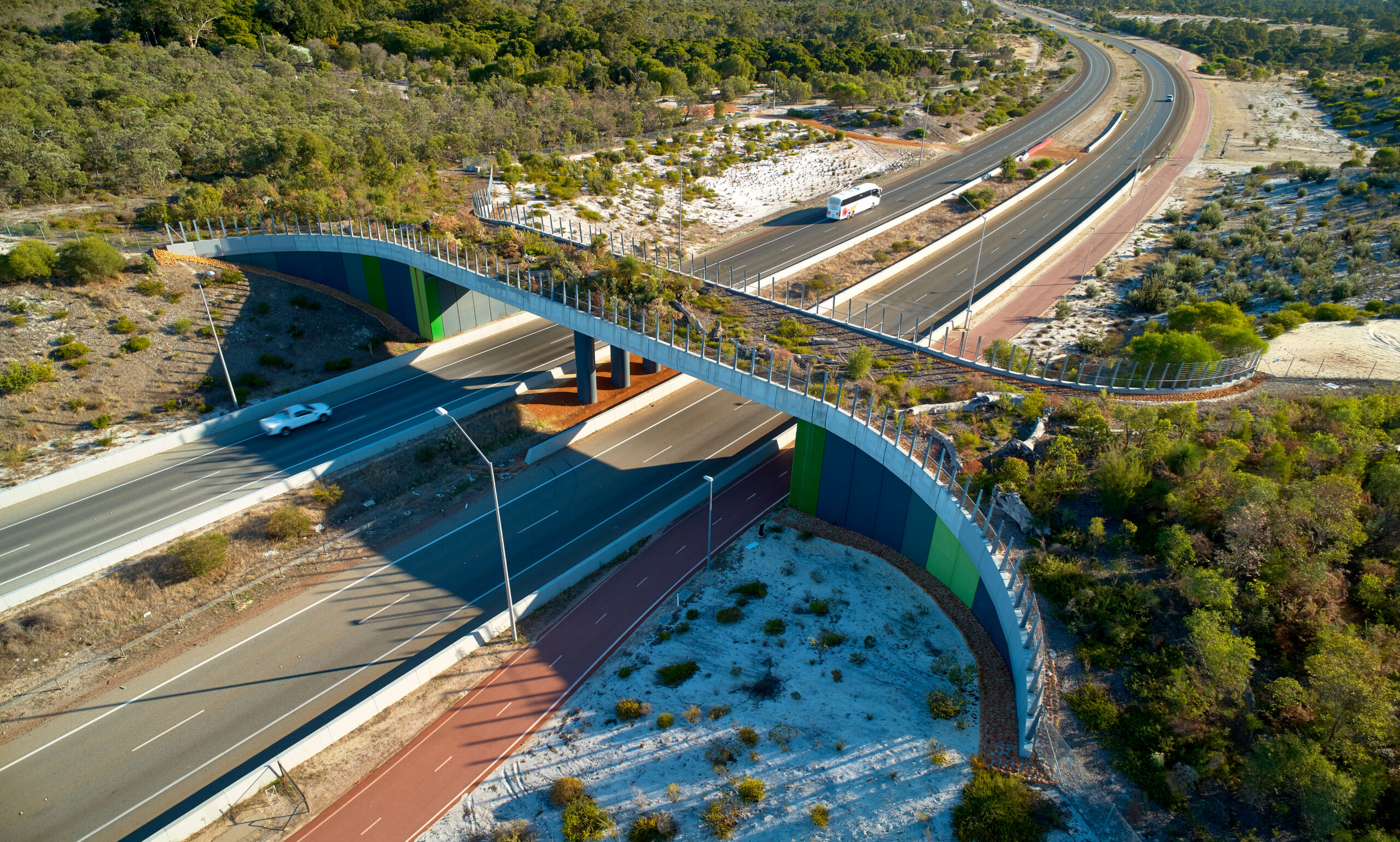
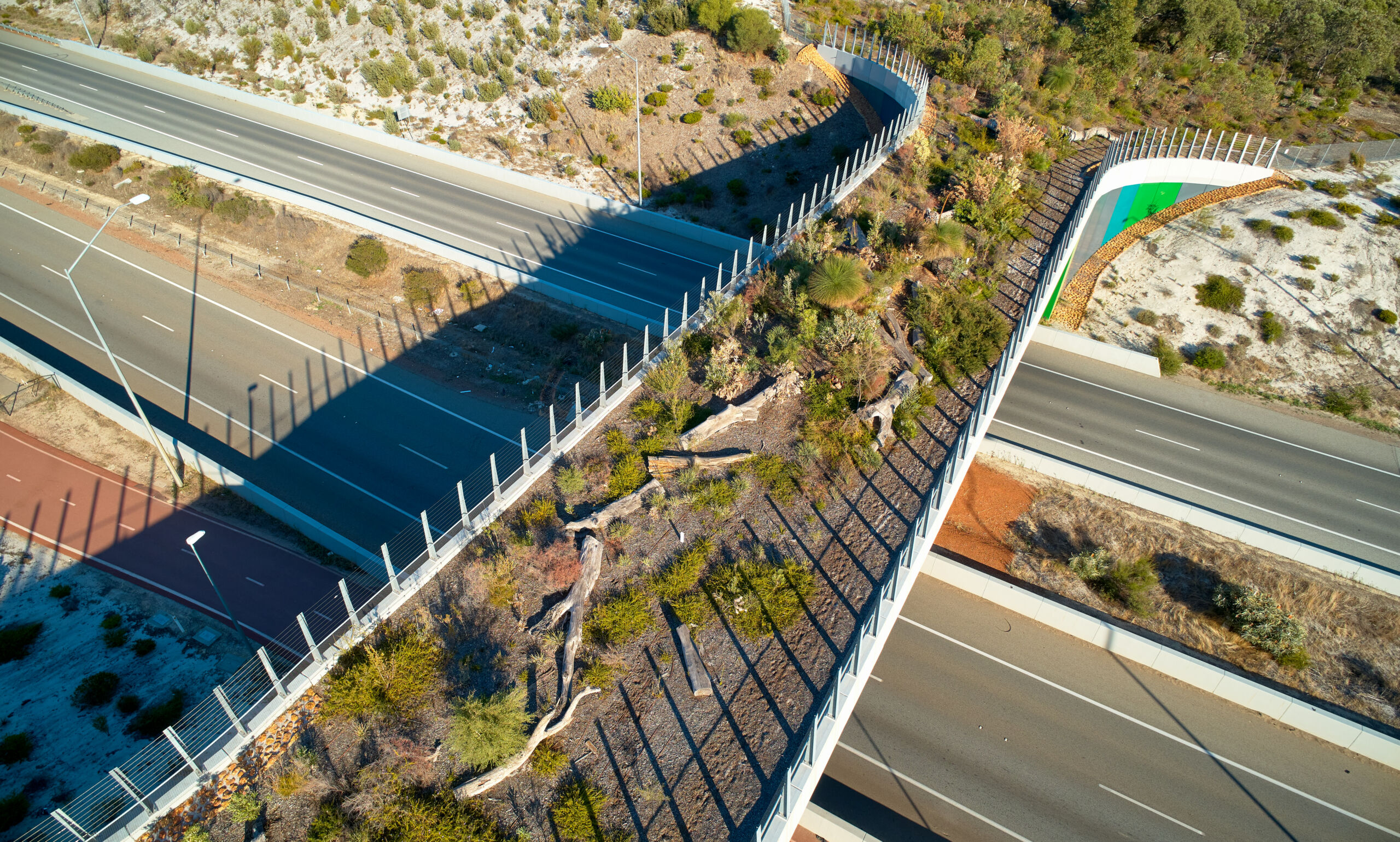
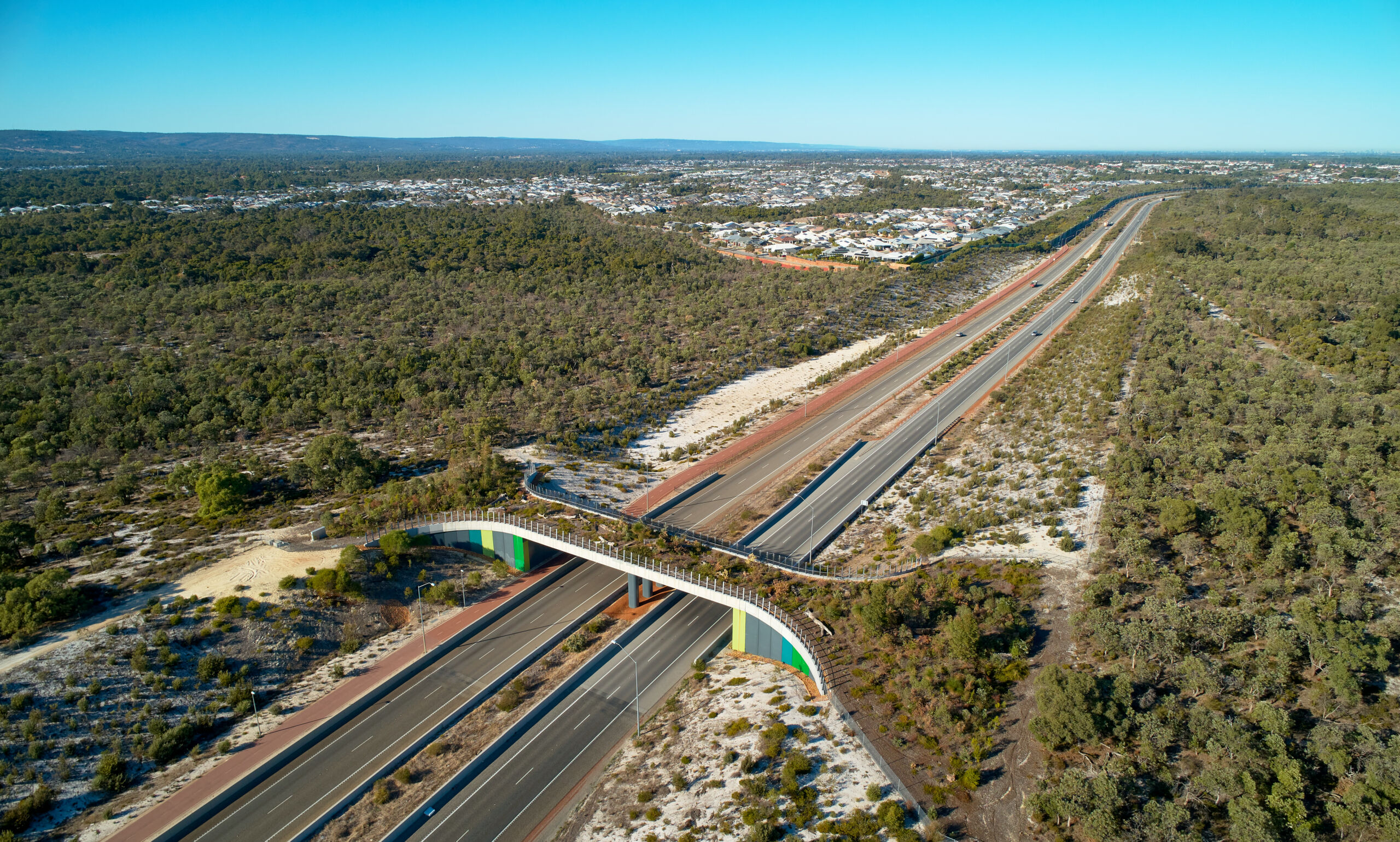
A wildlife crossing creates a continuous strip of natural ground across or beneath the infrastructure. Its surface, planting and edges are designed to recreate the habitat on either side, so animals treat it as part of their territory rather than an obstacle. Fencing along the road or railway guides fauna towards the crossing.
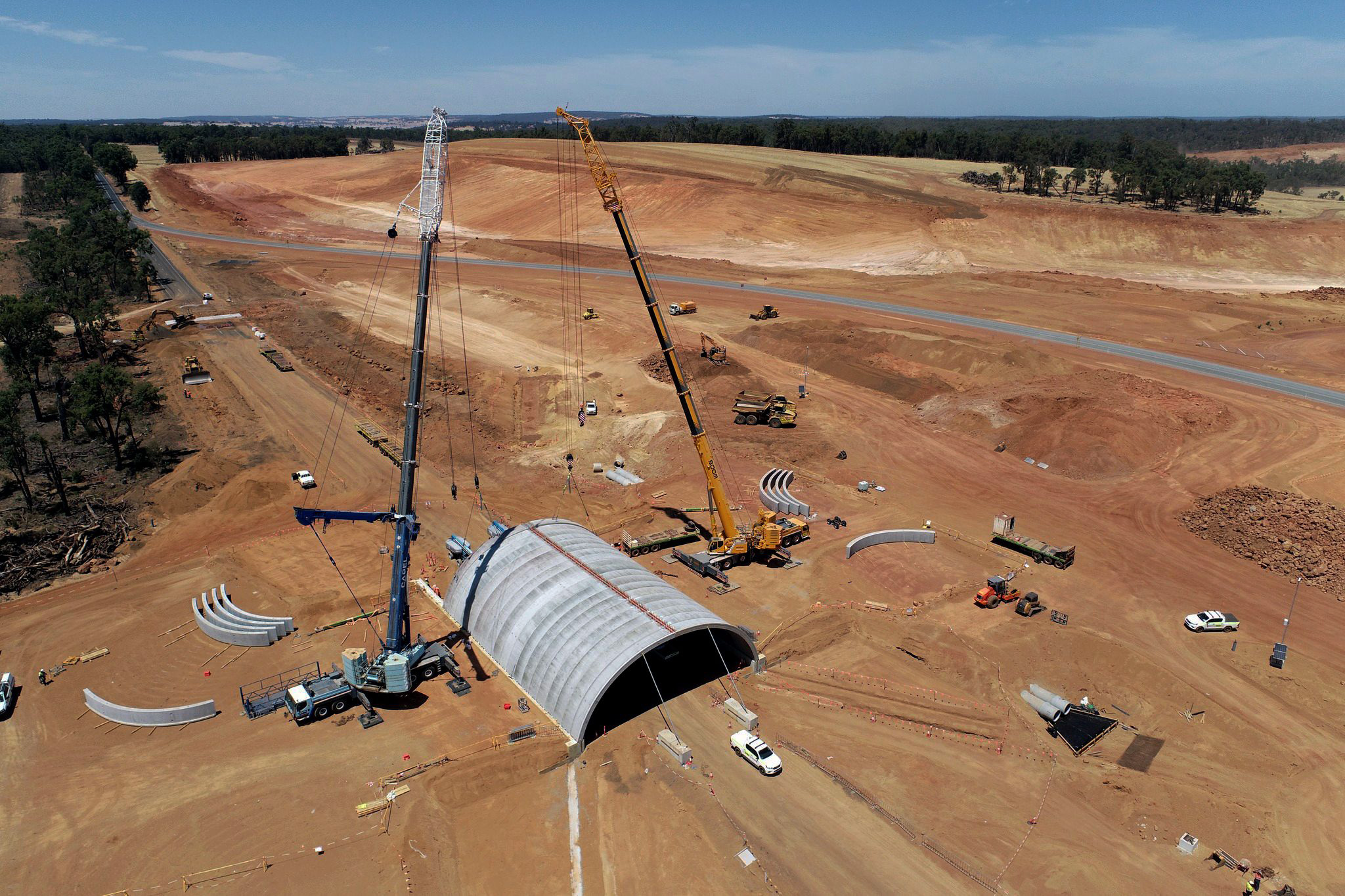
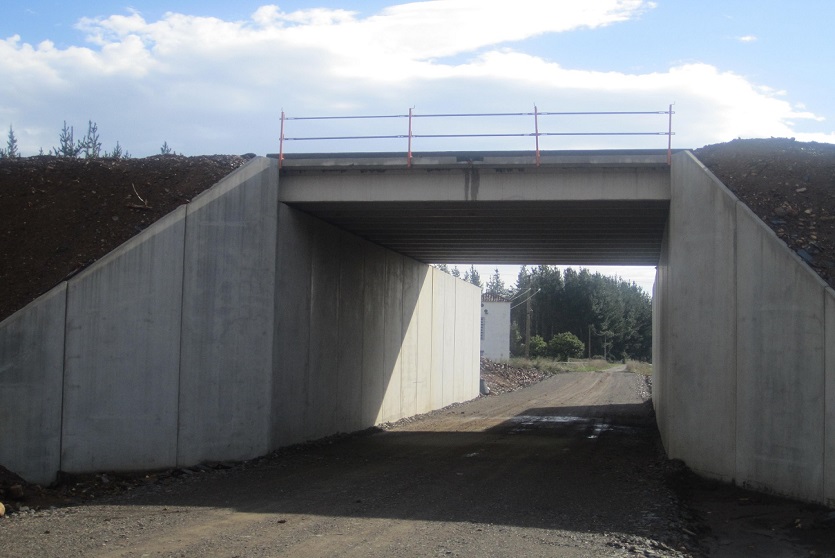
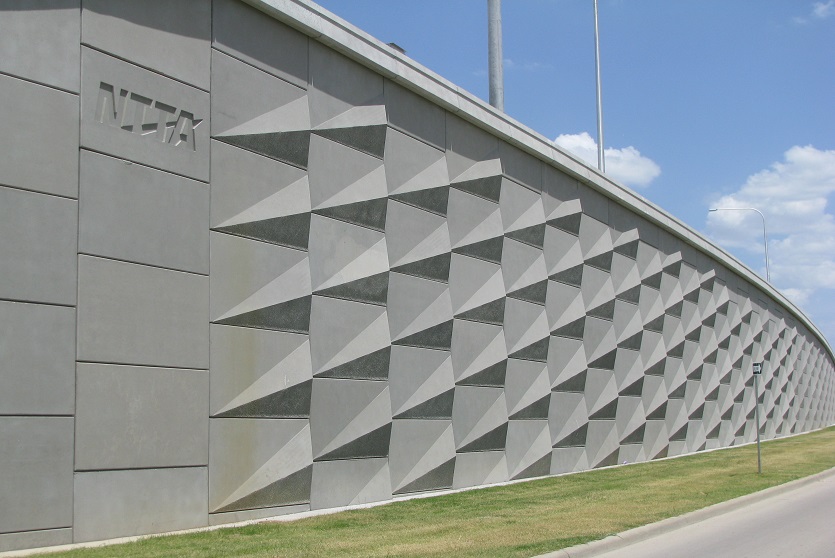
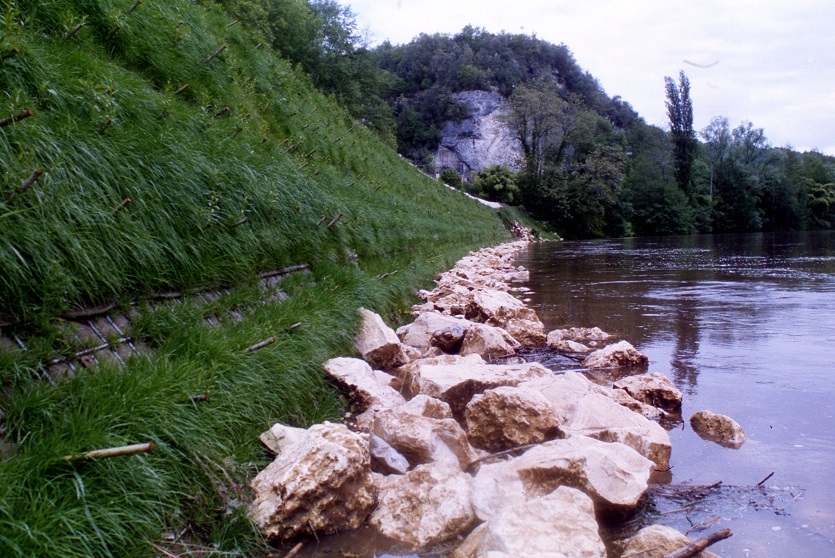
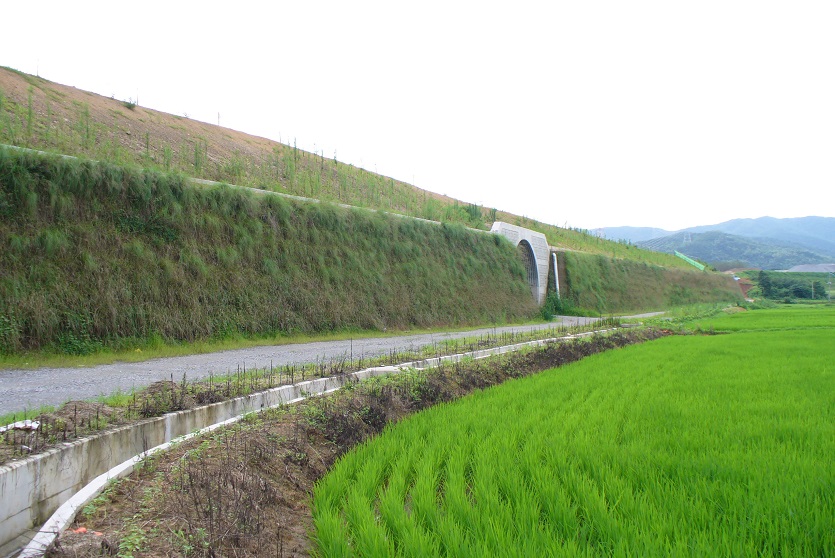
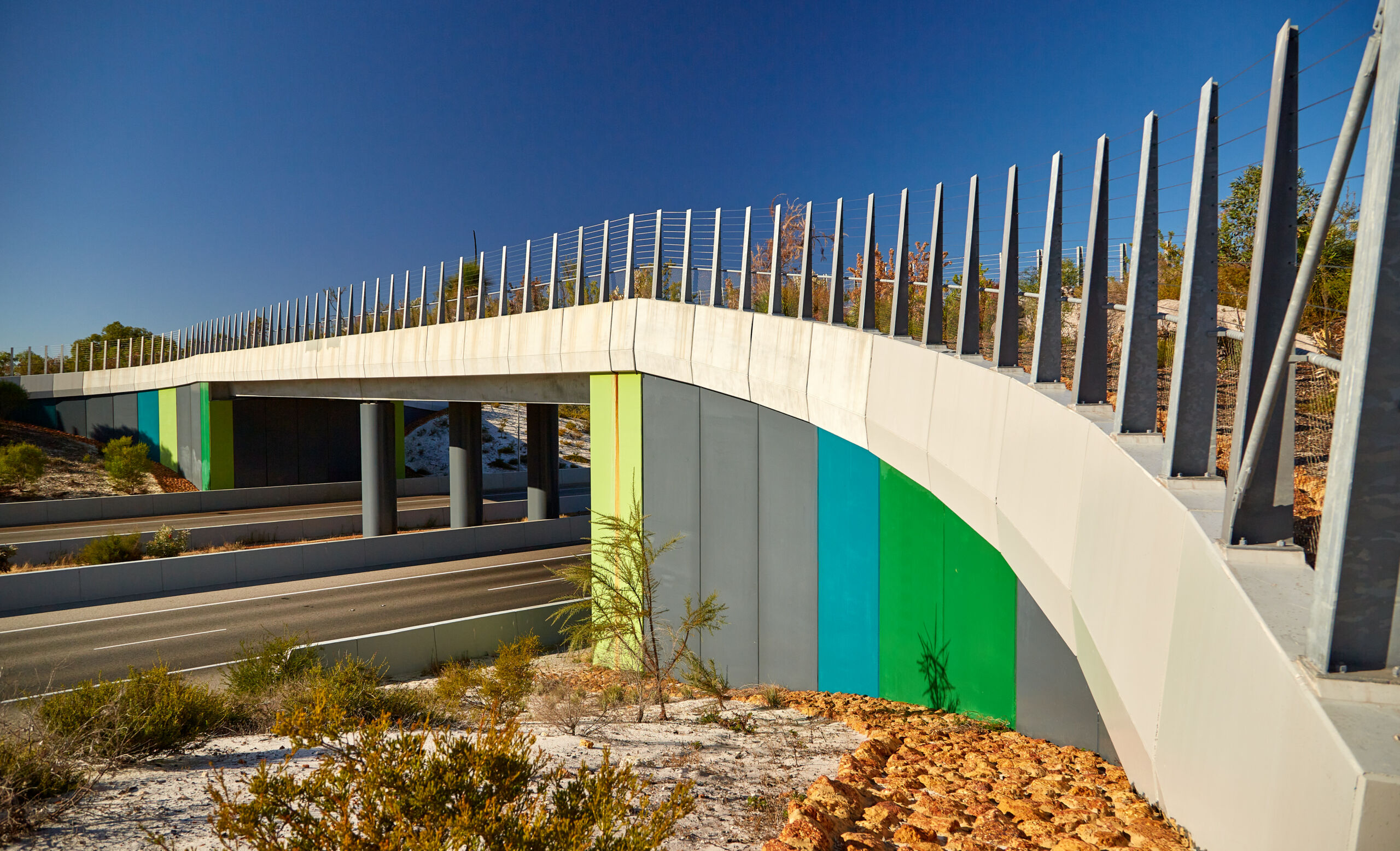
Green overpasses, also called ecoducts or eco-bridges, are often formed by earth-covered precast arches such as TechSpan. The arch supports a thick layer of soil that allows native vegetation to grow, while traffic passes freely below. The approaches and side edges are frequently built with Reinforced Earth walls and abutments or with vegetated Reinforced Earth slopes, which shape the ramps for animals and keep the footprint compact. For crossings beneath the infrastructure, precast boxes such as TechBox create fauna underpasses adapted to the species concerned.
Wildlife crossings are built on motorways, railways and high-speed lines that cross forests, bushland, wetlands and protected areas, both on new routes and as additions to existing ones.
Types of fauna crossings
- Green overpasses
Wide vegetated crossings above the road or railway, suited to large mammals and to reconnecting entire habitats.
- Fauna underpasses
Openings beneath the infrastructure for animals that prefer cover, such as small and medium mammals, or where the alignment sits on an embankment.
- Guiding and approach structures
Vegetated ramps, retaining walls and fencing that lead animals to the crossing and blend it into the landscape.
Making a wildlife crossing work for target species
- Target species: The animals expected to use the crossing determine its width, height, surface and type.
- Width and openness: Larger animals need wide, open crossings with clear sightlines from one side to the other.
- Soil depth and planting: The thickness of soil and the choice of native plants, rocks and logs recreate the habitat and set the loads on the structure.
- Position of the alignment: A road in cutting favours an overpass, while a road on embankment can favour an underpass.
- Approaches and edges: Ramp gradients and side edges must feel natural and connect directly with existing paths used by fauna.
- Disturbance from traffic: Noise and light screens along the crossing help animals accept it.
- Human access: Natural barriers at each end discourage people from using a crossing reserved for wildlife.
- Monitoring and maintenance: Cameras and regular upkeep confirm that the crossing is used and the vegetation stays healthy.