Shaping the ground for the places where people live, work and connect
Urban development brings together housing, businesses, public facilities and recreational spaces within environments where available land, existing infrastructure and changing ground conditions influence how projects take shape. Geoquest provides solutions that help integrate these different uses into functional and well-connected developments.



Making complex sites part of the urban fabric
Urban projects rarely start with unconstrained land. Existing buildings and utilities, sloping terrain, limited footprints and variable ground conditions can all influence how new developments are planned.
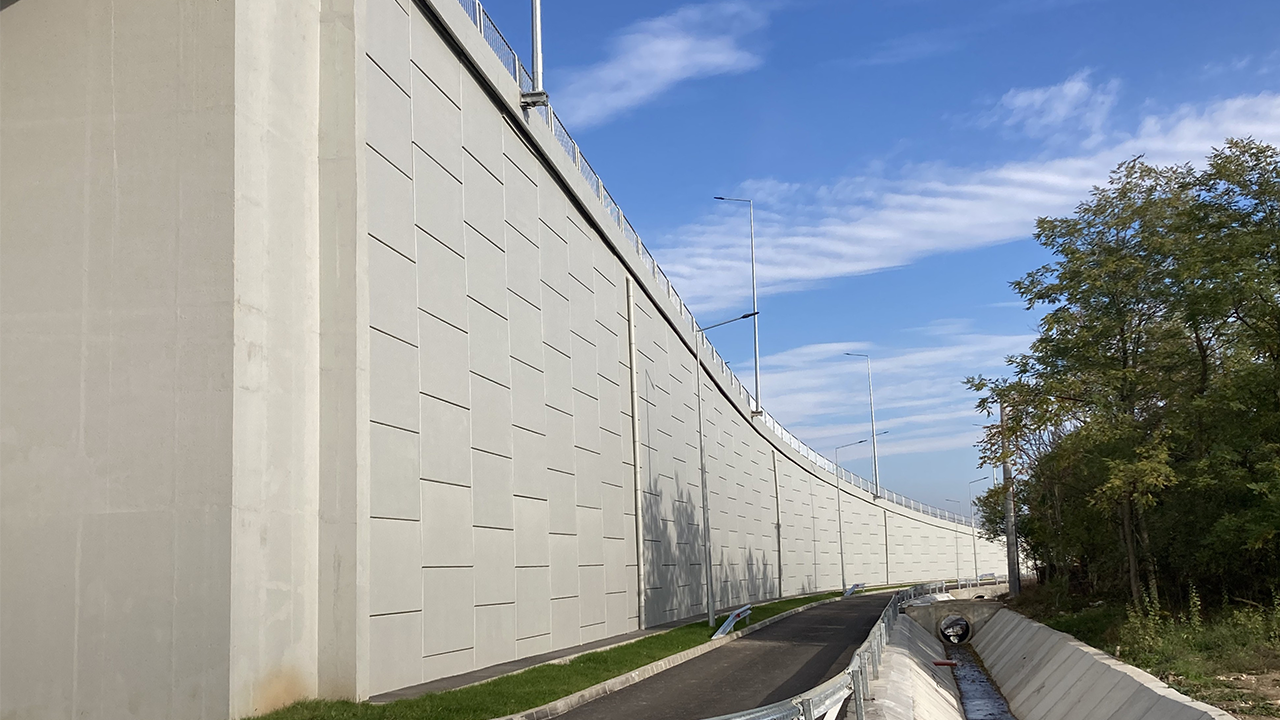
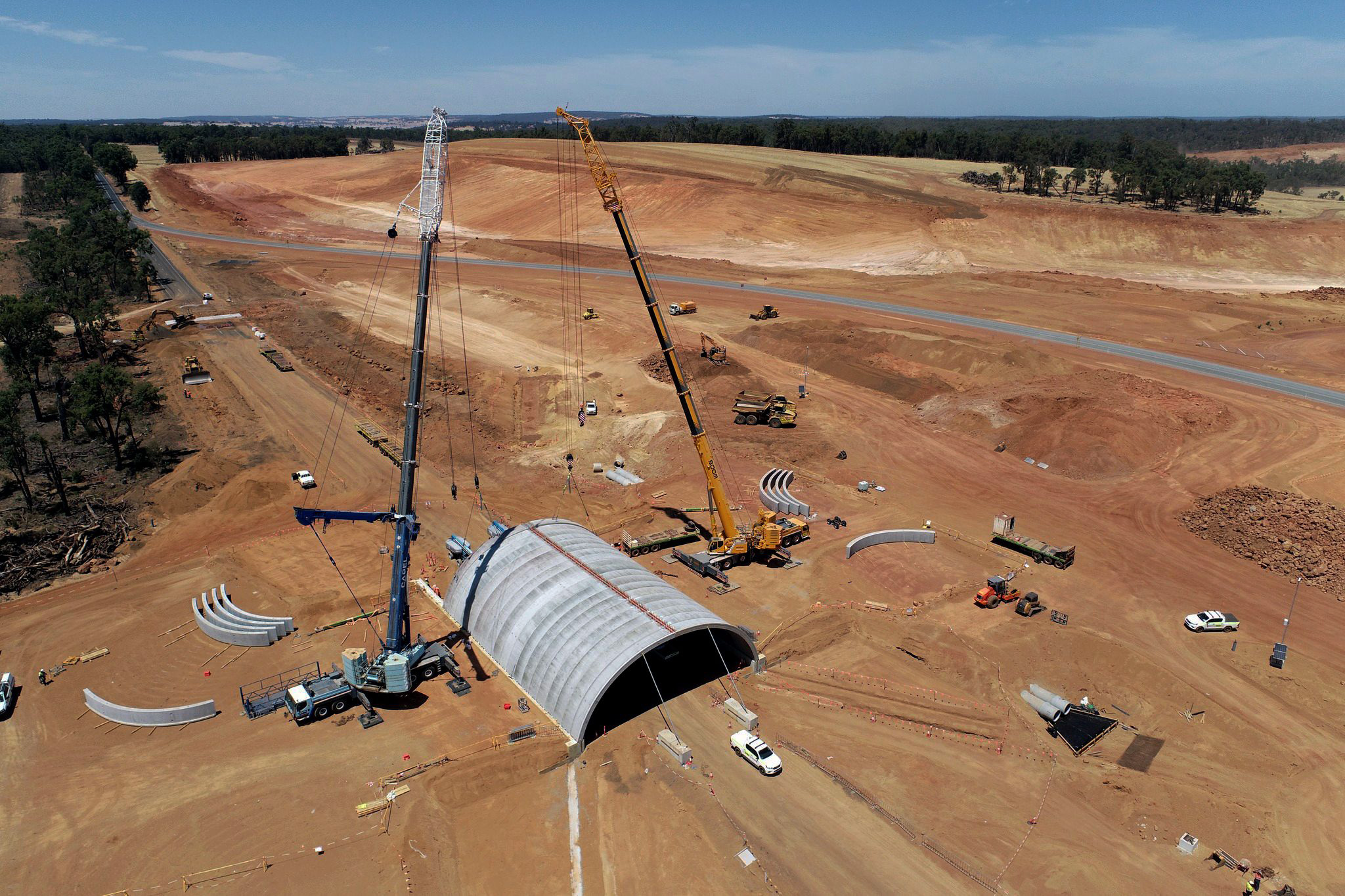
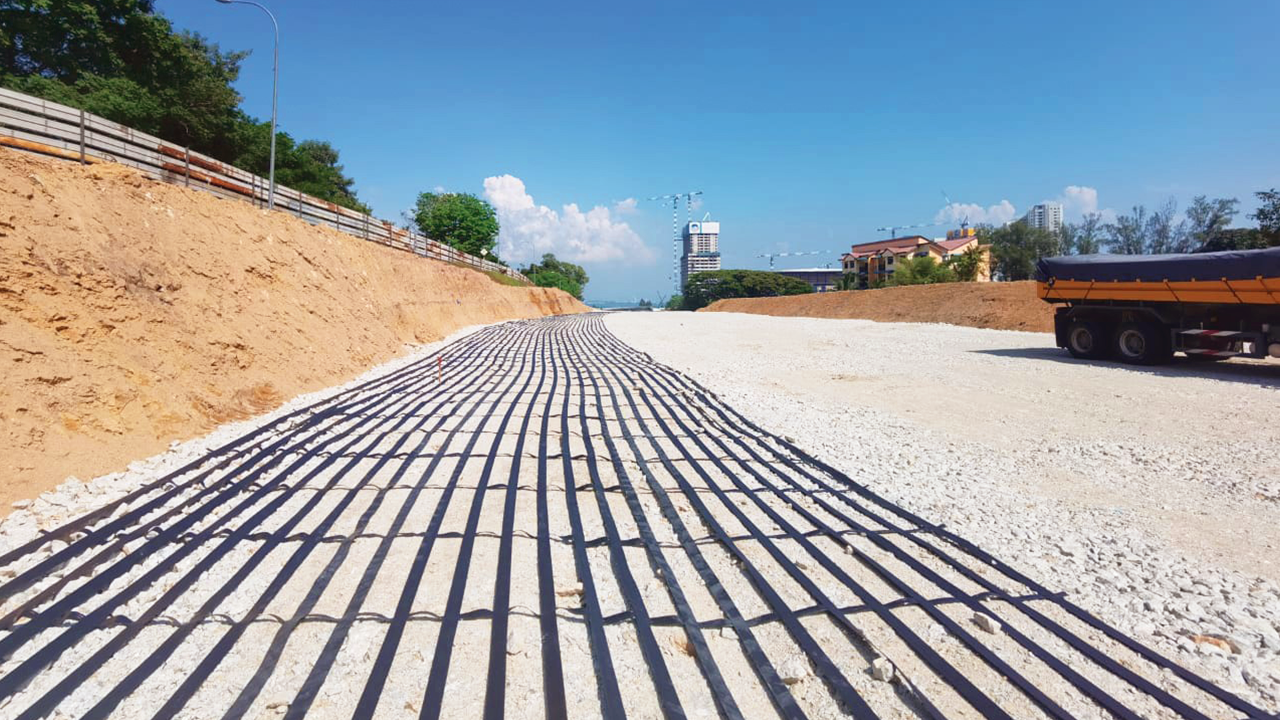
Making effective use of available space often requires changes in elevation, reinforced ground, new circulation routes or structures built close to existing infrastructure. These interventions must support buildings and public spaces while maintaining accessibility and connections across the development.
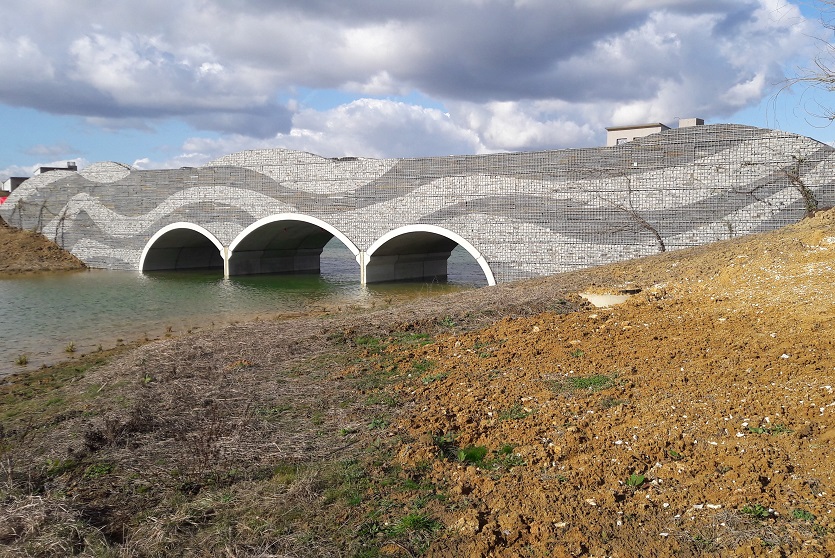
Their integration also matters. Infrastructure becomes part of the environment experienced every day, making geometry, landscape integration and the appearance of visible structures important considerations alongside structural performance.
Different places, connected urban needs


Building more from the available urban space
The different parts of a city serve very different purposes, but they share a fundamental need to make the best use of the land available to them.
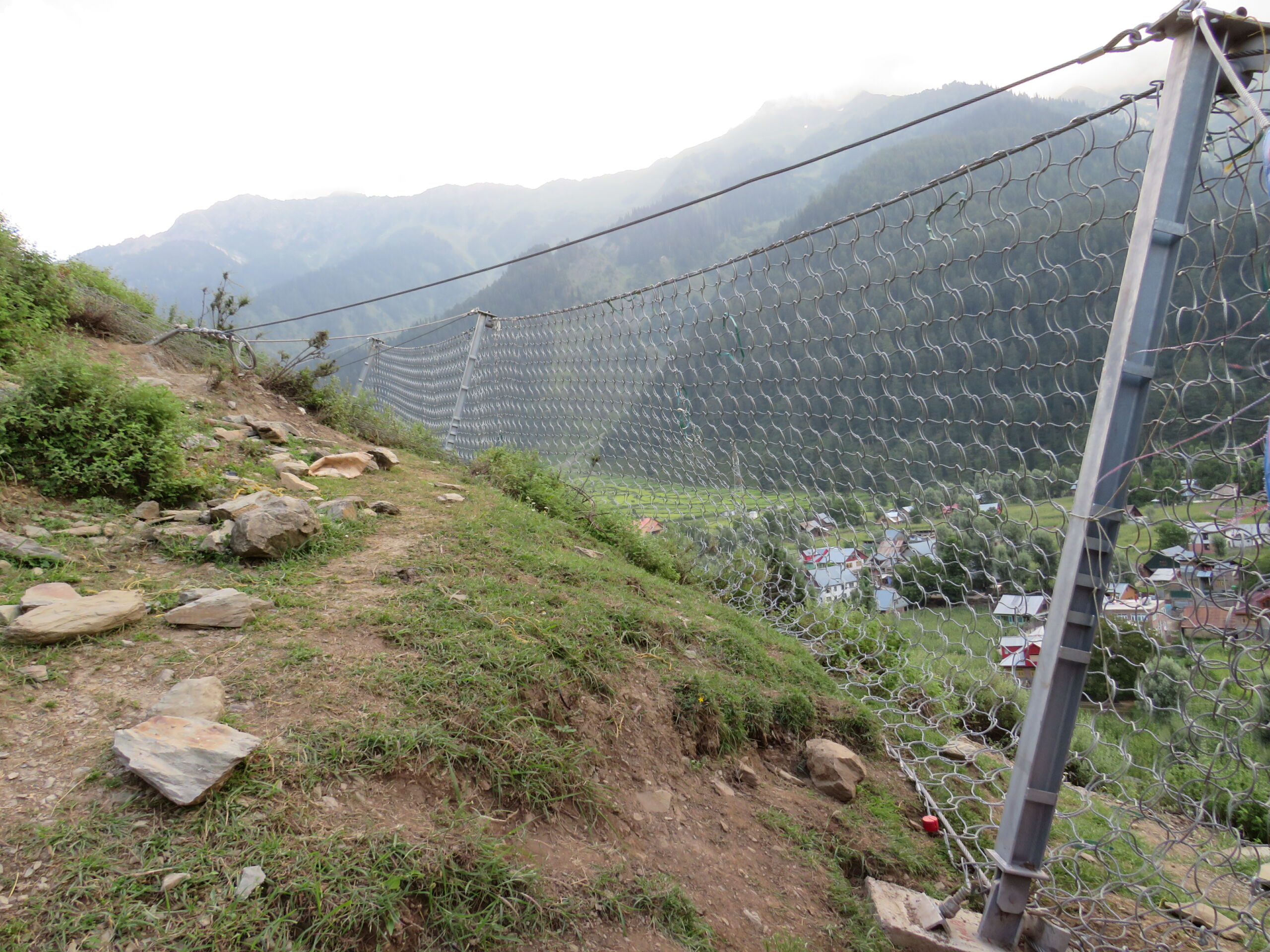
Geoquest’s portfolio provides complementary ways to manage terrain, strengthen ground, create crossings and accommodate infrastructure within developed or developing areas.
This flexibility helps integrate new uses into challenging sites while responding to spatial, geotechnical and architectural constraints, from residential neighborhoods and logistics developments to public facilities and recreational environments.