Oil and gas pipelines, water mains, power cables and telecommunication lines often have to cross rivers, estuaries, harbours and the seabed. Once in the water, they are exposed to currents, waves, anchors, fishing gear and shifting sediment, all of which can damage or displace them.
Pipe protection keeps these networks in place and shields them from harm. A damaged pipeline can release hydrocarbons or chemicals into the water, and a broken cable can interrupt power or communications. Reliable protection helps prevent both, and keeps the networks in service for decades.
Threats to pipelines and cables in water
- Impact from human activity
Anchors, dredging, fishing gear and vessel traffic can strike or drag exposed lines.
- Scour and seabed mobility
Currents and waves remove the sediment around and under pipes, leaving unsupported spans.
- Displacement and flotation
Hydrodynamic forces and buoyancy can lift, move or bend pipelines that are not properly held down.
- Crossings between networks
Where a new line crosses an existing one, both must be kept apart and protected from contact.
- Difficult installation conditions
Works take place underwater, often in limited weather windows and with poor visibility.
- Environmental consequences
Any leak or failure can pollute the water and the shoreline, and interrupt essential services.
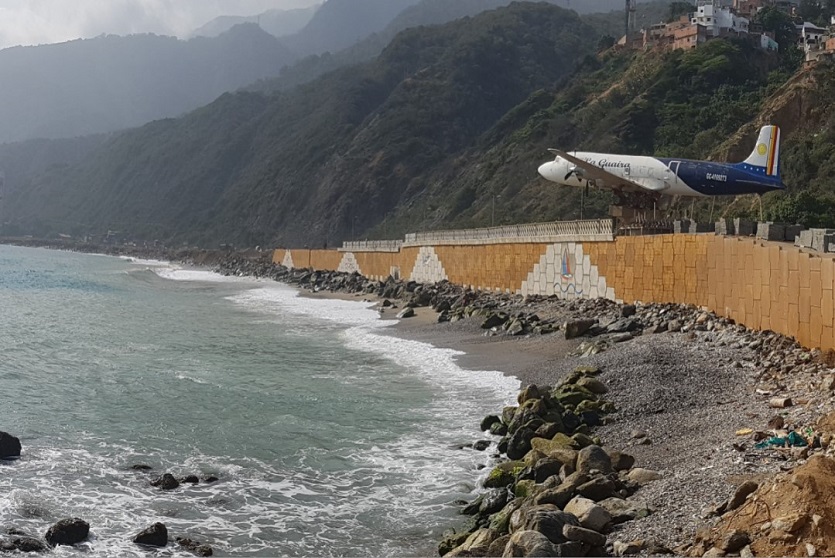
Shielding submerged networks from impact and scour
Pipe protection places a flexible, heavy and durable cover over or around a pipeline or cable. The cover adds weight to hold the line in place, spreads impact loads, and prevents currents from scouring the surrounding seabed or riverbed. Because it follows the shape of the bed and of the line, the protection stays in contact even when the ground moves slightly.
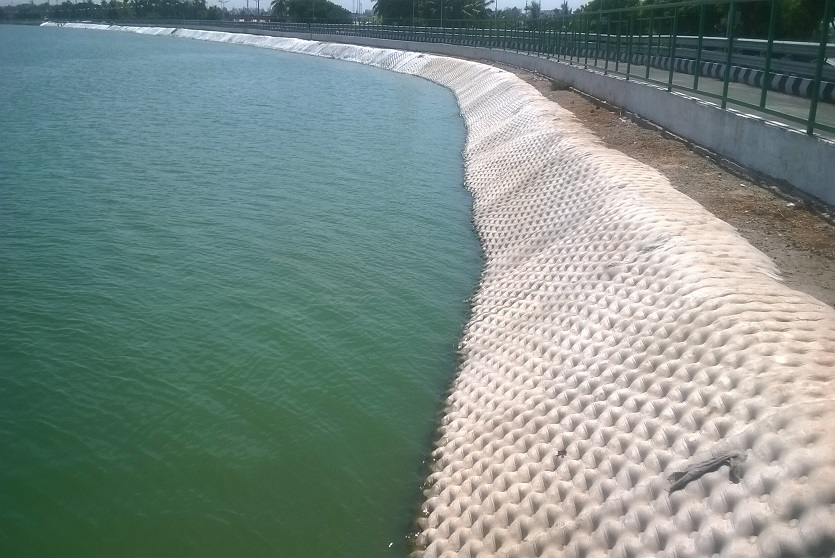
Fabric Formed Concrete Mattresses are widely used for this purpose. They are laid over the line and moulded to its profile, forming a continuous protective layer. Geotextile containers and bags filled with sand or grout, from the Geosynthetics plus range, offer a complementary option for local support, filling of free spans or temporary protection during works.
Pipe protection is used on offshore pipelines and export cables, river and estuary crossings, harbour and port areas, and at shore approaches where networks pass from land to sea.
Pipe protection scenarios
- Covering and stabilization
Protective layers laid along the line to add weight, resist currents and shield it from impact.
- River and waterway crossings
Protection of pipelines and cables buried or laid across riverbeds, canals and estuaries.
- Network crossings
Separation and protection layers placed where a new pipeline or cable crosses an existing one.
- Scour and free-span control
Local support and fill under or around lines where the bed has been eroded.
- Shore approaches
Protection where networks pass through the surf zone and intertidal area between land and sea.

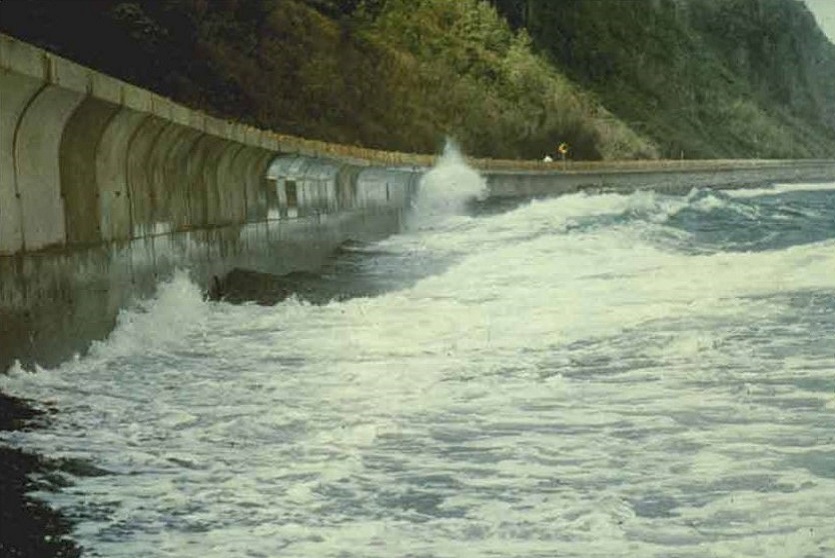
Sizing protection for pipelines and cables
- Hydrodynamic conditions: Current velocity, wave action and water depth set the weight and stability required.
- Impact threats: The likelihood and type of impacts, from anchors, fishing gear or dredging, define the level of protection.
- Bed conditions: Sediment type, mobility and scour potential guide the extent of the protection and the need for edge treatment.
- Pipeline or cable characteristics: Diameter, flexibility and allowable loads limit the weight and stiffness of the cover.
- Crossing geometry: Separation distance and angle between networks determine the layout of protection at crossings.
- Installation method: Water depth, vessel access and weather windows affect the size of units and how they are placed.
- Inspection and maintenance: Access for future surveys and repairs may influence the type of cover selected.
- Service life and environment: Exposure to salt water and the required design life set durability requirements.