Rising sea levels and more frequent storms are pushing shorelines back and putting coastal populations, roads and developed land at risk. Coastal protection holds the line between land and sea. It reduces wave impact, prevents flooding from storm surges and stops the loss of land to erosion.
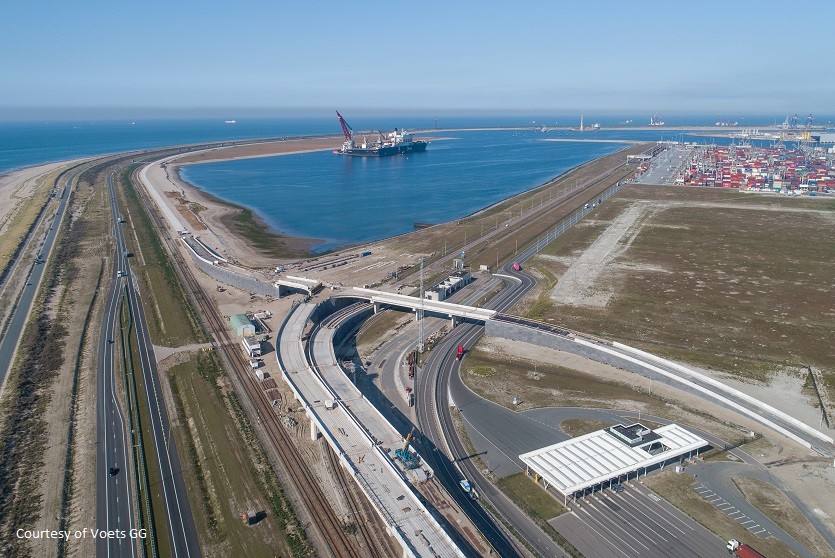
Restoration completes this protection. It rebuilds damaged or eroded shorelines and stabilizes them for the long term. Projects range from defending exposed city fronts and coastal roads to protecting low-lying land, estuaries and marina basins.
Pressures acting on exposed shorelines
- Wave impact and storm surges
Repeated wave action and extreme storm events put heavy, cyclic loads on coastal structures.
- Shoreline erosion
Currents and littoral transport progressively remove sediment from beaches and banks.
- Tidal variations
Rapid changes in water level create pressure differences between the structure and the retained soil.
- Aggressive marine environment
Salt water, brackish estuaries and floating debris test the durability of materials.
- Limited land and access
Waterfronts are often densely developed, and works may need to be carried out close to or below water.
- Climate uncertainty
Structures must remain effective as sea levels and storm intensity continue to rise.
Defending and rebuilding the coastline
Coastal protection combines structures that work at different points of the shoreline. Some form a fixed boundary between land and sea, others reduce wave energy before it reaches the coast, and others control sediment movement along the beach. A single project often combines several of these functions.
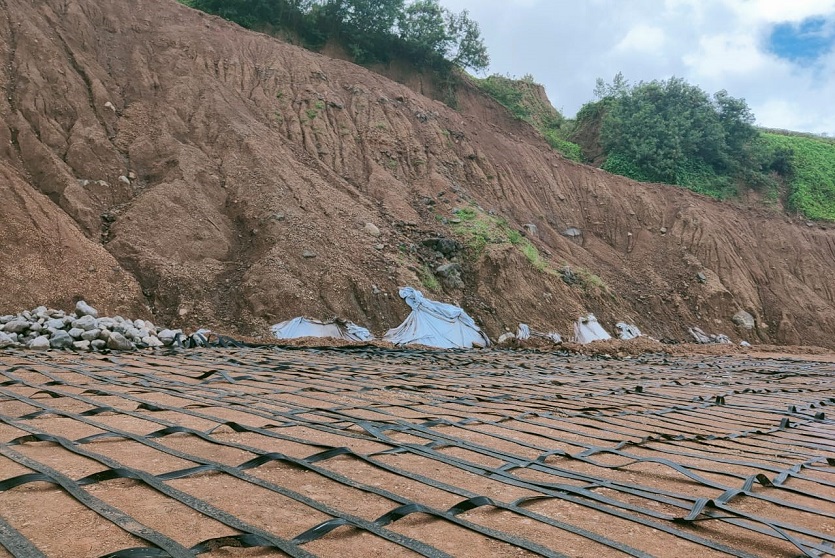
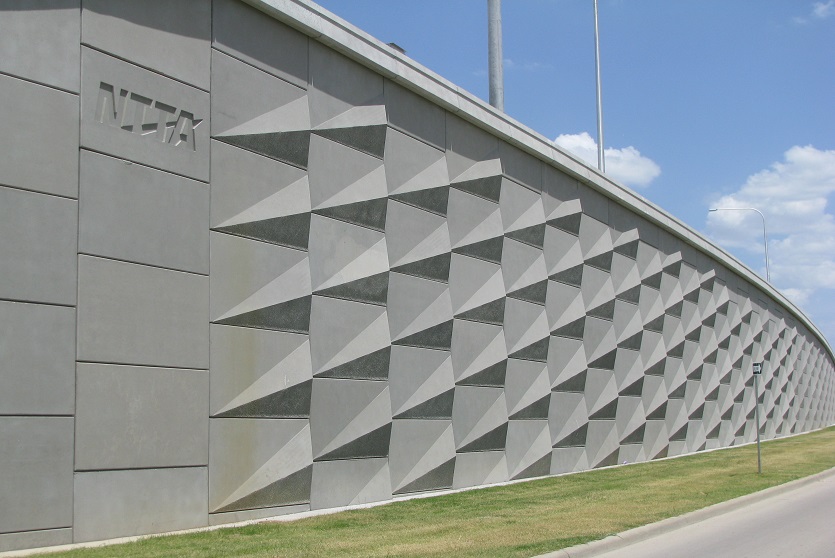
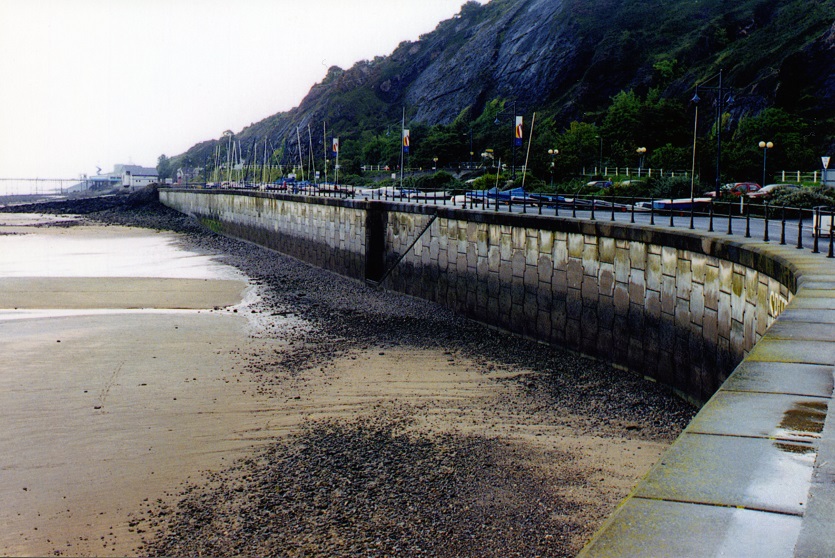
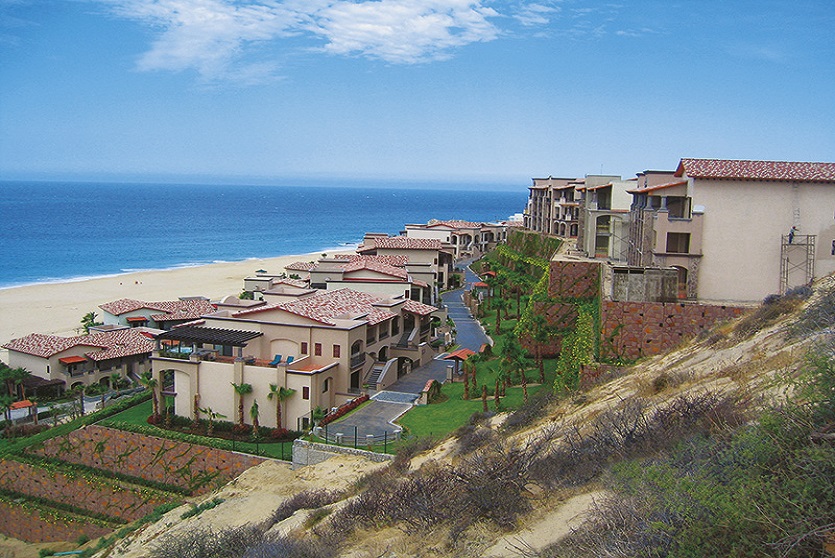
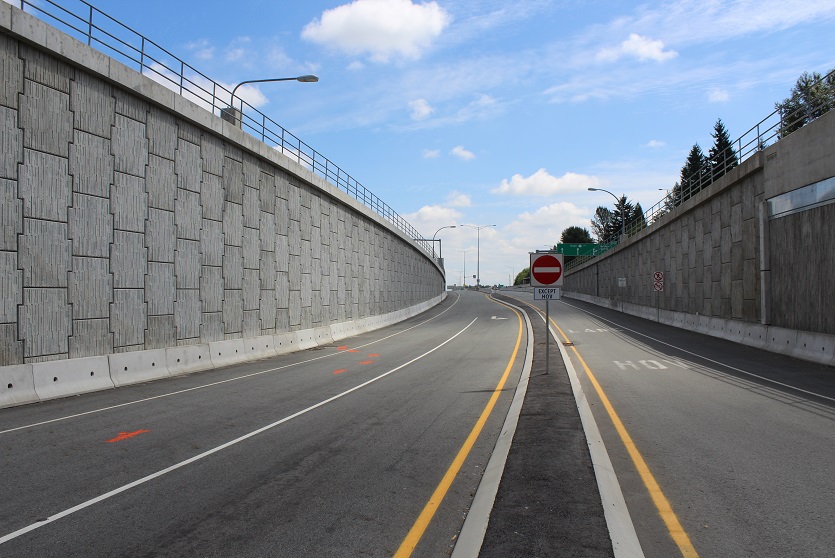
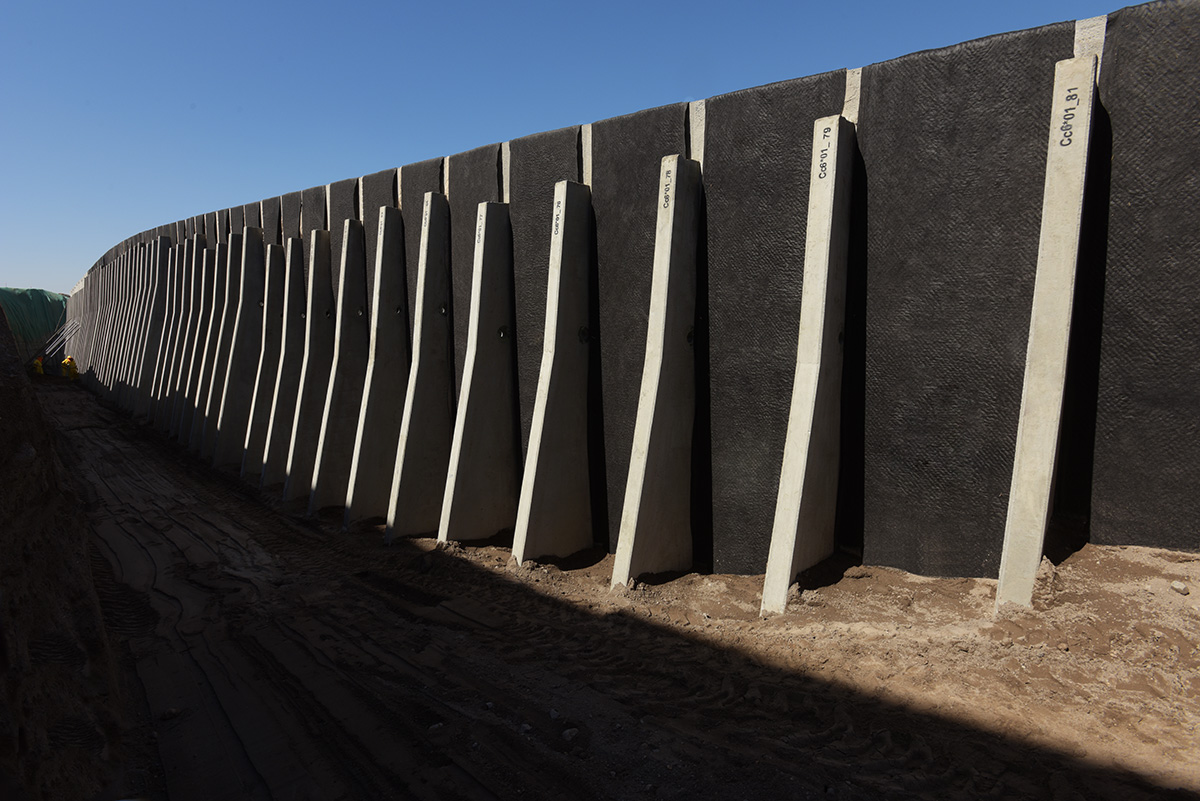
Vertical structures are preferred where land is scarce, such as exposed city fronts or coastal roads. Reinforced backfill walls such as Reinforced Earth walls and abutments, or precast walls such as T-Wall and TechWall, retain the land and resist wave action within a narrow footprint.
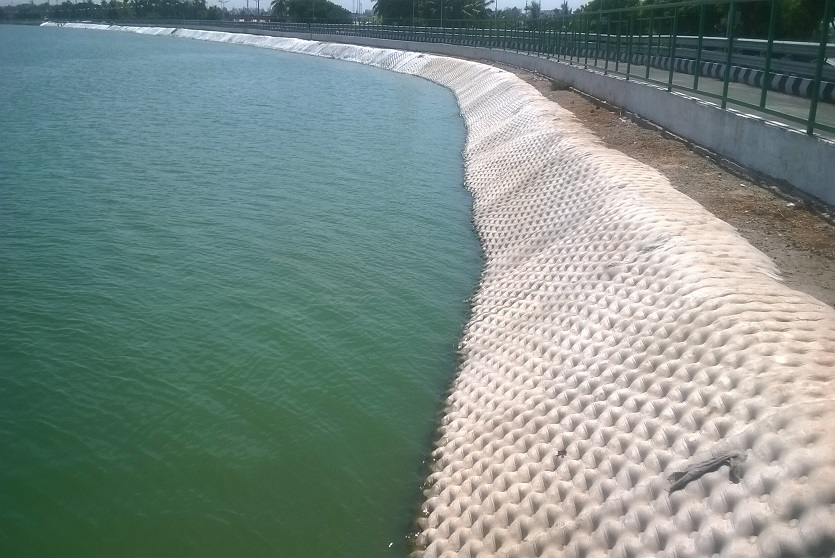
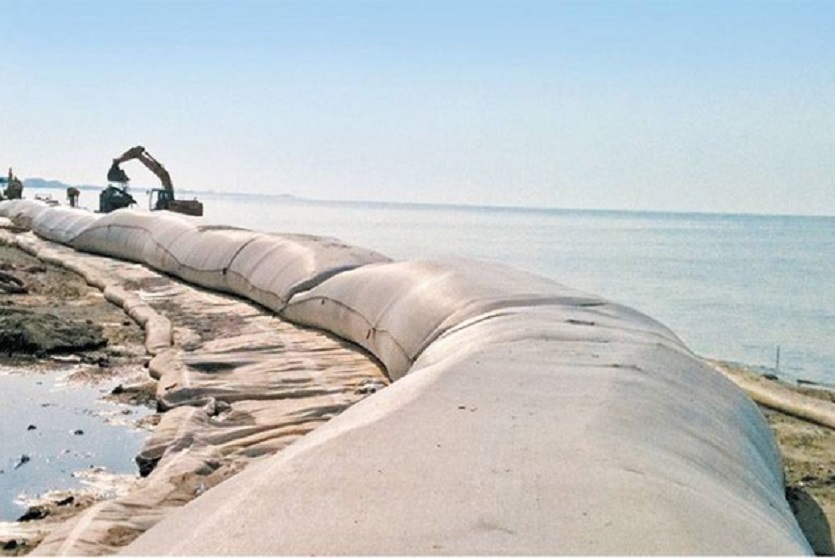
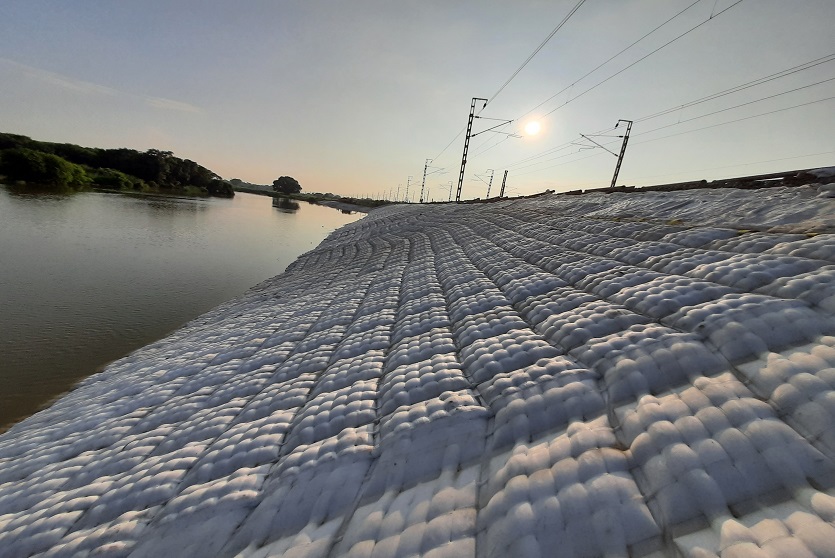
For low-lying coastal land, dykes built around geotextile tubes filled with local material offer a soft alternative to rock or concrete. In areas exposed to strong currents, revetments such as Fabric Formed Concrete Mattresses armour the slope and the toe against scour.
Coastal defence structures
- Sea walls
Vertical or near-vertical walls that protect waterfronts and coastal infrastructure from waves and storm surges.
- Bulkheads
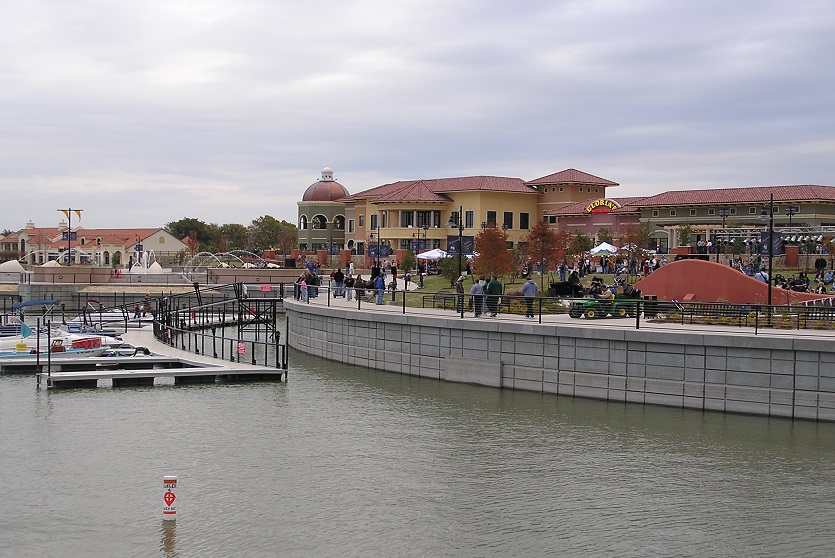
Retaining structures that hold back the land and define a clear edge between land and water, often in estuaries and marinas.
- Dykes
Embankments that protect low coastal land from flooding caused by tides, wave run-up and storm surges.
- Groynes and breakwaters
Structures built perpendicular or parallel to the shore to control sediment transport and reduce wave energy.
- Revetments
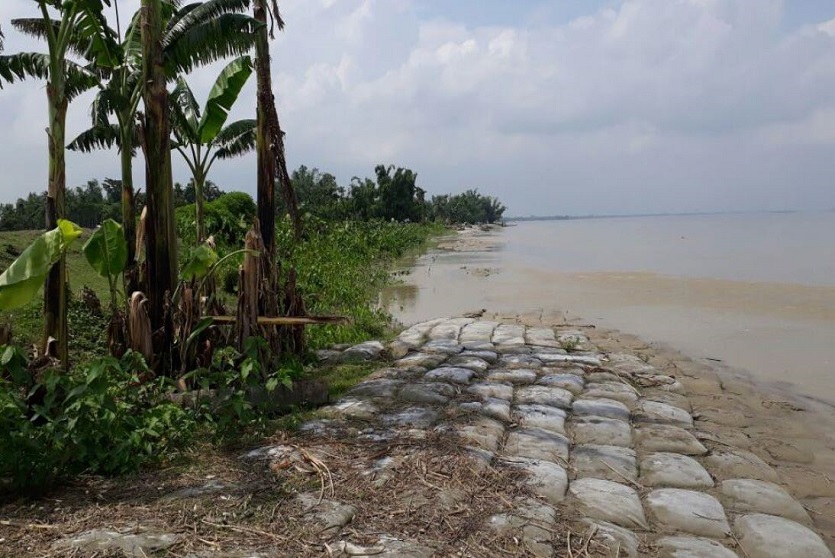
Armouring layers placed on slopes and banks to protect them against wave and current erosion.
Site data that shapes coastal protection design
- Wave climate and storm events: Design wave height, storm surge levels and overtopping limits set the height and resistance of the structure.
- Tidal range: Large or rapid water level changes require free-draining backfill and controlled pressure behind the structure.
- Sea level rise: The design life and future water levels determine crest height and the ability to raise the structure later.
- Seabed and foundation conditions: Soft marine soils and scour at the toe affect stability and the need for toe protection.
- Material durability: Salt water and brackish environments influence the choice of reinforcements, concrete and geosynthetics.
- Available land and construction access: Space on the waterfront and the possibility of working below water guide the choice between vertical walls, dykes and sloped revetments.
- Sediment dynamics: Littoral transport must be considered so that the protection does not move erosion further along the coast.
- Environmental and visual integration: Coastal works often have to meet strict environmental requirements and fit into sensitive landscapes.