When two routes meet, or when a road or railway has to cross a river or a valley, one of them often has to rise above the other. Overpasses and bridges create this elevated crossing. Traffic moves over the obstacle while the route, watercourse or landscape below stays open.
A bridge deck is only one part of the crossing. Approach ramps, embankments and the structures supporting each end determine how much land the crossing takes, how fast it can be built and how smoothly traffic moves from the ground onto the bridge.
What elevated crossings demand on site
- Raising the alignment
The route must climb to the required clearance height and come back down within the space available.
- Land take of approach ramps
Conventional sloped embankments on each side of the bridge can occupy a large footprint, especially in urban areas.
- Clearance below
The road, railway, river or corridor underneath must keep the height and width it needs.
- Building around live traffic
Interchanges and rail crossings are often built while the existing networks stay open.
- Landscape and ecological continuity
New infrastructure can cut natural areas in two, and authorities increasingly require crossings that restore these links.
- Fast delivery
Ends of bridges and approaches are frequently on the project’s critical path.


Lifting routes over roads, rivers and landscapes
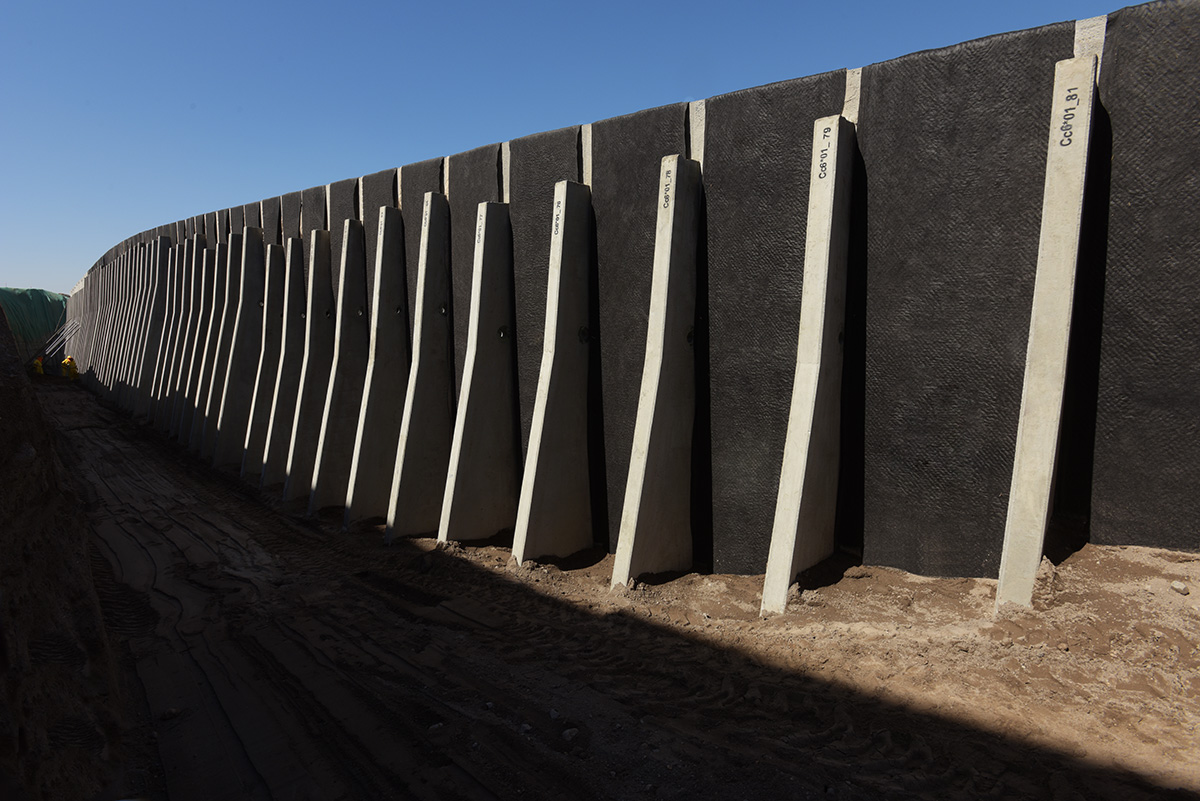
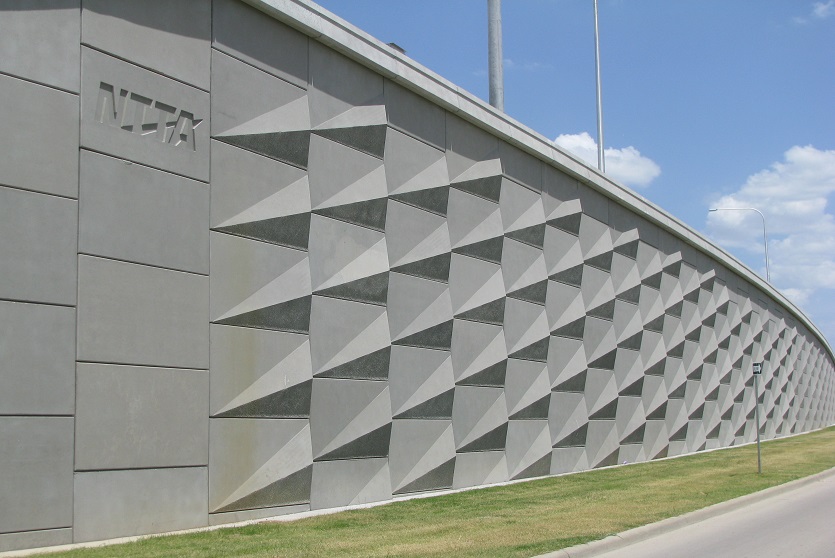
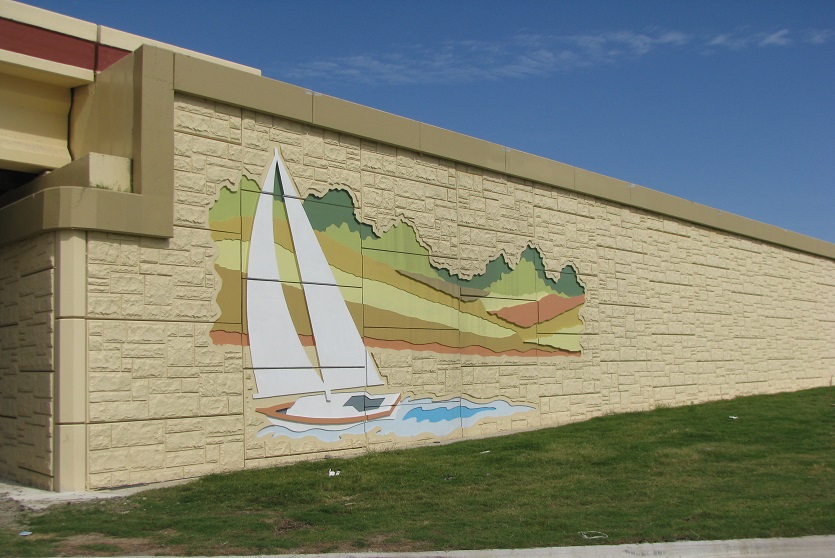
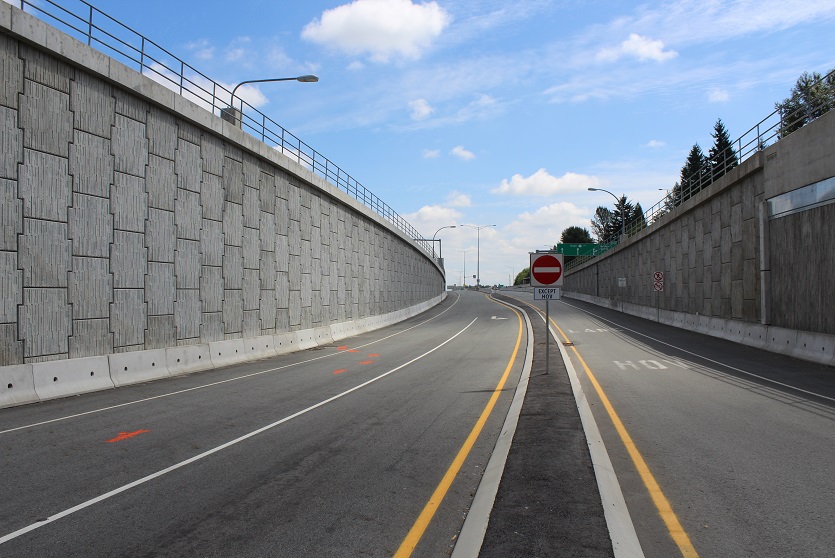
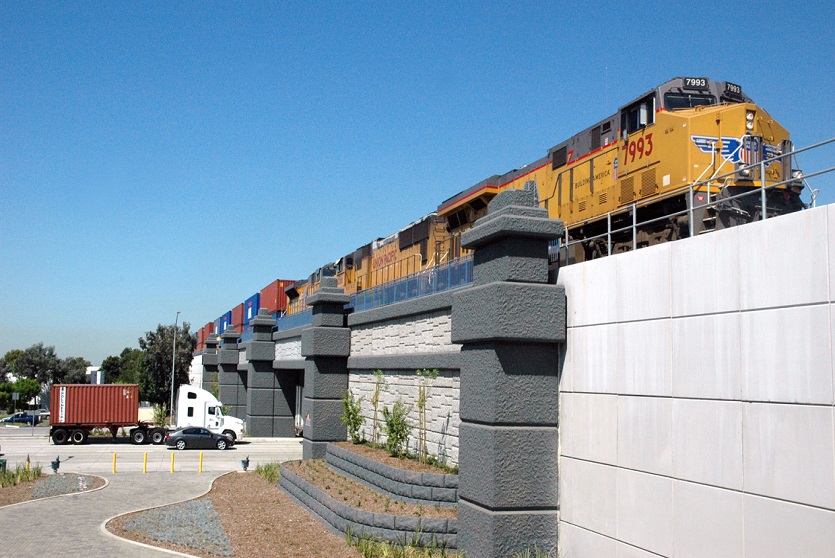
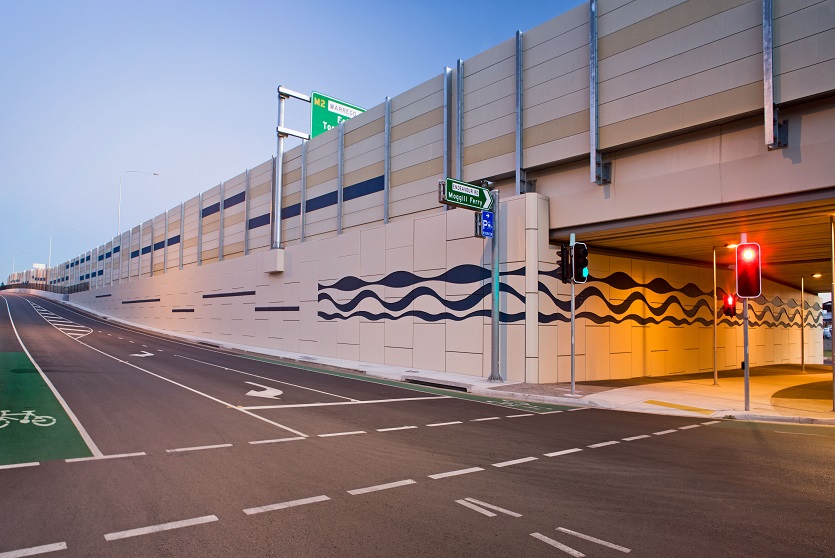
An overpass combines a span over the obstacle with earth structures that bring the route up to deck level. At each end, the bridge rests on an abutment, and the approach embankment links the deck to the ground. Building these approaches with vertical faces rather than slopes saves land and shortens ramps. Reinforced Earth walls and abutments, T-Wall and TechWall are commonly used for this purpose, with facings from the Architectural finish range for visible walls.
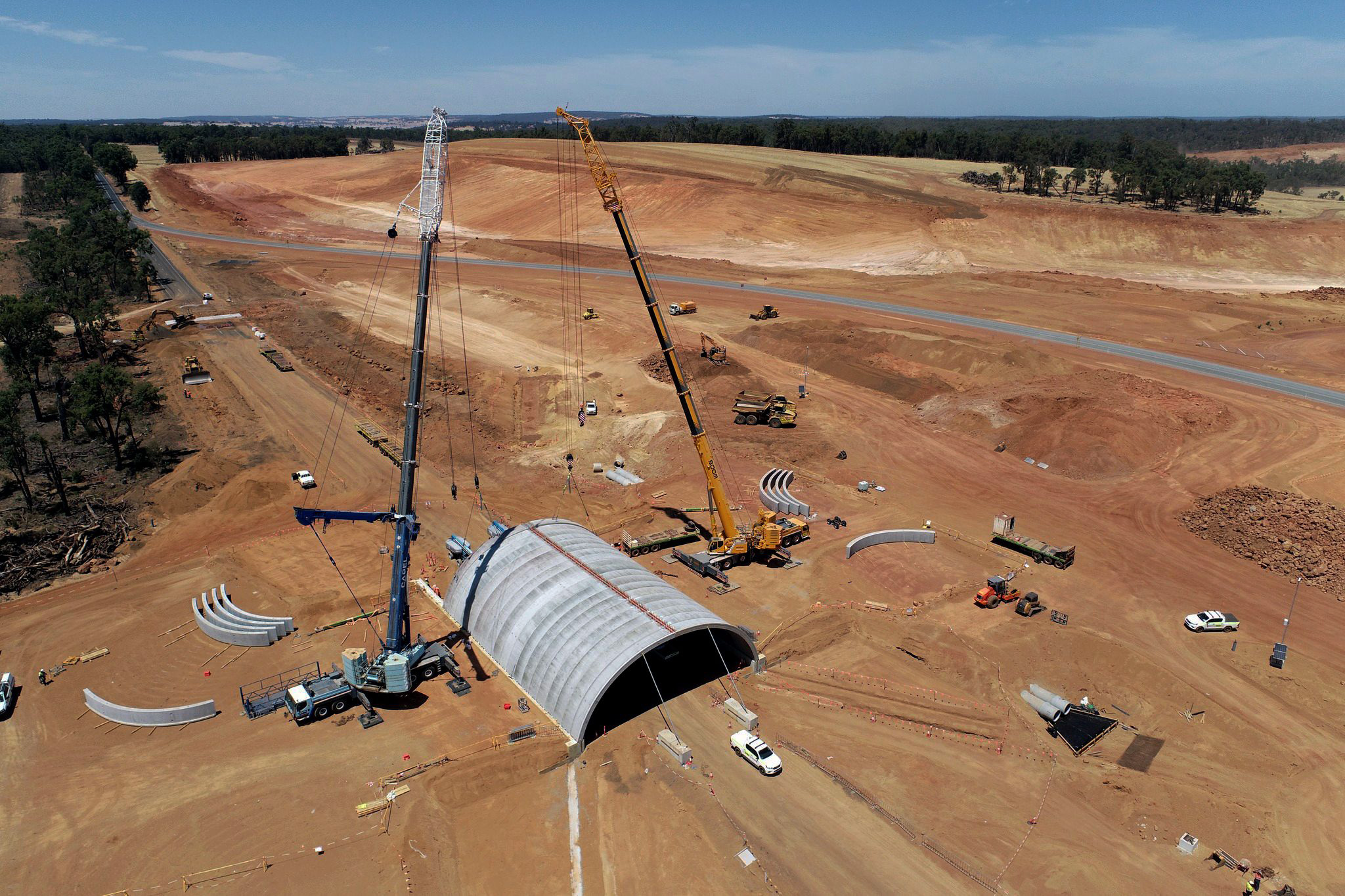
Some overpasses are designed for nature rather than traffic. Green overpasses carry soil and vegetation over a road or railway so that animals can cross safely. They are often formed by precast arches such as TechSpan, covered with earth and planted to recreate a continuous habitat.
Depending on their purpose, elevated crossings fall into two main applications: bridge abutments and wildlife crossings.
Overpass and bridge applications
Abutments form the ends of a bridge, where the deck meets the approach embankment. They are found on motorway interchanges, railway overpasses, river crossings and access bridges on industrial sites.
Wildlife crossings reconnect habitats divided by roads and railways. Green overpasses carry a strip of vegetated land over the infrastructure, guiding animals across without contact with traffic.

Points to settle early when planning an overpass
- Purpose of the crossing: Traffic or wildlife, the answer sets the width, the surface above and the type of structure.
- Clearance to provide: The height and width needed by the road, railway, river or corridor below.
- Length and slope of the approaches: The vertical rise to achieve and the gradient allowed for traffic.
- Space on each side: Whether the approaches can be built as sloped embankments or need vertical walls.
- Interfaces with the deck: How the ends of the bridge connect to the approach fill.
- Works sequence: Traffic to keep open, construction phases and the time available.
- Visual and environmental fit: How the crossing blends into urban, rural or natural surroundings.