At each end of a bridge, the abutment does two jobs at once. It carries the loads coming from the deck down to the foundation, and it holds back the approach embankment that connects the bridge to the road or railway alignment.
Abutments are often built within tight schedules, on restricted footprints and on variable ground. Their performance decides how smooth the transition is between bridge and embankment, so it directly affects traffic flow, safety and maintenance throughout the life of the bridge.
What bridge abutments must withstand
- Combined vertical and lateral loads
The structure must carry bridge reactions and retain the approach fill without excessive deformation.
- Settlement at the bridge-embankment transition
Differential settlement between deck and approach fill creates the well-known “bump at the end of the bridge”.
- Dynamic and heavy loading
Railway traffic, heavy industrial vehicles and braking forces put repeated stress on the abutment.
- Limited right-of-way
Urban sites and existing infrastructure often leave little space for wide footings or sloped approaches.
- Construction speed and staging
Abutments are frequently on the critical path and must be built quickly, sometimes while traffic is maintained.
- Long service life
Bridge ends must stay stable and durable for decades with minimal intervention.




How bridge abutments work
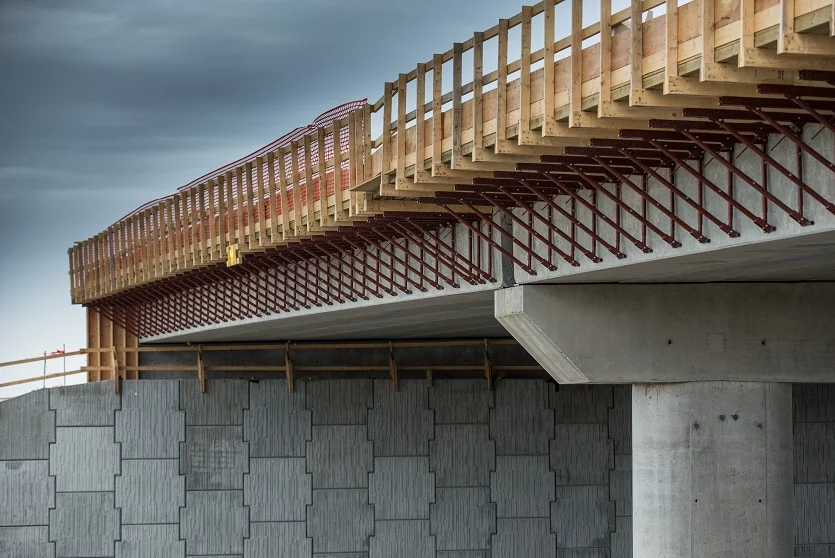
A bridge abutment forms the interface between the bridge structure and the ground. It receives the vertical reactions from the deck, through bearings or a monolithic connection, and transfers them to a footing. At the same time, it retains the approach embankment, usually with wing walls or return walls on each side.
Abutments built with reinforced backfill, such as Reinforced Earth walls and abutments, have become a standard alternative to conventional cantilever or piled concrete abutments.
The approach fill becomes a structural element: it can support the bridge seat directly or simply provide earth retention around a piled foundation. This flexibility makes it possible to adapt the abutment to the ground conditions instead of oversizing the foundation.
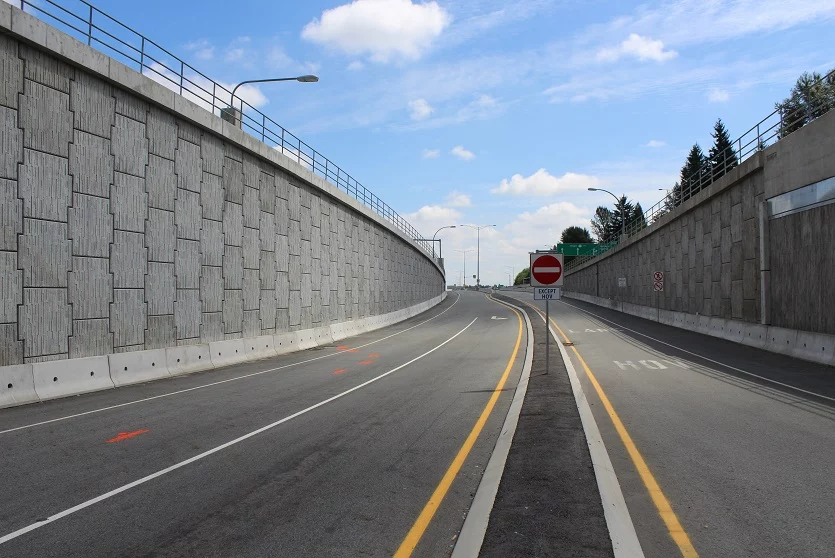
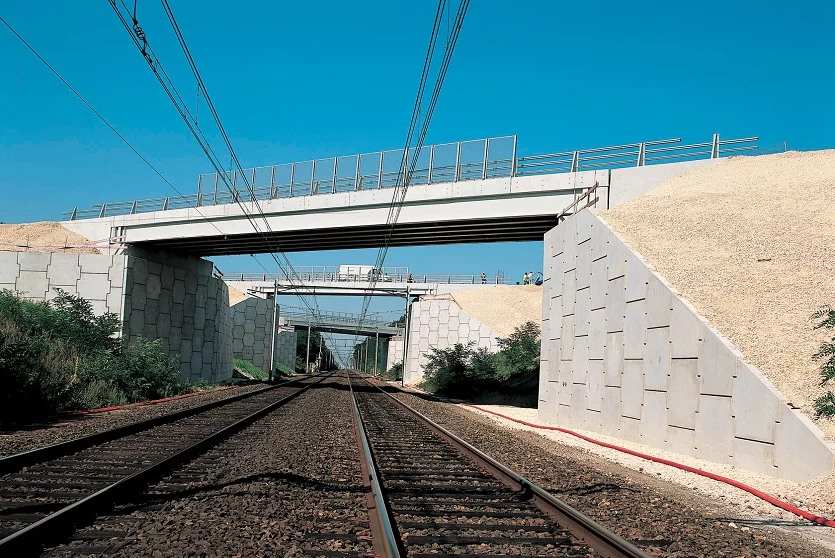
This approach is used for road and railway overpasses, interchanges, river crossings and access structures on industrial sites, for both temporary and permanent works.
Abutment types
- True abutments
The bridge seat rests on a spread footing placed directly on the reinforced fill, without piles. This is the most economical configuration where foundation soils are competent.
- Mixed abutments
The bridge is founded on a piled footing, and the reinforced fill retains the soil around it. This is the most common configuration, suited to weaker foundation soils or high bridge loads.
- Integral abutments
The deck and abutment act as one monolithic, joint-free structure, with no bearings. Removing expansion joints and bearings reduces long-term maintenance.







What drives bridge abutment design
- Foundation conditions: Bearing capacity and compressibility determine whether a true, mixed or integral abutment is suitable.
- Bridge loads and articulation: Deck span, bearing layout and thermal movements define the forces applied to the abutment seat.
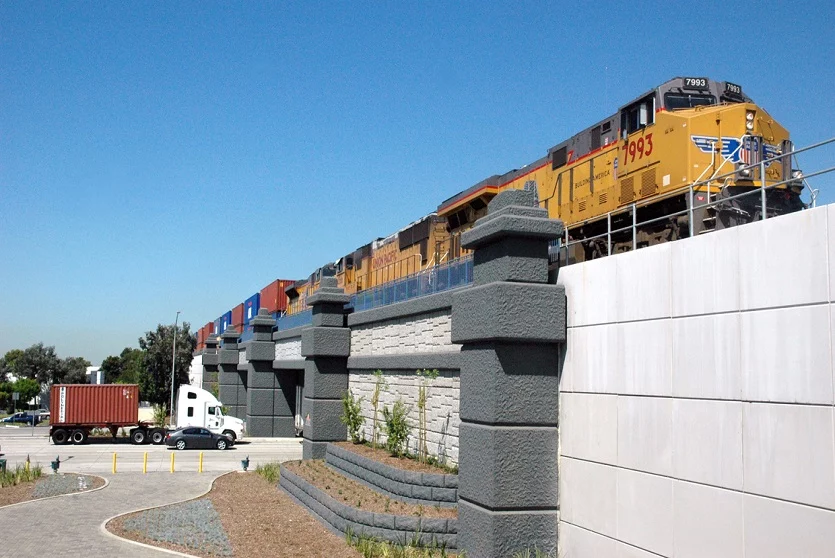
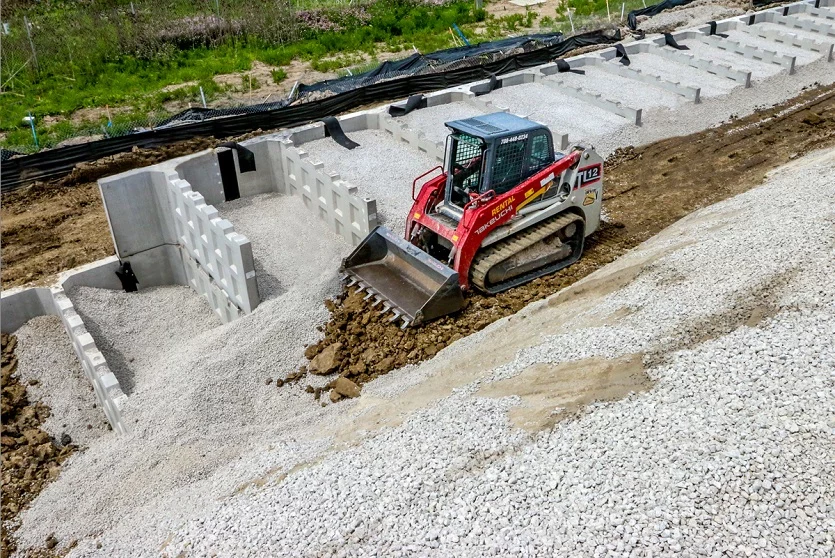
- Traffic type: Road, railway or heavy industrial traffic determines dynamic loads and settlement tolerances. For heavy dynamic loads such as railways, a precast gravity approach like T-Wall is often considered.
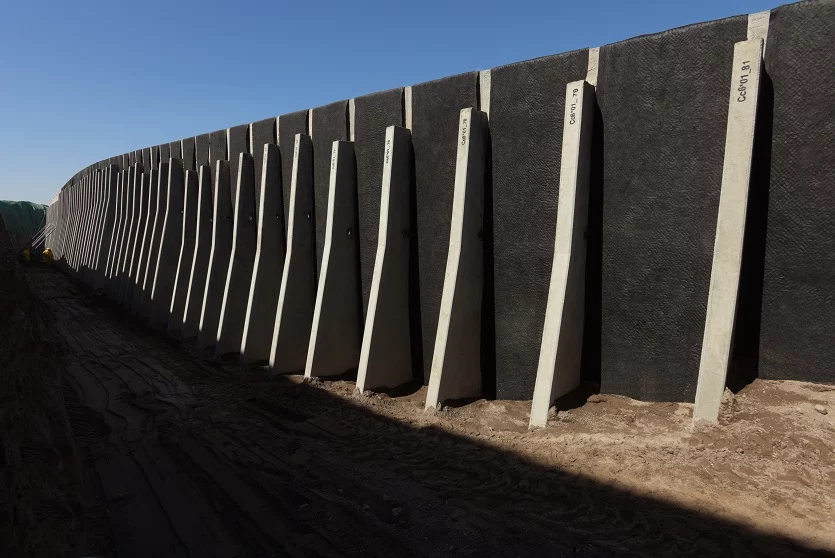
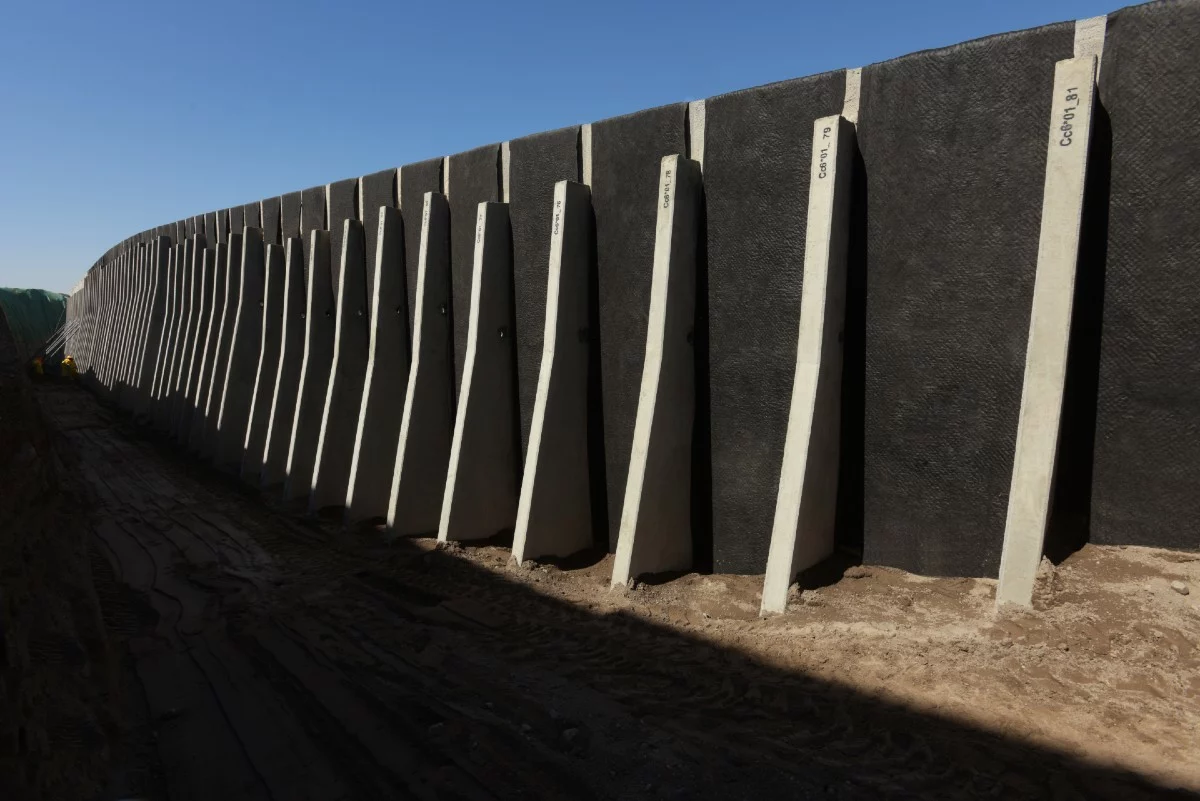
- Geometry and footprint: Abutment height, skew, wing wall layout and available right-of-way constrain the structural form. Where space is very limited, full-height precast counterfort units such as TechWall can reduce the footprint.
- Hydraulic exposure: For river crossings, scour, flood levels and drainage must be addressed.
- Construction sequence: Staging, access, fill availability and schedule affect the choice of structure.
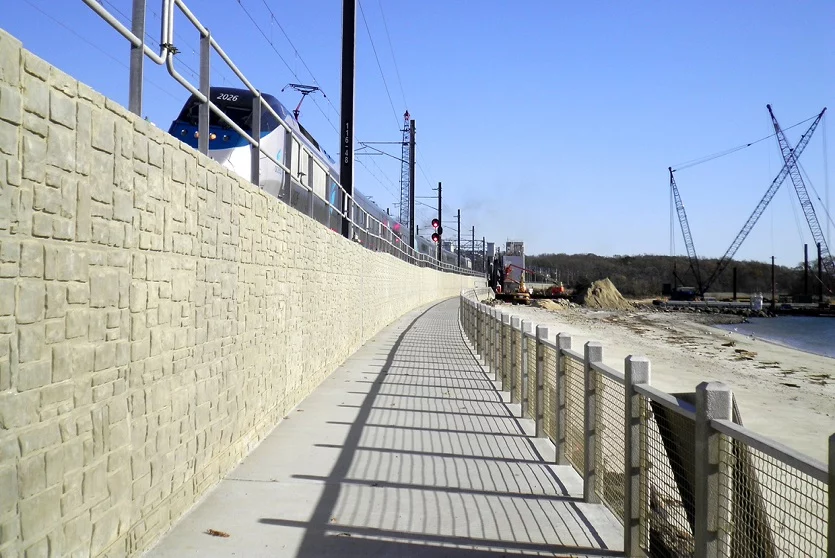
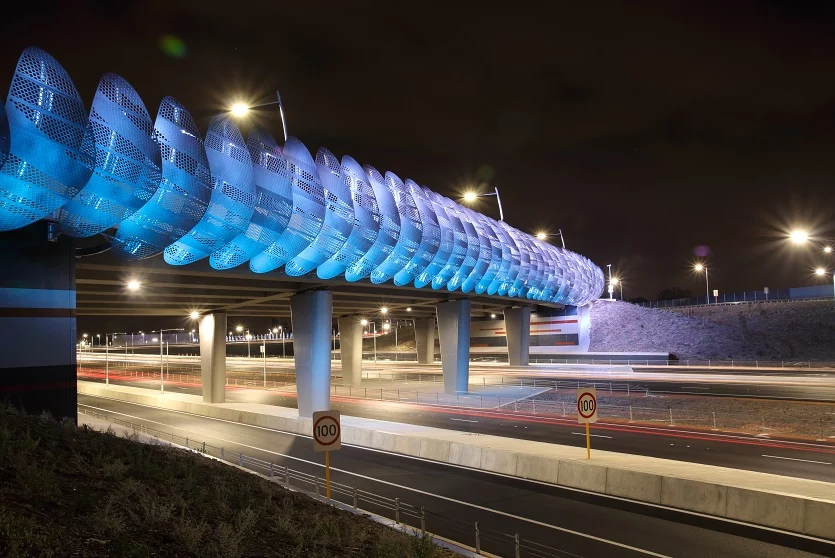
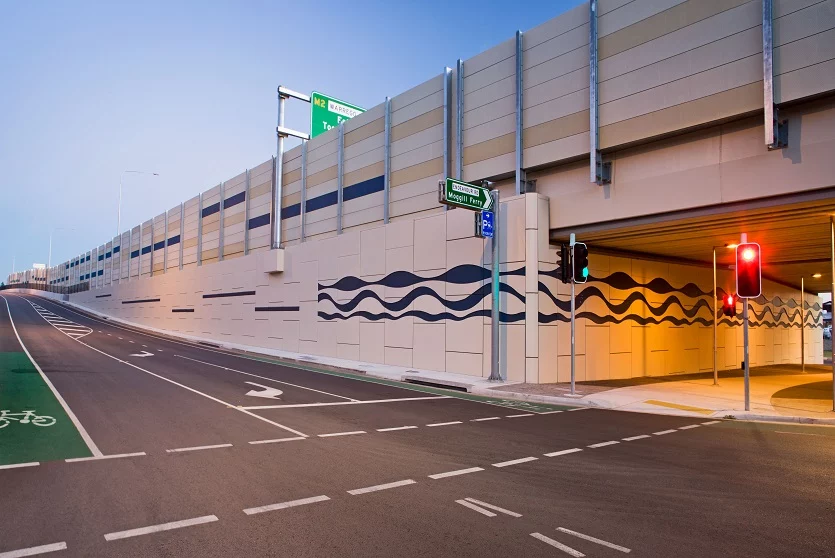
- Appearance: Visible abutment faces in urban or landscaped settings may require a specific Architectural finish.