Building the infrastructure behind seamless airport operations
Airport development relies on the coordination of airside facilities, passenger access, transport connections, service routes and utilities. Geoquest provides solutions for the earthworks and structures needed to integrate these functions within new and existing airport platforms.


More infrastructure within a tightly coordinated environment
An airport extends far beyond its runways and terminals. Taxiways, aircraft aprons, access roads, public transport links, car parks, service areas and underground utilities must work together within a continuously connected environment.
Developing this infrastructure often involves demanding phasing requirements, low overhead clearances, narrow travel paths and complex alignments. Airport works may also need to progress without compromising aircraft movements, passenger circulation or access for essential services.
Capacity expansion adds further pressure. Runway extensions, enlarged aprons and new transport connections must be incorporated into platforms where available land, elevation and existing facilities already influence the possible layout.
Shaping the airport platform
Geoquest solutions can contribute to the different layers of airport infrastructure, from the ground supporting operational areas to the structures carrying passengers, vehicles, services and aircraft.
- Expanding runways and aircraft aprons
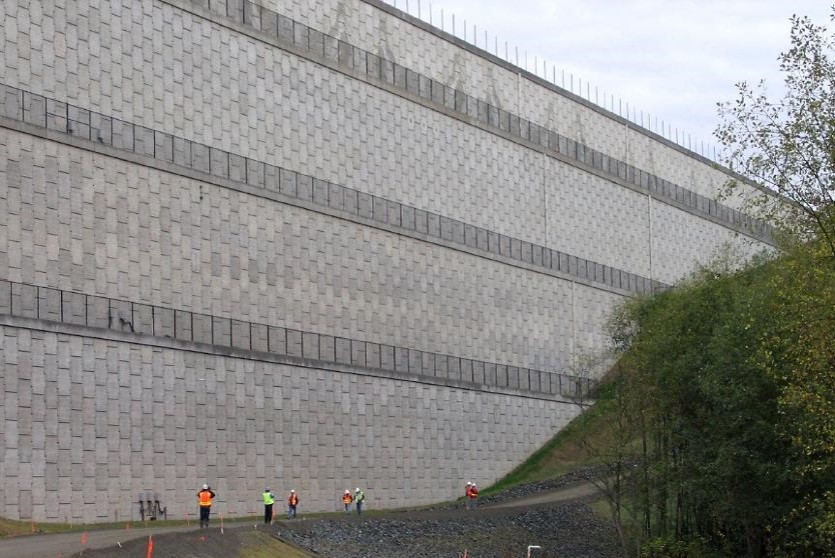
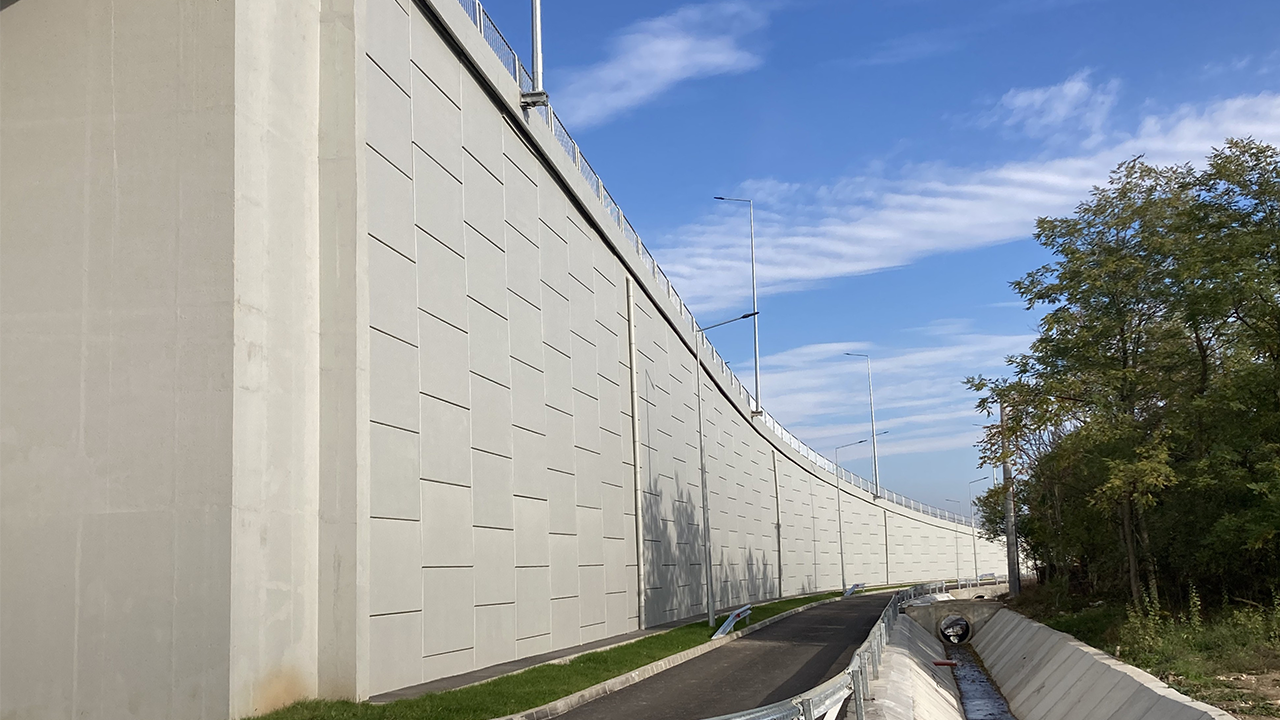
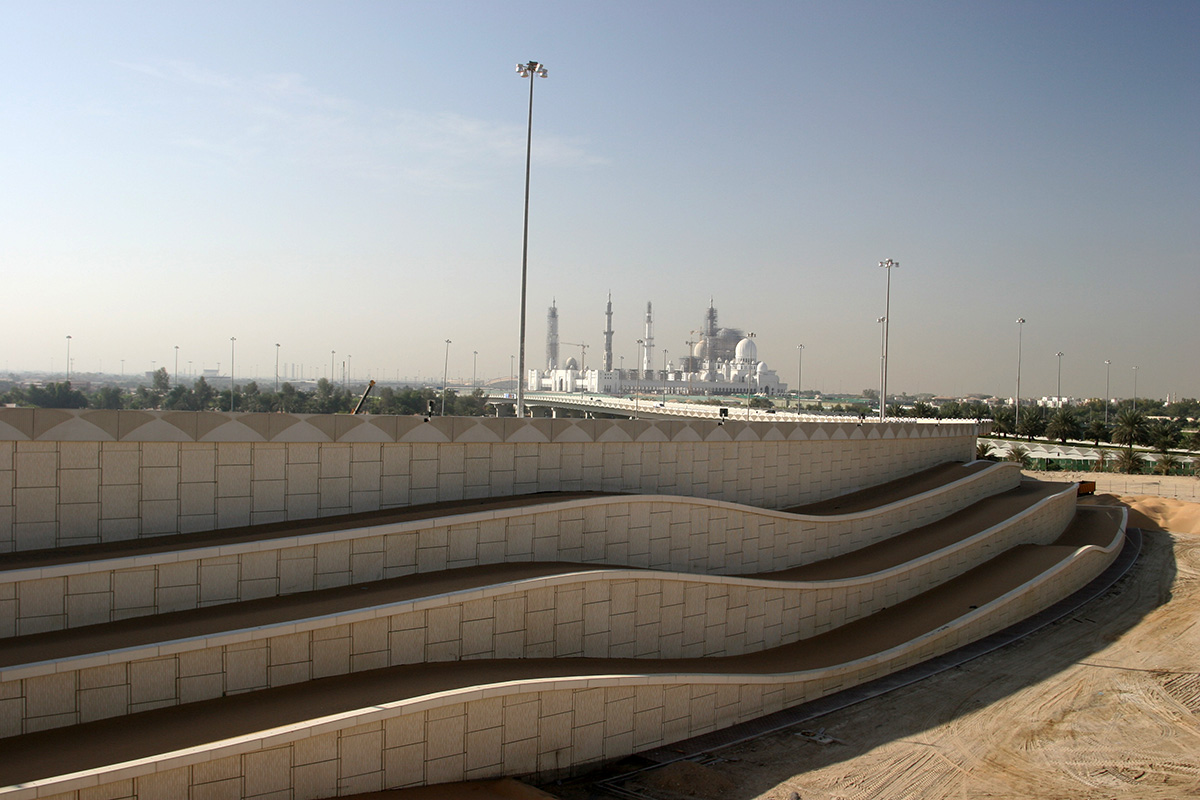
Extending airside areas can require major retained fills, particularly where the airport platform meets steep terrain, restricted land or bodies of water. Reinforced Earth walls and abutments and Reinforced Earth slopes can create the elevation and usable surface required for runway extensions, taxiways and aircraft parking areas.
- Preparing ground for heavily loaded surfaces
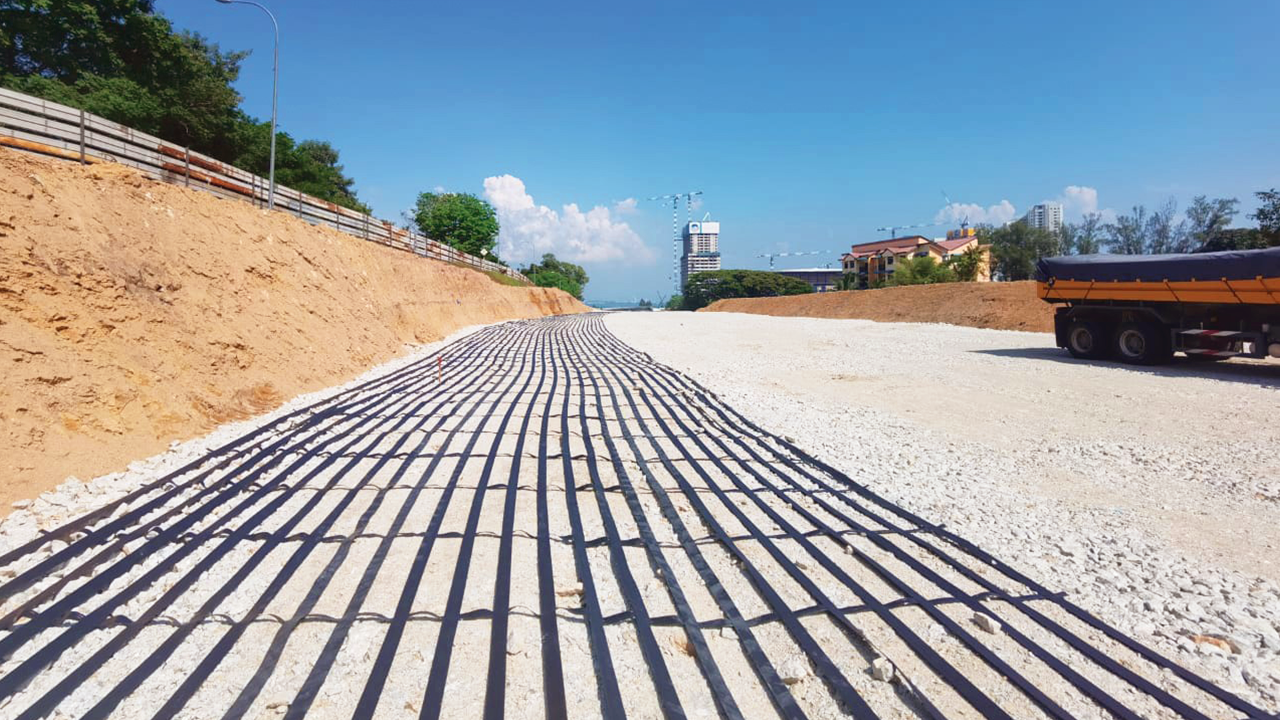
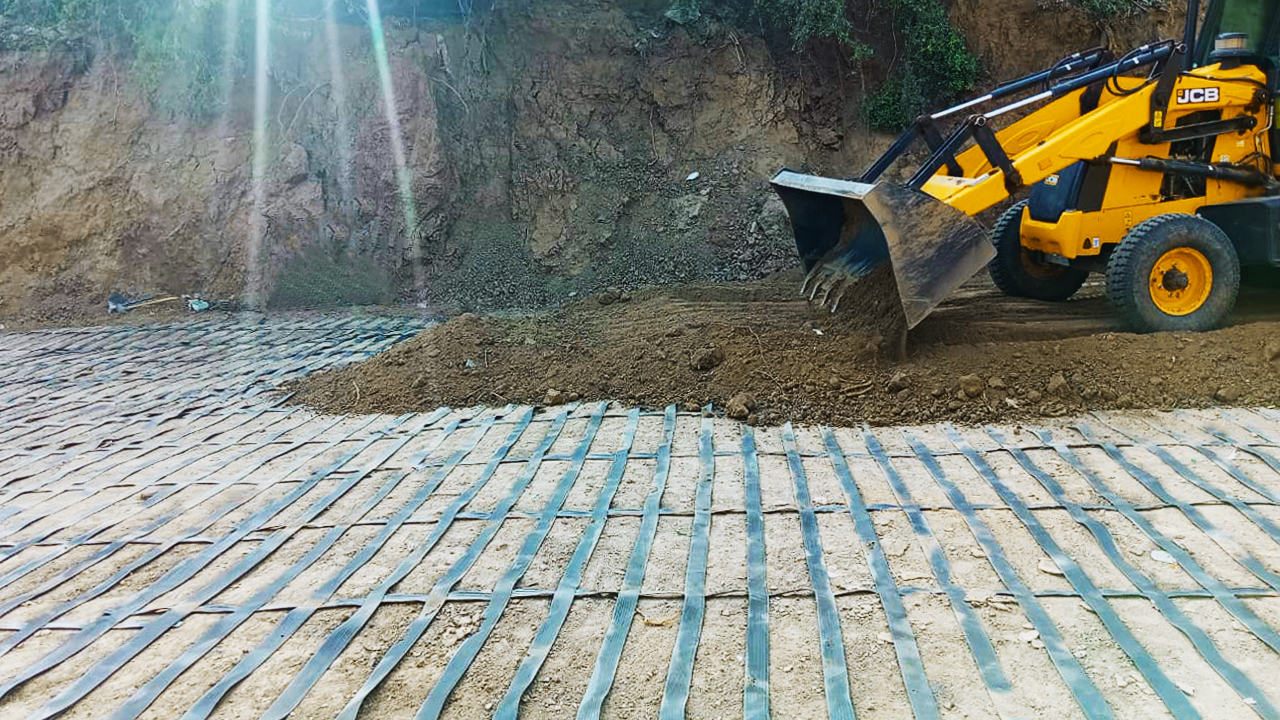
Runways, taxiways and aprons transfer substantial loads to the underlying earthworks. Geosynthetic reinforcement solutions can improve the behaviour of subgrades and embankments where weak soils, settlement or bearing capacity need to be addressed before pavement construction.
- Routing movement below operational areas
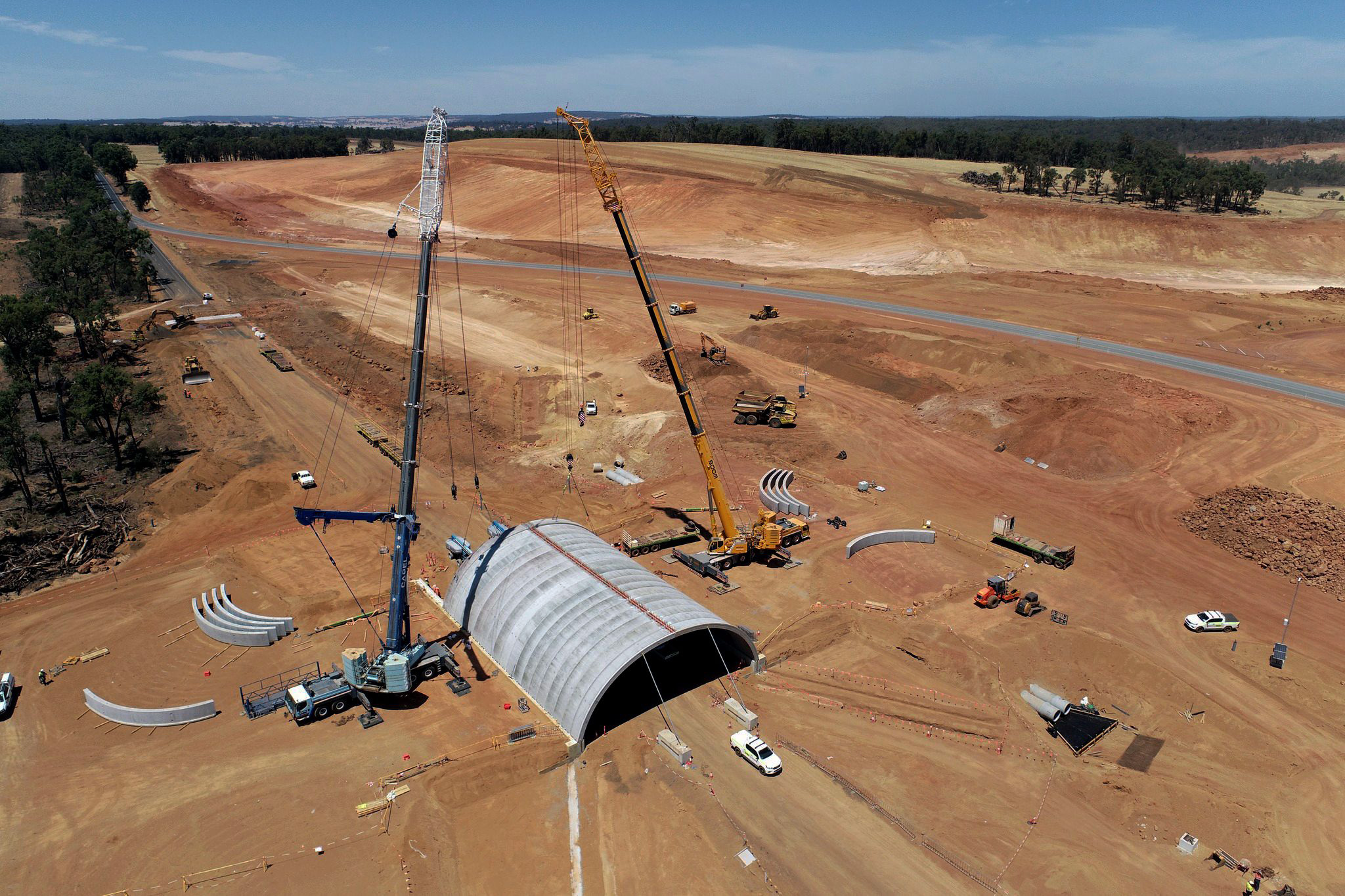
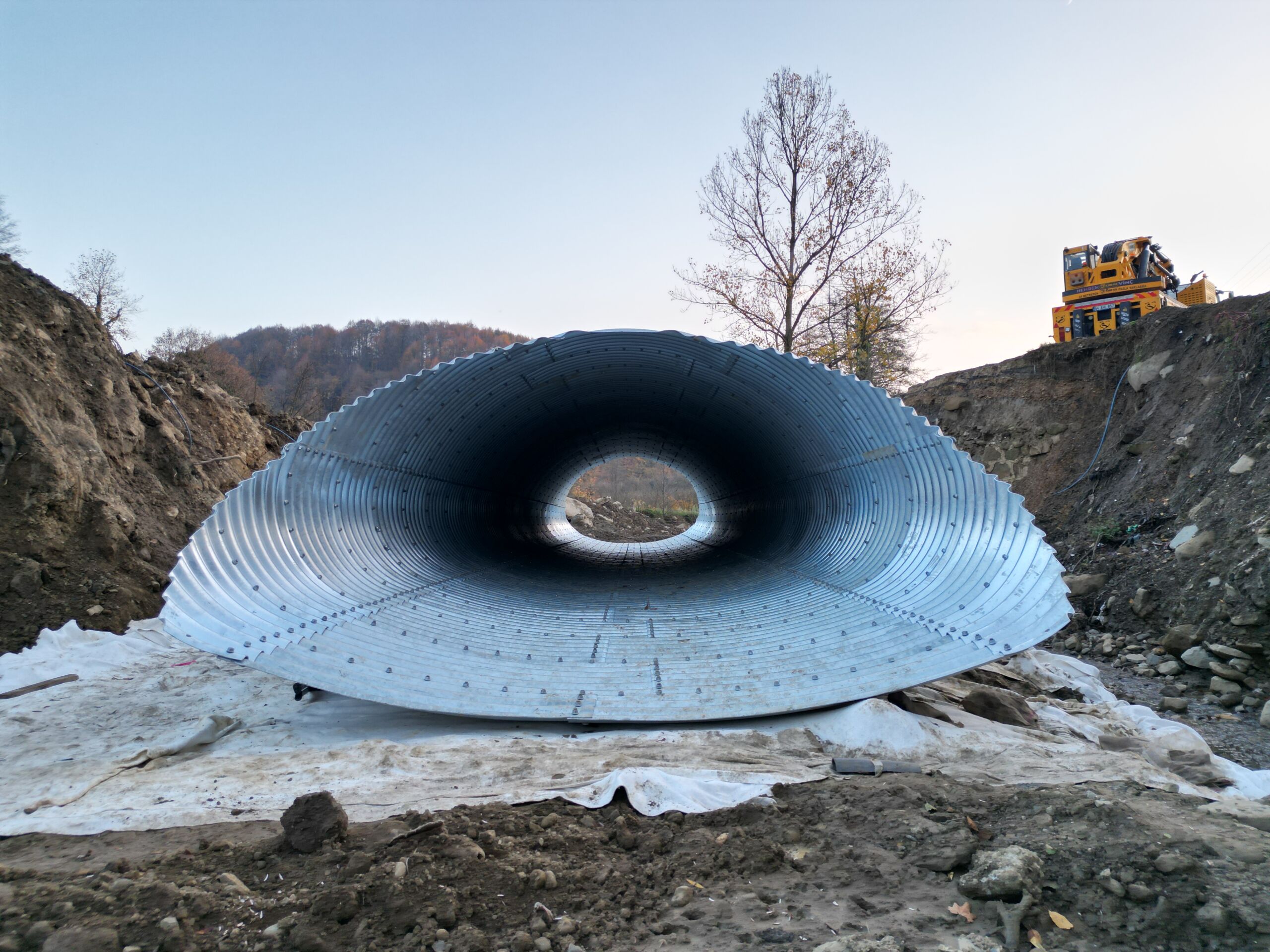
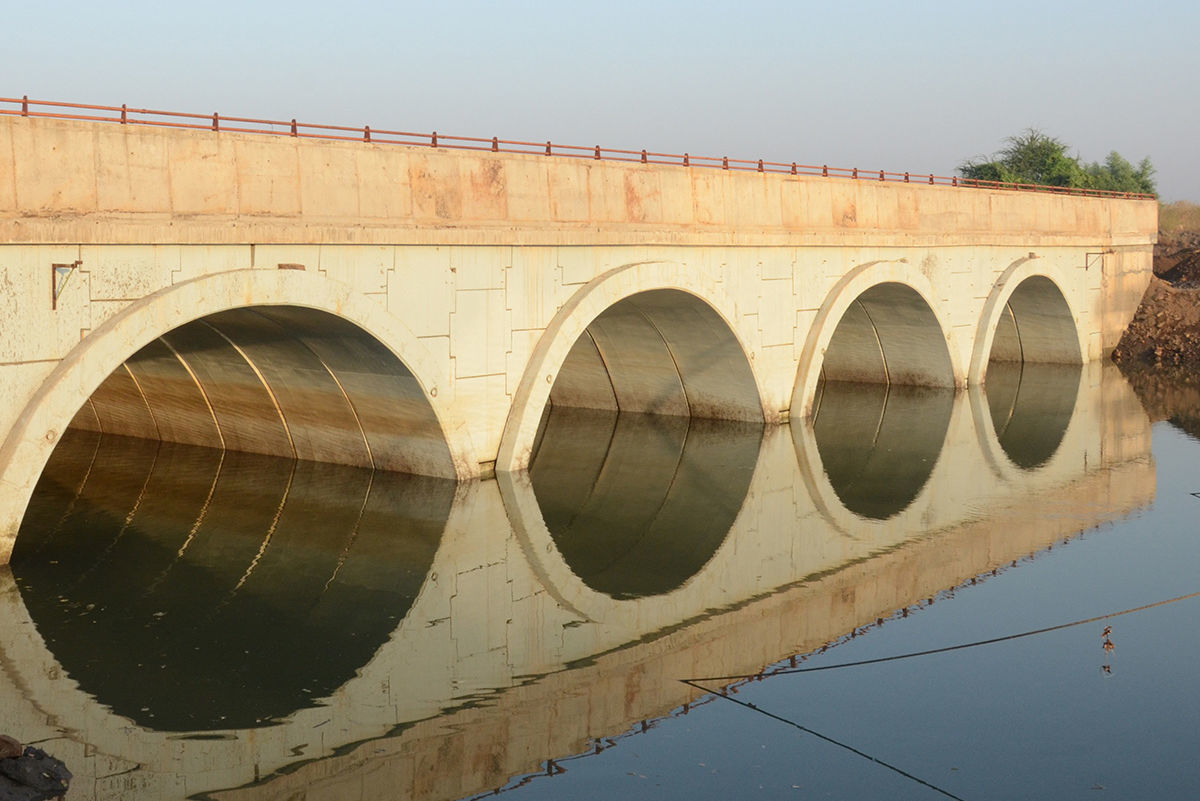
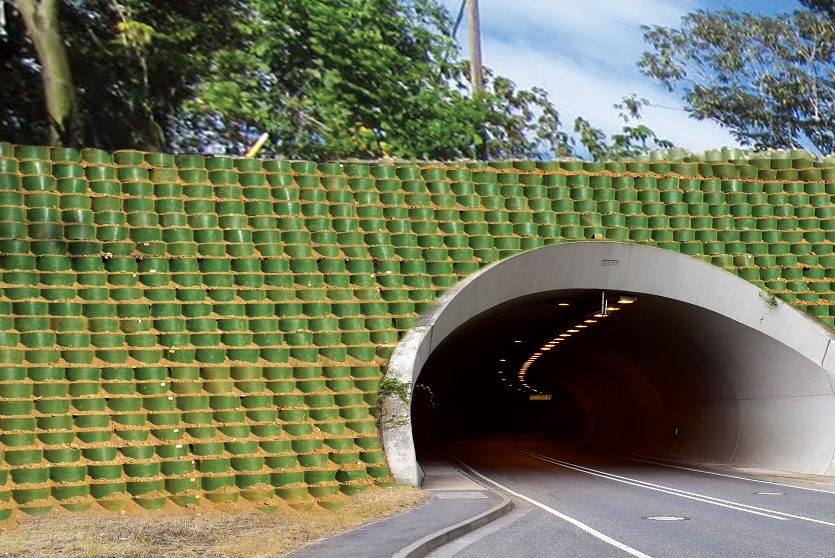
Airport circulation does not take place at a single elevation. Roads, passenger transport, utility corridors and emergency routes may need to pass beneath runways, taxiways or other facilities. Precast arches and boxes like TechSpan and corrugated steel structures provide buried configurations for creating these connections while accommodating clearance, geometry and loading requirements.
- Organising passenger and service access
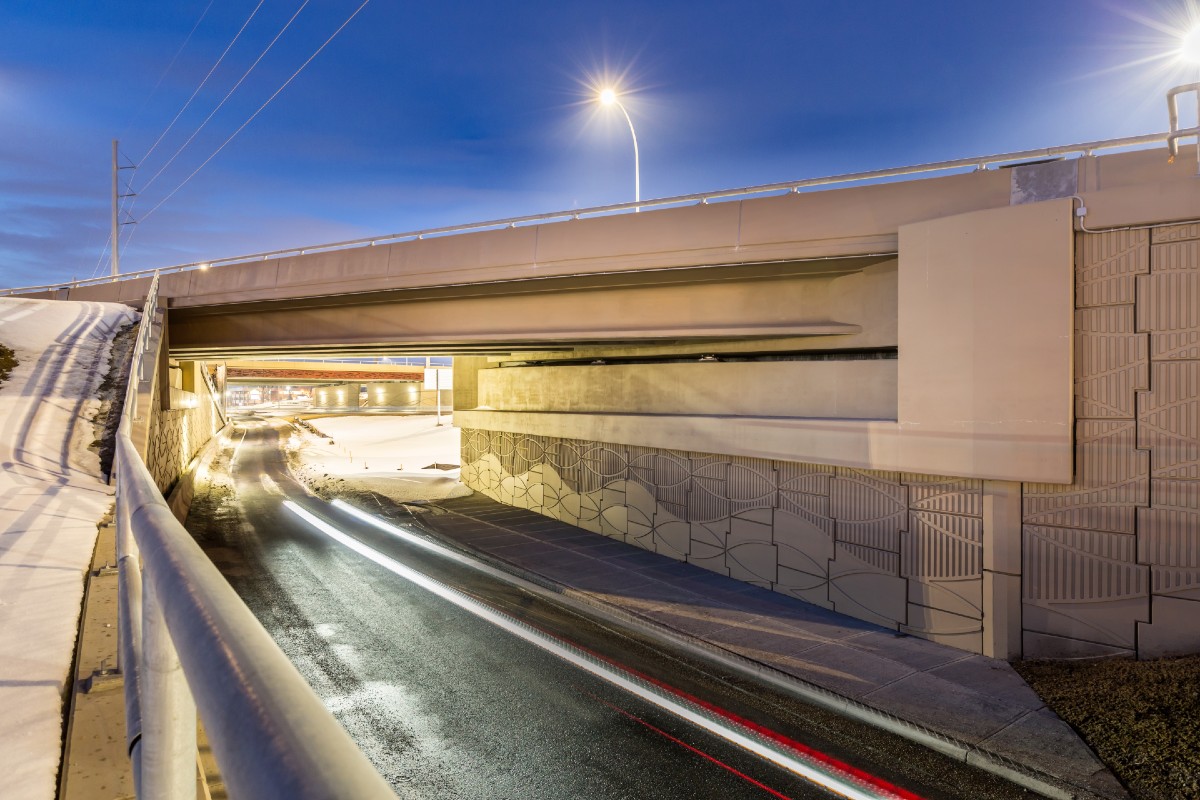
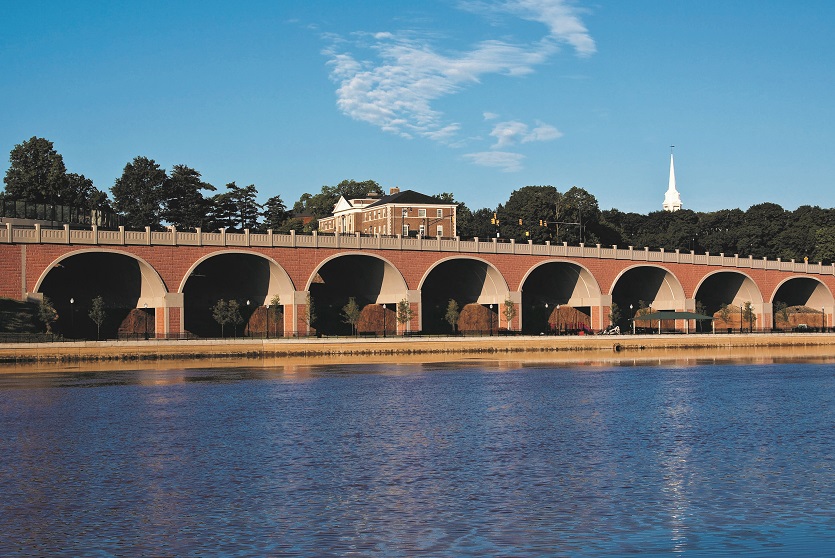
Landside development combines access roads, bridges, ramps, public transport routes and parking infrastructure around terminals and operational buildings. Reinforced Earth walls and abutments and Precast walls like T-Wall or TechWall can be incorporated where these connections require grade separation or retained platforms within a confined area.
- Unlocking capacity within existing airports
Airport expansion may require new infrastructure to be inserted between facilities that remain active. Compact retaining configurations and prefabricated crossing solutions like TechSpan can help use the available footprint while reducing the need – for extensive temporary works and on-site construction activities.
Airport applications



One airport, many interconnected flows
Aircraft, passengers, vehicles, equipment and utilities follow different roads through the same airport environment. The supporting infrastructure must maintain these flows while managing changes in elevation, operational separation and limited available space.
By combining earth-retaining, ground-reinforcement and buried-structure solutions, Geoquest can contribute to multiple parts of the airport platform without approaching each connection as an isolated element.
This versatility is particularly valuable when expanding active airports, where new capacity must be integrated into an established layout and coordinated with the infrastructure already in operation.