Engineered solutions to support the performance and continuity of railway infrastructure
From heavy freight and passenger networks to high-speed rail, Geoquest provides engineered solutions for railway earthworks and structures where load support, deformation control, restricted rights-of-way and operational constraints shape project design.

Engineering for demanding railway environments
Railway projects impose particularly demanding requirements on the interface between the track, earthworks and supporting structures. Heavy and repeated loading, vibrations and deformation must be considered while maintaining the geometry and reliability required for rail operations.
These considerations become especially critical when lines are widened, duplicated or modified within established corridors. Available space can be extremely limited, existing structures may restrict construction, and works may need to be planned around railway traffic.
Grade separations and changes in alignment also introduce requirements for retaining structures, embankments, bridge approaches, underpasses and tunnels, while exposed routes may require dedicated measures against geological and natural hazards.
From railway earthworks to grade separations
Geoquest solutions can be integrated into different parts of railway infrastructure, providing complementary approaches according to the structural, geotechnical and operational requirements of the project.
- Supporting railway embankments and elevated tracks
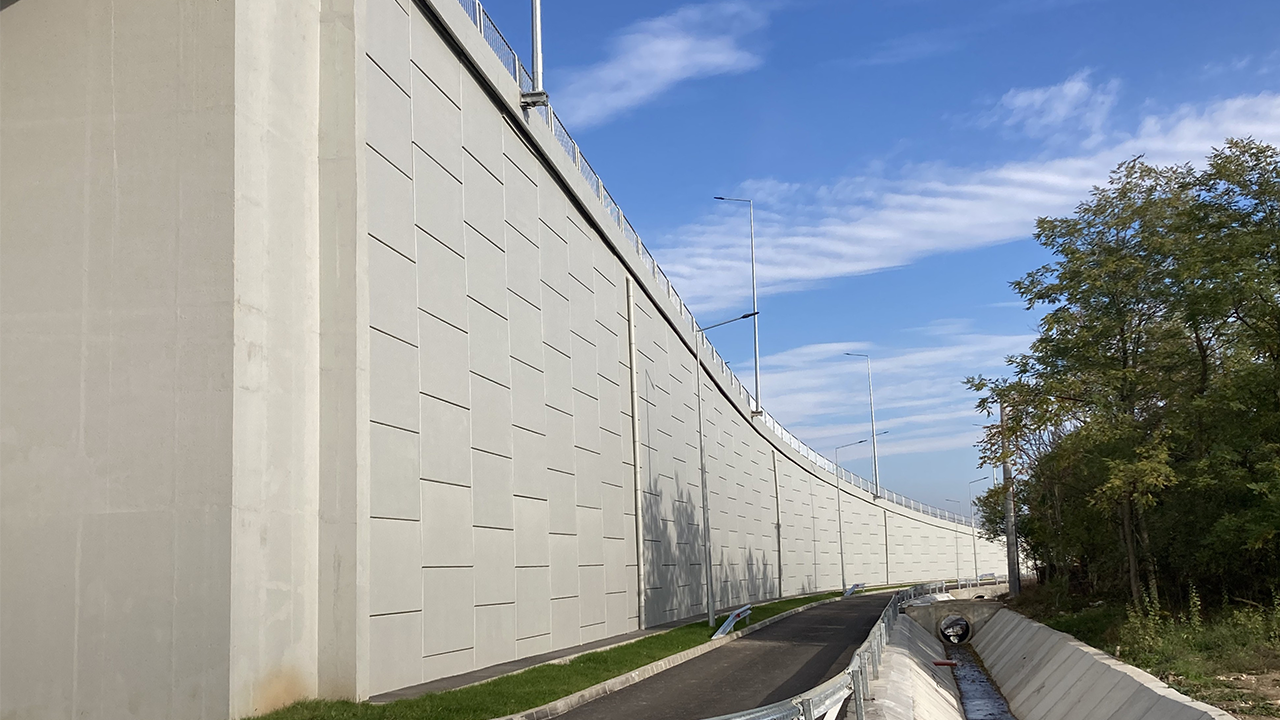
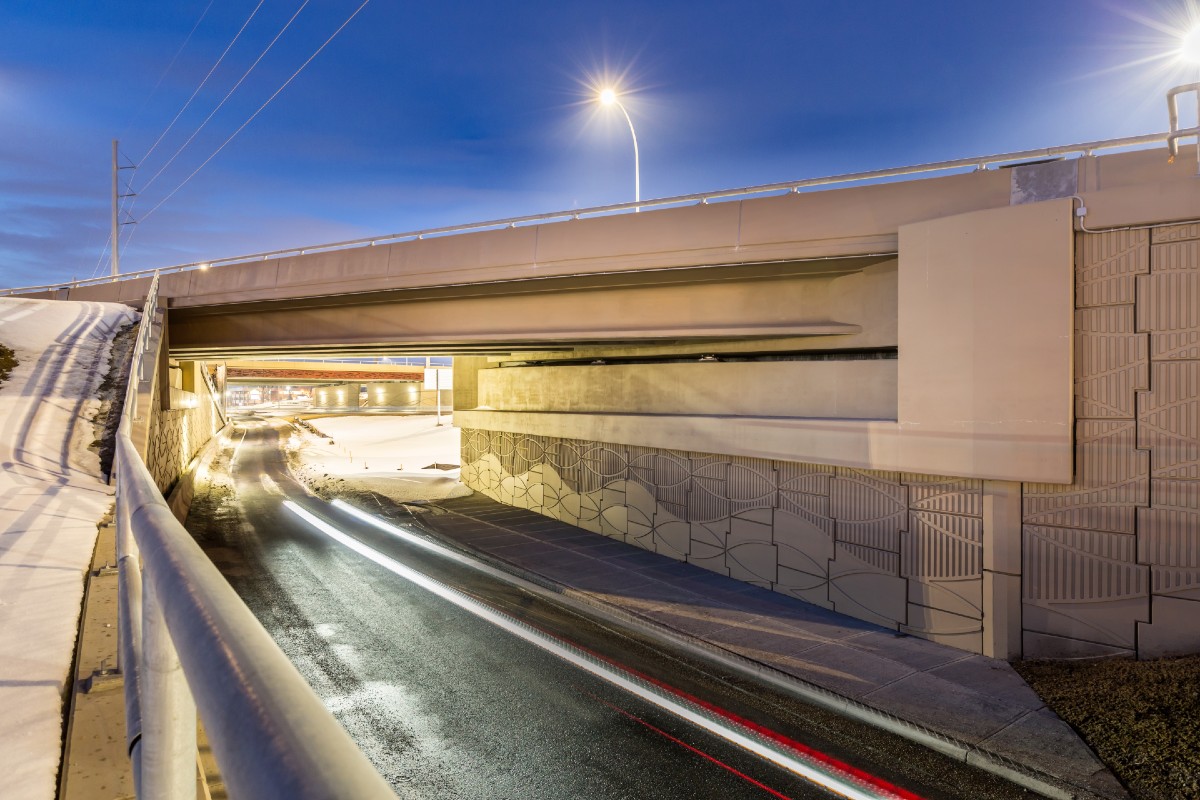
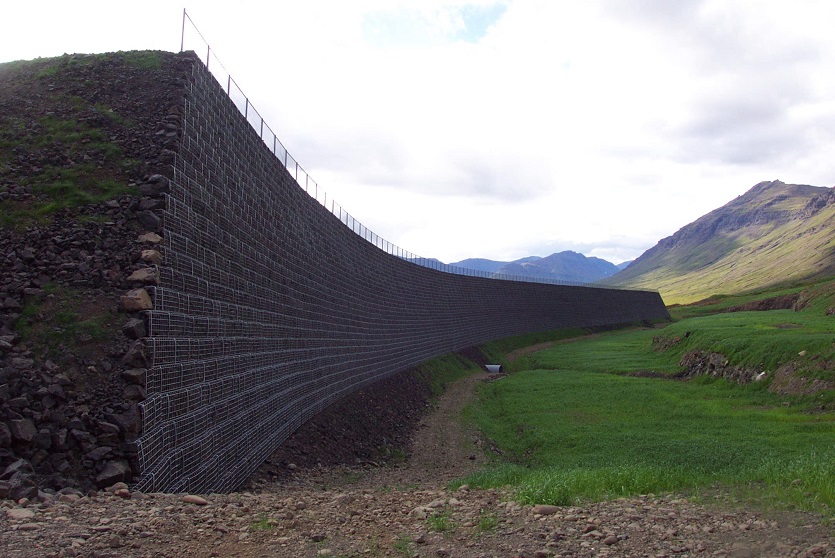
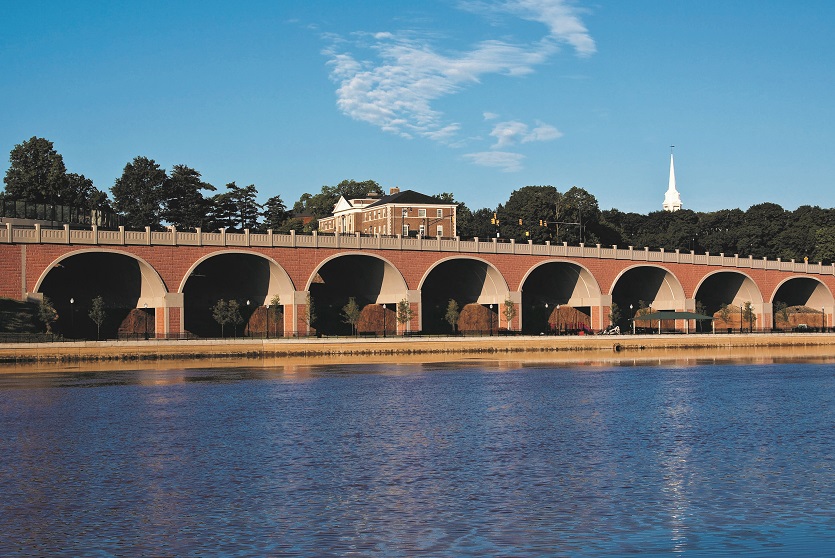
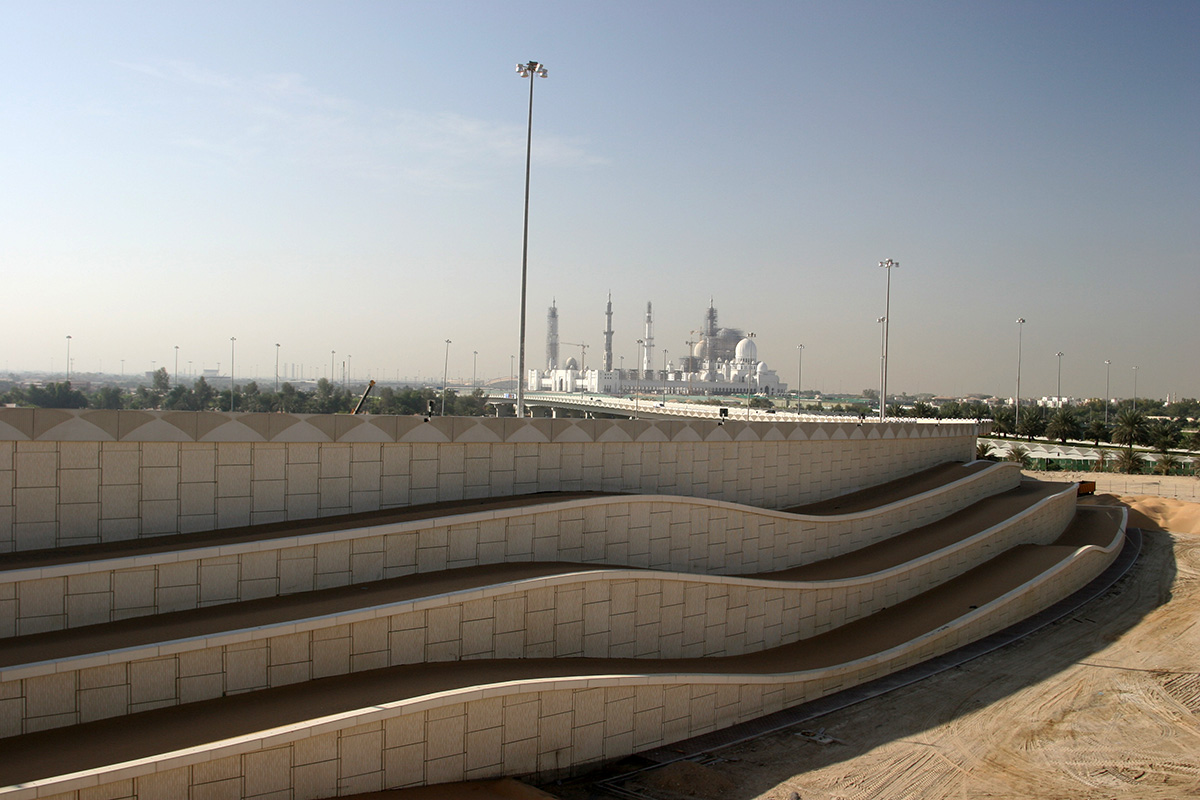
Railway embankments must provide a stable platform capable of supporting repeated loading while controlling deformation. Reinforced Earth walls and abutments, Reinforced Earth slopes and Precast walls can be used where railway alignments require retained fills, changes in elevation or confined earthworks.
- Developing infrastructure within narrow rights-of-way
Adding tracks or modifying existing railway corridors can leave very little room for conventional earthworks. Reinforced Earth walls and abutments and Precast walls provide alternative configurations for creating the required elevation difference where available width or clearance is restricted.
- Taking railways above and below obstacles
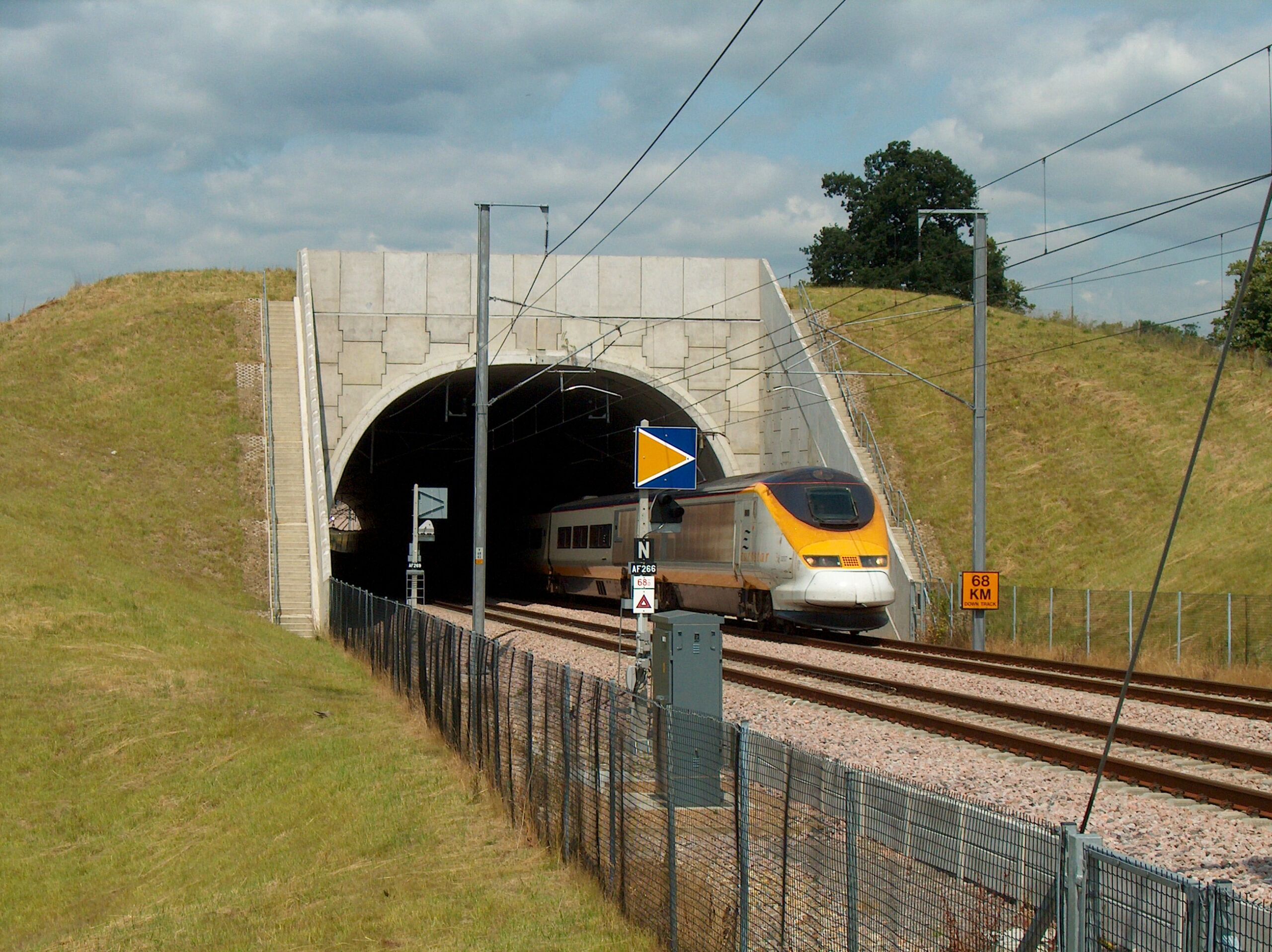
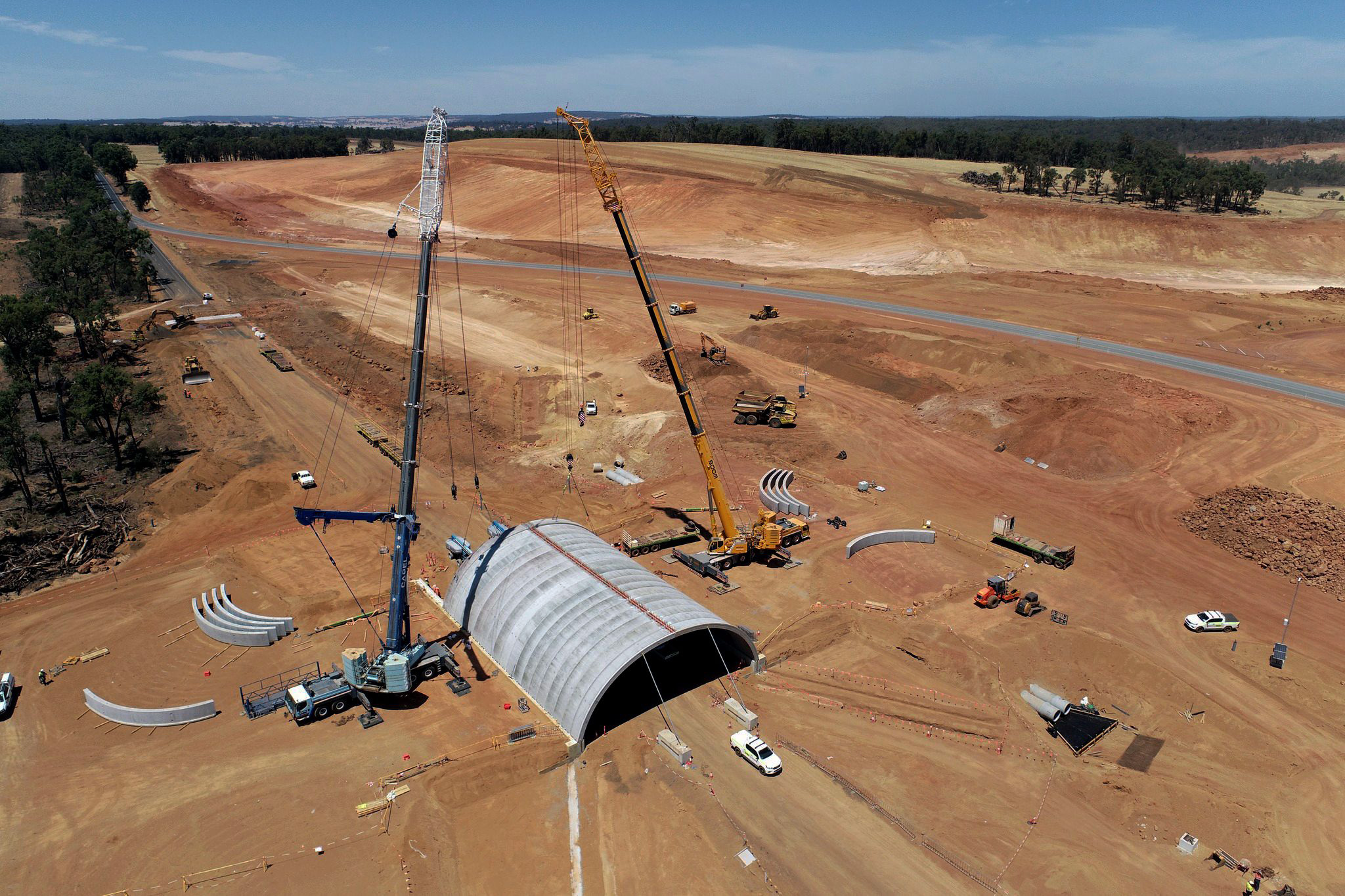
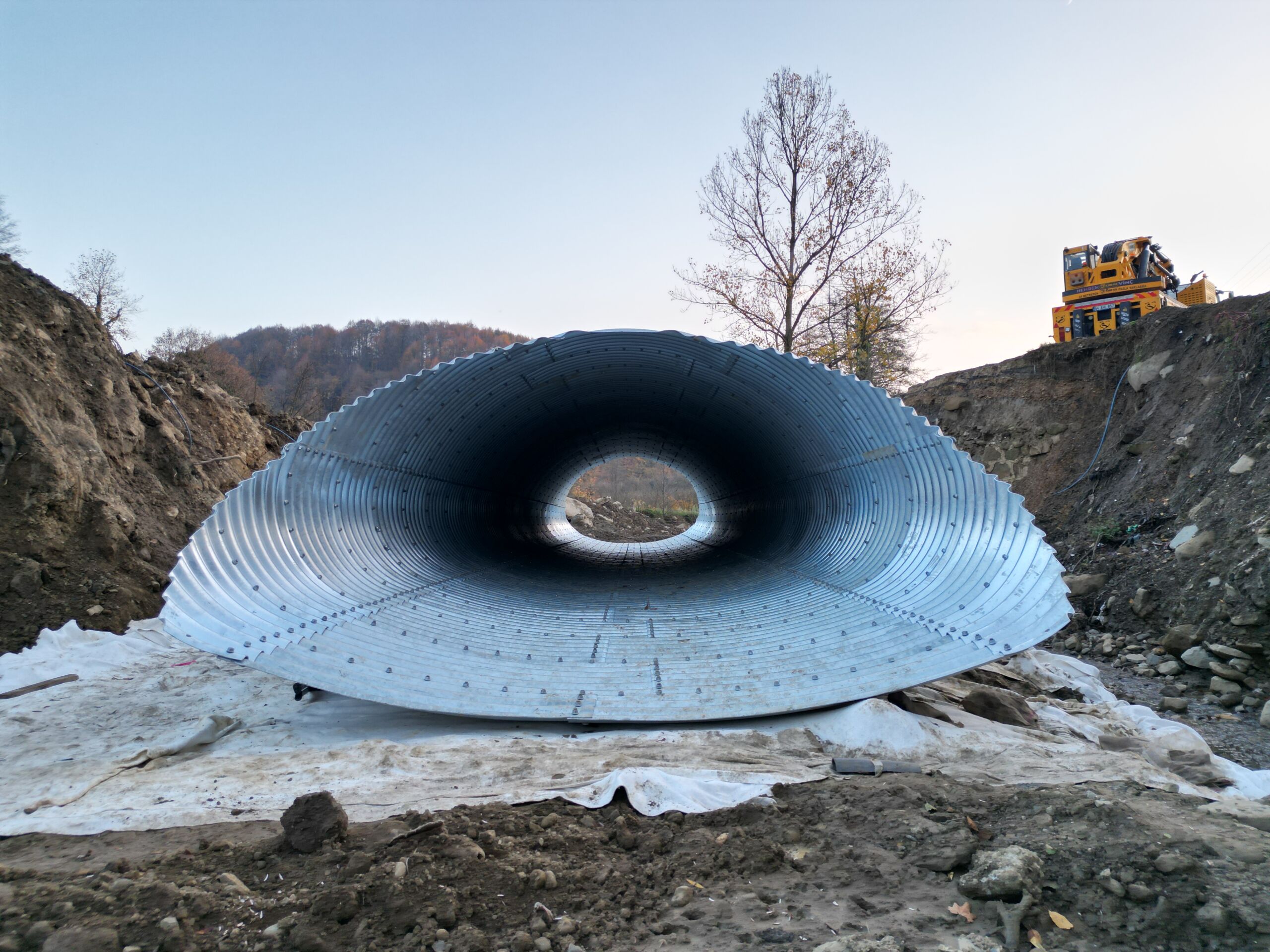
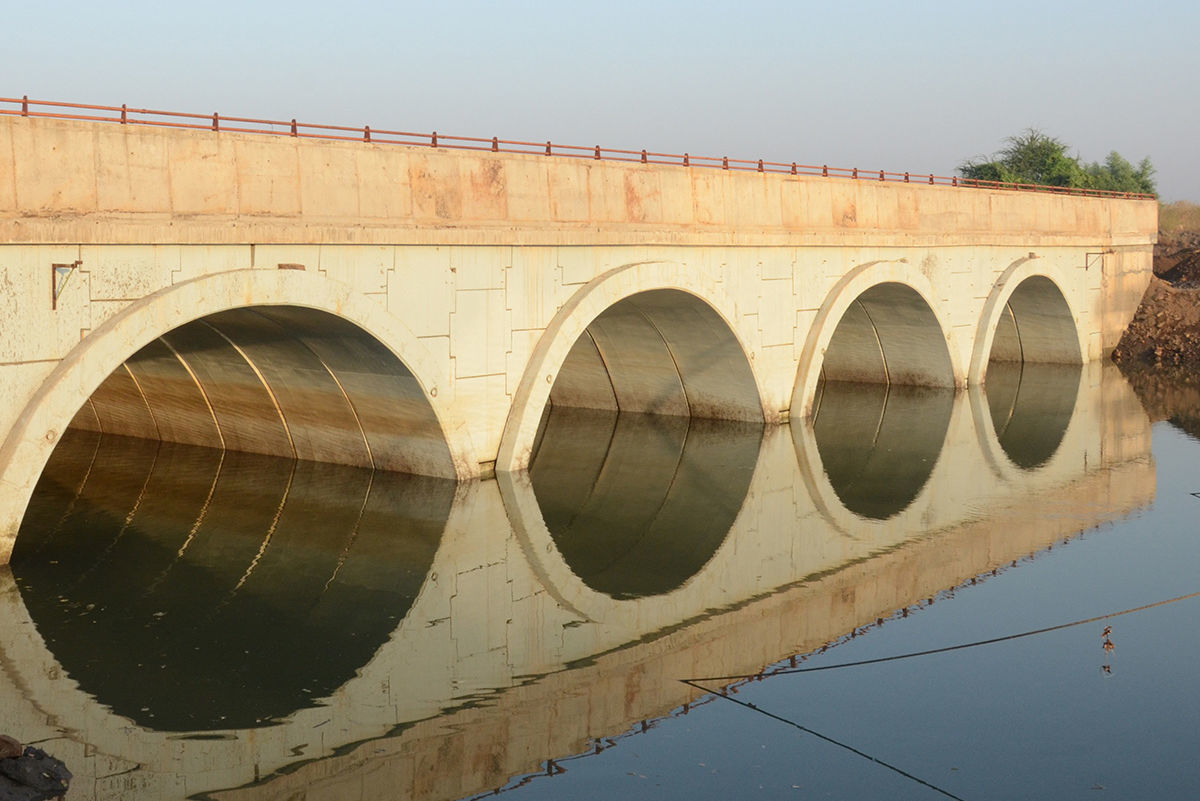
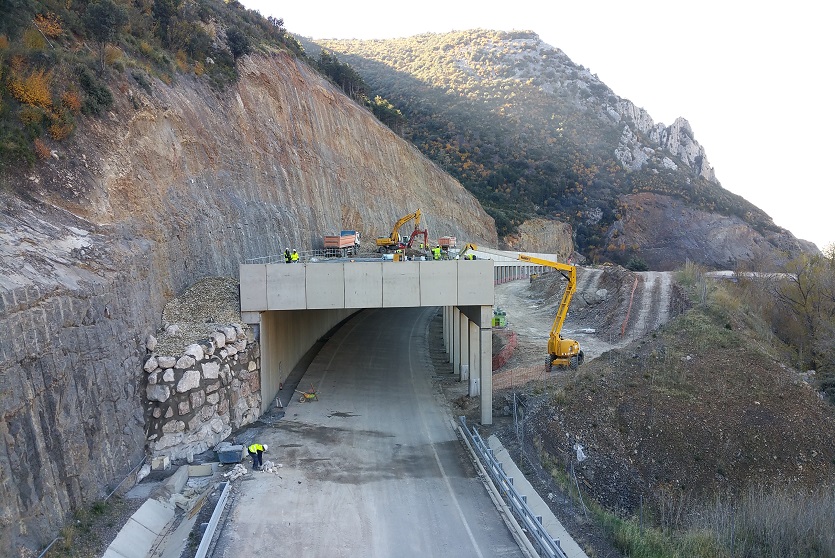
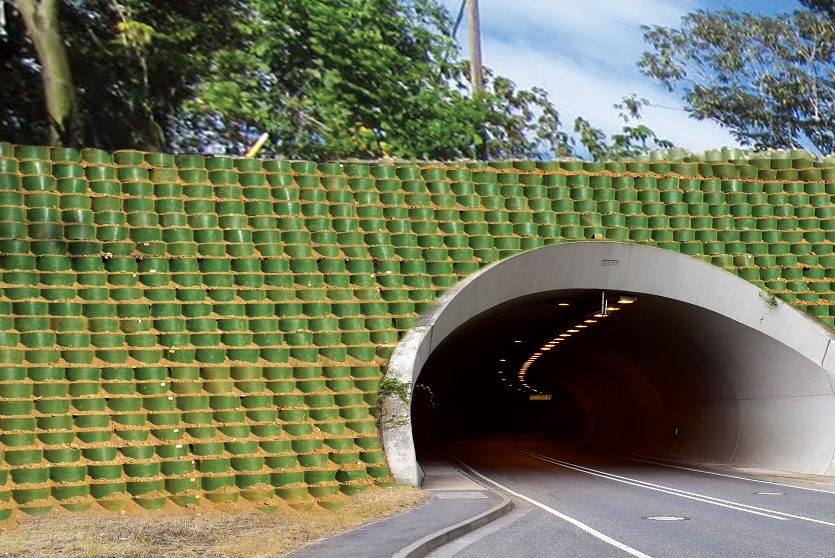
Grade separation is essential where railway lines interact with roads, other tracks or surrounding infrastructure. Precast arches and boxes and corrugated steel structures offer different structural forms for underpasses, buried structures, cut-and-cover configurations and other railway crossings.
- Reinforcing railway foundations and earthworks
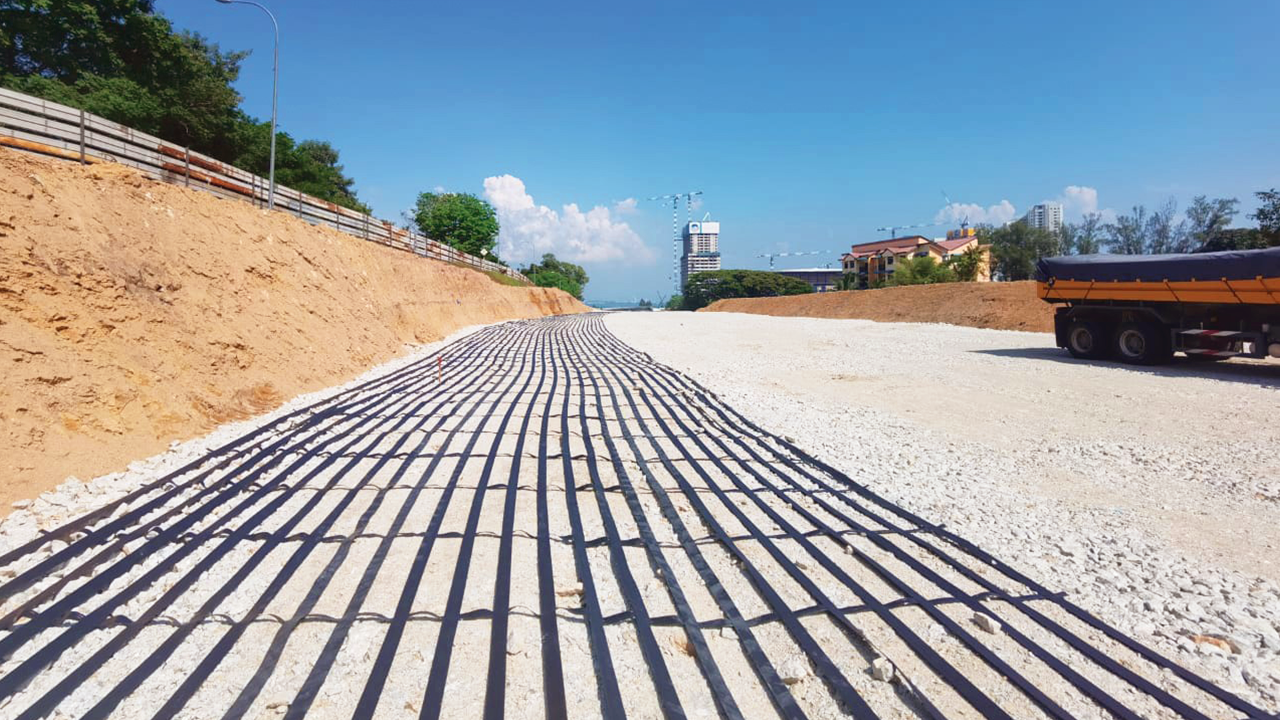
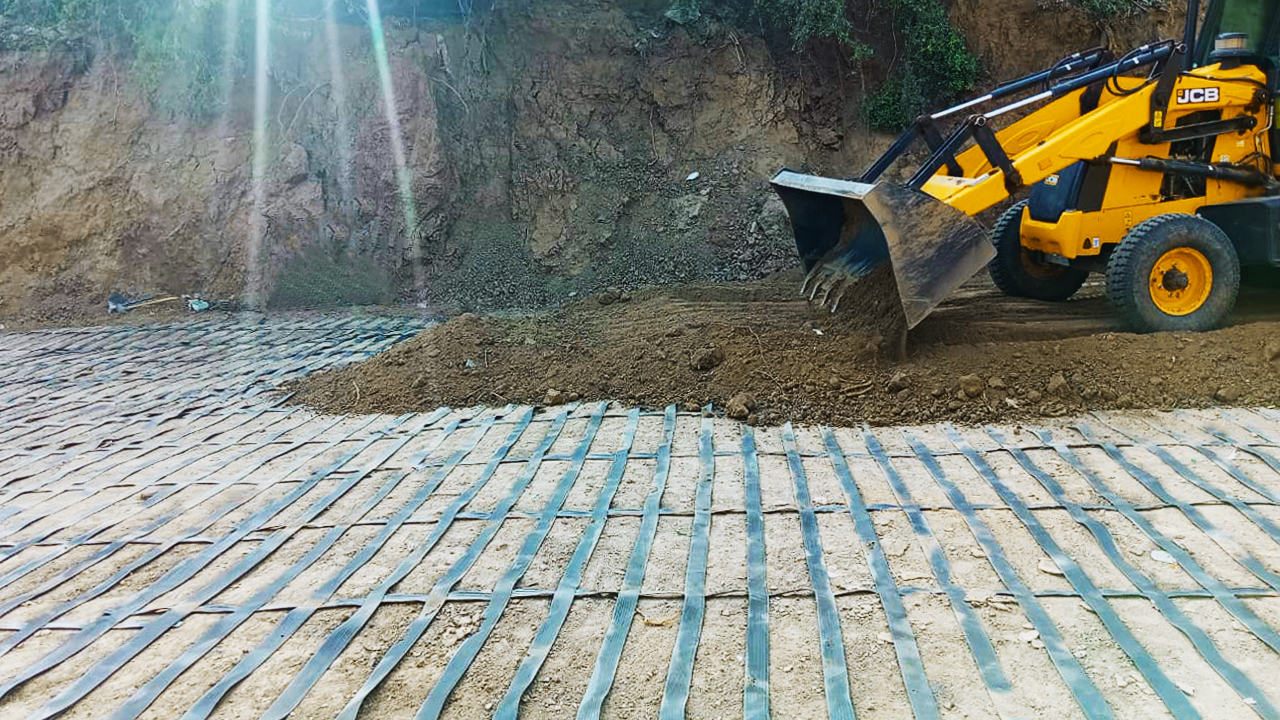
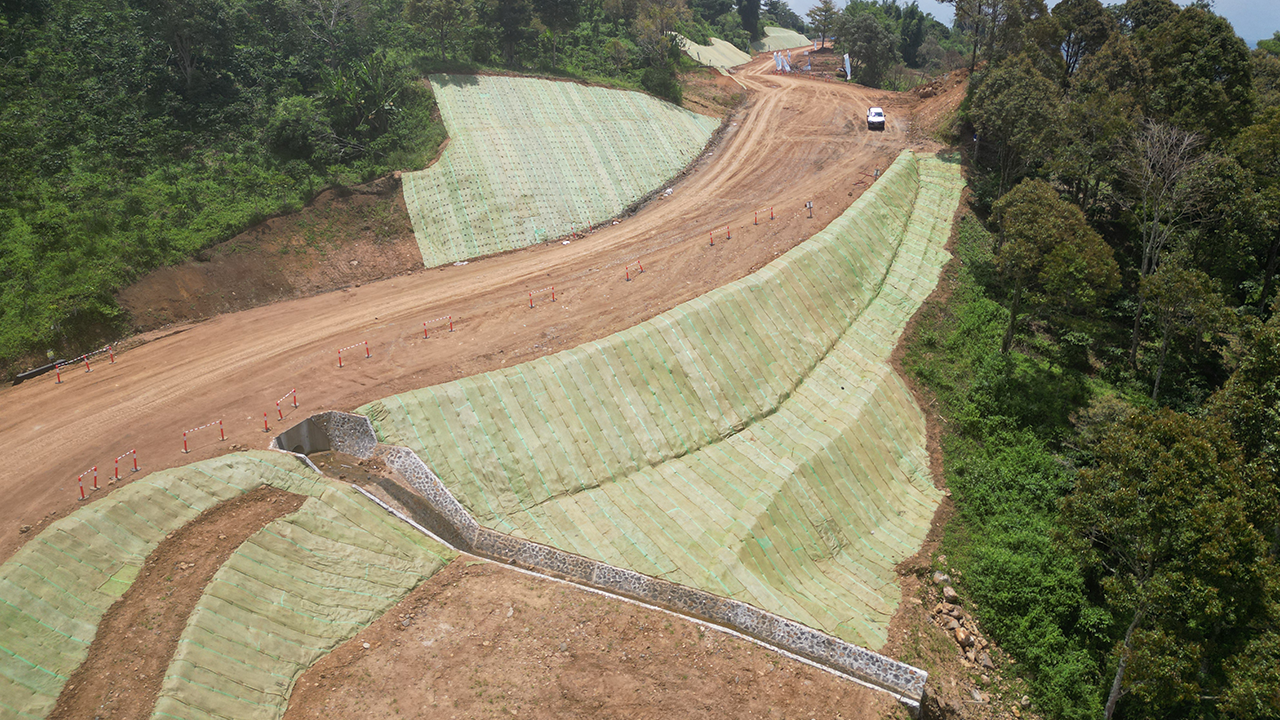
Compressible or low-bearing-capacity soils can affect embankments and track-supporting earthworks. Geosynthetic reinforcement solutions can contribute to load distribution, settlement management and the stability of railway infrastructure constructed over difficult ground.
- Securing routes through exposed terrain
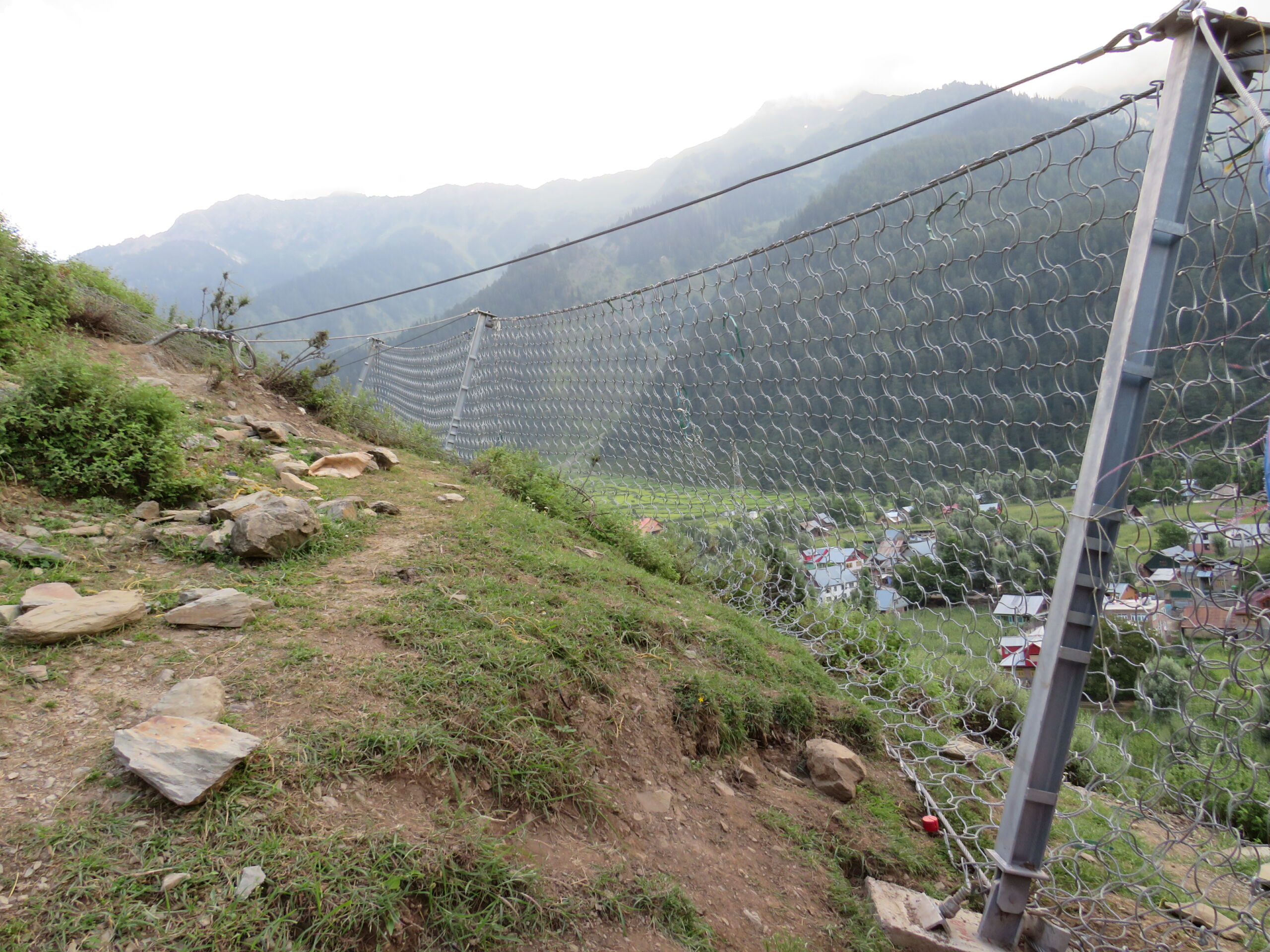
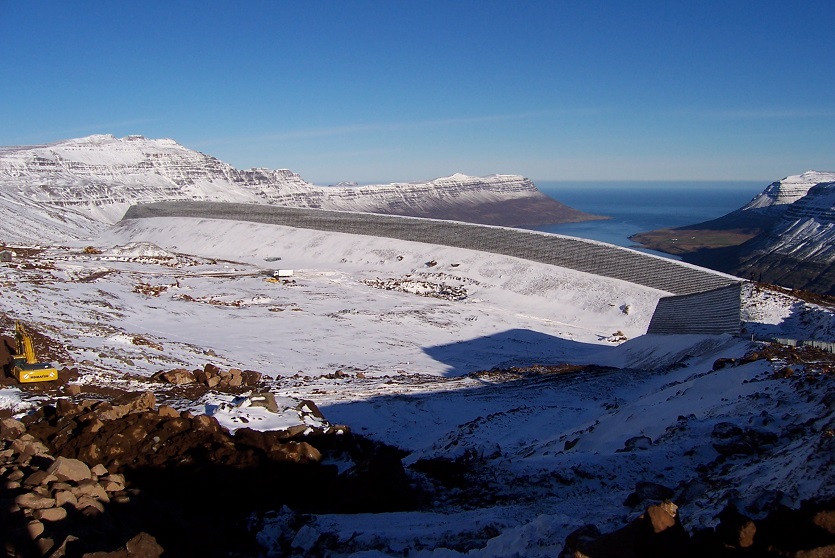
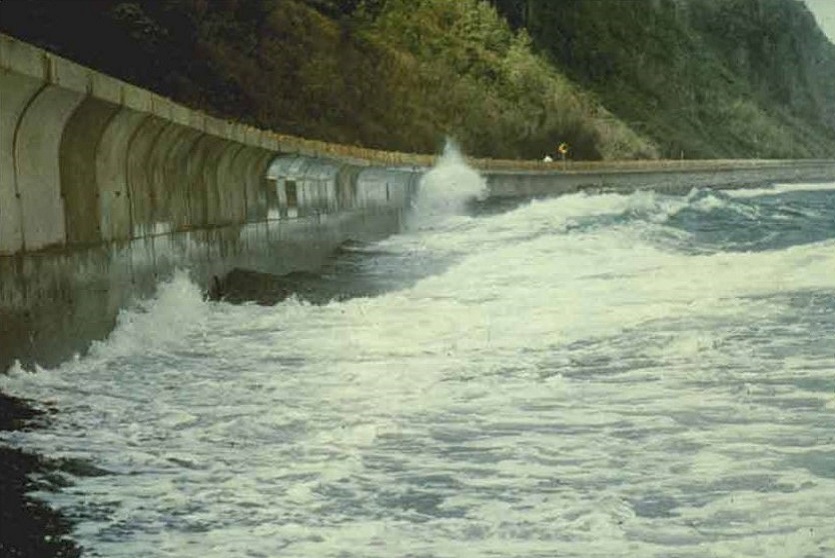
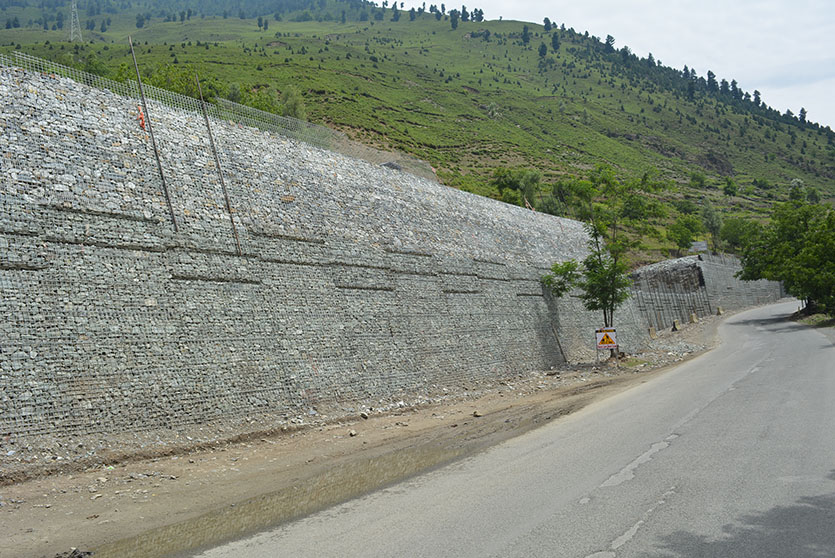
Mountain railways and lines passing below unstable slopes can face rockfall, debris flows, avalanches and other hazards capable of interrupting operations. Geohazards protection solutions provide barriers, drapery and stabilization measures adapted to the protection of railway corridors.
Applications along the railway corridor




Designed around railway performance
Railway earthworks, retaining structures and crossings form interconnected parts of the same transport corridor. Their behaviour must remain compatible with the stringent requirements of the railway infrastructure they support.
Geoquest brings together complementary technologies for retained fills, buried structures, ground reinforcement and hazard protection, allowing the engineering approach to respond to the specific conditions encountered along a railway project.
For new lines, additional tracks, grade separations or modifications to existing routes, this combination provides designers with different ways to accommodate railway geometry, loading requirements and construction constraints while supporting reliable infrastructure over its service life.