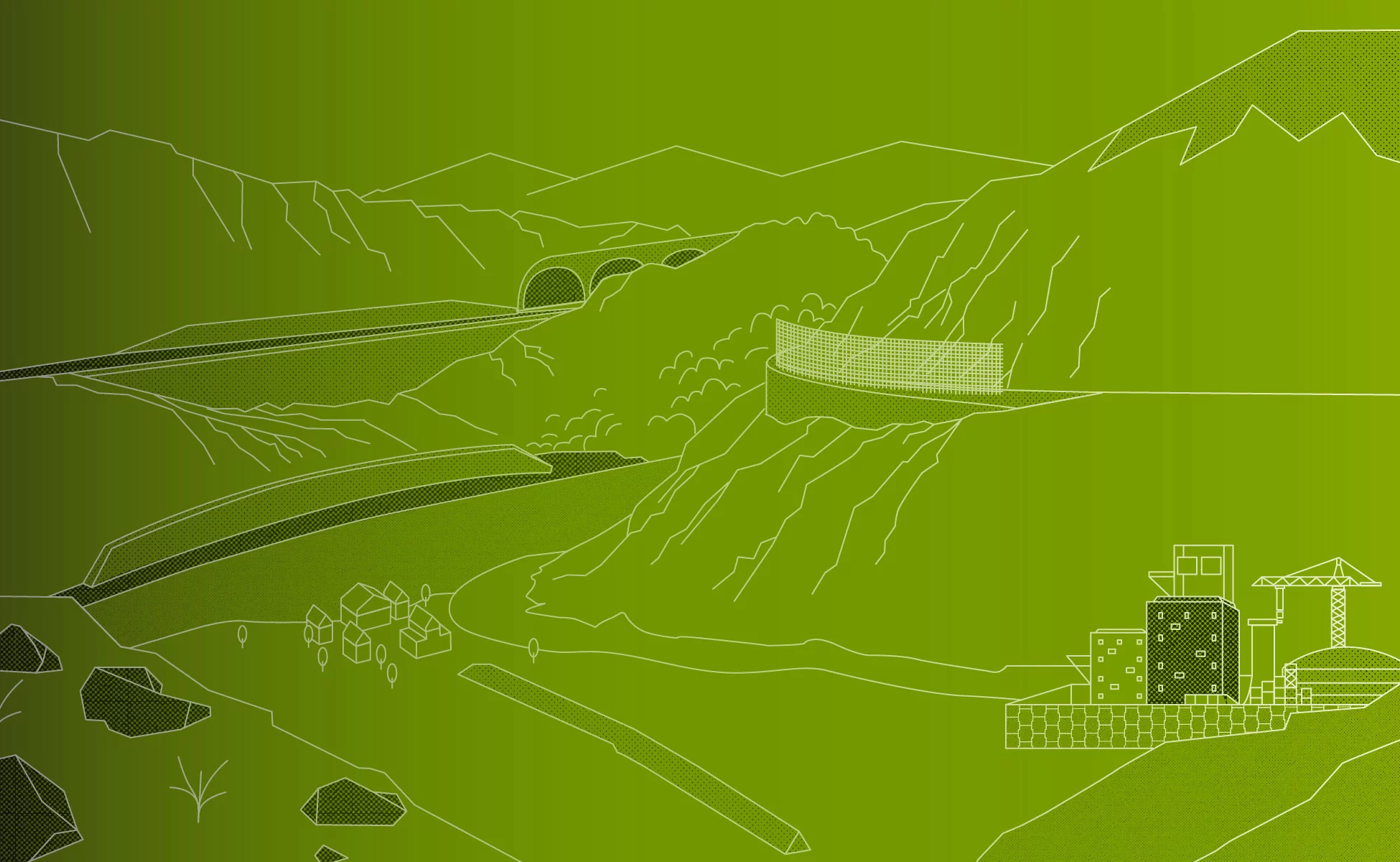
On mountain roads, railway lines, mine sites and hillside settlements, rocks, boulders and debris can break loose and travel downslope at high speed. A single block can block a route, damage a structure or put lives at risk. After heavy rain, mud and debris can also run down gullies and channels in a sudden flow.
Debris flow and rockfall protection intercepts this material along its path or at the foot of the slope. The structures catch, slow down or deflect falling rocks and flowing debris, or cover the route so that the material passes over it. This keeps traffic moving and protects people and buildings below.
Hazards from falling rocks and flowing debris
- High impact energy
Falling blocks combine mass and speed, and can deliver very high energy on impact.
- Unpredictable trajectories
Rocks bounce, roll and change direction, so their path and bounce height are difficult to anticipate.
- Debris flows in channels
After heavy rain, mixtures of water, soil and rock move rapidly down gullies and torrents.
- Narrow sites
Mountain roads and railways often leave little space between the slope and the road.
- Clean-out and maintenance
Material retained after each event has to be removed safely, without damaging the structure.
- Landscape and access
Steep and remote sites limit equipment, and structures should not stand out in natural settings.
Stopping rocks and debris before they reach the road
Debris flow and rockfall protection acts where the material is already moving: along the slope, in the channel or at the foot of the hillside. Depending on the energy involved and the space available, the material is caught, slowed down or diverted away from the route.
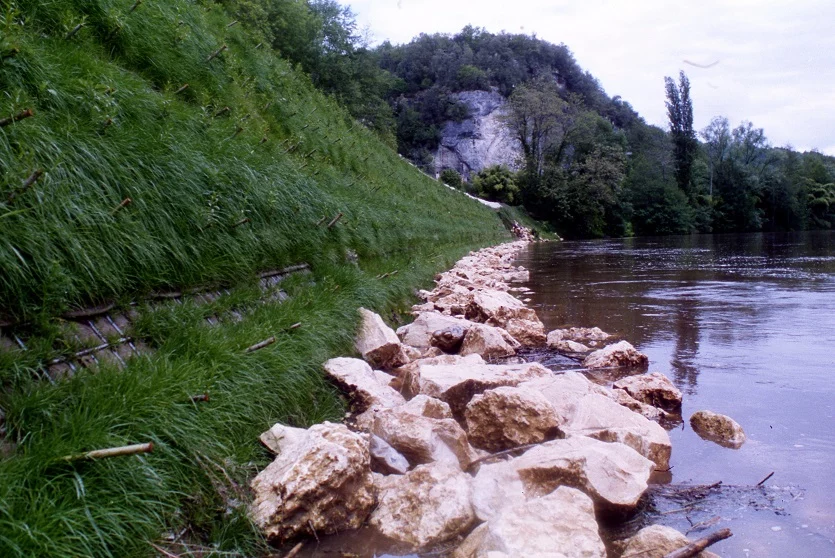
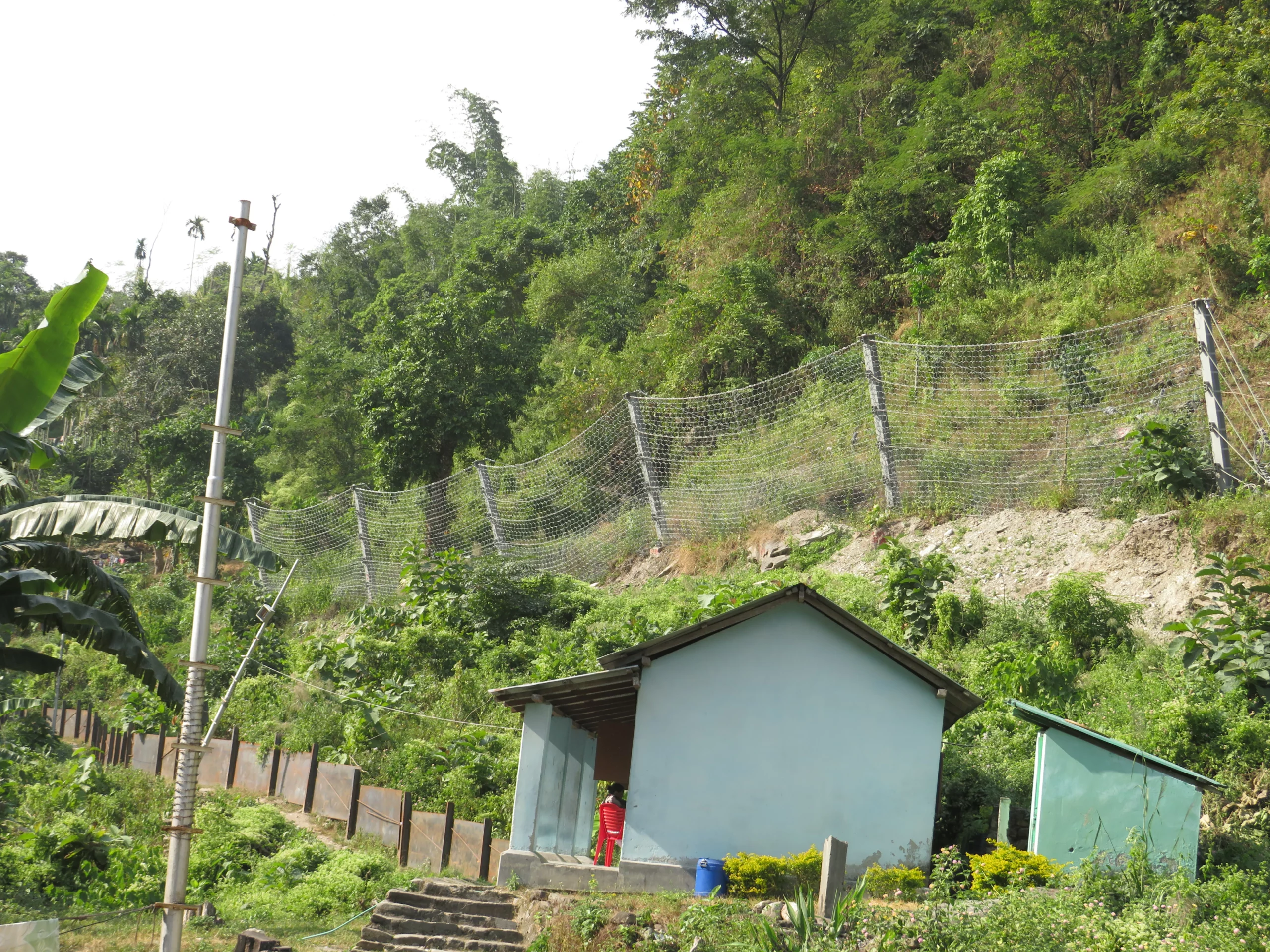
Flexible barriers made of steel nets, posts and cables, such as Barriers, deform on impact to absorb the energy and retain rocks or debris. Some barriers catch the material completely, while attenuators slow it down and guide it to a controlled collection area. In gullies and torrents, barriers placed across the channel hold back debris flows while letting water pass through.
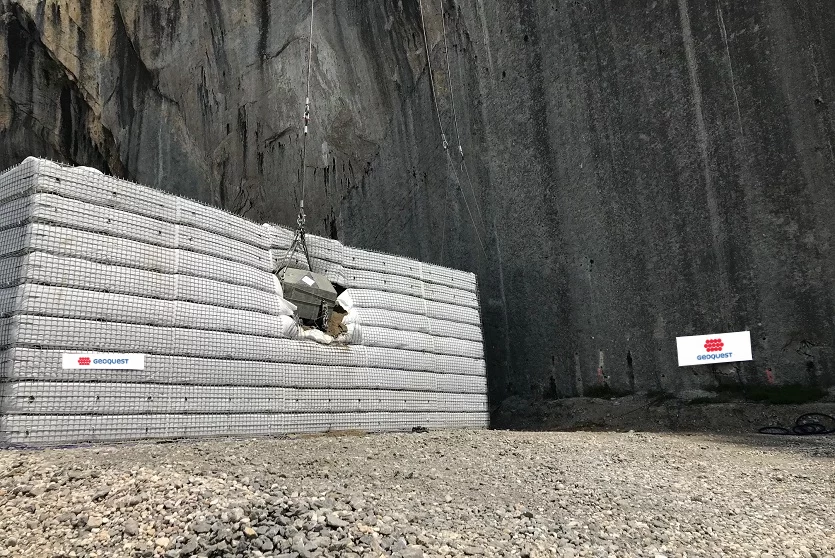
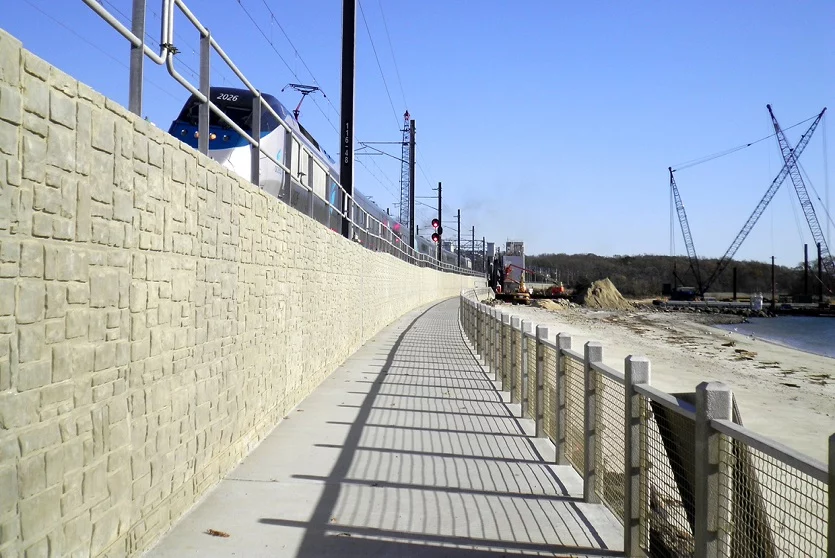
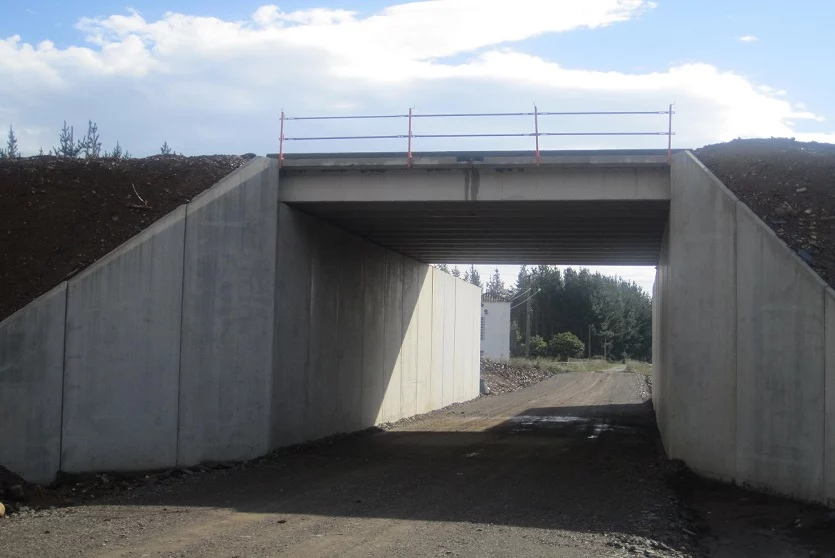
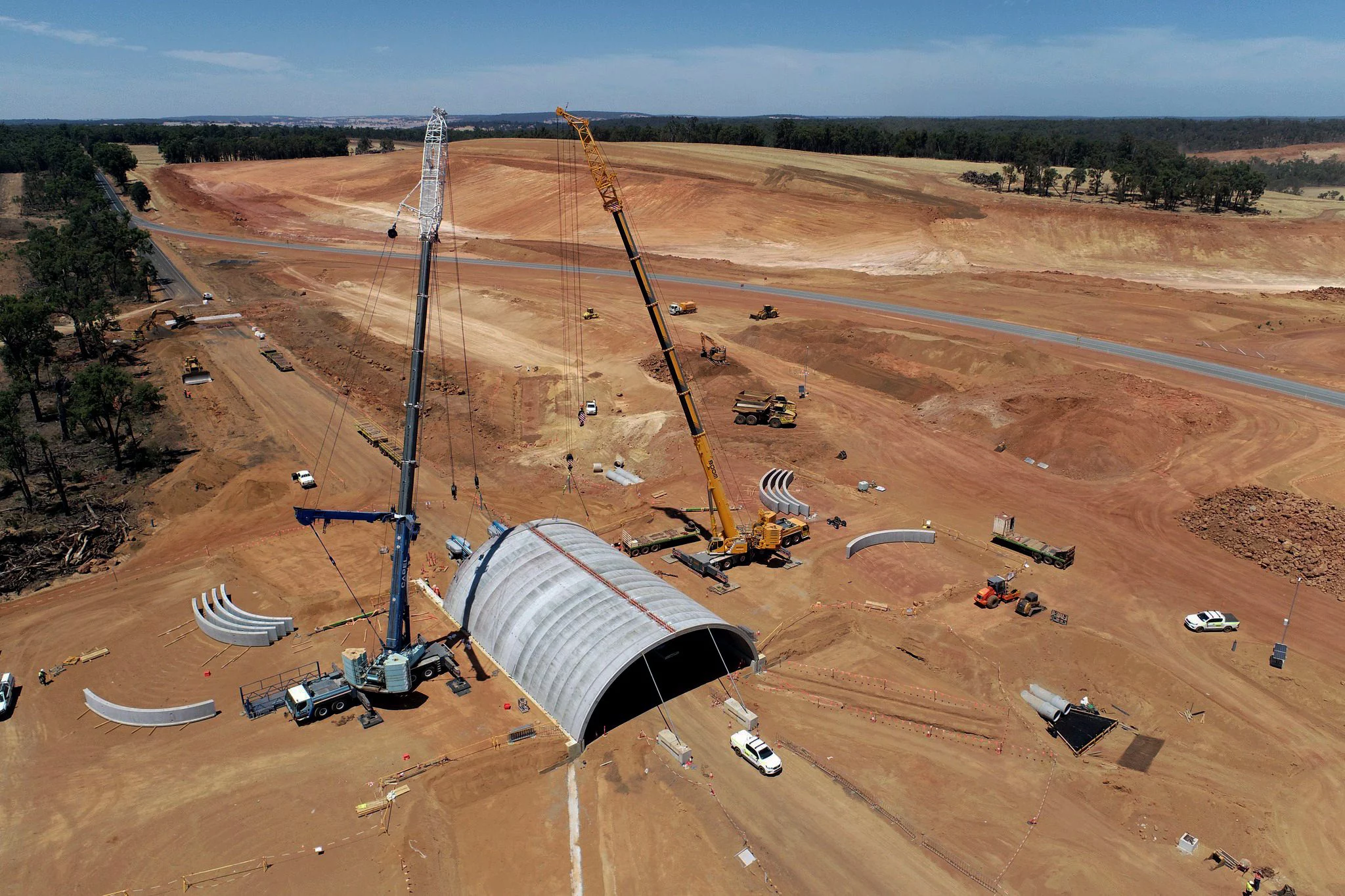
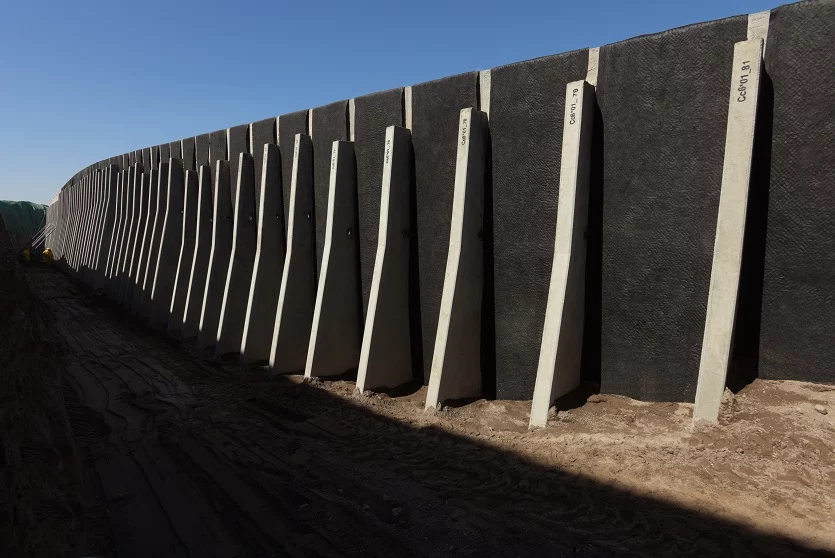
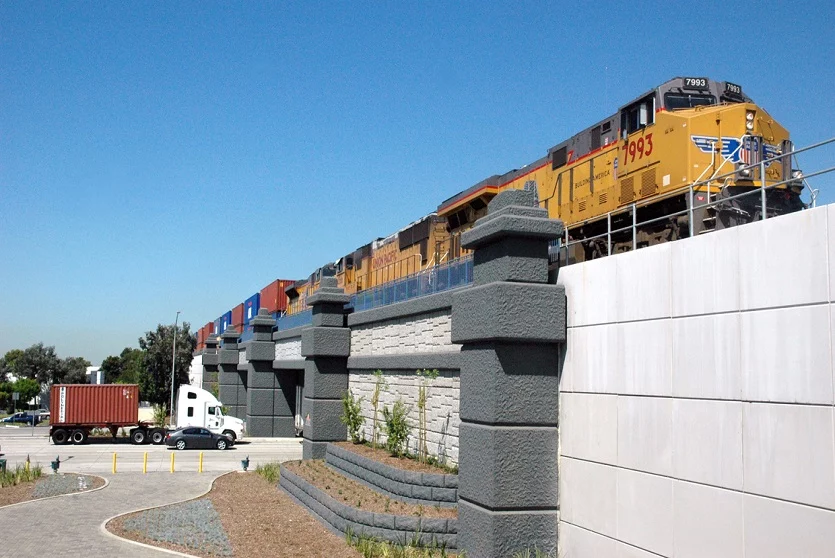
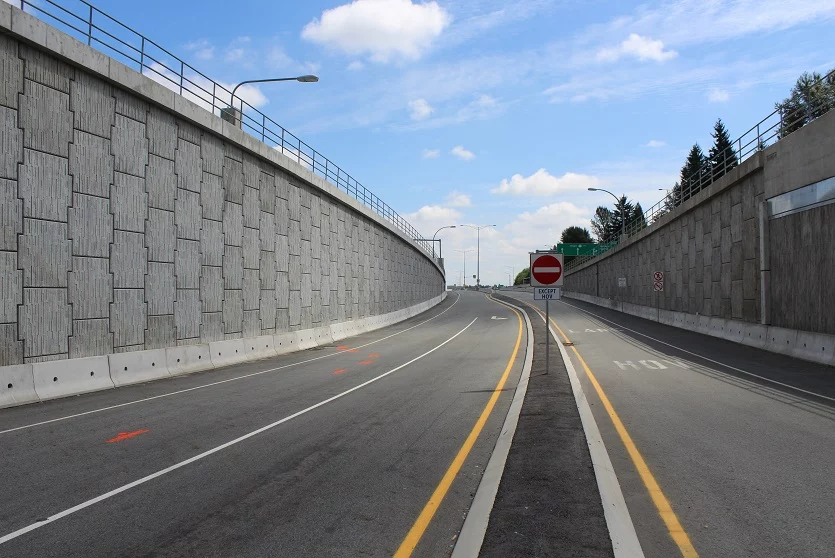
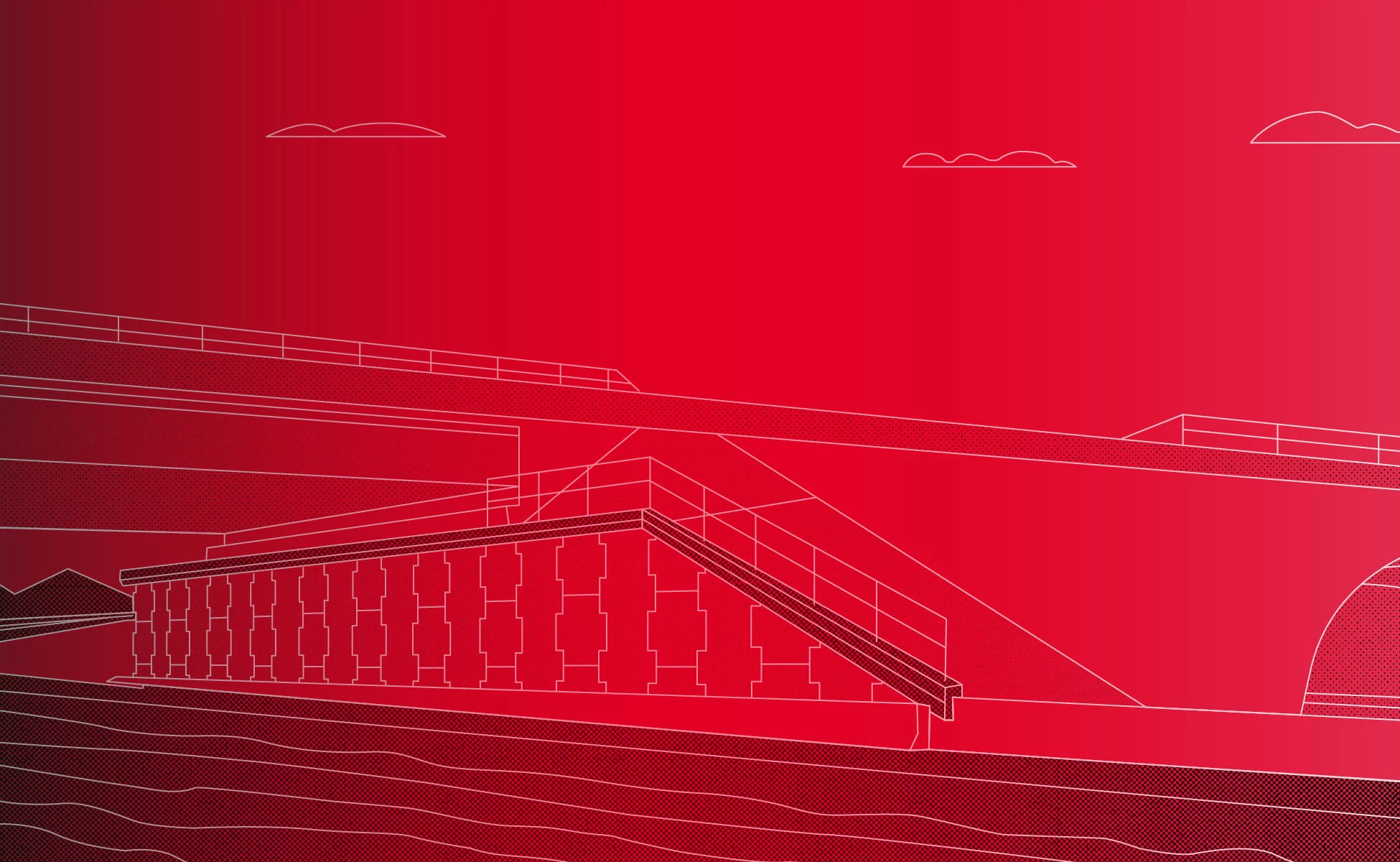
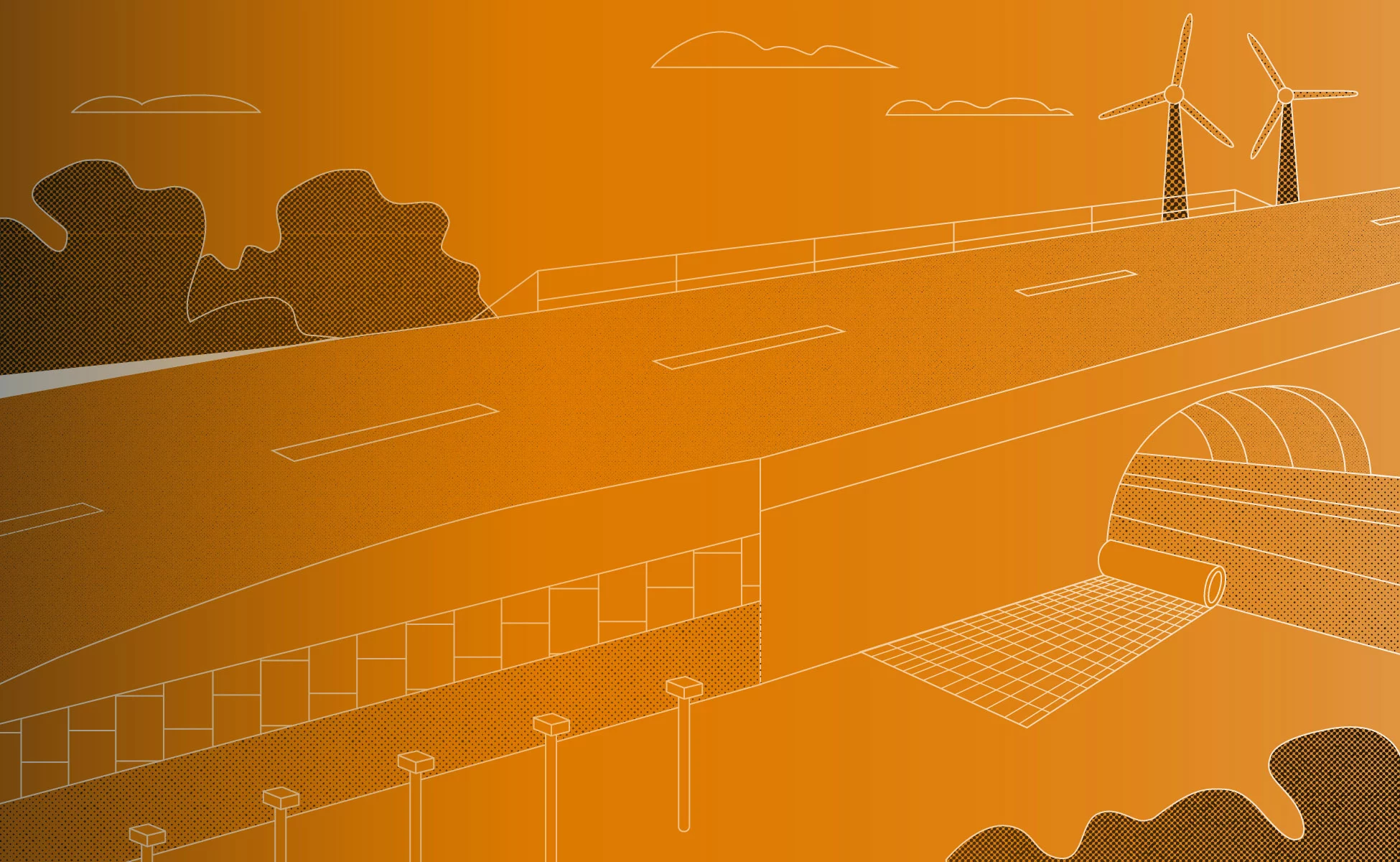
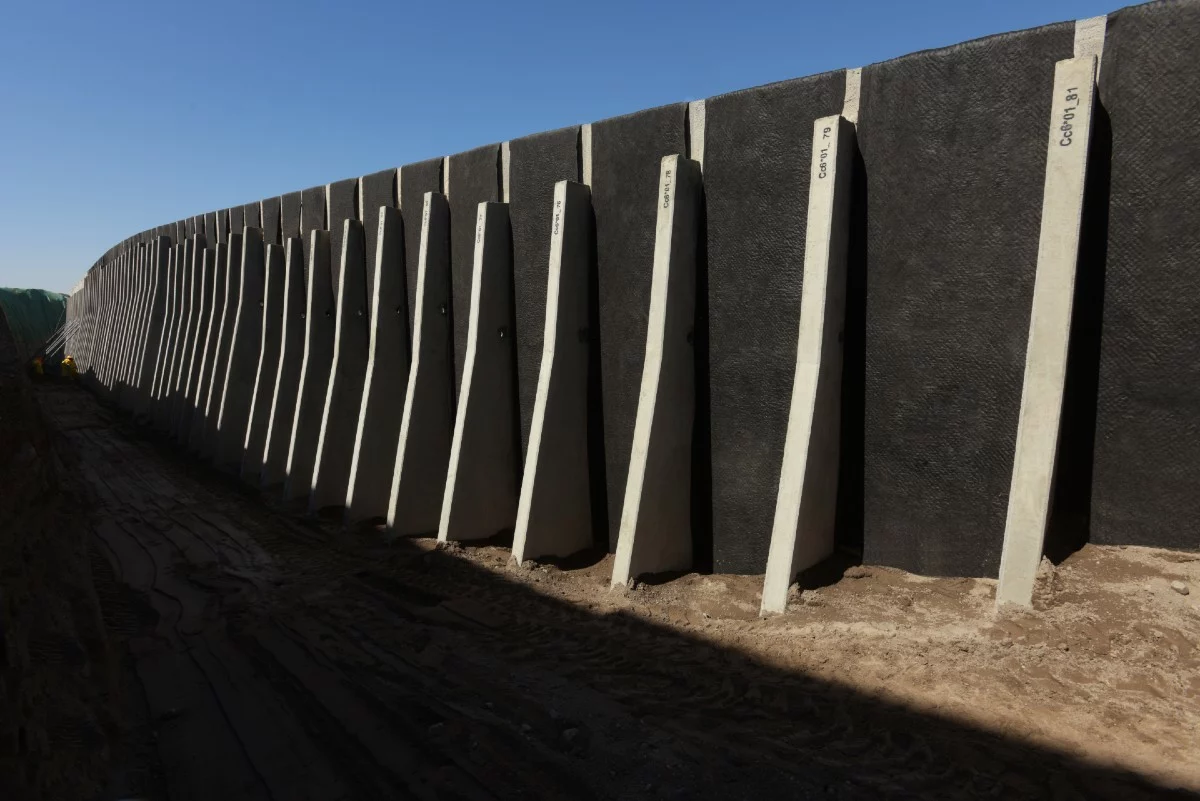
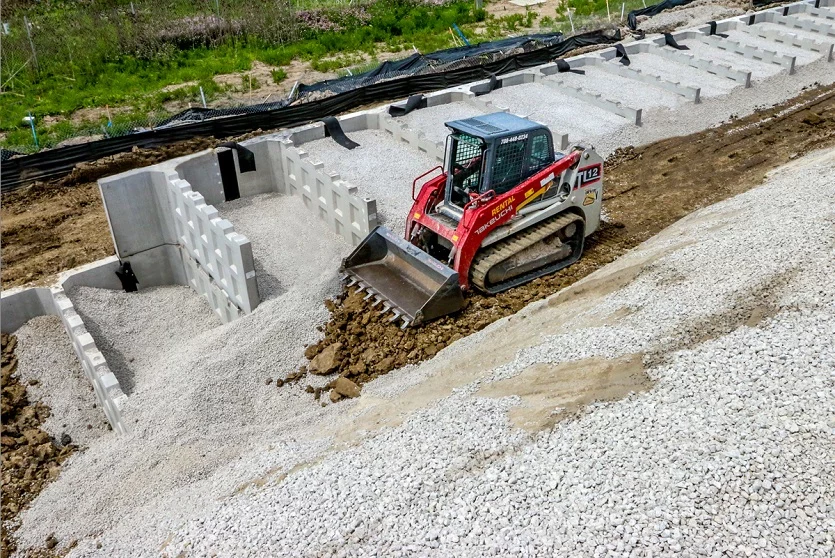
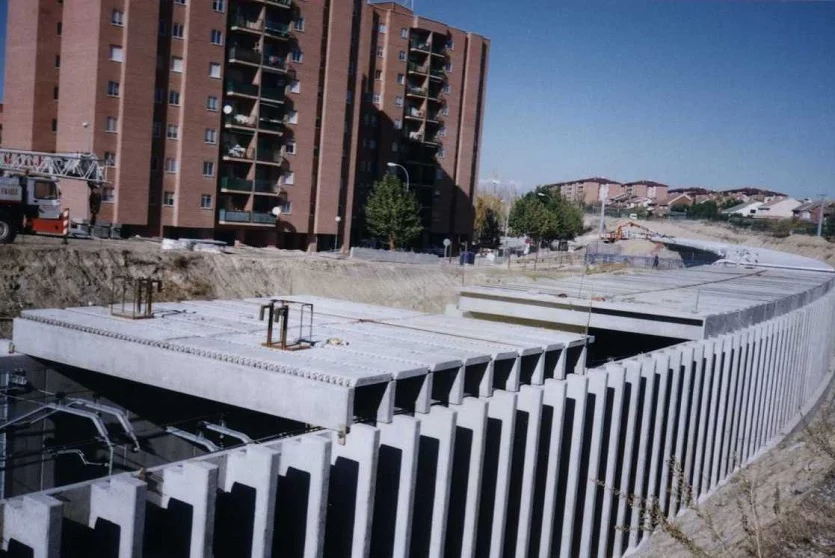
For the highest energies, or where frequent impacts are expected, reinforced soil bunds built with Reinforced Earth slopes provide a massive obstacle with a narrow footprint. Where a road or railway runs directly under an active slope, it can be covered by a shed or gallery built with TechSpan arches or TechBox units. Adjoining walls in narrow excavations often use TechWall or T-Wall.
These structures are used along roads and railways in mountain areas, on mine benches and haul roads, above villages and at the foot of quarry faces. They often complement source treatment provided by slope stabilization.
Rockfall and debris flow structures
- Catchment barriers
Flexible net barriers installed on the slope to stop and retain falling rocks.
- Attenuators and hybrid barriers
Barriers that reduce the speed and bounce of rocks and guide them to a collection area at the foot of the slope.
- Debris flow barriers
Flexible structures placed across gullies and channels to hold back mud, soil and rock during flow events.
- Rockfall bunds
Reinforced soil embankments at the foot of the slope, designed for high-energy and repeated impacts.
- Sheds and galleries
Covered structures that protect the structure and let falling material pass over it.
Defining the protection level against rockfall and debris flow
- Expected energy: Block size, release height and trajectory determine the impact energy the structure must withstand.
- Bounce height and trajectory: Trajectory studies determine the height and position of the protection on the slope.
- Debris flow volume: Expected volume, flow speed and channel shape define the size and number of barriers.
- Event frequency: Frequent small events and rare large events lead to different types of structures.
- Available space: Narrow corridors favour slender barriers or bunds with steep faces, while wider sites allow conventional embankments.
- Clean-out and access: The barrier layout must allow safe removal of retained material and repair after an impact.
- Exposure of what lies below: Traffic levels, buildings and people at risk set the required safety level.
- Combined hazards: Avalanches or shallow landslides may affect the same slope and can influence the type of protection.
- Landscape integration: Vegetated faces from the Architectural finish range help blend bunds into the surroundings.