In mountain areas, roads, railways, villages and ski resorts are often built along avalanche paths, because the terrain leaves few alternatives. Avalanche protection reduces this risk. It stops avalanches from forming, diverts or slows the flowing snow, or shelters the infrastructure it would reach.
Permanent protection structures offer a lasting alternative to artificial avalanche release, which must be repeated every season. Once in place, they work in any weather and need no decision or intervention when an avalanche occurs.
Risks facing infrastructure on avalanche paths
- Very high impact energy
Flowing snow masses carry enormous energy, which the structure must absorb or deflect.
- Linear infrastructure in narrow valleys
Roads and railways often cannot be rerouted and must be protected where they are.
- Remote and steep sites
Access for heavy equipment is limited or impossible, and construction seasons are short.
- Harsh climate
Freeze-thaw cycles, snow loads and rockfall test the durability of structures.
- Recurring control costs
Artificial avalanche release is expensive, must be repeated and affects the surrounding environment.
- Landscape integration
Structures are built in sensitive mountain landscapes and must have limited visual impact.
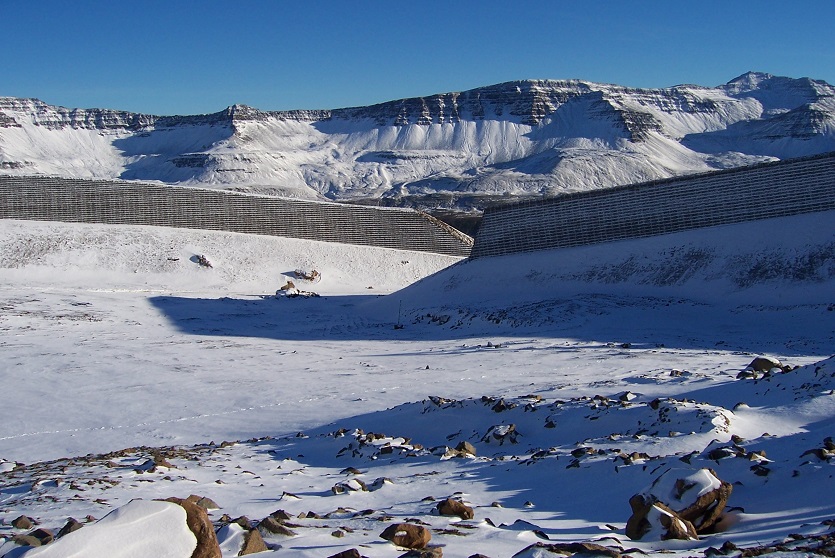
Managing avalanches from release zone to run-out
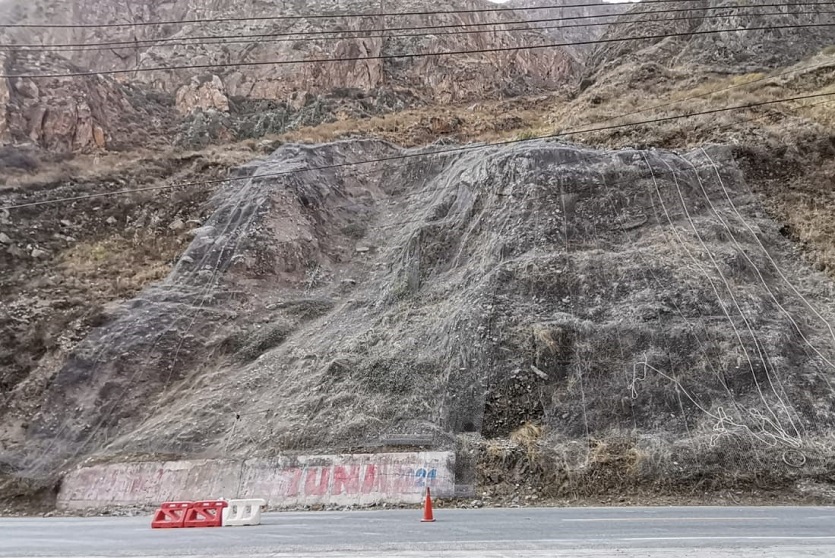
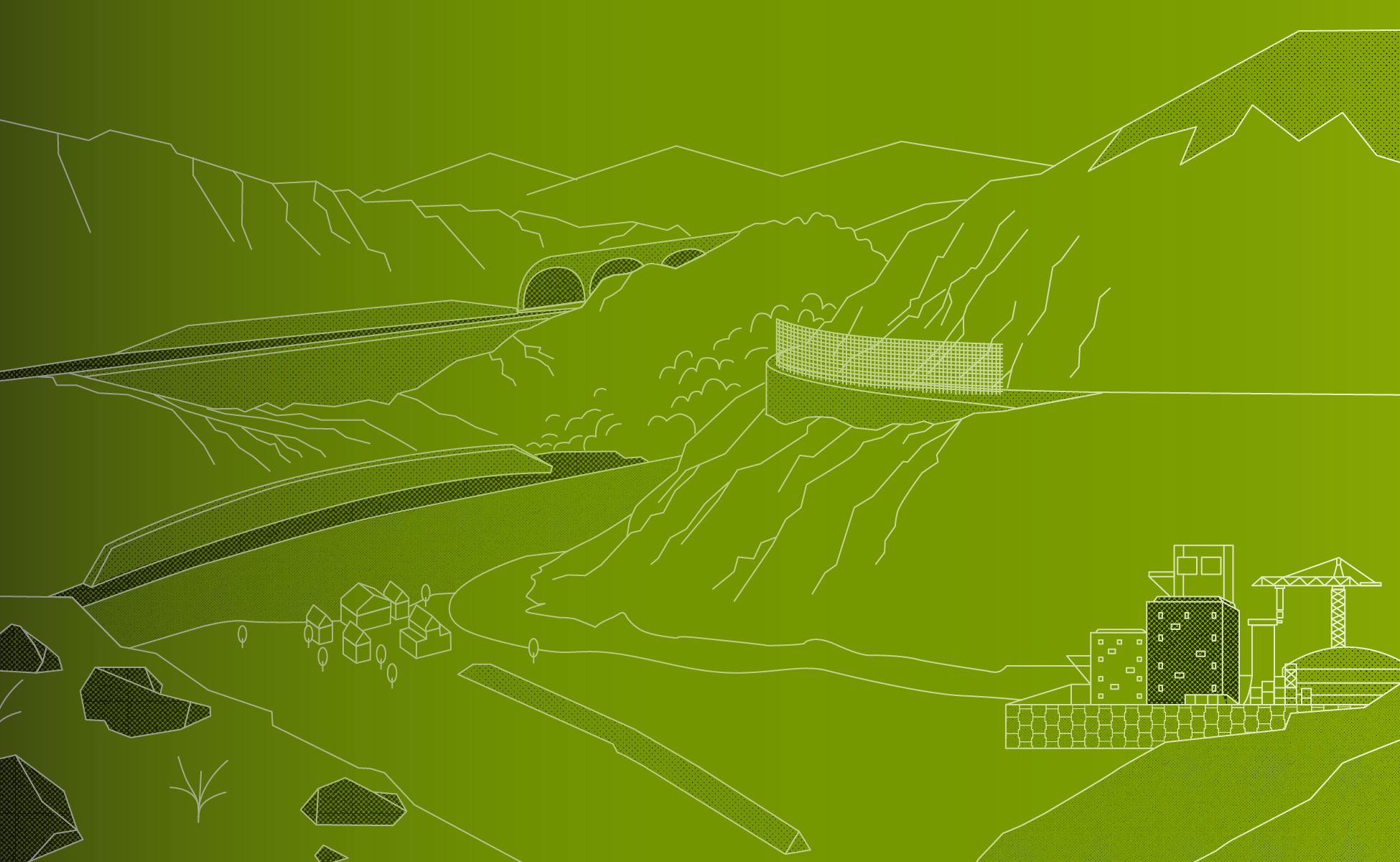
Avalanche protection acts on three zones. In the release zone, where the snow cover breaks away, supporting structures such as protective nets hold the snowpack in place. Along the avalanche track, deflecting bunds and splitter walls change the path of the flow and steer it away from what must be protected. In the run-out zone, catching bunds and dams slow the avalanche and stop it before it reaches roads or buildings.
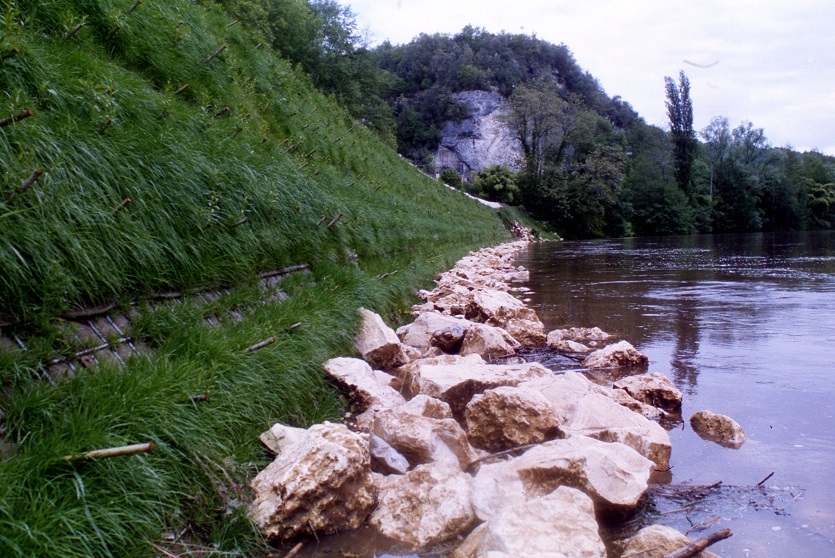
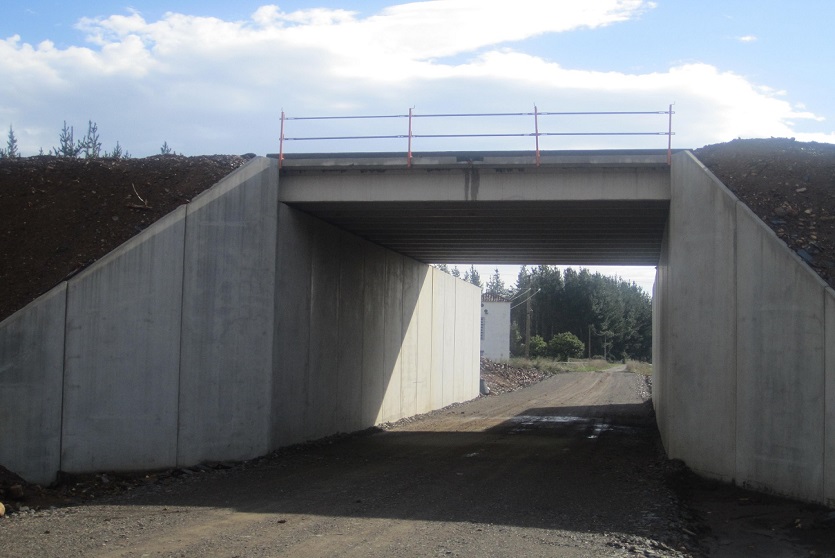
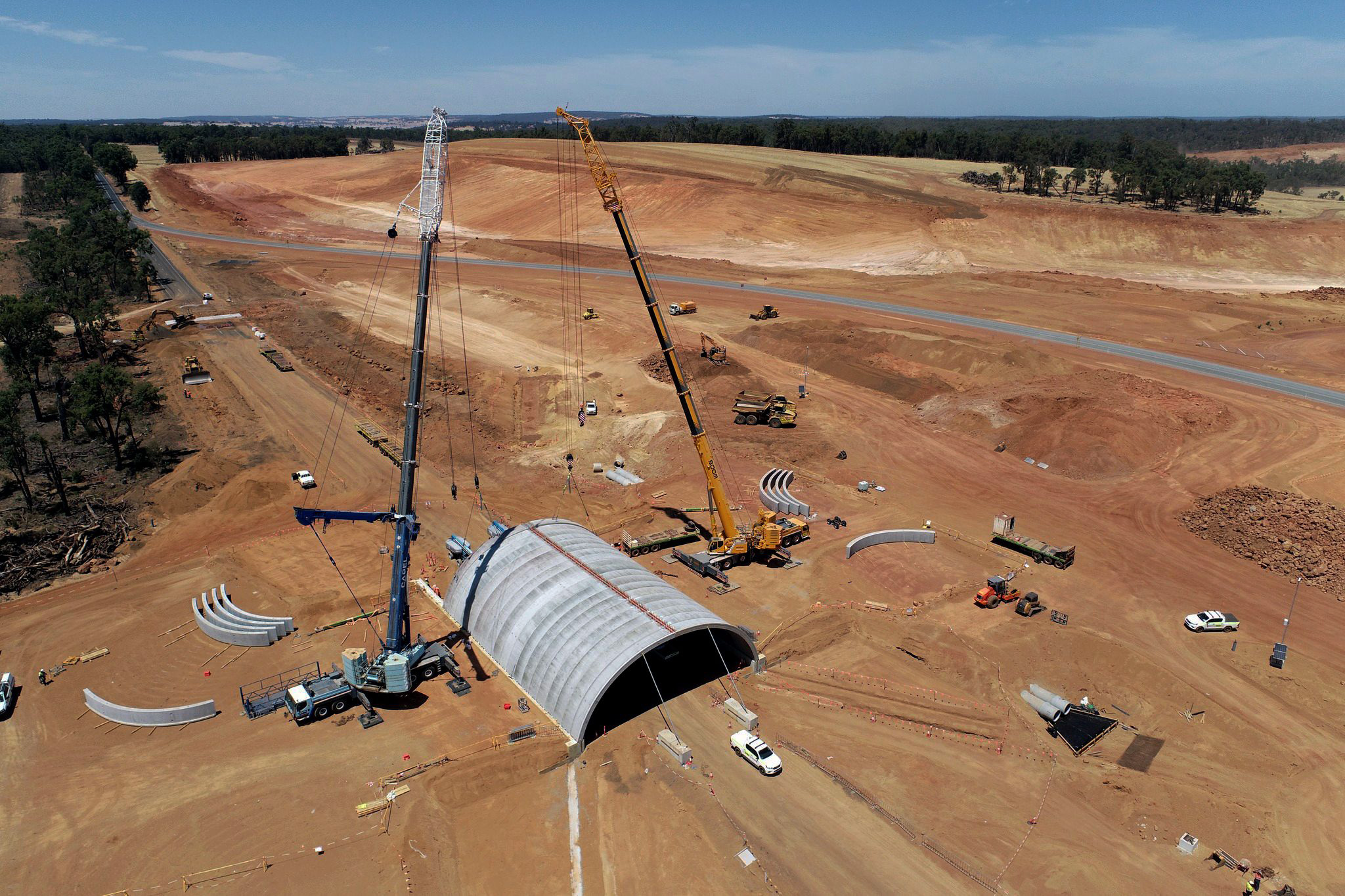
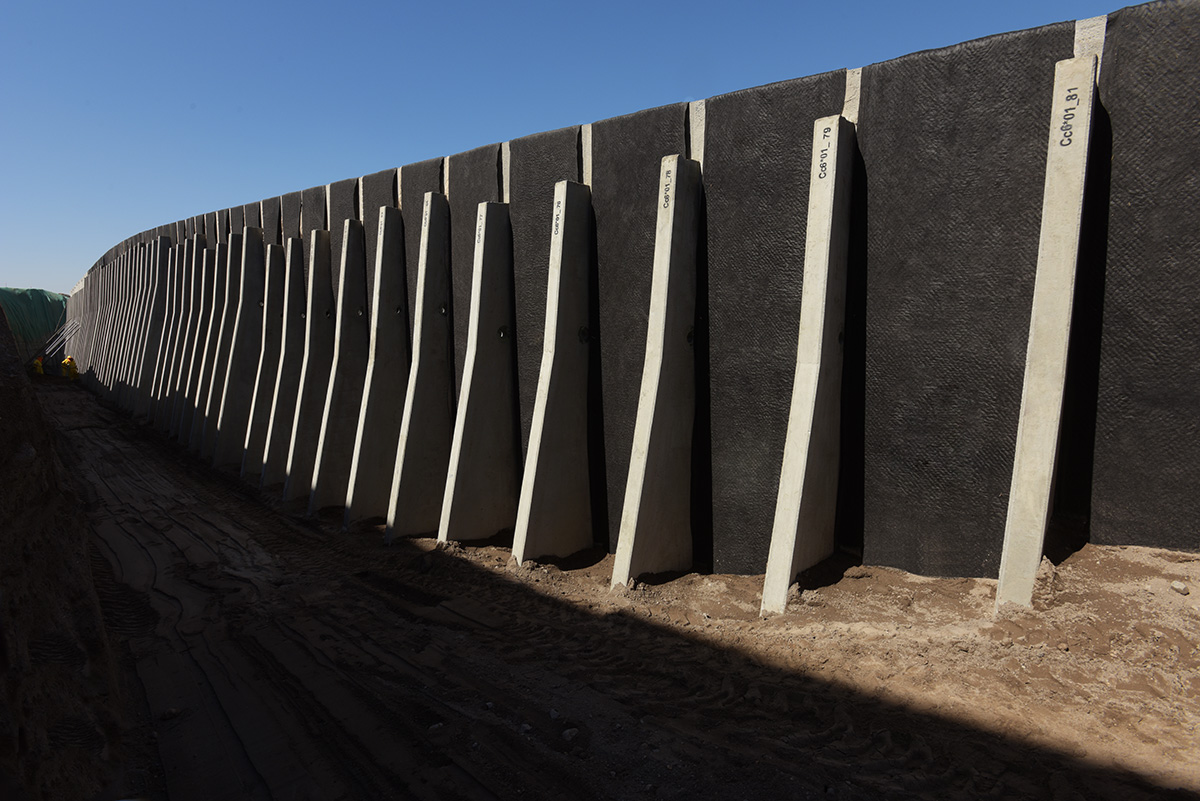
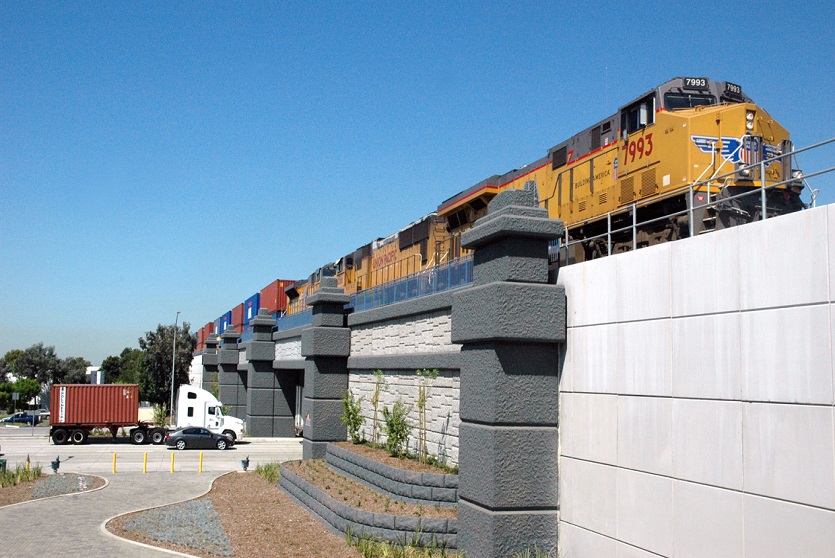
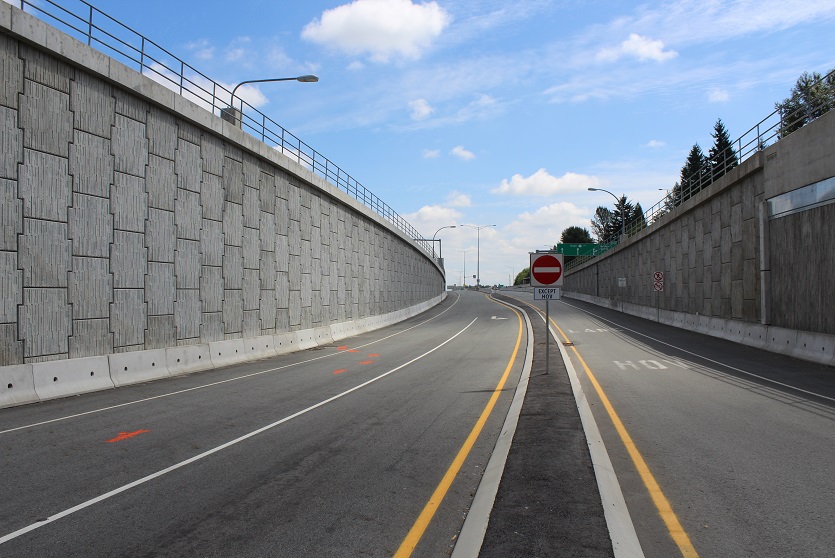
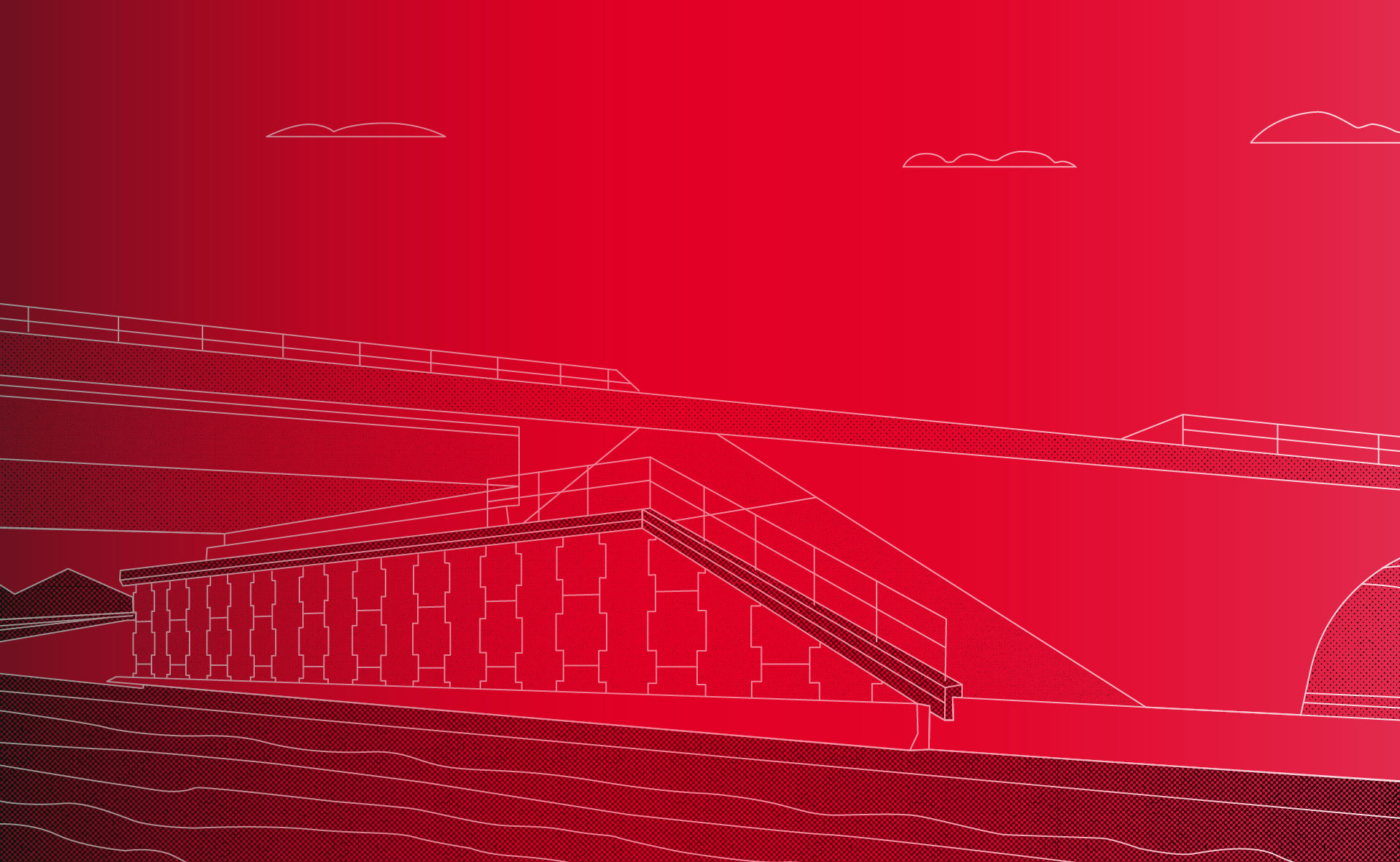
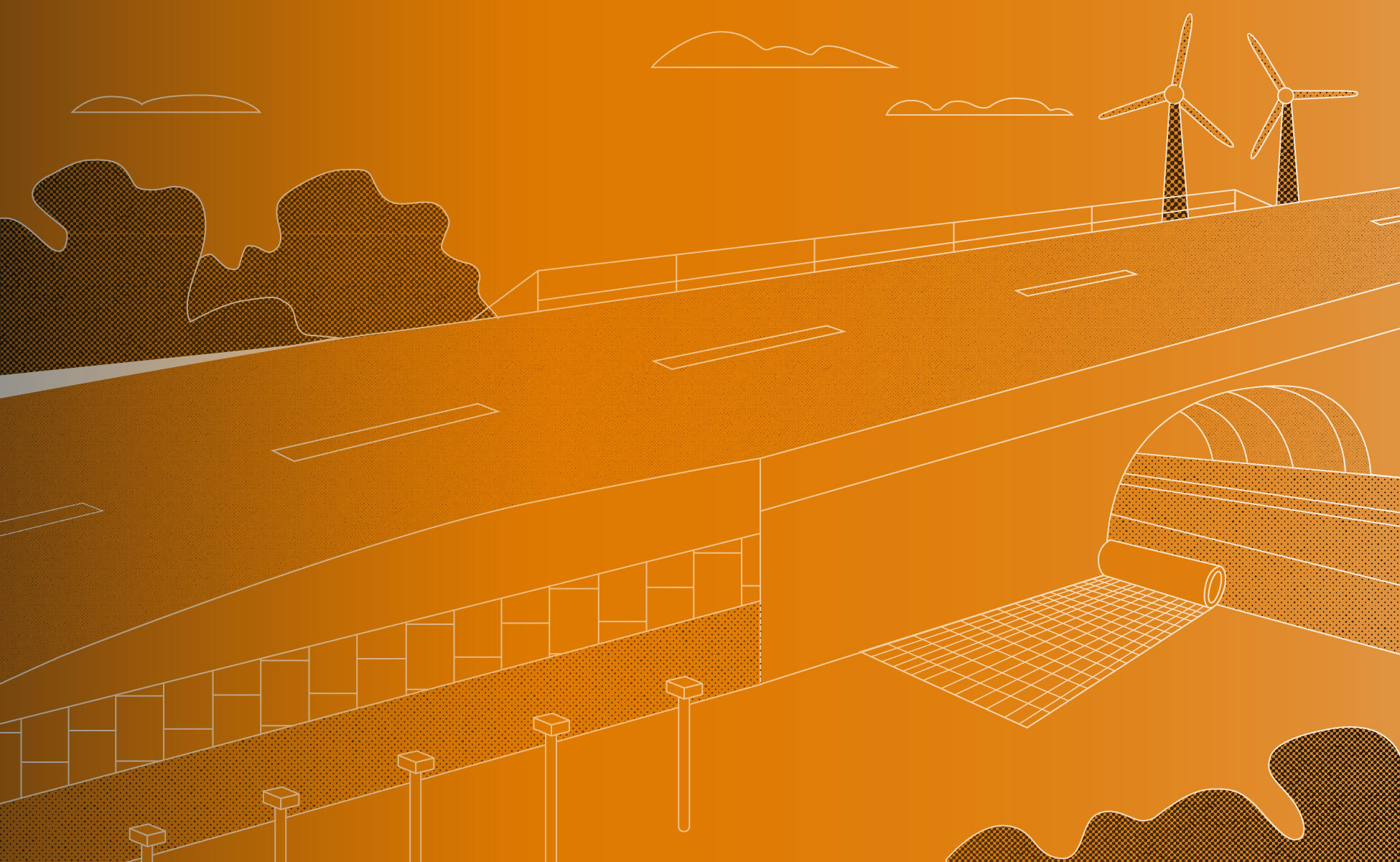
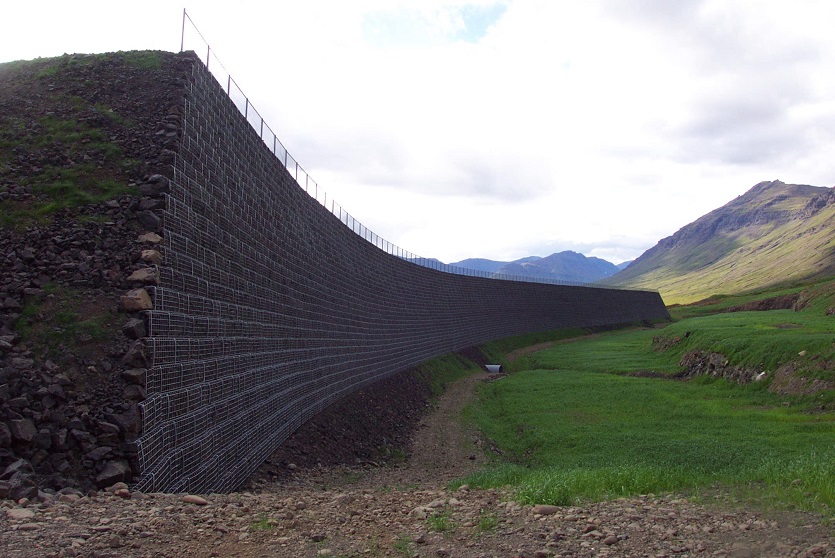
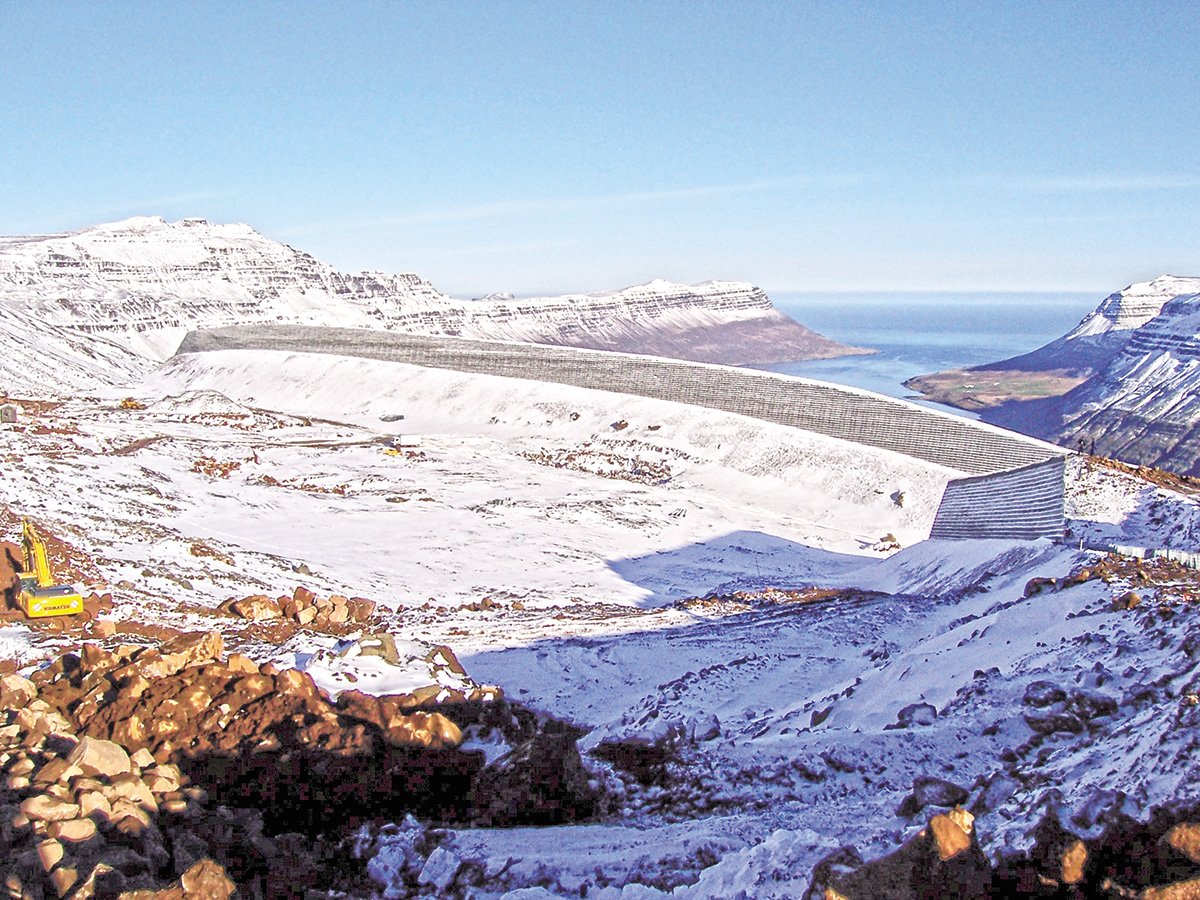
Avalanche bunds are usually built as steep reinforced embankments, such as Reinforced Earth slopes, with steel mesh facings that can be vegetated. Their mass absorbs the impact, their steep faces limit the footprint and fill volume, and their lightweight components can be brought to remote sites without heavy lifting equipment. Where a road or railway has to cross the avalanche path, it can be covered by a shed or gallery built with TechSpan arches or TechBox units. Adjoining retaining walls in narrow excavations often use TechWall or T-Wall.
Avalanche defence structures
- Snow nets in release zones
Flexible structures that support the snowpack and prevent avalanches from forming.
- Deflecting bunds and splitter walls
Reinforced embankments that divert the avalanche flow or split it around a building or structure.
- Catching bunds and dams
Barriers built across the run-out zone to stop the avalanche and retain the deposited snow.
- Sheds and galleries
Covered structures that let the avalanche pass over a road or railway.
Inputs for sizing avalanche defence works
- Avalanche scenario: Volume, flow velocity, snow density and return period set the impact and retention requirements.
- Zone of intervention: Release zone, track or run-out area determines the type of structure needed.
- Bund geometry: Height, length and facing angle control how the flow is deflected or stopped. Steep faces reduce footprint and fill volume.
- Snow loads on covered structures: Galleries must carry the weight of deposited snow and the dynamic impact of the avalanche.
- Site access and construction season: Remote sites favour lightweight, easily transported components and simple installation.
- Local materials: Using on-site soils as backfill reduces transport and cost.
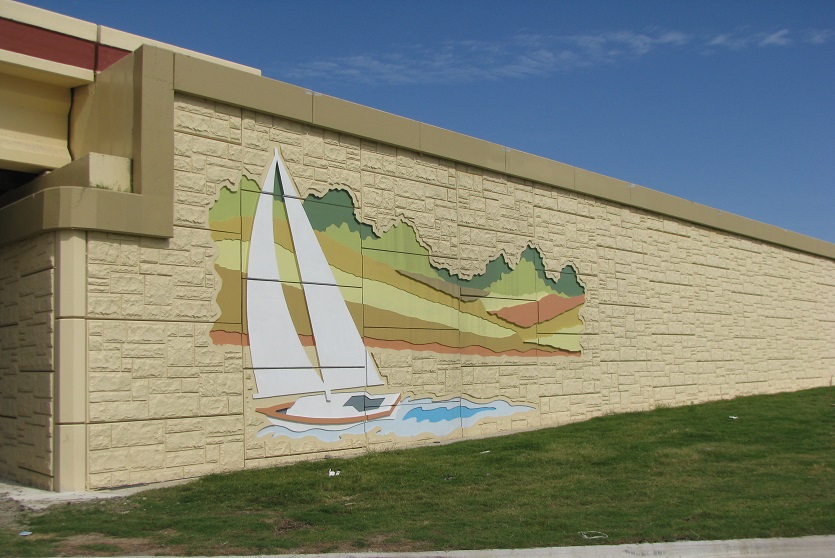
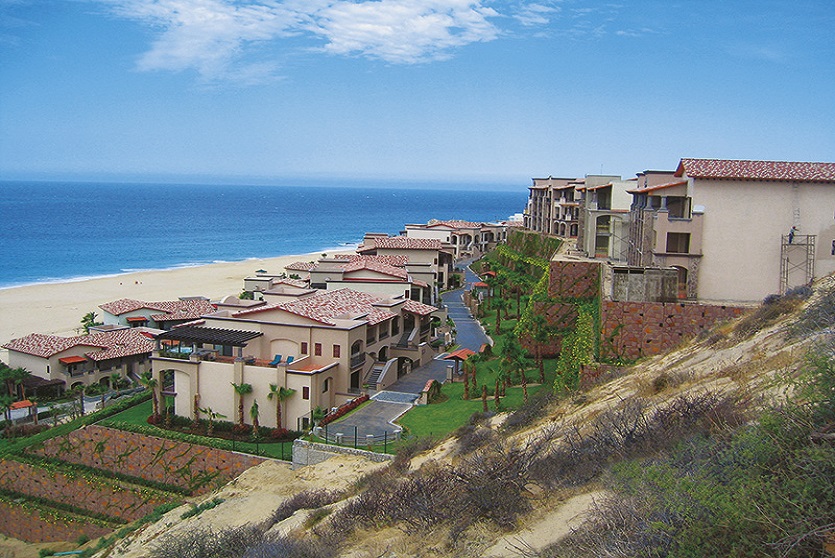
- Facing and integration: Vegetated or mineral facings from the Architectural finish range help blend bunds into the mountain landscape.
- Combined hazards: Rockfall and debris flow often affect the same slopes and can be addressed together.
- Durability and maintenance: Structures must remain effective for decades with minimal intervention.