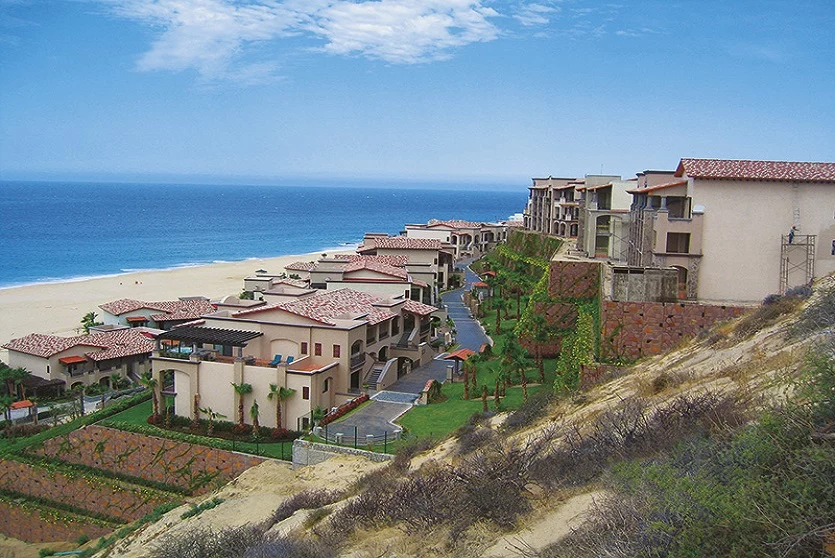
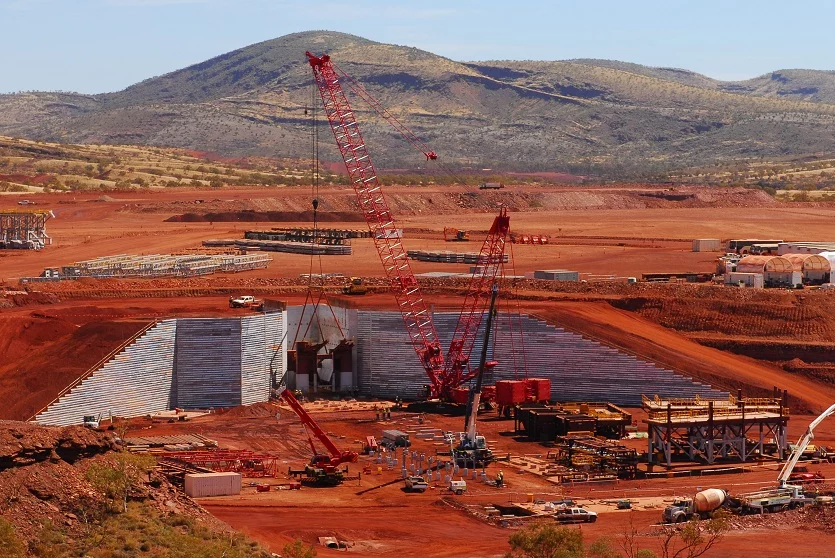
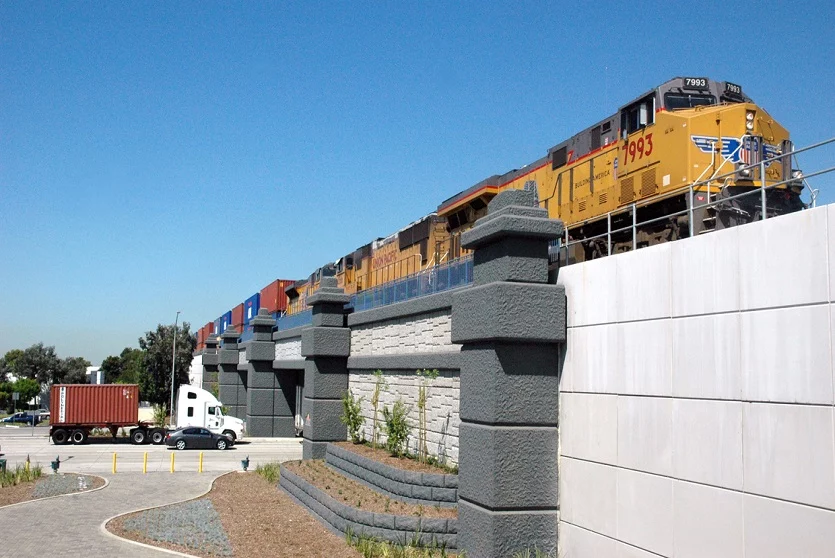
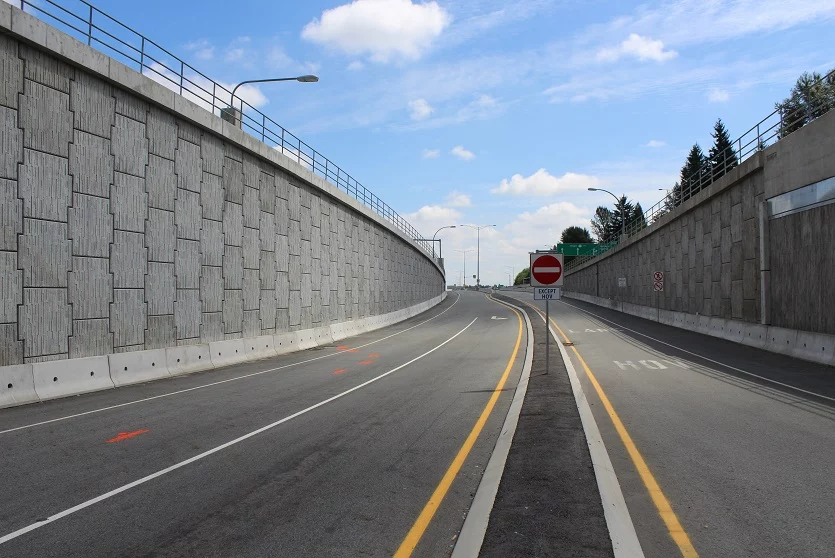
Natural hillsides, road and railway cuttings and man-made embankments can lose their stability over time. Slope stabilization keeps the soil or rock mass in place, so that it does not slide, slump or fail onto the infrastructure, buildings or people below.
Interventions range from preventive works on vulnerable slopes to the repair of existing failures and emergency measures when danger is imminent. In every case, the goal is the same: restore a safe and durable equilibrium of the ground.
Why slopes become unstable
- Weak or changing ground conditions
Weathered rock, loose soils and weak layers reduce the strength of the slope mass.
- Water and heavy rainfall
Infiltration and rising pore pressure are among the most common triggers of slope failure.
- Seismic activity and freeze-thaw cycles
Earthquakes, snow accumulation and temperature variations progressively weaken the slope.
- Earthworks and new loads
Excavations, cuttings and structures built at the crest or toe change the balance of the slope.
- Difficult access
Steep, high or remote slopes limit the use of heavy equipment.
- Urgent response
After a failure or a warning sign, works often need to start within a very short time frame.
Stabilizing slopes at the source
Slope stabilization acts on the mass itself, before any movement begins. Its role is to increase the resistance of the slope or reduce the forces that drive it towards failure. This sets it apart from protection measures, which intercept material that is already moving and belong to debris flow and rockfall protection.
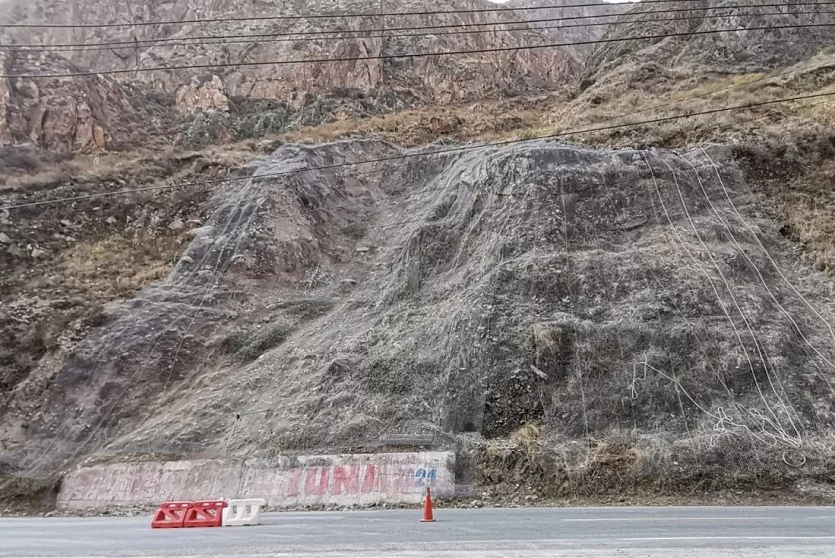
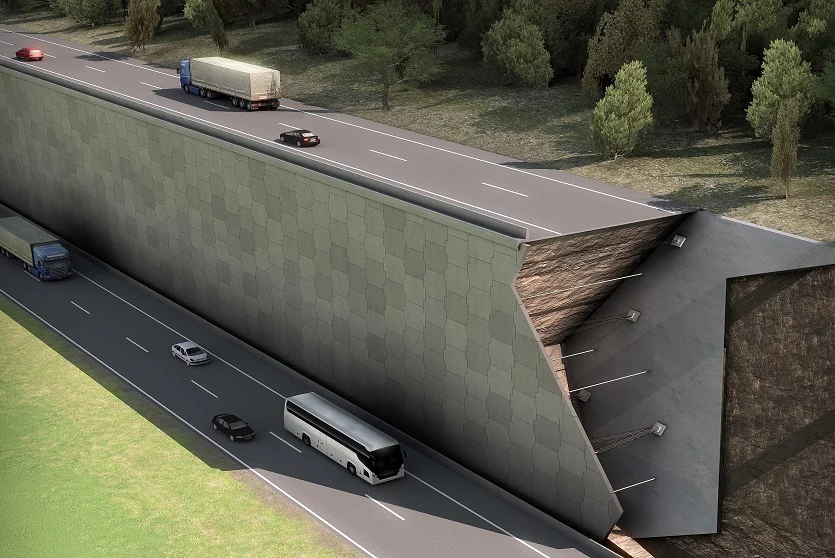
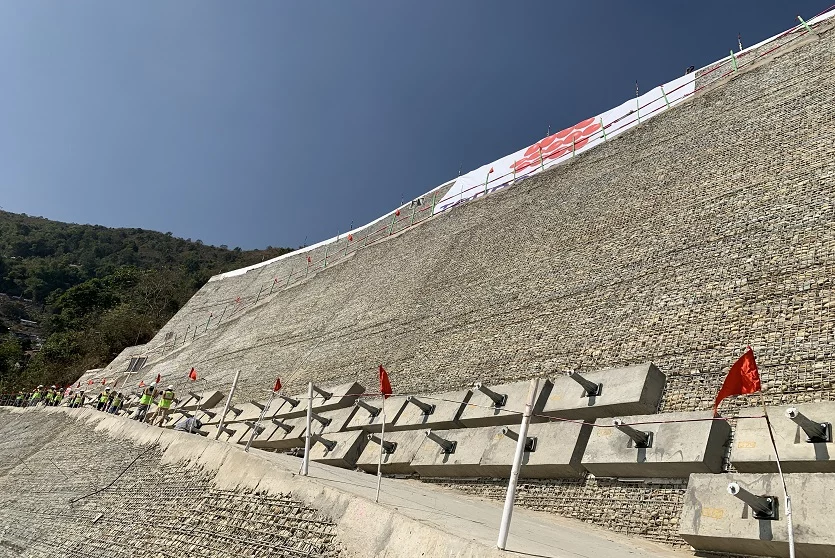
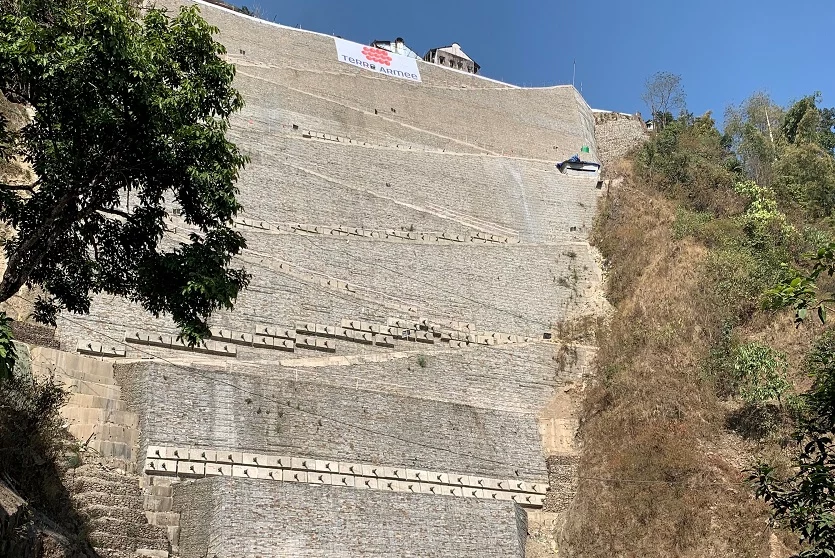
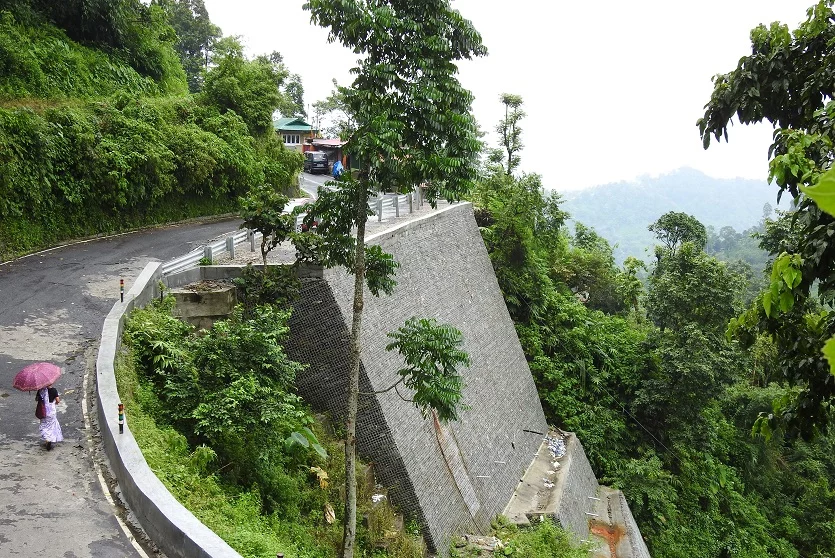
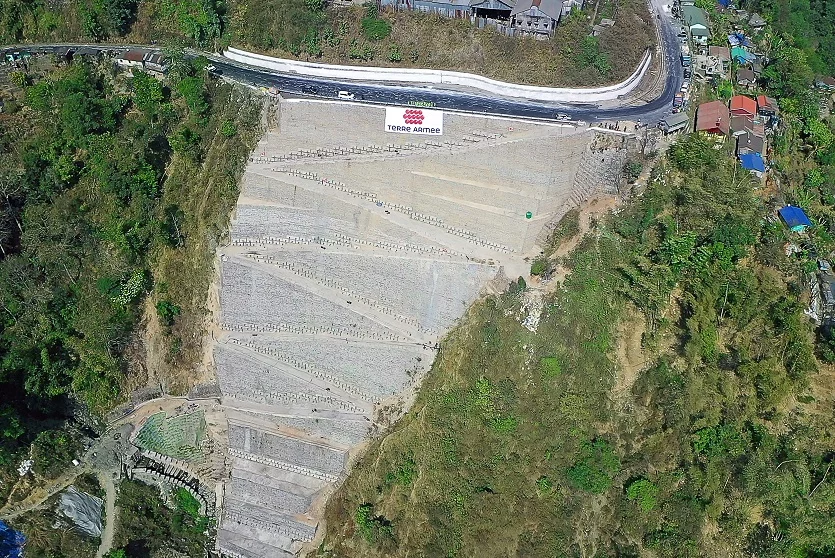
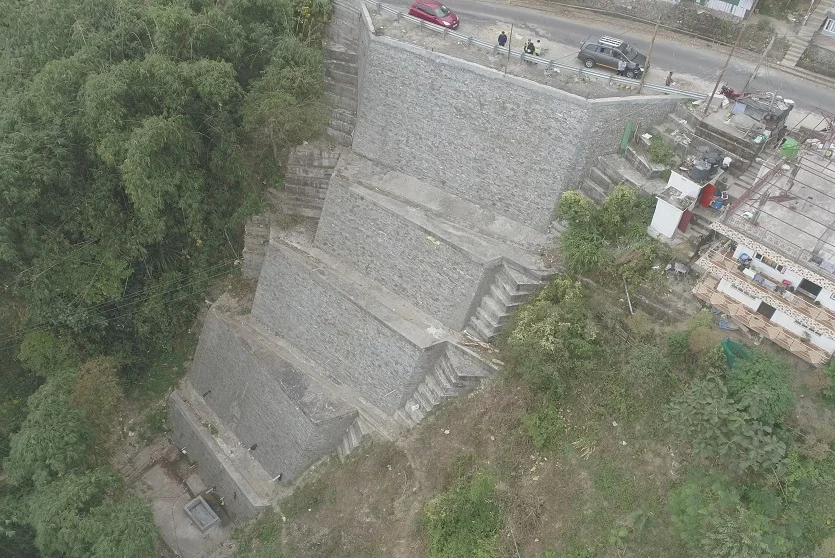
Several approaches can be used, alone or together. Reinforcing elements such as soil nails and ground anchors tie the unstable zone back to competent ground. Surface coverings such as protective nets hold loose soil and rock against the face. When a slope must be rebuilt or steepened, reinforced backfill structures such as Reinforced Earth slopes or TerraLink restore a stable profile.
Slope stabilization applies to corrective works on existing failures, preventive treatment of slopes identified as at risk, and temporary securing during works such as excavation, rock blasting or scaling.
Active and passive stabilization approaches
- Active stabilization
Nails, anchors and anchored nets apply or mobilize resistance within the slope to prevent movement from starting.
- Passive stabilization
Reinforced backfill bunds and retaining structures support the slope and resist movement as it develops.
- Combined approaches
On high-risk sites, active treatment of the slope face is often coupled with passive structures at the toe for an additional level of safety.
Assessing a slope before choosing a stabilization method
- Failure mechanism: Shallow sliding, deep-seated failure or surface ravelling each require a different response.
- Geology and soil properties: Rock quality, soil strength and the depth of competent ground govern reinforcement length and spacing.
Hydrogeology: Groundwater levels and surface runoff determine drainage needs. - Slope geometry: Height, angle and available space at the crest and toe guide the choice between treating the slope in place and rebuilding it.
- Consequences of failure: The value and exposure of what lies below set the required safety level.
- Access and construction method: Steep or remote slopes are ideal for installing lightweight structures that can be set up quickly.
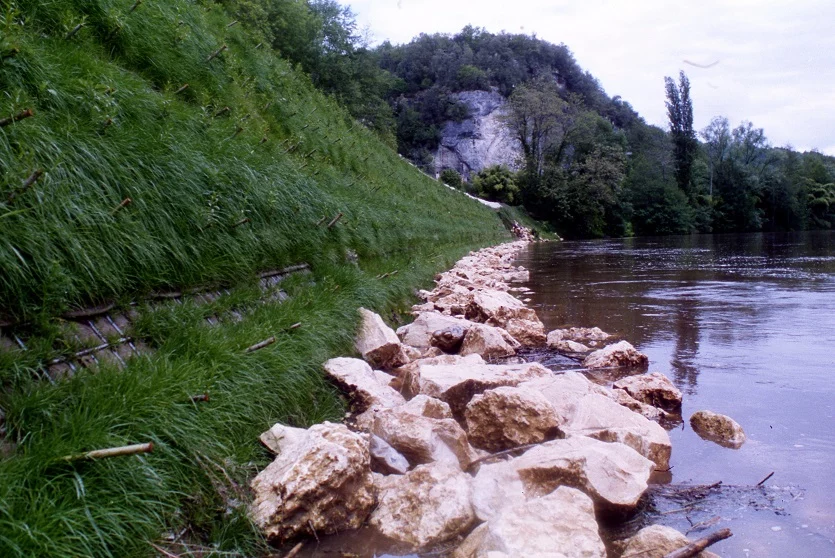
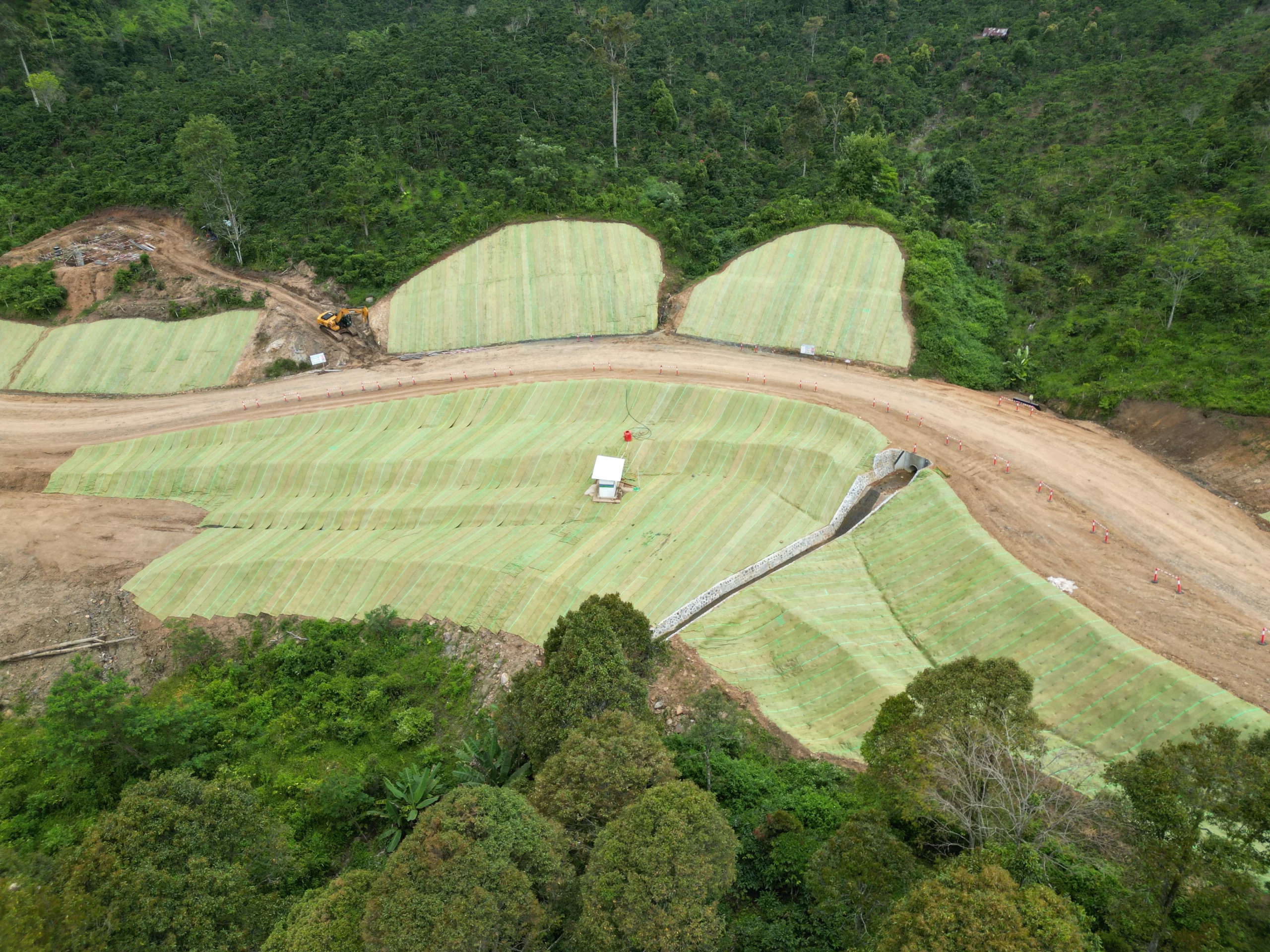
- Surface protection and vegetation: Once stabilized, the face may need erosion control and revegetation, for example with TerraGreen.
- Temporary or permanent works: The design life affects material choices and corrosion protection.