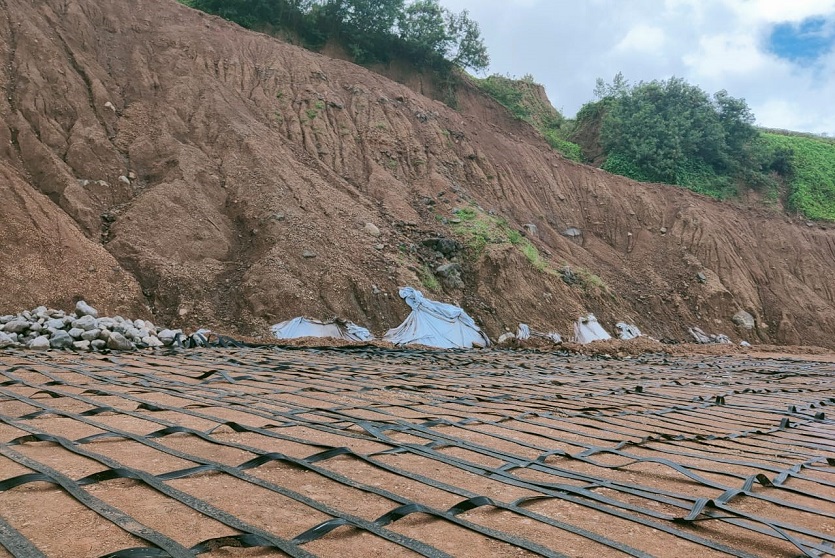
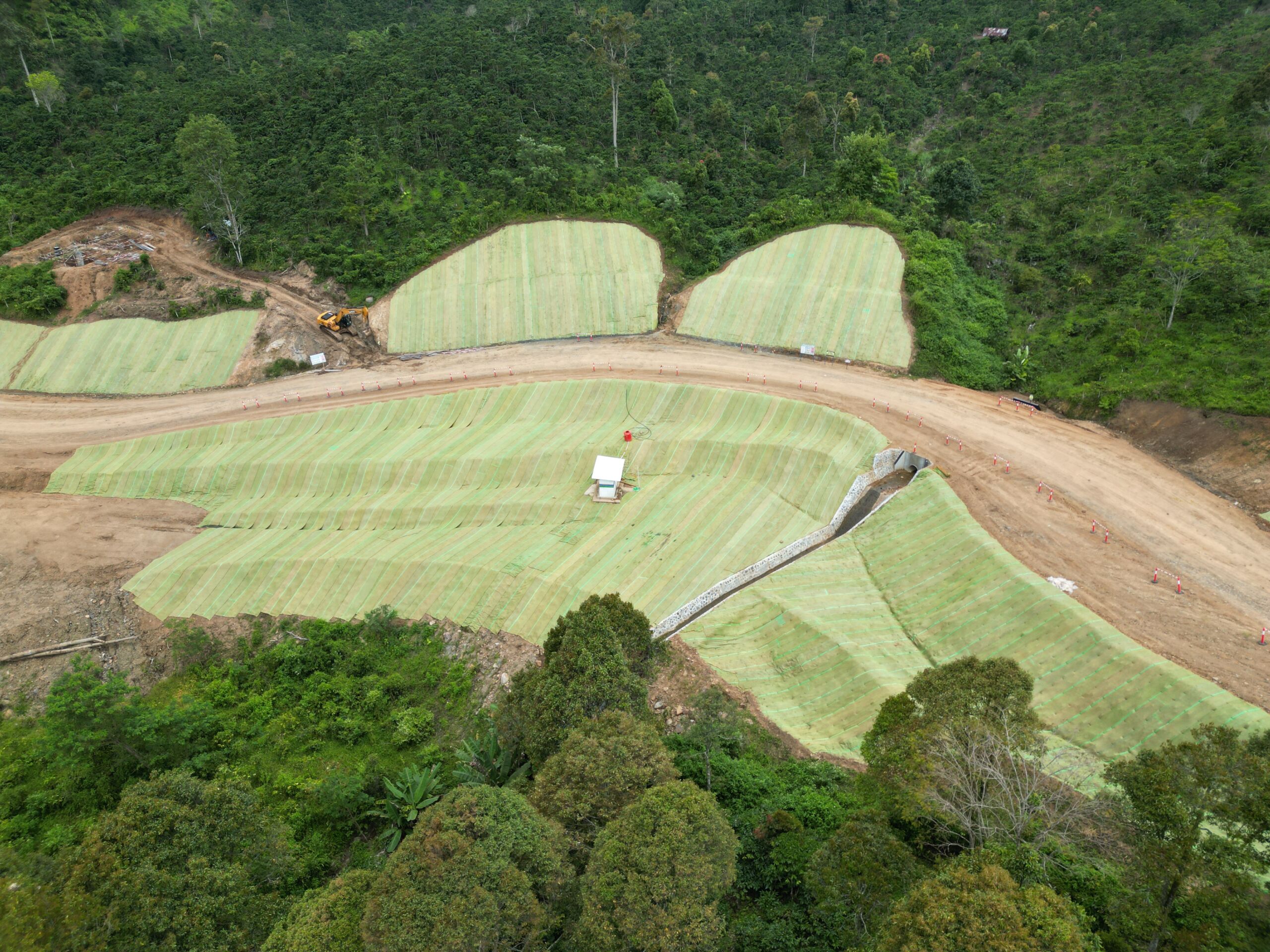
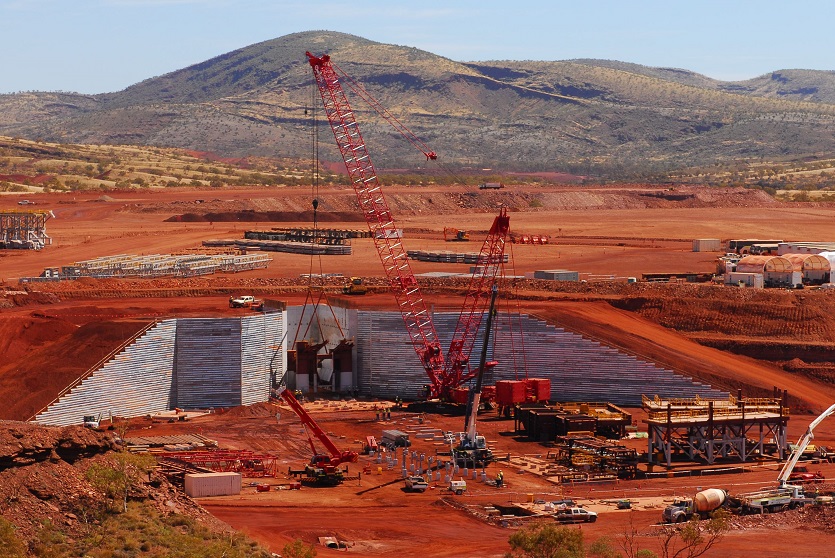
Rain, runoff, wind and flowing water gradually remove the surface layer of slopes, embankments, riverbanks and channels. Left untreated, erosion degrades the profile of the ground, undermines nearby structures and can eventually lead to larger instabilities.
Erosion protection covers exposed soil surfaces so they can withstand these forces over time. Depending on the level of exposure, it can rely on vegetation, on reinforced vegetation, or on a hard protective layer. The best results come when it is planned from the design stage rather than added after damage appears.
Forces that erode bare soil
- Rainfall and surface runoff
Raindrop impact and concentrated runoff wash fine particles away and create gullies on bare slopes.
- Flowing water and scour
In rivers, ditches and channels, water velocity and shear stress strip banks and beds.
- Wind exposure
Dry, unvegetated surfaces lose material to wind, especially on newly built earthworks.
- Time to establish vegetation
Newly seeded surfaces stay vulnerable until roots have developed.
- Fluctuating water levels
Wetting, drying and drawdown cycles weaken banks and the toe of slopes.
- Environmental requirements
Many sites call for natural-looking protection that respects local flora and ecosystems.
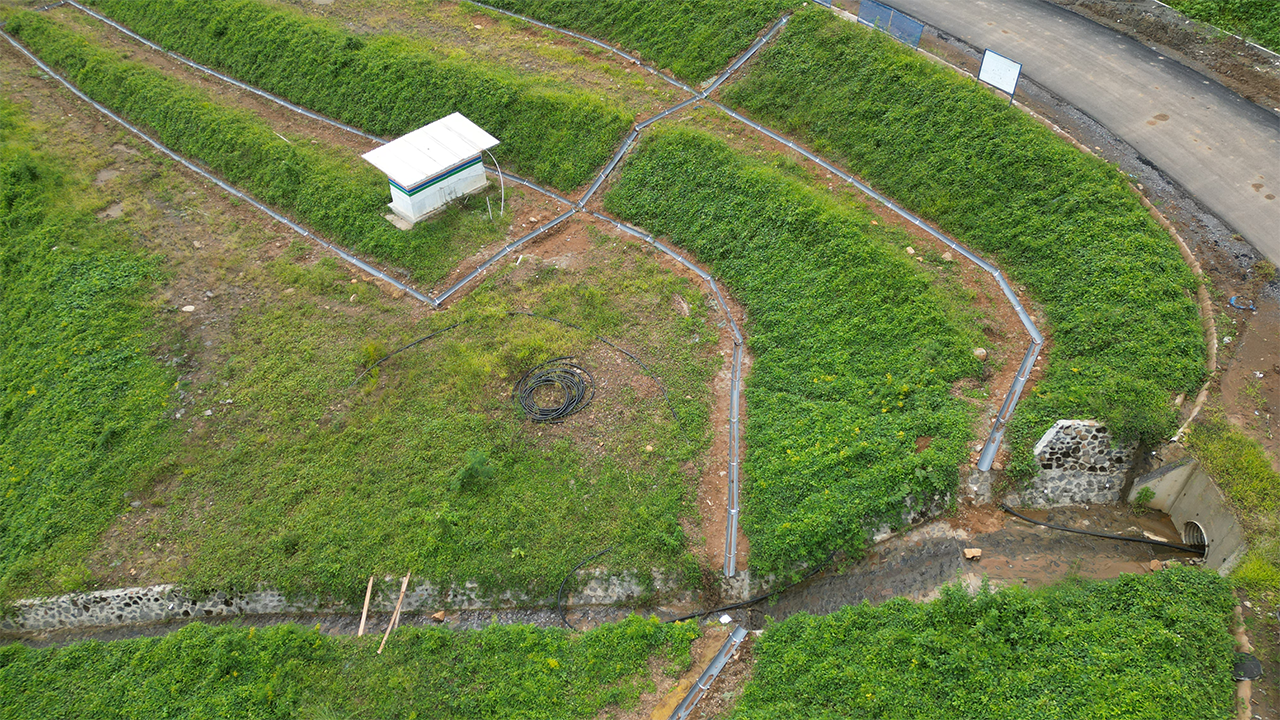
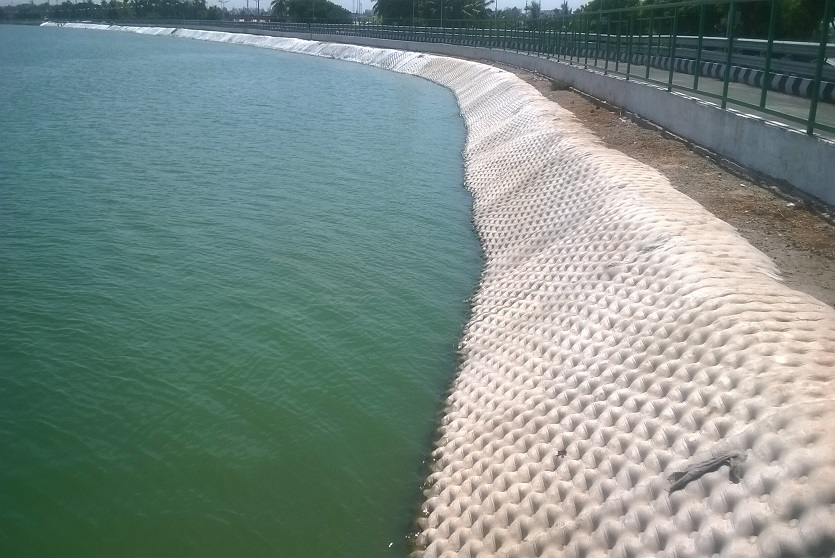
Protecting surfaces against rain, wind and flowing water
Erosion protection acts on the surface of the ground, where soil is directly exposed to rain, wind and water. Its role is to hold soil particles in place and dissipate the energy of runoff or flow before it can carry material away. It does not replace the stability of the slope mass itself, which is addressed through slope stabilization when needed.
The type of protection depends on the forces involved. On slopes and embankments exposed mainly to rain, biodegradable blankets and natural fibre logs protect the soil while vegetation grows. Where water flows exceed what plants alone can resist, permanent turf reinforcement mats such as TerraGreen keep vegetation anchored. Cellular confinement such as ArmaWeb holds topsoil or granular fill on steep surfaces. On riverbanks, channels and spillways subject to strong currents, a hard revetment such as Fabric Formed Concrete Mattresses gives continuous protection. Soil-filled geotextile bags and mattresses offer a flexible option for local repairs and difficult access.
Erosion protection is used on road and railway embankments, cut slopes, riverbanks, drainage channels, reservoirs and mine sites, both for new works and for the restoration of damaged surfaces.
Erosion protection by level of exposure
- Temporary vegetated protection
Biodegradable blankets and natural fiber logs that protect the surface until vegetation takes over.
- Permanent reinforced vegetation
Synthetic mats that reinforce plant roots for long-term resistance to runoff and moderate flows, as an alternative to rock riprap.
- Confined surface layers
Geocells that hold soil, vegetation or granular fill on steep slopes and channel sides.
- Hard revetments
Concrete mattresses that armour banks, beds and channels against high water velocities and scour.
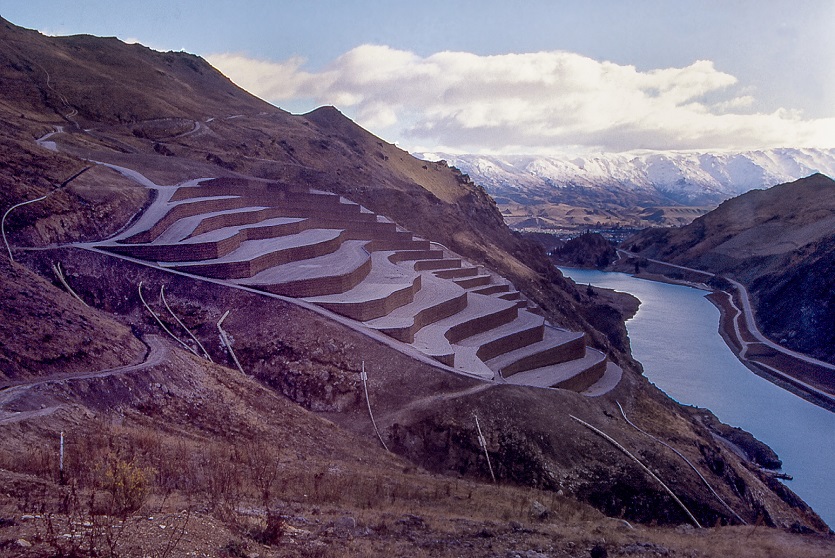
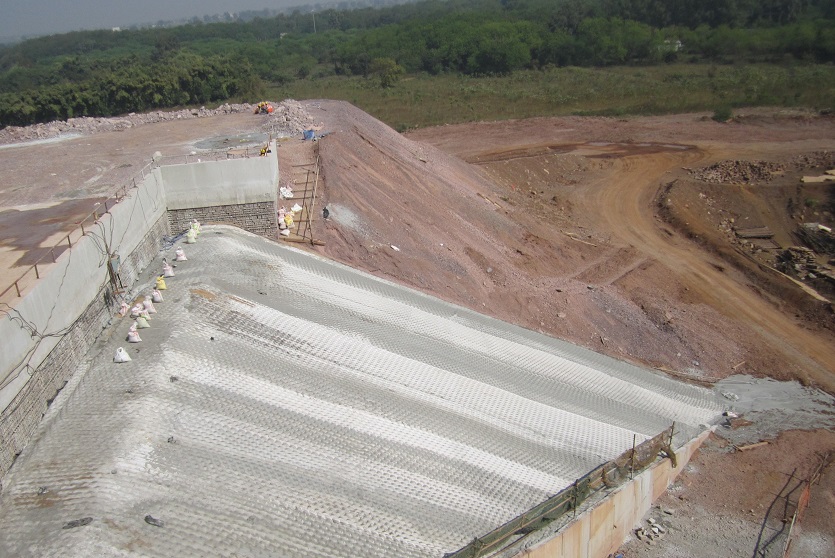
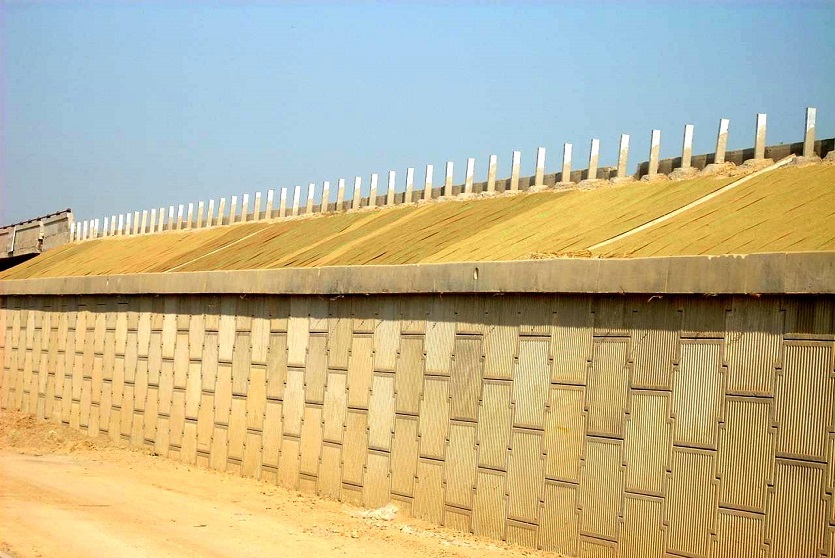
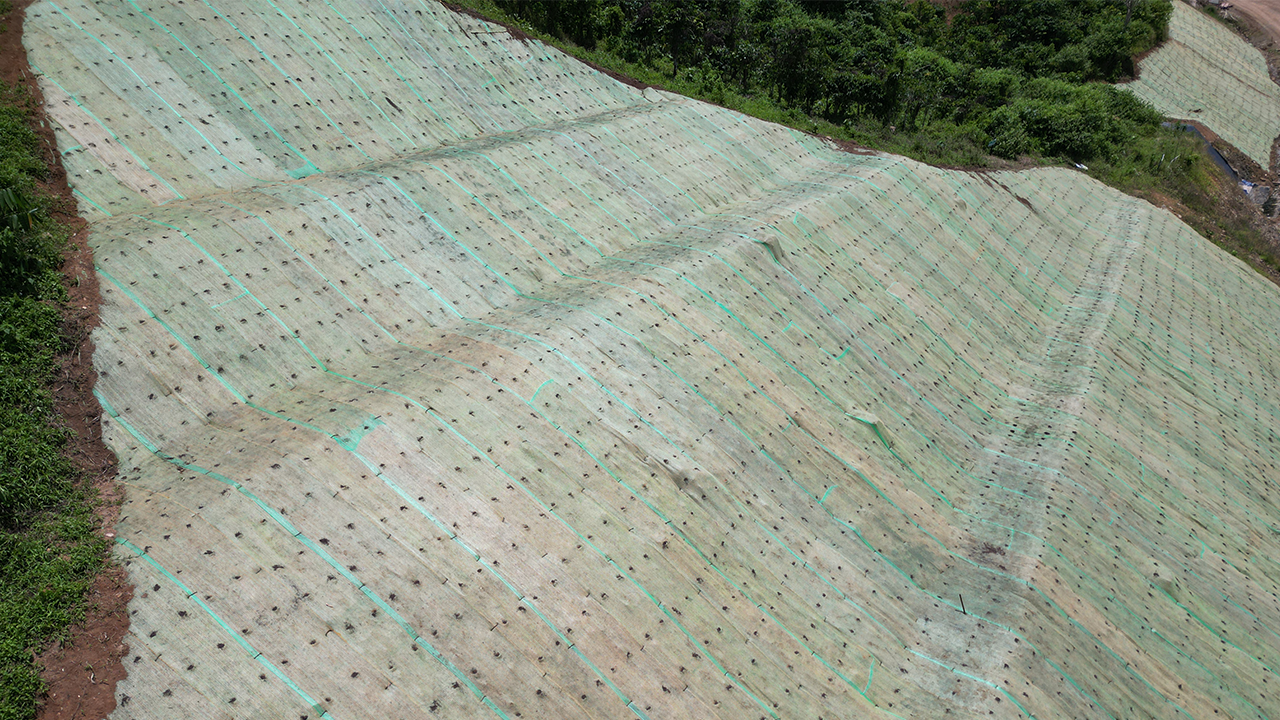
Matching erosion protection to site conditions
- Hydraulic loads: Flow velocity, shear stress and flood frequency determine whether vegetation, reinforced vegetation or a hard revetment is required.
- Slope angle and length: Steeper and longer slopes concentrate runoff and may need confinement of the surface layer.
- Soil type: Fine, non-cohesive soils erode faster and need closer protection and filtration.
- Climate and vegetation: Rainfall patterns, growing season and local plant species affect how quickly vegetation becomes effective.
- Water level variations: Submerged zones, drawdown and toe scour must be covered by the protection layer.
- Service life: Temporary protection during construction differs from permanent protection over the life of the structure.
- Installation and access: Remote or underwater areas favour lightweight, flexible or in-situ filled options.
- Environmental integration: Vegetated solutions are often preferred for their appearance and ecological value.