Engineering solutions for safer, more resilient and efficient road infrastructure
Geoquest supports the construction, extension and rehabilitation of roads and motorways with engineered solutions addressing challenging terrain, ground conditions, crossings, natural hazards and evolving infrastructure needs.



Meeting the challenges of road infrastructure
Road and motorway projects combine multiple geotechnical and structural challenges along a single corridor. Routes must adapt to changing terrain, weak or variable ground conditions, waterways and existing infrastructure while meeting demanding requirements for safety, durability and traffic continuity.
Upgrading existing networks brings additional constraints. Road widening, new interchanges and rehabilitation works often need to fit within restricted rights-of-way and be delivered alongside infrastructure that remains in operation.
At the same time, road owners and designers are looking for ways to optimize earthworks and material use, facilitate construction and improve the resilience and long-term performance of their infrastructure.
Supporting road infrastructure from the ground up
Geoquest solutions can address different requirements along a road corridor, from preparing the ground and establishing the required alignment to creating crossings and protecting exposed infrastructure.
- Building across challenging terrain
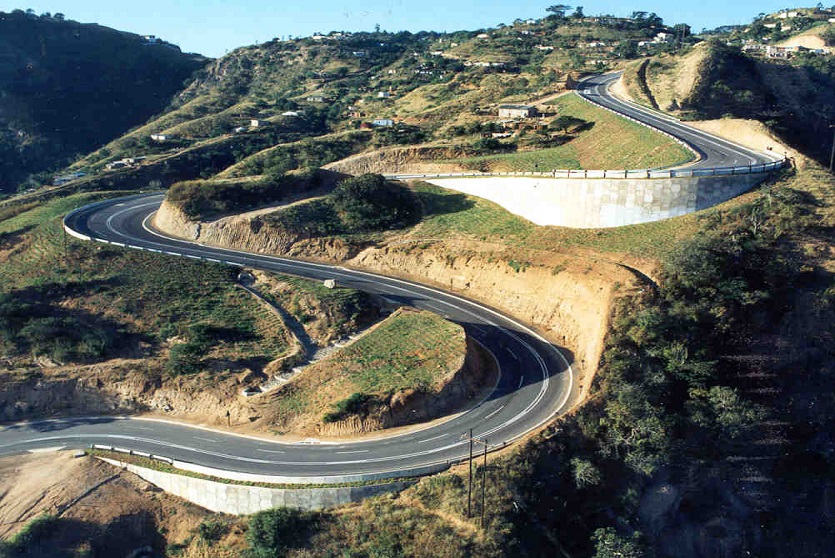
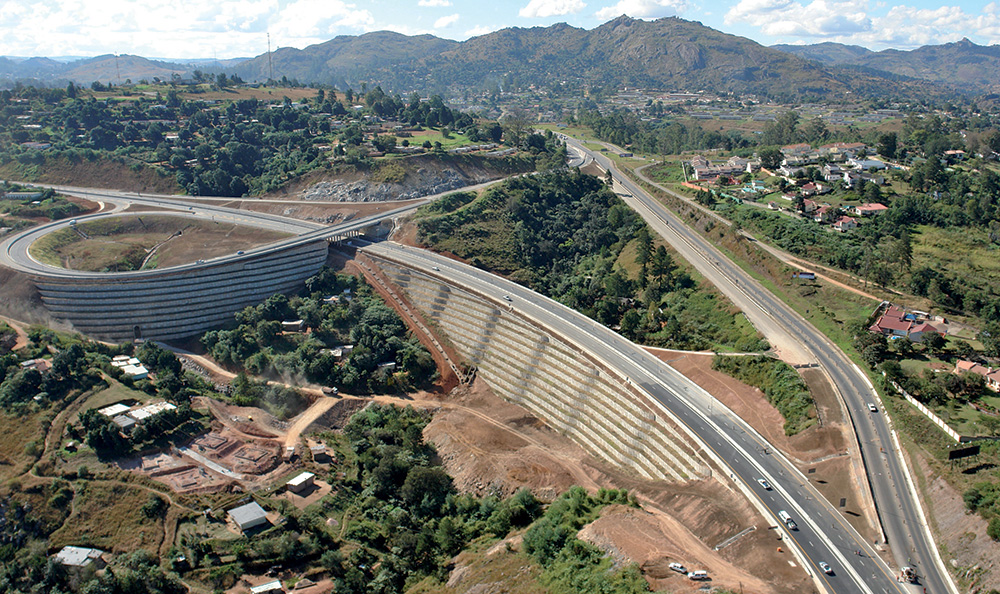
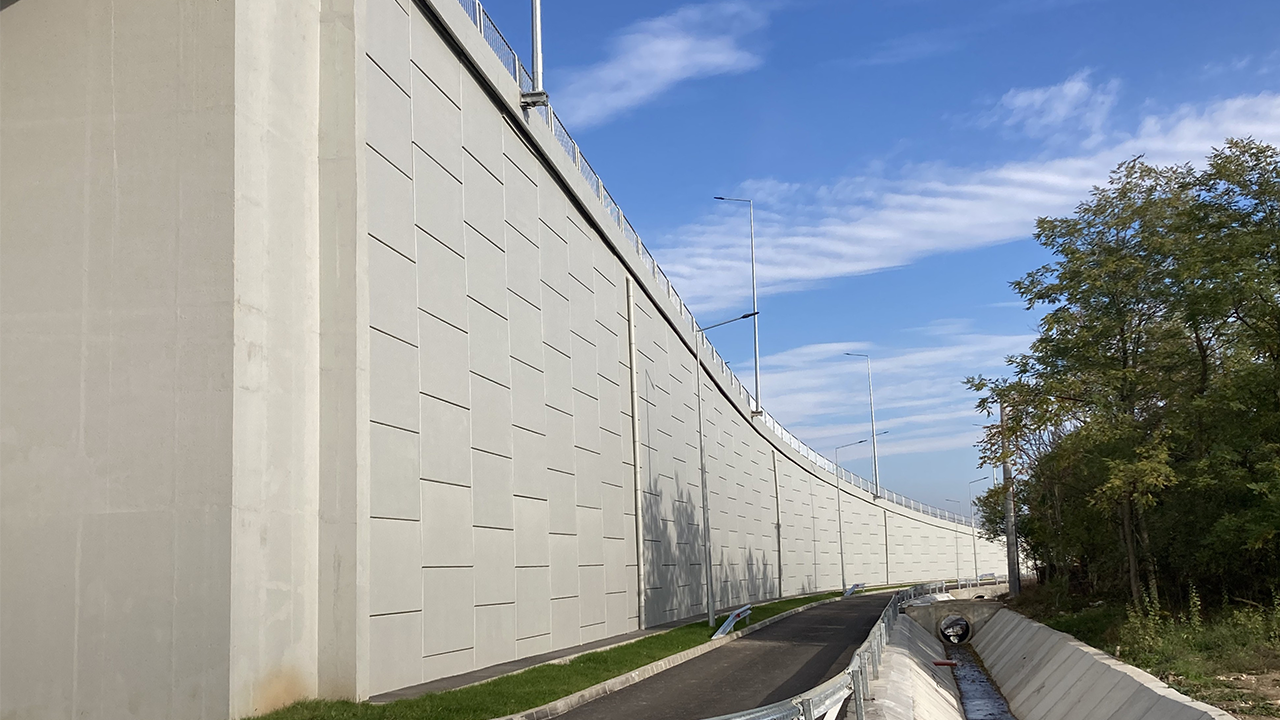
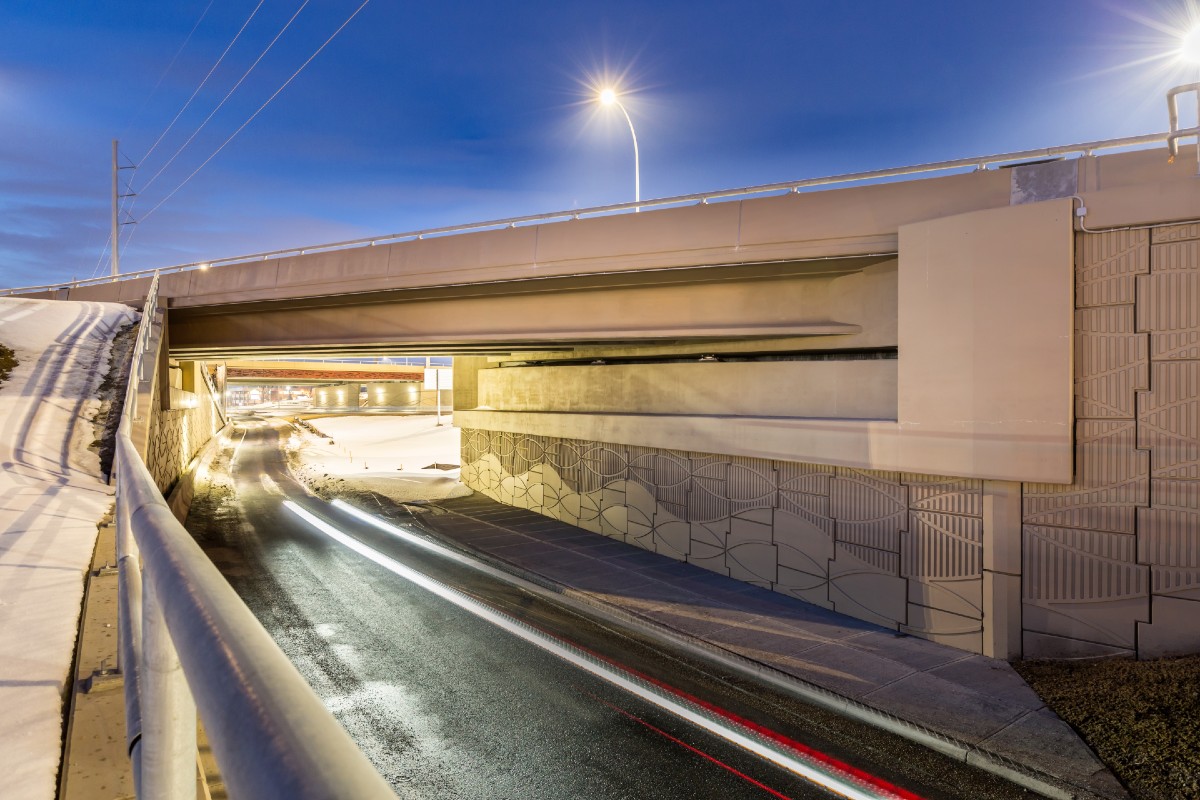
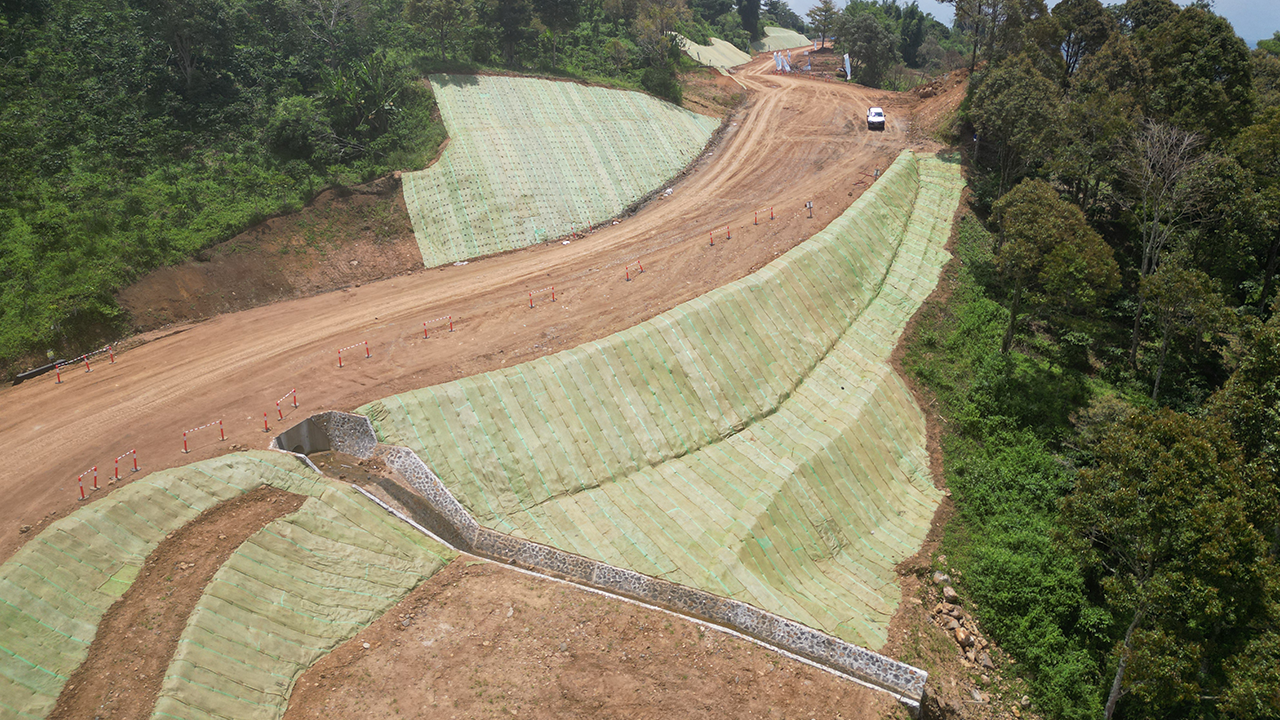
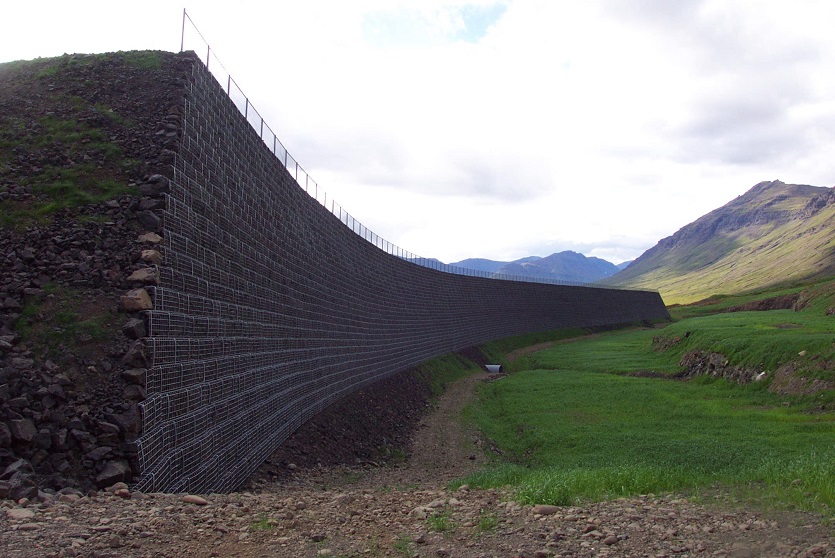
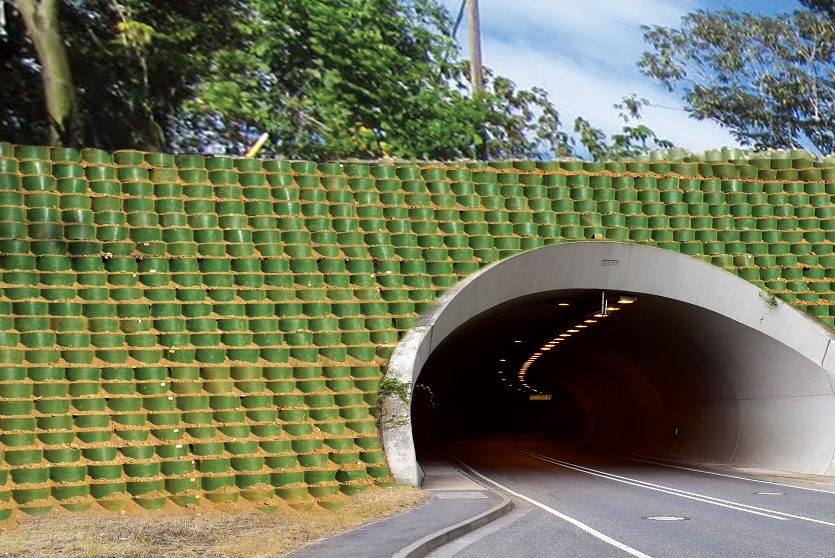
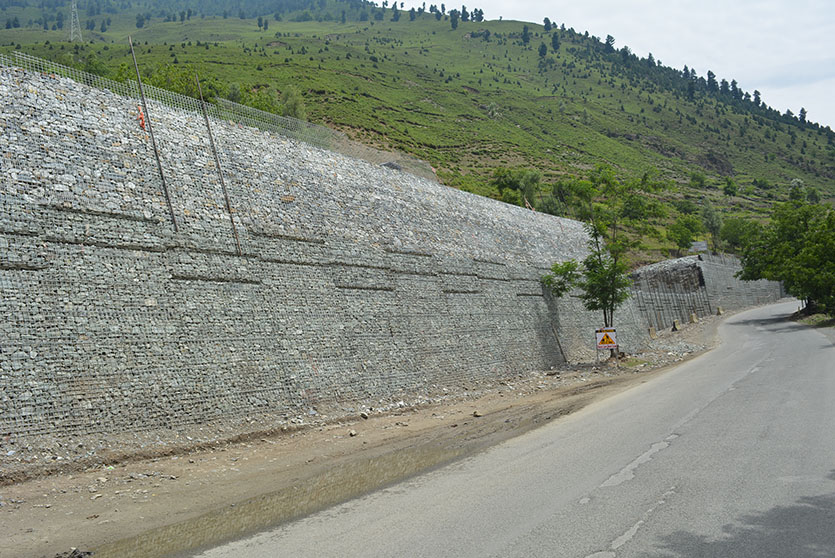
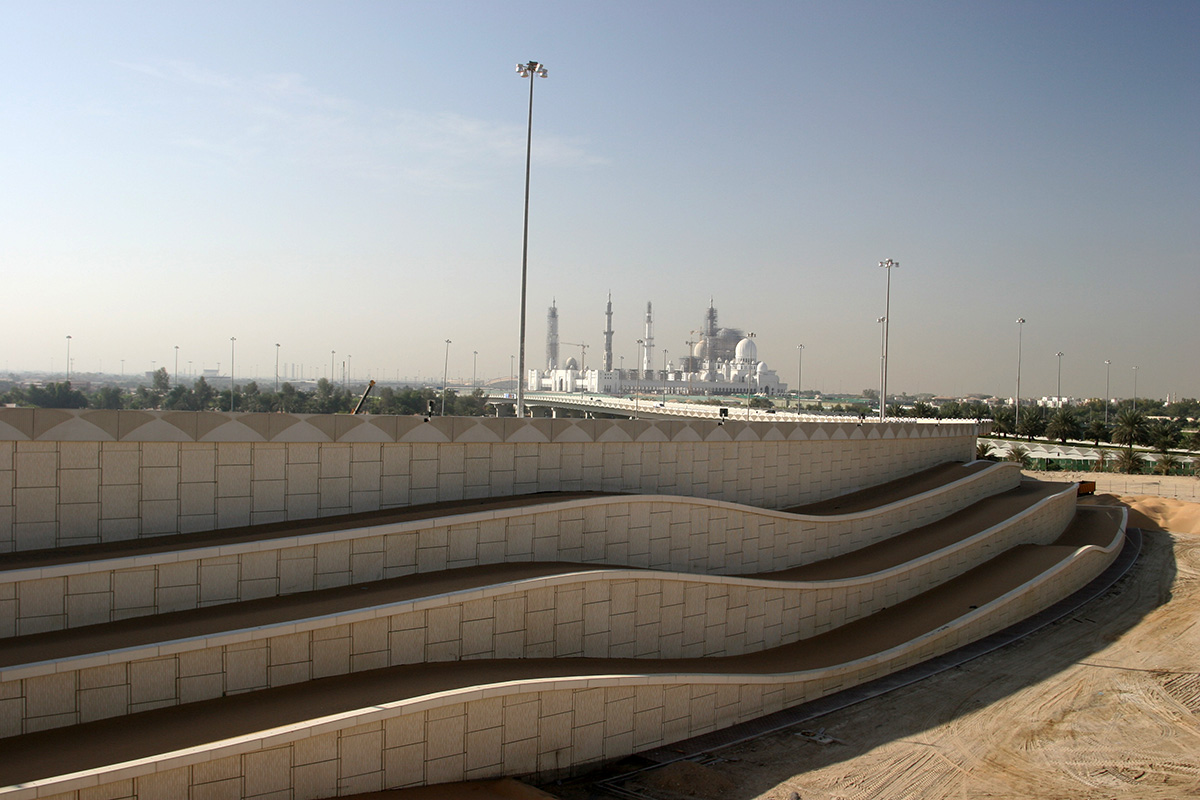
Changes in elevation, steep terrain and constrained alignments can require retaining structures or reinforced slopes to establish the required road geometry while optimizing the project footprint. Reinforced Earth walls and abutments, Reinforced Earth slopes and Precast walls provide complementary approaches to accommodate different geometries, ground conditions and construction constraints.
- Building over difficult ground
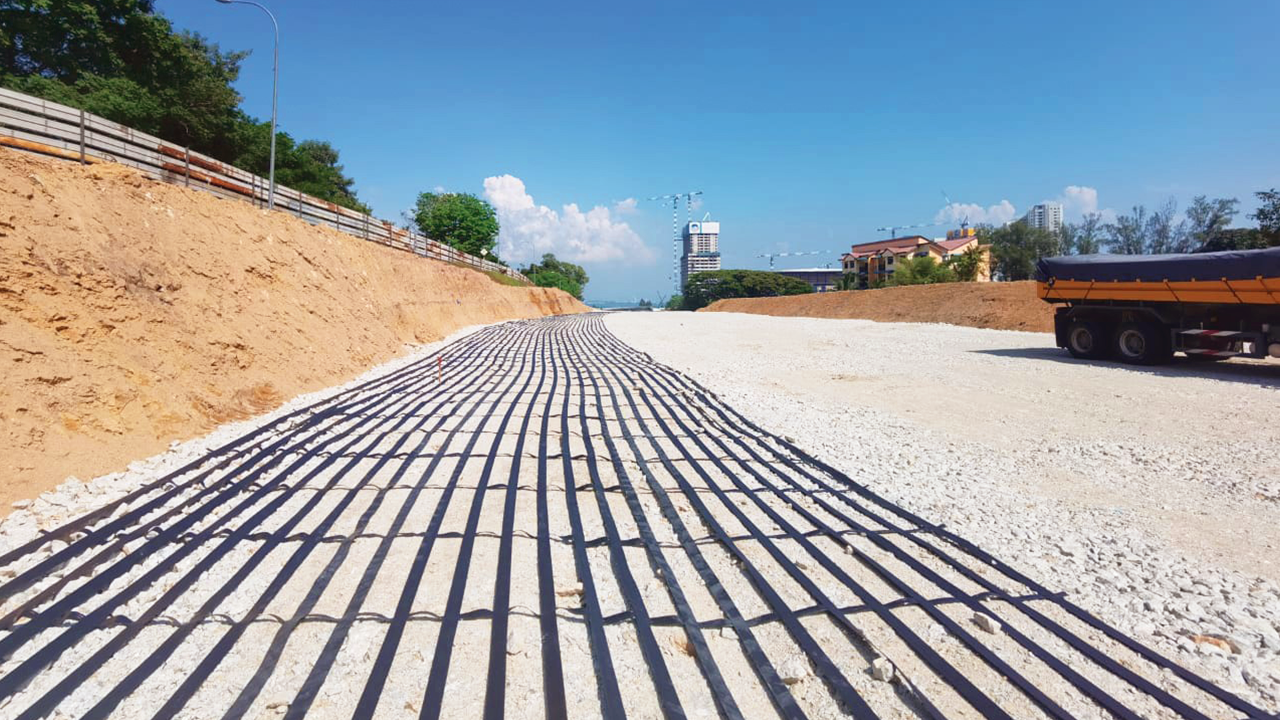
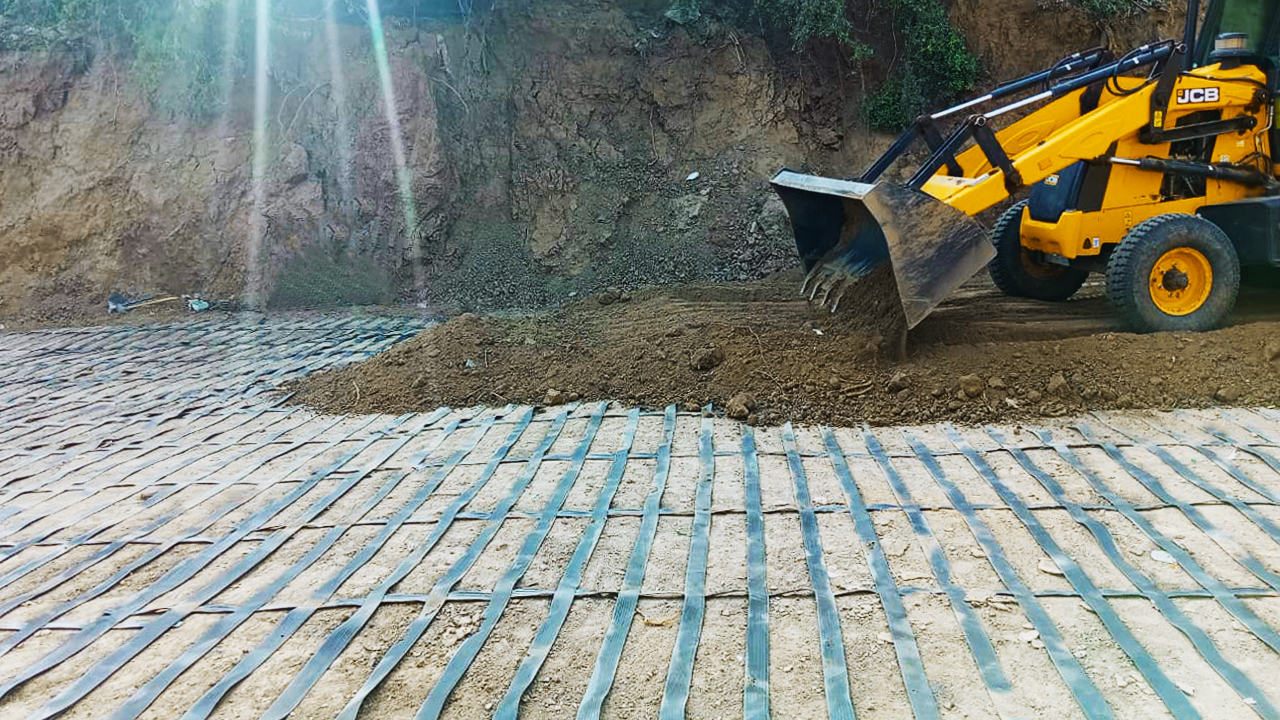
Weak soils, low bearing capacity and settlement risks can affect road embankments and pavement structures. Basal reinforcement and stabilization solutions using geosynthetics can improve ground performance, reinforce embankments and support road infrastructure constructed over challenging soils.
- Creating connections and crossings
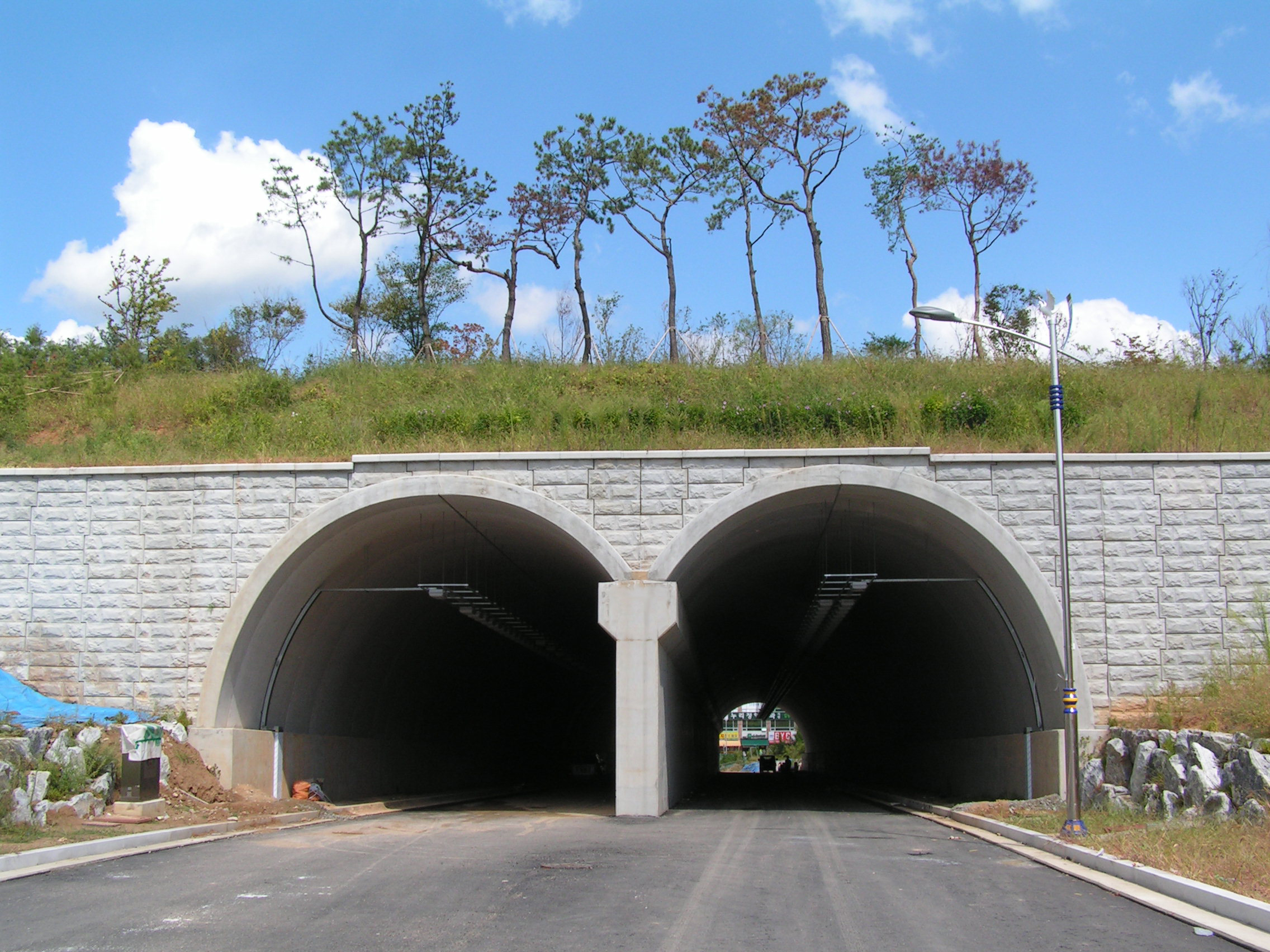
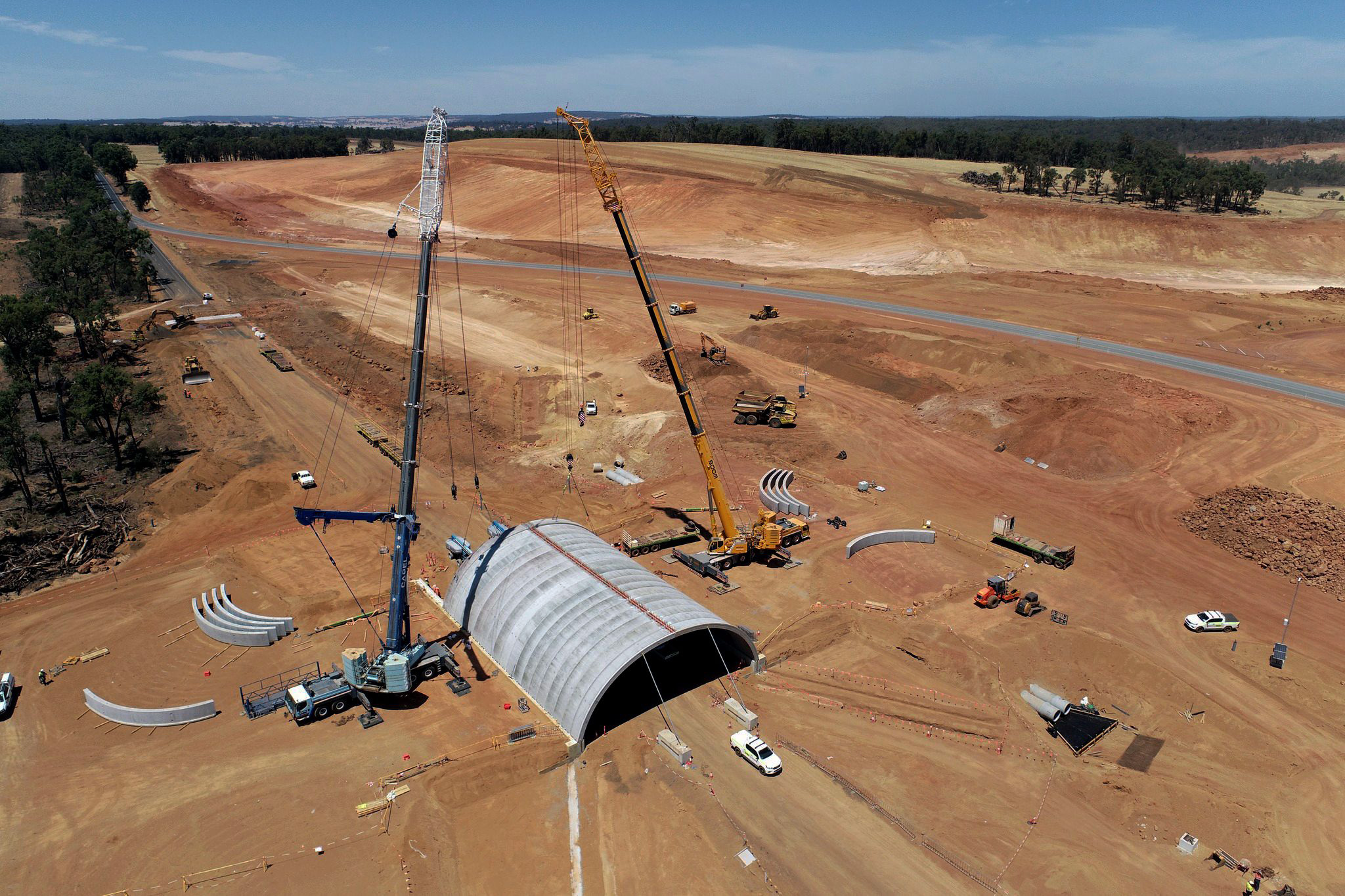
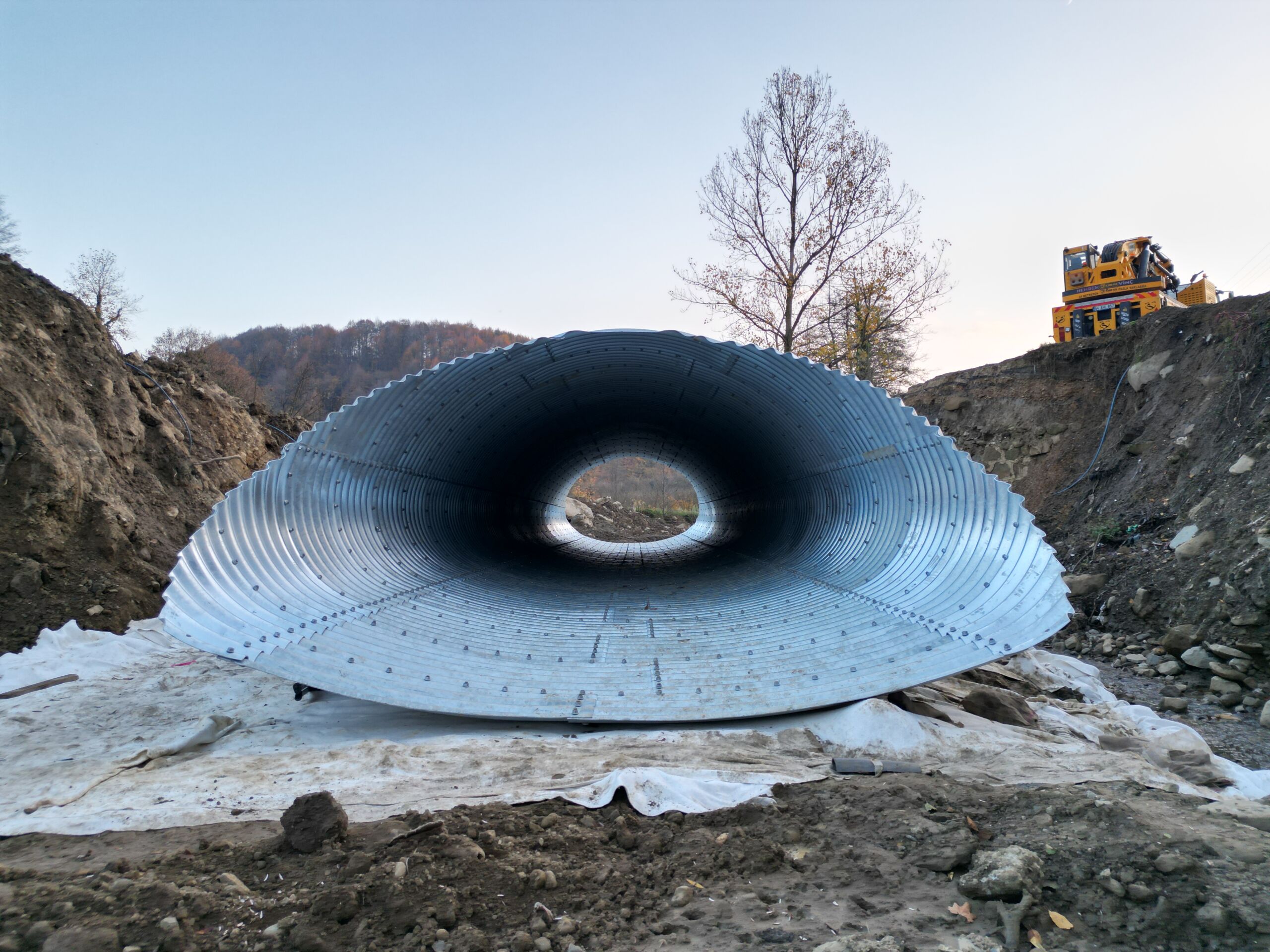
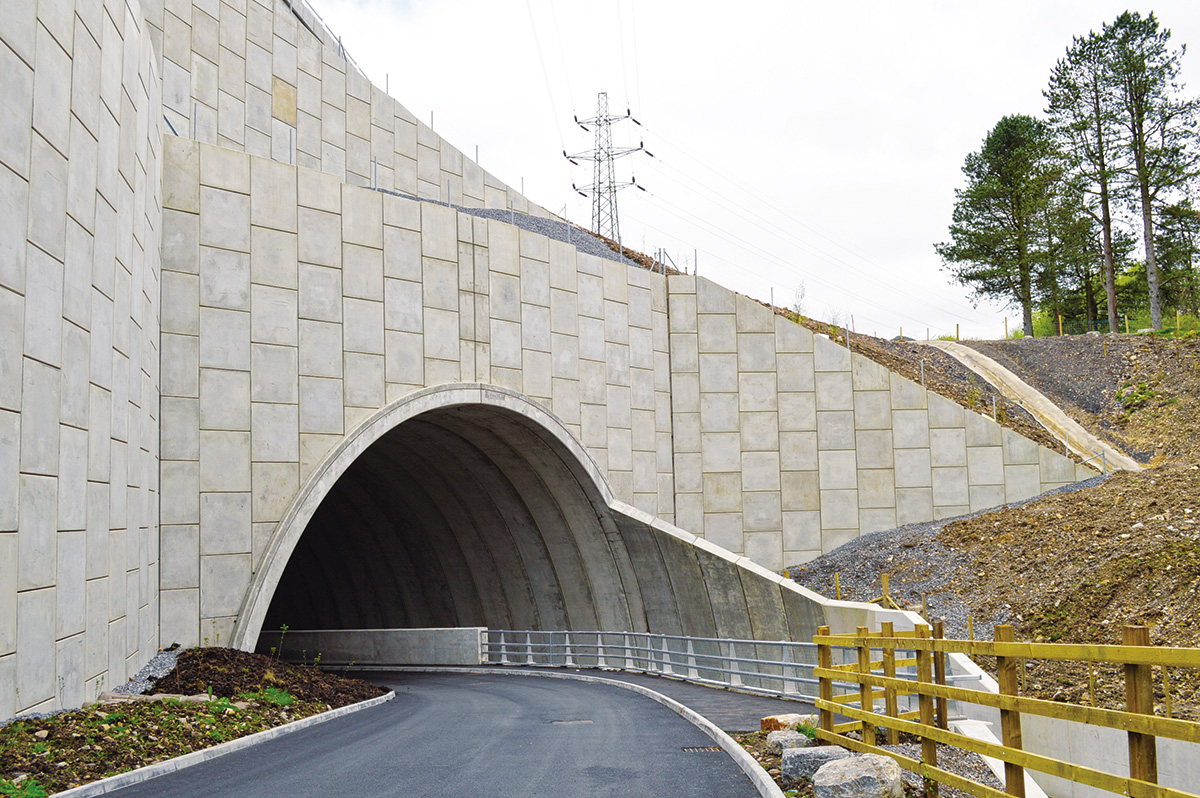
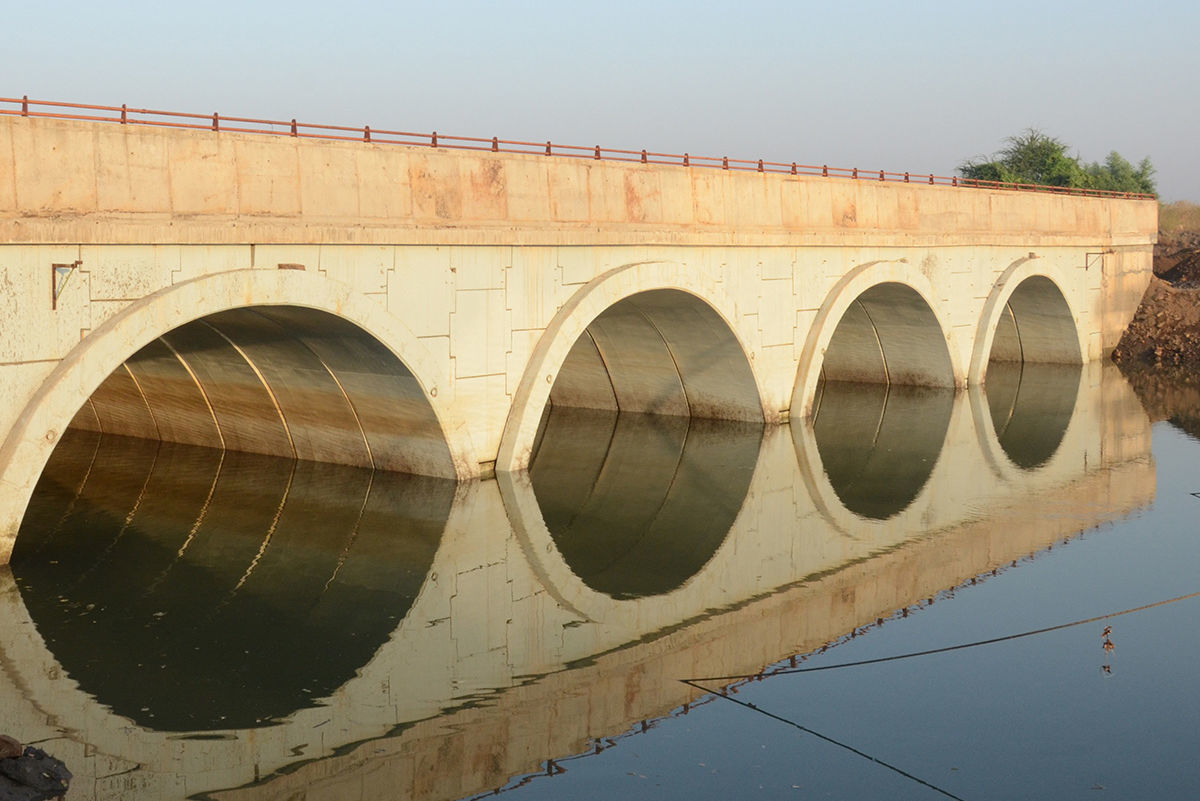
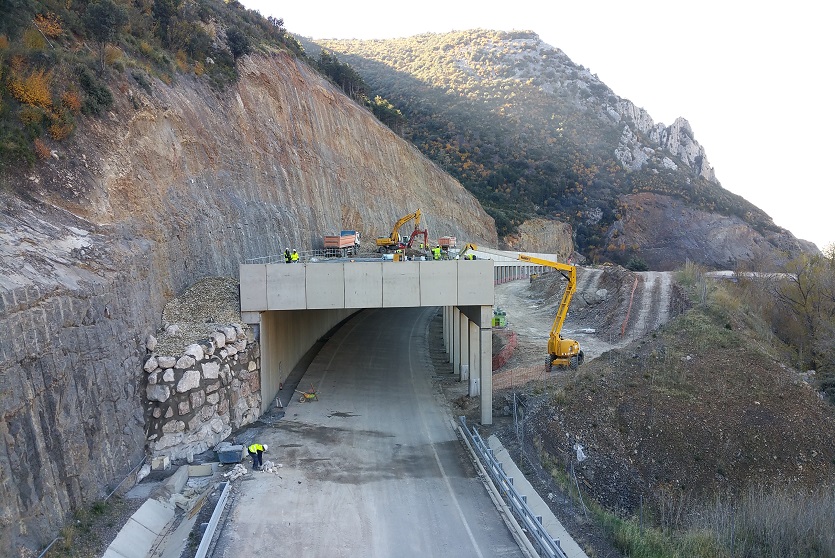
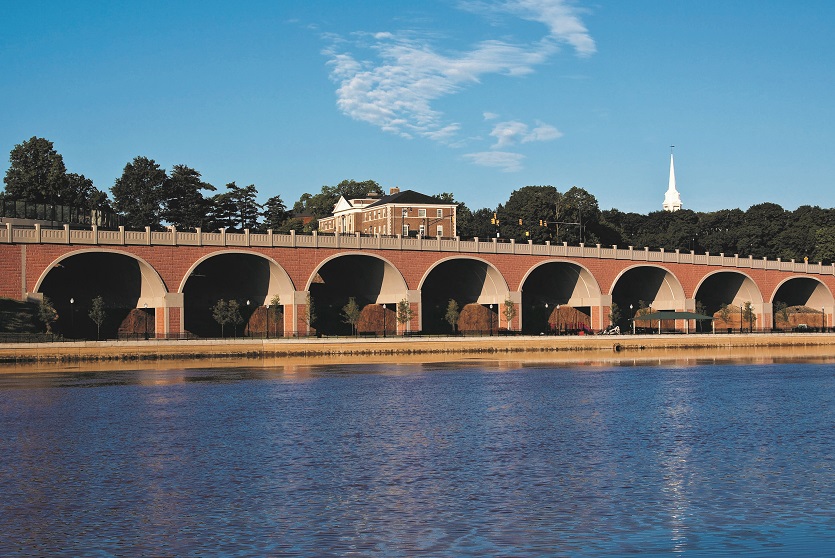
Road networks frequently need to negotiate waterways, valleys, existing transport infrastructure and natural corridors. Depending on the configuration, Precast arches and boxes and corrugated steel structures can provide efficient solutions for tunnels, culverts, underpasses, buried bridges and other crossings integrated into the road alignment.
- Extending existing road corridors
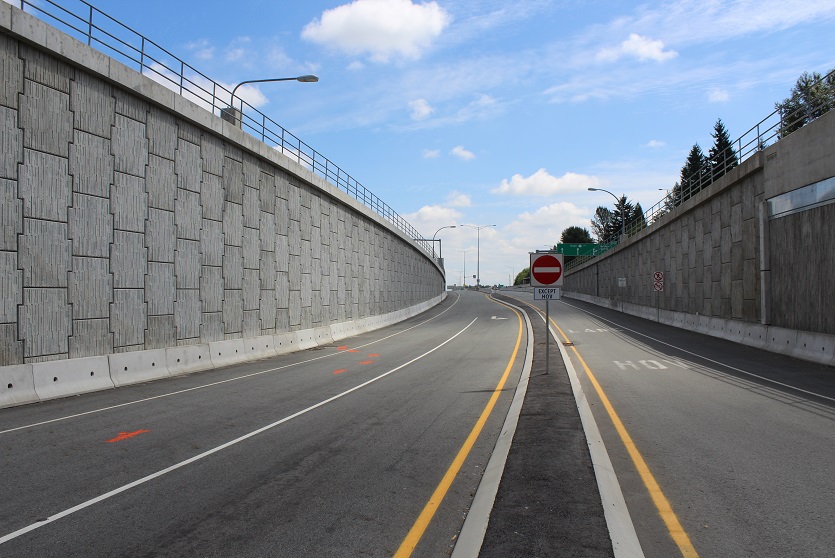
Increasing capacity within an established corridor often means working with limited available space and alongside infrastructure that must remain operational. Reinforced Earth walls and abutments, Precast walls and geosynthetic reinforcement solutions can help accommodate new road geometry while managing footprint, ground conditions and construction constraints.
- Protecting exposed routes
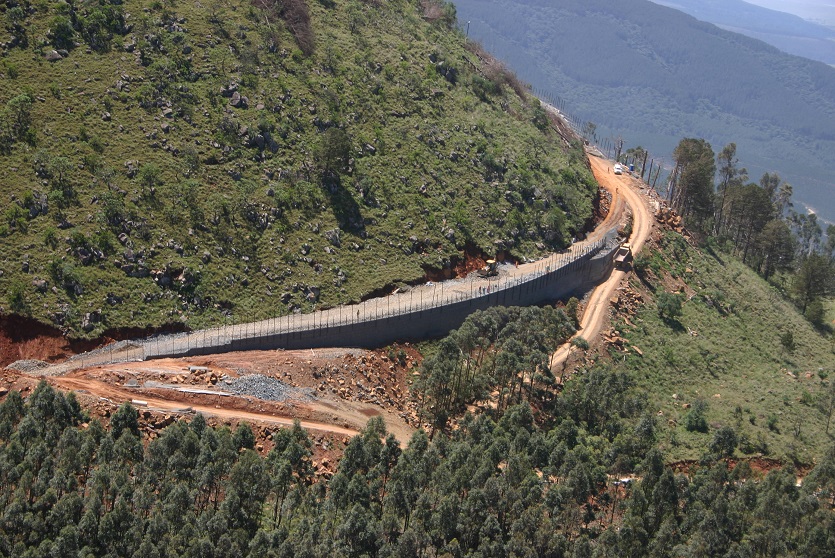
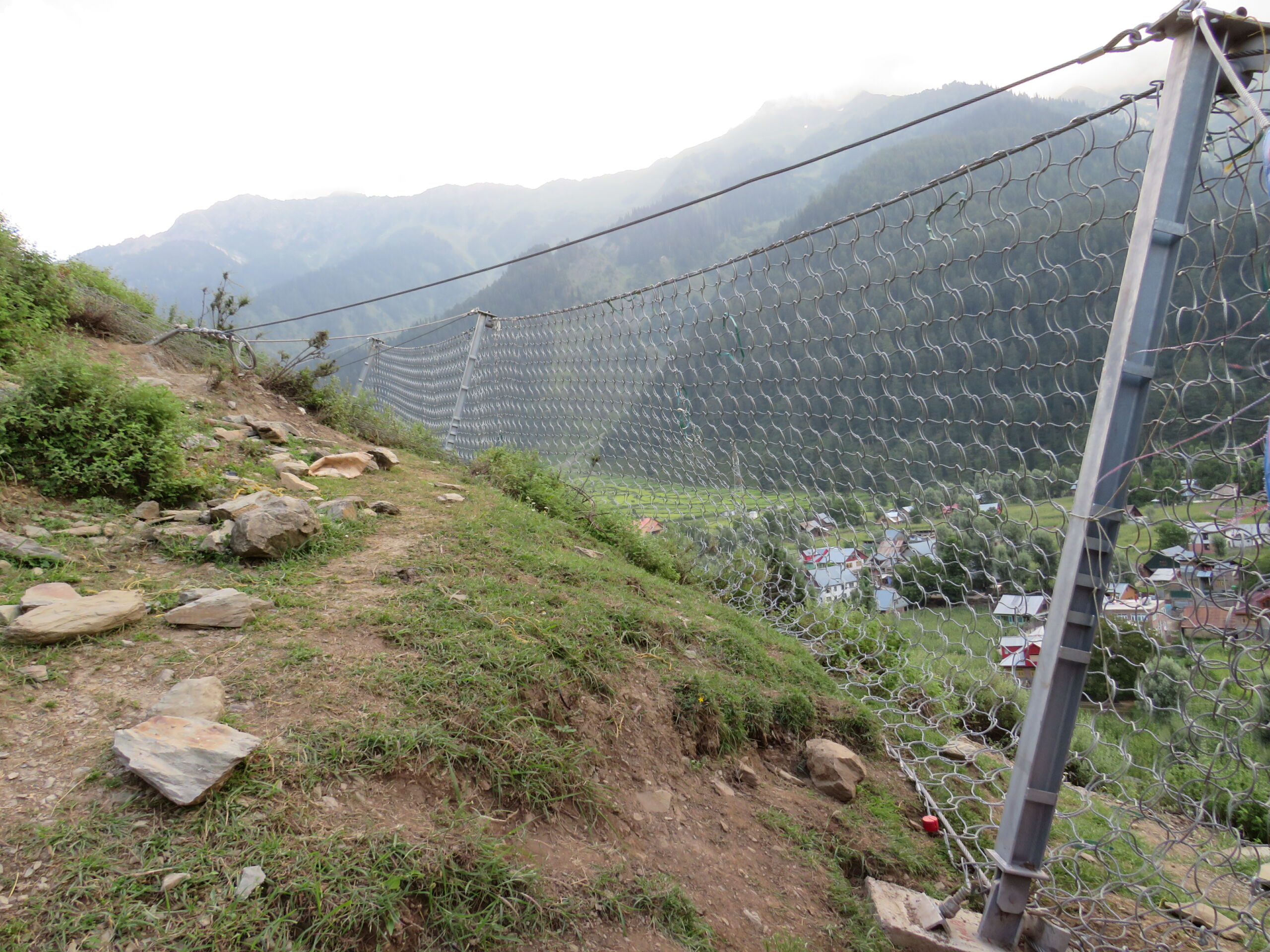
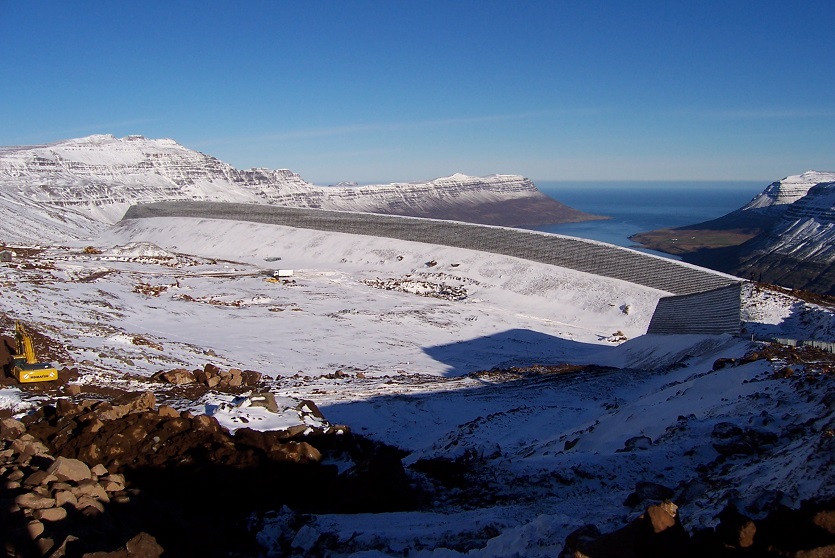
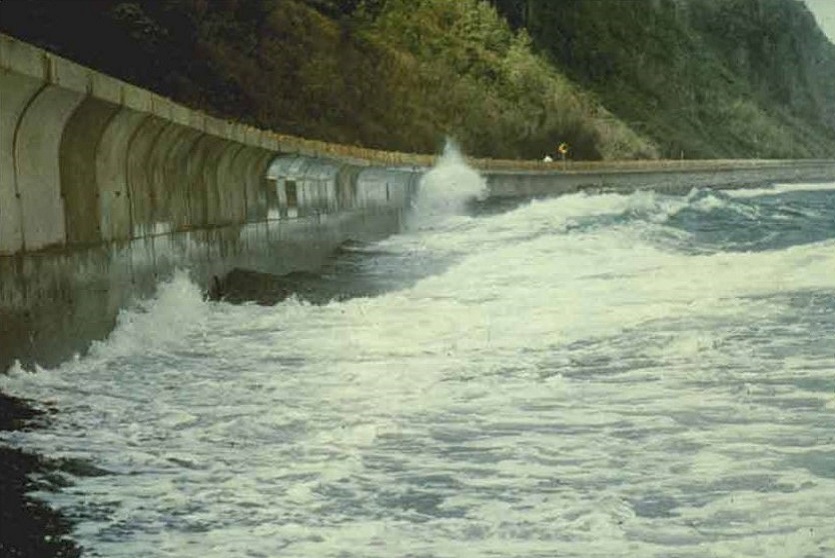
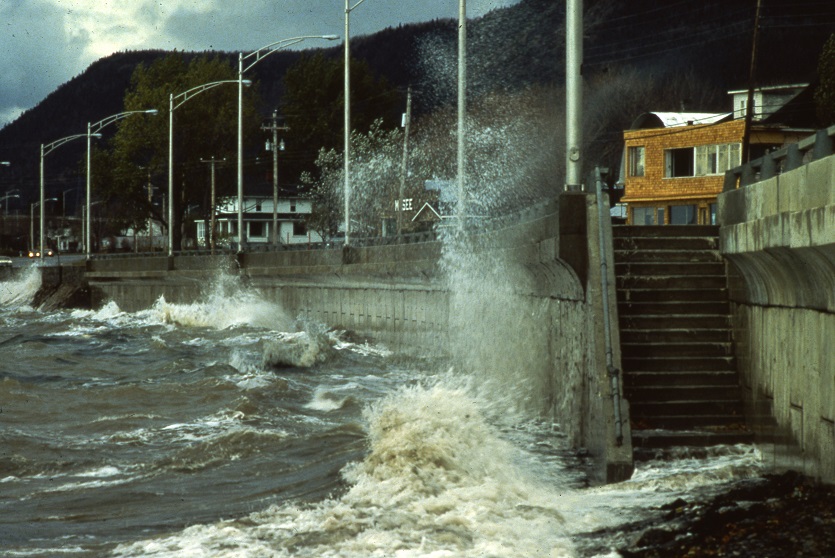
Roads passing through mountainous or unstable environments can be exposed to rockfall, debris flows, slope instability and other natural hazards. Geohazards protection solutions including rockfall and debris-flow barriers, drapery and slope stabilization measures can help protect both road infrastructure and users.
Applications across the road network




Built around the realities of road projects
Road infrastructure rarely presents a single engineering challenge. Ground conditions can change along the alignment, retaining structures interact with embankments and bridge approaches, and new infrastructure often needs to connect with existing networks.
Geoquest combines complementary solutions with geotechnical and structural engineering expertise to address these interactions at project level.
This broad approach provides flexibility to respond to challenging terrain, constrained corridors, difficult ground and complex crossings while considering constructability, material use and long-term performance from the design stage.
With 60 years of experience and projects delivered around the world, Geoquest supports road infrastructure from new construction to widening, upgrading and rehabilitation.