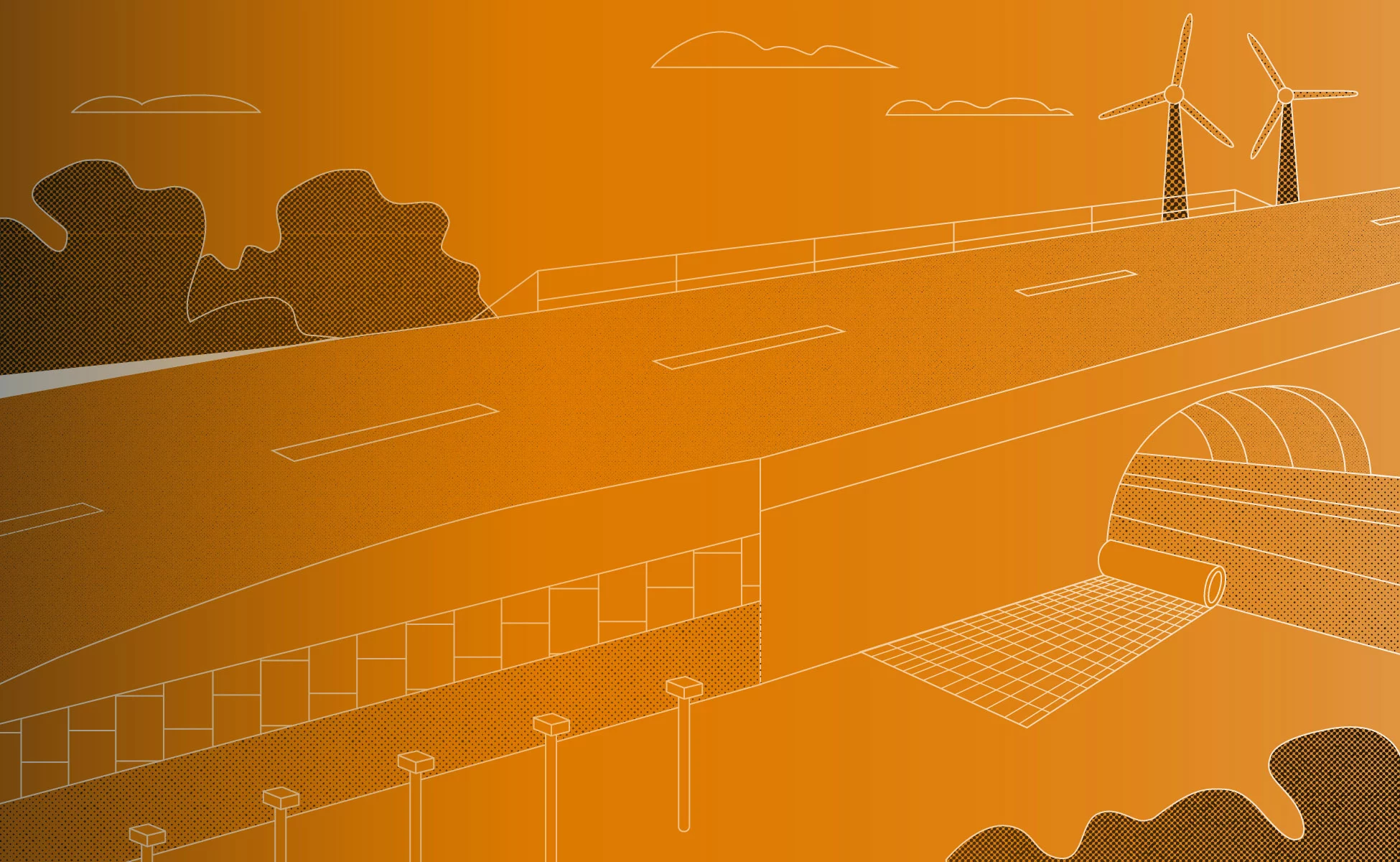
Roads, railways, rivers, valleys and natural corridors constantly cut across one another. Cross structures carry routes, water and networks over and under these obstacles, so that each one can keep running without interrupting the other.
A crossing can lift a route above the obstacle or let it pass beneath. Either way, the structure has to carry heavy loads, connect smoothly to the ground on each side and stay in service for decades with as little disruption as possible.
What every crossing has to reconcile
- Two ways, one location
The crossing must serve the traffic, water or wildlife above and below at the same time.
- Loads and clearances
The structure carries heavy traffic while keeping the opening that the route underneath needs.
- Connection to the ground
The transition between the crossing and the embankments on each side determines how it performs over time.
- Building without stopping traffic
Most crossings are built next to, above or below networks that must stay open.
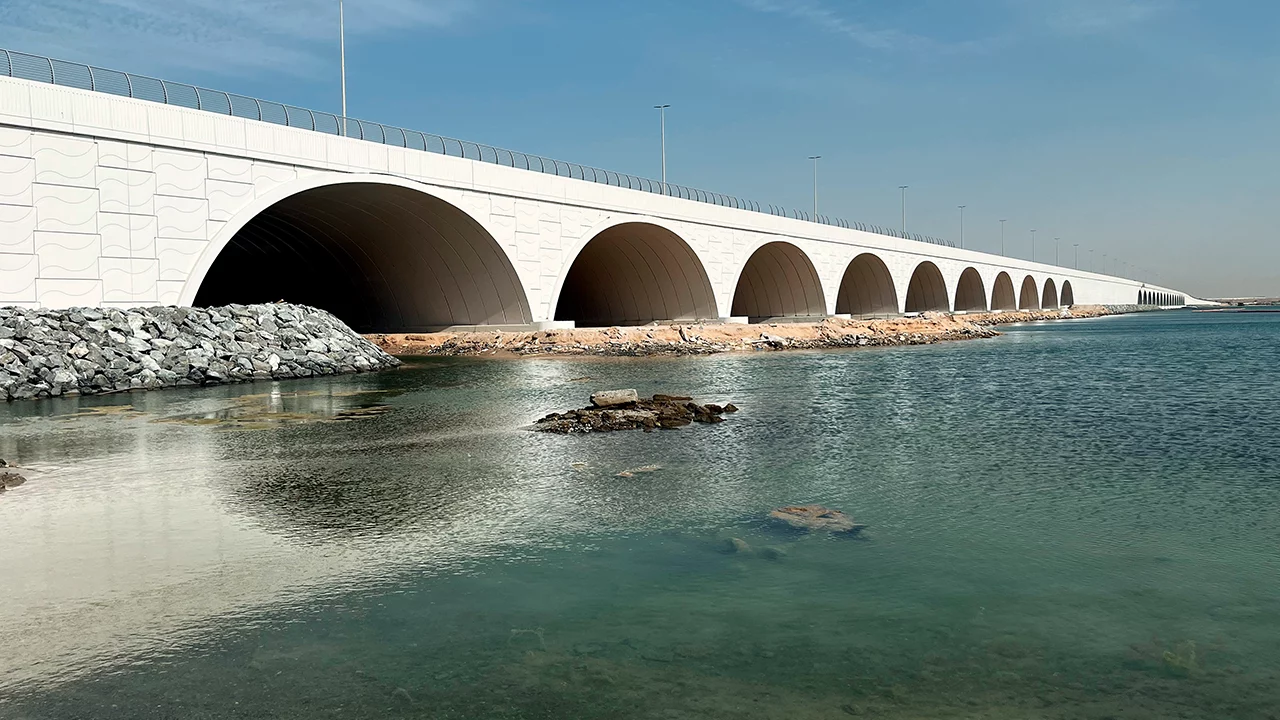
Keeping routes continuous across obstacles
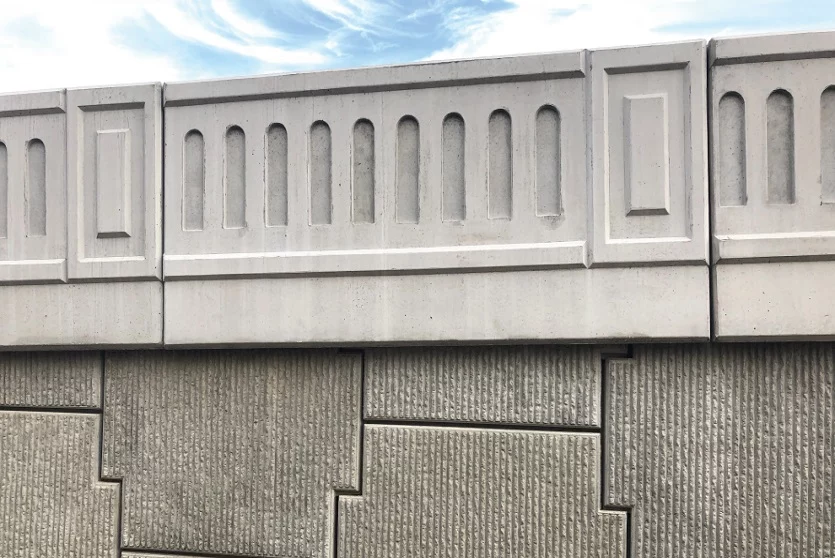
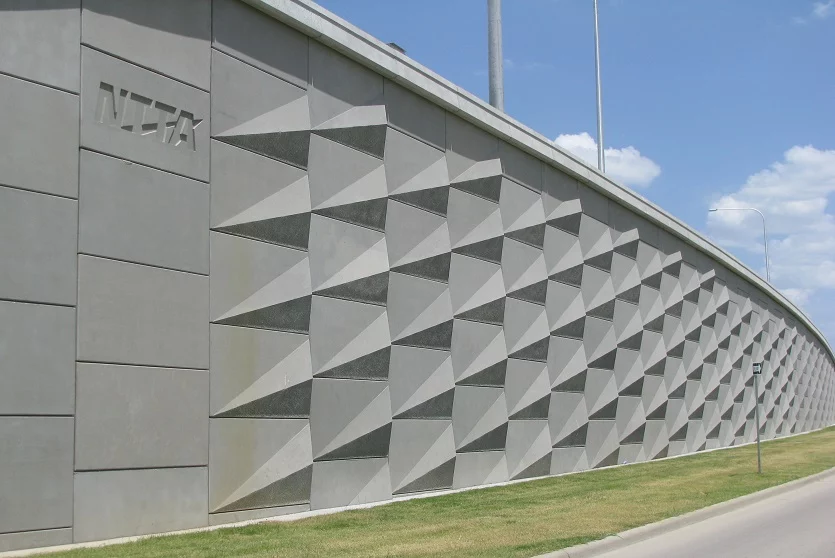
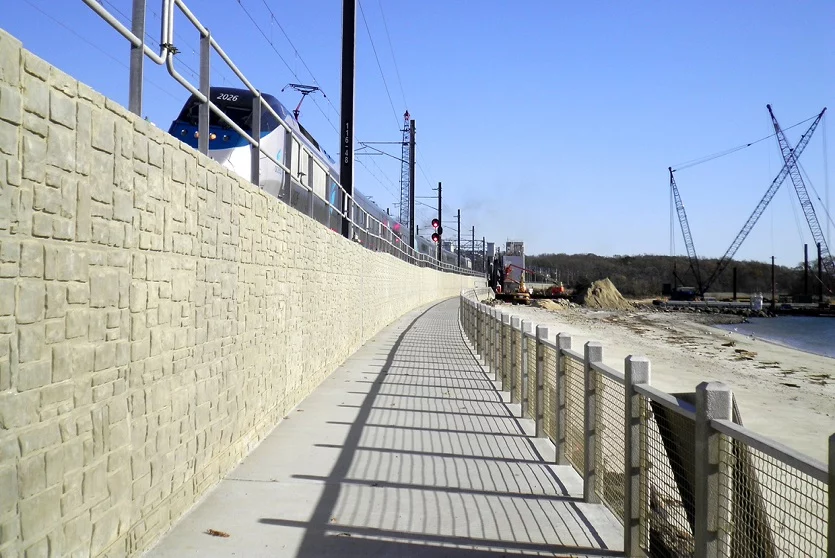
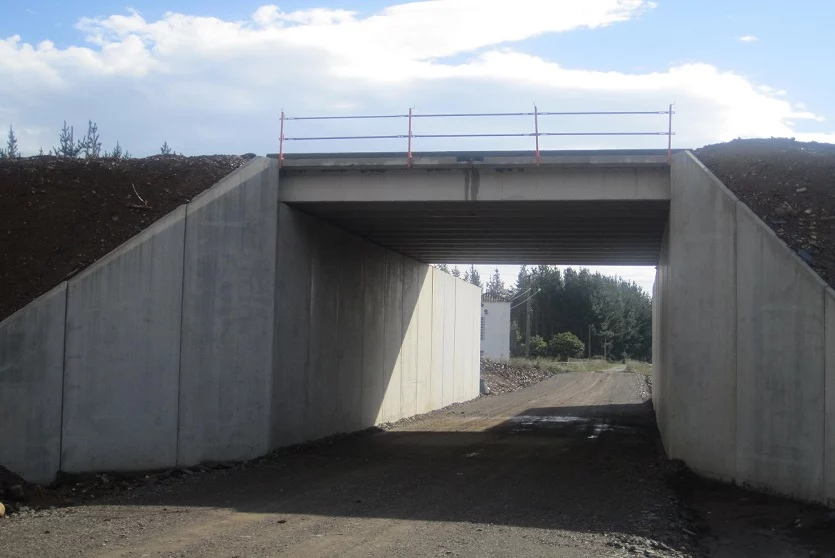
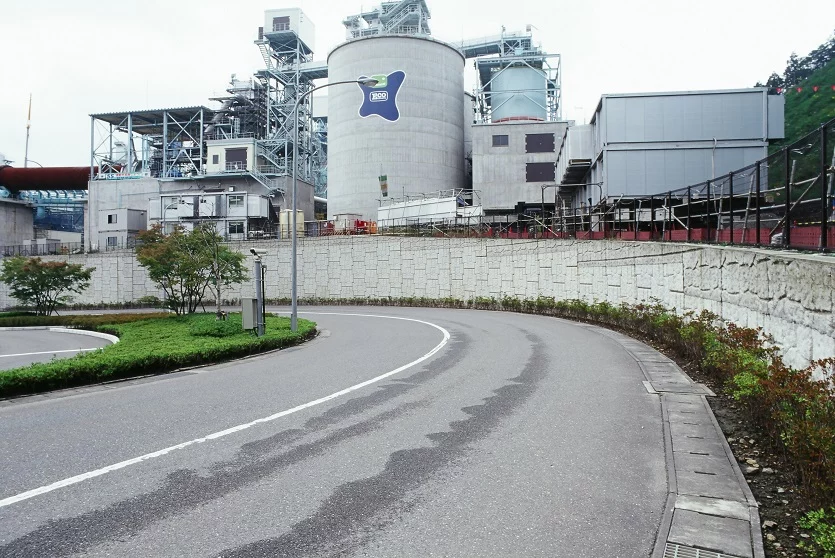
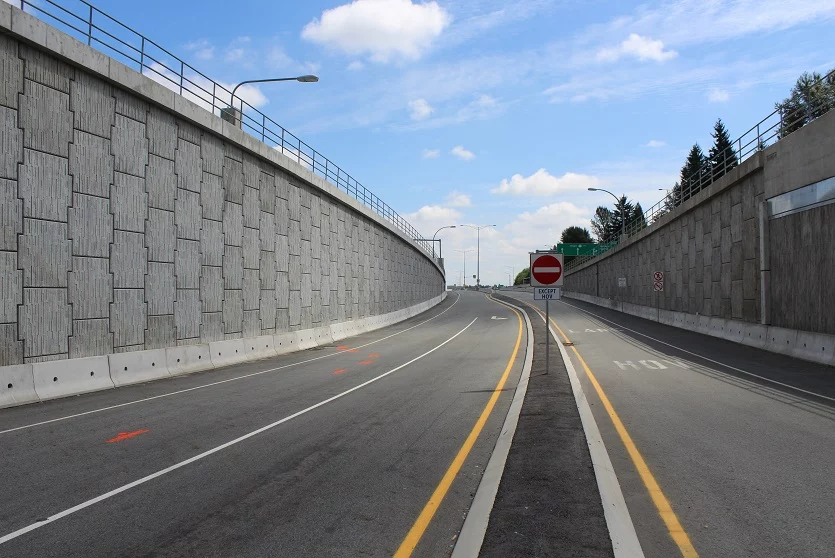
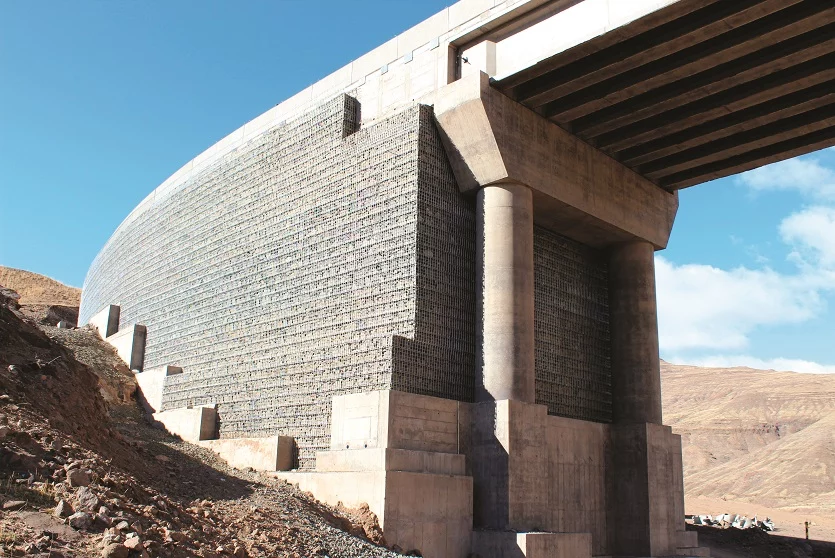
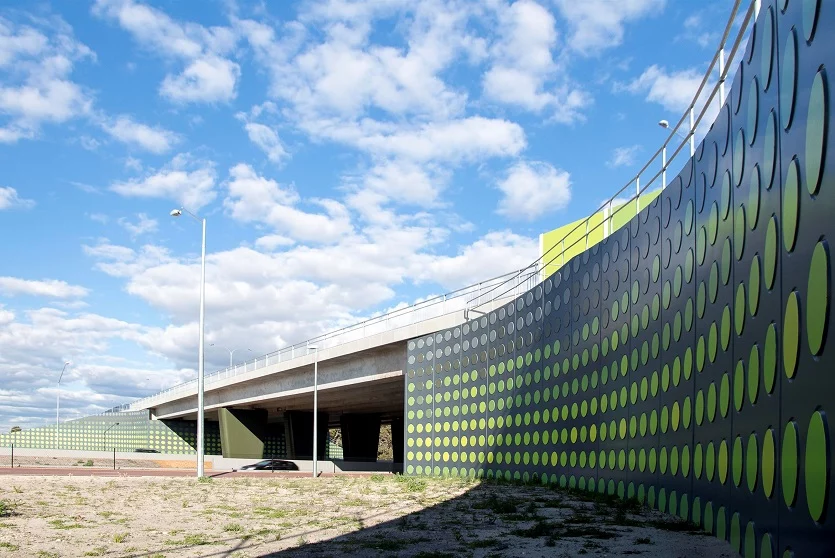
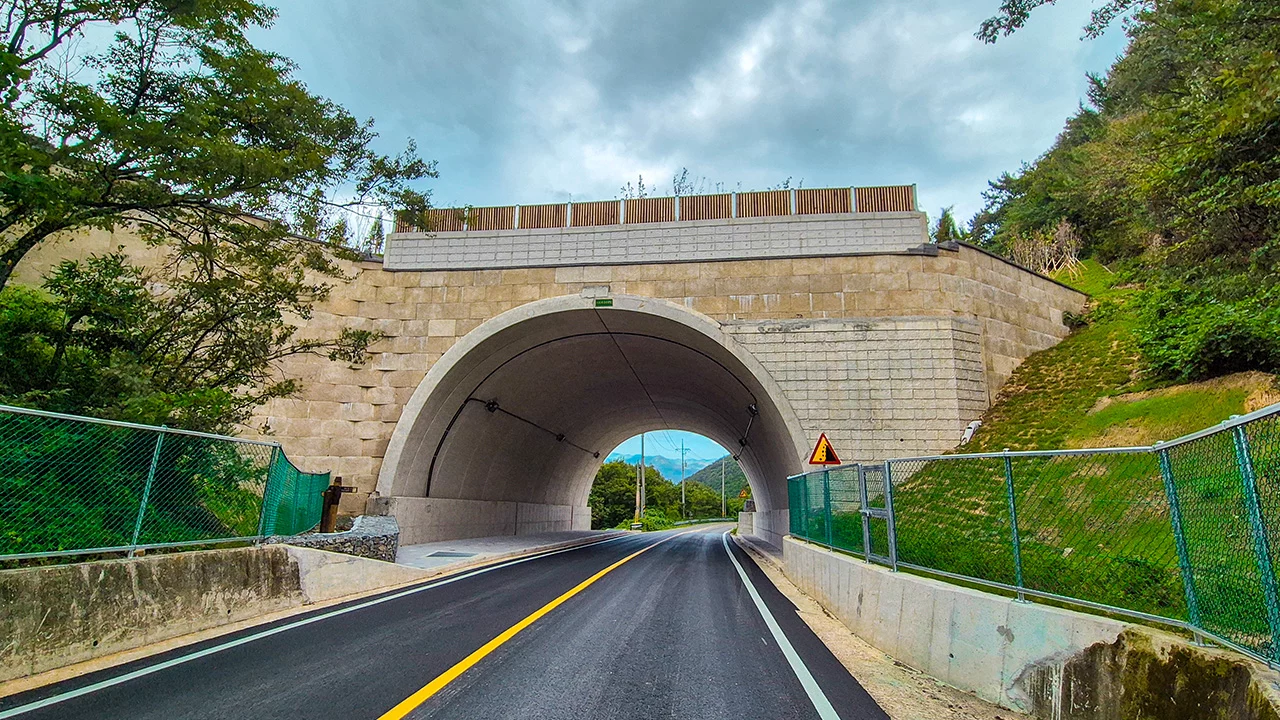
Every crossing combines a structure that spans or forms the opening with the earthworks that connect it to the surrounding ground. Approach embankments, abutments, headwalls and wing walls are as important as the opening itself: they make the crossing fit within the site and keep the transition smooth for traffic.
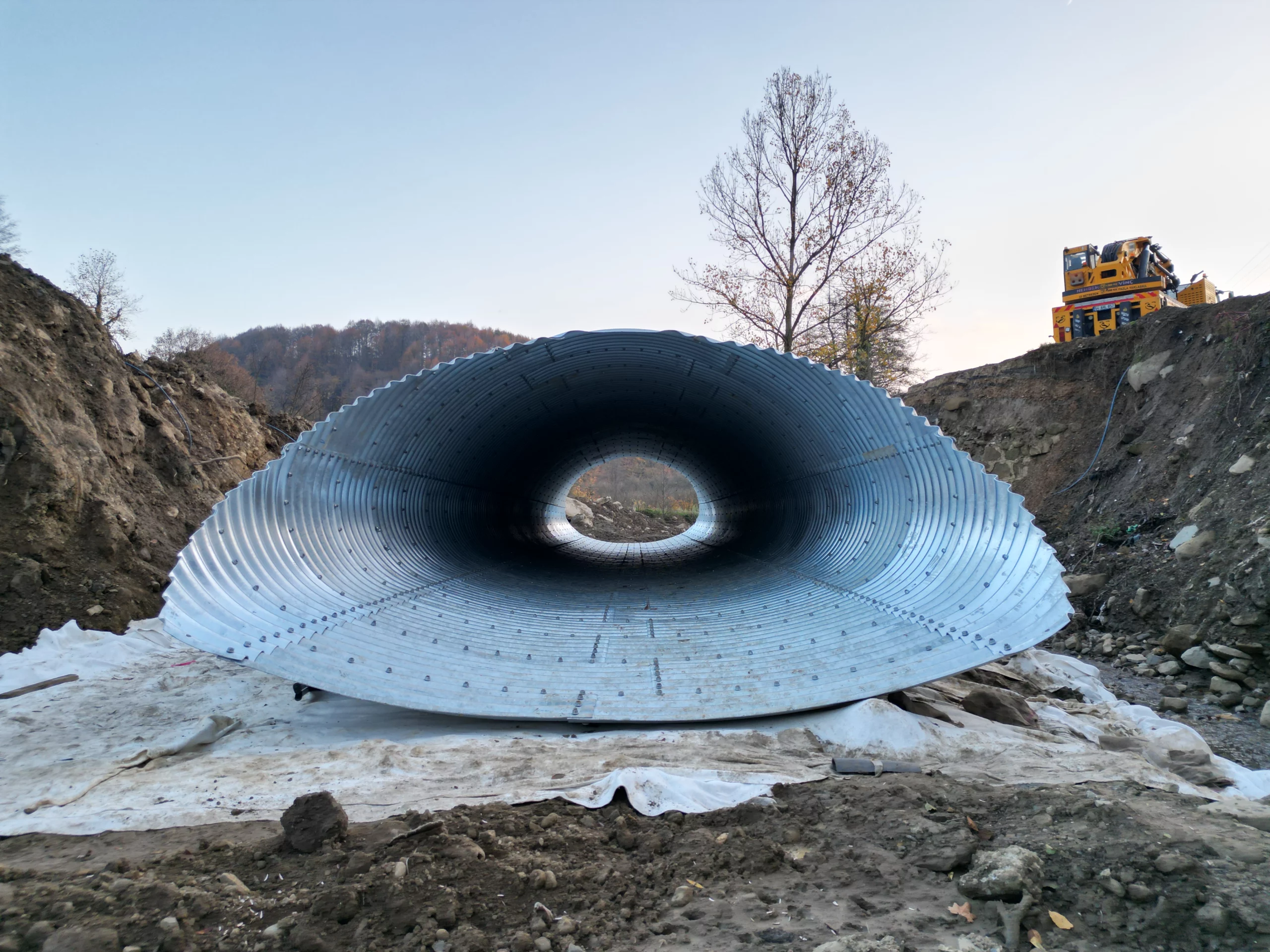
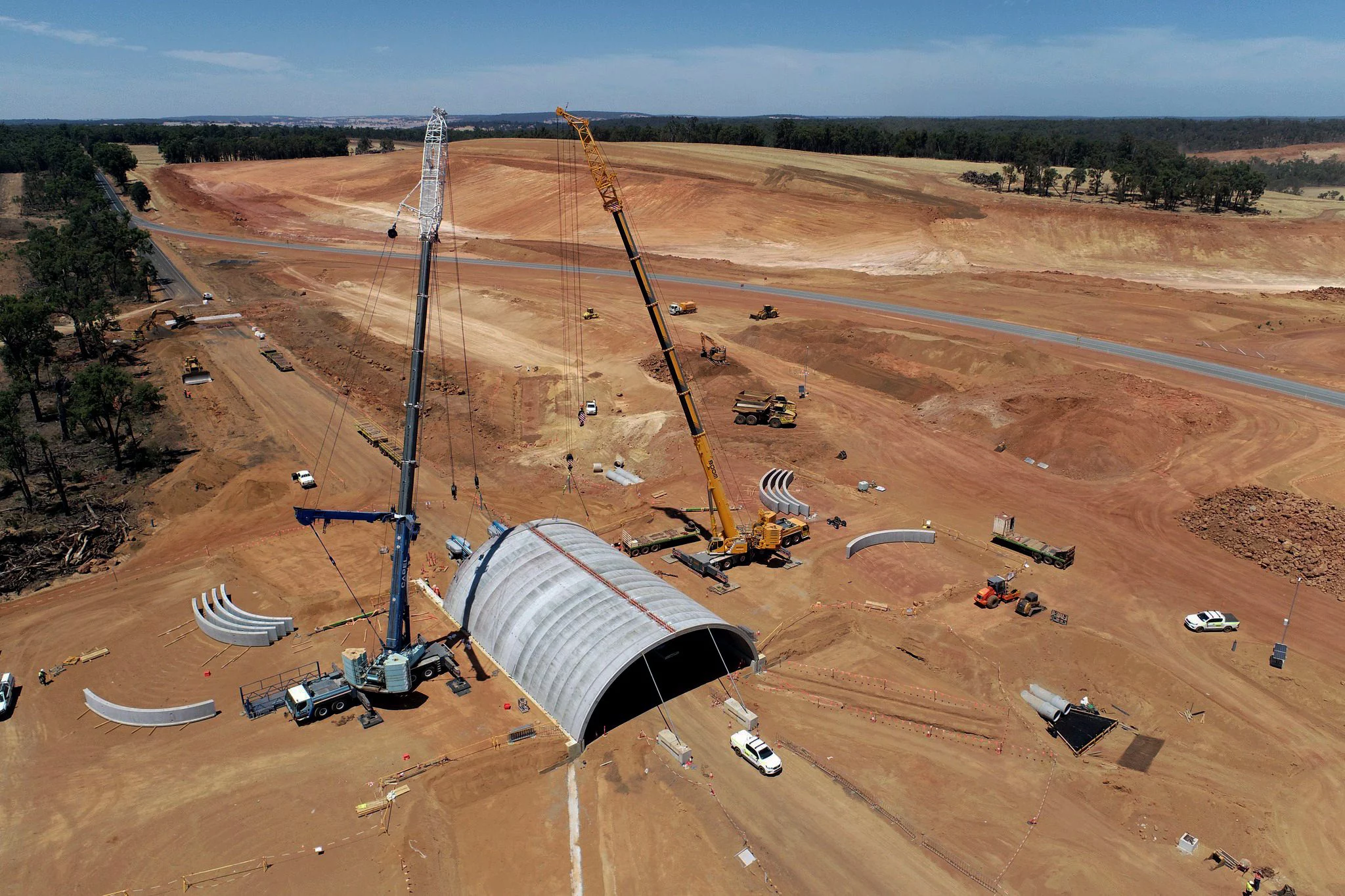
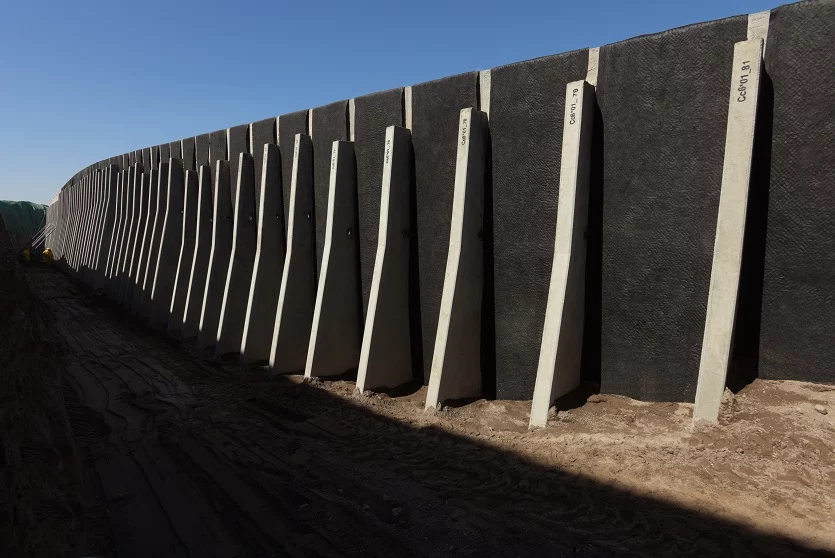
Reinforced backfill and precast elements are used for both parts. Reinforced Earth walls and abutments, T-Wall and TechWall build abutments and approach ramps with vertical faces. Precast arches such as TechSpan and boxes such as TechBox form buried openings, and corrugated steel structures offer a lightweight alternative where transport and access are difficult.
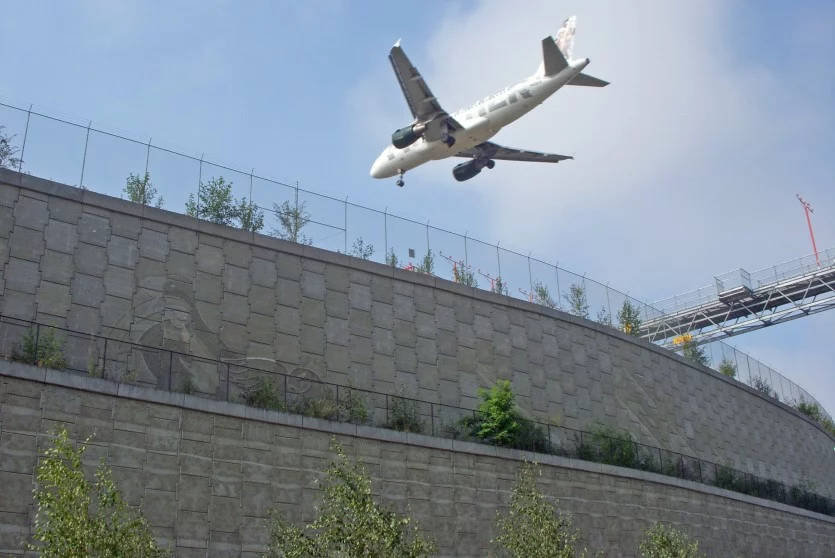
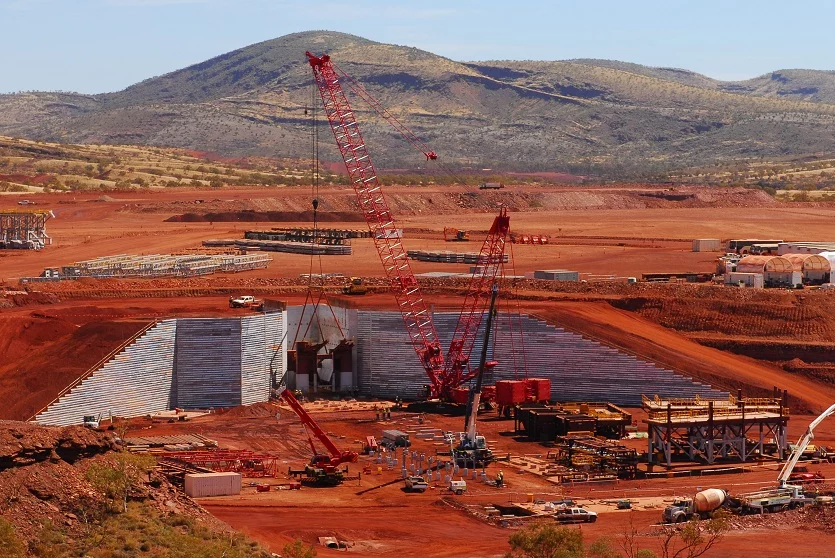
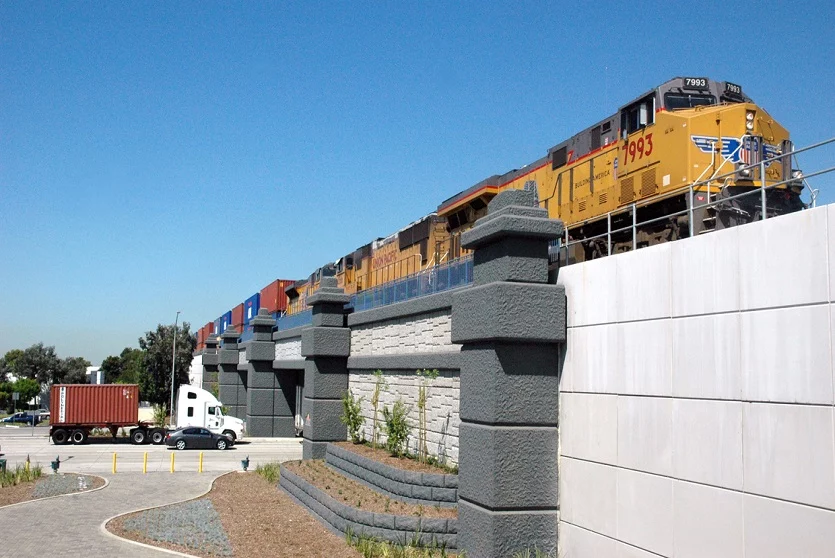
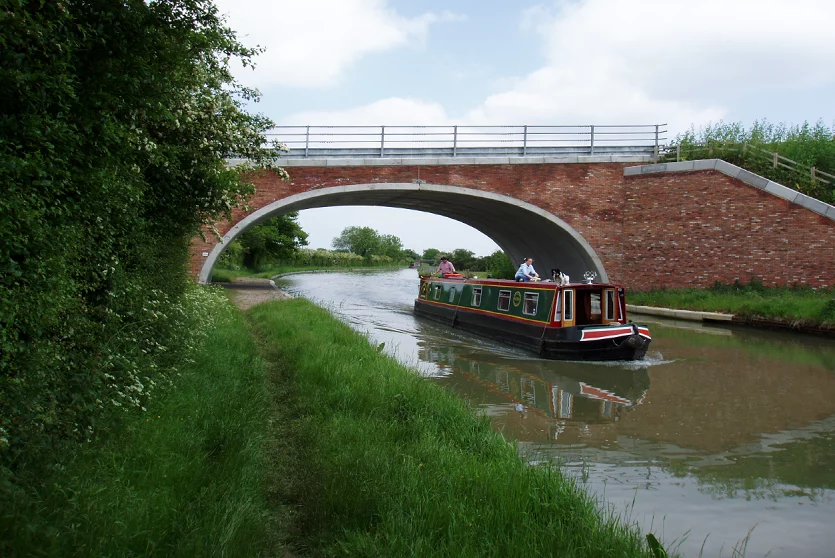
Cross structures are used for motorway interchanges, railway crossings, river and stream crossings, green overpasses, mine haul roads, and access to industrial sites and airports.
Crossing over or crossing under
When a route has to rise above another road, a railway, a river or a natural corridor, an overpass lifts it to the required height. The approaches and the ends of the bridge determine how much land the crossing takes and how fast it can be built.
This family covers bridge abutments and wildlife crossings.
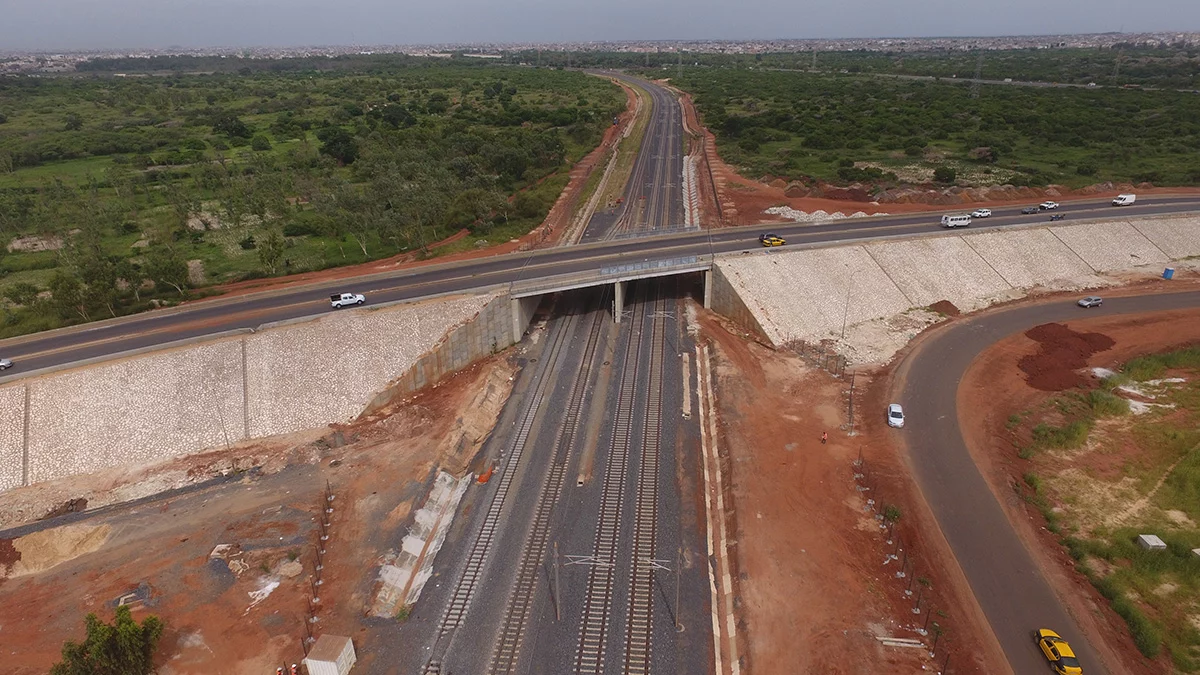
When the route above must stay continuous, the crossing is formed beneath it, inside the embankment or under existing infrastructure. The opening is sized for what passes through it: traffic, water or networks.
This family covers tunnels, culverts and buried bridges.
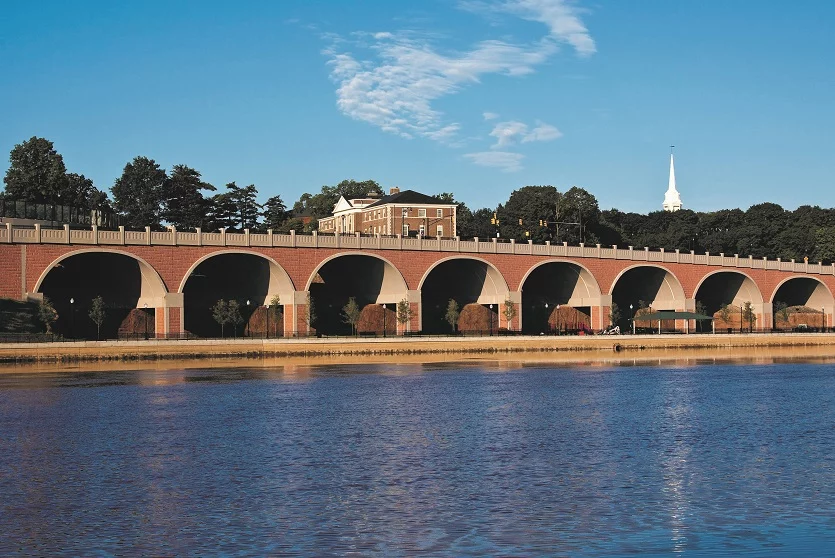
Over or under: deciding where the crossing goes
- Levels of the two routes: The existing ground level of each route often decides which one stays at grade and which one moves.
- Space on each side: Overpasses need room for approach ramps, while underpasses need cover above the opening.
- What passes through: Water and wildlife often favour buried openings or green overpasses, while large vehicles may need wide clear spans.
- Traffic during works: Building above or below a live route leads to different staging and construction methods.
- Maintenance: Buried structures avoid bearings and joints, while bridges allow wider and longer spans.
- Landscape: Embankments, green overpasses and earth-covered openings blend into their surroundings in different ways.