Making better use of land to create functional and attractive residential environments
Residential development requires more than preparing land for buildings. Streets, access routes, utilities, landscaped areas and changes in elevation must be integrated into a coherent environment that makes efficient use of available space while supporting the quality of the completed development.


Turning challenging sites into usable places
Housing projects increasingly need to adapt to sites where topography, ground conditions or existing development influence how land can be used. Sloping terrain can restrict buildable areas, while weak soils may require improvement before roads, housing plots and shared infrastructure can be developed.
In established communities, the challenge can be different. New infrastructure must fit around existing properties, utilities and access routes, often with limited room for excavation or extensive earthworks.
The final appearance of these interventions is equally important. Retaining structures, slopes and other visible infrastructure become part of the residential landscape and need to integrate naturally with buildings, public areas and surrounding vegetation.
Creating space for communities to grow
Geoquest solutions can help transform complex terrain into functional residential areas, from preparing the ground to shaping plots, access routes and connections throughout the development.
- Making sloping land buildable
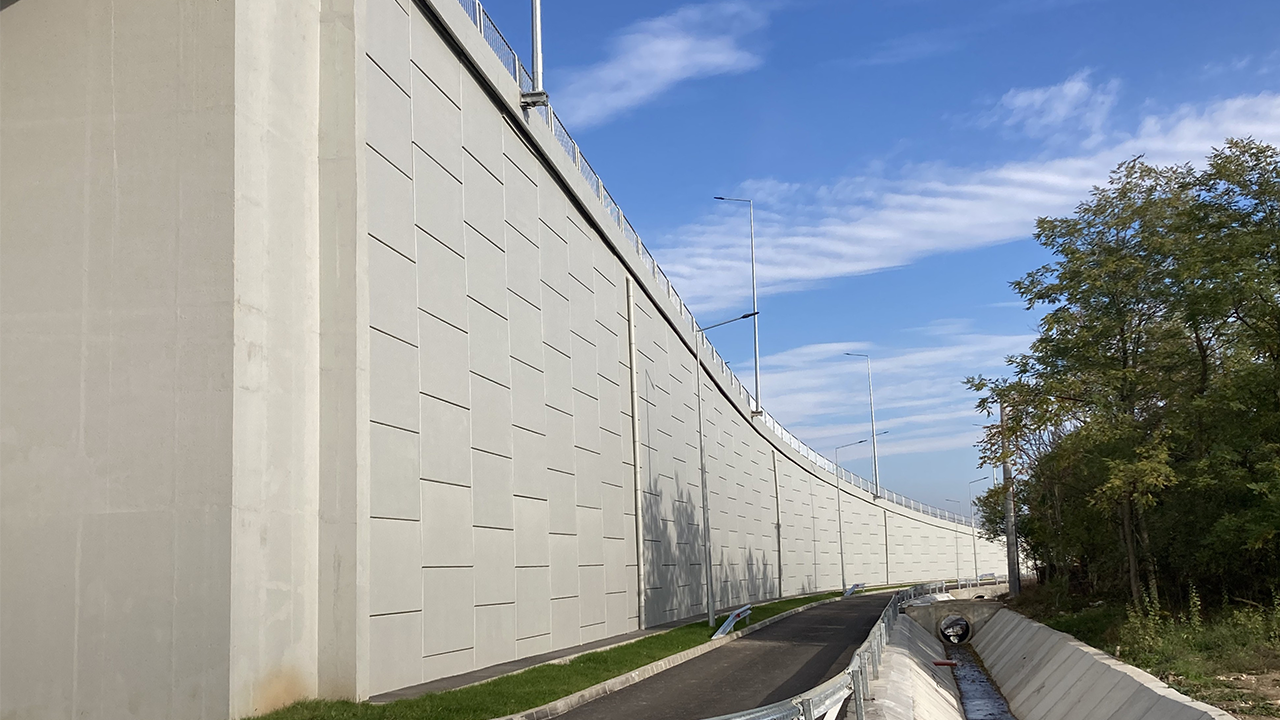
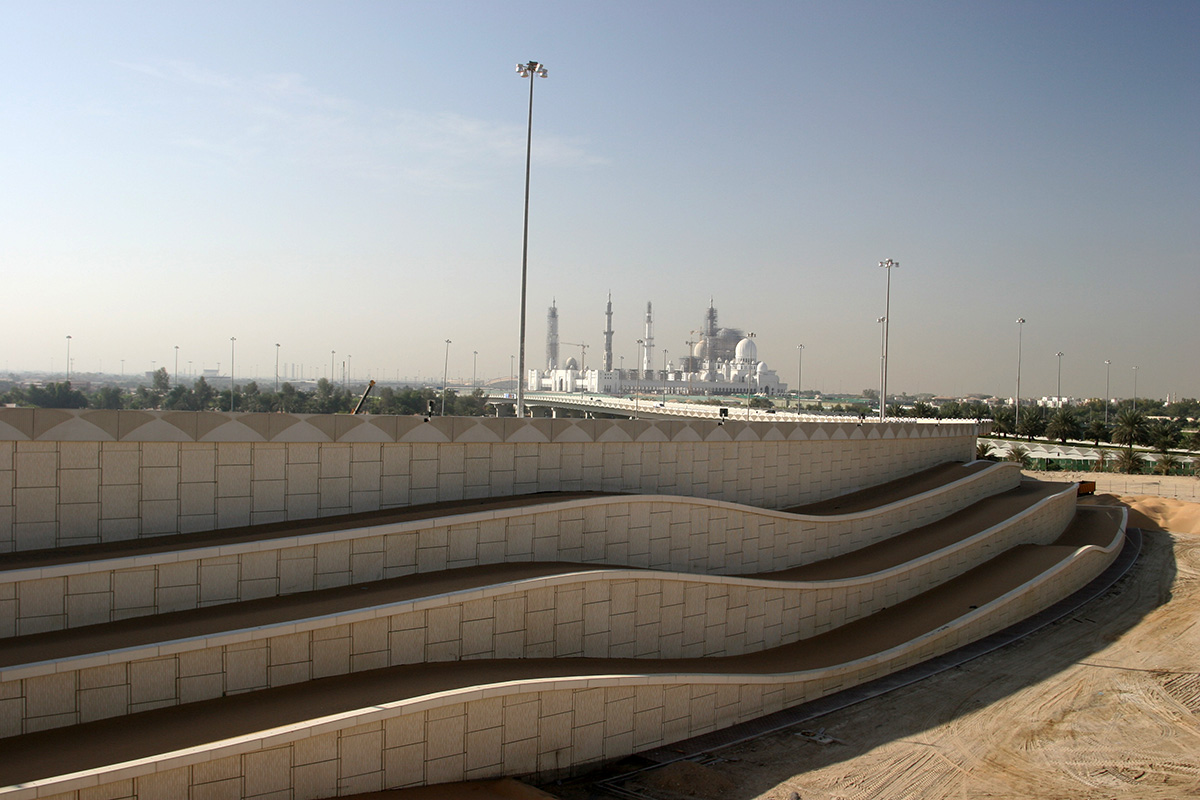
Changes in elevation can limit development opportunities or reduce the usable area of individual plots. Reinforced Earth walls and abutments, Reinforced Earth slopes, T-Wall and TechWall provide different ways of managing terrain and creating usable levels according to the available footprint and desired landscape.
- Preparing ground for new neighborhoods
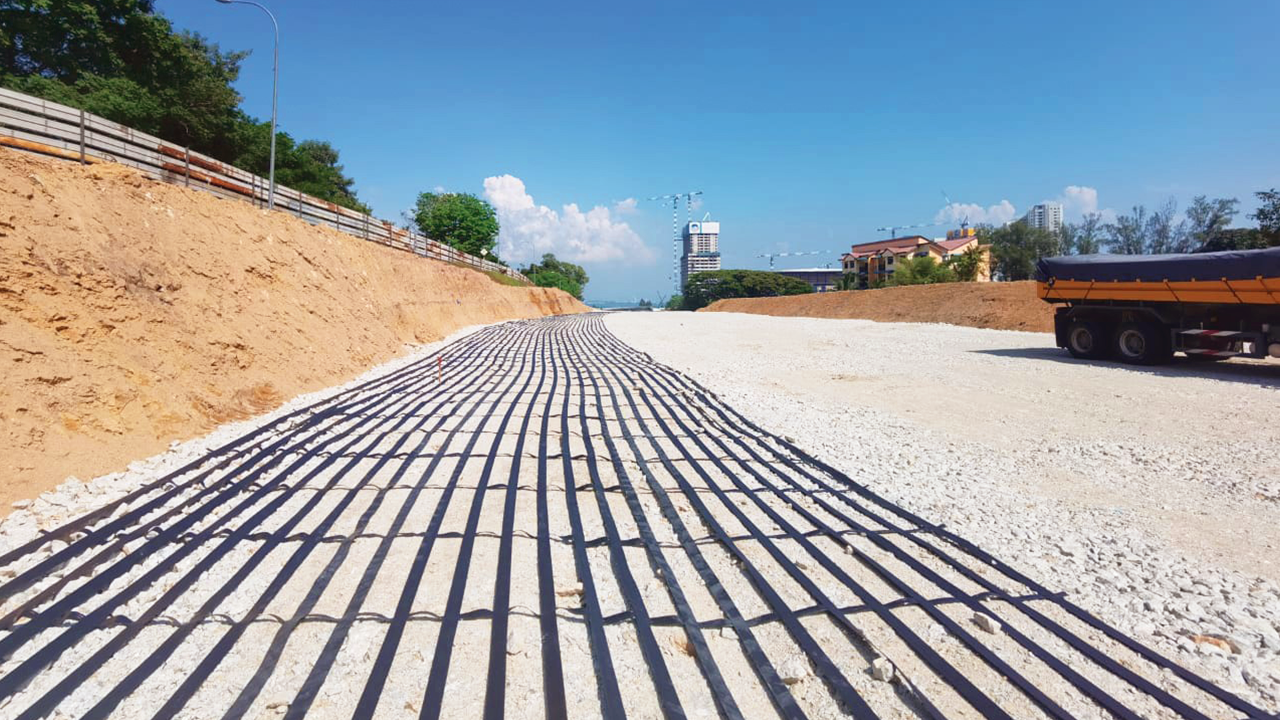
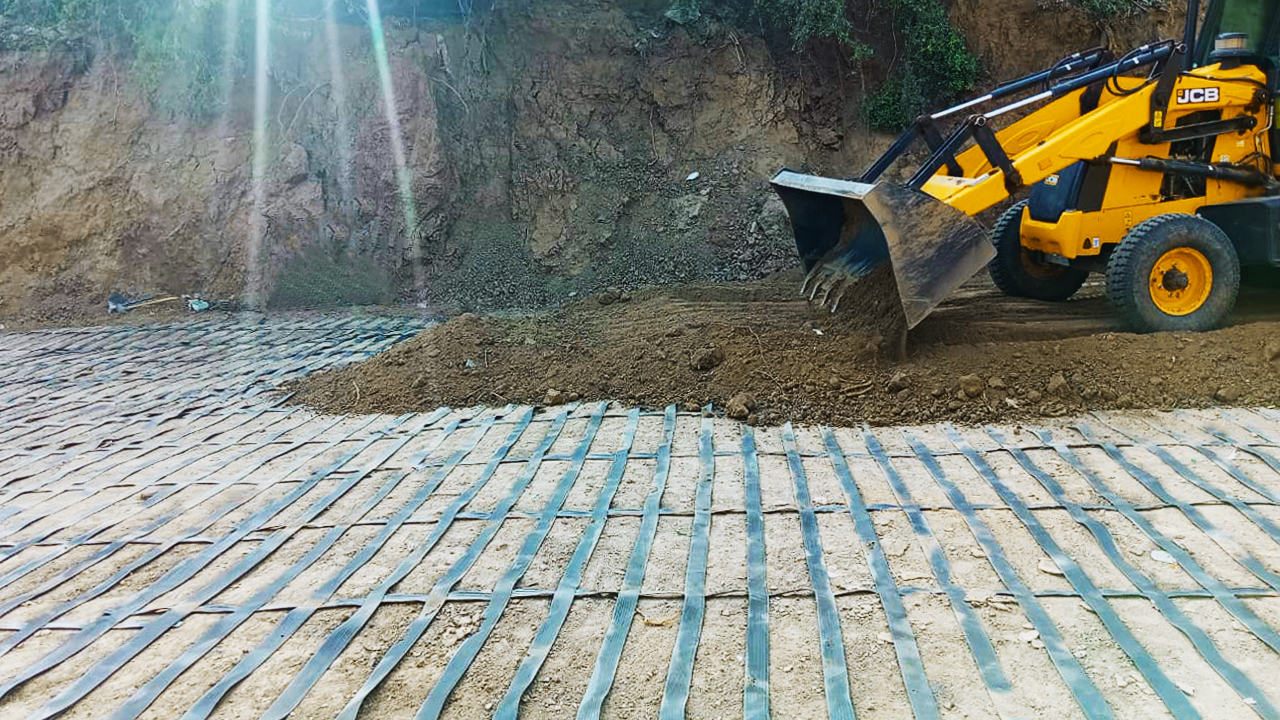
Roads, housing areas and shared facilities require reliable supporting ground. Geosynthetic reinforcement solutions like ArmaLynk or ArmaGrid can improve weak soils and reinforce earthworks before the development of plots and associated infrastructure.
- Fitting new infrastructure into existing communities
Residential extensions and redevelopment projects may leave little room between new works, existing properties and utilities. TerraLink provides a retaining solution for confined configurations where conventional reinforced fill construction would require more space.
- Connecting different parts of the development
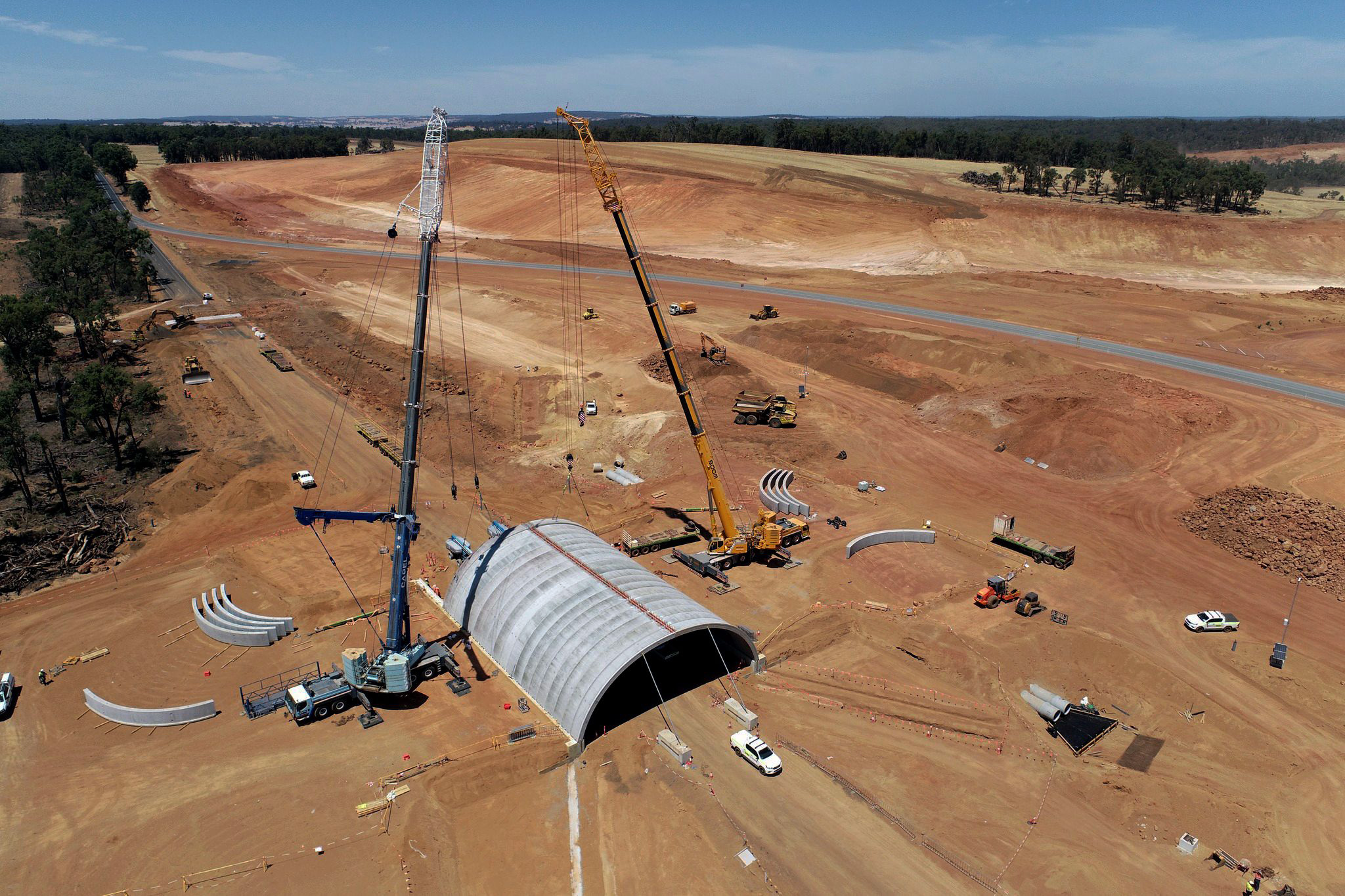
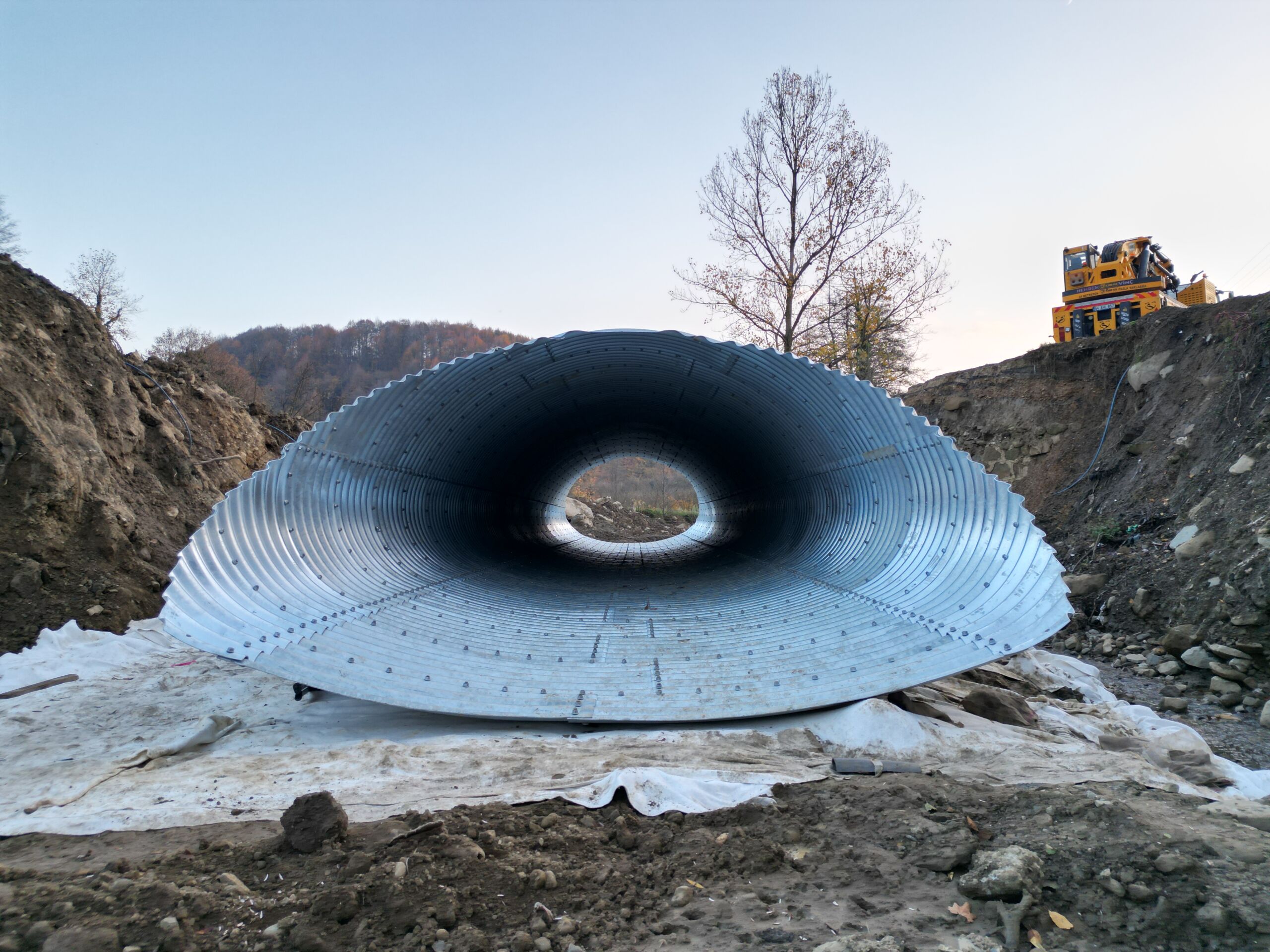
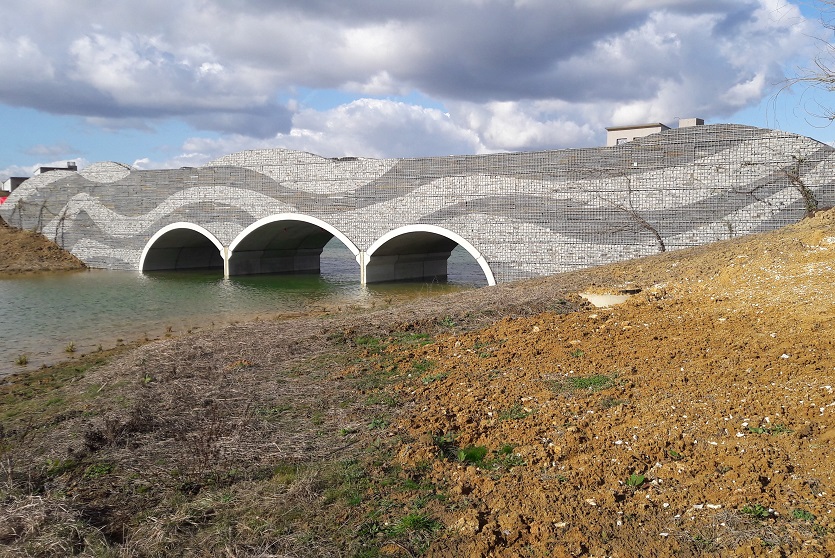
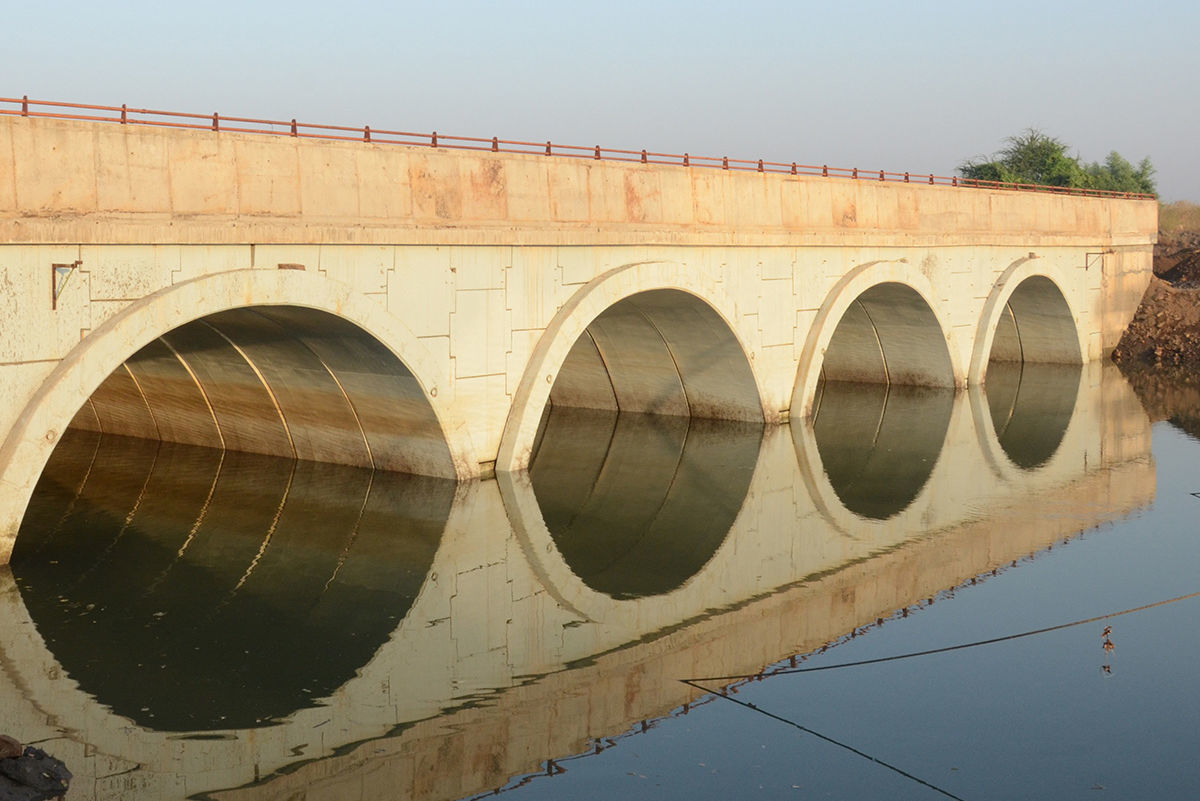
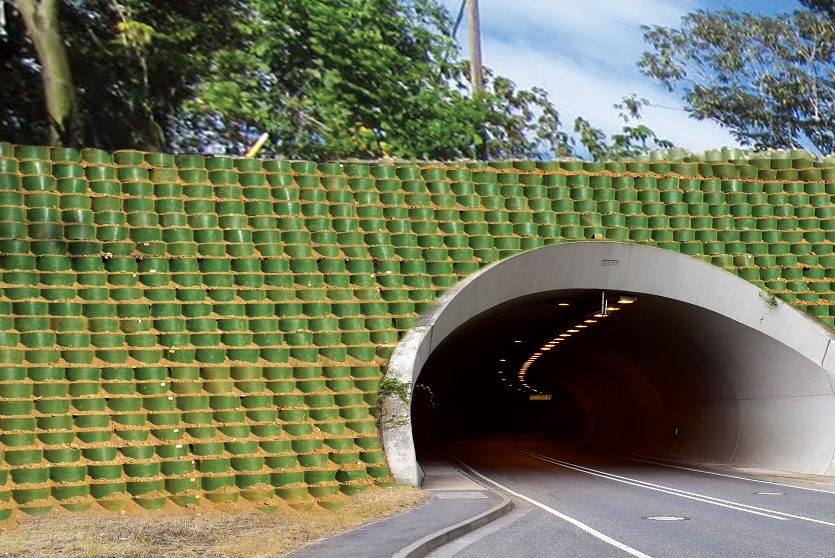
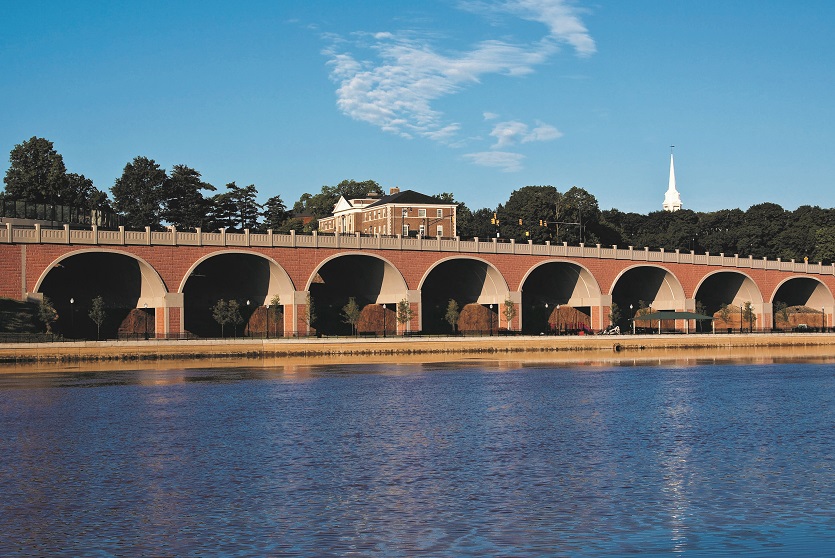
Changes in terrain and circulation requirements can create a need for pedestrian, road or utility crossings within larger residential developments. TechSpan and TechBox can provide buried structures that integrate these connections into landscaped or developed areas.
- Bringing infrastructure into the landscape
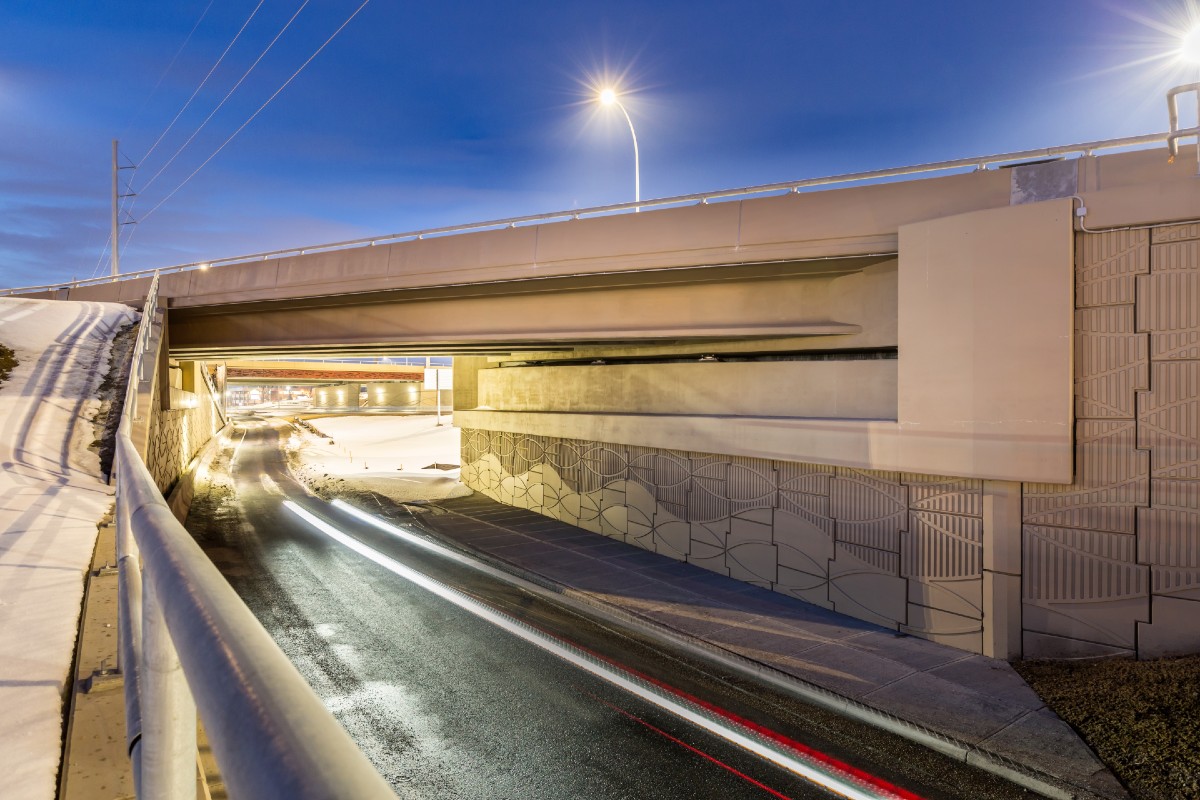
The appearance of retaining structures can have a direct influence on the character of a residential development. Reinforced Earth walls and abutments can incorporate different facing treatments, while Reinforced Earth slopes provide alternatives where a softer or vegetated transition is preferred.
Applications for residential development

Designed around the way people use the space
In residential development, civil infrastructure remains visible long after construction is complete. Roads, retaining structures, slopes and pedestrian connections contribute directly to how people move through and experience their surroundings.
Geoquest solutions provide different ways of organizing terrain, establishing connections and increasing usable land while responding to the ground conditions and spatial constraints of the development.
By considering infrastructure together with topography and the surrounding landscape, challenging sites can be transformed into functional residential environments while preserving opportunities for architectural and landscape integration.