Water, snow, rock and unstable ground regularly threaten roads, railways, towns and industrial sites. Floods, storm surges, avalanches, falling rocks, landslides and erosion can interrupt networks, damage structures and endanger lives, and climate change is making many of these events more frequent and more intense.
Natural risks protection brings together the structures that reduce this exposure. They hold soil and rock in place, keep water within defined limits, or stop and divert material before it reaches what must be protected. Each hazard calls for its own response, often combined with others on the same site.
Why natural hazards are difficult to manage
- Events that are hard to predict
Intensity, timing and location vary from one event to the next, and rare events can exceed anything recorded on site.
- Changing climate conditions
Rising water levels, increased rainfall, changes in snow cover and freeze-thaw patterns are altering the risks that must be taken into account.
- Exposed and remote locations
Mountains, coasts and riverbanks often combine difficult access, short construction windows and harsh conditions.
- Networks that must stay open
Roads, railways and utilities usually have to keep running while protection works are carried out.
- Several hazards on one site
A single slope or valley can be exposed to rockfall, avalanches, erosion and flooding at the same time.
- Sensitive natural settings
Protection works are frequently built in landscapes and ecosystems that must be preserved.


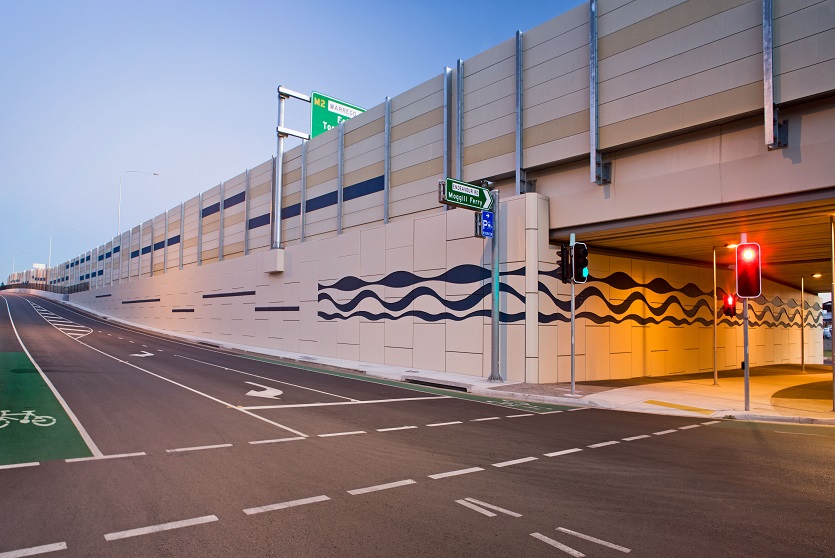
Protecting land and infrastructure against natural forces
Natural risks protection works in three ways. Some structures stabilize the ground so that soil, rock or snow does not start to move. Others contain water along rivers, coasts and drainage paths. Others intercept or divert material that is already moving before it reaches roads, railways or buildings.
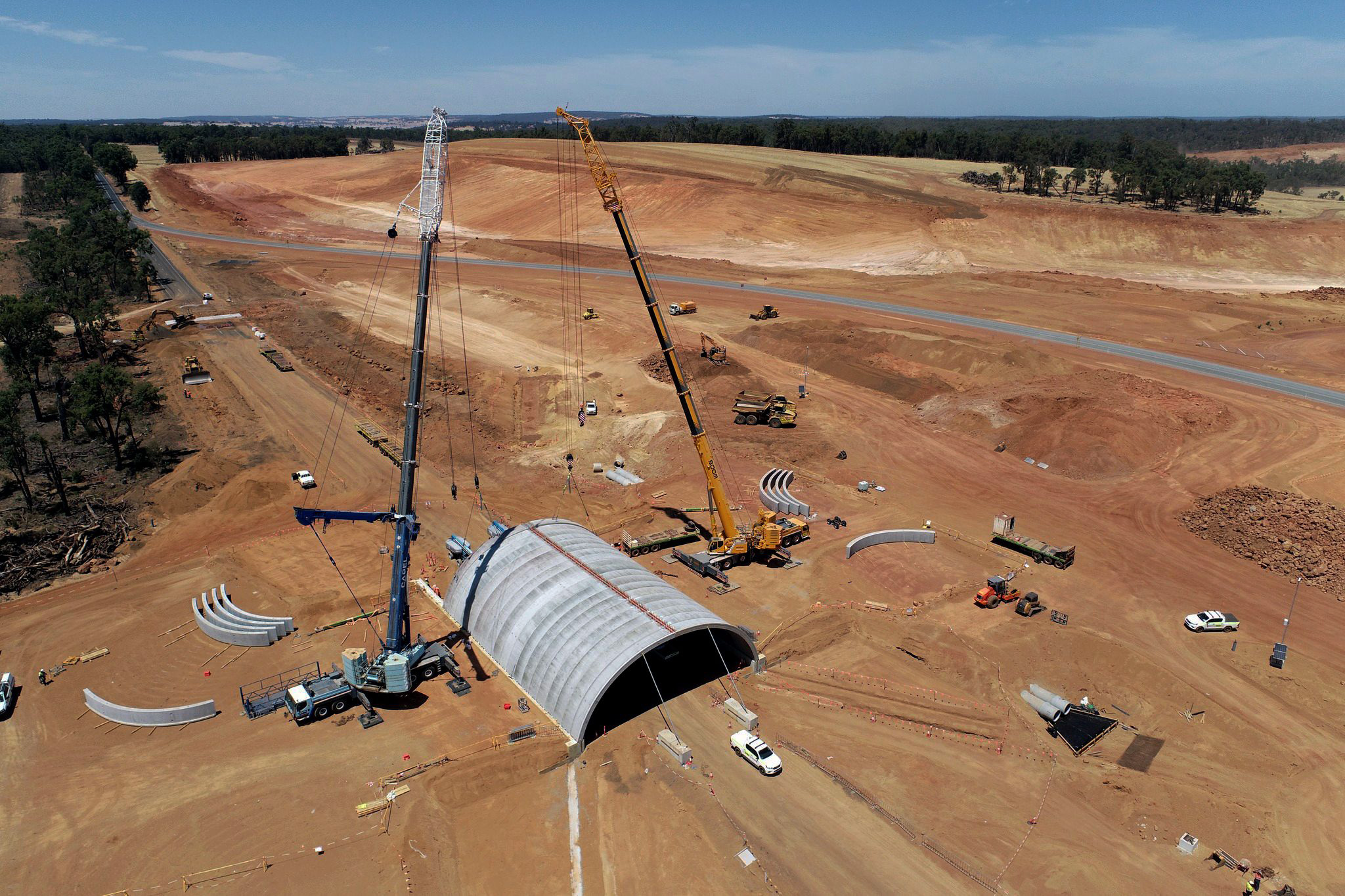
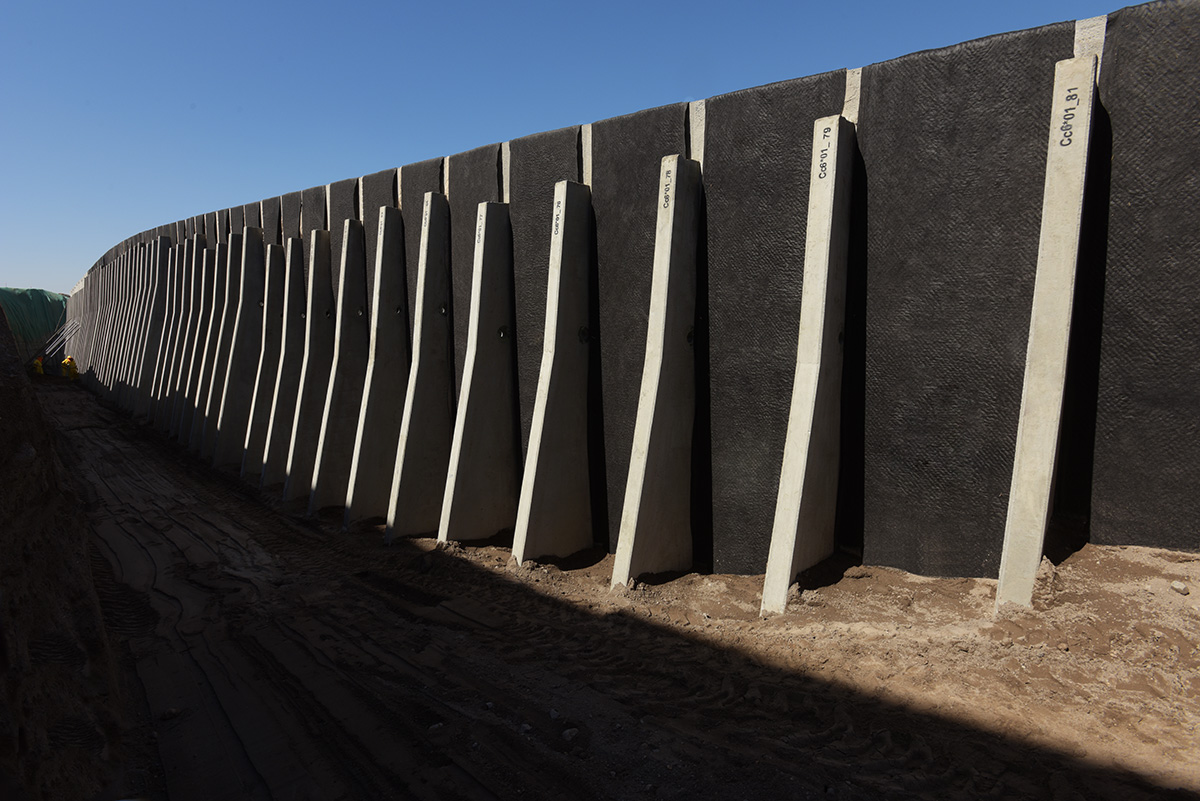
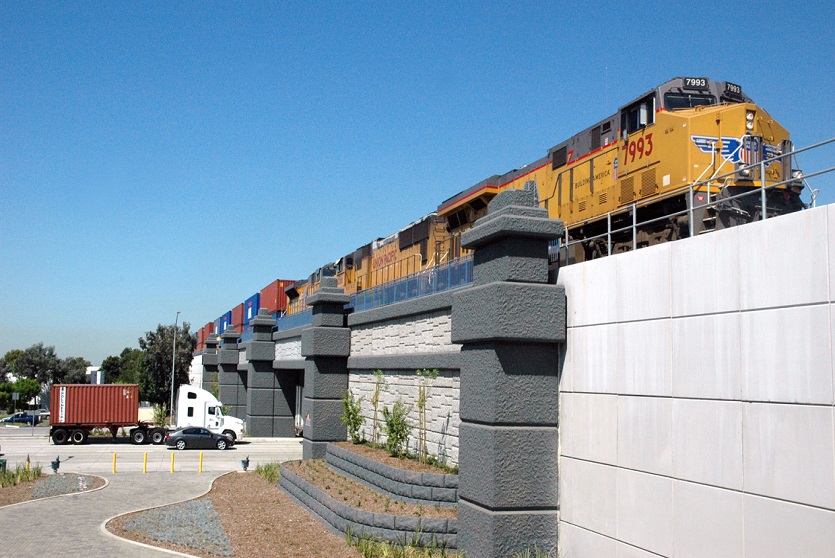
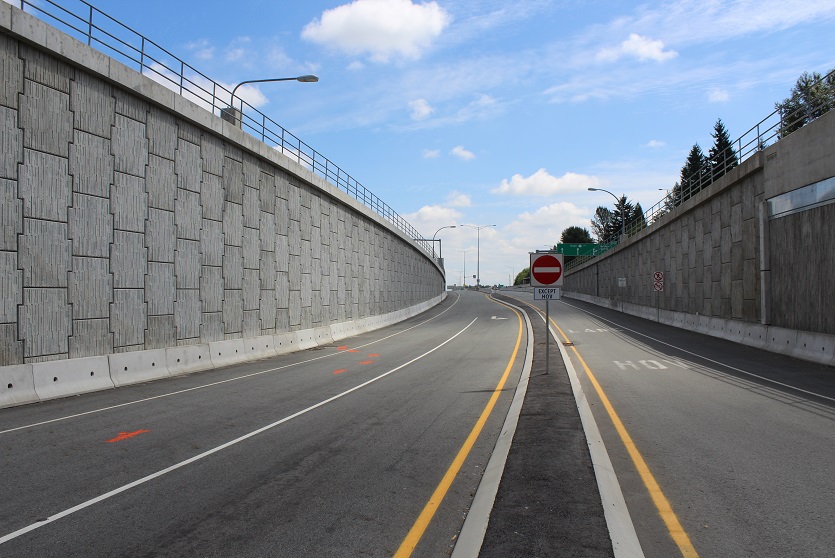
Reinforced backfill plays a central role in all three approaches. Reinforced Earth walls and abutments and Reinforced Earth slopes are used to build dykes, sea walls, protection bunds and rebuilt slopes with a compact footprint. Precast structures such as TechSpan, T-Wall and TechWall form galleries, river walls and retaining walls in narrow sites. Surface protection such as TerraGreen and Fabric Formed Concrete Mattresses, and flexible structures such as Nets, complete these works where soil or rock has to be held at the surface.
Depending on the hazard, natural risks protection is divided into six applications: erosion protection, coastal protection and restoration, hydraulic and flood protection, avalanche protection, debris flow and rockfall protection, and slope stabilization.
Natural risks protection applications
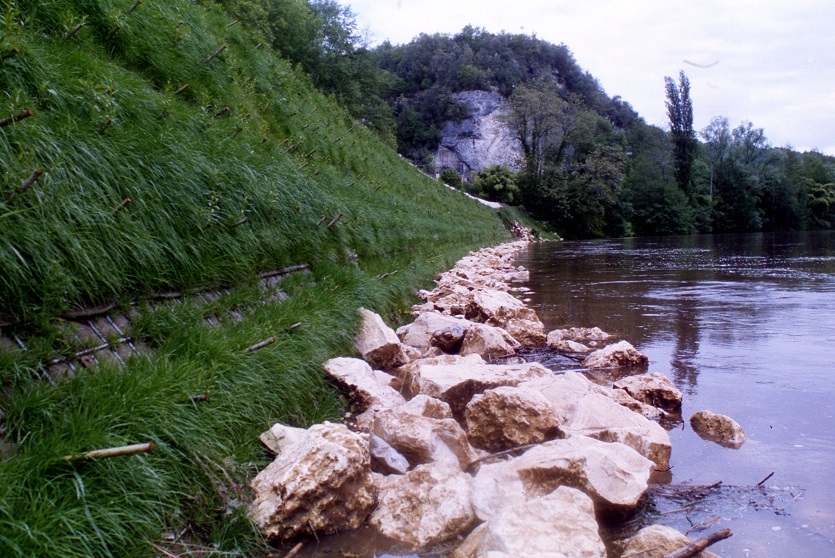
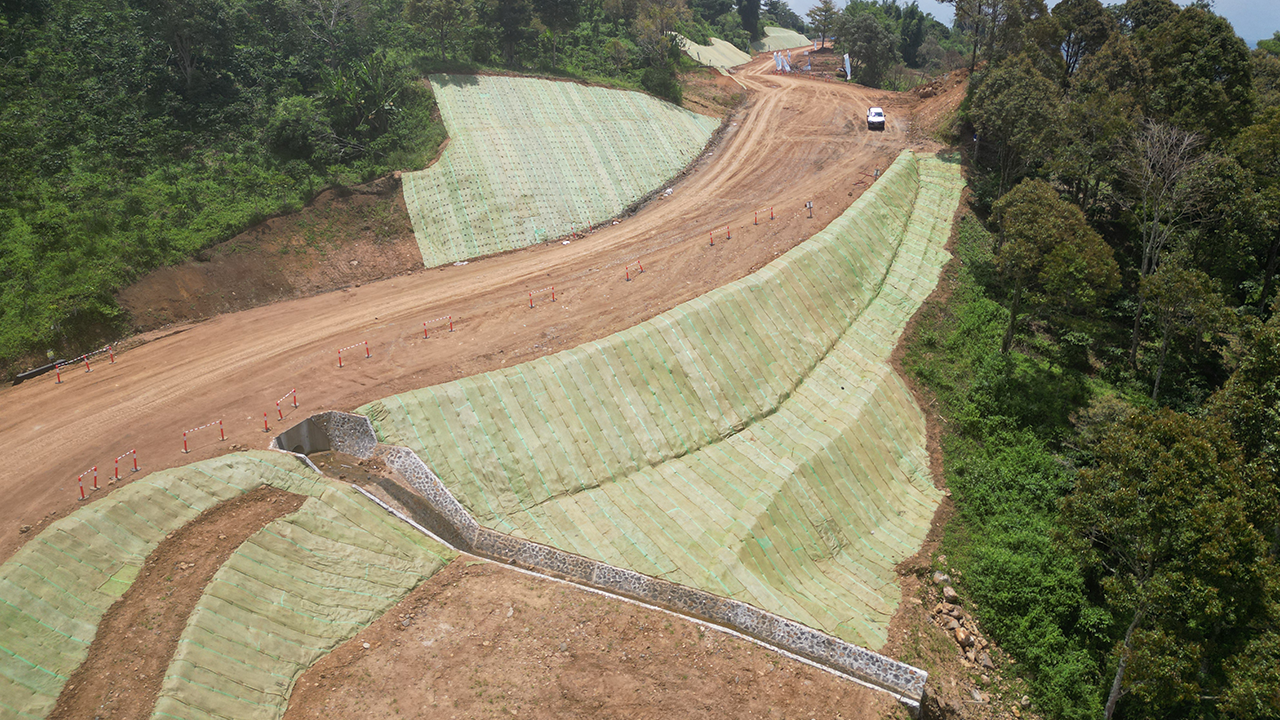
Bare slopes, embankments, banks and channels gradually lose material under rain, runoff, wind and currents. Erosion protection covers these surfaces so they keep their profile and do not weaken the structures nearby.
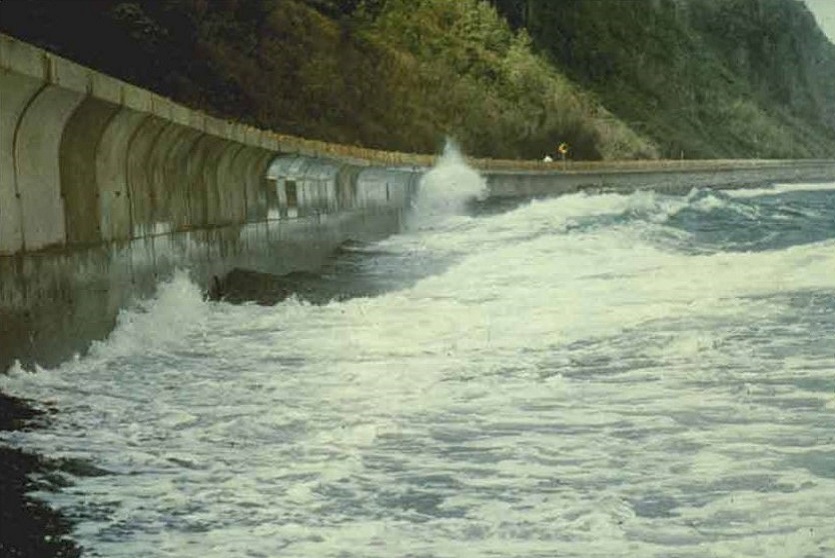
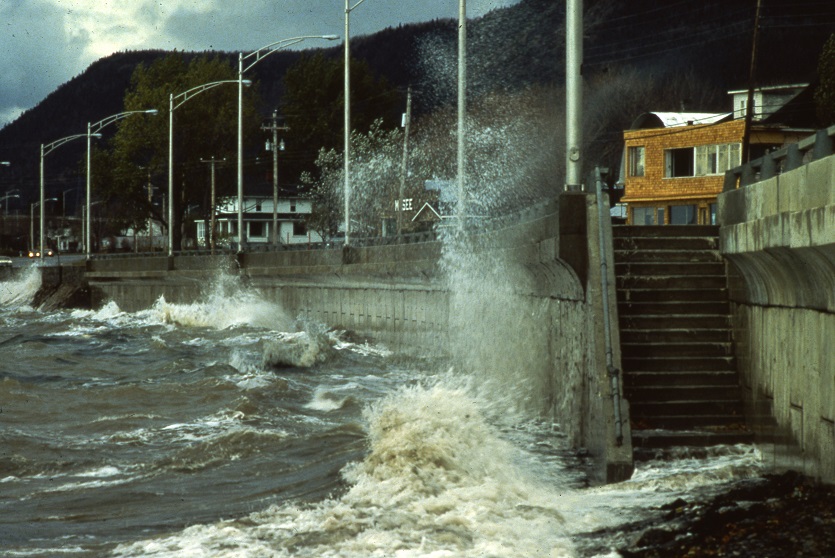
Shorelines are pushed back by waves, storm surges and rising seas. Coastal protection defends waterfronts, coastal roads and low-lying land, and rebuilds shores that have already been damaged.
When rivers overflow or storms bring more water than drainage can handle, land and infrastructure are submerged. Hydraulic and flood protection holds water back, guides it and stores it until peak flows have passed.
In mountain valleys, avalanches can cut off roads and railways and threaten villages and resorts. Avalanche protection deals with the snow from the starting zone to the bottom of the slope.
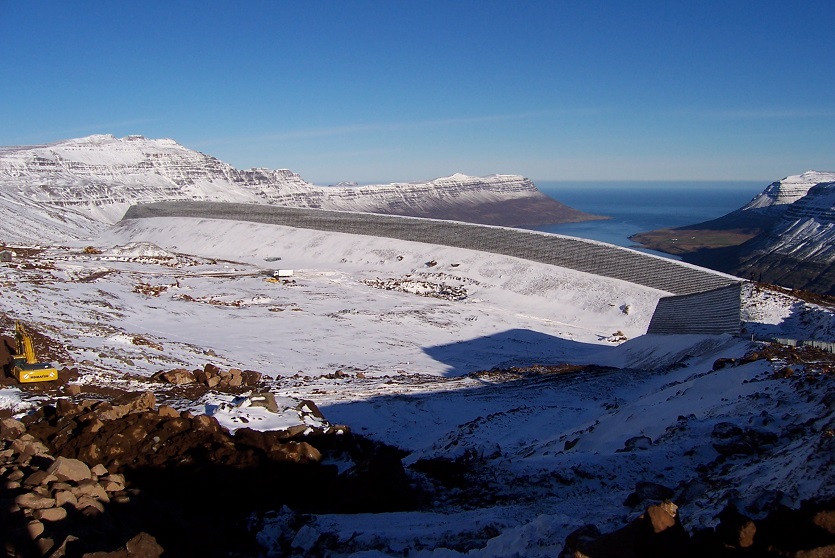
Rocks, boulders and debris can break away from steep slopes or rush down gullies after heavy rain. Debris flow and rockfall protection intercepts this material on its path to the route or the buildings below.
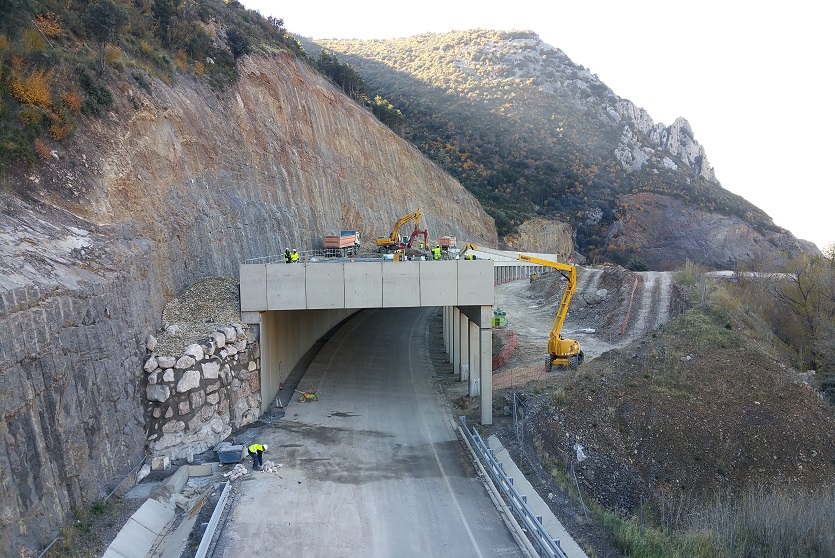
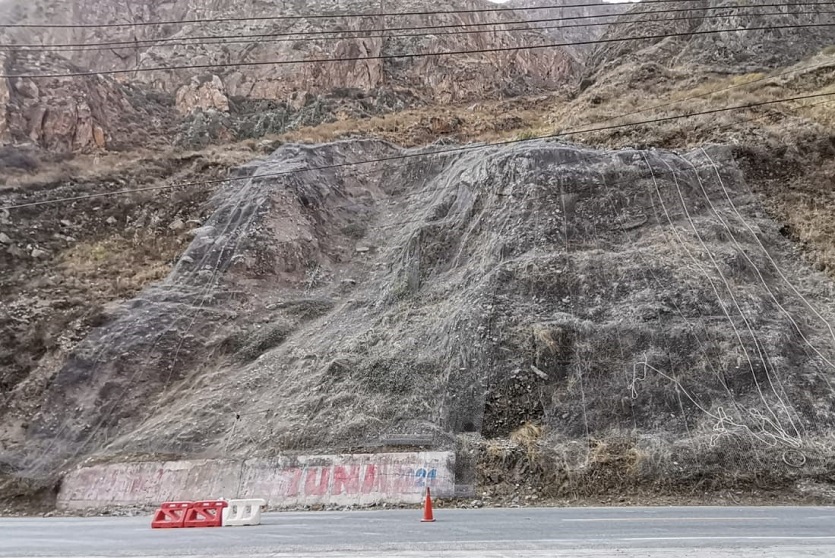
Natural hillsides and man-made cuttings can lose their balance under water, weathering or new loads. Slope stabilization acts on the slope itself to prevent sliding before it begins.
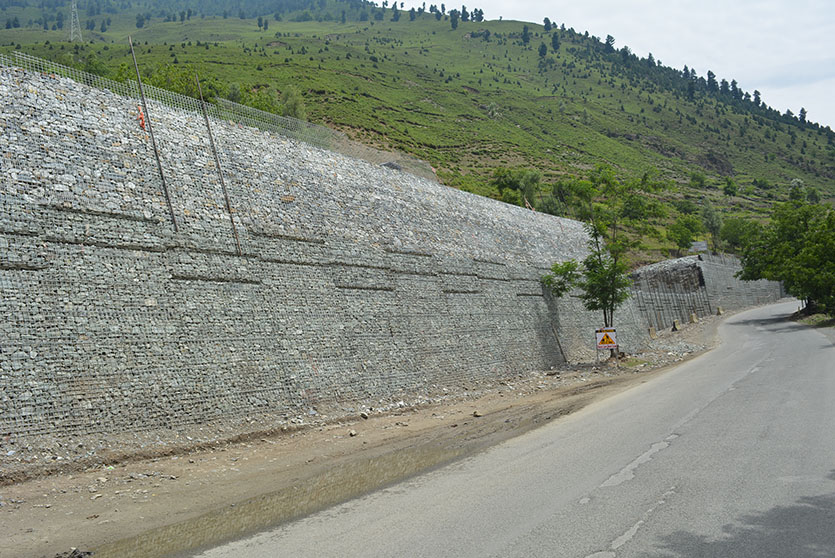
Building an effective protection strategy
- Identify the hazard: Water, snow, rock or ground movement. Each one leads to a different family of structures.
- Choose where to act: At the source, along the path, or close to what must be protected.
- Define the protection level: Based on the frequency and intensity of events and on what is exposed below or behind.
- Consider combined hazards: Slopes and valleys exposed to several risks may need complementary structures.
- Anticipate climate trends: Allow for higher water levels, heavier rainfall or future raising of the structure.
- Plan for access and maintenance: Remote or steep sites affect construction methods, inspection and clean-out after events.
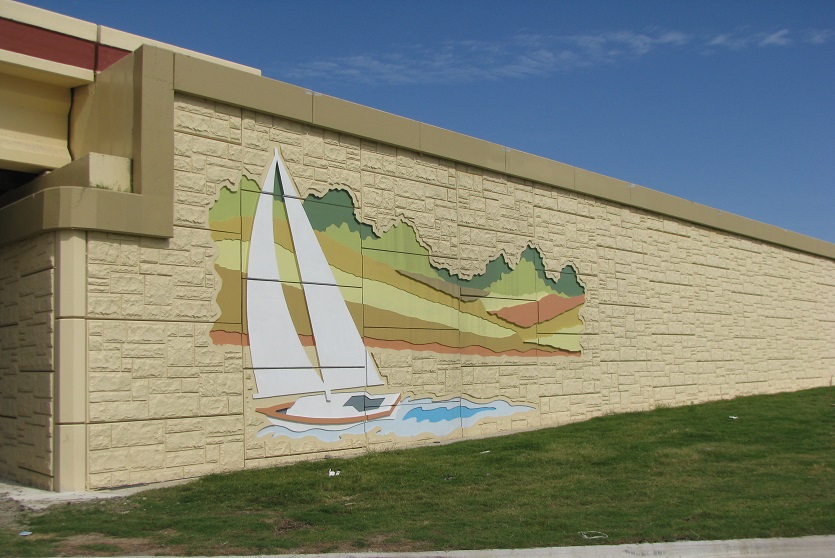
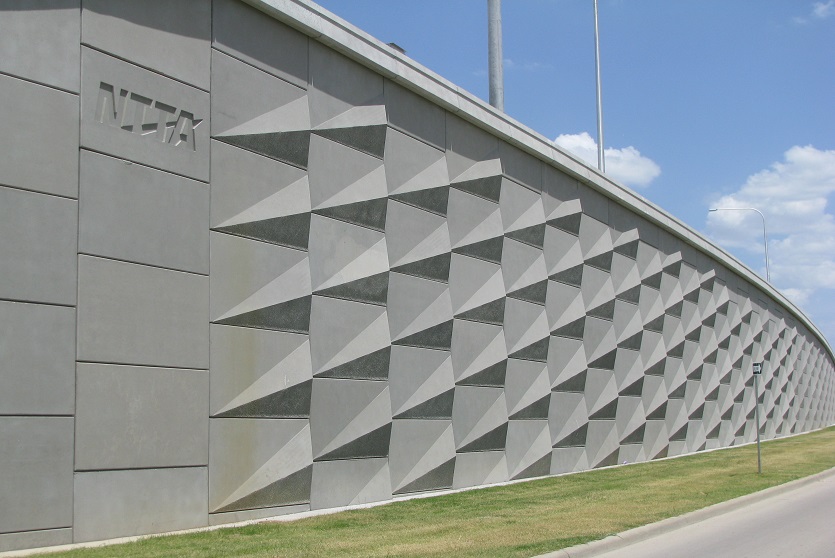
- Respect the setting: Vegetated or natural-looking faces from the Architectural finish range help integrate works into sensitive landscapes.