Industrial, energy and mining sites handle products and processes that can harm people, neighbouring communities and the environment if something goes wrong. Liquids can leak, explosives can detonate, waste can contaminate soil and water, networks can be damaged, and noise can spread well beyond the site boundary.
Industrial risks protection covers the structures that contain these risks at the source. They confine what is stored, absorb what is released, and shield what lies around the site. They allow operations to continue safely and in line with increasingly strict environmental and safety rules.
What makes industrial risks complex to control
- Strict regulations
Safety, environmental and noise rules set minimum performance levels that structures must meet.
- Severe accidental scenarios
Structures must withstand events far beyond normal operating conditions, such as sudden releases, detonations or fire.
- Dense and active sites
Space is limited, and works often have to be carried out without stopping production.
- Long-term exposure
Aggressive products, water, chemicals and repeated loading test durability over decades.
- Neighbouring communities and environment
Risks must stay within the site, without affecting residents, soil, groundwater or waterways.
- Changing operations
Sites expand, change products or increase capacity, and protection must evolve with them.


Containing risks within industrial sites
Industrial risks protection works in three ways. Some structures confine what is stored on site, such as waste, tailings or liquids, so it cannot escape into the environment. Others absorb the effects of an accident, such as an explosion or a sudden spill. Others shield networks and surroundings, such as pipelines on the riverbed or homes near a motorway or a plant.
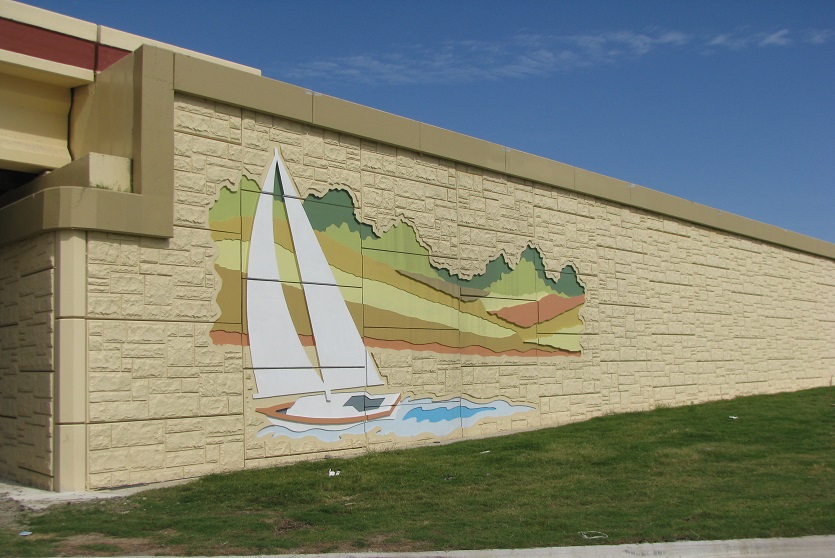
Reinforced backfill is used across these applications. Reinforced Earth walls and abutments and Reinforced Earth slopes form containment walls, waste cells, blast barricades and impoundment areas with a compact footprint. Precast elements, including free-standing and post-and-panel barriers, are used for security and noise screens. Geotextile containers, liners and protective mattresses seal storage areas and protect networks in water. Facings from the Architectural finish range help integrate visible structures into their surroundings.
Depending on the risk, industrial risks protection is divided into five applications: pipe protection, waste storage, noise mitigation, blast protection and spill containment.
Industrial risks protection applications
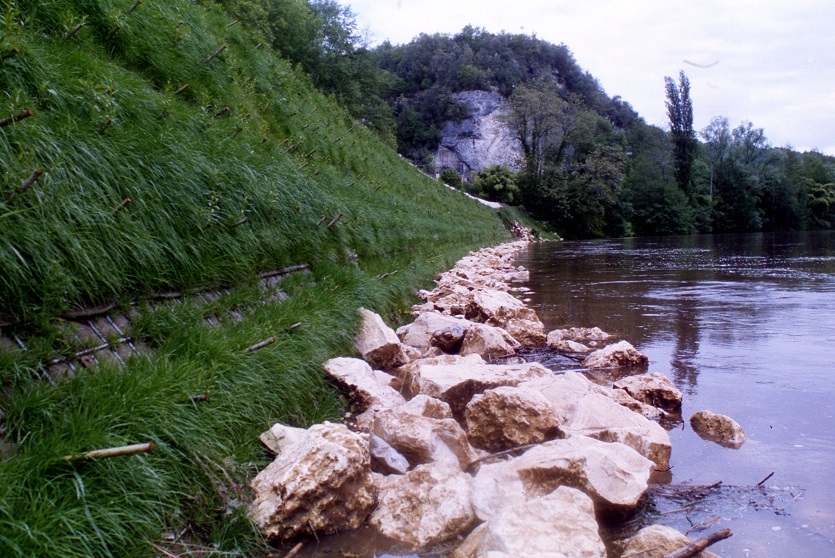
Pipelines and cables crossing rivers, harbours and the seabed are exposed to anchors, currents and shifting sediment. Pipe protection keeps these networks in place and covered, so that a leak or a broken line does not reach the water or interrupt supply.
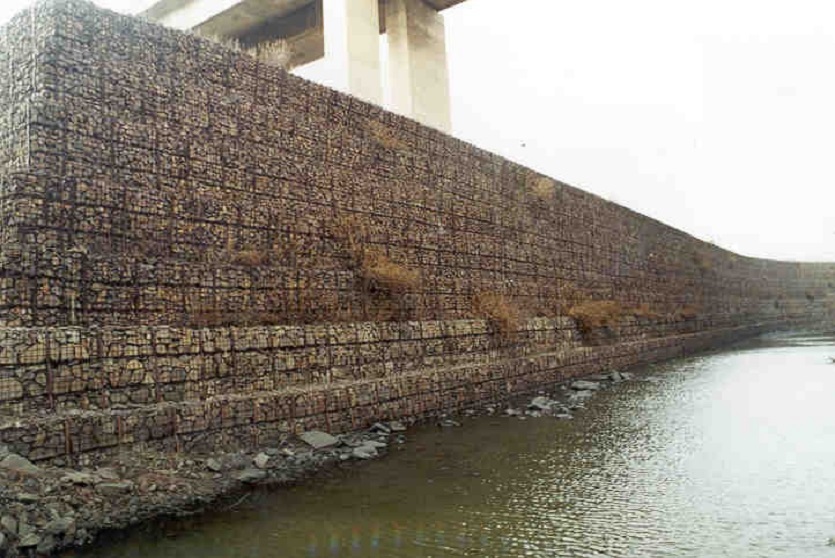
Municipal refuse, mining tailings, fly ash and sludge have to be stored for decades without polluting the ground. Waste storage provides the cells, embankments, ponds and platforms that receive and confine this material.

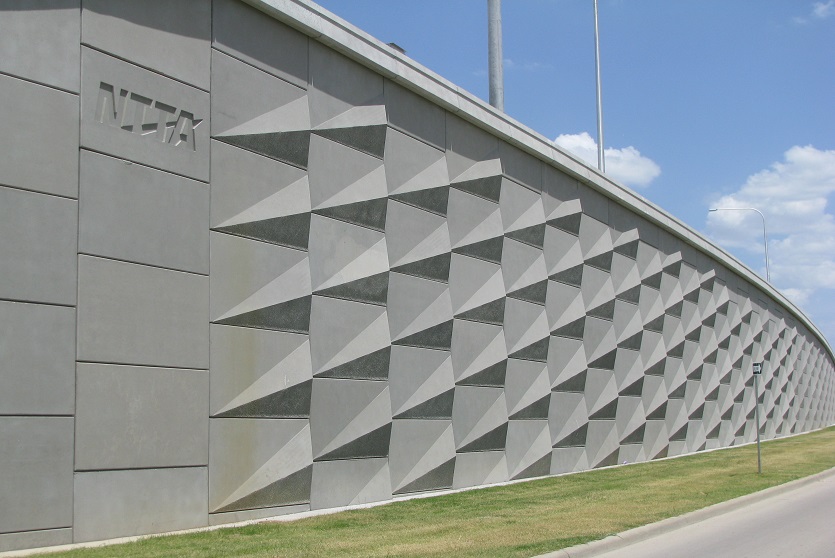
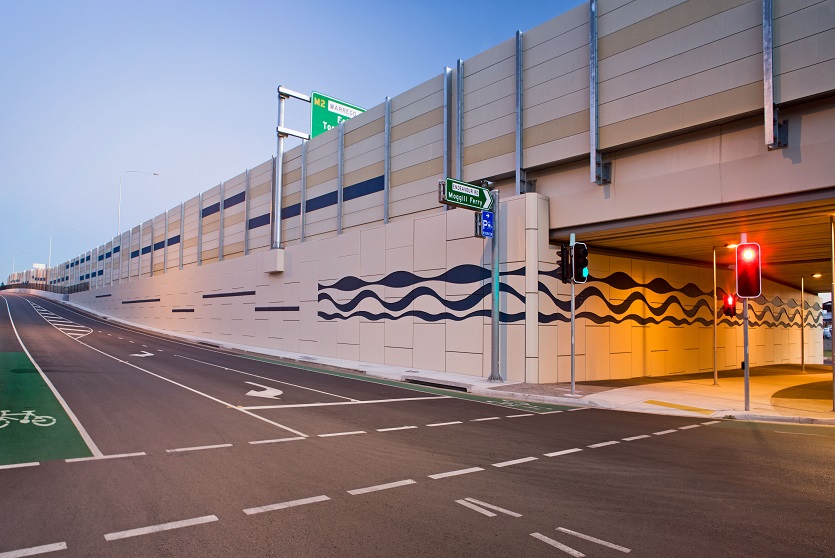
Traffic and industrial activity create noise that affects nearby homes, schools and offices. Noise mitigation places screens between the source and these receivers.
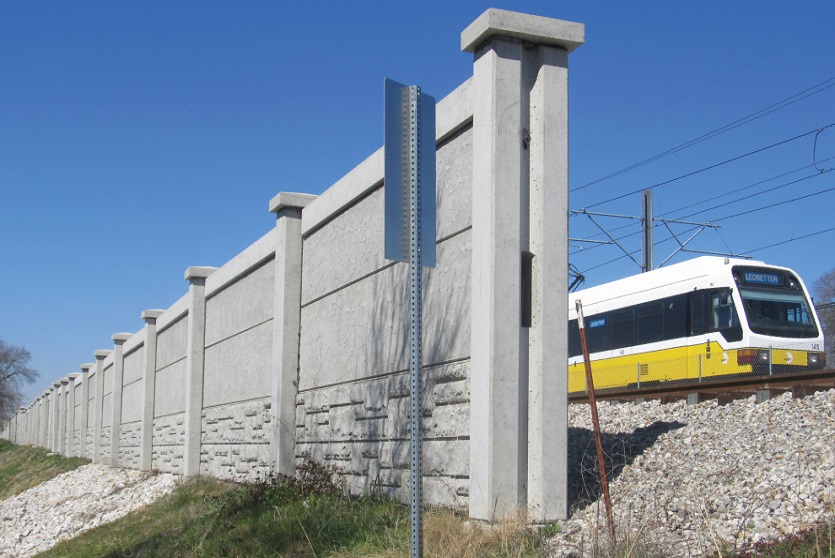
Explosives depots, munitions stores and mines must be ready for an accidental or hostile detonation. Blast protection limits the spread of the blast and fragments, and secures sensitive storage.
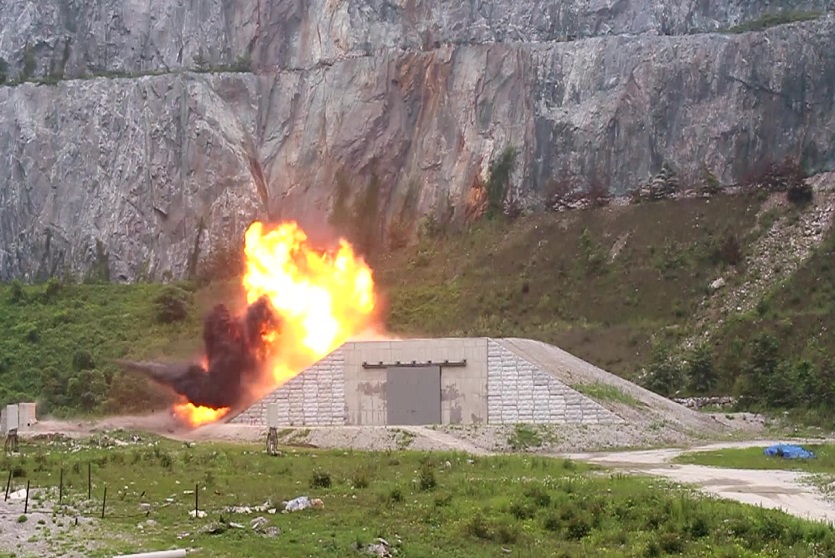
Tanks of fuel, chemicals or liquefied gas can fail or overflow. Spill containment creates an impoundment area that keeps the released liquid on site until it is recovered or treated.
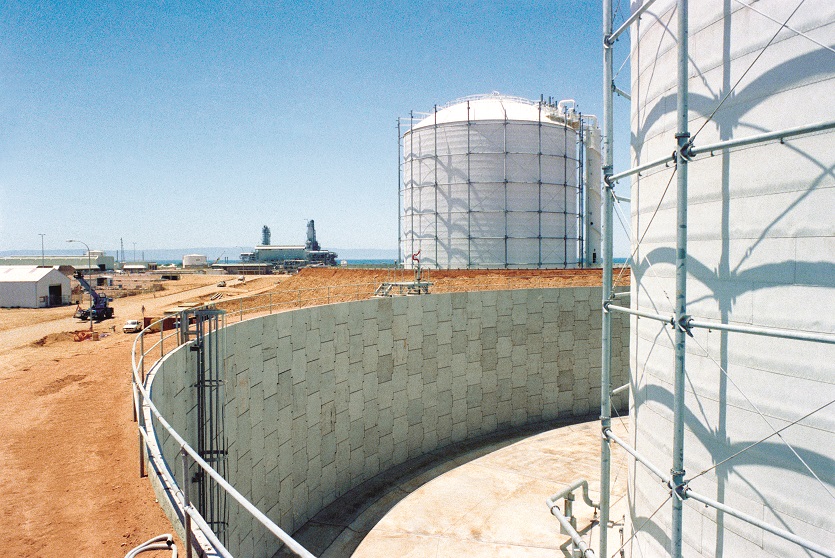
Setting the right level of industrial protection
- Identify the risk: Leak, explosion, contamination, network damage or noise. Each one leads to a different type of structure.
- Define the scenario: Normal operation, accidental event or worst case, and the probability of each.
- Apply the right rules: Safety, environmental and noise regulations set performance targets and distances.
- Account for the products involved: Chemical, thermal or mechanical aggression influences the choice of materials.
- Work within the site: Available space, live operations and access determine the layout and construction method.
- Plan for change: Allow for future raising, extension or relocation as operations evolve.
- Consider the surroundings: Visual impact and proximity to residents may require specific facings or screening.