Infrastructure solutions built around the movement and processing of mined materials
Mining operations depend on earthworks and structures capable of supporting continuous material movement, heavy equipment and demanding production activities. Geoquest provides solutions for mine access, processing areas, material handling, storage, water management and protection across the mining operation.

Keeping materials moving through the mine
Mining infrastructure is shaped by the movement of large volumes of material. Haul trucks travel between extraction and processing areas, run-of-mine material is delivered to crushers, conveyors transfer processed material, and stockpiles or bunkers provide storage at different stages of production.
These operations generate exceptional loads and repeated movements that infrastructure must accommodate without limiting productivity. Mine layouts also evolve as extraction progresses, requiring structures and access routes that can respond to changing operational needs.
Remote locations, variable soils, steep terrain and severe climatic conditions can add further complexity, making constructability and efficient use of locally available materials important considerations for mine development.
From mine access to material processing
Geoquest solutions can be integrated throughout mining operations, supporting the infrastructure required to transport, process and store materials while maintaining access to critical areas.
- Handling material at crushing facilities
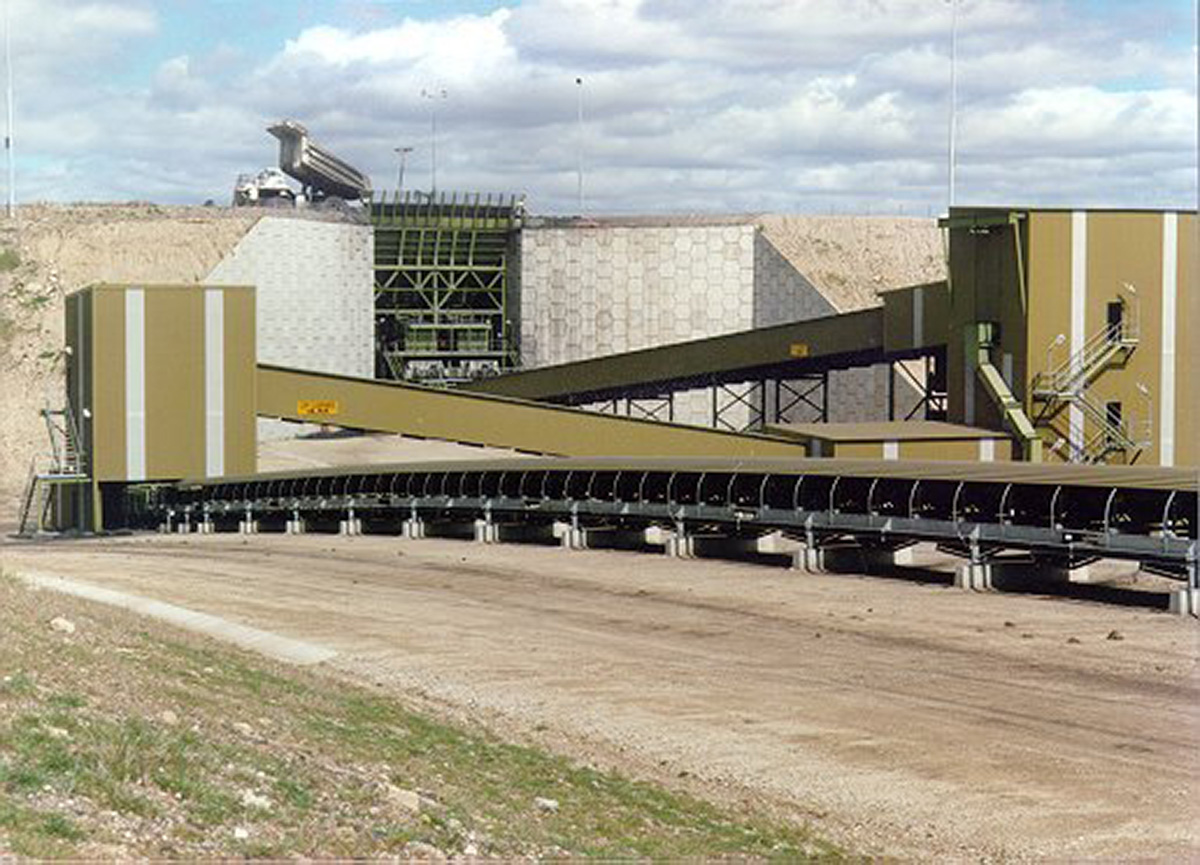
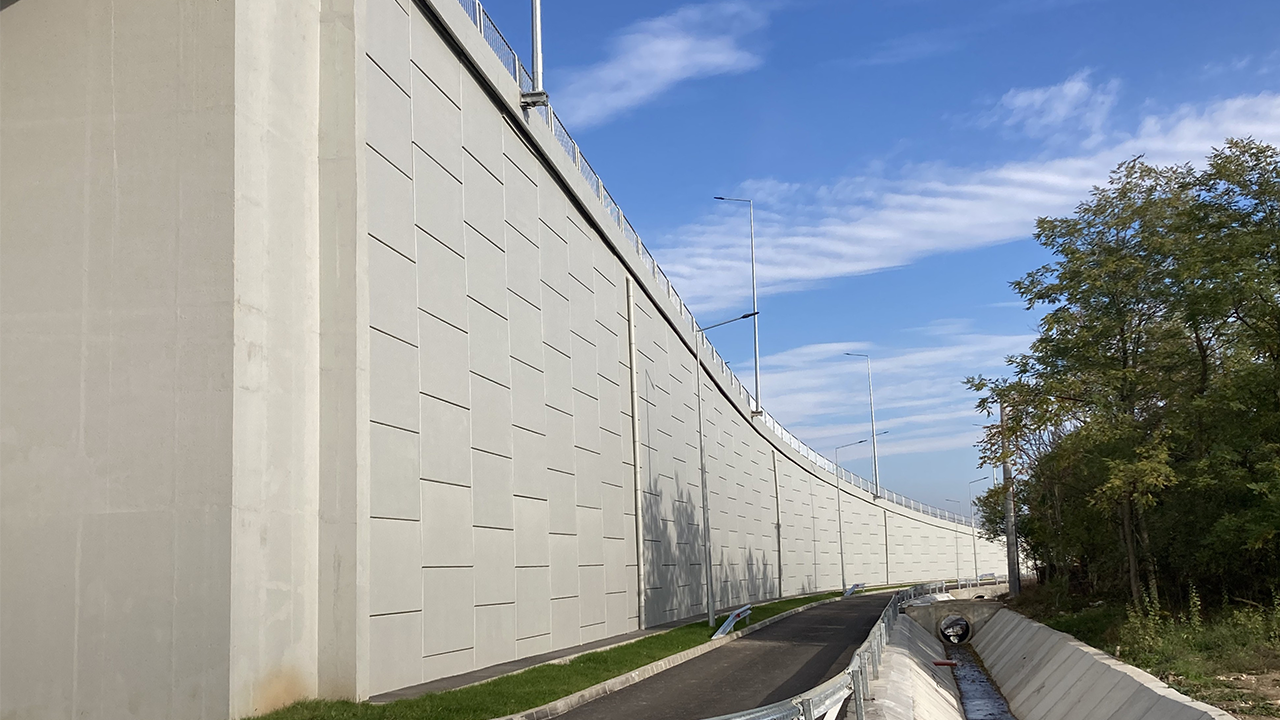
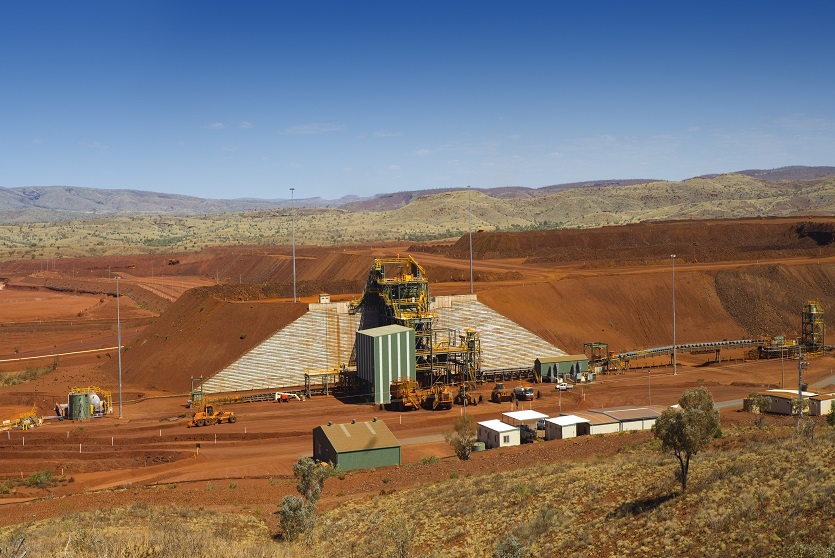
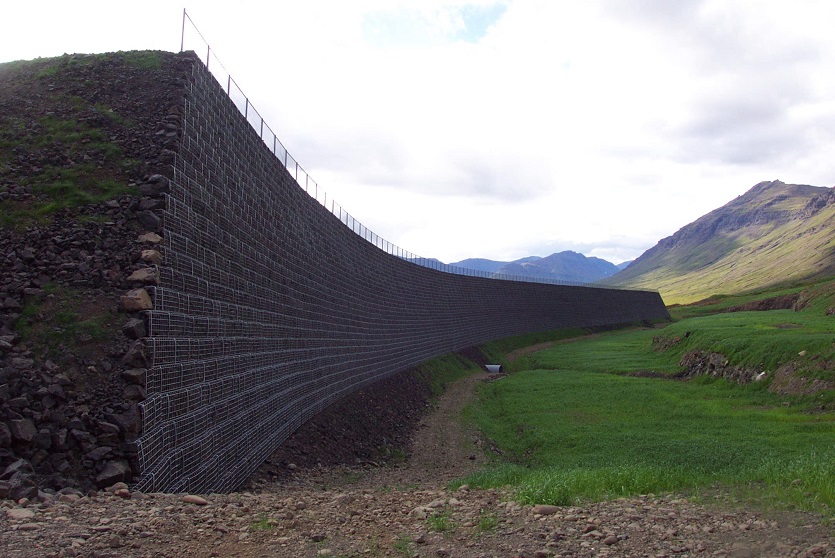
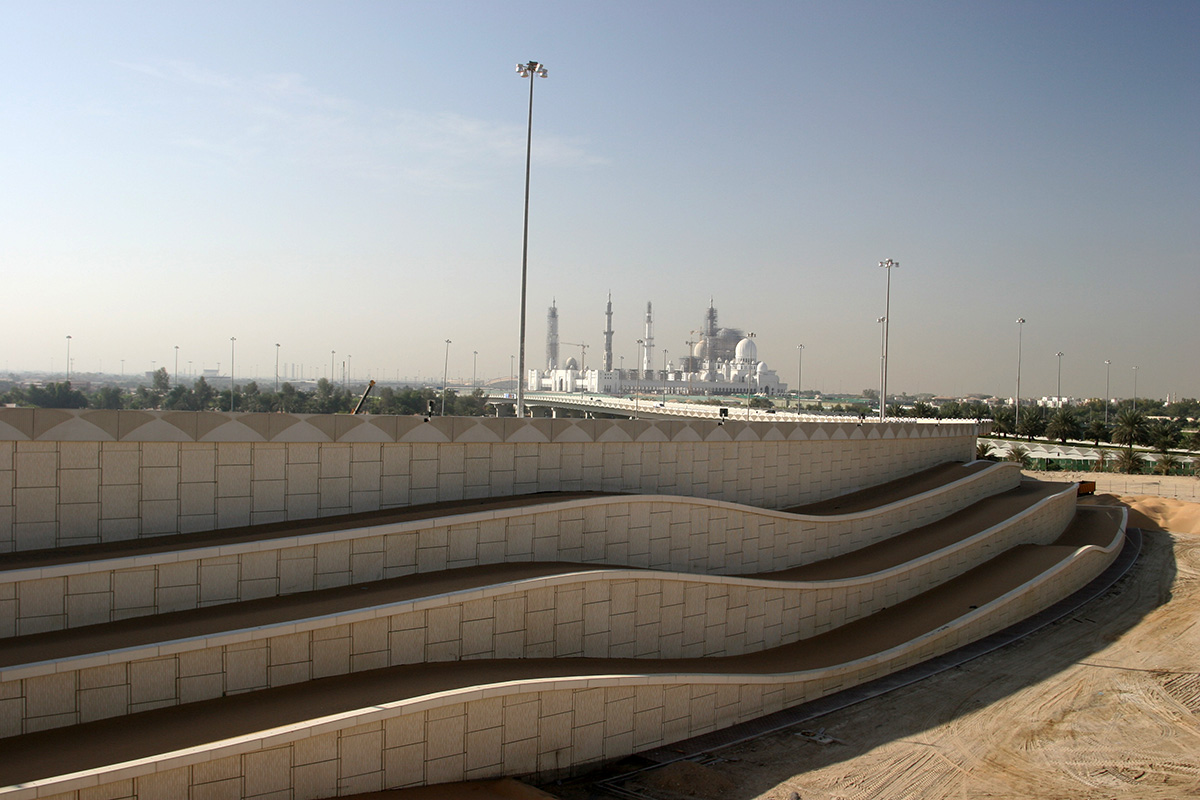
Run-of-mine dump walls allow heavy haul trucks to discharge material directly into crusher hoppers. Reinforced Earth walls and abutments can form tall load-bearing structures capable of accommodating the significant live loads and vibrations generated around primary crushing facilities.
- Moving materials beneath stockpiles
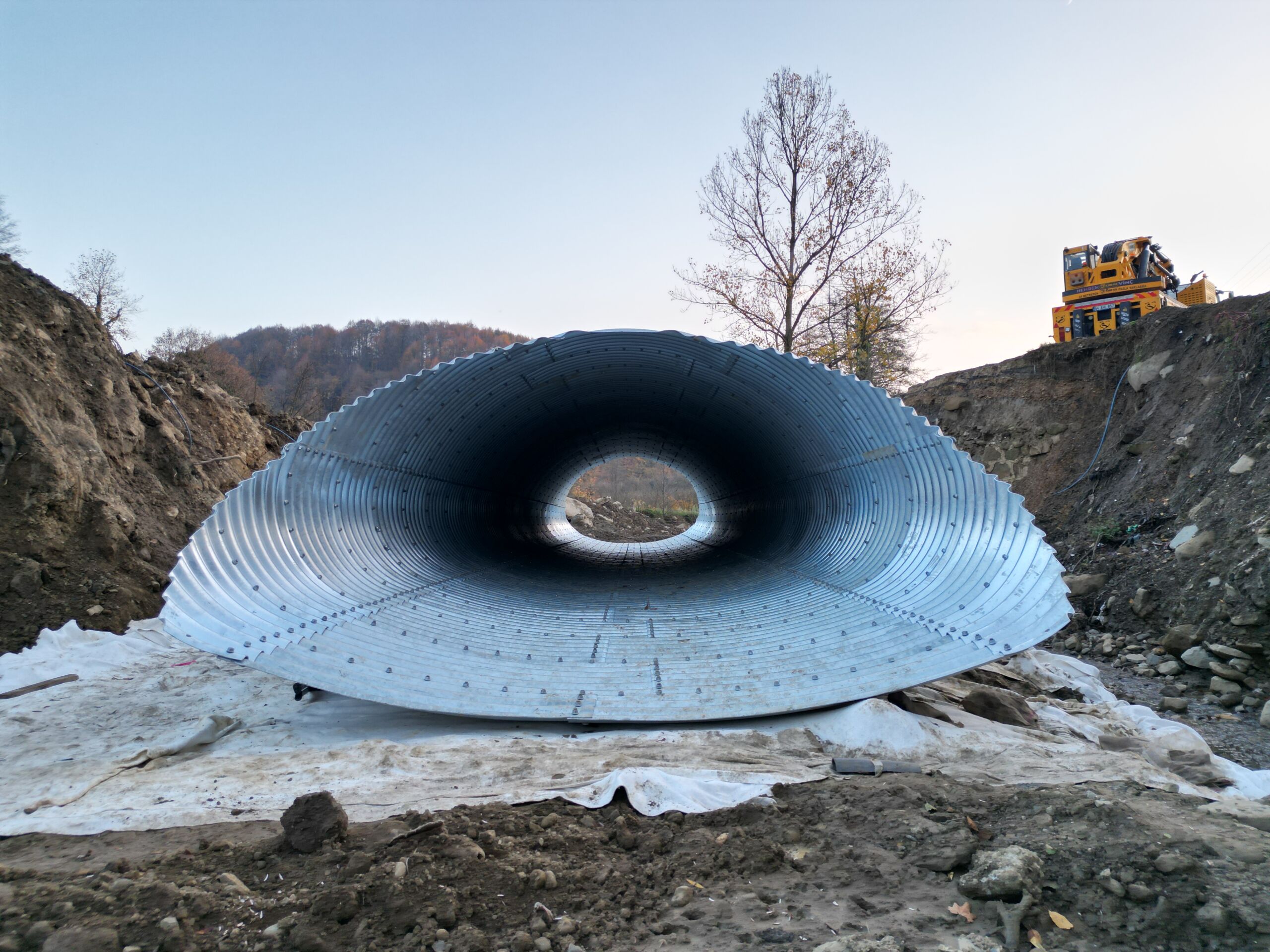
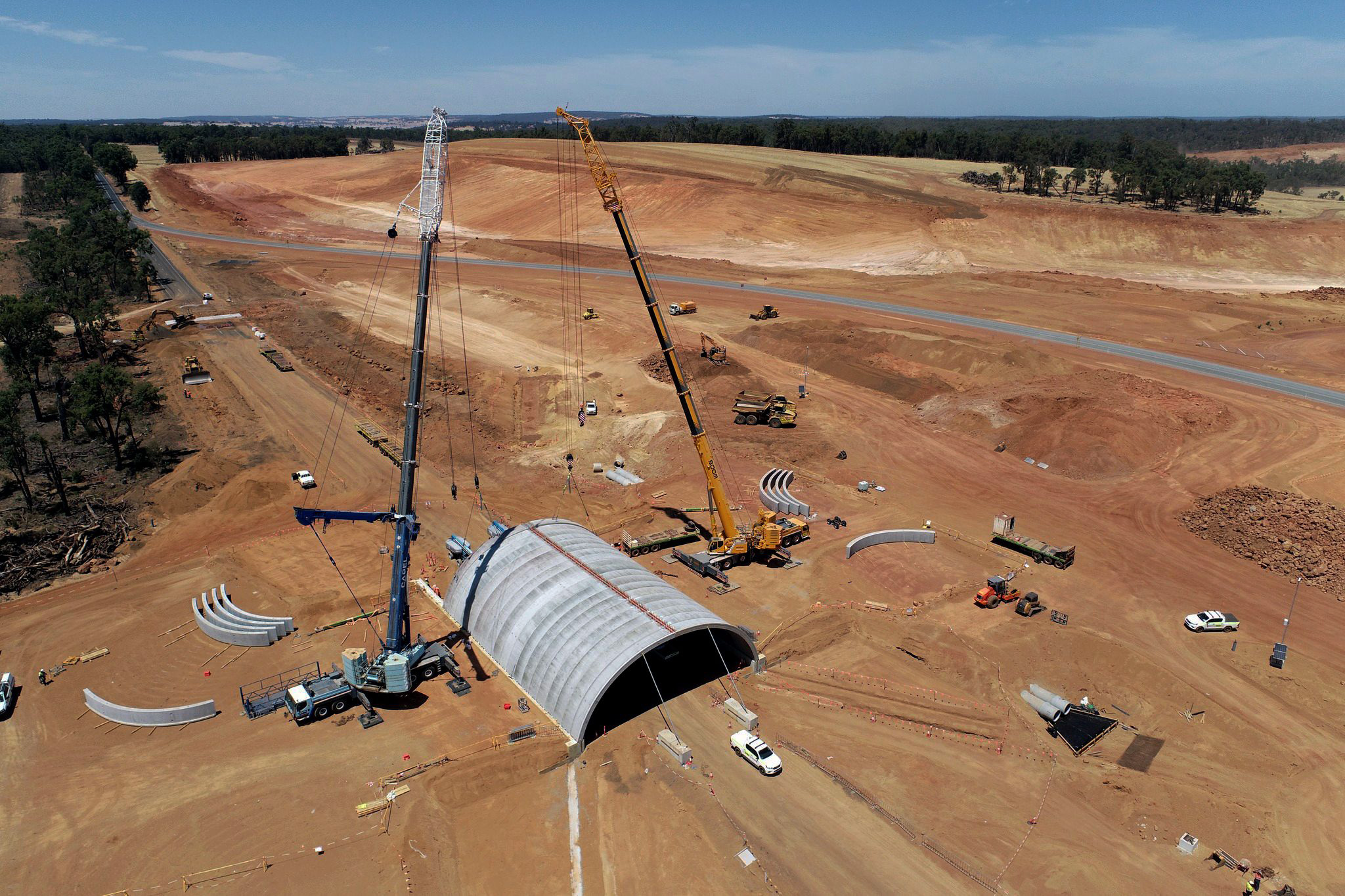
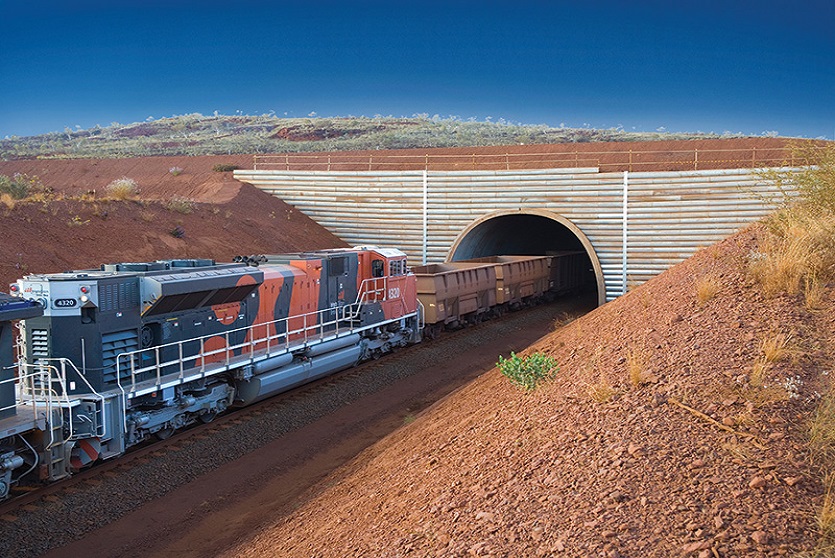
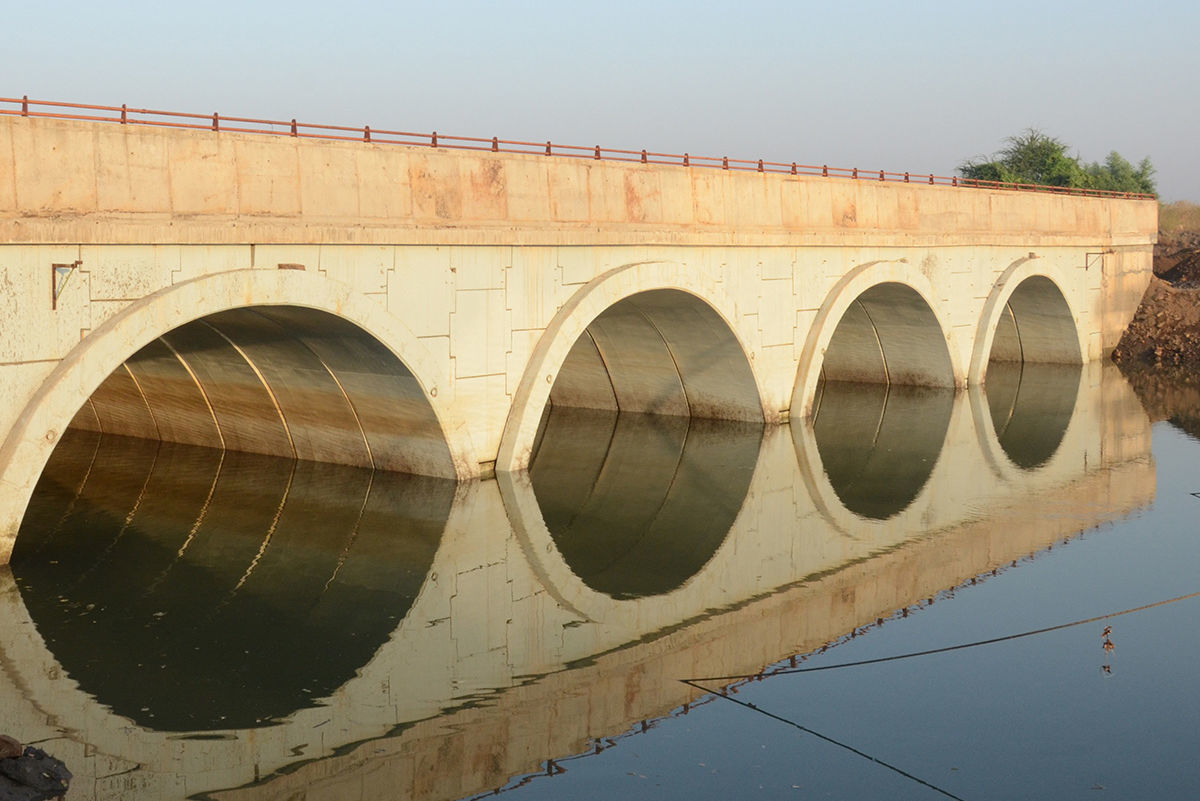
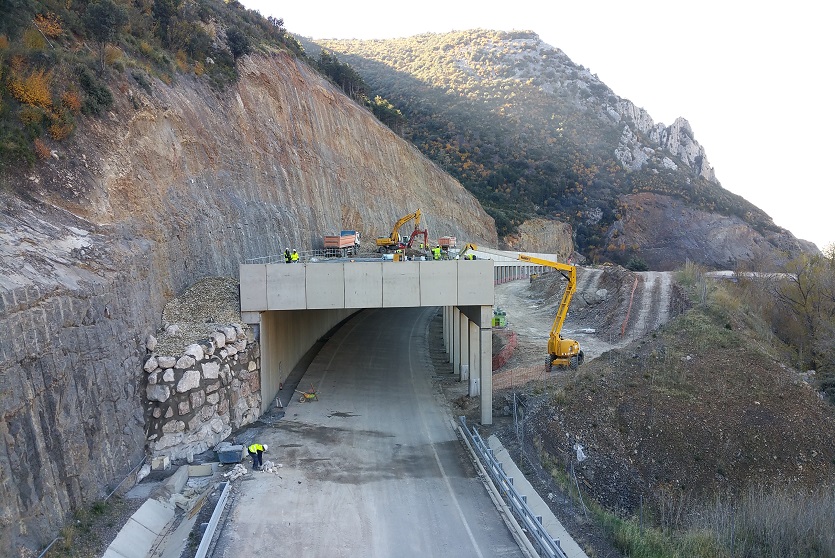
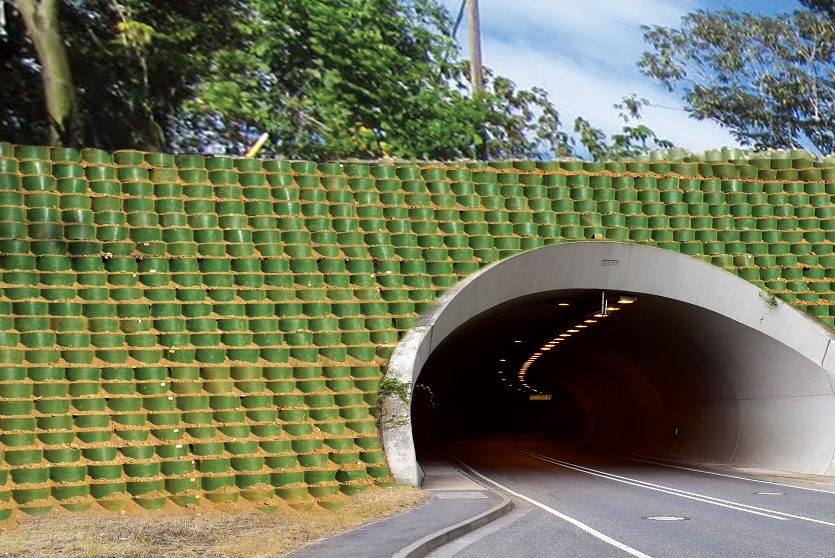
Conveyors, vehicles, utilities and pipelines frequently need protected routes beneath stockpiles or operational areas. TechSpan precast arches provide buried structures for reclaim conveyor tunnels, vehicle passages, utility routes and other configurations subjected to substantial overburden and mining loads.
- Storing and reclaiming bulk materials
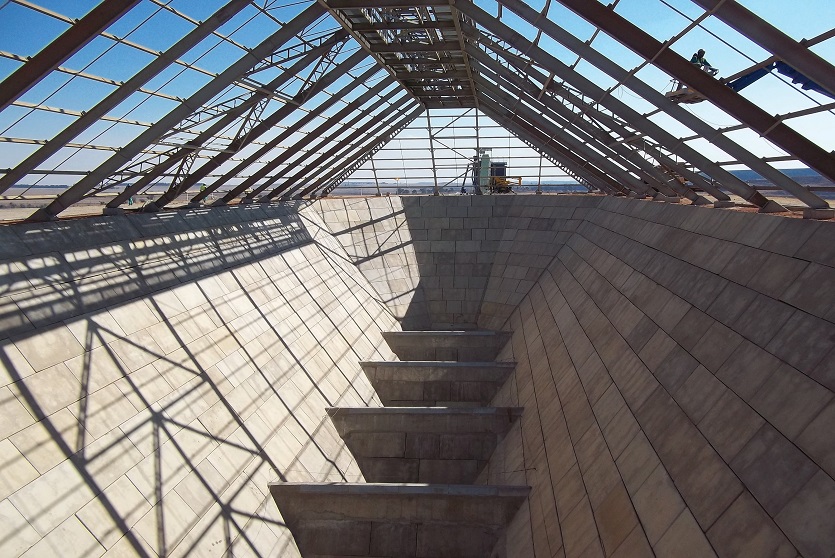
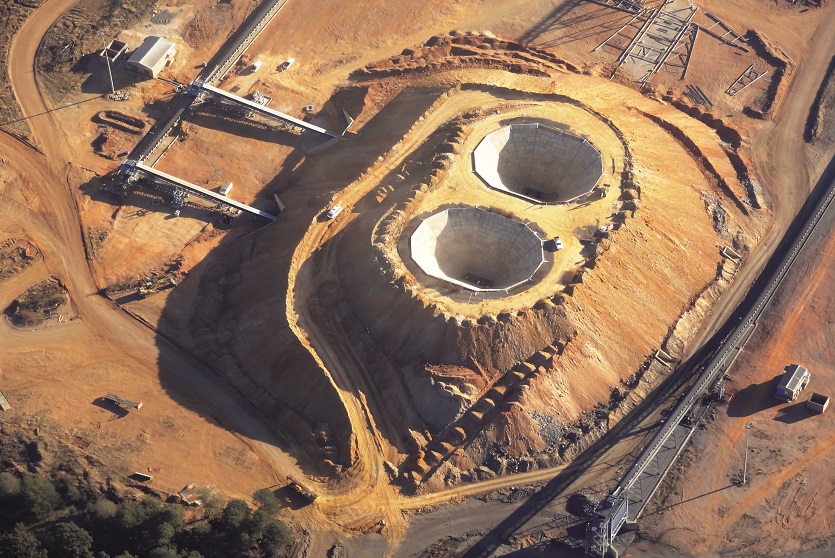
Ore, coal and other mined materials may require dedicated bunkers or storage structures designed around efficient filling and reclaiming operations. Reinforced Earth walls and abutments can be configured to form high-capacity storage and V-slot structures adapted to the movement and discharge of bulk materials.
- Maintaining heavy-duty mine access
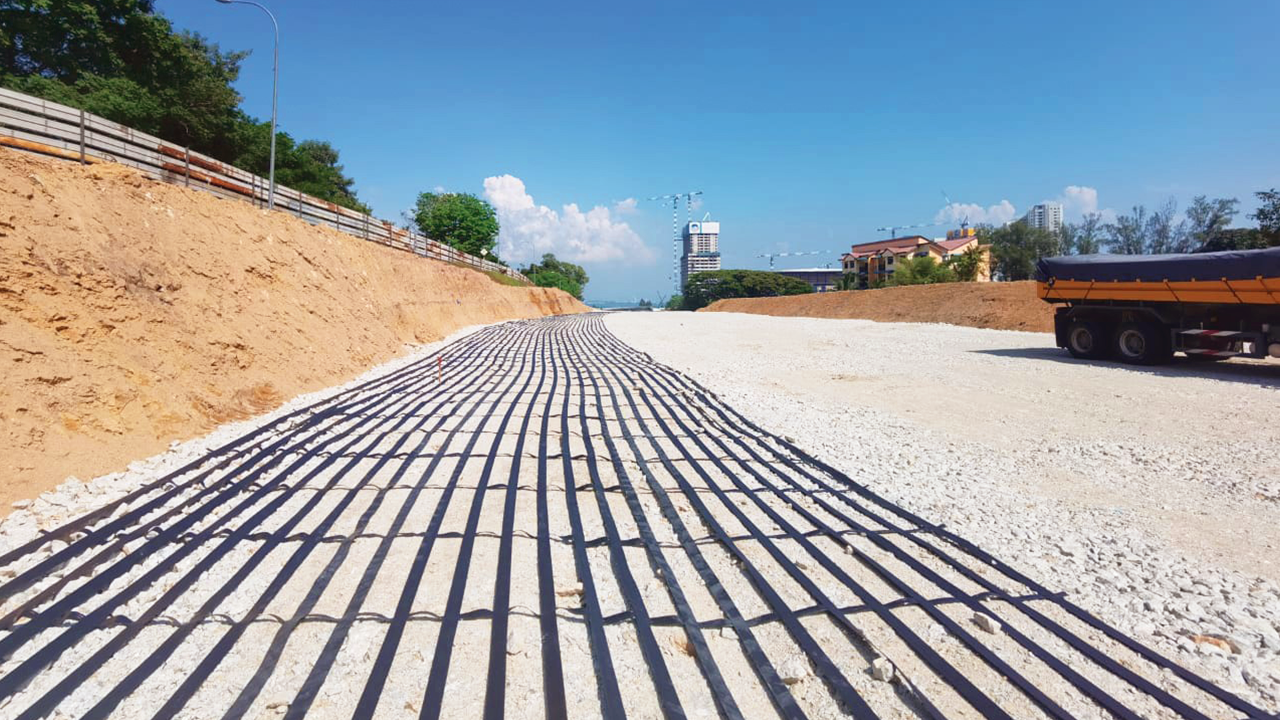
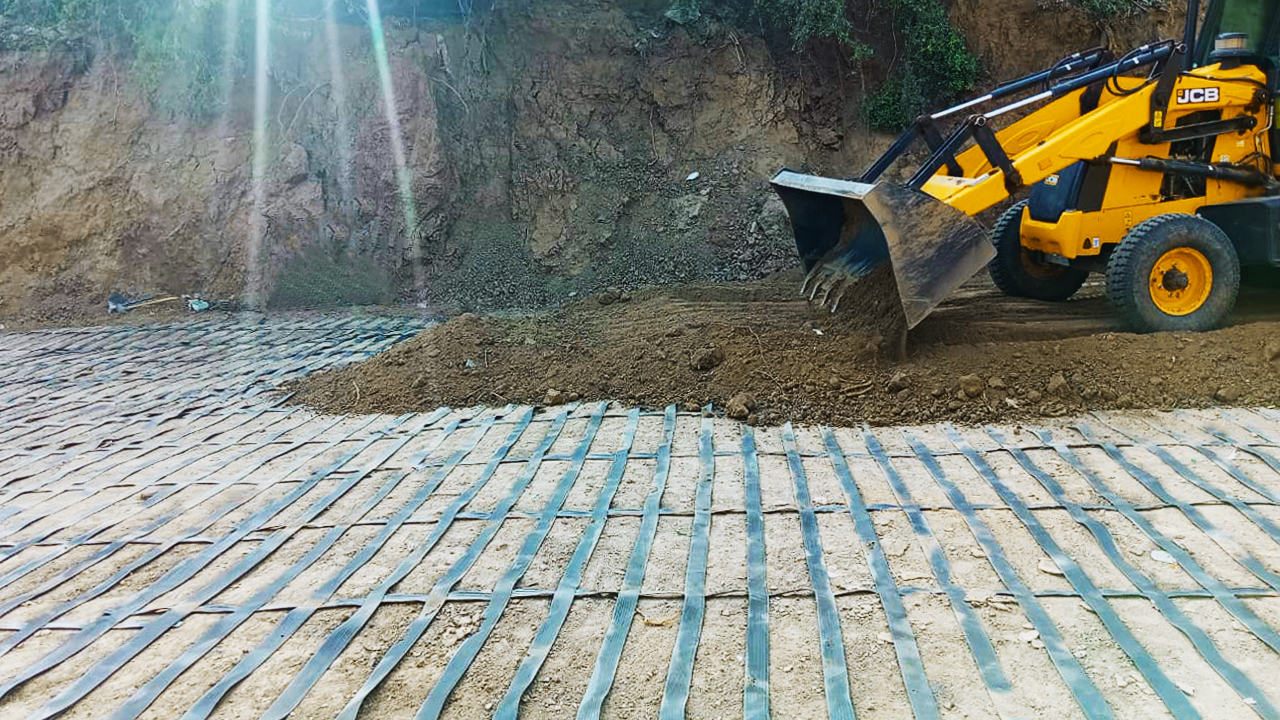
Haul roads and working platforms must withstand intensive trafficking from heavy vehicles and machinery, often over variable or low-bearing-capacity soils. Geoquest geosynthetic reinforcement solutions like ArmaWeb can strengthen these areas, improve load distribution and help control deformation under repeated traffic.
- Managing mine water and process areas
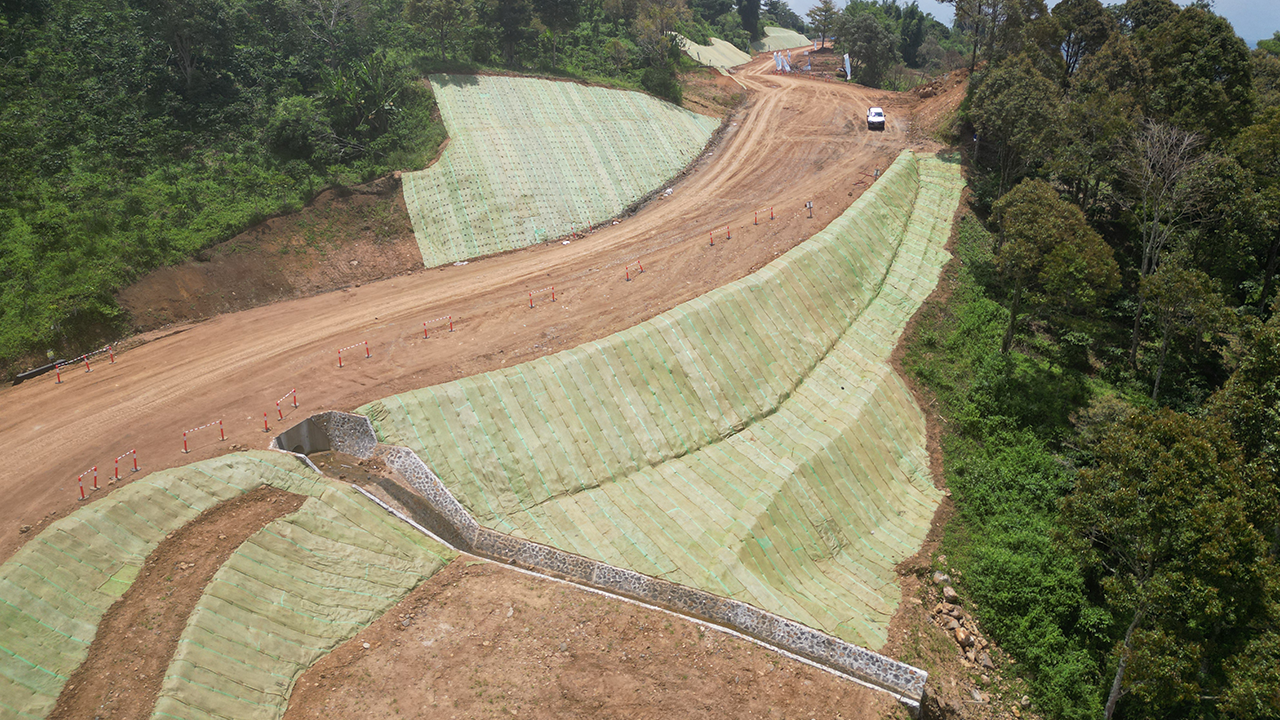
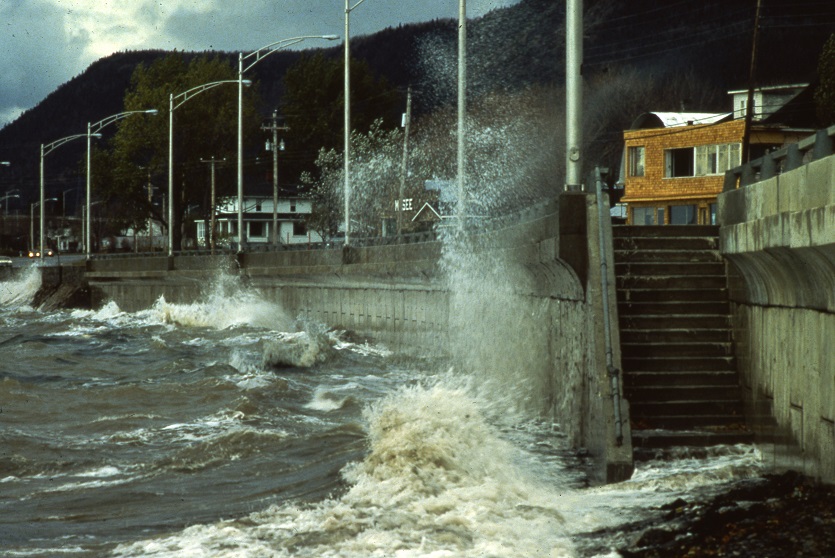
Mining operations require infrastructure for water storage, settling, tailings and process liquids. Geosynthetic drainage and environmental protection solutions can contribute to the management of seepage, drainage and erosion around ponds, basins, embankments and other water-management areas.
- Reducing exposure to natural hazards
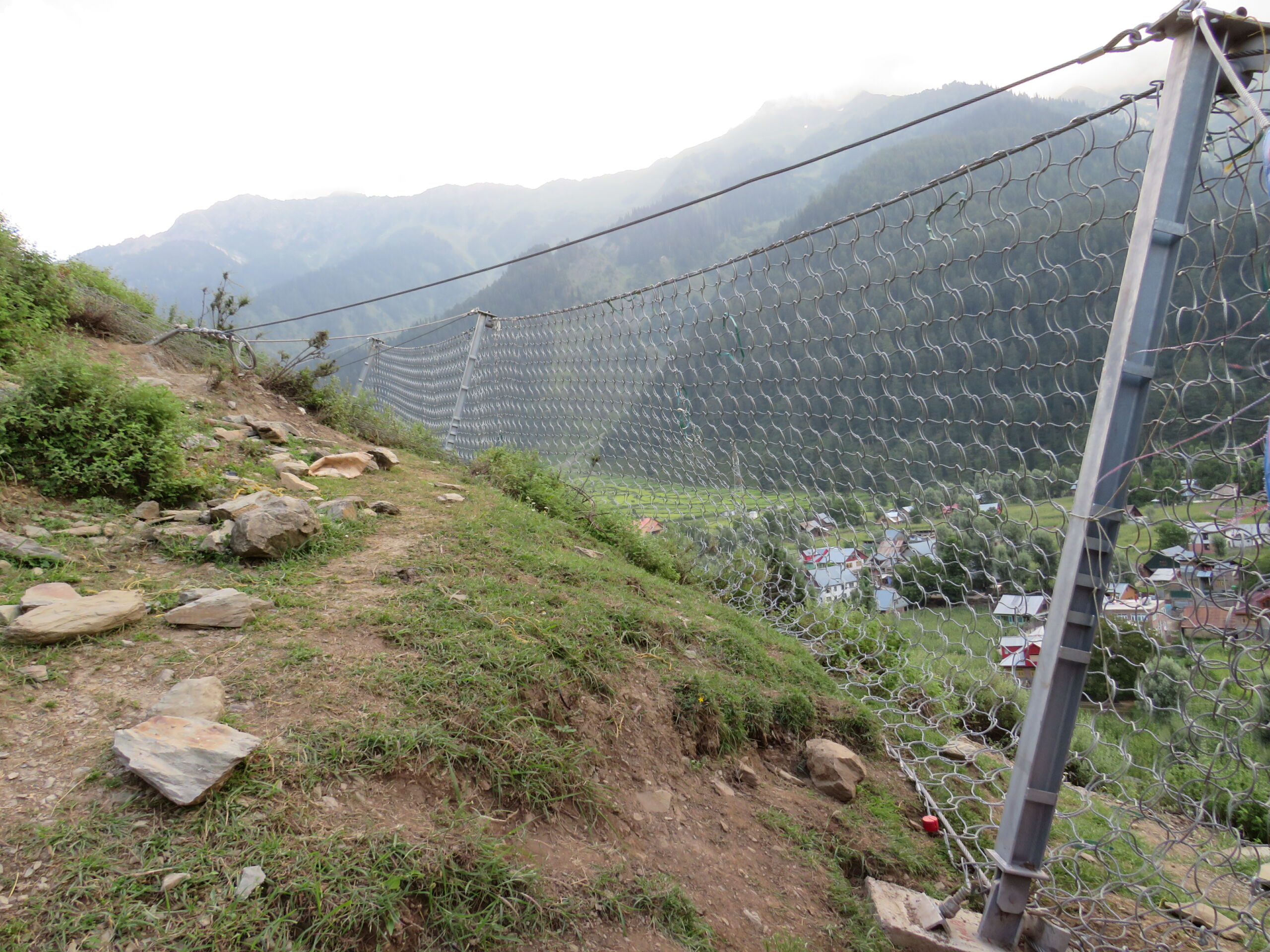
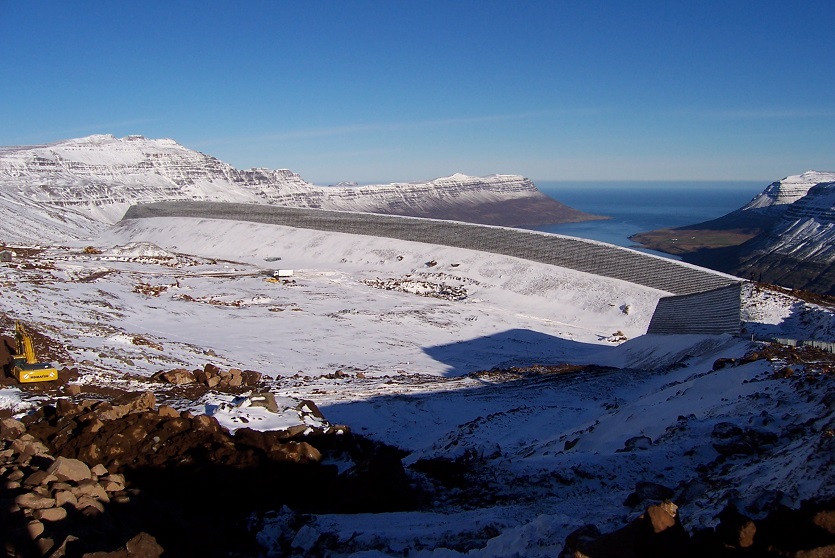
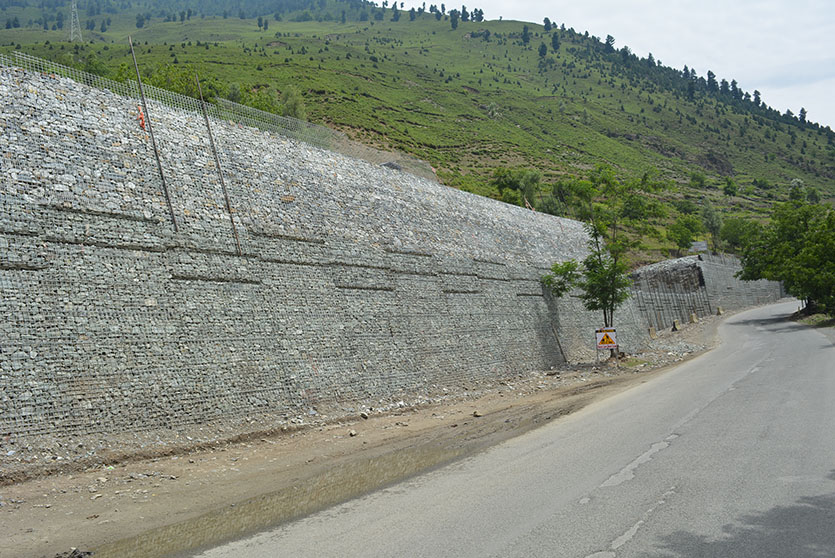
Open pits, access roads and operational areas located below steep or unstable terrain can be exposed to rockfall, debris flows or avalanches. Geohazards protection solutions can help protect people, equipment and critical routes while reducing the risk of disruption to mining activities.
Applications throughout mining operations



Built around continuous mining operations
Mining infrastructure directly supports production. The performance of a dump wall influences crusher operations, haul-road conditions affect material transport, and reclaim tunnels or storage structures must remain compatible with constantly changing loads and material volumes.
Geoquest solutions address these requirements at different points of the mining process, combining high-capacity retaining structures, buried structures, ground reinforcement, water-management solutions and protection against natural hazards.
This range of complementary solutions allows infrastructure to be adapted to the scale and operational demands of the mine, from initial access and site development to processing, storage and material handling.