Infrastructure is only as reliable as the ground beneath it. Soft clays, waterlogged soils, cavities and weak subgrades can make an embankment slide or settle, or cause a road or railway to lose its shape under traffic.
Strengthen structures improve this ground so it can carry what is built on it. A reinforcing layer in the right place lets projects go ahead on difficult sites. It avoids extensive excavation and replacement, and limits settlement and maintenance throughout the service life.
When the ground cannot carry the project alone
- Weak or uncertain foundations
Many paths and platforms must cross ground whose strength or behaviour cannot be changed by moving the project elsewhere.
- Settlement that develops over time
Deformations often appear months or years after construction, when repairs are costly and disruptive.
- Heavy imported materials
Conventional fixes rely on deep excavation and large volumes of aggregate, with high cost and carbon impact.
- Tight construction schedules
Waiting for soft ground to consolidate, or building in stages, can delay the whole project.
Giving weak ground the capacity it lacks
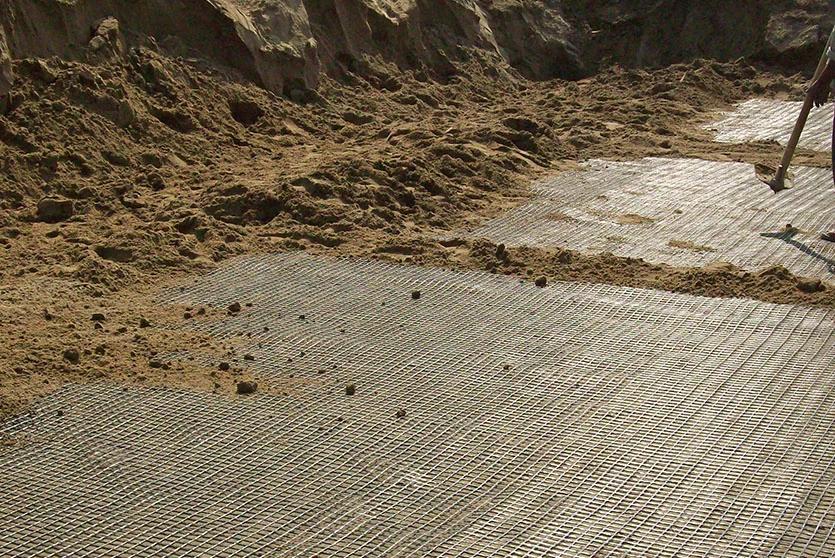
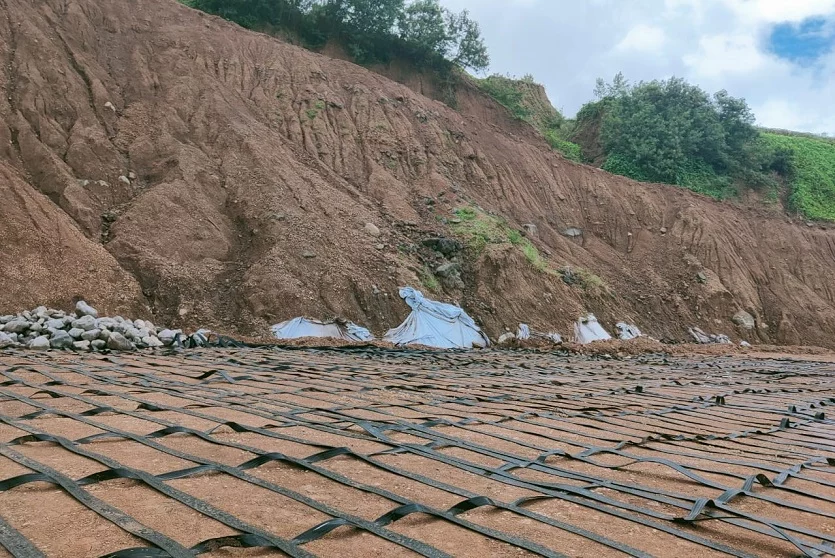
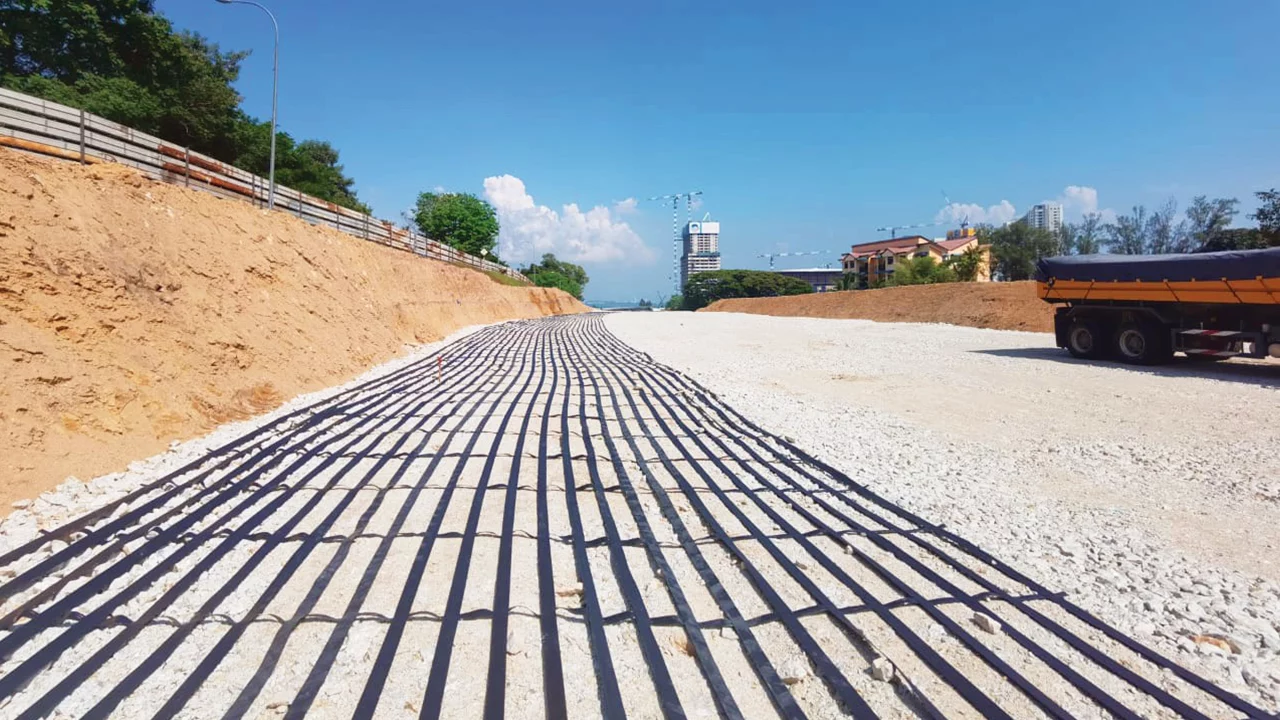
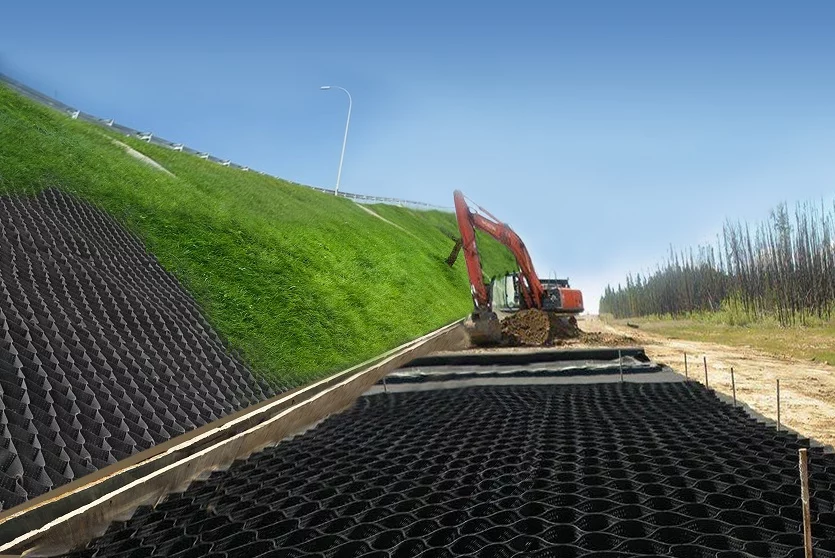
Strengthening places high-strength geosynthetics within or beneath the fill so that the ground and the reinforcement work together. The reinforcement takes the tensile forces that soil alone cannot carry. It spreads loads over a wider area and holds the material in place, so that settlement and deformation stay within acceptable limits.
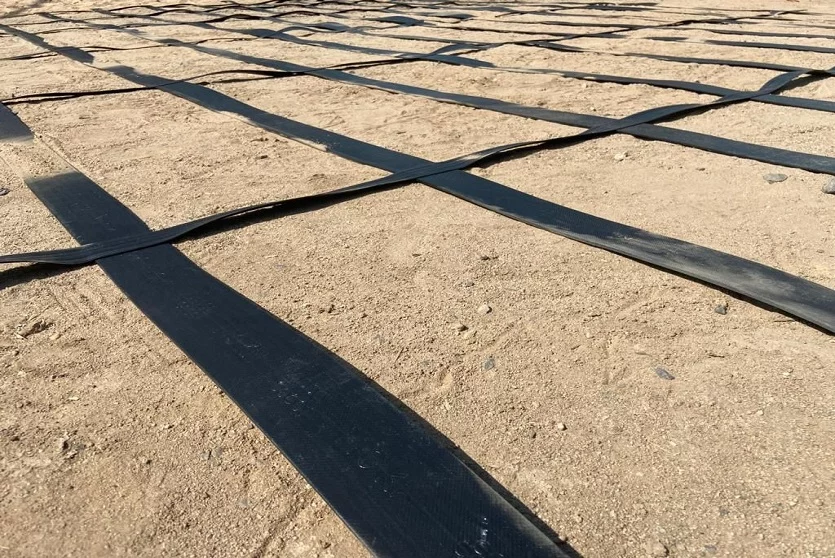
Depending on the project, the reinforcement is placed at the base of an embankment, over piles or columns, or within the granular layers of a road, track or platform. Geogrids such as ArmaLynk and ArmaGrid provide the strength and stiffness required, often combined with geotextiles such as ArmaForce for separation and filtration.
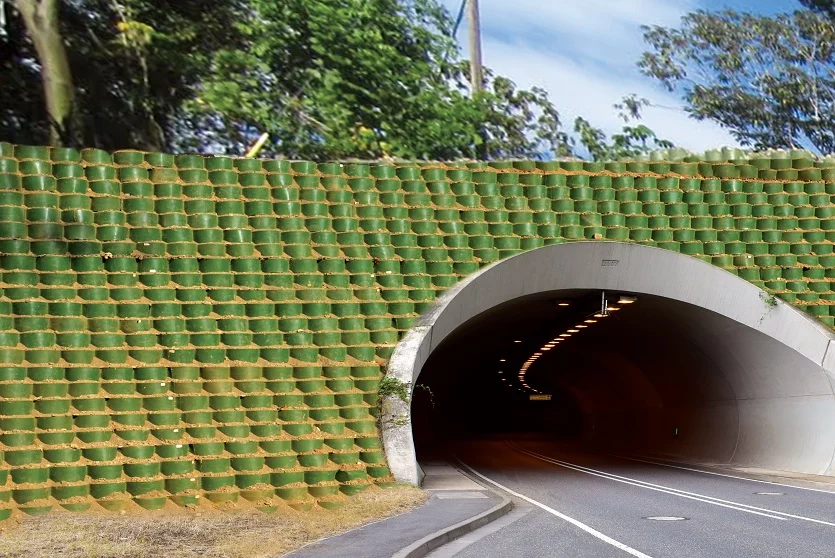
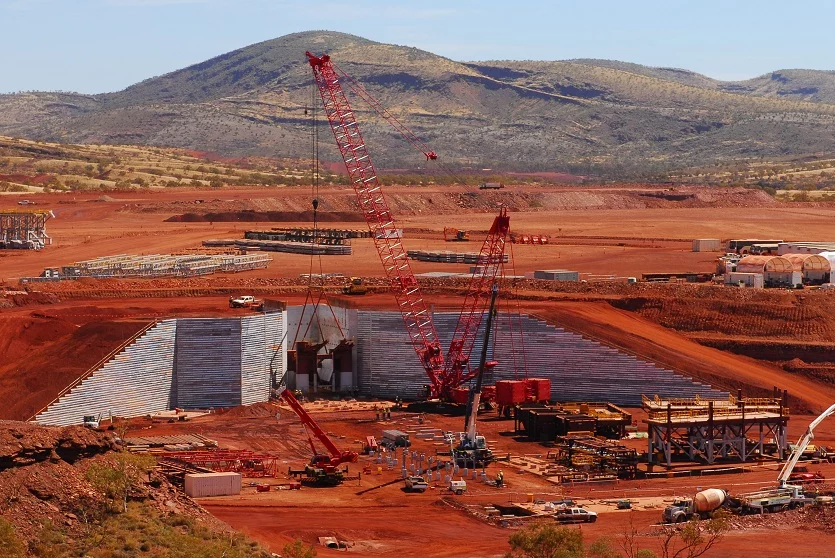
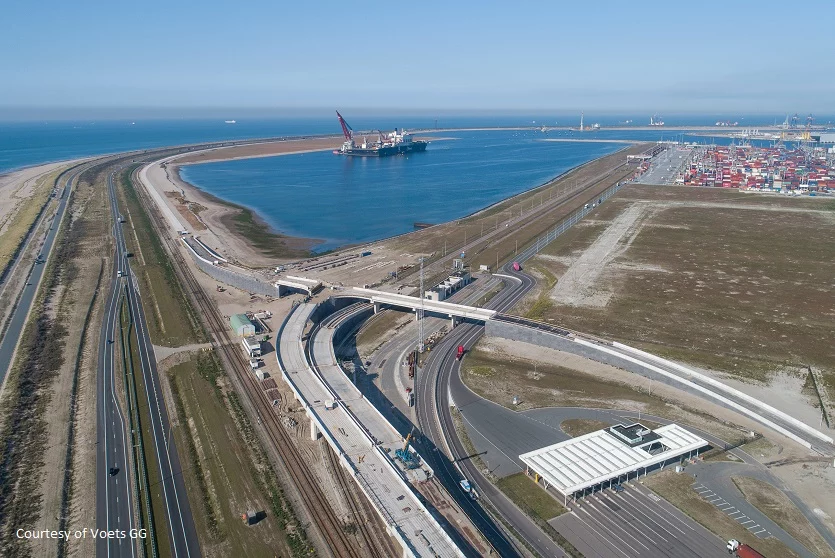
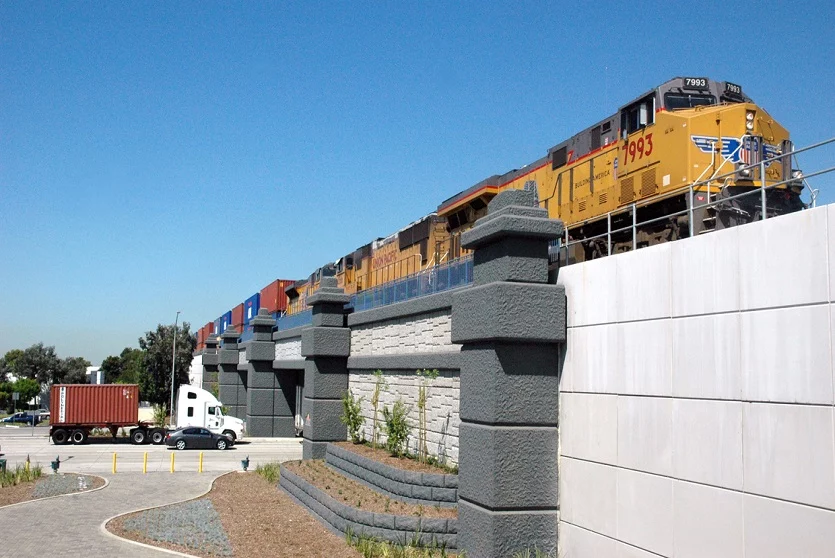
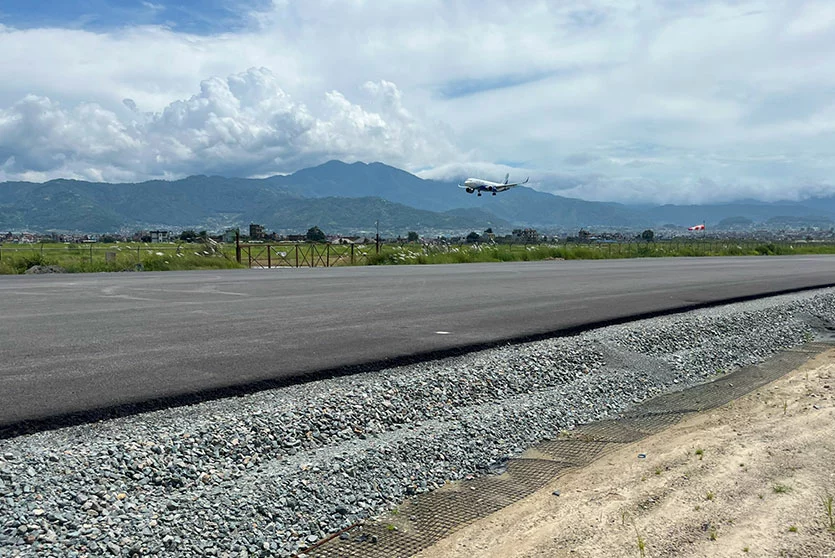
Strengthen solutions are used for road, railway and airport embankments, bridge approaches, levees, logistics and port platforms, haul roads and temporary access tracks.
Strengthen applications
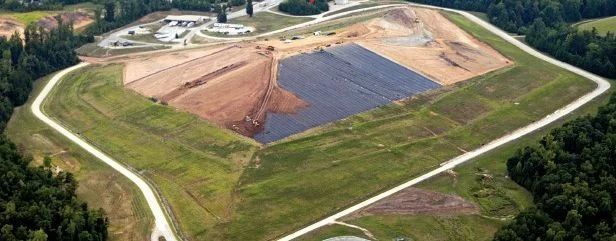
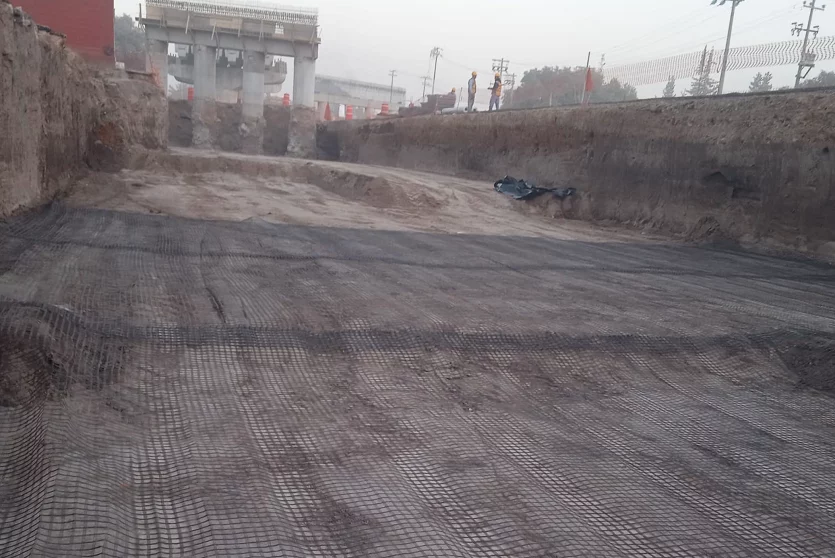
When an embankment rests on soft soils, rigid inclusions or ground exposed to cavities, a reinforcing layer at its base keeps the whole structure stable and controls settlement.
This application covers embankments on soft soils, embankments on rigid inclusions and void over bridging.
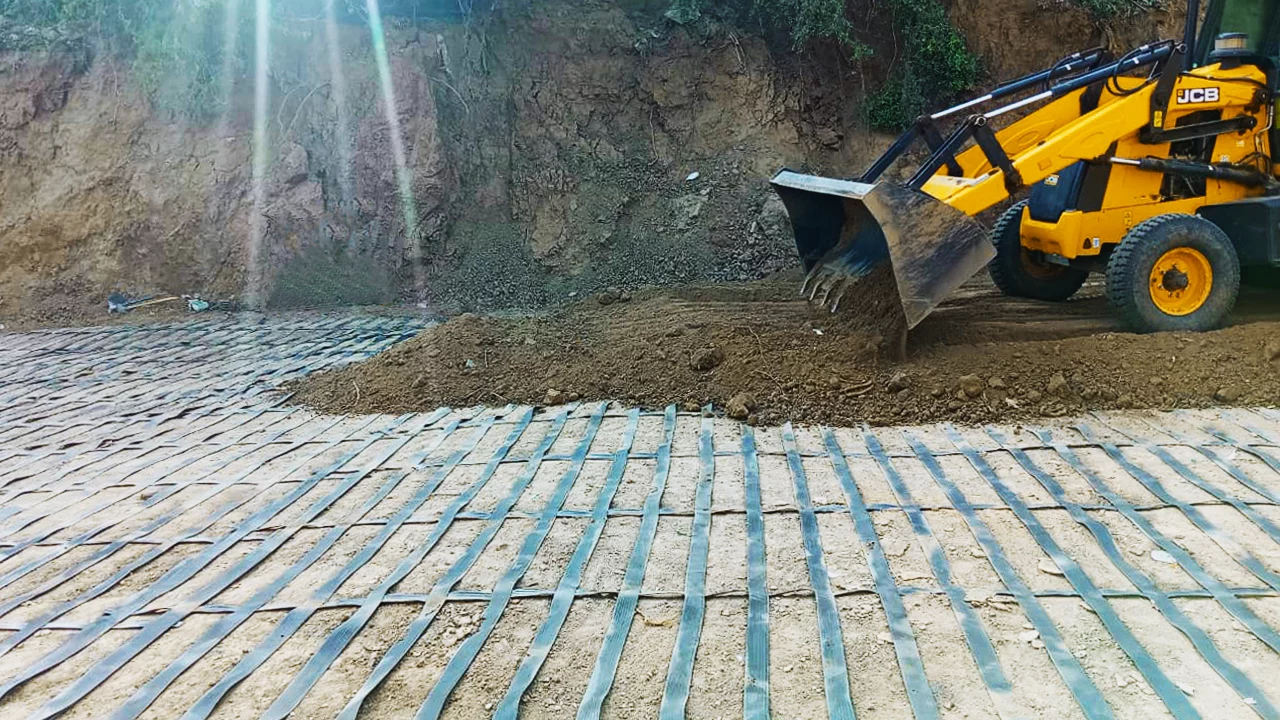
When roads, tracks and platforms rut or deform under repeated traffic, reinforcing the layers beneath the surface helps them keep their shape and stiffness.
This application covers subgrade stabilization and pavement stabilization.
Locating the weakness before strengthening
- Deep or shallow: A weak layer under the full height of an embankment calls for a different response than a soft surface under traffic.
- Short term or long term: Some problems appear during construction, such as access or sliding, while others develop over years, such as settlement or rutting.
- Load type: Permanent fill weight and repeated traffic loads do not stress the ground in the same way.
- Existing ground improvement: Piles, columns or treated soils change how the reinforcement is used.
- Tolerances: The deformation that roads, railways or adjacent structures can accept sets the required performance.
- Combined needs: Some projects need both basal reinforcement under the embankment and stabilization of the layers above.