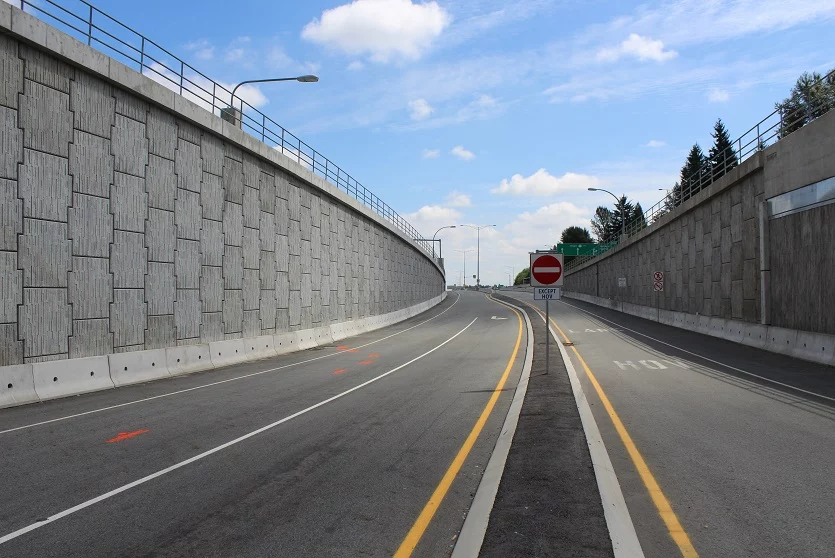
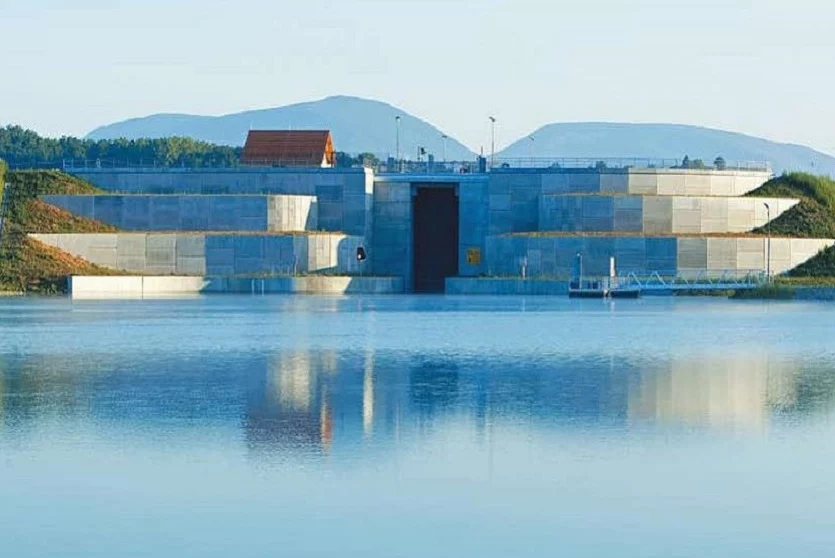
Rivers that overflow, intense rainstorms and rising water levels flood homes, roads, railways and farmland every year. Hydraulic and flood protection holds water back, guides it along a controlled path and stores it temporarily, so it does not spread over the land it would otherwise submerge.
Projects range from building new dykes and raising existing ones to reshaping riverbanks, controlling flow with transverse structures and creating storm water reservoirs. In every case, the aim is the same: keep water within defined limits, during normal flows and during exceptional events.
What water does to unprotected land and embankments
- Rising water levels
River floods and storm events raise water above the level that banks and existing defences can contain.
- Seepage and internal erosion
Water passing through or under an embankment can carry away fine particles and weaken it from within.
- Flow velocity and scour
Fast currents attack banks, structure toes and the foundations of hydraulic works.
- Limited space along rivers
Urban riverbanks and existing infrastructure leave little room for wide, gently sloped embankments.
- Soft foundation soils
Dykes and levees are often built on compressible alluvial ground with low bearing capacity.
- Upgrading existing defences
Many levees must be raised or strengthened to meet new flood levels without being rebuilt entirely.
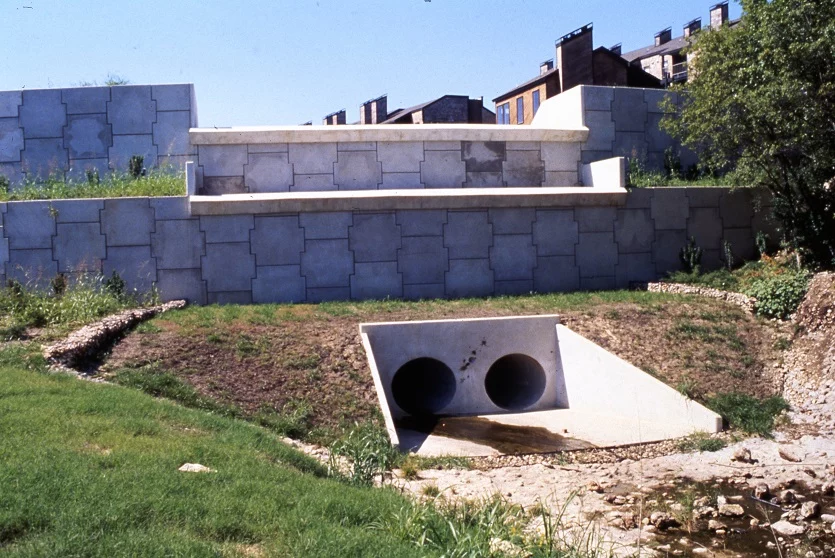
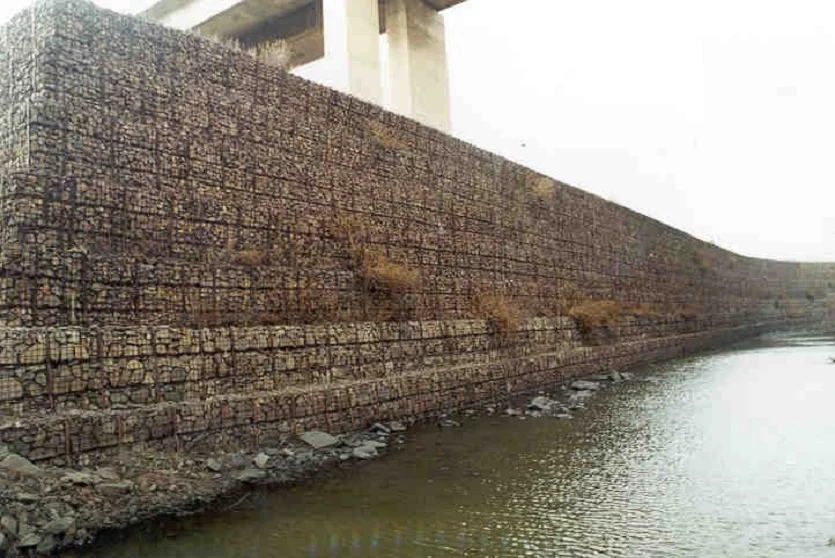
Keeping water within controlled limits
Hydraulic and flood protection combines structures that contain, guide and store water. Longitudinal structures run along the river or the area to be protected and keep water on one side. Transverse structures cross the watercourse to control flow and water levels. Storage and conveyance works receive excess water during storms and release it gradually.
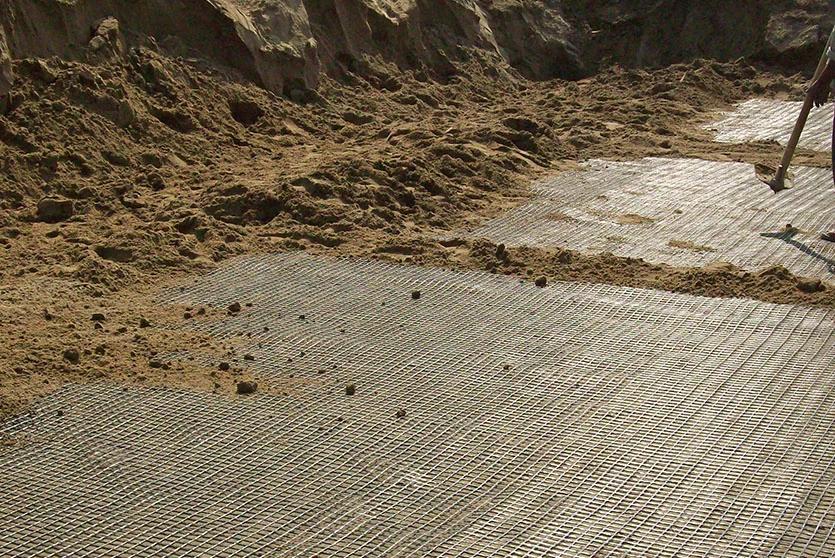
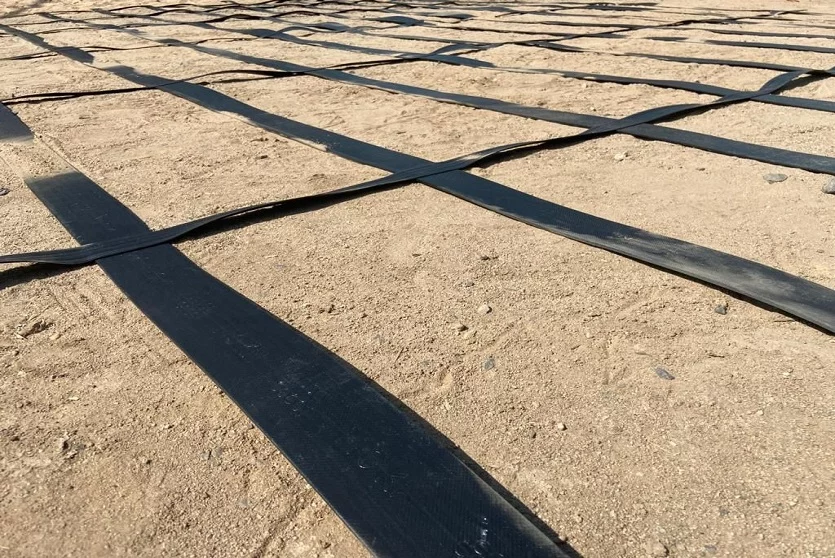
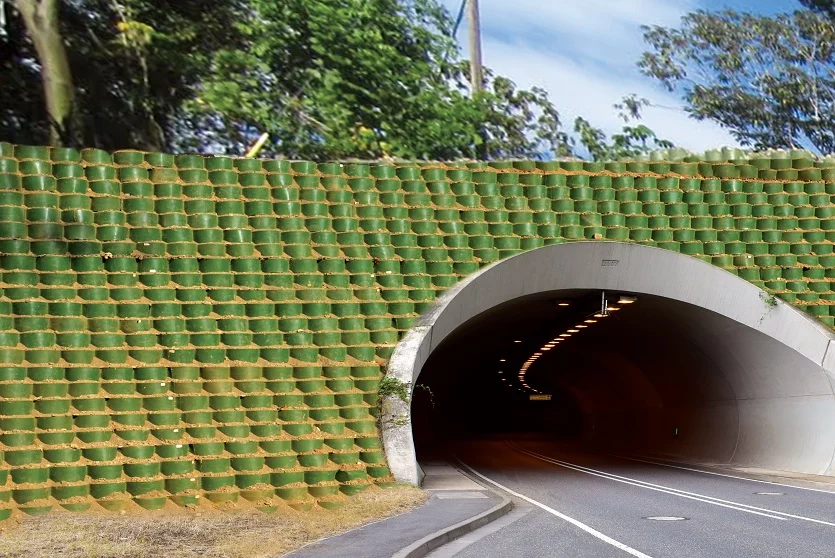
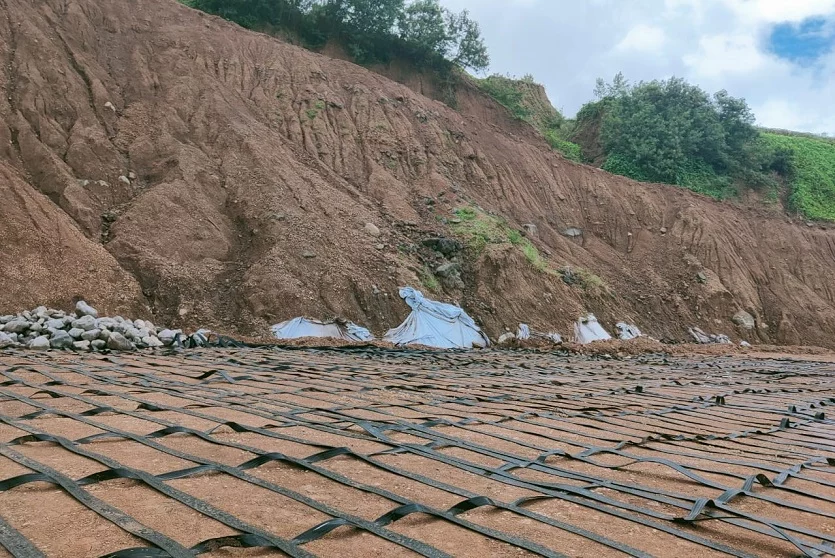
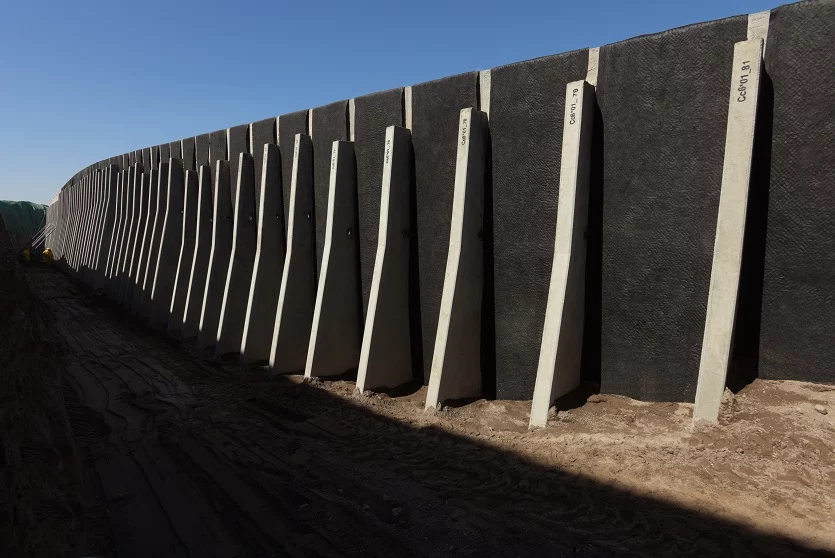
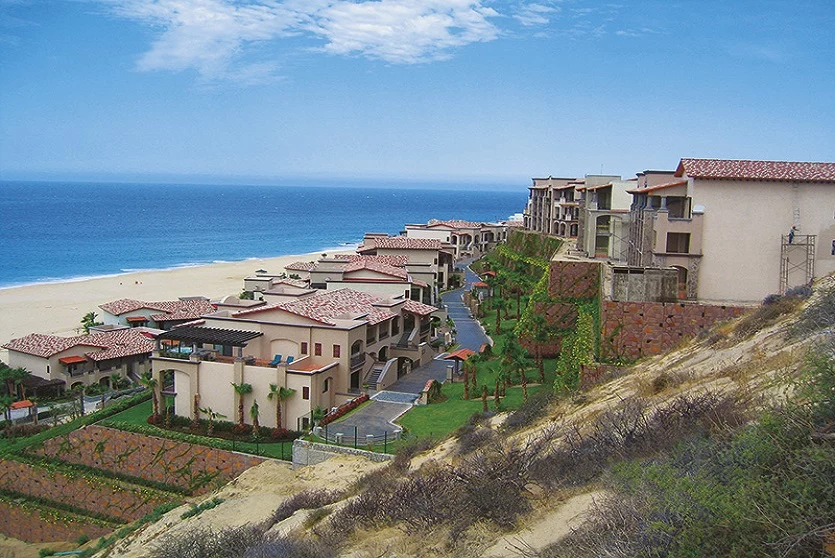
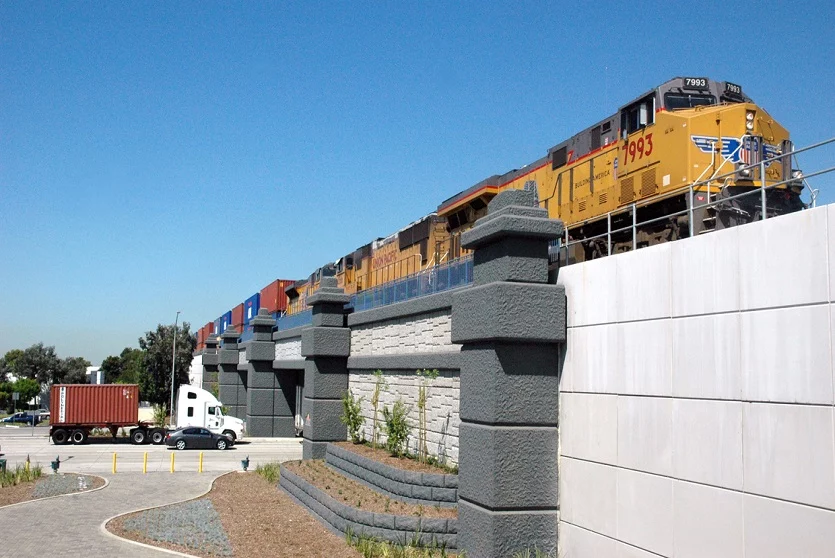
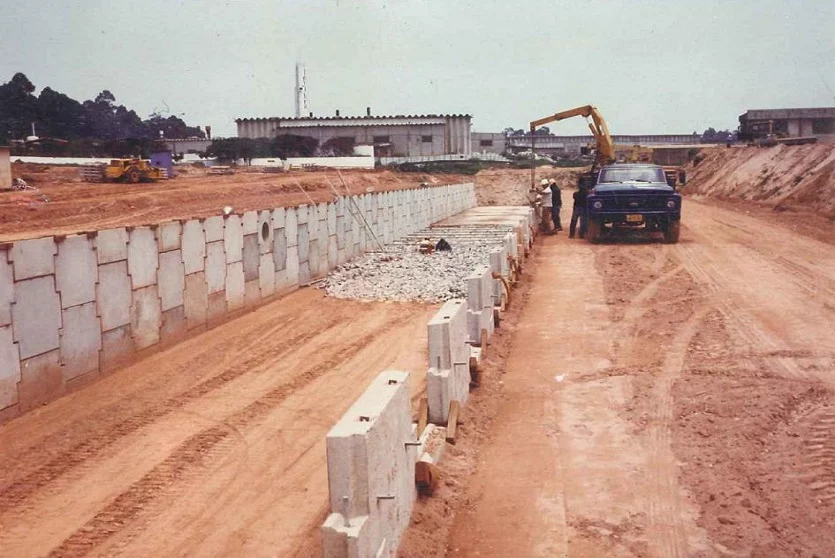
Dykes and levees are the most common defences. Where the footprint must stay narrow or the structure is high, reinforced embankments with vertical or steep faces, such as Reinforced Earth walls and abutments and Reinforced Earth slopes, replace wide conventional profiles. They are also used to raise existing levees. Dykes can be formed around geotextile tubes filled with site-won material, a soft option suited to soft ground and limited access. On compressible foundations, geogrids such as ArmaLynk and ArmaGrid reinforce the base of the embankment.
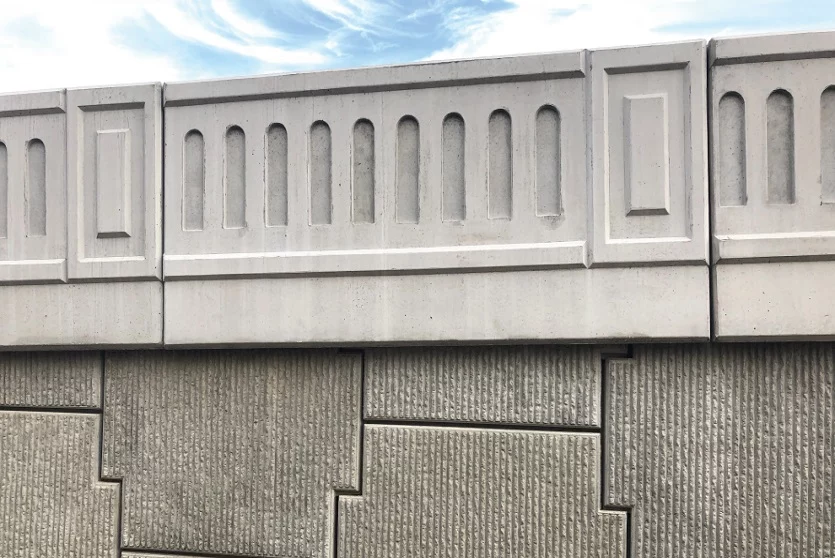
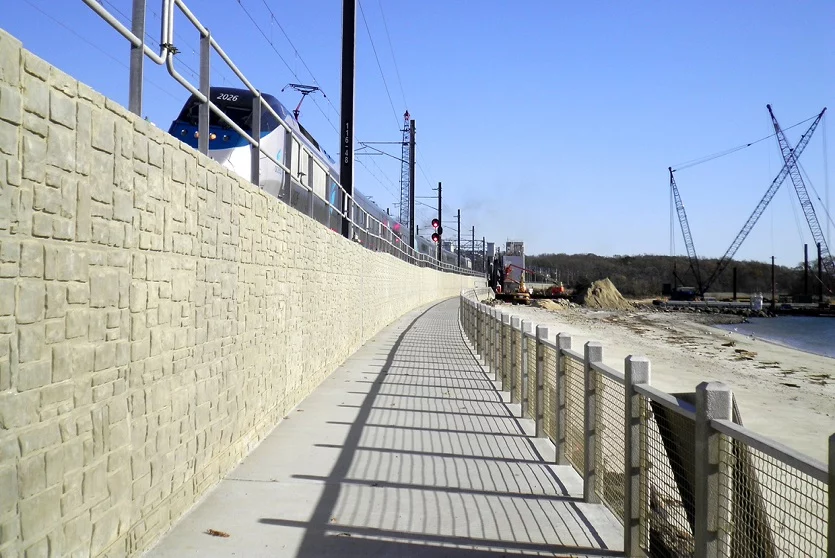
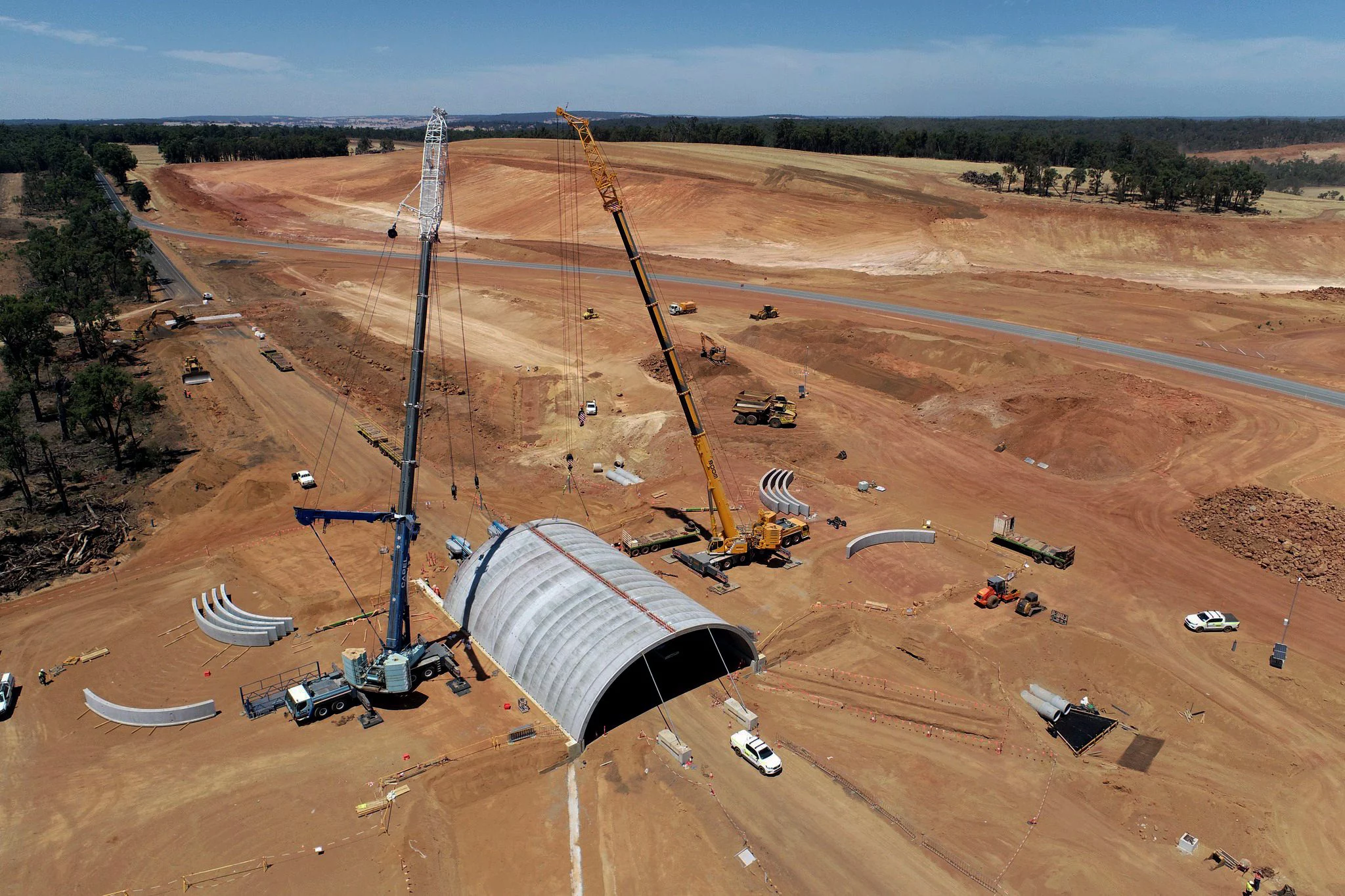
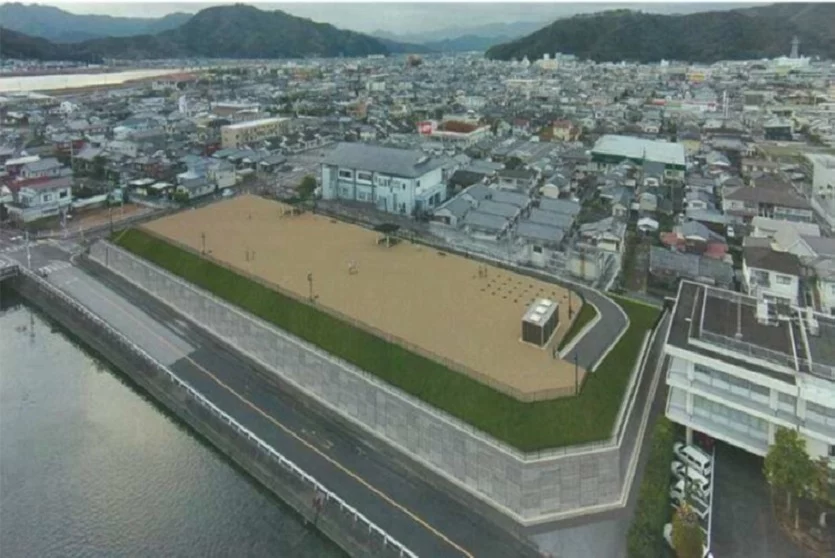
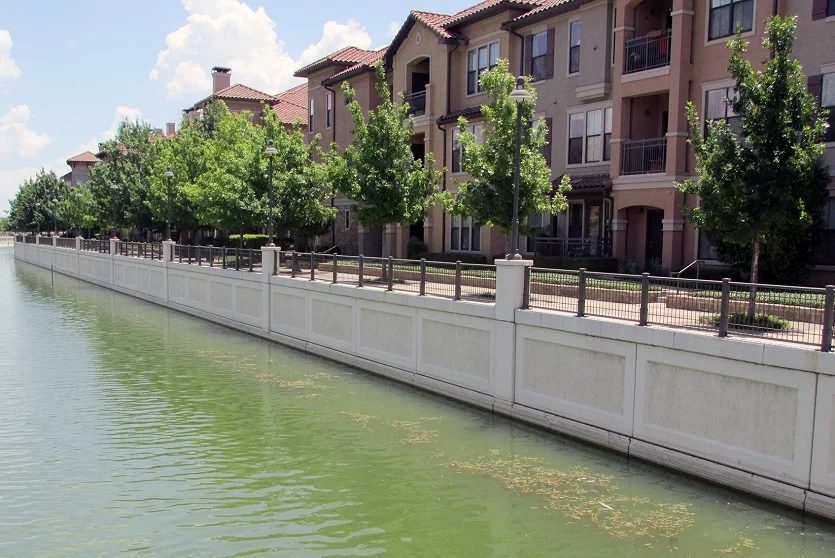
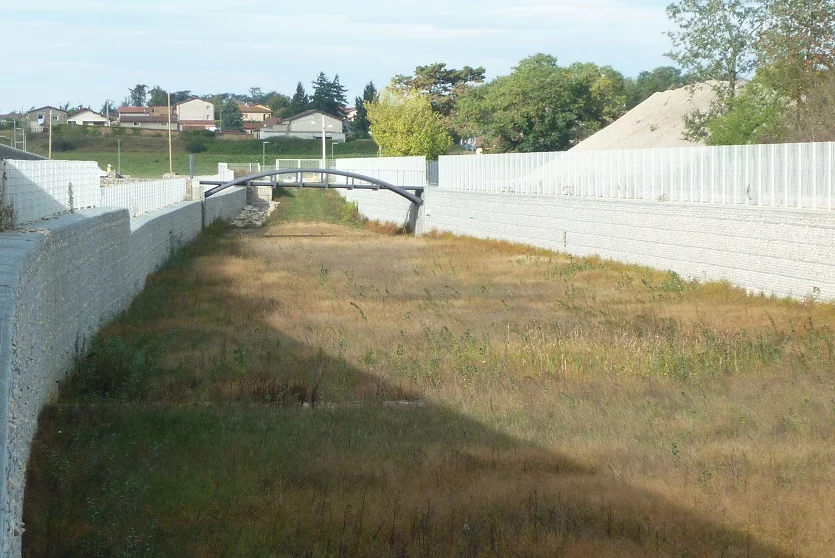
Along rivers, river walls and quay walls retain the banks where space is restricted, often built with T-Wall or TechWall. Weirs, check dams and groynes control flow and protect banks. For storm water, dry dams, reservoirs, canals and conveyance tunnels built with precast arches such as TechSpan carry and store peak flows.
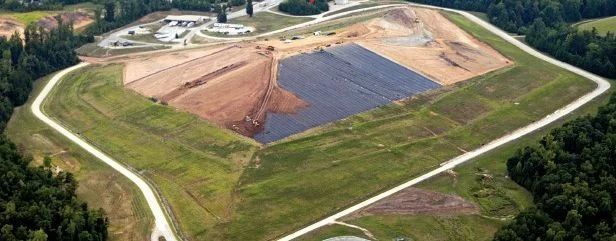
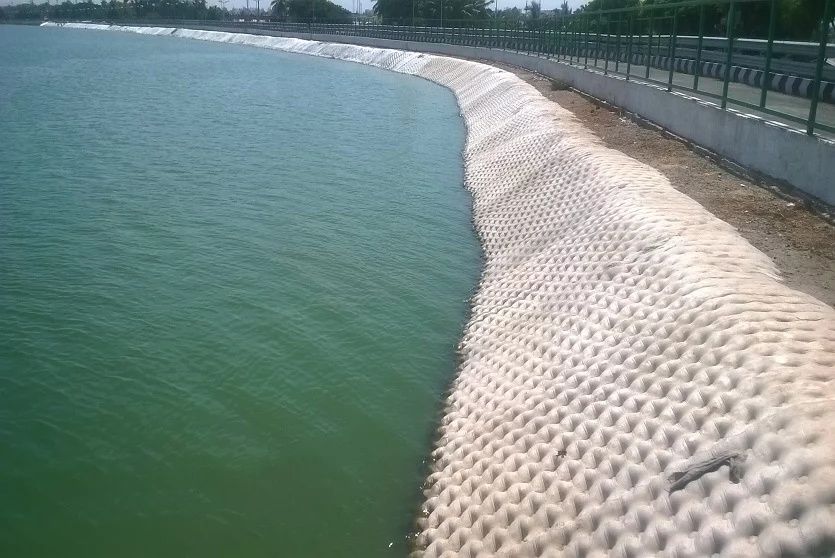
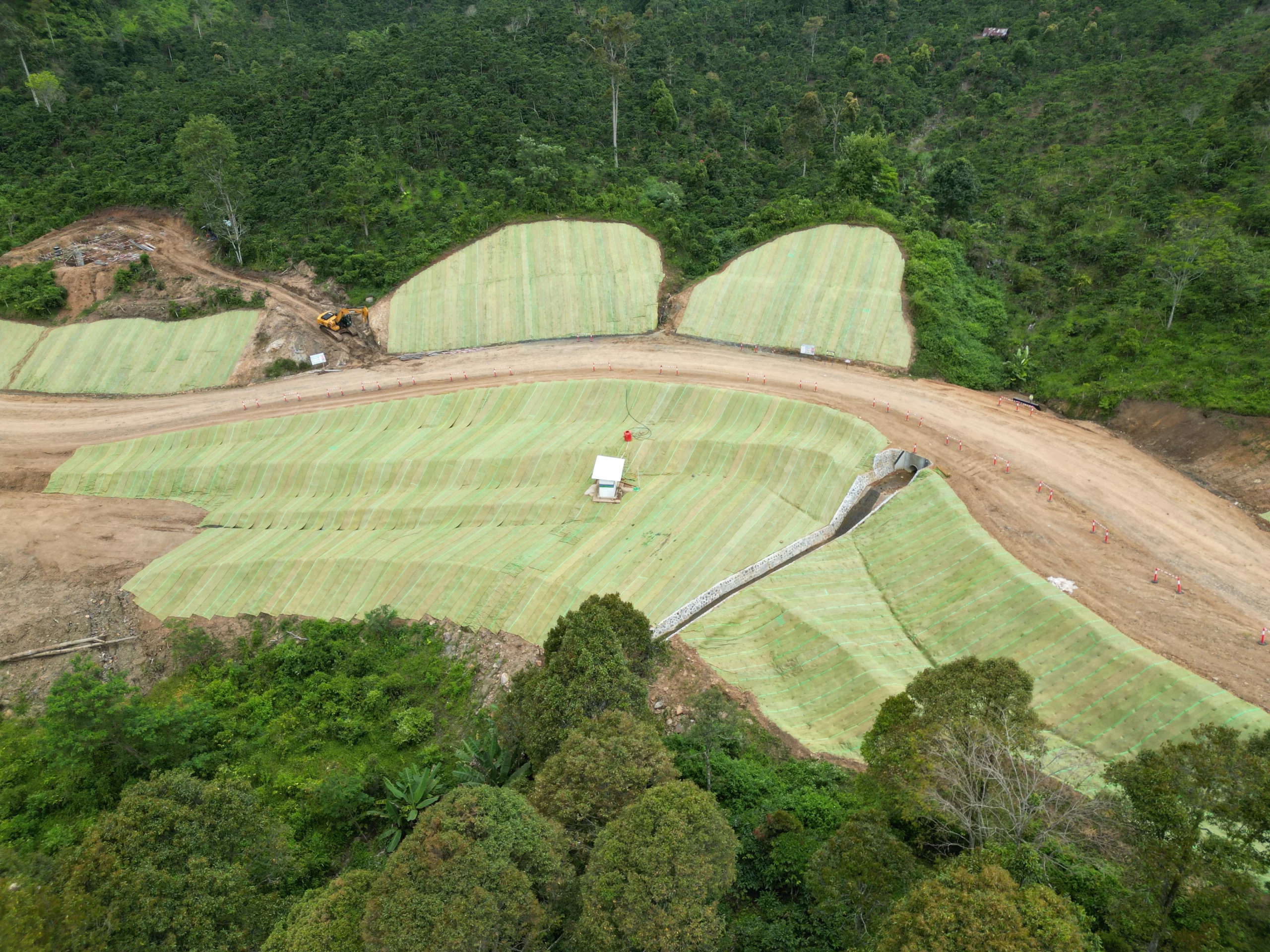
Watertightness, filtration and surface protection complete these structures: geosynthetic clay liners for sealing, geotextiles such as ArmaForce for filtration and separation, drainage geocomposites, and surface protection such as TerraGreen, ArmaWeb or Fabric Formed Concrete Mattresses.
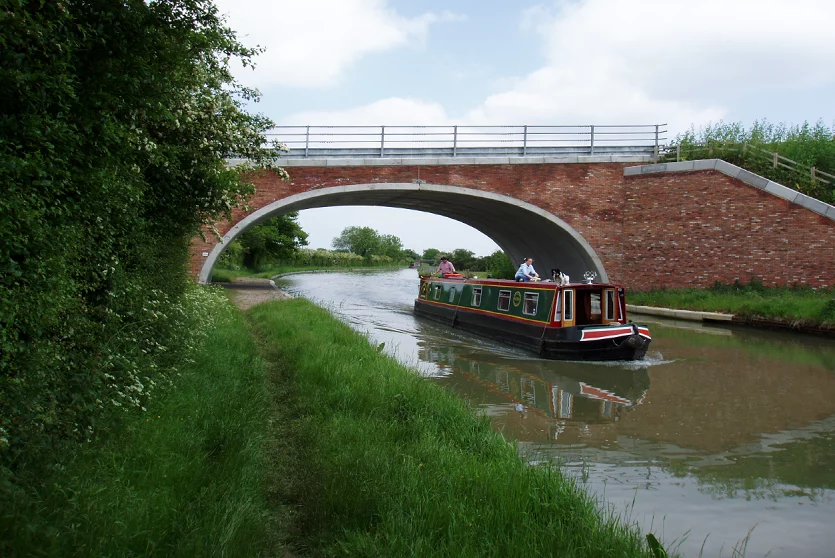
Hydraulic and flood protection is used along rivers and canals, in urban areas exposed to flooding, around industrial sites and transport corridors, and in storm water management networks.
Flood defence and river control works
- Dykes and levees
Embankments built along rivers or around exposed areas to hold back flood water, as new structures or raised existing ones.
- River and quay walls
Vertical structures that retain the bank and define the edge of the watercourse in narrow or urban sections.
- Transverse river structures
Weirs, check dams and groynes that control flow, water levels and sediment movement.
- Storm water storage
Dry dams and reservoirs that temporarily hold peak flows and release them in a controlled way.
- Canals and conveyance tunnels
Channels and buried passages that divert or carry flood water away from protected areas.
Hydraulic data and site constraints behind flood defence design
- Design flood level: Return period, peak water level and freeboard define the crest height of the structure.
- Flow velocity: Current speed along the face and at the toe determines the level of erosion and scour protection.
- Seepage control: Water pressure differences across the structure require sealing, filtration and drainage to avoid internal erosion.
- Foundation soils: Soft alluvial ground may need reinforcement at the base or staged construction.
- Available footprint: Space along the river guides the choice between conventional slopes, steep faces and vertical walls.
- New build or upgrade: Raising an existing levee involves different constraints from building a new one.
- Rapid drawdown: A fast drop in water level after a flood puts additional stress on embankment slopes.
- Fill materials: Site-won soils, dredged sediments or imported fill influence the type of structure and its core.
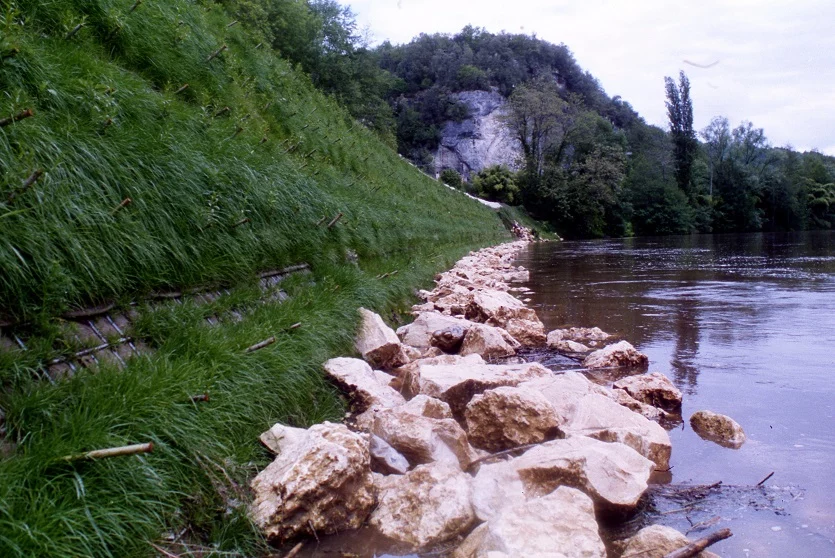
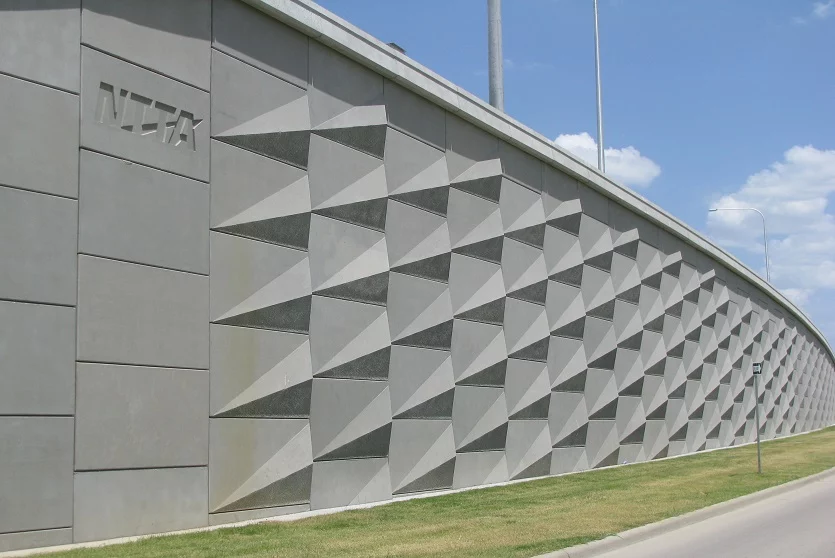
- Environmental and landscape integration: Vegetated faces from the Architectural finish range help river structures blend into natural and urban settings.