Explosives depots, munitions stores, mining sites and high-risk industrial facilities must be ready for an accidental or hostile detonation. Blast protection structures limit the spread of an explosion at ground level, stop fragments and shield people, equipment and neighbouring buildings from the resulting damage.
The same need applies to the secure storage of sensitive areas. Explosives, propellants, munitions and valuable goods require enclosures that resist explosion, intrusion and natural hazards, while staying accessible for daily operations.
What blast-resistant structures must endure
- High-energy impulse loads
An explosion produces an overpressure wave that reaches the structure within milliseconds.
- High-velocity fragments
Low-angle fragments and debris can travel long distances and must be stopped close to the source.
- Proximity to sensitive structures
Barriers are often built close to site boundaries, buildings or other storage units, where space is limited.
- Intrusion and hostile action
Storage facilities must also resist forced entry, ballistic attack and, in some cases, radio frequency interference.
- Natural hazards
Earthquake, flood, rockfall, lightning or avalanche can affect structures that must remain safe at all times.
- Strict safety standards
Explosives safety regulations define separation distances and accepted barricade designs.
How blast barriers and protective storage work
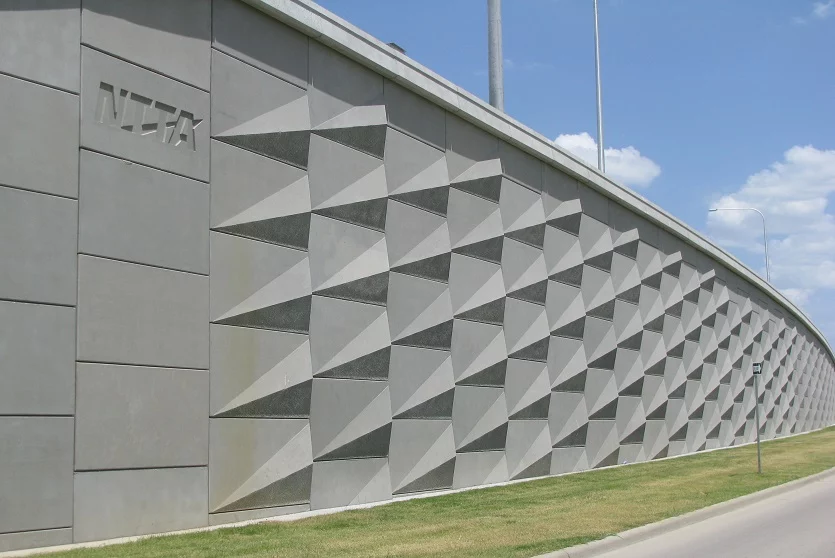
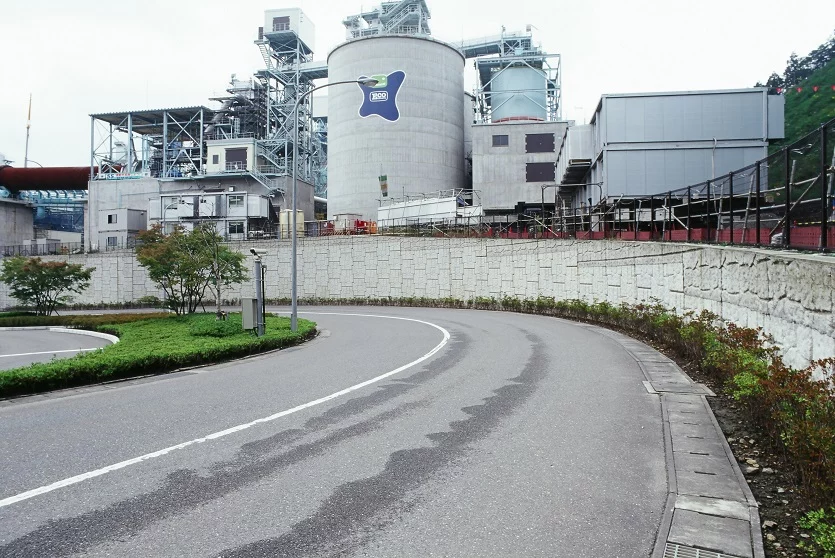
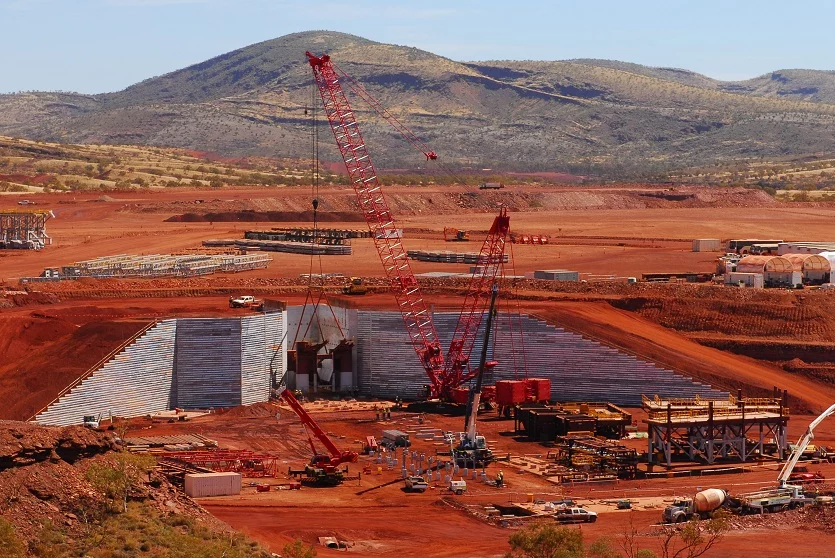
A blast barrier is placed between a potential explosion source and the structures to be protected. Its mass and its ability to deform without collapsing absorb a large share of the blast energy, deflect the pressure wave and stop fragments. Reinforced soil barricades are especially effective here: the backfill provides mass, and the reinforced structure tolerates large deformations while remaining stable. Reinforced Earth walls and abutments are recognized in explosives safety standards for this type of barricade.
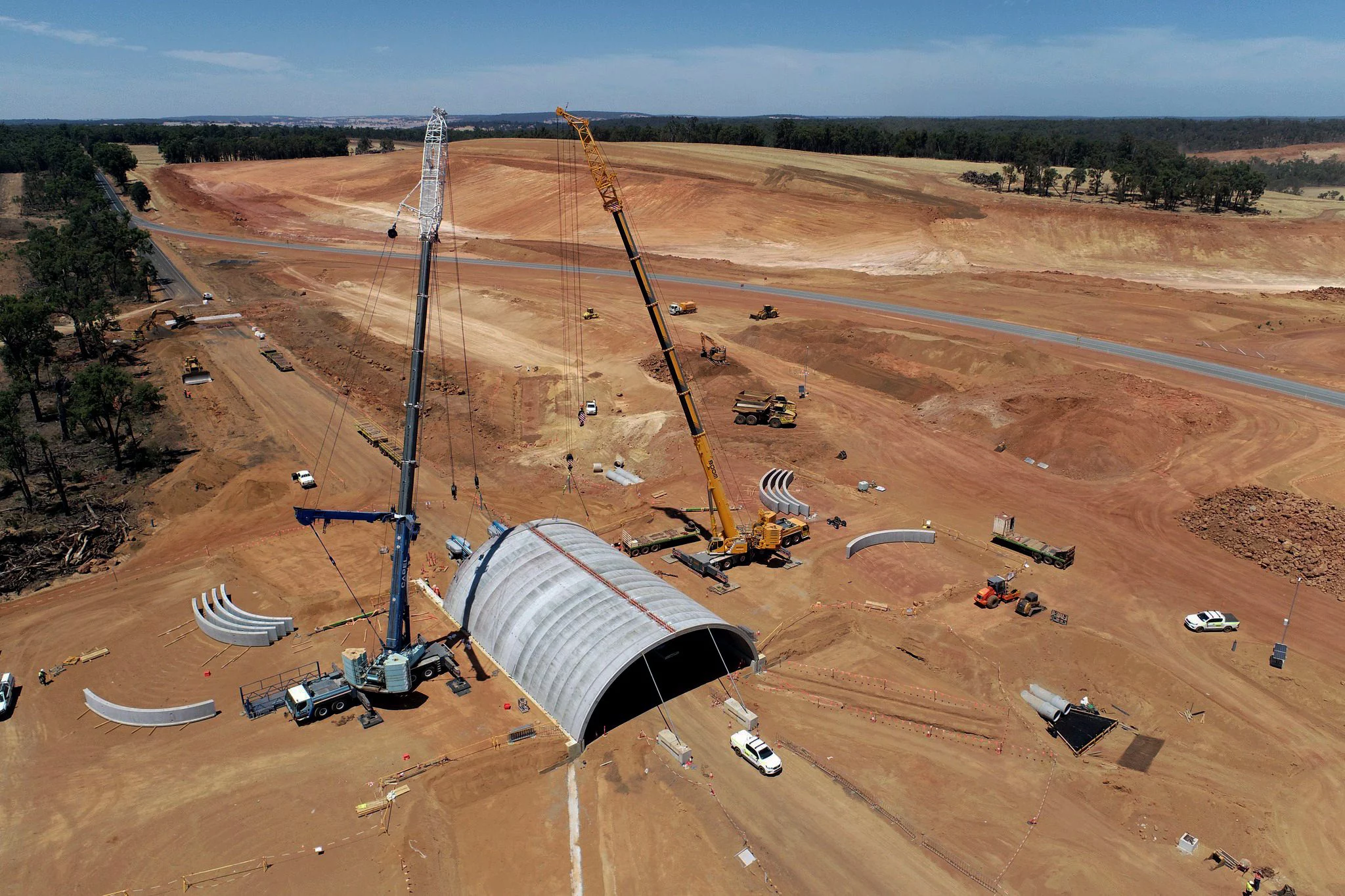
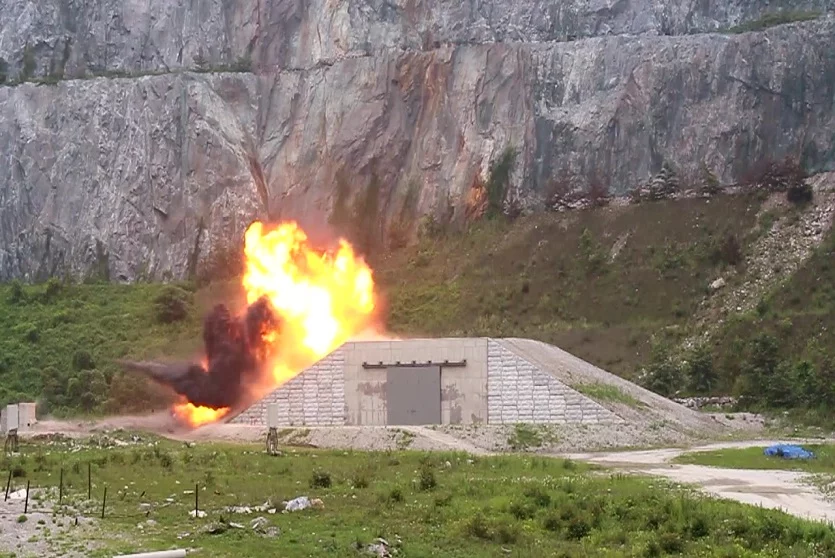
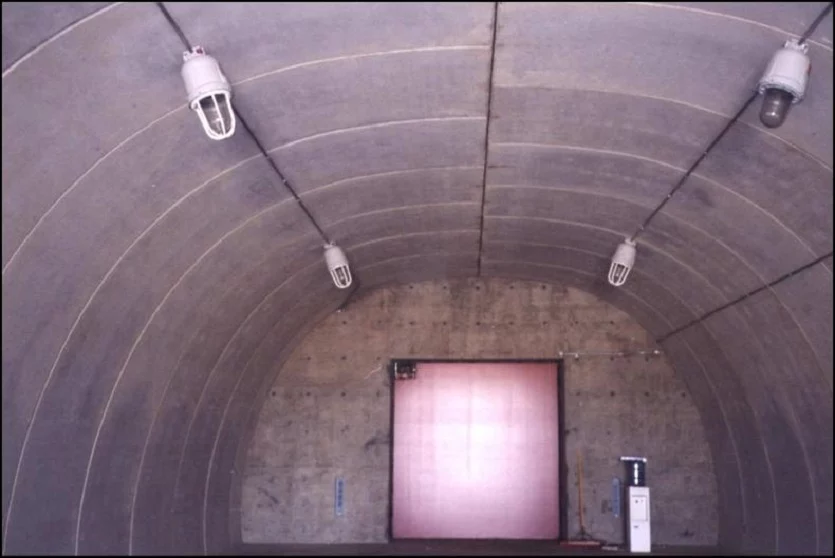
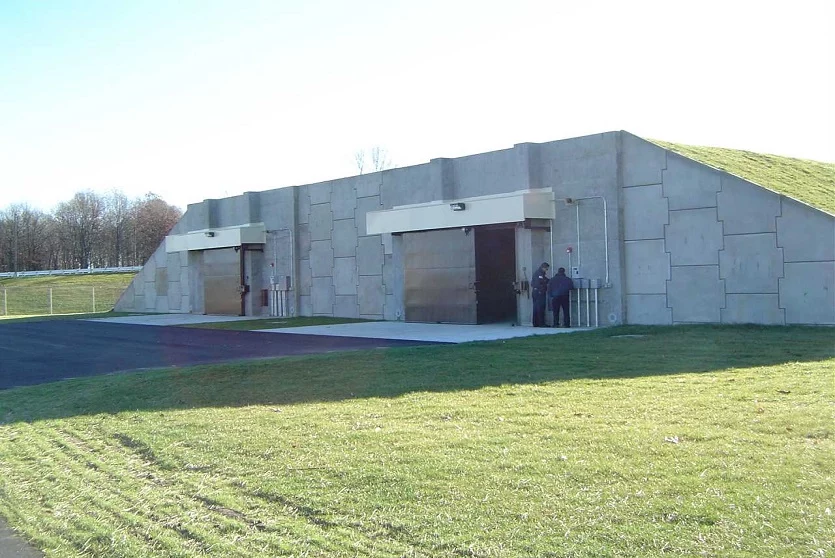
For storage, the protection is built around the stored material. Earth-covered magazines, often called igloos, combine a precast arch such as TechSpan with a soil cover that adds mass and shielding. Armoured doors and blast barricade walls in front of the entrance complete the enclosure. These structures can be built above or below ground, covered or open-air.
Perimeter protection is the last layer. Free-standing precast security barriers enclose storage areas and resist ballistic impact and forced entry, while remaining easy to install and relocate.
Blast protection is used on military bases, explosives manufacturing and storage sites, mines using large quantities of explosives, and industrial facilities exposed to explosion risks.
Blast protection and secured storage layouts
- Blast barricades
Freestanding or retaining walls built between explosion sources and protected areas to absorb blast energy and stop fragments.
- Earth-covered magazines
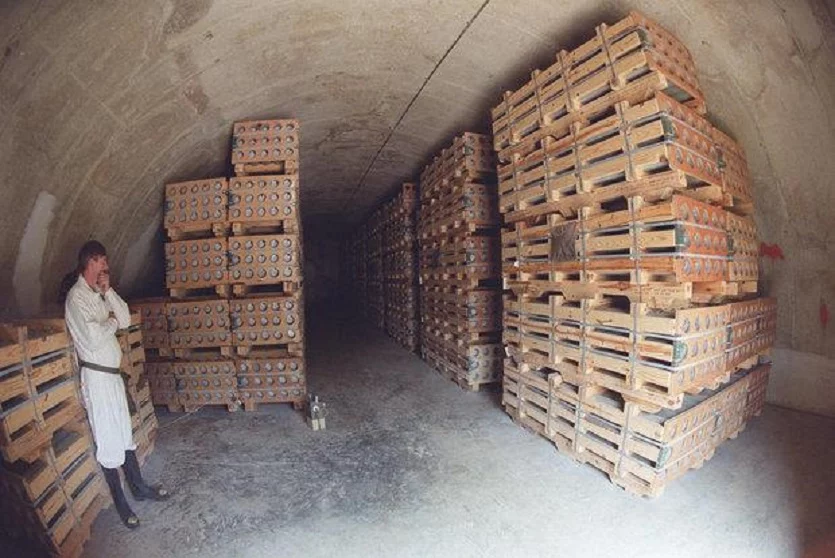
Precast arch structures covered with soil for the storage of munitions, explosives and propellants.
- Secured bunkers and vaults
Above- or below-ground enclosures for valuable or sensitive structures, designed against intrusion and natural hazards.
- Security fencing
Free-standing precast barriers enclosing storage areas, tested for ballistic resistance and forced entry.
Defining the right level of blast protection
- Threat scenario: Type and quantity of explosives, source location and fragment risk define the loads on the structure.
- Applicable standards: Explosives safety regulations set separation distances, barricade geometry and accepted designs.
- Barrier height and layout: The line of sight between source and protected structures determines how high and long the barricade must be.
- Available space: Vertical faces are preferred close to boundaries or existing buildings, where sloped embankments would take too much space.
- Storage requirements: Stored material, internal span, access and ventilation guide the shape of magazines and vaults. Precast arches such as TechSpan suit large, column-free storage spaces.
- Security level: Resistance to intrusion, ballistic impact and radio frequency interference may be required for sensitive sites.
- Repair and reuse: The ability to repair individual facing elements or relocate barriers after an event reduces long-term costs.