A buried bridge carries a road, railway or embankment over another route without a conventional deck, bearings or expansion joints. The structure forms the opening, and the surrounding compacted fill works with it to carry the loads from the traffic above.
This approach is used both for new crossings and for replacing aging bridges. With no bearings or joints to maintain, the structure is protected by its earth cover. The crossing blends into the embankment and offers a durable, cost-effective alternative to cast-in-place bridges.
What a buried bridge must deliver
- Heavy dynamic loads
Trucks, trains and aircraft apply repeated, high loads that the structure and its fill must carry together.
- Soil-structure interaction
The bridge’s behaviour depends on how the structure and the backfill work together, which requires careful design and compaction.
- Differential movement
Settlement of the foundation and the embankment must be accommodated without damaging the structure.
- Span and clearance requirements
The opening must provide enough width and headroom for the road, railway or path that passes beneath.
- Construction under traffic
Bridge replacements and new crossings are often built while the surrounding network stays in service.
- Maintenance over the service life
Owners look for crossings that need minimal inspection and repair over several decades.
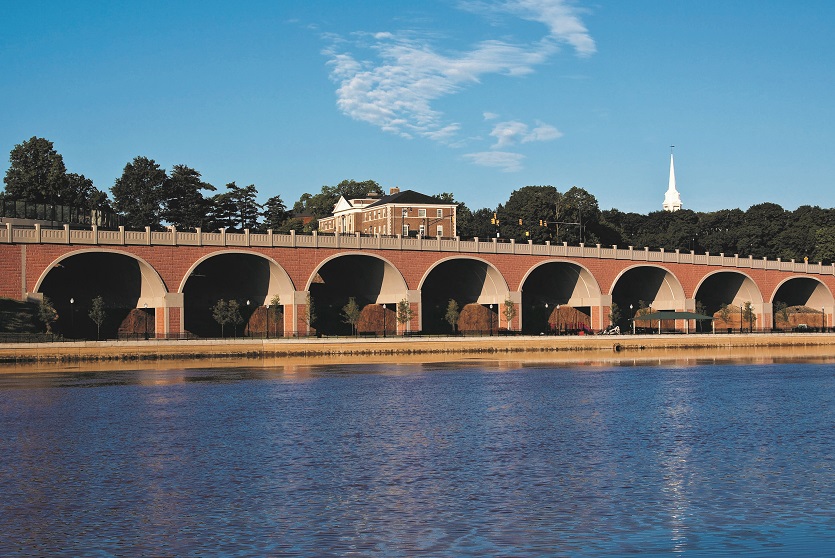

Replacing conventional decks with earth-covered crossings
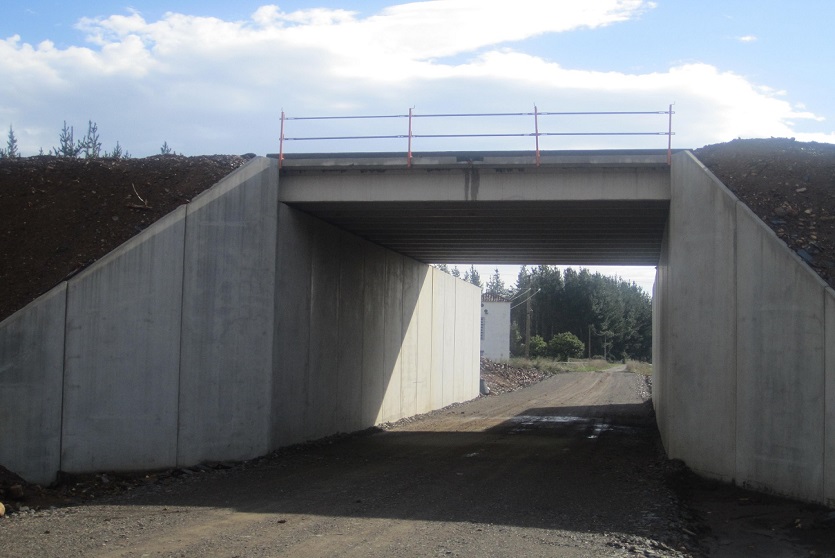
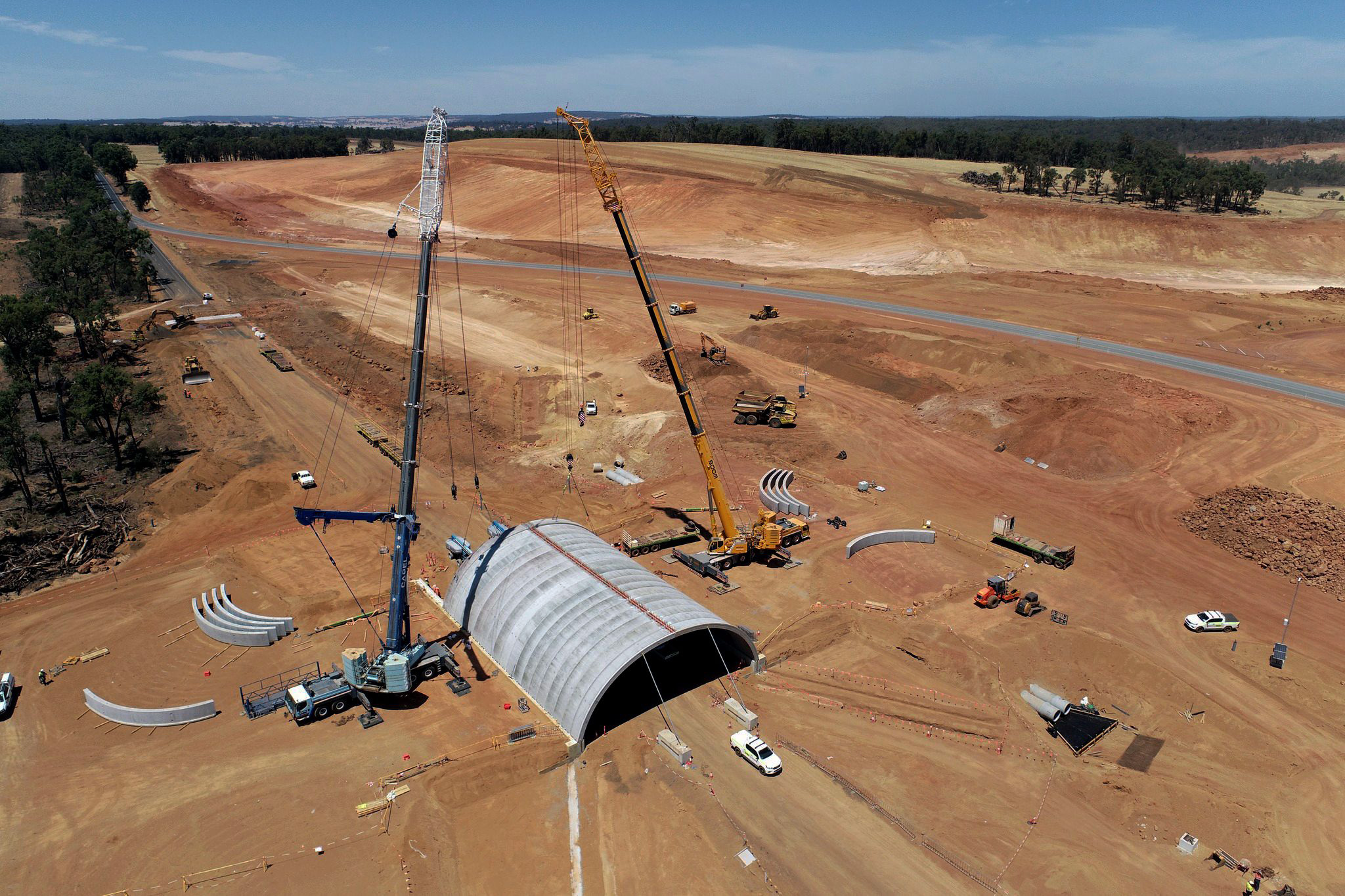
A buried bridge is made of a structural shell, usually an arch or a box, placed on foundations and covered with compacted fill. The cover spreads traffic loads, protects the structure and keeps the road or railway above running on a continuous embankment. Because the fill is part of the structure, the design accounts for the arch or box and the backfill as a single structure.
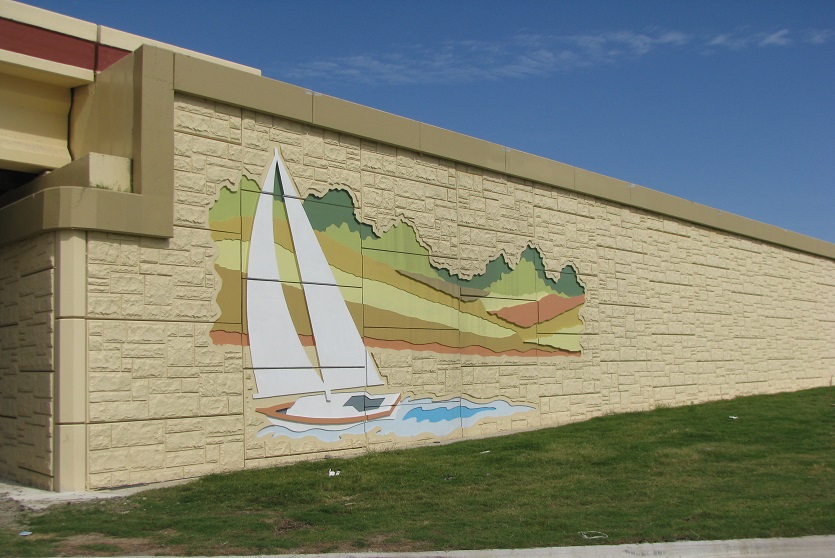
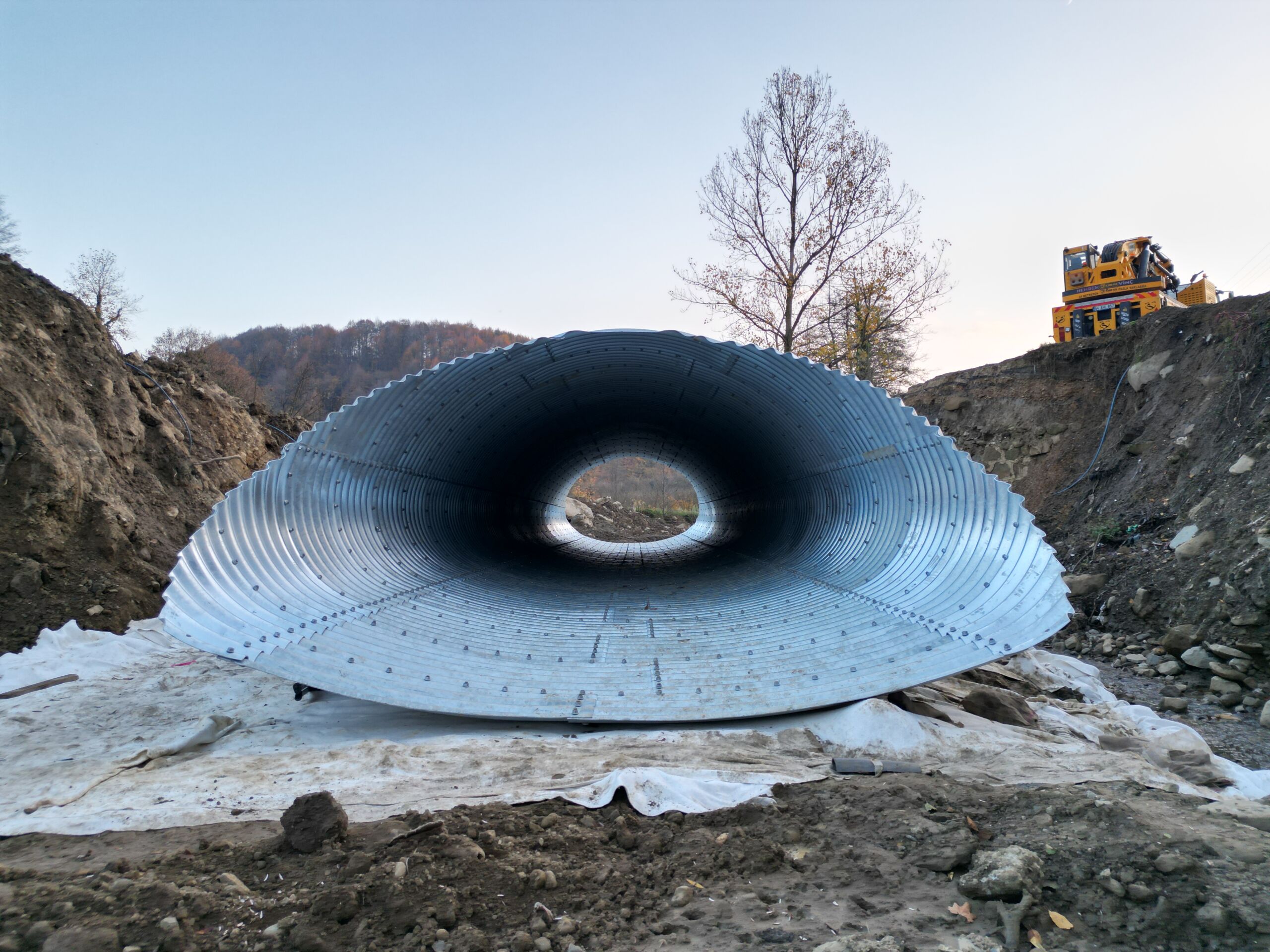
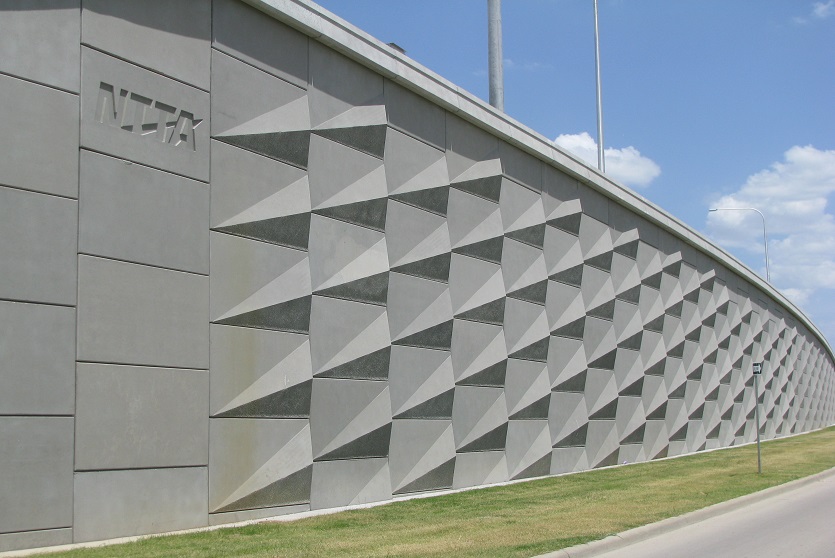
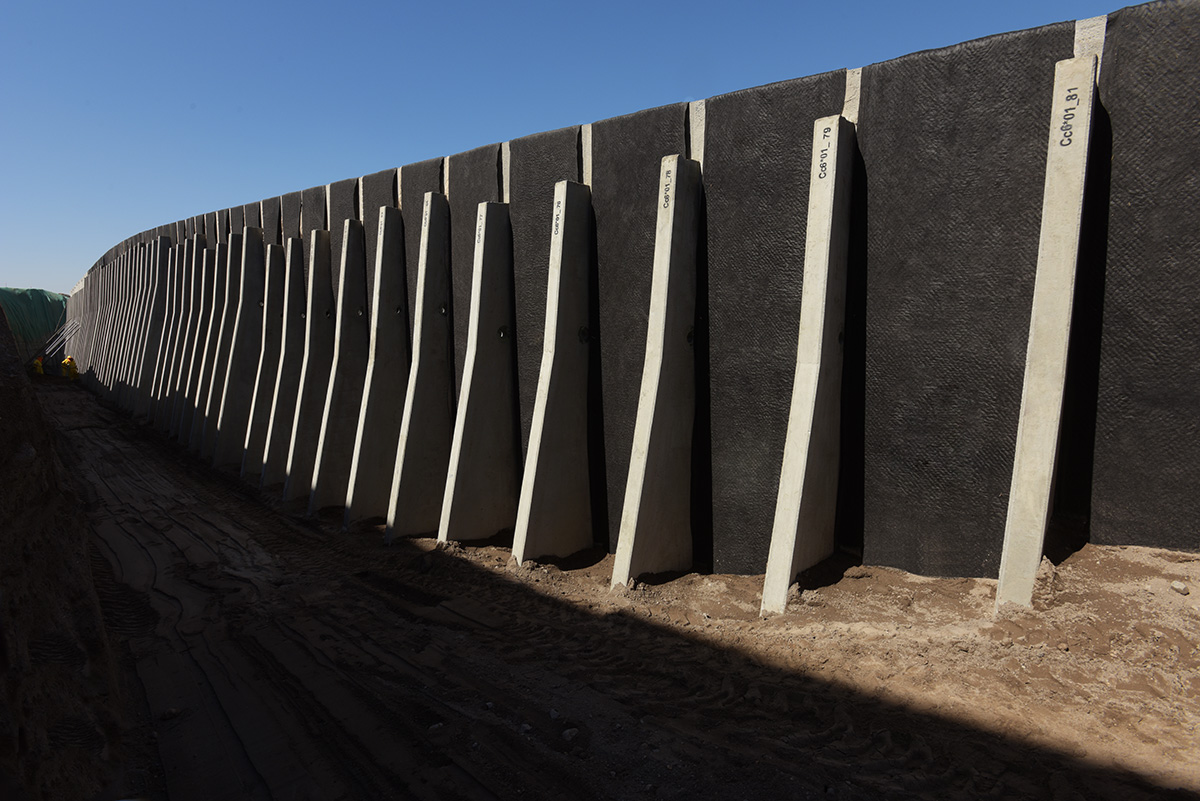
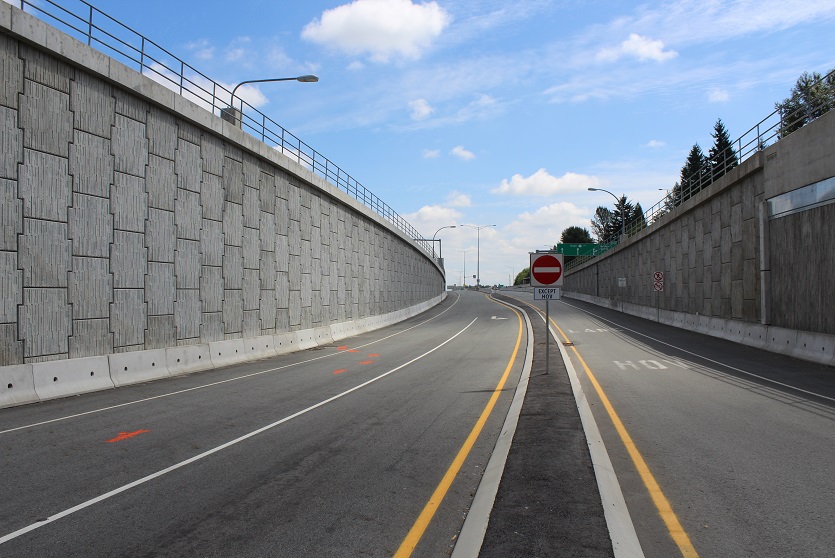
Precast arches such as TechSpan suit medium to wide spans and higher fills, and can be repeated side by side to form earthen viaducts with several openings. Precast boxes such as TechBox suit shorter spans and low cover. For very wide openings, walls such as TechWall or T-Wall can be combined with long-span top elements to form a composite box. Corrugated steel structures such as GeoCor offer a lightweight alternative where transport or access is limited. At each end, wing walls and spandrel walls are often built with Reinforced Earth walls and abutments, with facings from the Architectural finish range for visible faces.
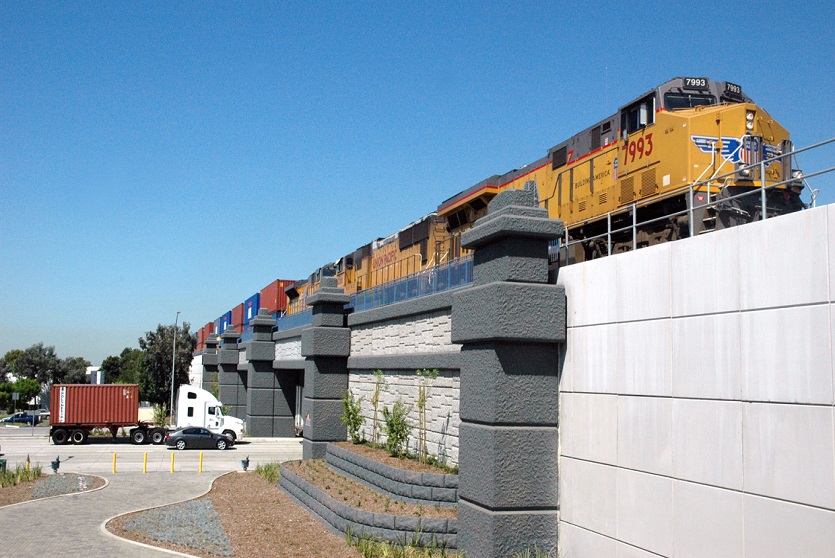
Buried bridges are used for road and railway overpasses, earthen viaducts, pedestrian passages below roadways and covered crossings on industrial sites and airports.
Buried bridge forms
- Single-span arch bridges
One precast or steel arch under fill, suited to medium and wide spans with significant cover.
- Multi-span earthen viaducts
Several arches placed side by side to create multiple openings beneath a continuous embankment.
- Box bridges
Rectangular precast structures suited to short spans, low cover and flat-roofed clearances.
- Composite wall-and-slab bridges
Retaining walls combined with long-span top elements to form wide box openings.
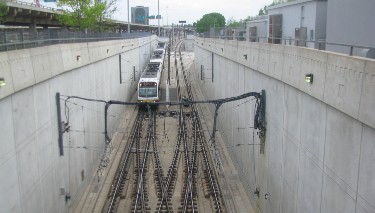


Criteria for selecting a buried bridge
- Span and clearance: The width and headroom required below guide the choice between arch, box and composite forms.
- Cover depth: Low cover favours flat-roofed boxes, while higher fills suit arches.
- Traffic above and below: Road, rail or aircraft loads set the structural demand, and the traffic passing beneath defines the clearance envelope.
- Foundation conditions: Bearing capacity and expected settlement influence the footing design and the flexibility required.
- Backfill quality and compaction: The behaviour of the structure depends on the properties and placement of the fill around it.
- Number of openings: Wide crossings may be split into several spans to form an earthen viaduct.
- Construction and transport: Unit size, site access and traffic staging affect the choice between precast, on-site manufacture and corrugated steel.
- End treatment and appearance: Wing walls, spandrel walls and facing finishes shape how the crossing integrates into its setting.