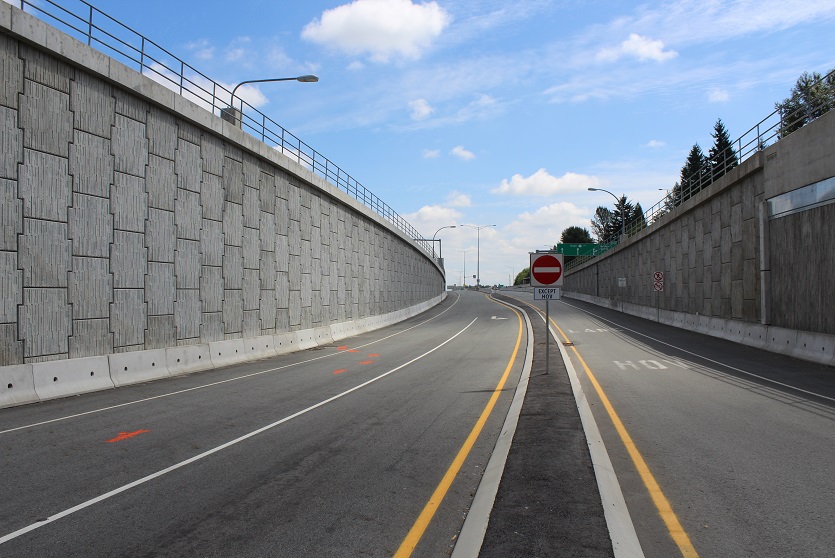
As cities grow denser and land becomes scarce, more roads, railways and pedestrian routes have to pass below ground or beneath existing infrastructure. On industrial and mining sites, conveyors, reclaim lines and utilities also need protected passages under stockpiles, platforms and high fills.
Cut-and-cover tunnels meet these needs without deep boring. The structure is built in an open excavation or on prepared ground, then covered with fill. This creates a durable underground passage that can carry heavy loads above it while keeping traffic, materials or people moving safely below.
Constraints of building passages beneath fill and traffic
- High cover and heavy surcharges
Tunnels may sit under deep fills, stockpiles or heavy traffic, which apply large and sometimes uneven loads.
- Dense urban environments
Existing buildings, networks and traffic limit the space available for excavation and construction.
- Construction under operation
Roads, railways or plants above or around the site often have to remain in service during the works.
- Fire and safety requirements
Underground passages must meet strict standards for fire resistance and the evacuation of users or workers.
- Long and complex alignments
Curves, changes in level and connections to other structures complicate the layout.
- Durability over long service lives
The structure must resist water, aggressive environments and repeated loading for decades with minimal maintenance.


Creating underground passages with cut-and-cover tunnels
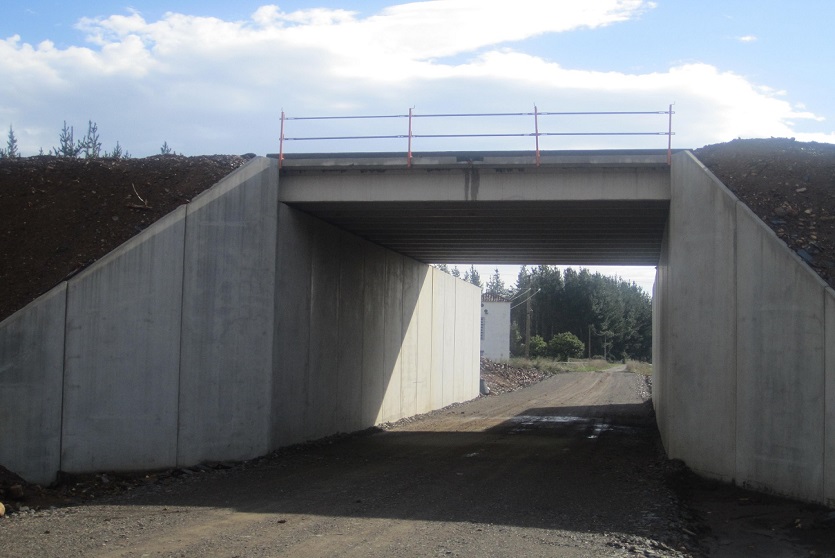
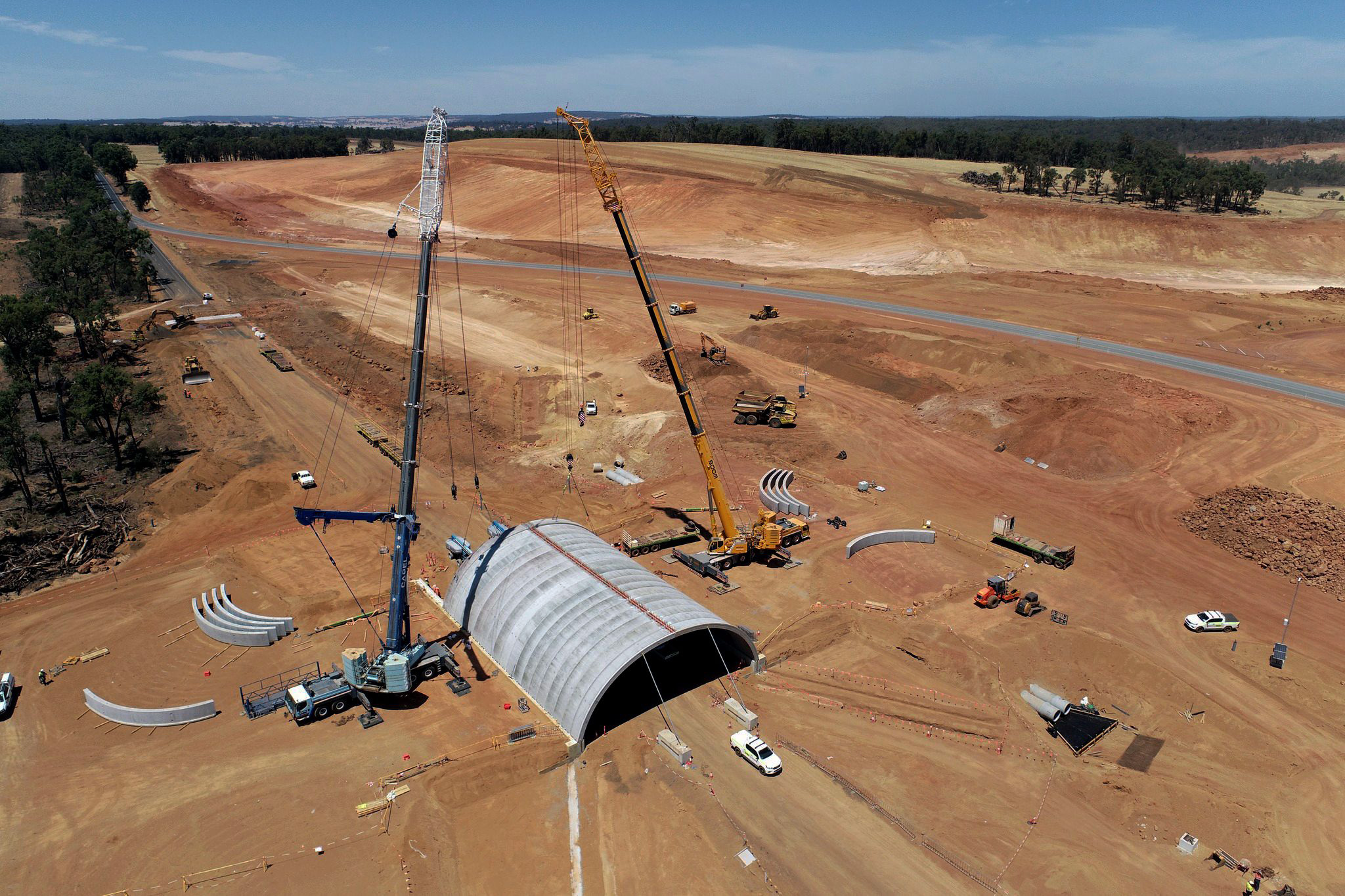
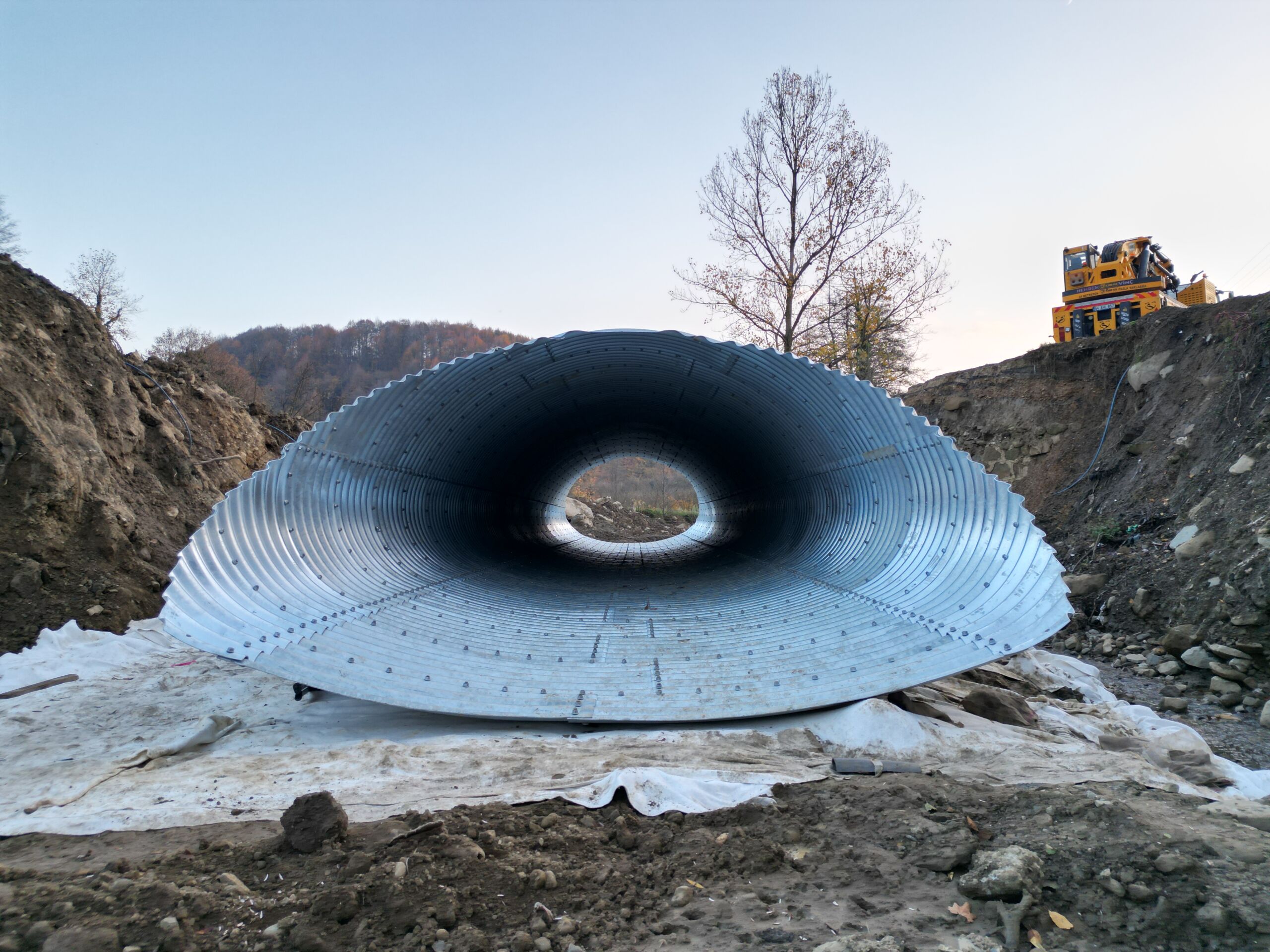
A cut-and-cover tunnel is a structural shell that forms the passage and supports the weight of the fill and any loads placed above it. The excavation is opened, the shell is installed on its foundations, and the backfill is placed and compacted around and over it. Unlike bored tunnels, this method is suited to shallow and medium depths and to passages built beneath new fills or embankments.
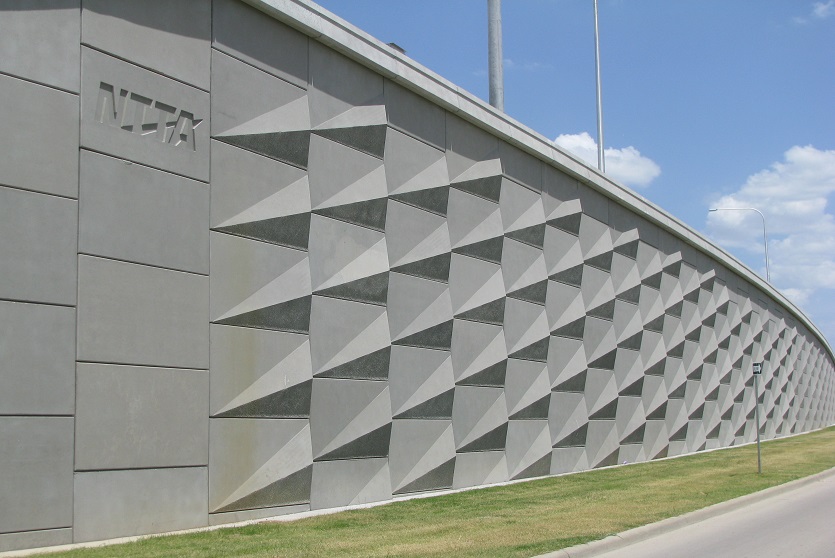
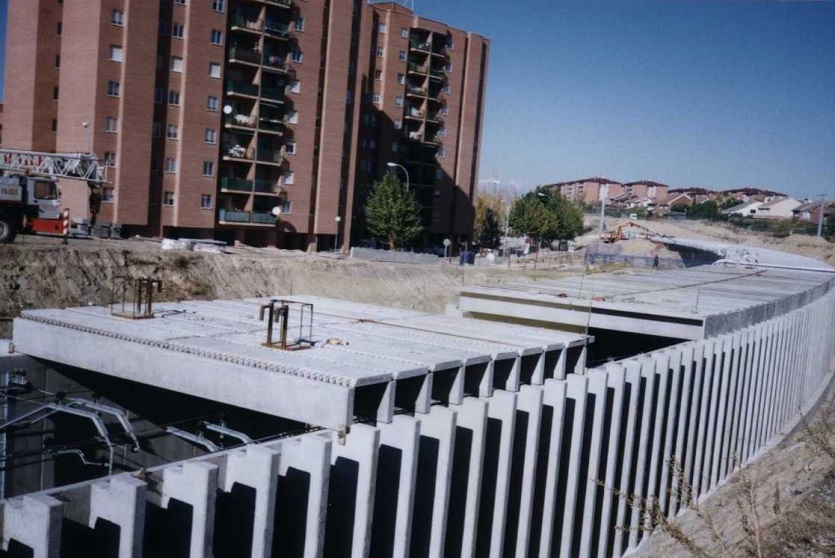
Precast concrete arches such as TechSpan and precast box units such as TechBox are widely used for these structures. Arches are suited to high fills and wide spans, and boxes to shallow cover and rectangular clearances. Corrugated steel structures such as GeoCor offer a lightweight alternative where access or transport is difficult. At the ends of the tunnel, portals, wing walls and adjoining retaining walls are often built with Reinforced Earth walls and abutments to retain the approach fill.
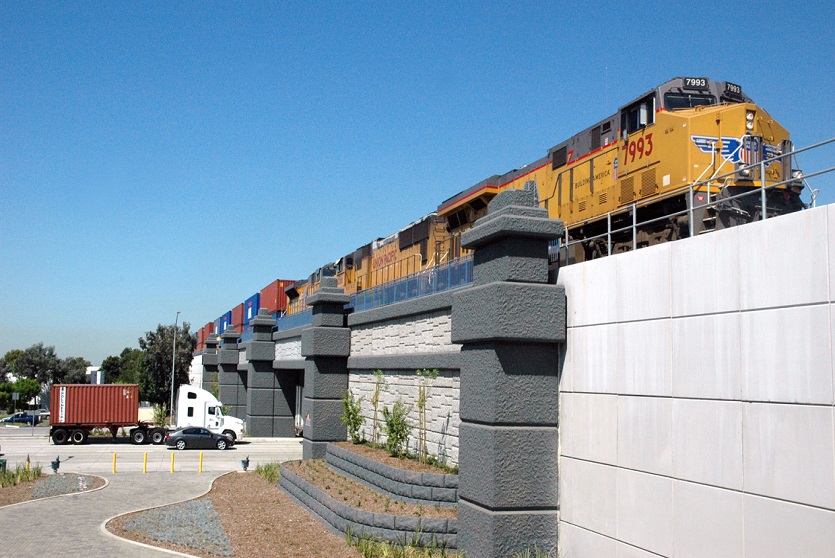
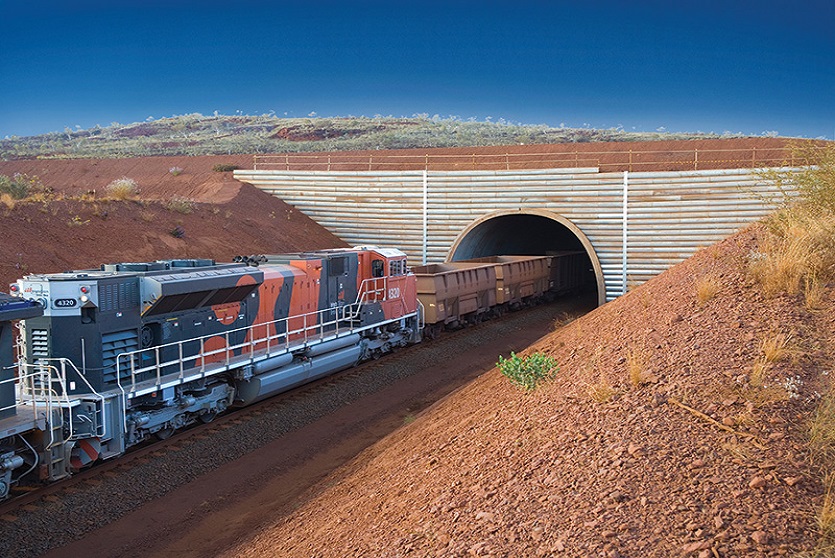
Tunnels are used for road, railway and pedestrian underpasses, conveyor and reclaim lines in mines and industrial plants, utility and pipeline enclosures, and emergency escape galleries.
Tunnel types by function
- Transport tunnels and underpasses
Passages for roads, railways and pedestrians beneath other infrastructure, embankments or urban areas.
- Reclaim and conveyance tunnels
Tunnels under stockpiles and platforms that house conveyors to recover and transport bulk materials on mining and industrial sites.
- Utility and pipeline enclosures
Protected corridors for pipes, cables and networks crossing beneath fills or operating areas.
- Emergency escape galleries
Safety passages built alongside underground structures, allowing workers or users to evacuate in case of fire or incident.



Key inputs for cut-and-cover tunnel design
- Clearance and span: The height and width of the passage depend on the traffic, equipment or networks it carries, and guide the choice between an arch and a box shape.
- Cover height and surcharges: Depth of fill, stockpile loads and traffic above the tunnel govern the loads on the structure.
- Foundation conditions: Bearing capacity and settlement of the ground determine the footing type and the tolerance of the structure.
- Water and drainage: Groundwater, waterproofing and drainage of the backfill must be addressed to protect the structure.
- Portals and approaches: Headwalls, wing walls and approach retaining walls define how the tunnel connects to the surrounding ground.
- Construction sequence: Excavation limits, staging and traffic maintained during the works affect installation methods and the size of the units.
- Service life: Exposure to aggressive environments and the required design life set durability and protection requirements.
- Fire and safety: Fire resistance, ventilation and evacuation routes may be required by safety regulations.