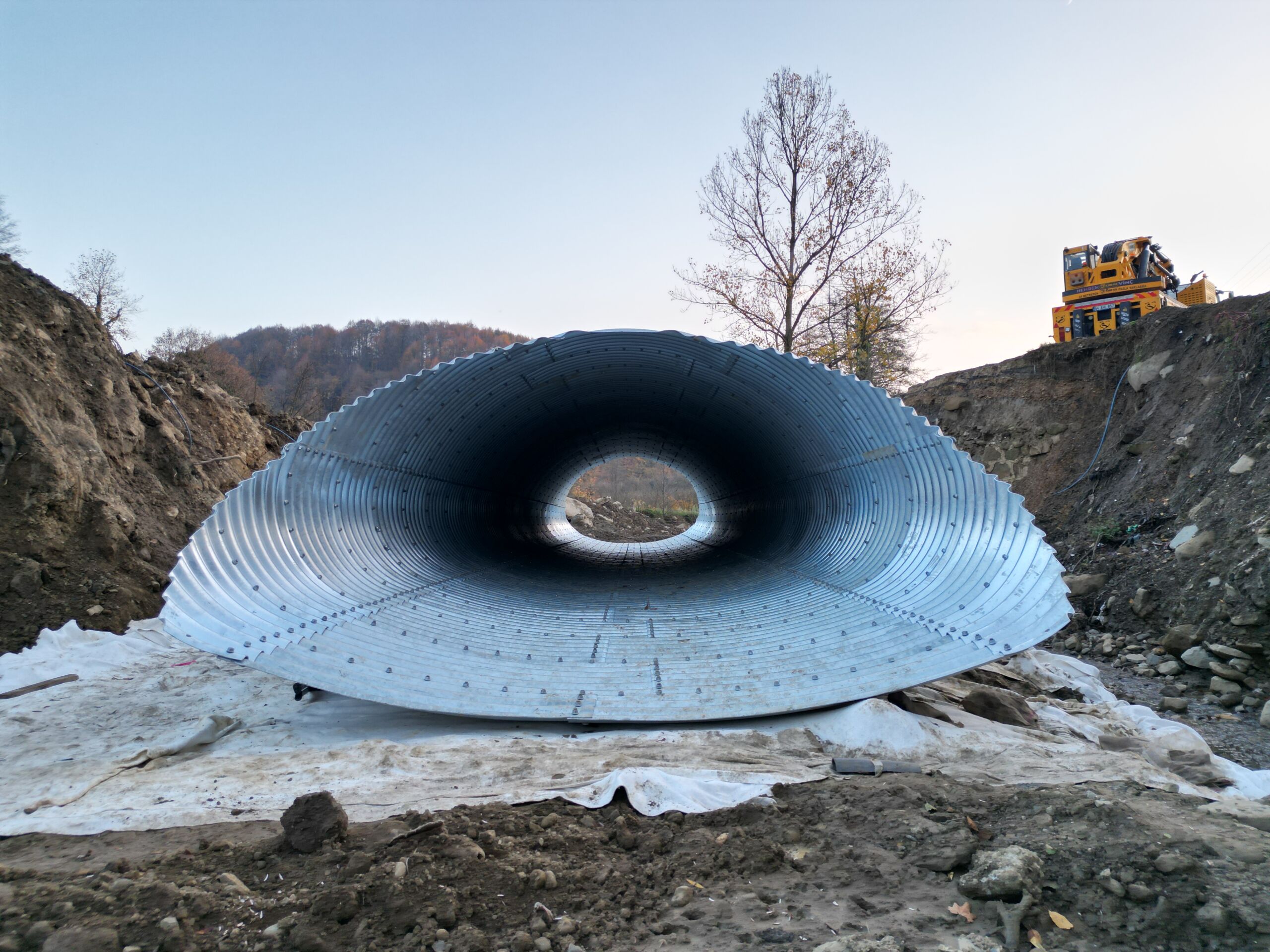
Creating durable port infrastructure at the interface between land and water
Ports and harbors concentrate heavy transport, logistics and marine operations within environments continuously exposed to water. Geoquest provides solutions for retaining, reinforcing and protecting the ground and infrastructure that support these activities.


Where heavy infrastructure meets the waterfront
Port infrastructure must accommodate demanding operational loads while responding to conditions that extend well beyond conventional earthworks. Quays, terminals, access routes and logistics areas may support heavy vehicles, rail traffic, cranes and docking equipment close to the waterline.
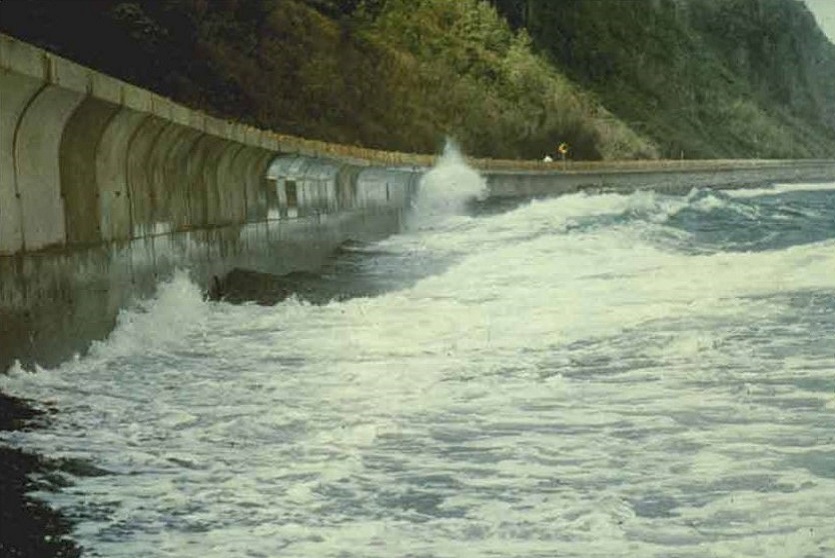
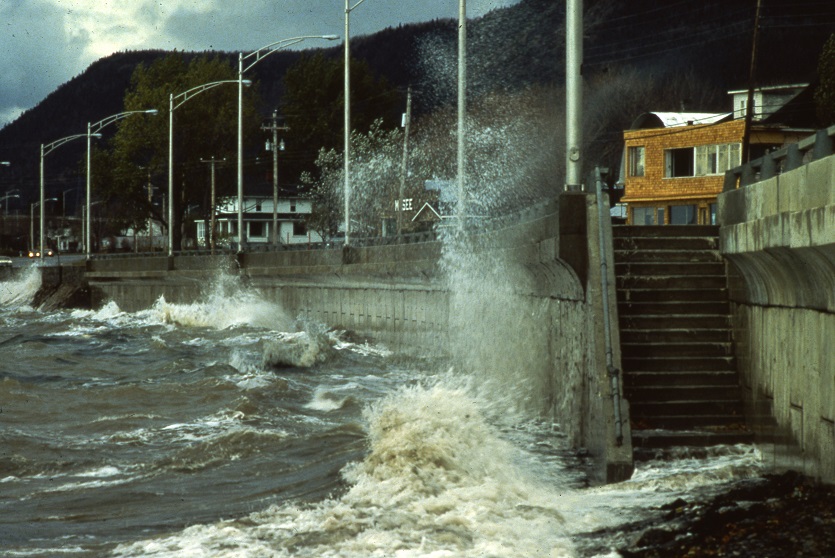
At the same time, waves, currents, tides and waterborne debris continuously interact with shorelines and waterfront structures. Their effects can generate erosion and scour, while storms and extreme water levels place additional demands on exposed infrastructure.
Port development therefore requires a careful balance between creating usable land, supporting intensive operations and managing the long-term interaction between earthworks and the marine environment.
Creating and protecting working waterfronts
Geoquest solutions can contribute to the construction and protection of port areas, from retaining reclaimed or elevated land to reinforcing foundations and limiting erosion along exposed waterfronts.
- Forming stable waterfronts
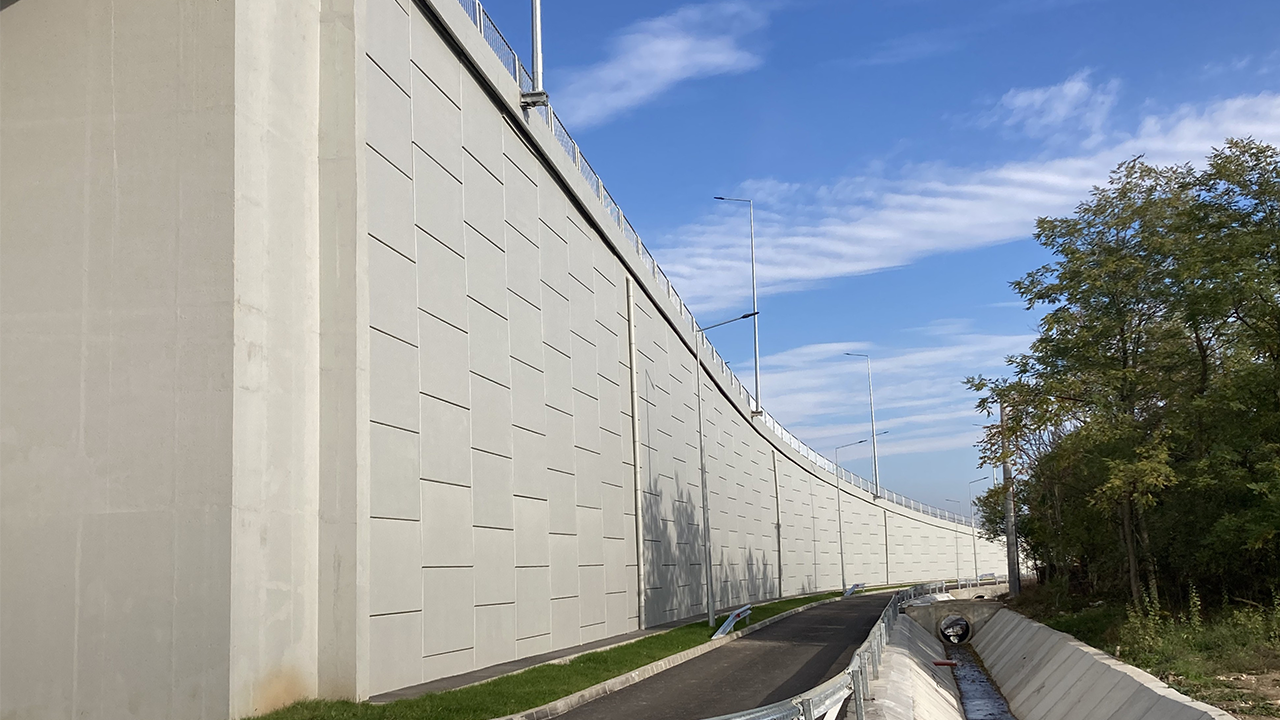
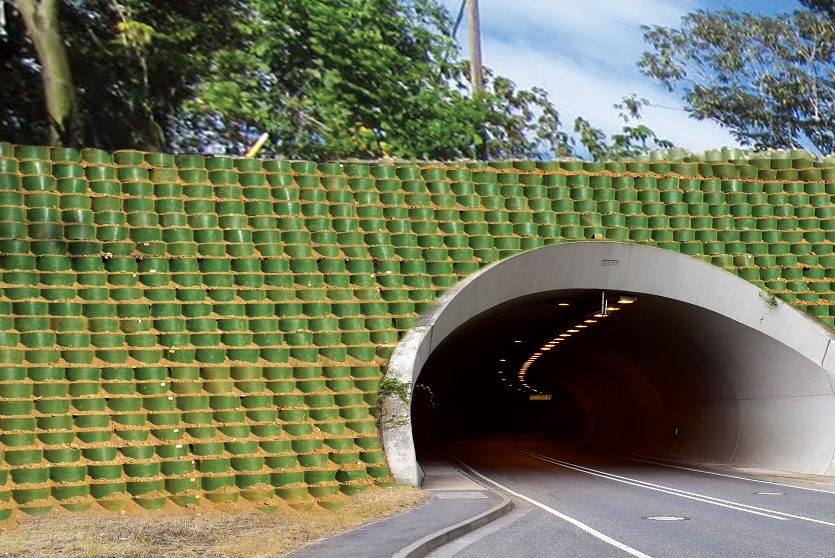
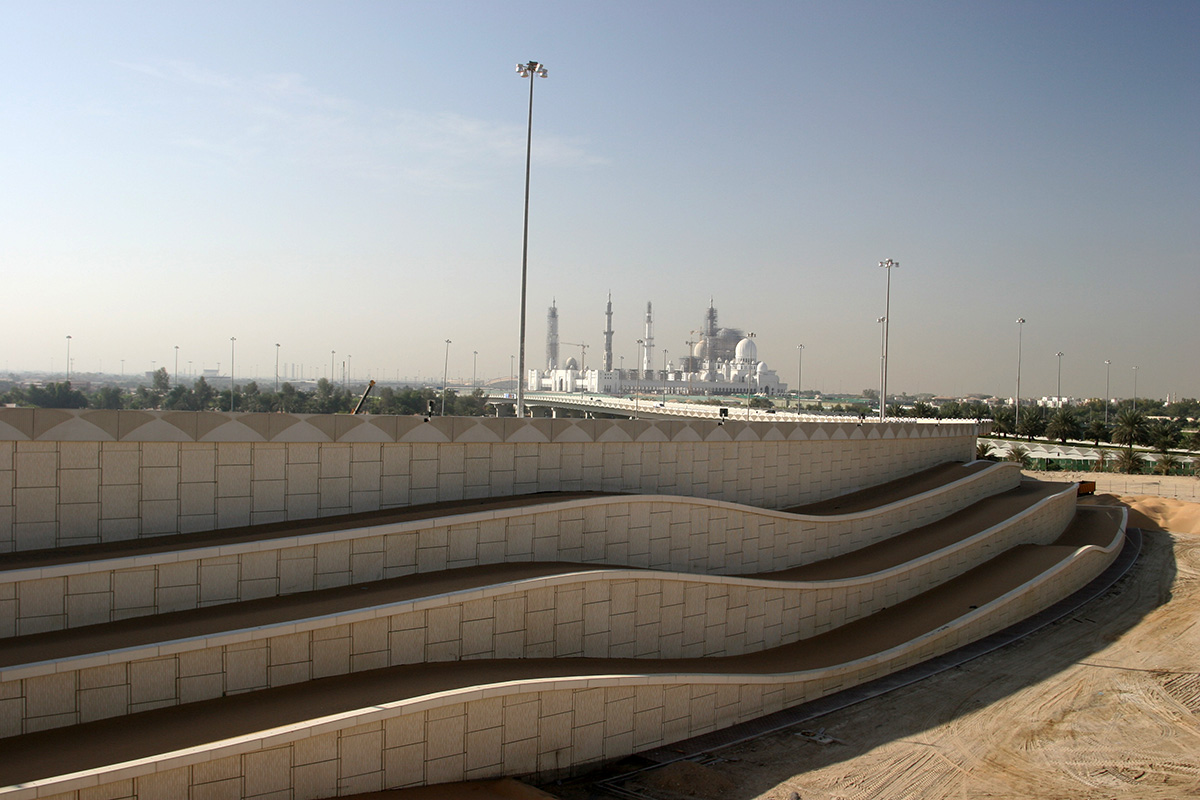
Quays, terminals and other port facilities often depend on retained ground to create usable areas immediately adjacent to the water. Reinforced Earth walls and abutments can accommodate substantial loads while providing adaptable configurations for waterfront and harbor developments.
- Building ground for port operations
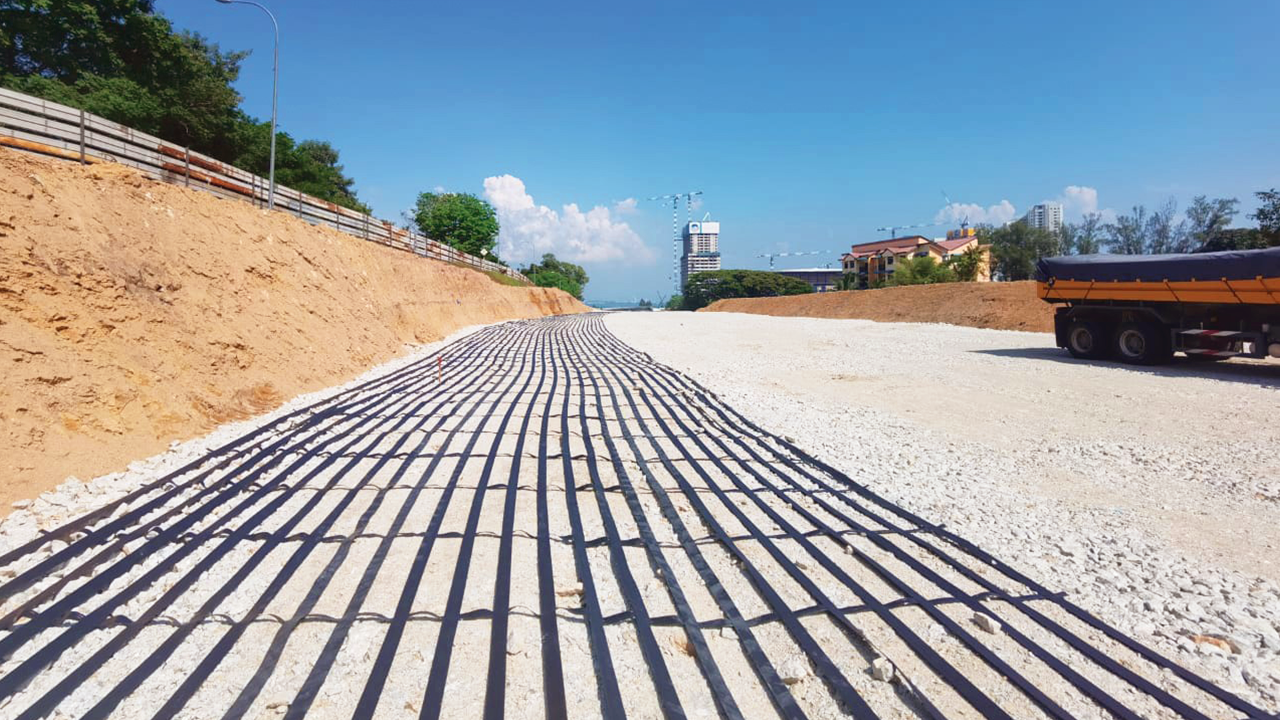
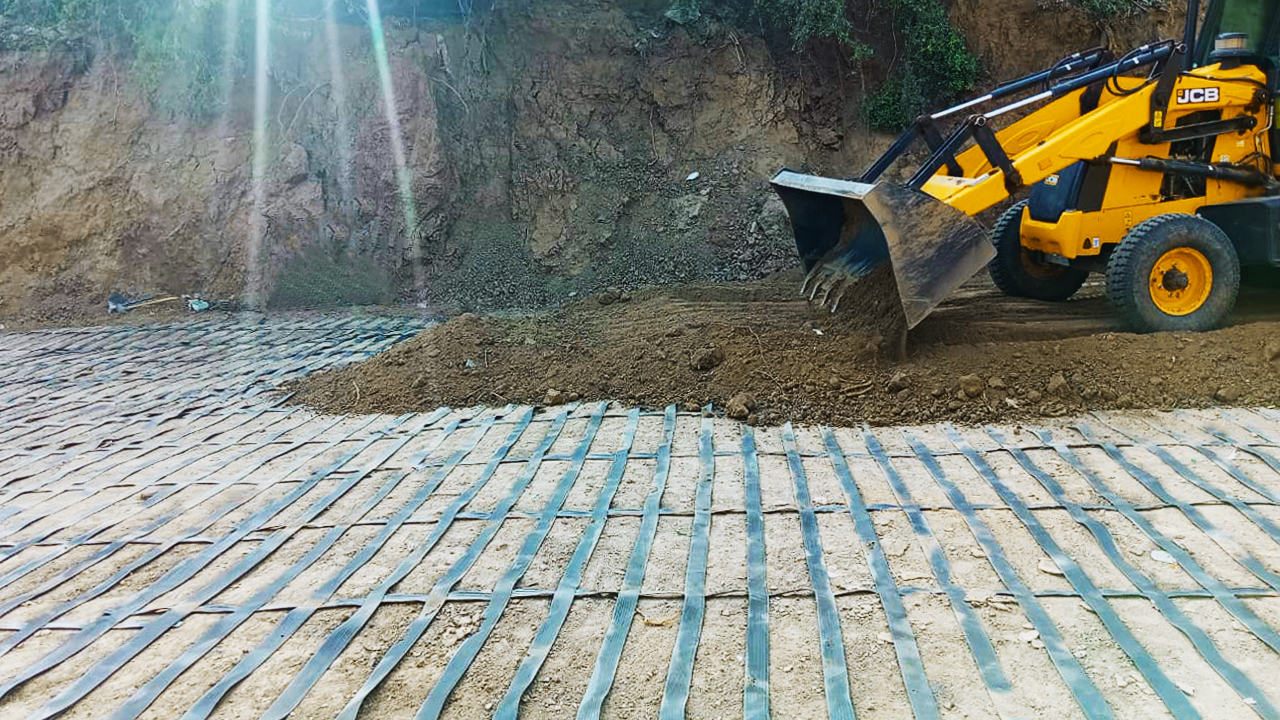
Storage areas, transport routes and logistics platforms can place significant demands on the supporting soils. Geosynthetic reinforcement solutions can improve ground performance where weak soils, settlement or bearing capacity affect the development of heavily used port areas.
- Managing scour and erosion
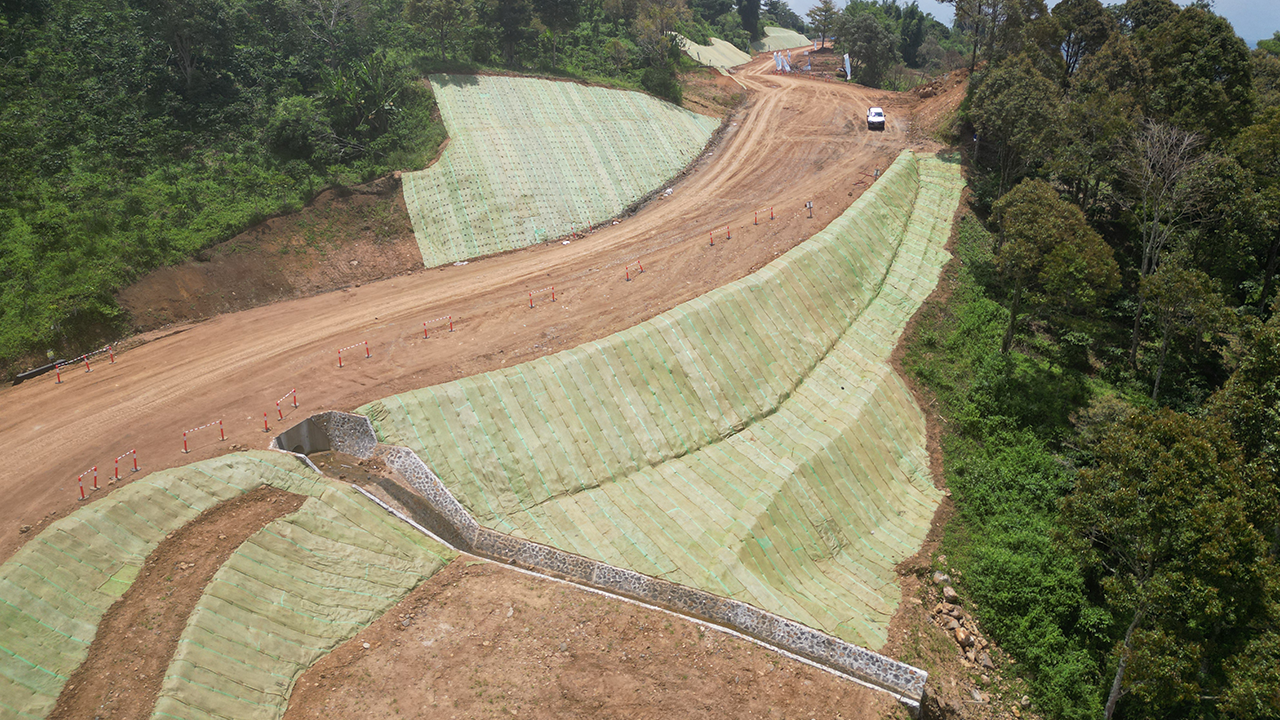
Wave action, currents and turbulence can progressively remove soil around embankments and waterfront infrastructure. Geoquest erosion-control solutions like FFCM can protect exposed surfaces and help limit scour in areas subjected to persistent hydraulic action.
- Reinforcing coastal edges
Port boundaries may need to combine operational functions with protection from waves, tides and changing water levels. Reinforced Earth walls and abutments and geosynthetic solutions can be incorporated into waterfront structures where earth retention, hydraulic exposure and shoreline stability must be considered together.
- Protecting infrastructure from marine hazards
Storms, wave action and extreme water levels can expose ports to forces capable of damaging shorelines and associated infrastructure. Geoquest solutions for erosion and hydraulic protection can strengthen vulnerable areas and improve the resilience of port facilities facing these conditions.
Applications serving ports and harbors

Built for the land-water interface
Ports depend on a stable transition between land and water. The ground supporting terminals and transport roads must accommodate intensive operations, while waterfront areas remain exposed to hydraulic actions that can progressively alter surrounding soils and shorelines.
Geoquest combines earth-retaining, geosynthetic reinforcement and erosion-control solutions to address both sides of this interface. This allows port infrastructure to be developed with consideration for operational loading, ground behaviour and exposure to the marine environment.
From new waterfront developments to the reinforcement or protection of existing port areas, this combination supports infrastructure designed around the particular demands of marine and harbor environments.