Supporting the structures and ground behind demanding industrial operations
Industrial facilities depend on infrastructure capable of accommodating heavy equipment, material flows and intensive operating conditions. Geoquest provides solutions for working platforms, material handling and storage areas, access infrastructure, containment and protective structures across industrial sites.
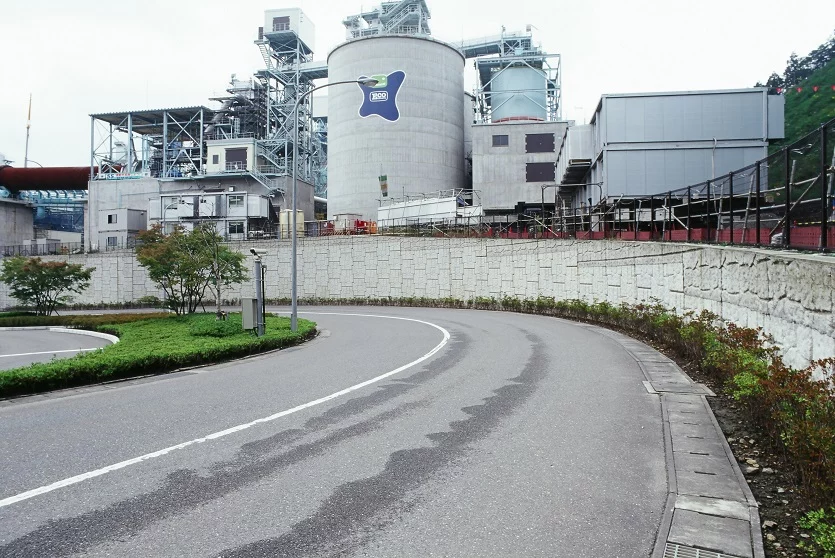
When infrastructure becomes part of the production environment
Industrial infrastructure is directly influenced by the activities taking place around it. Heavy stationary or mobile machinery can generate substantial loads, while processing equipment may introduce vibration, impact and other operational stresses.
Material movement creates additional requirements. Raw materials, intermediate products and derivative may need to be transported, stored or processed through facilities that include elevated platforms, bunkers, tunnels and dedicated circulation routes.
Industrial layouts must also incorporate measures for containment and protection where production activities create risks for surrounding areas or critical infrastructure. These requirements make the supporting civil works an integral part of the facility rather than simply its foundation.
Ensuring the continuity of industrial operations
Different parts of an industrial facility place different demands on the surrounding ground and structures. Geoquest solutions can be incorporated where production, storage, transport and safety requirements interact.
- Carrying heavy operating loads
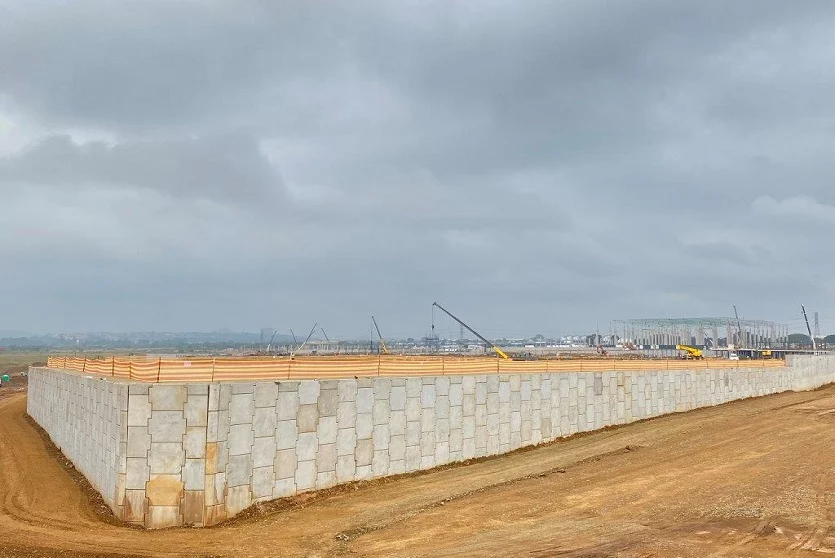
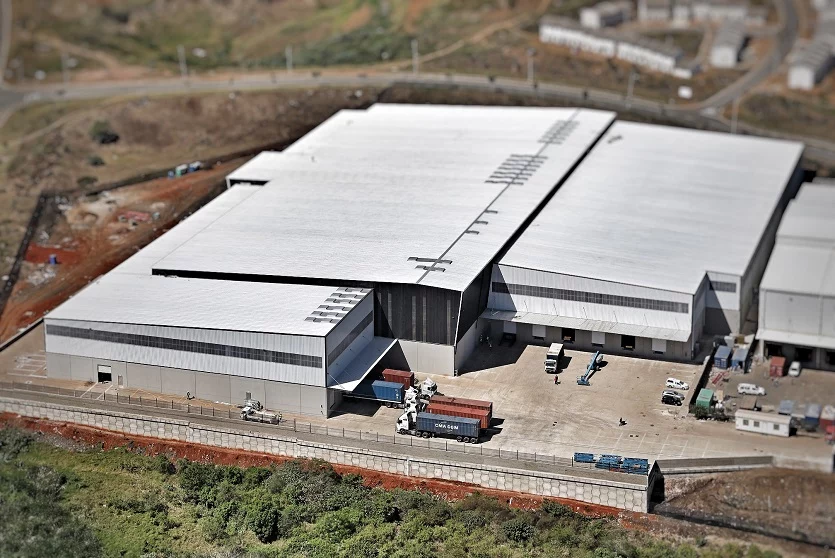
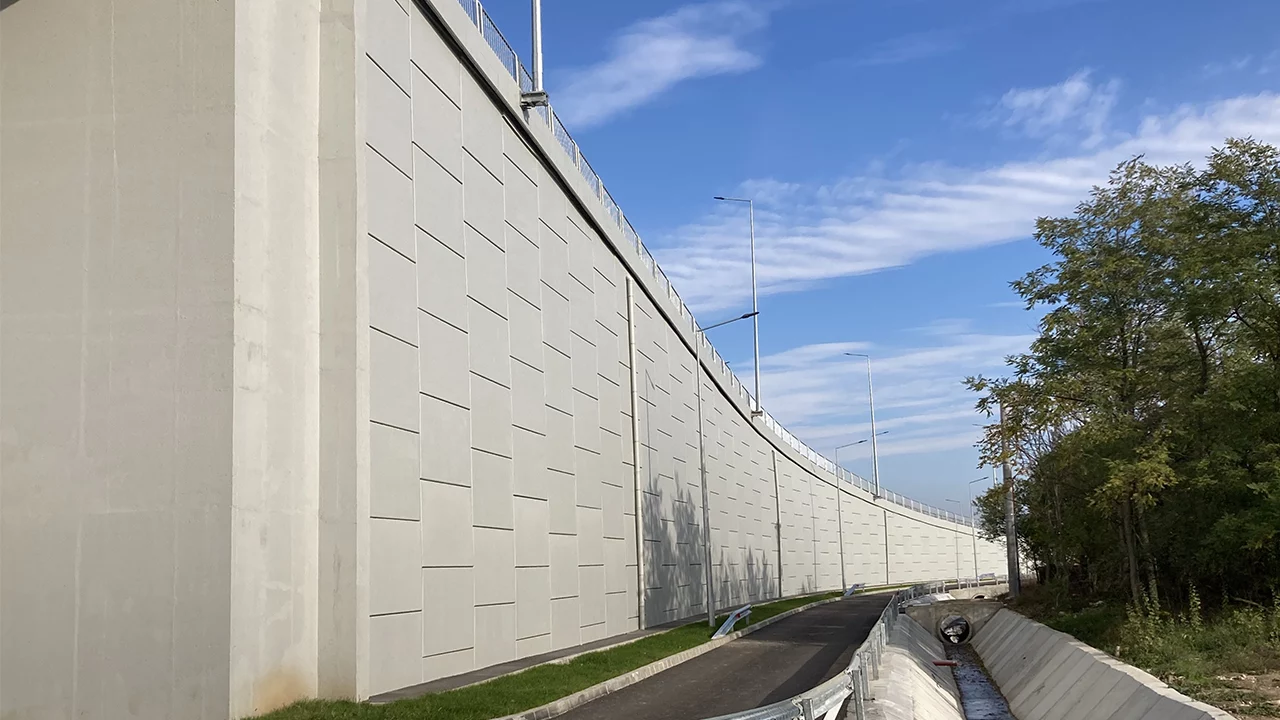
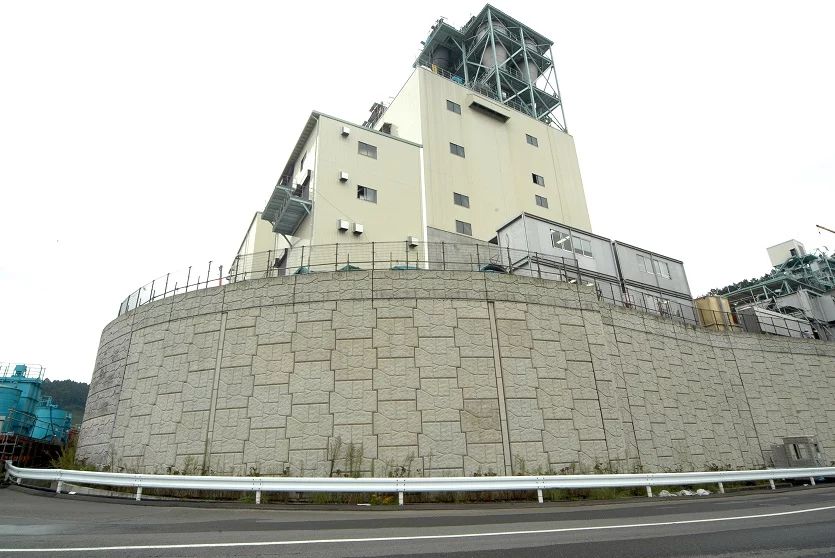
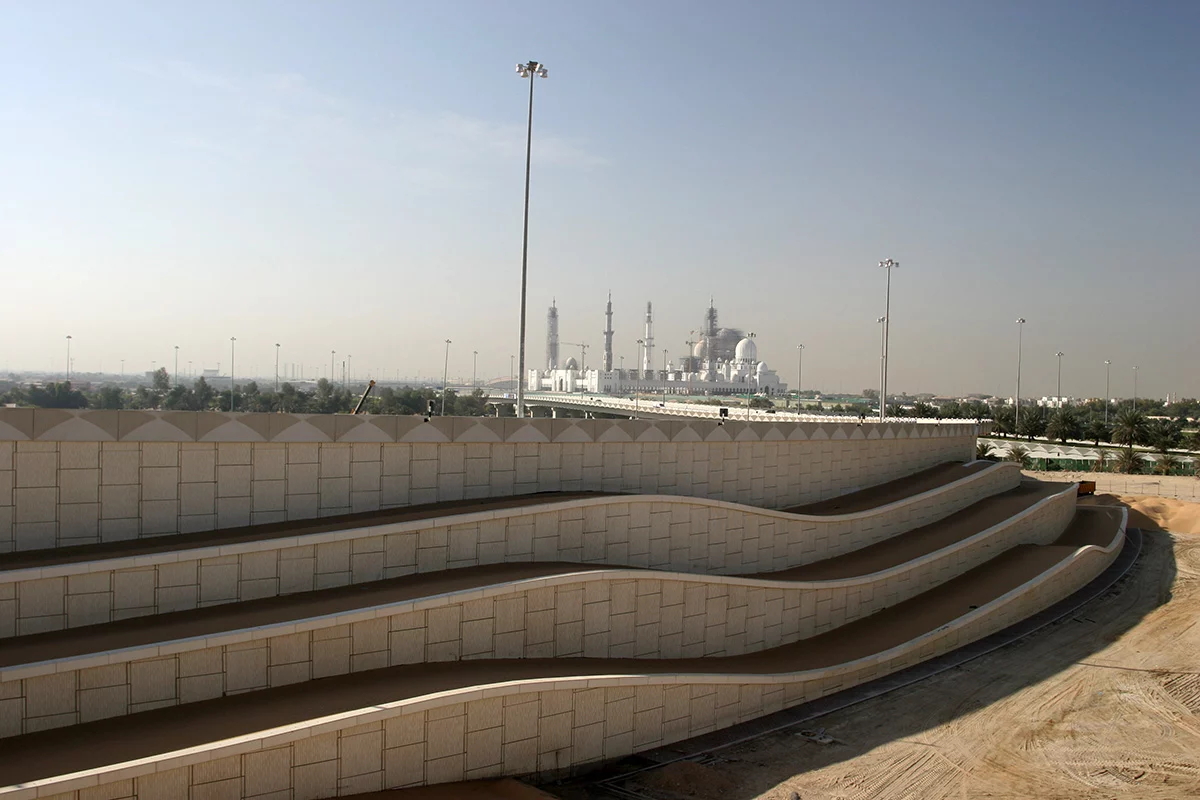
Working areas and elevated platforms may need to support heavy machinery, equipment or vehicles close to changes in elevation. Reinforced Earth walls and abutments provide load-bearing retained structures suited to industrial configurations where substantial operational loads must be accommodated.
- Organising material handling and storage
Industrial processes frequently involve continuous flows of bulk materials between storage and processing areas. Reinforced Earth walls and abutments can be configured for storage structures and material-handling areas, providing adaptable geometries for different operating layouts.
- Taking services and movement underground
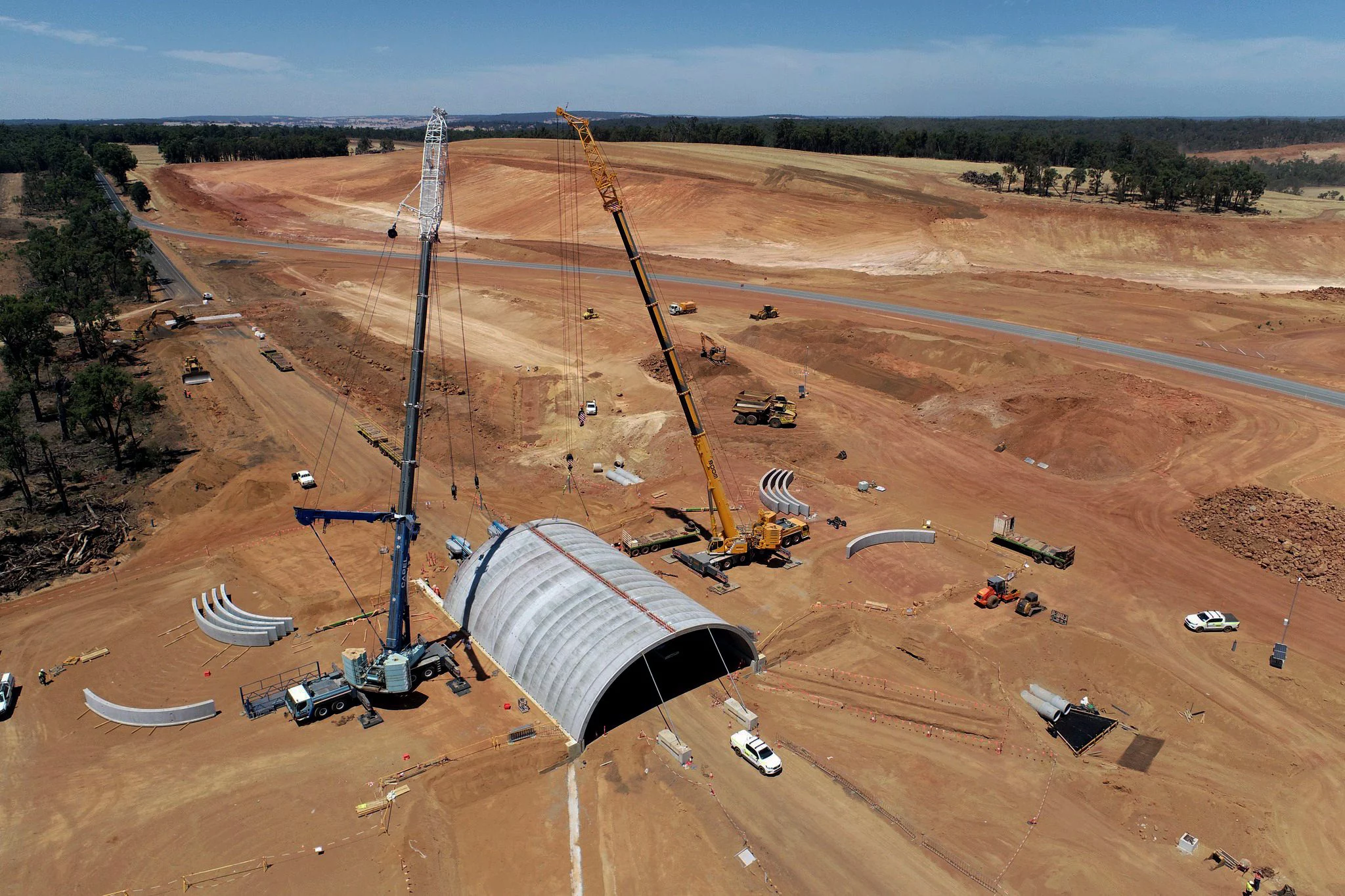
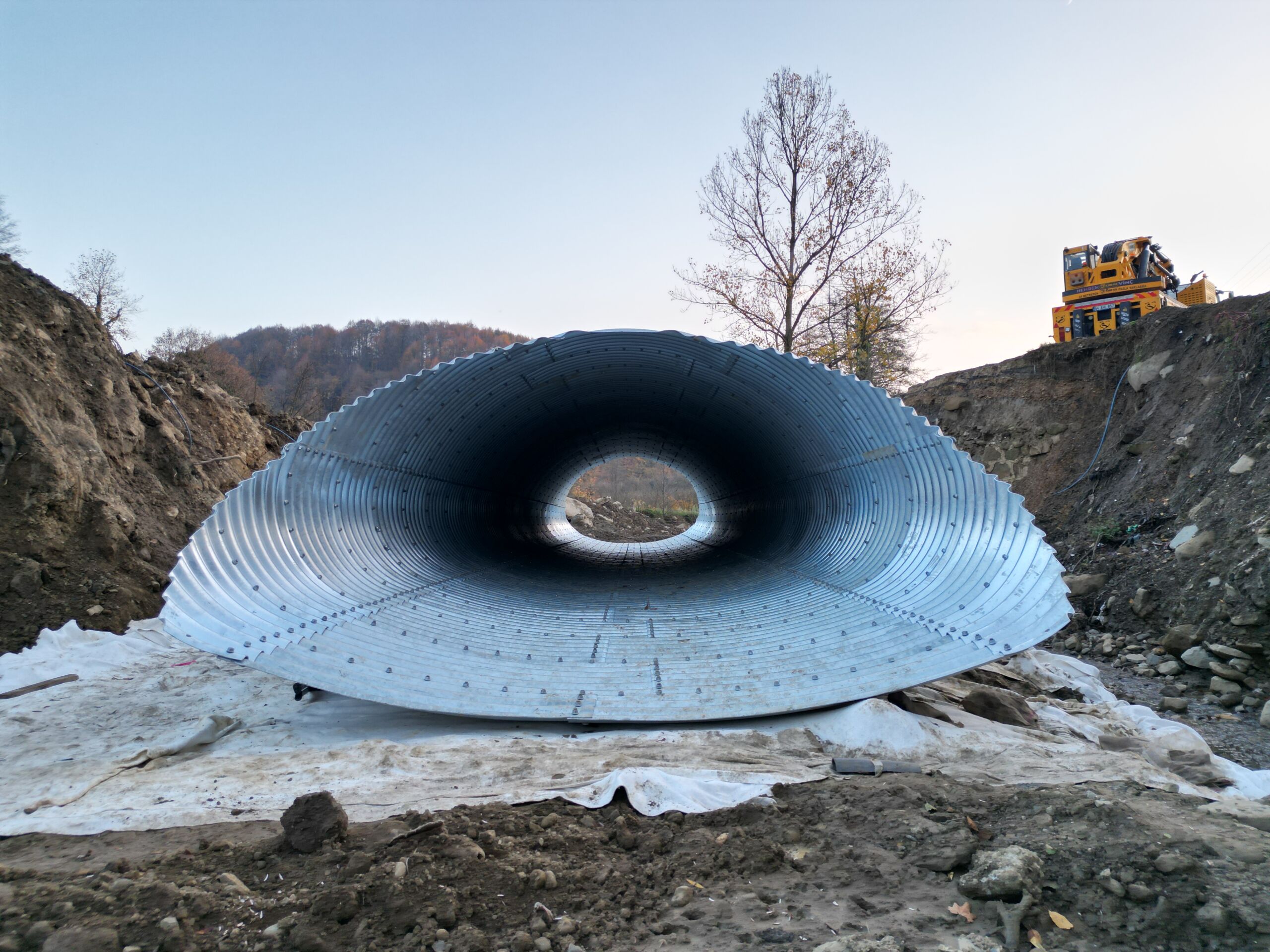
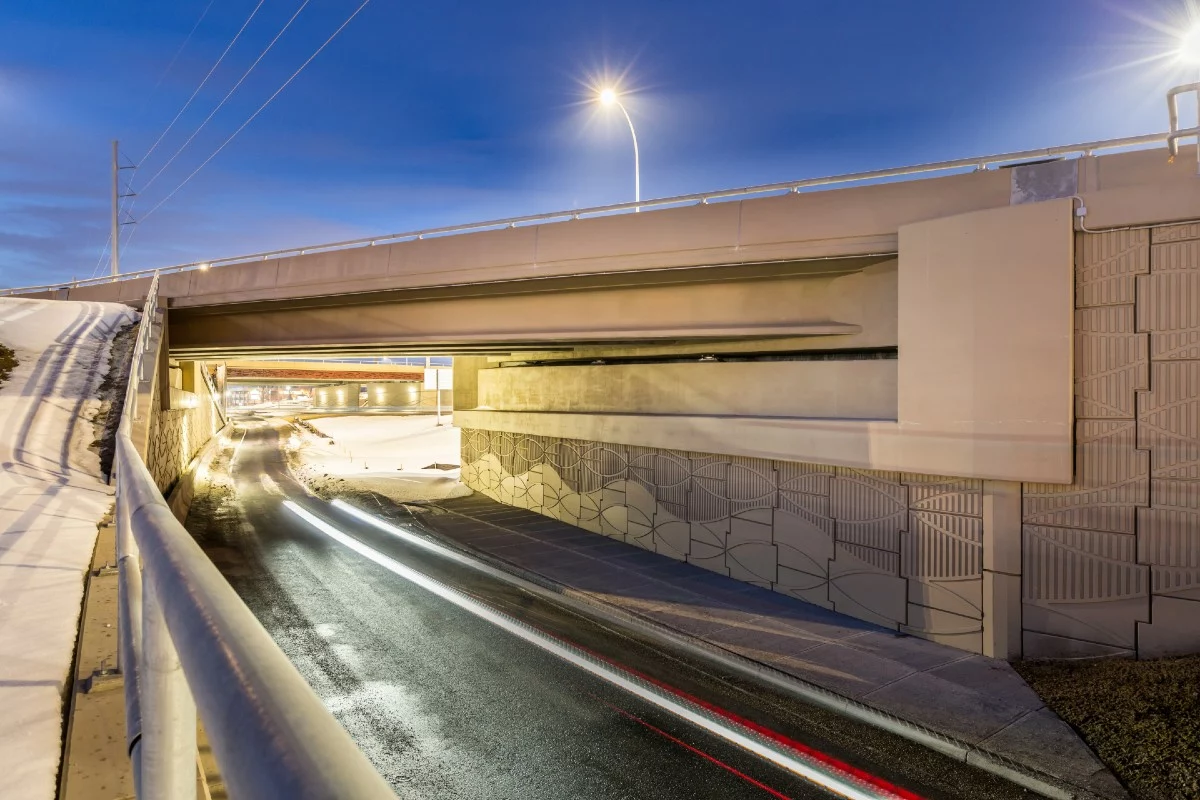
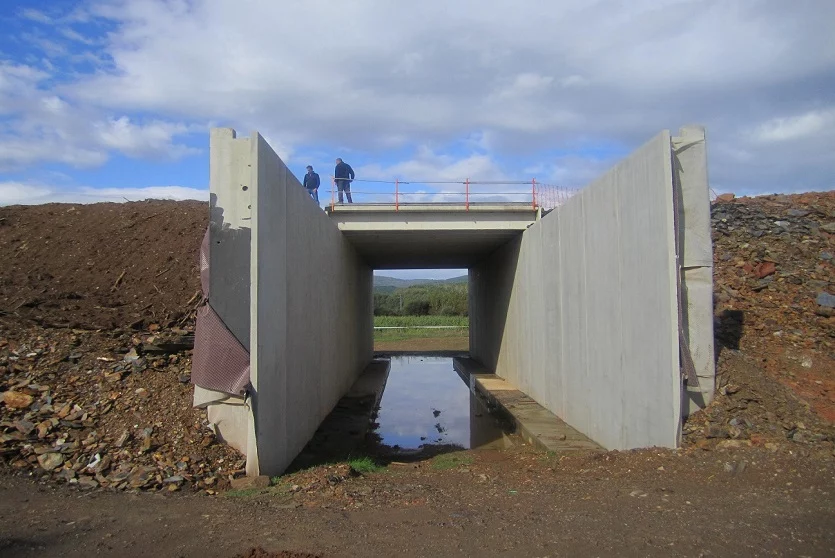
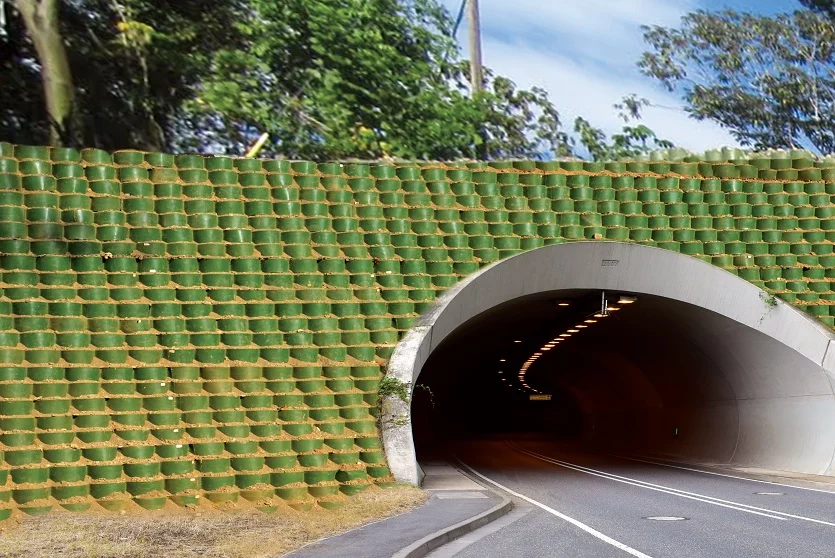
Conveyors, vehicles, utilities and other services may need to pass beneath production or storage areas. TechSpan precast arches provide buried configurations for tunnels, vaults and other underground structures capable of being integrated within industrial earthworks.
- Preparing ground for industrial activity
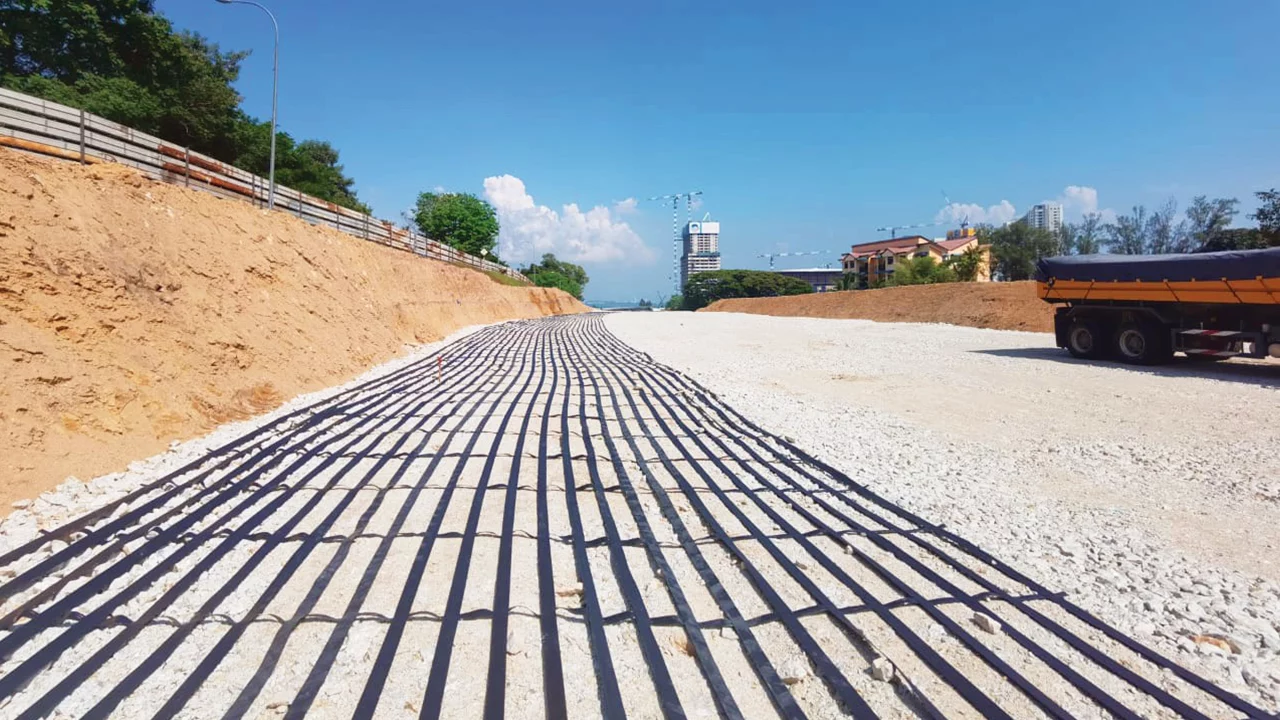
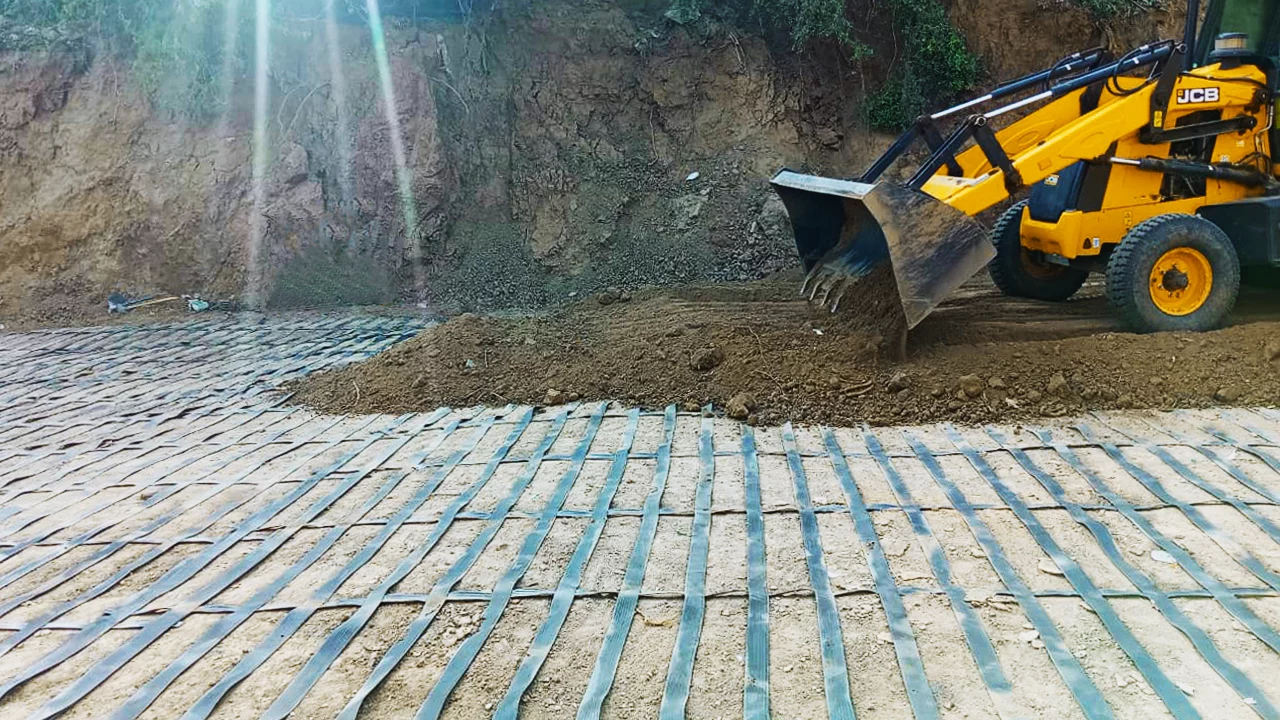
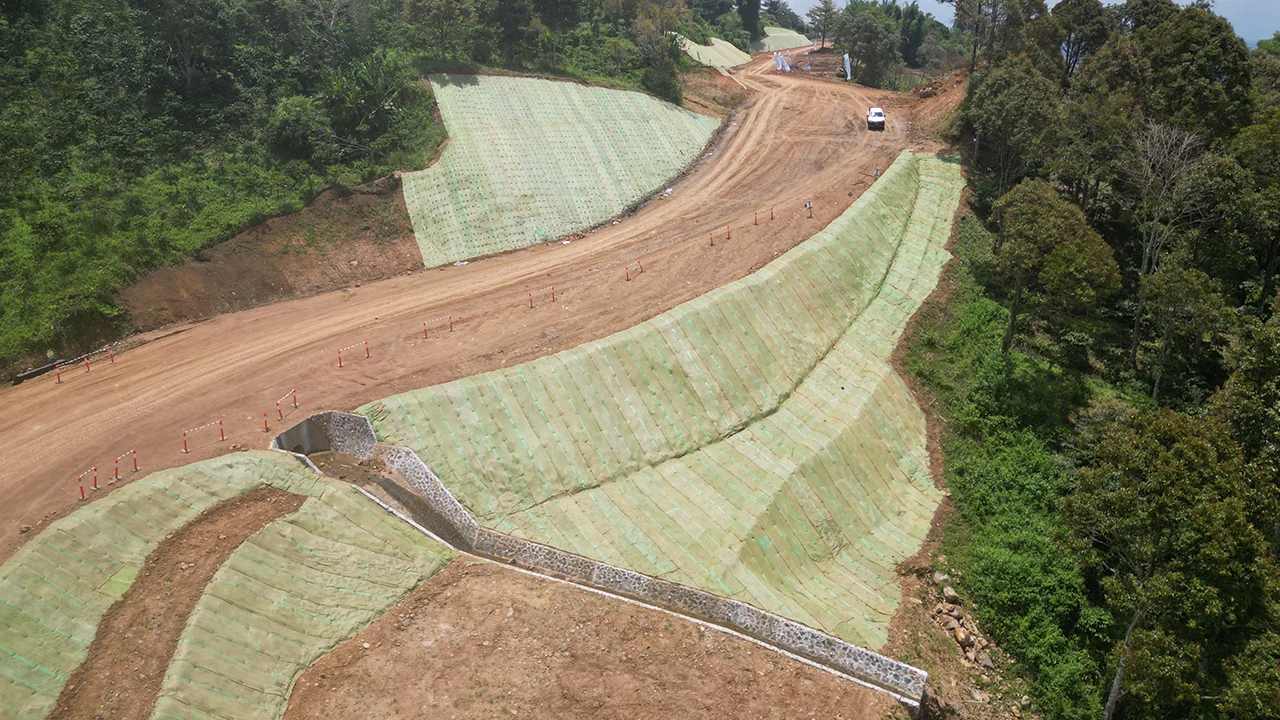
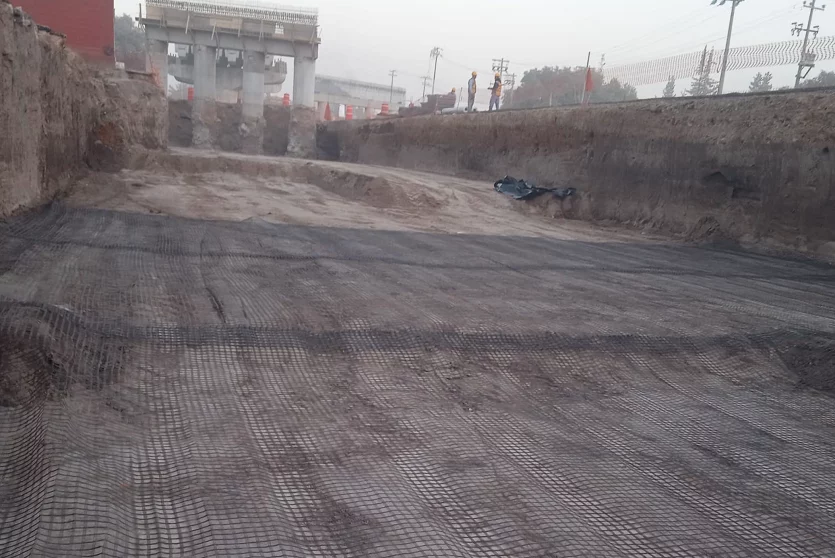
Large industrial areas can extend across variable ground conditions while supporting working platforms, internal roads and storage surfaces. Geosynthetic reinforcement solutions like ArmaLynk or ArmaWeb can improve ground performance and distribute loads where existing soils do not provide the required bearing conditions.
- Containing operational risks
Industrial processes may require dedicated areas to contain liquids or materials in the event of spills or equipment failure. Reinforced Earth walls and abutments, combined where appropriate with dedicated sealing or drainage measures, can form retained containment areas adapted to site requirements.
- Shielding critical areas
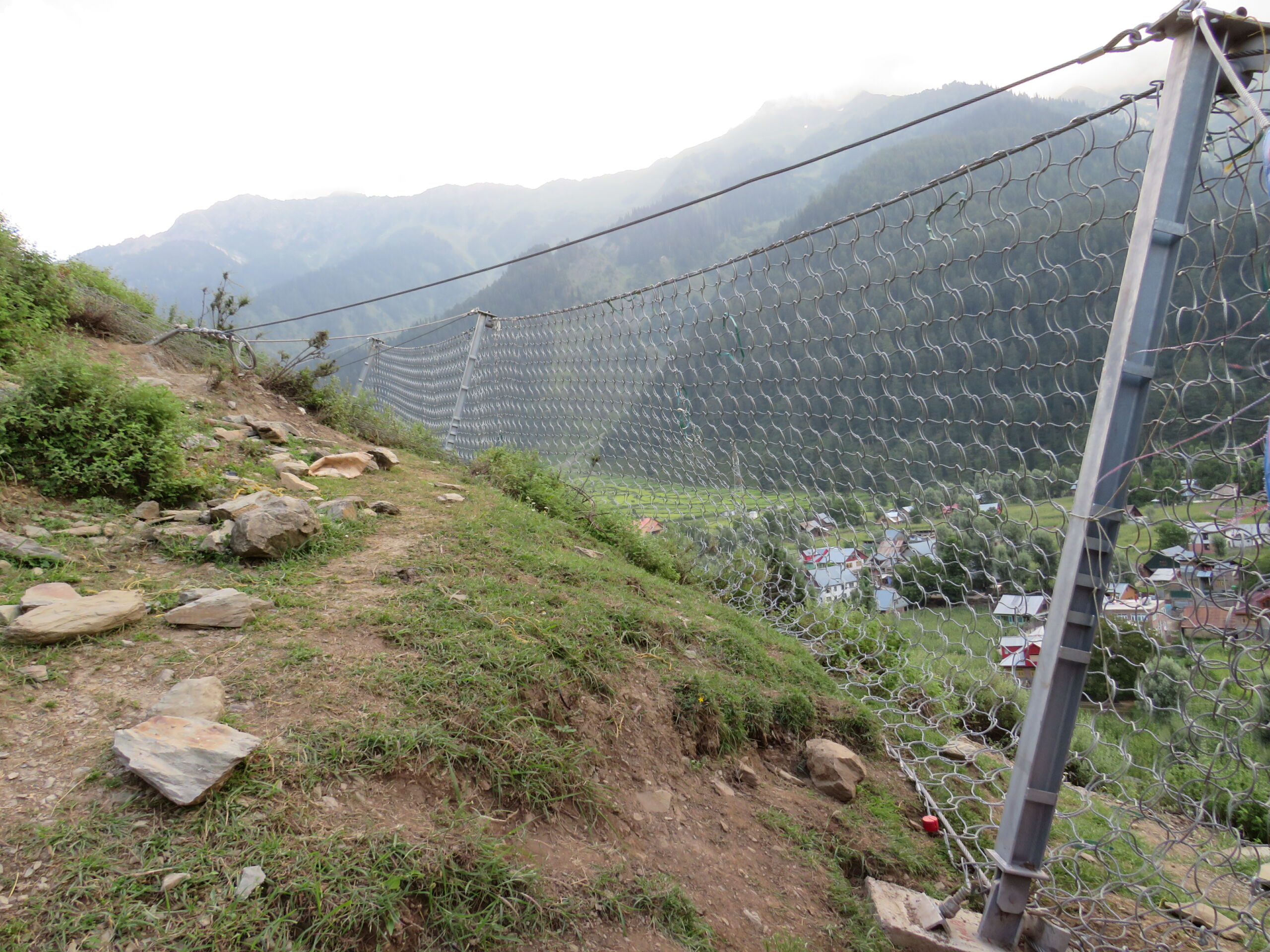
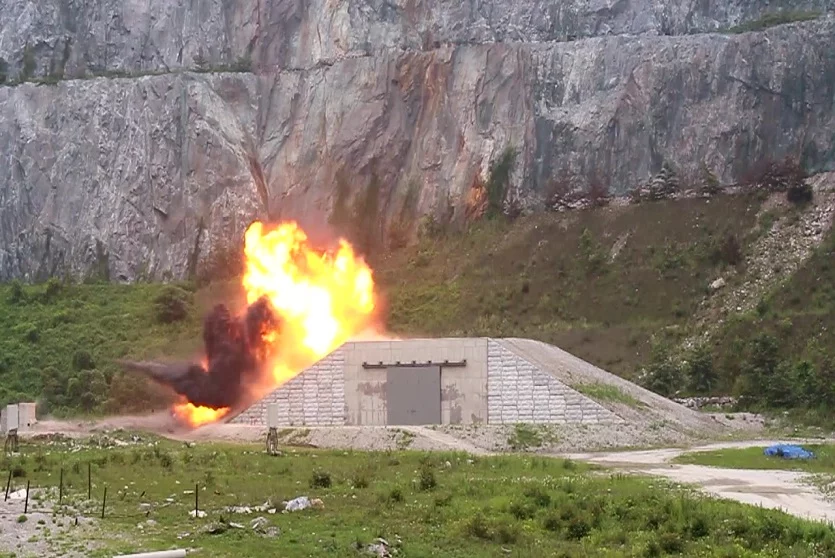
Production sites may require structures that separate critical infrastructure from accidental impacts or other industrial hazards. Reinforced Earth, Precast and Geohazards solutions can form protective configurations where energy absorption, structural resistance or physical separation is required.
Applications within industrial facilities

Infrastructure integrated with industrial processes
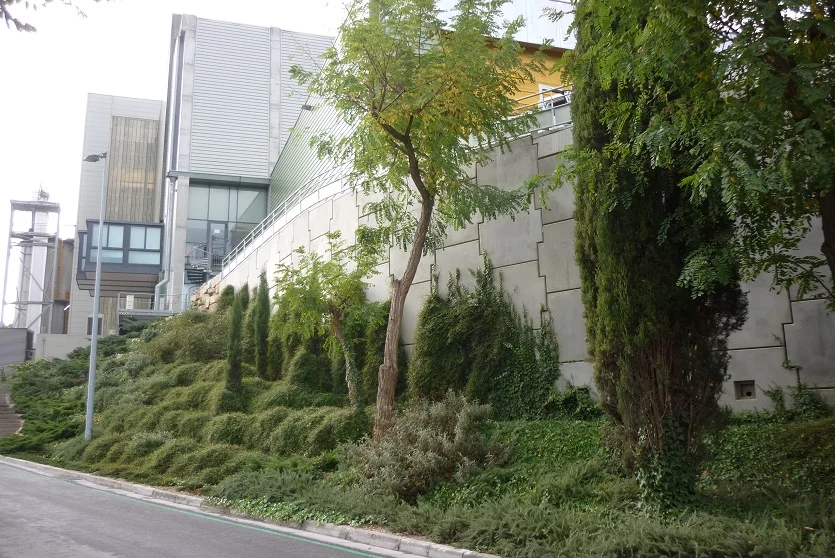
Industrial facilities continually move equipment, vehicles and materials between production, storage and logistics areas. The supporting infrastructure therefore needs to accommodate the operating processes taking place around and sometimes directly above or within it.
Geoquest solutions provide different structural and geotechnical approaches for supporting loads, organizing material flows, creating underground passages and establishing protected or contained areas.
By integrating these requirements into the civil infrastructure, industrial sites can be configured around production needs while accounting for the ground conditions, operational loads and physical constraints of each facility.